The Hottest New Home Amenity? ‘It’s Brutal.’
Homeowners are spending tens of thousands of dollars to outfit their properties with cold plunges

 8 min
8 min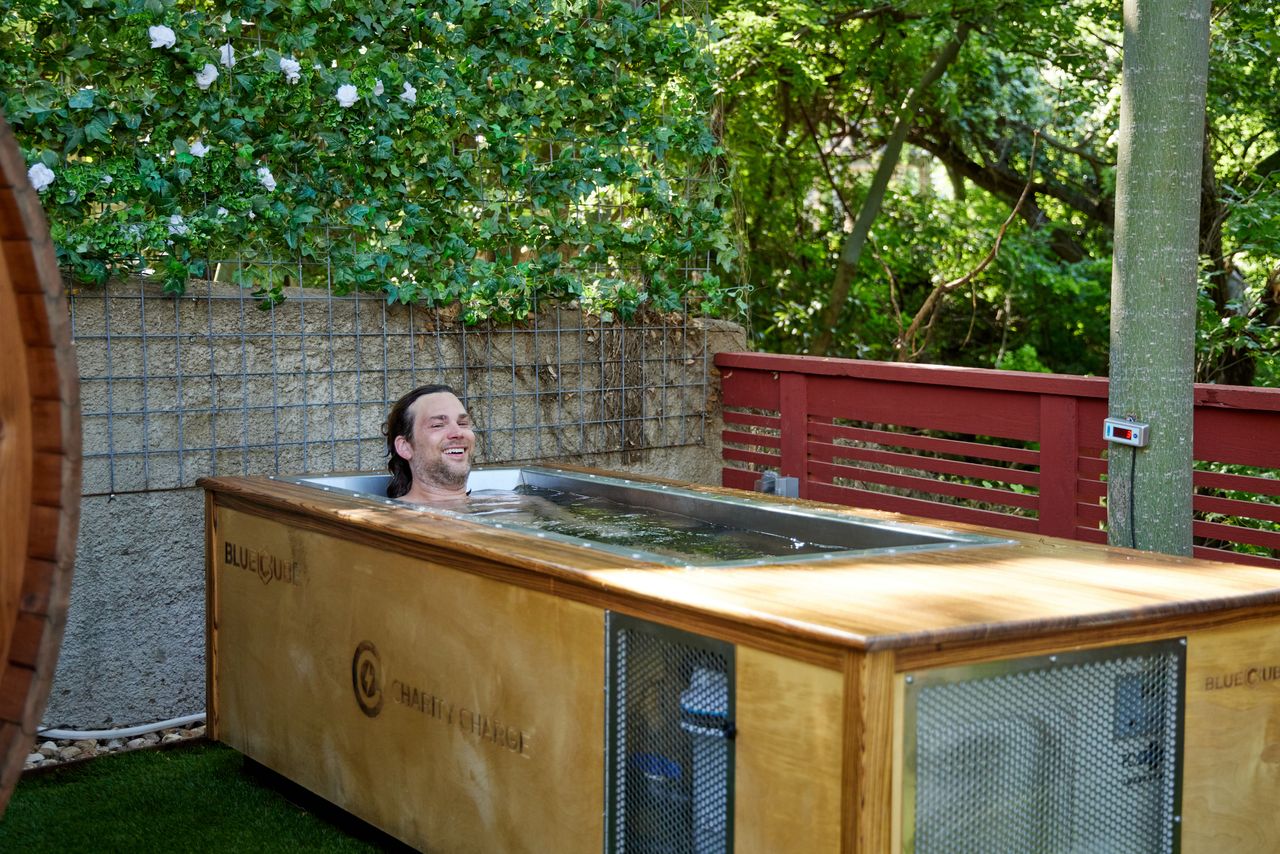
Most mornings after Stephen Garten wakes up at his home in Austin, Texas, he goes into his backyard and starts pacing, preparing himself for what’s next. “It’s brutal,” says Garten, 37, the founder and CEO of social impact company Charity Charge. “It’s a real challenge every day.”
He’s talking about lowering himself into a 66-inch-long and 24-inch-wide stainless steel tub clad in customised zebrawood and submerging himself up to his neck in water that he sets at 39 degrees Fahrenheit, with water circulating at 1,400 gallons a minute. “It’s like being in a river,” he says of the flow rate produced by this particular vessel, a Blue Cube cold plunge.
It’s an experience that Garten typically tolerates for less than two minutes at a time, once or twice a day. And it comes at a price of $19,000. Blue Cube, based in Redmond, Ore., makes cold plunge units that cost between around $18,000 and $29,000.
“Cold plunging has made a profound difference in my life,” Garten says. He says it has brought him health benefits including stress management.
Previously the domain of athletes, bathing in cold water or ice has become a mainstream wellness trend across the U.S. The practice goes by many terms, like cold plunging, ice bathing and cold-immersion therapy. Water temperature below 59 degrees Fahrenheit is generally considered cold immersion. People who swear by it say they have experienced wide-ranging health benefits, like reduced anxiety, alleviated joint and muscle pain and boosted energy and focus.
But while many people are experimenting with do-it-yourself methods—like taking cold showers or filling kiddie pools, horse troughs and unplugged chest freezers with cold water or ice—some enthusiasts have levelled-up their at-home cold plunging setups with sophisticated receptacles priced at tens of thousands of dollars and up.
Developers, meanwhile, are adding cold plunges to amenity-rich luxury complexes like 53 West 53 in New York and Cipriani Residences Miami, betting that cold immersion is here to stay.
“Ice bathing seems like a trend, but people have been doing this for thousands of years,” says Jonathan Coon, co-founder of Austin Capital Partners, which is the developer of Four Seasons Private Residences Lake Austin, 20 minutes from downtown Austin, slated to open in 2026.
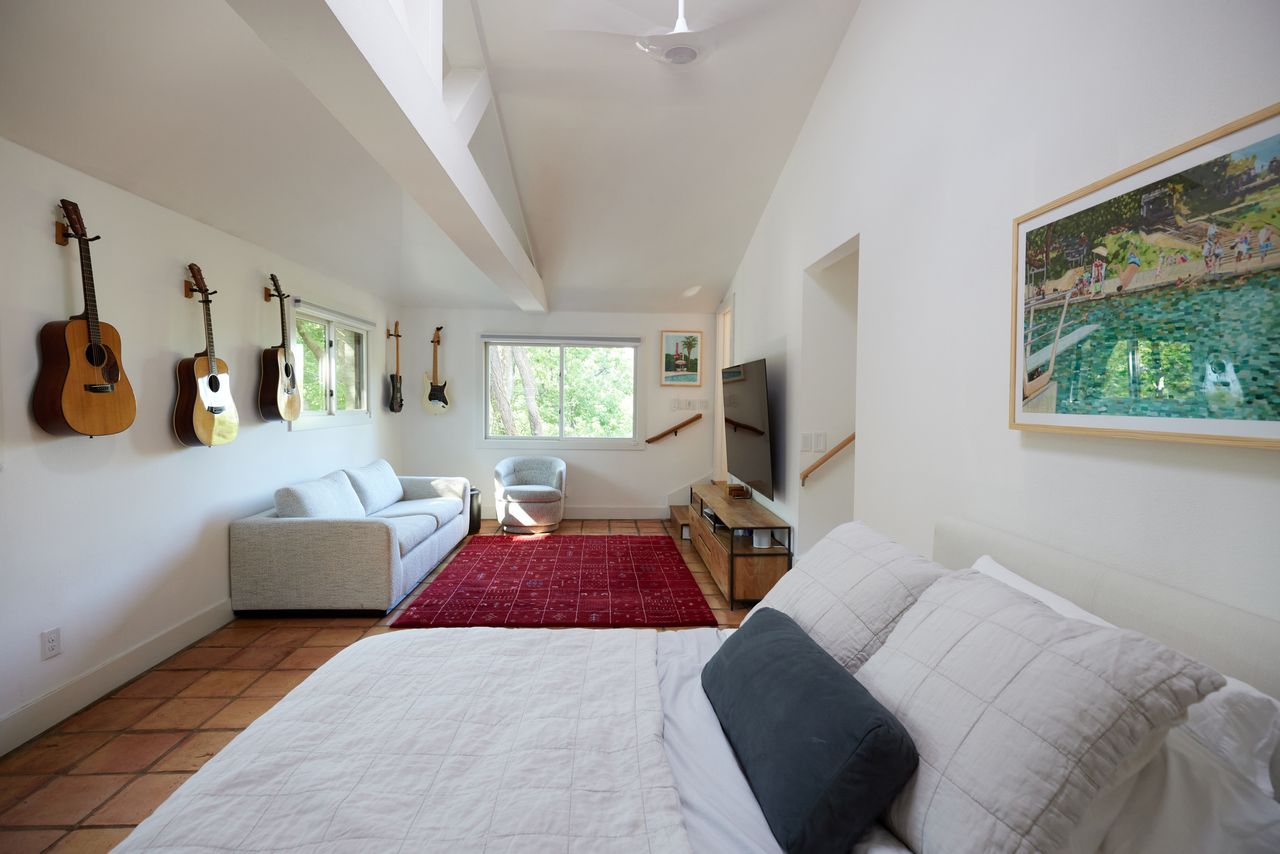
In addition to 188 residential units starting at $4.1 million, the Lake Austin property on 145 acres will have 76,000 square feet of indoor wellness and sports facilities, including a 12,000-square-foot orangery, 82-foot swimming pool, sauna, steam room and, of course, cold and hot thermal baths.
Amenities covering 100,000 square feet is a key reason that Onyx W.D. Johnson and Cristian Santangelo bought a $2.2 million two-bedroom, 1,123-square-foot apartment in New York’s One Manhattan Square, an 80-story building located on the Lower East Side. Facilities include a spa with a tranquility garden, 75-foot saltwater swimming pool, hot tub, sauna, steam room and hammam with a cold plunge set between 55 and 58 degrees Fahrenheit. The couple moved into the apartment in May 2021.
Johnson and Santangelo quivered at the idea of cold plunging until they started seeing other people dipping and discussing the health benefits. “We decided to give it a try,” Johnson says.
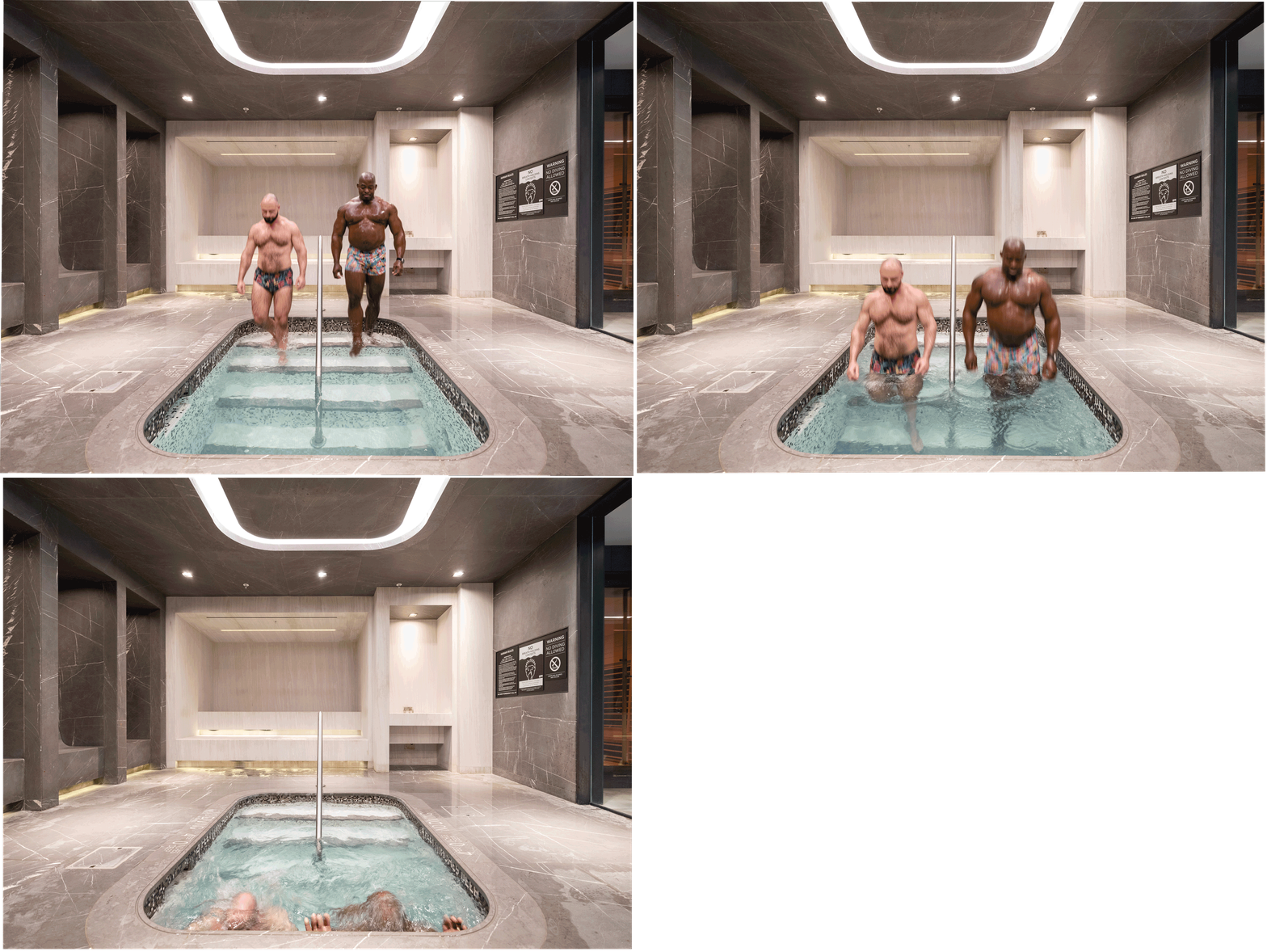
Now cold plunging is part of their wellness regimen. Johnson, 50, who runs a management consulting firm, uses the hot pool, steam room and sauna, and then cold plunges for 45 seconds to a minute. He says this routine speeds up his training recovery time, helps him think clearer and improves his alertness and mood. Santangelo, 45, who is a management consultant, says the ritual helps him calm down and fight anxiety and stress.
Diamond Spas & Pools, based in Frederick, Colo., is a custom manufacturer of luxury pools, spas and soaking tubs for homeowners globally. The company added cold plunges to its portfolio in 2015 and saw one or two orders annually until 2019, when it experienced a sales surge. “Our cold plunge projects have increased 10 times since then,” says Mitch Martinek, the company’s design manager.
Martinek attributes the uptick to several factors. Today’s homeowners want gym and spa amenities at home and on-demand, cold therapy health benefits are better known now, and there are lingering pandemic concerns over public wellness facilities.
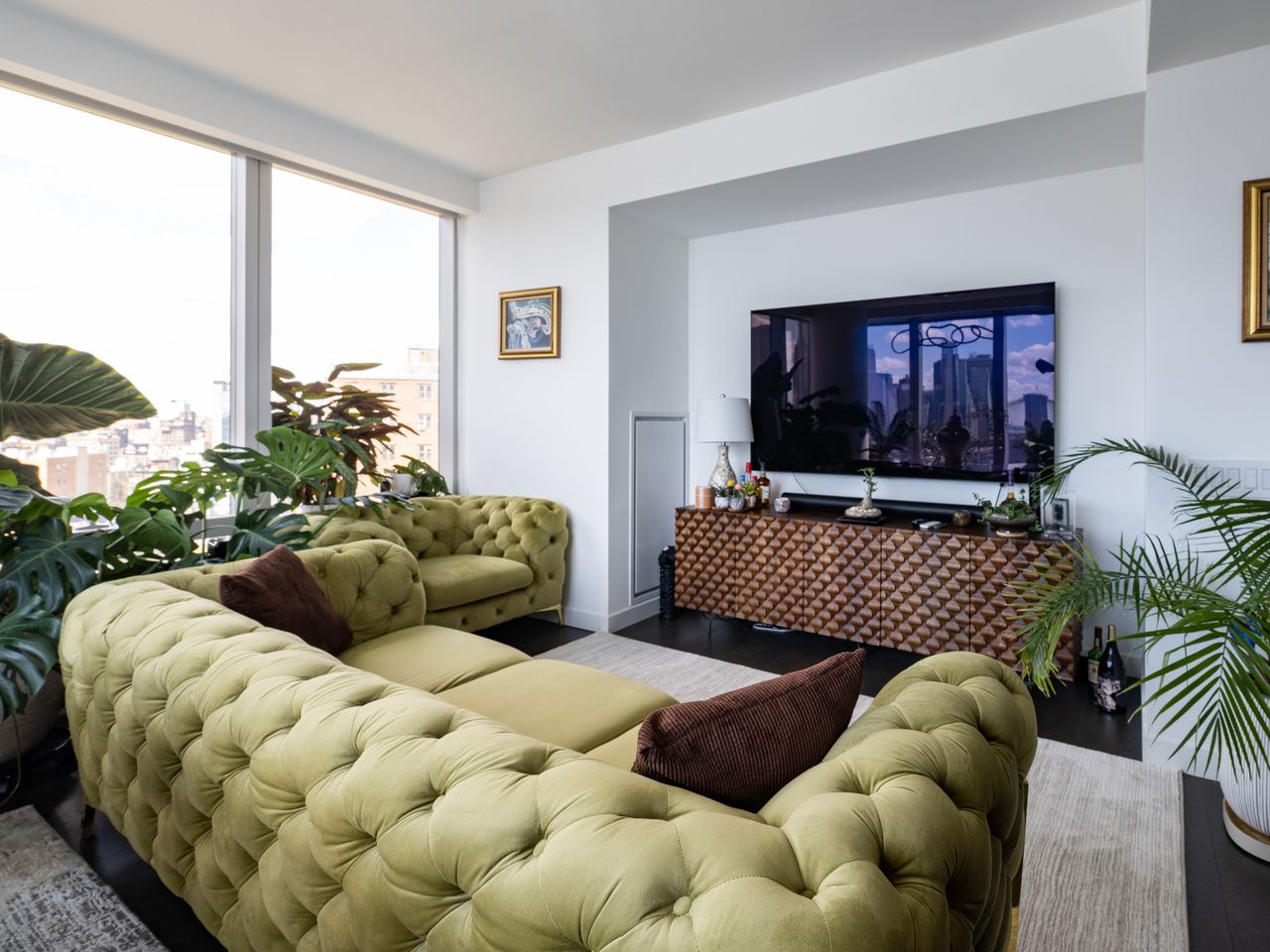

The company’s cold plunges, which chill water to between 40 and 55 degrees Fahrenheit, are made from stainless steel or copper and can be camouflaged in tile, stone or wood. The pools can go indoors or outdoors, come in any size and can work with home automation systems. The average cold plunge costs about $45,000, with elaborate projects running closer to about $65,000.
One of the company’s more unique cold plunges had an acrylic bottom and was in a high-rise building. “It was on a deck with a fire pit below,” Martinek says. “The homeowner wanted to be able to look up through the cold plunge.”
John Thorbahn bought a four-bedroom, 5,500-square-foot single-family home in Hingham, Mass., south of Boston, in March 2020 for $1.6 million. He owns a cold plunge from Phoenix-based company Morozko Forge, founded in 2018. Morozko Forge’s entry-level unit costs $12,850; its upgraded version costs $19,900.
Morozko Forge’s ice baths make ice. While the stainless steel tub is filled with cold water, an ice slab starts building at the tank’s bottom. At about 1-inch thick, the ice detaches and floats to the water’s surface. The ice can be broken up with an implement like a rubber mallet if needed.
Thorbahn, 63, who is the managing director at consulting company NFP, ice bathes most days for two to three minutes at 33 to 34 degrees Fahrenheit. His wife, Jana Thorbahn, 59, ice bathes, too. “The older you get, the more you want to live longer,” says Thorbahn, whose home also has a gym, sauna, red light therapy room and hot tub. “You start investing in protocols to help you be healthy.”
While many cold plungers have developed their own ice bathing rituals, choosing everything from their preferred water temperatures to time limits, Dr. Susanna Søberg, a Danish Ph.D. metabolic scientist and founder of the Soeberg Institute, is one of the world’s experts on the health benefits of cold immersion, which she has been studying for nine years.
In 2021, Søberg published research on cold exposure and hot exposure, which is called “contrast therapy” if the cold and hot exposures are performed in succession. Studying Danish winter swimmers, Søberg identified that a short plunge in cold, moving water combined with sauna use shifts the body’s nervous system and creates physiological changes, like boosting metabolism, lowering inflammation and releasing neurotransmitters that improve cognitive performance and mental health. “You are activating your whole body system,” Søberg says.
In a field that hasn’t been widely studied by the medical community, Søberg has developed what she says is the only scientifically backed cold immersion protocol for reducing stress using contrast therapy and breathing: 11 total minutes of cold immersion combined with 57 total minutes of heat, across two to three days a week. The goal of her method is to expose the body to the smallest amount of healthy stress needed to reap health benefits. “Staying in cold water or heat longer may not be beneficial or necessary,” she says.
Søberg says cold immersion carries the rare risk of cold water shock that can cause confusion or fainting, but the risk increases if a person does hyperventilating breathwork before or during cold water immersion. She also says cold plunging might not be good for people with heart disease or high blood pressure. Søberg advocates for cold plunging with others, and practicing slow, nasal breathing in the water.
Contrast therapy is why Sausalito, Calif.-based company Yardzen says most of its cold plunge projects involve saunas. Yardzen is an online landscape and home-exterior design company that works with homeowners across the U.S. The company’s co-founder and CEO Allison Messner says wellness yards—encompassing everything from cold plunges to saunas to meditation spaces to forest bathing—is one of Yardzen’s top 2023 trends.
“Peak luxury is having both a cold plunge and a sauna in your yard so you can experience cold and hot therapy,” Messner says.
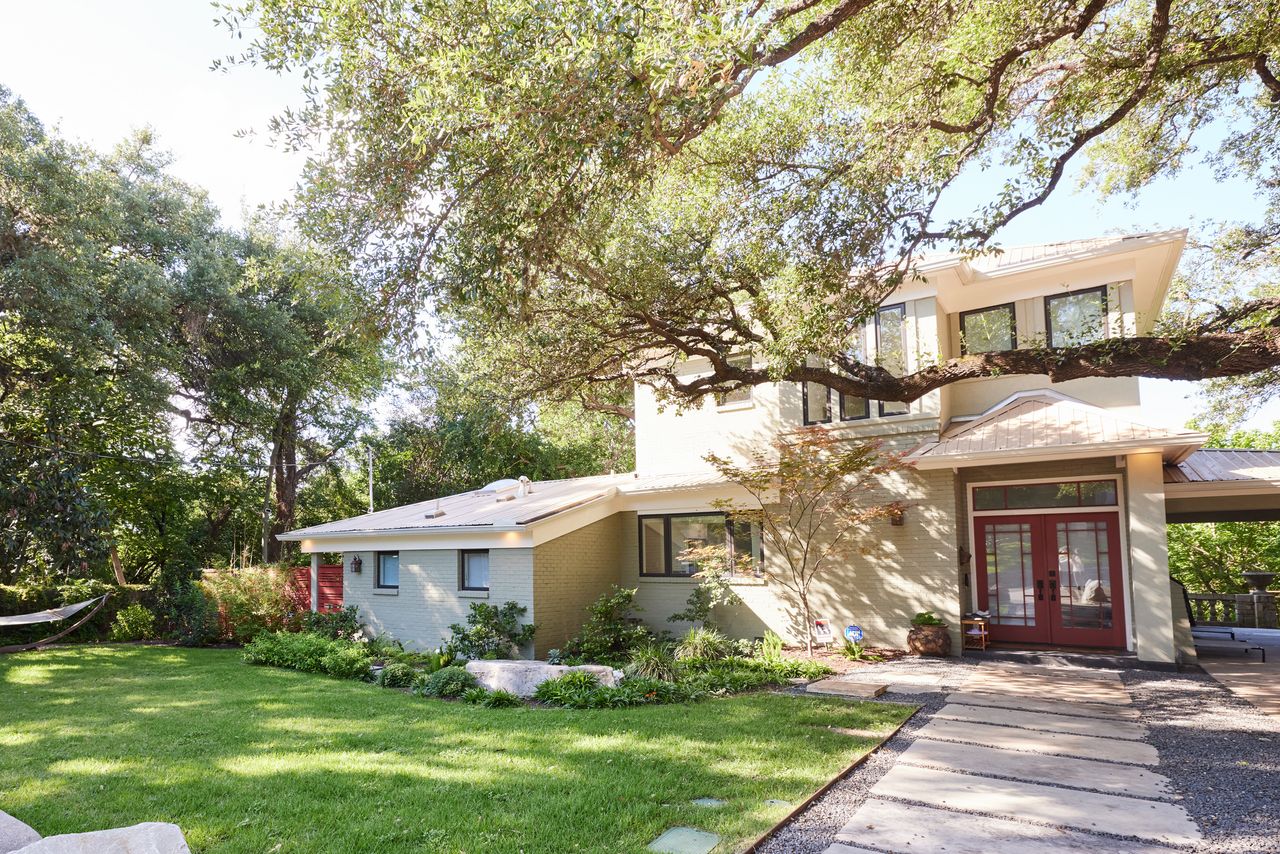
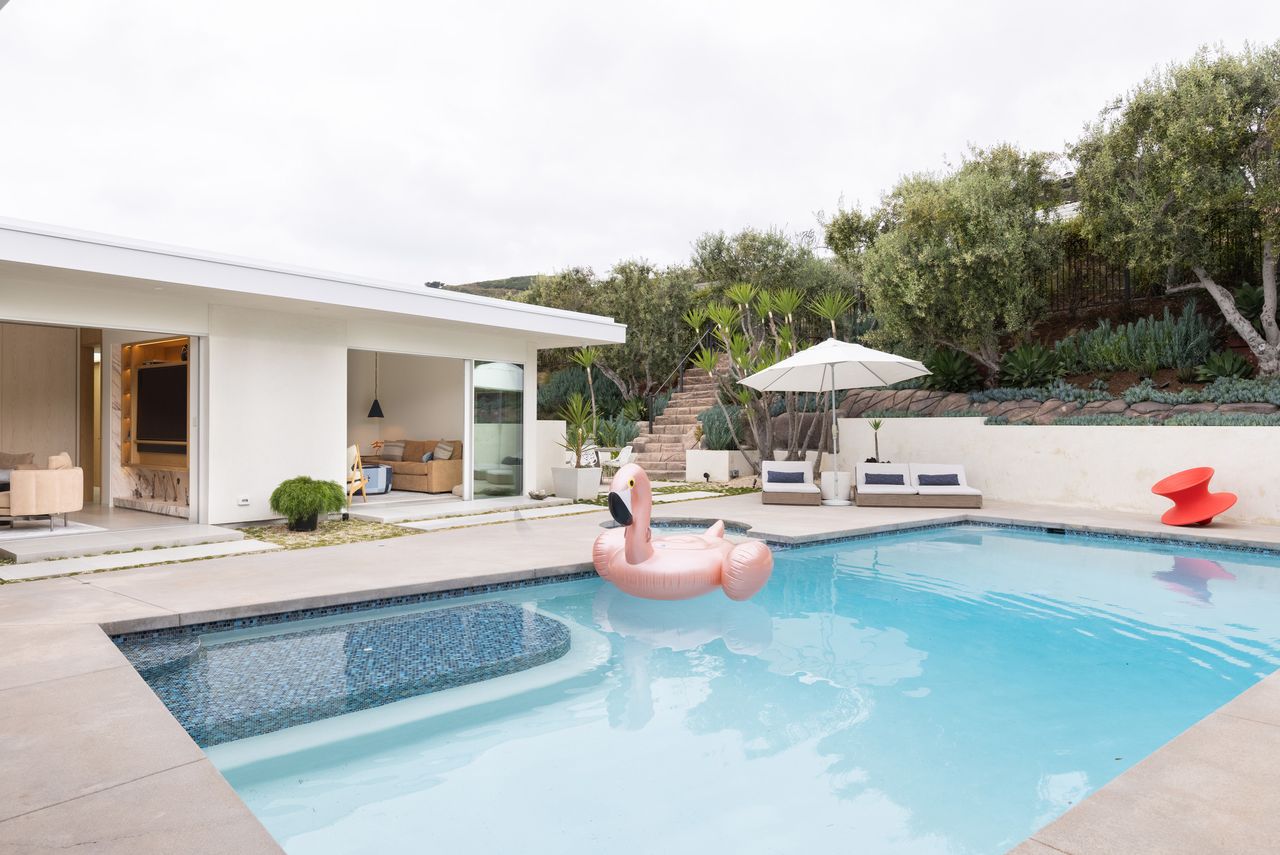
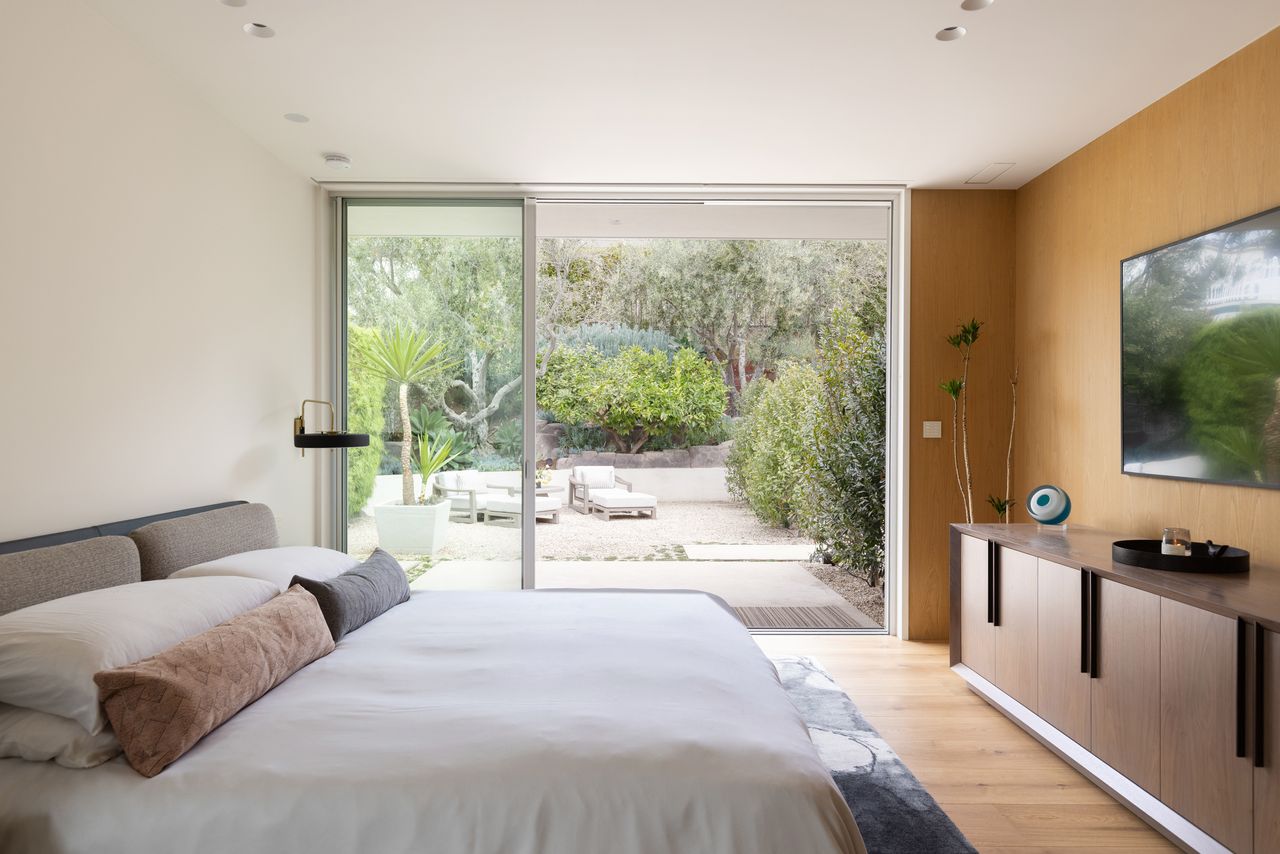
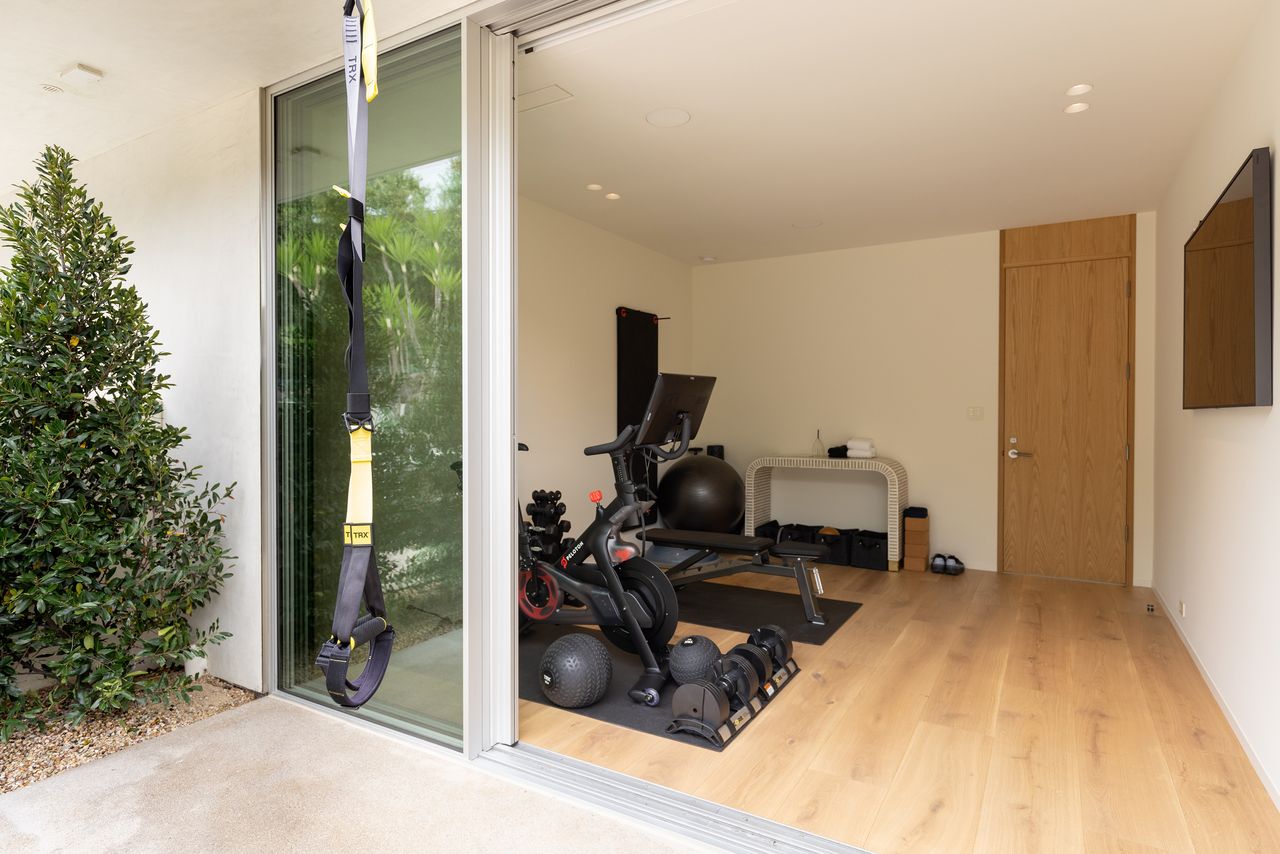
Tobias Lawry, 51, and his wife, Christine Lawry, 50, live in a three-bedroom 1963 Midcentury Modern house in Dana Point, Calif. They purchased it in October 2018. Between July 2021 and October 2022, they worked with architect Chris Light, designer Frank Berry and builder Crawford Custom Homes to renovate their 3,000-square-foot house to honor its original period intention while modernising it. This included turning a bedroom into a wellness room, which opens into a backyard with a pool, sauna and Blue Cube cold plunge.
The Lawrys, who run an estate-management and concierge services company called LPM, keep their Blue Cube at 47 degrees Fahrenheit. They typically cold plunge in the evening and on weekend mornings.
Stephen Garten in Austin also has a tricked-out wellness yard: In addition to his Blue Cube, he has a barrel sauna from Almost Heaven Saunas, which are manufactured in West Virginia and start around $7,500. He also has a stock tank pool from Cowboy Pools, an Austin-based company that has pool packages starting around $2,000.
He was inspired to create a backyard oasis where he and his fiancée, Katie Snyder, can have friends over. “It’s wellness,” Garten says, “but it’s entertainment too.”
 Copyright 2020, Dow Jones & Company, Inc. All Rights Reserved Worldwide. LEARN MORE





From making unpopular decisions to learning when to listen, leaders from five businesses reveal what nobody prepared them for — and how running a company has challenged their expectations.

Technology and semiconductor shares fell sharply as investors questioned the debt financing the AI infrastructure boom and confronted higher rates and Chinese competition.

Elon Musk is exploring a potential merger between Tesla and SpaceX, a deal that could reshape the future of AI, robotics, autonomous vehicles and space technology. With a combined valuation potentially reaching $3.5 trillion, the move could bring Musk’s vision of an interconnected technology ecosystem closer to reality, although a deal remains uncertain.
5 min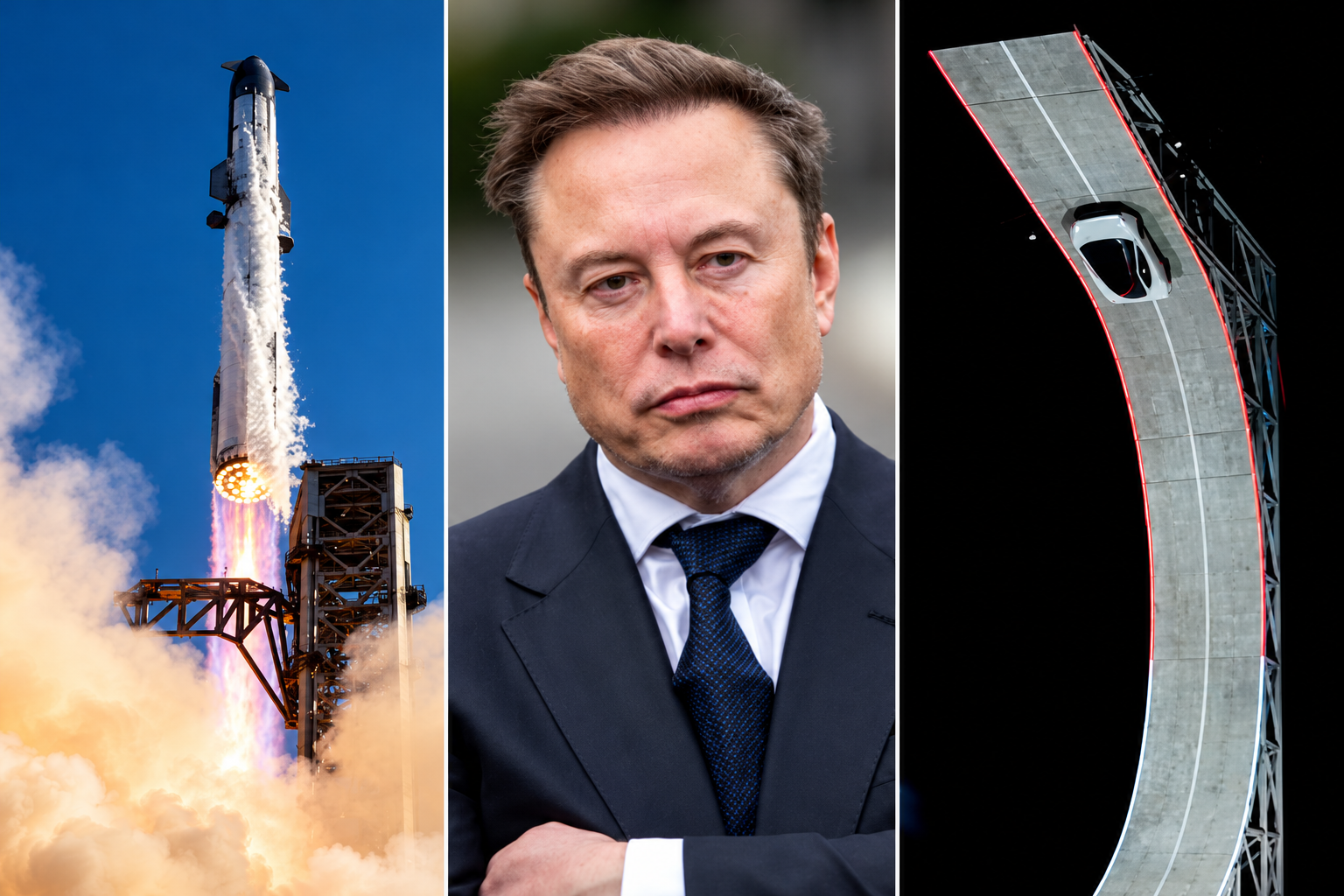
Elon Musk has engineered ties between Tesla TSLA 3.41%increase; up pointing triangle and SpaceX SPCX 7.79%increase; up pointing triangle that are hard to break, and now he wants to fuse them together permanently.
Musk has run both Tesla and SpaceX concurrently over the past two decades, using a schedule that dictated which days he spent focused on each business.
The companies have often shared resources and personnel, signaling their close ties. Last year, SpaceX looked into creating a spacesuit for Tesla’s humanoid robot Optimus, a person familiar with the matter said. Tesla last week showed off its new Roadster, a vehicle featuring SpaceX rocket thrusters that it hopes to soon bring to market.
And in recent months, Musk has repositioned both companies by expanding beyond their core operations toward a shared mission centered on artificial intelligence.
The world’s richest man on Tuesday signaled his interest in tying up SpaceX and Tesla, marking what would be the biggest corporate merger of all time. Because he serves as chief executive of SpaceX and Tesla, Musk said committees of independent directors at both companies are evaluating a possible deal, adding that a transaction might not come to fruition.
The committees will likely evaluate, with lawyers and bankers, how each company would fare in a potential deal and how a deal might best be structured. They then present their conclusions to their respective boards, who typically vote on whether to proceed.
“It’s an odd Kabuki dance where two groups of people are talking and I can’t be in the conversation,” Musk told SpaceX investors on Tuesday in response to an analyst’s question about a potential deal.
For Musk, the merger supports his vision of a world full of autonomous cars, humanoid robots and weekly rocket launches, as well as the data centers and satellites required to keep the whole thing running.
Some investors and analysts said they expect a transaction would be structured as an all-stock deal, with SpaceX potentially paying a modest premium for Tesla shares.
SpaceX, which has a market value of about $2 trillion, said it is seeing sharp growth in revenue across its businesses, which include operating data centers, launching rockets and operating satellite networks such as the internet service Starlink. Tesla is valued at about $1.5 trillion and is expanding its operations beyond its automotive and energy business. Shares in both companies traded higher following the news Tuesday.
Musk’s substantial ownership stakes in both companies, along with voting control at SpaceX, has enabled him to set the deal in motion. Analysts and investors said the deal will probably face regulatory scrutiny internationally, though some see Musk’s close relationship with the Trump administration as an asset to getting approval.
Blurred lines
The companies haven’t said which directors are on the special committees evaluating a potential deal. Several SpaceX and Tesla board members have either personal or business ties to Musk. And like Musk, venture capitalist Ira Ehrenpreis sits on both boards.
In a filing this week, Tesla outlined millions of dollars in business agreements with SpaceX and its subsidiaries last year, including $143 million in car sales to SpaceX, $3.3 million in advertising that it bought on the social-media platform X and $430 million in revenue from the sale of Megapack batteries for SpaceX’s data centers.
The companies also split the cost of resources including the use of Musk’s SpaceX jet and the bill for his personal security, which he runs through a private company.
Employees at both companies routinely move between companies to work on special projects, and some executives have dual roles, including Charles Kuehmann, vice president of materials engineering at both SpaceX and Tesla, and Ashok Elluswamy, the vice president of AI software at Tesla who runs a joint venture with SpaceX called Digital Optimus.
Over the years, Musk has launched new startups within his empire, including brain-implant company Neuralink, underground-tunnel developer the Boring Company and xAI, the AI startup that merged with SpaceX in February.
It is that AI business that Musk thinks can serve a market worth tens of trillions of dollars, justifying the need for a merger.
The business case goes like this: Tesla is developing robotaxis and robots, which it calls “physical AI.” SpaceX is working on the back end of physical AI: the data-center capacity and internet connection required for those robotaxis and robots to operate continuously.
“I don’t see what the value of Tesla is if it’s not merged with SpaceX,” said investment adviser Ross Gerber, a former Tesla bull turned critic invested in both companies. “If they don’t merge, the brains of everything that runs Tesla is owned by another company.”
On top of it all, both companies face constraints on the supply chains they need to make this world a reality, particularly when it comes to chips. To address this, Musk earlier this year announced a joint venture between Tesla, SpaceX and Intel to design and manufacture chips in Texas. “The most epic chip-building exercise by far,” he has said.
Musk at the wheel
For Musk, a merger would also solve two problems: demands on his attention and his lack of control at Tesla.
Tesla for years was Musk’s only public company, a status that came with greater scrutiny. There, Musk reports to a public board, as well as individual investors who make up around 30% of Tesla’s voting power, according to FactSet.
The question of Musk’s attention became a particular focus for investors and the board in recent years after he acquired Twitter in 2022 and launched xAI in 2023, and again in 2025 as he spent time in Washington, D.C., running the Department of Government Efficiency in the early months of President Trump’s second term.
As Tesla’s car business suffered in 2025, Musk threatened to take his AI ambitions outside the company if he wasn’t granted 25% voting control. Last November, Tesla shareholders approved a new pay package for Musk, which created a path for him to vastly expand his stake.
As of Sept. 30, Musk owned a roughly 20% stake in Tesla, according to the company’s proxy filing.
The SpaceX IPO gave Musk a different path. When SpaceX went public in June, the deal’s structure enabled him to have more than 80% voting power at the company—so much that he can’t be fired and decisions can’t be made without his support.
If SpaceX acquires Tesla, he will likely stay in control.

Two coming 2027 models – the first of the “Neue Klasse” cars coming to the U.S. early next year – have been revealed.

Australia’s housing market defies forecasts as prices surge past pandemic-era benchmarks.