The Houses Must Be White, and the Designs Preapproved. Everybody Wants In.
Demand for property in Alys Beach, a planned community on Florida’s Panhandle, has soared over the past few years—even if there are a lot of rules

 7 min
7 min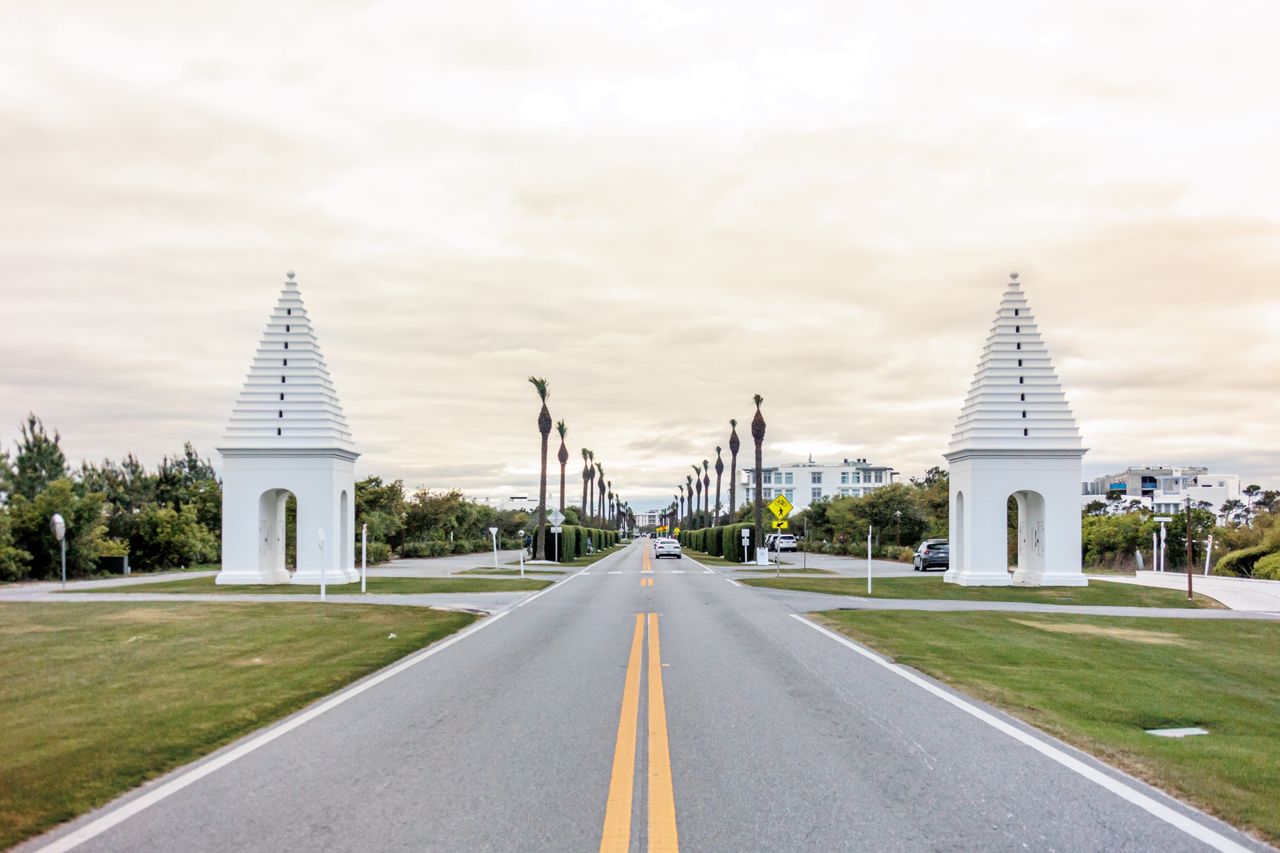
When Covid hit in 2020, Iain and Ronni Watson were planning a cruise in Greece with their friends David and Jackie Weill. So instead of heading to the Mediterranean, the Watsons ended up visiting the Weills at their new home in Alys Beach, a coastal planned community on the Florida Panhandle.
But the Watsons quickly discovered that Alys Beach had more in common with their intended destination than they thought. With its all-white, stucco homes and cobblestone streets, Alys Beach reminded them of the Greek Islands.
The Watsons were so besotted with the community that they made an offer on a five-bedroom home during the visit. By December, they had moved full-time from California to Alys Beach with their two daughters.
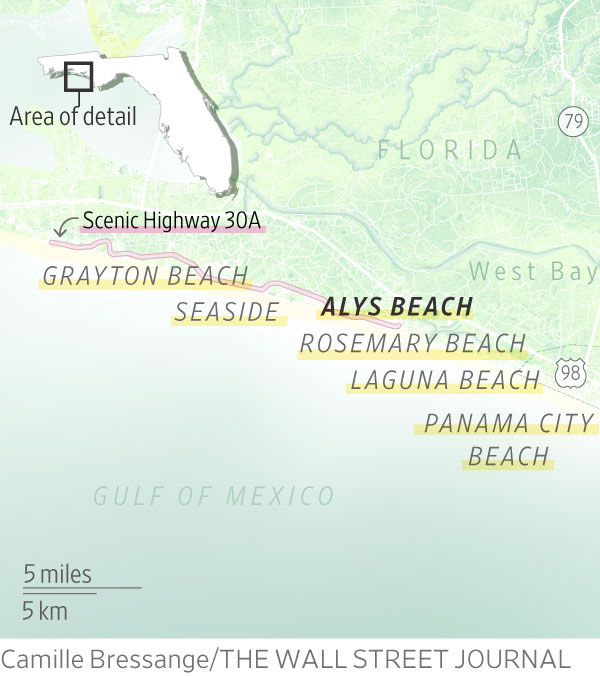
White walls and roofs are among the requirements that create the unusual aesthetic of Alys Beach, a 158-acre community on the Gulf of Mexico off Scenic Highway 30A. The look has proven popular with home buyers: Over the past several years, demand for homes there has increased and prices have ballooned, according to local real-estate agent Jonathan Spears with Compass. In the first quarter of 2023, the average sale price in Alys Beach was $5.74 million, up about 25% from $4.59 million during the same period of last year, he said.
“Most of the families that we’ve met here, 20 to 25 families, have bought in the last three years,” said Dr. Weill, 59, an organ-transplant specialist and author. He and his wife live primarily in New Orleans and spend about 170 days a year in Alys Beach.
When Alabama residents Elton B. Stephens and his wife, Alys Stephens, started vacationing on the Panhandle about 70 years ago, what is now Alys Beach was vacant land. At the time, the area had yet to become a popular vacation spot, according to their granddaughter, Alys Protzman. “I can only imagine what the roads must have been like,” she said. “Many people were not vacationing down there at that point.”
In the 1970s, Mr. Stephens purchased the land that would become Alys Beach through his company, the Birmingham-based conglomerate Ebsco Industries. The Stephens family held on to the land for decades as beach communities grew up around it. In the early 2000s, they felt the time was right to develop the land into a second-home community, Ms. Protzman said. They named it after her grandmother, Alys Stephens, who had died by the time construction commenced in 2004.
Ms. Protzman’s cousin, Jason Comer, spearheaded the project with urban planners Andrés Duany and Galina Tachieva of DPZ CoDesign. Mr. Duany had been part of a team in the 1990s that coined the term New Urbanism, which refers to the creation of mixed-use, walkable communities. DPZ CoDesign has been behind the design of several New Urbanist communities on the Panhandle, including Rosemary and Seaside.
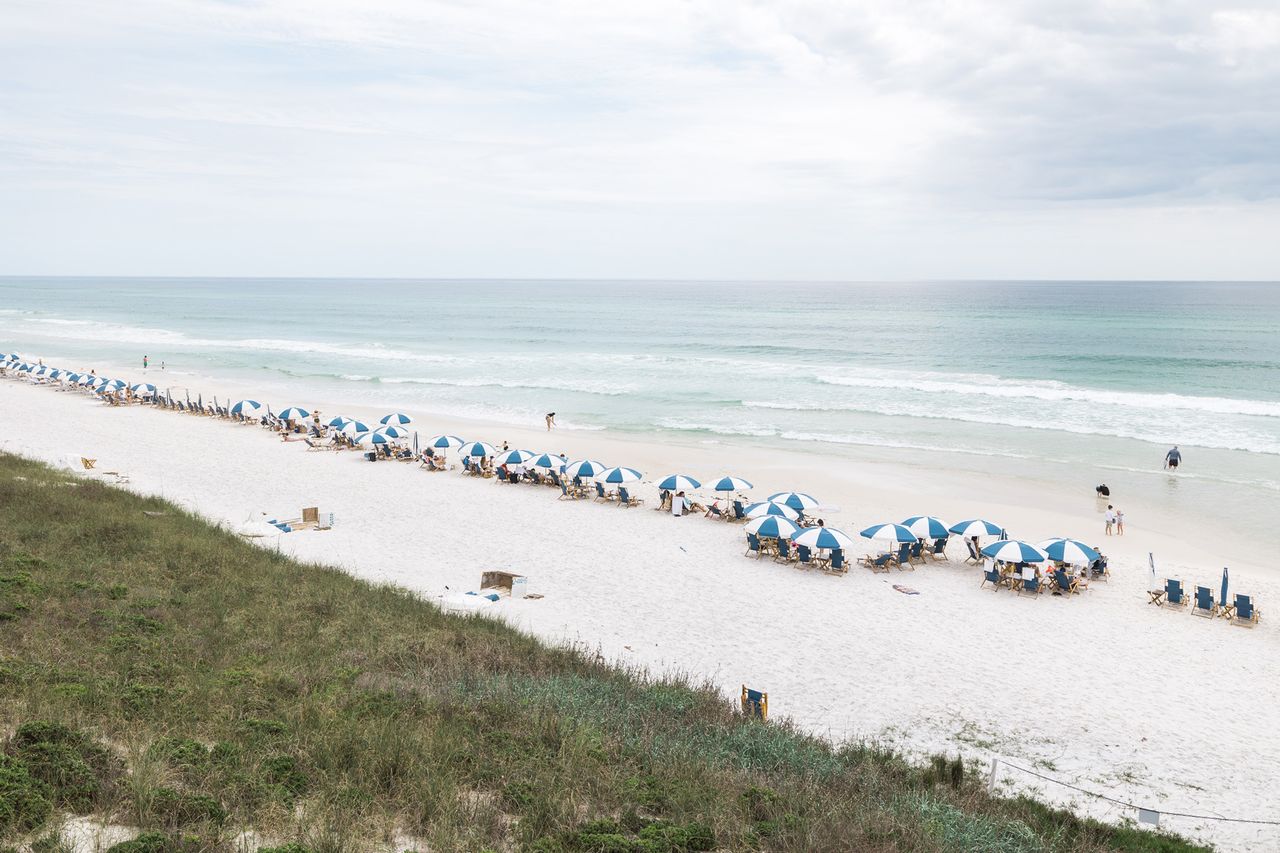
In designing Alys Beach, Mr. Duany said the goal was to create a community that was both walkable and private. To do this, many of the homes are built around individual courtyards, a design that was inspired by courtyard homes in Guatemala. They are also close together, some sharing party walls, which creates a cohesive sea of white along the community’s narrow streets. “With the conventional American house, you need a large lot to achieve privacy,” Mr. Duany said, “but the courtyard provides privacy in a relatively small lot.” This allows Alys to have a high density and enough people to support the restaurants and public life, he said.
Most people in the community walk or ride bicycles, said Dr. Weill. “We stay most of the summer there, and I can go a month without getting into the car,” he said.
Home designs in Alys Beach must be approved by Marieanne Khoury-Vogt and her husband Erik Vogt, the designated town architects, and other members of a review committee. At first, the style of the homes in the community was inspired by Bermudian architecture, according to Mr. Duany. But it has since evolved into an unusual blend that includes everything from Mediterranean to Moorish influences, Ms. Khoury-Vogt said. Alys Beach has a list of approved builders and architects that homeowners can choose from, although they can apply to use a different architect.
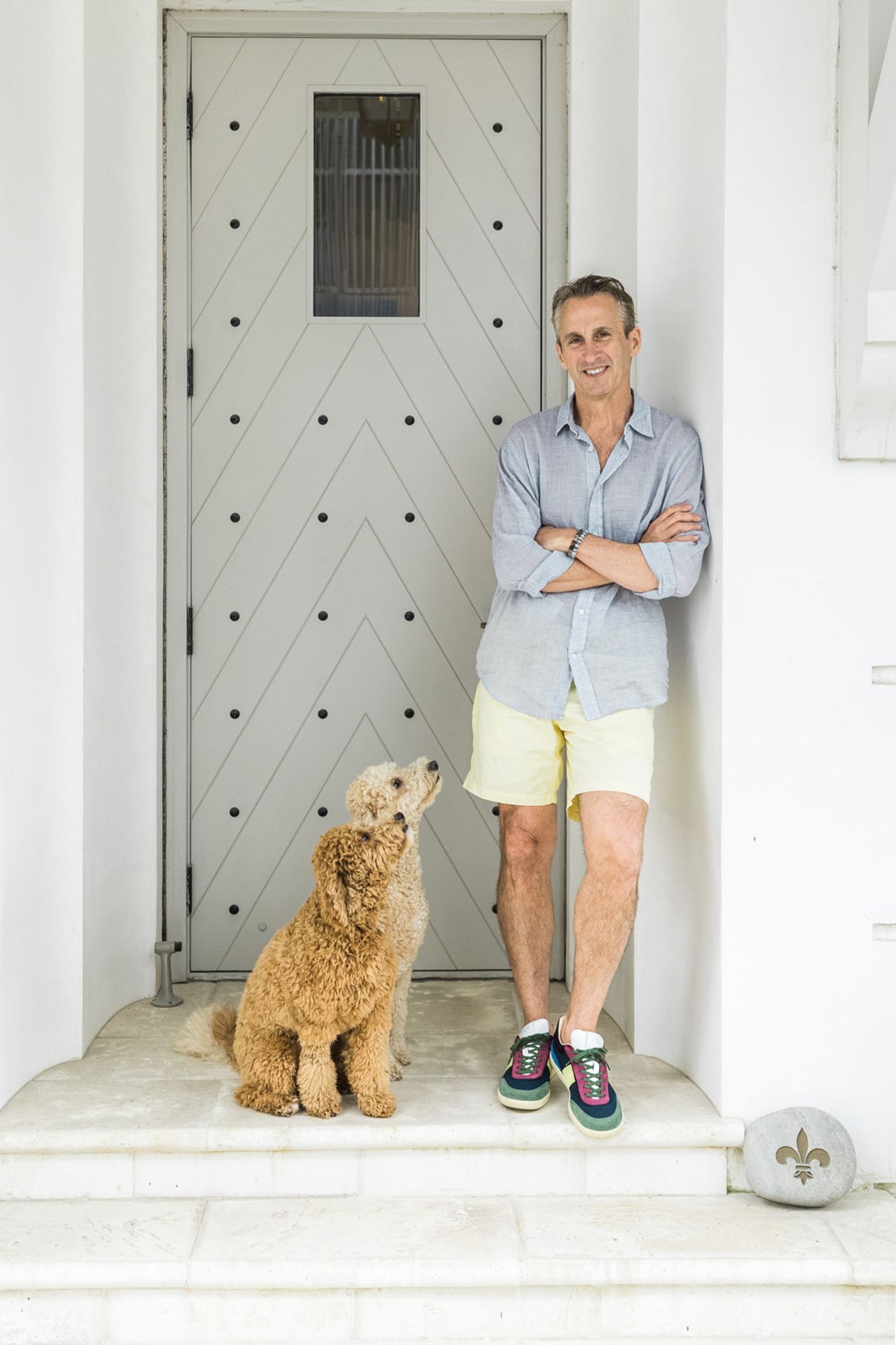
White is the colour of choice, Ms. Khoury-Vogt said, because it is timeless and reflects heat. (Elements such as doors, window surrounds, shutters and gates can be different colors, she said.) The absence of color pushes architects to give each house distinctive carvings and parapet walls, said Jeffrey Dungan, an architect who has been designing homes in Alys Beach for over a decade. Homes are also required to be masonry, although materials like wood, stone and metal can be used judiciously to introduce warmth and texture, Ms. Khoury-Vogt said.
There are also guidelines for vacation rentals in Alys Beach. In order for homeowners to rent out their homes, for example, they are required to have specific glasses, linens, and serveware: cotton-sateen blend Garnier-Thiebaut linens, and dinnerware and flatware from Fortessa. These items are purchased through the community’s vacation rental program.
Alabama-based real-estate agent Matt Curtis and his wife, Courtney Curtis, bought their four-bedroom, roughly 3,900-square-foot home in Alys Beach for about $6.4 million with the intention of spending a few weeks there with family, then renting it out the rest of the year. They spent about $5,170 to purchase the required linens, Mr. Curtis said, plus a $100 monthly replacement fee. No family photos can be displayed while a property is being rented, he said.
Residents say they appreciate the exclusivity and attention to detail. Before buying their home in Alys Beach, the Weills owned a house in nearby Rosemary, but wanted a quieter community. Over the years, some beaches on the Panhandle have gotten crowded and have a “spring-breakish flare” to them, said Dr. Weill. “I think the folks who developed Alys saw a demand for a more exclusive property that was quieter.”
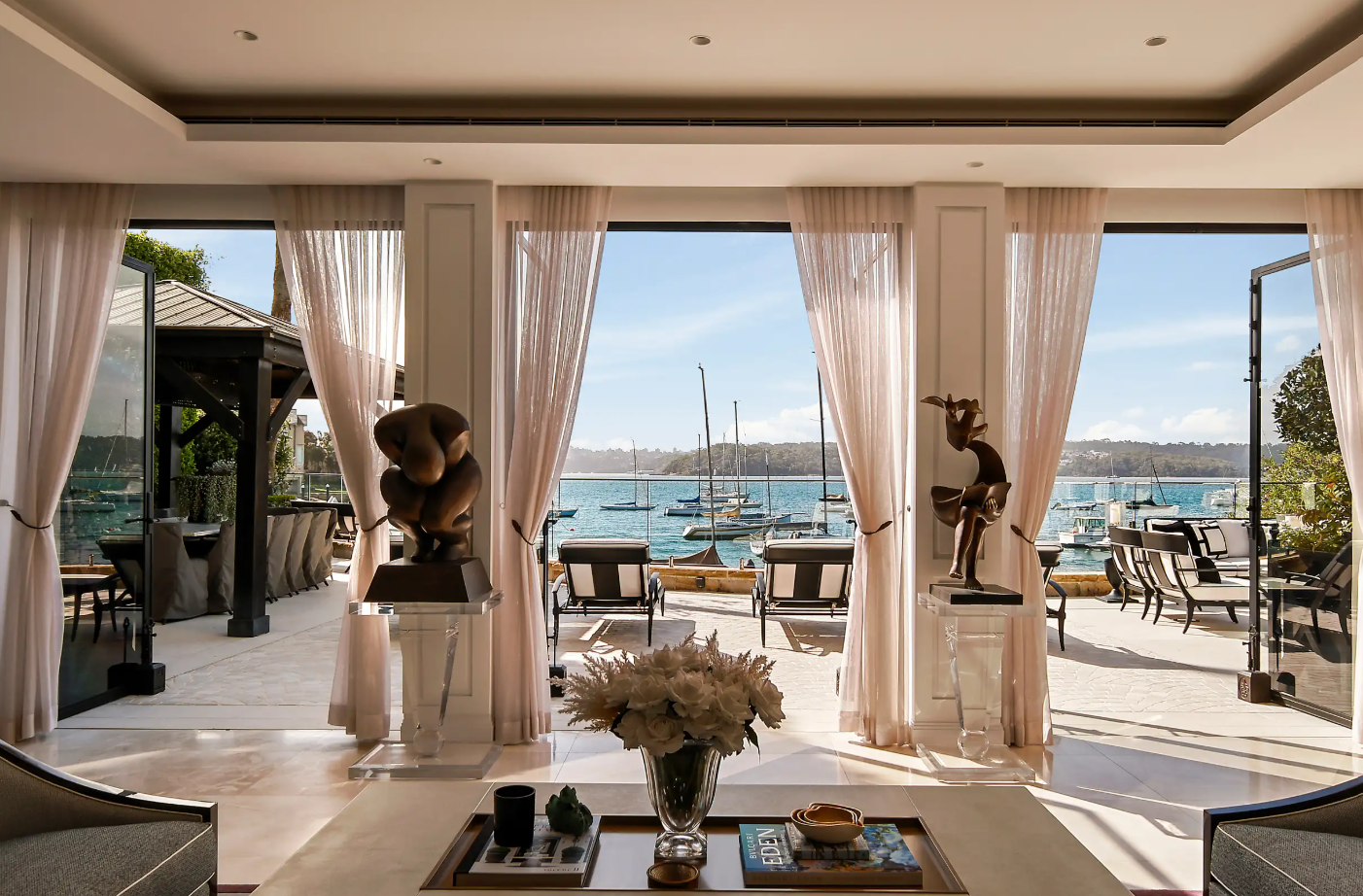
The Weills sold their Rosemary home and paid $5.4 million in the summer of 2020 for a roughly 3,600-square-foot, three-story house in Alys Beach with a rooftop deck. The property is three doors away from the Gulf.
The Watsons paid $7.5 million for their Alys Beach home, which has an enclosed courtyard leading to the front door. Inside, the walls are white Venetian plaster, and large entertainment spaces sit adjacent to smaller, intimate rooms. “It’s spacious yet cozy,” said Ms. Watson, 58, a former nurse who also worked for several medical startups. Mr. Watson, 67, was a strategy consultant and investor before retiring.
Still, the Watsons have decided that the roughly 5,200-square-foot home is too big for them, and they are planning to downsize to a smaller Alys Beach home. They have listed their current house for $12.495 million, more than 60% above the 2020 purchase price.
Alys Beach is about 65% sold out and about 50% developed, according to the community’s in-house sales team. The team handles all new developer-owned property listings, which are released in phases.
When Mark and Wendy Patterson started looking for land in Alys Beach in 2020, there were only a few lots available. Demand in the market was “crazy,” said Mr. Patterson, 52, the chief of staff at a tech conglomerate. “It was a ‘you-need-to-buy-today-or-it-will-be-gone-tomorrow’ kind of thing,” he said. They paid about $1.5 million in July 2020 for a vacant lot, then built a roughly 4,300-square-foot house.
The building process was quite the undertaking due to the various requirements, the Pattersons said. Property owners building homes in Alys Beach must start construction within 30 months of their purchase, and they have 36 months to complete it, according to the sales team. So the Pattersons moved quickly, picking an architect from the pre approved list. It took them about nine months to get their plans approved and about two years to build the house.
The community is strict about elements visible from the outside, Mr. Patterson said, “but if you want to go crazy on the inside, you would probably have a lot more leeway there.” They chose a dark bluish-gray for their window trims and put balconies on the front of house. The Pattersons said they don’t mind the requirements, and in fact the community’s all-white color scheme was a feature that drew them there.
With the house completed, they split their time between Dallas and Alys Beach, Ms. Patterson said, and their daughters and son-in-law visit as often as they can.
The rental market in the community is also robust. The Curtises started renting out their home in August 2022 with nightly rates ranging from around $1,000 to $2,500 depending on the time of year. According to Mr. Curtis, demand has been strong, with the home already rented out for half of May and all of June.
There are likely several reasons for the recent uptick in demand for Alys Beach homes, according to Mr. Duany. A community takes decades to operate as intended, he said, and over the past several years, many of the plans for Alys Beach have come to fruition, with restaurants and boutique storefronts filling up commercial spaces. Moreover, Florida became a hot spot for out-of-state home buyers during the pandemic, according to Mr. Spears.
The closer you get to the Gulf in Alys Beach, the more competitive the market becomes. There are 20 Gulf-front homesites in the community, and only six that are still undeveloped and not yet available for purchase, according to Ms. Khoury-Vogt. In 2021, attorney Chasitie Walden, along with her parents and brother, purchased a beachfront lot for $12 million, according to Mr. Spears, who represented them. It was the most expensive single-family lot sale recorded along 30A, he said.
Ms. Walden, 48, who lives full-time in Kansas, said there was at least one other offer on the property. After her family purchased the lot, they received an unsolicited offer to buy it, which they declined.
Ms. Walden said she first visited Alys Beach with her family after reading about it in a magazine in 2013. Compared with the other beach communities in the area, they feel Alys has the most attractive amenities, such as its beach club, wellness centre and a nature preserve.
After Ms. Walden visited the community, she and her family bought a home in a nearby neighbourhood and waited for a lot big enough to come available in Alys Beach. Now, they are about two years away from completing construction of their home there.
Ms. Walden, who recently finished a three-year build in Kansas, said she “swore she’d never build again.” But for a beachfront home in Alys Beach, “it’s worth it.”
 Copyright 2020, Dow Jones & Company, Inc. All Rights Reserved Worldwide. LEARN MORE





From making unpopular decisions to learning when to listen, leaders from five businesses reveal what nobody prepared them for — and how running a company has challenged their expectations.

Technology and semiconductor shares fell sharply as investors questioned the debt financing the AI infrastructure boom and confronted higher rates and Chinese competition.

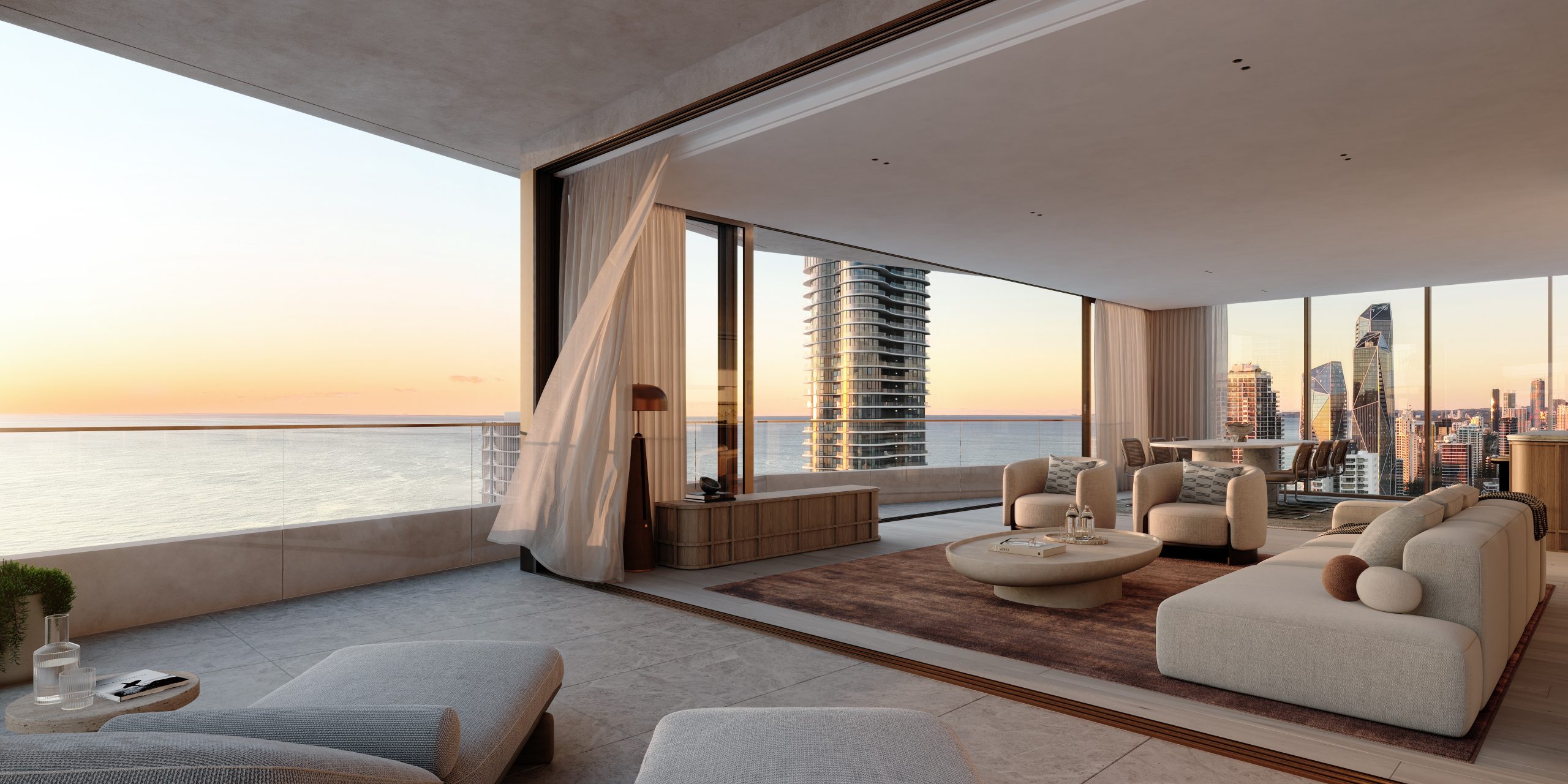
Mirvac’s 45-level Trielle has topped out at Yarra’s Edge, pairing riverfront apartments with wellness facilities, private dining and resident services.
3 min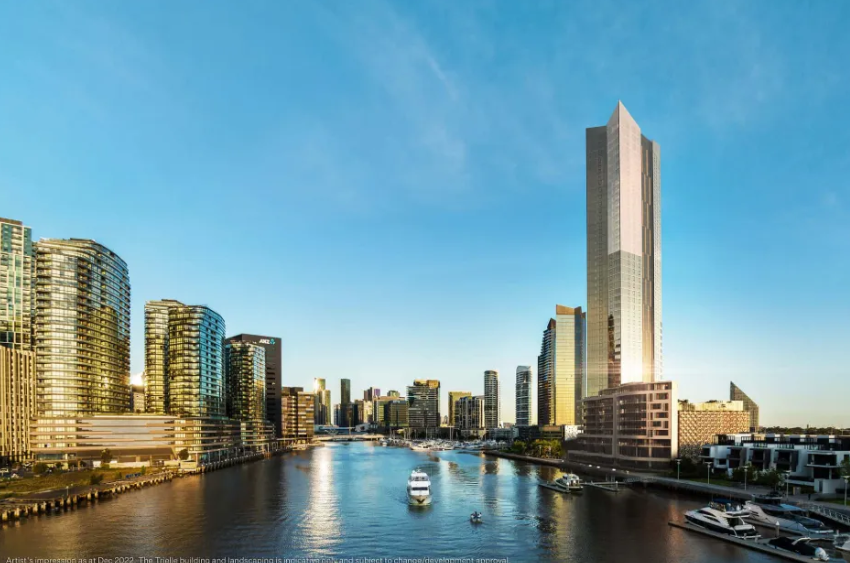
Mirvac has topped out Trielle at Melbourne’s Yarra’s Edge, with more than 70 per cent of the riverfront development sold and approximately 80 per cent of purchasers intending to make their apartment a home.
The figures, released on September 22, point to an owner-occupier audience for one of the precinct’s final residential towers. Mirvac began developing Yarra’s Edge in 2003, and its latest addition occupies one of the remaining absolute riverfront sites.
Mirvac CEO of Development Stuart Penklis said existing residents were among those moving up within the neighbourhood.
“Many purchasers already have a connection to Yarra’s Edge,” Mr Penklis said, describing buyers whose changing needs were encouraging an upgrade within the precinct.
“As one of the final residential towers within Yarra’s Edge, Trielle represents the culmination of more than two decades of creating one of Melbourne’s most established and sought-after waterfront communities,” Penklis said.
“Positioned on the Collins Street axis with absolute river frontage, Trielle offers residents a rare opportunity to enjoy sweeping views across the Yarra River, Melbourne skyline and Port Phillip Bay, while remaining seamlessly connected to the CBD. With Trielle now more than 70 per cent sold, we’re continuing to see strong demand from buyers seeking quality homes in established locations.”
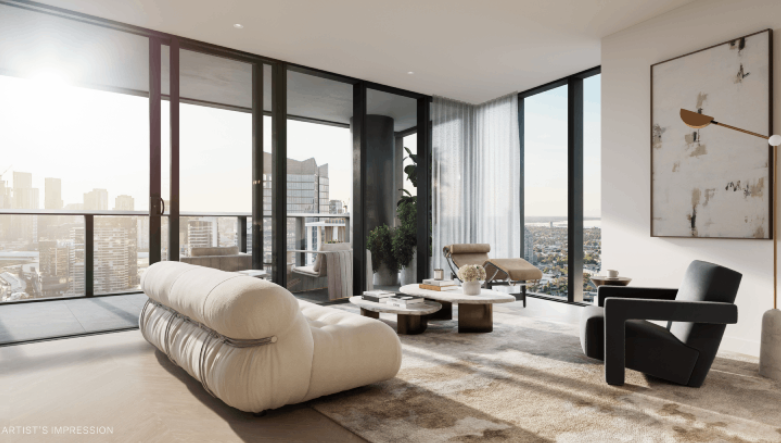
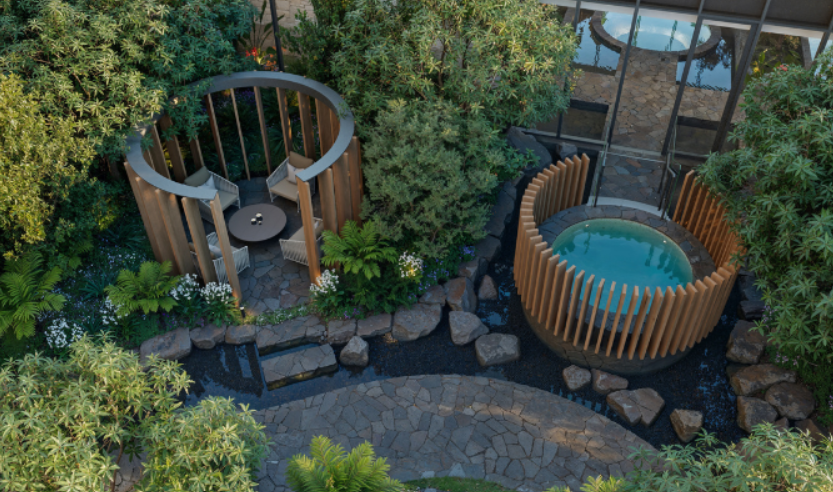
The developer also flagged a penthouse and sub-penthouse collection with larger layouts, premium finishes and broad outlooks. The planned wellness centrepiece, The Oasis, encompasses a 900-square-metre elevated urban rainforest.
Mirvac General Manager Residential Development Victoria Elysa Anderson said Trielle had resonated strongly with buyers seeking a rare lifestyle offering in Melbourne.
“Opportunities to secure a new luxury residence on a riverfront site of this calibre are incredibly rare, particularly within a community like Yarra’s Edge,” Anderson said.
“What makes Trielle unique is the combination of exceptional views, world-class residential facilities and the lifestyle that already exists around it. Residents are buying into a mature waterfront community with parks, promenades, dining, wellness and strong community connections already in place.”
The 45-level tower brings a substantial new presence to that waterfront. Its residential offering spans one-, two-, three- and four-bedroom apartments, with Signature, Prestige and Sub-Penthouse collections accommodating different household sizes. The north-facing position connects the apartments visually to the river and city beyond.
Seven storeys above the promenade, the planned Oasis combines planting and a running stream with a Scandinavian-inspired wellness club developed with spa specialist Naomi Gregory. Facilities include a 25-metre lap pool, hot magnesium pool, sauna, hydrotherapy, a gym, yoga and Pilates room, and treatment spaces.
The amenity extends beyond exercise. Residents will have access to The Biblioteca library and workspaces, ground-floor work pods, and The Salone piano lounge. A private Chef’s Table dining room offers a setting for larger gatherings, while a cinema, games room and sports lounge broaden the entertaining options. Concierge services and a dog-wash area support everyday routines.
Trielle comprises a collection of one, two, three and four-bedroom residences. Reflecting strong demand from owner occupiers, approximately 80 per cent of purchasers to date intend to live in their homes, highlighting the project’s appeal to those seeking a long-term waterfront lifestyle.
Mirvac has recently delivered The Albertine, a premium apartment development on the edge of Melbourne’s CBD, and is nearing completion of Prince & Parade in Brunswick, further strengthening its portfolio of thoughtfully designed apartment communities in some of Melbourne’s most sought-after urban locations.

From gorilla encounters in Uganda to a reimagined Okavango retreat, Abercrombie & Kent elevates its African journeys with two spectacular lodge transformations.

As interest rates, inflation and market sentiment fluctuate, investors are being urged to focus on data, not panic.