The top 10 Australian locations at highest flood and bushfire risk
A new report finds higher flood and bushfire property premiums are leaving more homeowners and investors struggling to insure their assets
 3 min
3 min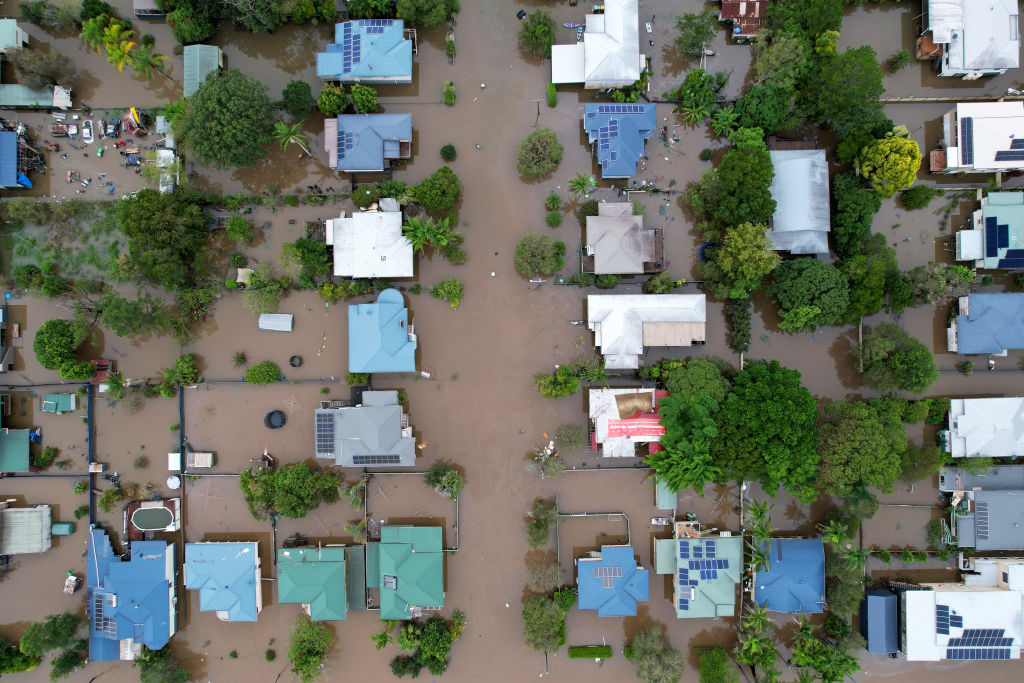
More extreme weather events are affecting property values and home insurance costs, with a new report highlighting the impact of bushfire, riverine flooding and coastal erosion risk on homes and the need for buyers to assess disaster risk in their purchasing processes.
The 2024 Perils Report from Domain Research has found there is a direct relationship between the value of a home and its susceptibility to natural disasters. It revealed that 5.6 million Australian homes are at risk of bushfire — almost half of the entire residential housing stock. More than 32,000 homes, or 0.3 percent of stock, have high bushfire risk ratings. The researchers estimate that a home’s value decreases by 2 percent with every increase in its bushfire rating.
The report also found that 953,000 homes, or 8.1 percent of housing stock, face flood risk. Almost 141,000 homes have a high risk, and for every percentage point increase in the risk of a 50-centimetre flood, a property’s value drops by 0.8 percent. About 160,000 homes are within 150 metres of the coastline, and about one in 10 are at risk of erosion. However, the report finds there is no significant price impact given buyers place a high priority on waterside locations and views.
“This report is almost like a snapshot in time, looking at what is that landscape currently today, but we know that these natural disasters are escalating because of climate change,” said Domain chief of research and economics, Dr Nicola Powell. “The impacts in the future could [be] greater, impacting more homes and communities.”
Domain Research said evaluating a property’s risk is increasingly important for buyers. Home purchasers can access information from local councils and state governments, and some information may be included in the contract of sale. Buyers can also pay for a risk report to be done.
A recent report by the National Housing Supply and Affordability Council described climate change as an ‘emerging trend’ affecting values and insurance costs. “The price differential between flood-affected and non-flood affected homes has been estimated to be up to 35 percent a year after a flooding event,” the report said. “Furthermore, the RBA estimates around 7.5 percent of properties are in areas that could experience price falls of at least 5 percent due to climate change by 2050.”
The report said more than one million households are struggling to afford home insurance today, and more homes are uninsured as a result. The Insurance Council of Australia (ICA) says premiums are rising due to the impact of more severe natural disasters and a significant increase in construction costs that have gone well above the rate of inflation, making repairs more expensive.
The ICA said four declared insurance events in 2022 alone resulted in 302,000 claims costing $7.28 billion in insured losses. Six billion was from a single event – the Northern NSW and South-East Queensland floods – which was the second costliest insured event in the world that year and the costliest insured event in Australia’s history.
ICA CEO Andrew Hall says governments at all levels need to invest in more protection measures to mitigate the impact of extreme weather, thereby helping to keep insurance premiums lower.
“Governments must also amend land use planning legislation to include a mandatory requirement for planning approvals to consider property and community resilience to extreme weather, and improve building codes so future homes are made more resilient,” Mr Hall said.
Top 10 areas with the highest chance of a 50cm flood per year
1 Ballina NSW 3.9 percent
2 Tweed Heads South NSW 3.7 percent
3 Grafton NSW 2.7 percent
4 Coonamble NSW 2.3 percent
5 Tweed Heads NSW 2.2 percent
6 York-Beverley WA 1.9 percent
7 Maclean-Yamba-Iluka NSW 1.9 percent
8 Lismore NSW 1.8 percent
9 Tingalpa QLD 1.7 percent
10 Far South West QLD 1.6 percent
Source: Domain Research
Top 10 areas with the highest bushfire risk (out of 10) per year
1 Upper Yarra Valley VIC 7.7
2 Ashendon-Lesley WA 5.5
3 Mount Dandenong-Olinda VIC 5.4
4 Ettrema-Sassafras-Budawang NSW 4.6
5 Mount Wellington TAS 4.3
6 Glen Forrest-Darlington WA 4.0
7 Bilpin-Colo-St Albans NSW 3.9
8 Calga-Kulnura NSW 3.9
9 Deua-Wadbilliga NSW 3.9
10 Belgrave-Selby VIC 3.8
Source: Domain Research
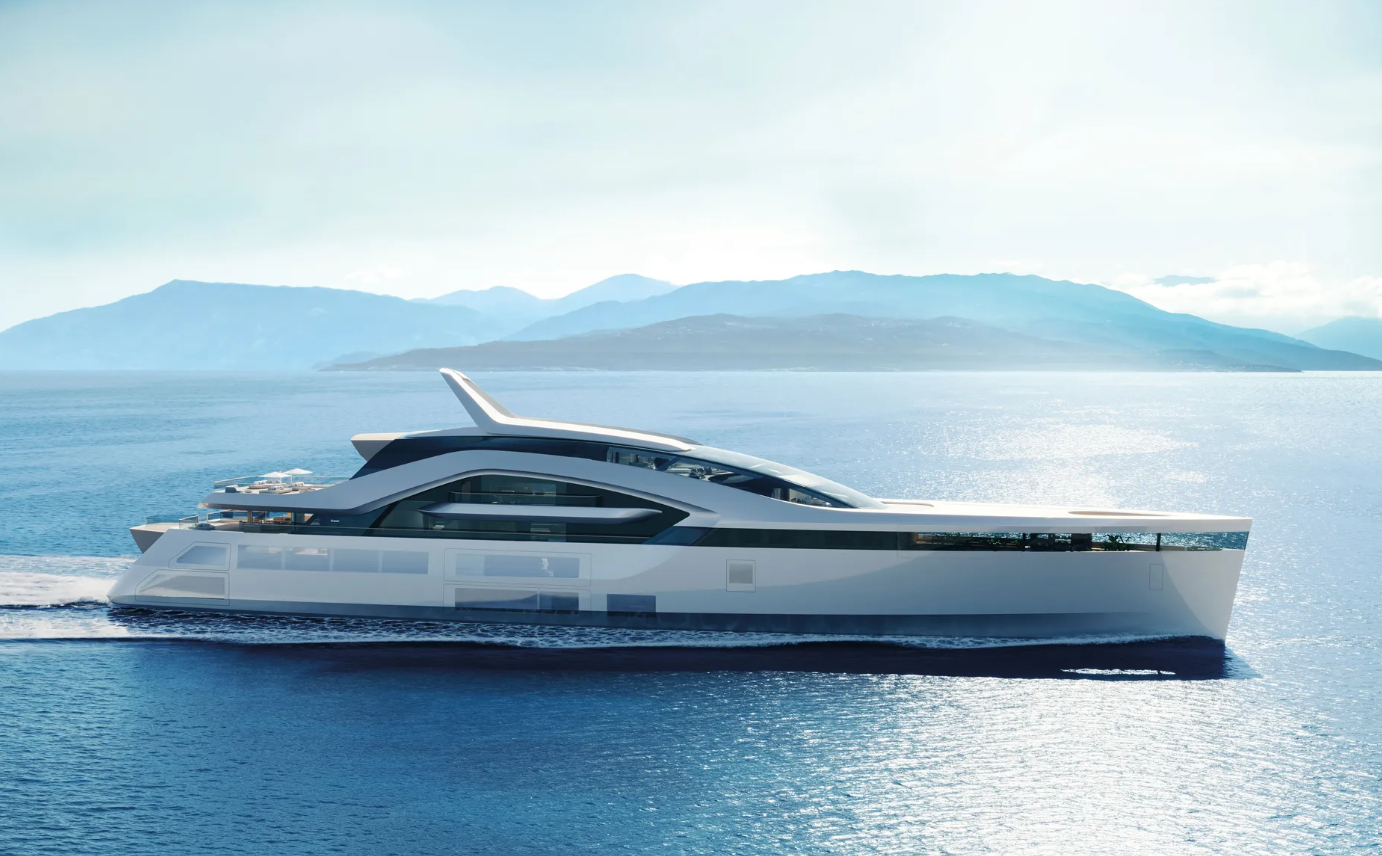
On the owner’s deck, a 20-metre swimming pool incorporates Feadship’s patented ContraWave technology and extends indoors as a suspended, glass-bottomed infinity pool.

Automobili Lamborghini is turning its attention to something considerably more difficult to define: what makes Italian excellence uniquely Italian?
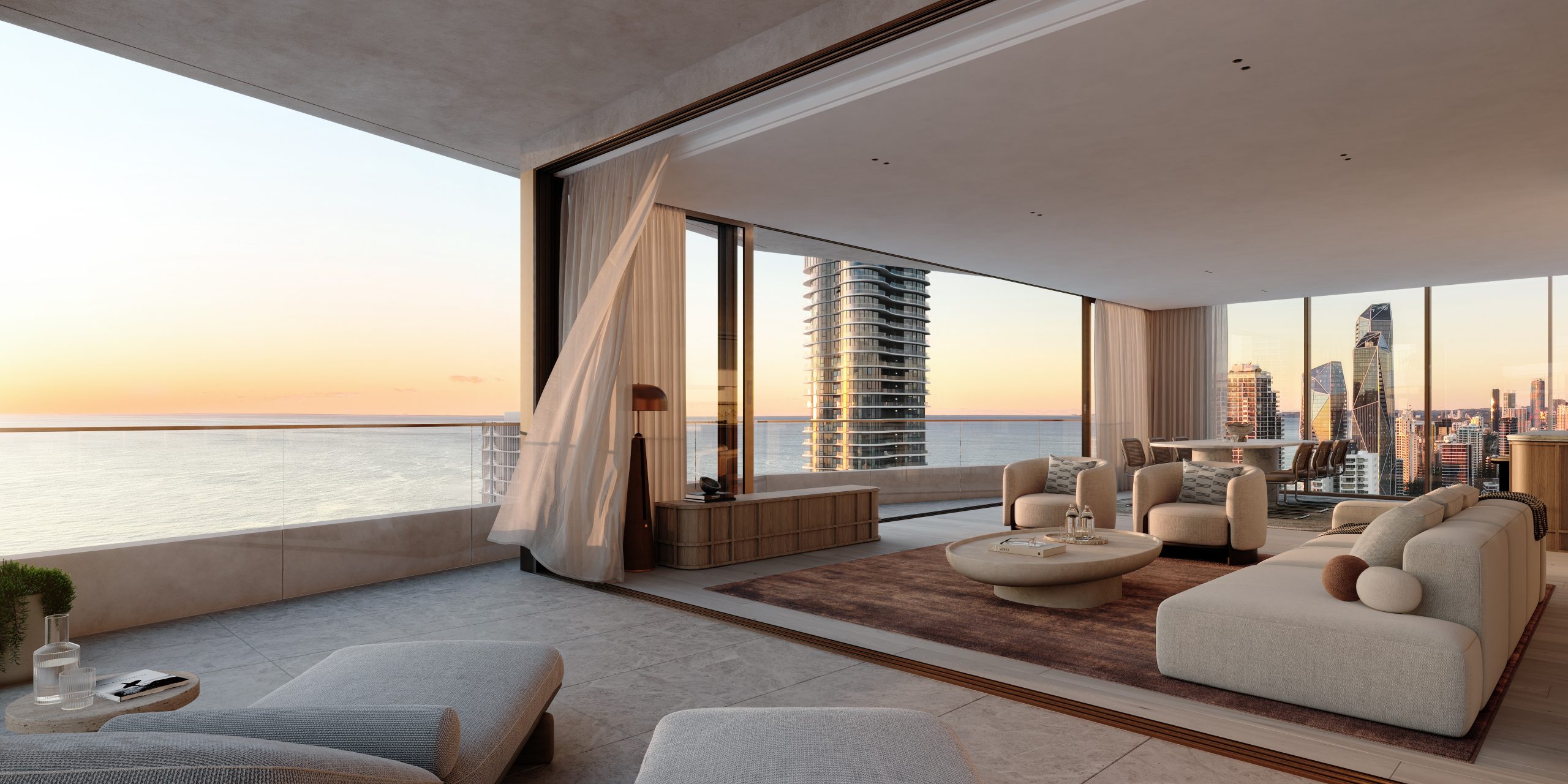
Mirvac’s 45-level Trielle has topped out at Yarra’s Edge, pairing riverfront apartments with wellness facilities, private dining and resident services.
3 min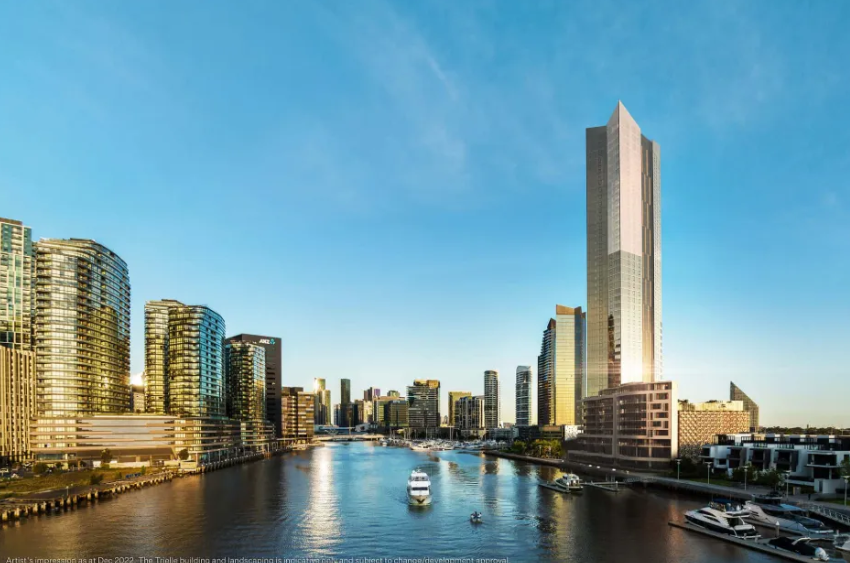
Mirvac has topped out Trielle at Melbourne’s Yarra’s Edge, with more than 70 per cent of the riverfront development sold and approximately 80 per cent of purchasers intending to make their apartment a home.
The figures, released on September 22, point to an owner-occupier audience for one of the precinct’s final residential towers. Mirvac began developing Yarra’s Edge in 2003, and its latest addition occupies one of the remaining absolute riverfront sites.
Mirvac CEO of Development Stuart Penklis said existing residents were among those moving up within the neighbourhood.
“Many purchasers already have a connection to Yarra’s Edge,” Mr Penklis said, describing buyers whose changing needs were encouraging an upgrade within the precinct.
“As one of the final residential towers within Yarra’s Edge, Trielle represents the culmination of more than two decades of creating one of Melbourne’s most established and sought-after waterfront communities,” Penklis said.
“Positioned on the Collins Street axis with absolute river frontage, Trielle offers residents a rare opportunity to enjoy sweeping views across the Yarra River, Melbourne skyline and Port Phillip Bay, while remaining seamlessly connected to the CBD. With Trielle now more than 70 per cent sold, we’re continuing to see strong demand from buyers seeking quality homes in established locations.”
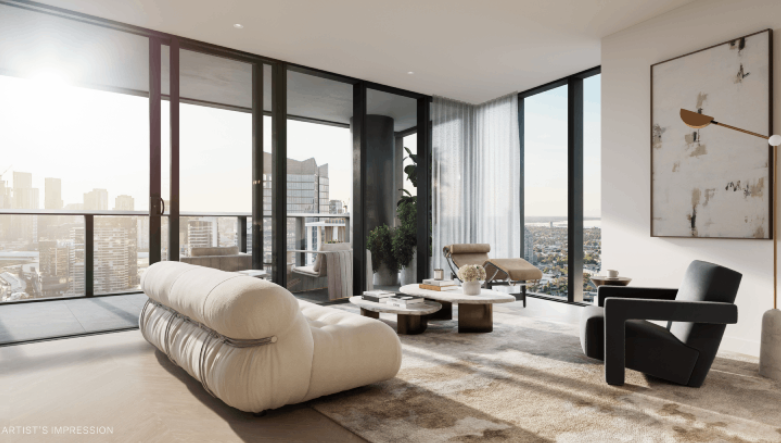
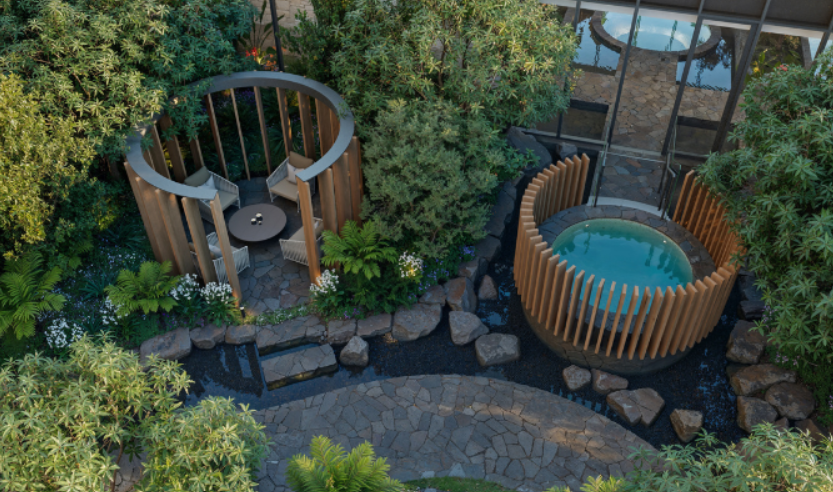
The developer also flagged a penthouse and sub-penthouse collection with larger layouts, premium finishes and broad outlooks. The planned wellness centrepiece, The Oasis, encompasses a 900-square-metre elevated urban rainforest.
Mirvac General Manager Residential Development Victoria Elysa Anderson said Trielle had resonated strongly with buyers seeking a rare lifestyle offering in Melbourne.
“Opportunities to secure a new luxury residence on a riverfront site of this calibre are incredibly rare, particularly within a community like Yarra’s Edge,” Anderson said.
“What makes Trielle unique is the combination of exceptional views, world-class residential facilities and the lifestyle that already exists around it. Residents are buying into a mature waterfront community with parks, promenades, dining, wellness and strong community connections already in place.”
The 45-level tower brings a substantial new presence to that waterfront. Its residential offering spans one-, two-, three- and four-bedroom apartments, with Signature, Prestige and Sub-Penthouse collections accommodating different household sizes. The north-facing position connects the apartments visually to the river and city beyond.
Seven storeys above the promenade, the planned Oasis combines planting and a running stream with a Scandinavian-inspired wellness club developed with spa specialist Naomi Gregory. Facilities include a 25-metre lap pool, hot magnesium pool, sauna, hydrotherapy, a gym, yoga and Pilates room, and treatment spaces.
The amenity extends beyond exercise. Residents will have access to The Biblioteca library and workspaces, ground-floor work pods, and The Salone piano lounge. A private Chef’s Table dining room offers a setting for larger gatherings, while a cinema, games room and sports lounge broaden the entertaining options. Concierge services and a dog-wash area support everyday routines.
Trielle comprises a collection of one, two, three and four-bedroom residences. Reflecting strong demand from owner occupiers, approximately 80 per cent of purchasers to date intend to live in their homes, highlighting the project’s appeal to those seeking a long-term waterfront lifestyle.
Mirvac has recently delivered The Albertine, a premium apartment development on the edge of Melbourne’s CBD, and is nearing completion of Prince & Parade in Brunswick, further strengthening its portfolio of thoughtfully designed apartment communities in some of Melbourne’s most sought-after urban locations.

From snow-dusted valleys to festival-filled autumns, Bhutan reveals itself as a rare destination where culture, nature and spirituality unfold year-round.

French luxury-goods giant’s results are a sign that shoppers weren’t splurging on its collections of high-end garments in the run-up to the holiday season.