A Window Has Cracked Open For Buyers Looking For Homes Along the French Riviera
Prices surged during the pandemic, but now that the market has stabilized there’s an opportunity to snag a property at a discount

 4 min
4 min
As the French escape to the Mediterranean to beat the heat this summer, something else is cooling off along the Côte d’Azur—luxury home prices.
That has opened an opportunity for buyers looking to get good deals in a French region that’s seen as a safe long-term bet.
Prices along the French Riviera dipped slightly in 2023 from the year before dipping by 7% around Cannes and 5% in St. Jean Cap Ferrat. In Saint Tropez, which tends to be more resistant to the fluctuations in the market, prices remained steady from last year.
“We’re seeing prices coming down a small amount,” said Jack Harris, an agent with Knight Frank. “It’s by virtue of the fact that we’ve seen such growth over the last few years—it’s that wind coming out of the sails.”
Prices along the Mediterranean shot up during the peak pandemic years, as both domestic and international buyers flocked to the sun-drenched region with its expansive villas and outdoor space. During that time, prime prices increased by 14.8% on average across the Riviera, according to the Knight Frank report. In St. Tropez, prices increased 17.1% between 2019 and 2022.
An overheated market? Probably, argues Stephen Moroukian, head of product and proposition for real estate financing at Barclays Private Bank.
“During the pandemic, we saw a once-in-a-generation uplift in prices,” he said. “It’s right that some of that should come off proportionate to the increases that we saw.”
Stunted demand from buyers is in part to blame for the cooling prices.
Foreigners make up 70% of the total buyers in the prime sector, Knight Frank research shows. Those buyers in particular may be hesitant to invest during a major election year for both the U.S. and France, where president Emmanuel Macron last month held snap legislative elections in response to his party’s poor performance in the European elections.
“Global political and economic uncertainty has certainly had an impact on the market,” Harris said.
Beyond uncertainty, buyers have also hesitated at higher interest rates across Europe. Though the increased cost of borrowing may not directly impact the ultra-wealthy—many of the Riviera’s buyers make all-cash offers—it does impact buyers’ overall sentiment toward luxury purchases.
Despite the price deflation, buyers shouldn’t expect to get away with major price reductions—most agents are seeing the ability to negotiate 5% or 10% off the sales price, Harris said.
“A lot of people hear ‘softening market,’ and they think they can offer half the price and they’ll get a house,” he added. “Sellers don’t need to sell right now—it’s a question of selling at the right price, rather than desperation.”
New Development Pushes Down Prices
Also keeping prices low is a gradual increase in inventory.
Despite high building costs , the French Riviera has seen continued construction since the pandemic, when developers looked to capitalise on increased interest in the region. As a result, the Riviera has seen new subdivisions on vacant land, mostly around the Cannes area, as well as tear-downs of older apartment buildings in denser urban blocks.
In Nice, several luxury apartment buildings are going up near the marina and the Vielle Ville (or “Old Town”)—a posh area that has seen limited construction in recent years. And in Cannes, developers recently purchased the historic Palm Beach complex, which they are renovating into an exclusive members club and bar, a casino, and a luxury shopping mall, which has also attracted nearby luxury apartment developers .
“As those properties get delivered and the demand weakens, we are seeing a softening in prices,” Harris said.
The glut of supply may only be temporary. Some of the cities that approved ambitious developments in recent years are now seeing residents resist new housing. In Cannes, residents have expressed concerns about new housing blocking existing apartment’s views. And in Vence, northwest of Nice, the mayor recently blocked the second phase of a 220-unit project, saying that the project needed to be “reduced and revised,” according to French newspaper Nice-Matin .
Variation Across Housing Types and Location
Few sweeping generalizations can be made about the French Riviera market as a whole.
“This is an expansive stretch of coast, and the market is very diverse,” Harris said.
Don’t expect to find prices falling in the most sought-after neighbourhoods, though. In Saint Tropez, median home prices increased to €20,900 (US$22,598) per square meter in May, an 18% increase year-over-year, while apartments increased in price by 1%, to €12,929 per square meter. In Saint-Jean-Cap Ferrat, home prices increased 13% to €23,431 per square meter while apartments increased 4% to €13,997 per square meter.
Meanwhile, prices in Monaco—whose geography severely constrains new construction—continue to blow nearly every other city out of the water. Prices there reached €51,500 per square metre in 2023. Of the 28 sales in the tiny tax haven last year, 17 were valued at more than €20 million.
“There’s been a flight to best-in-class assets,” Moroukian said. “These properties will always outperform other properties. It’s once in a generation that these come onto the market.”
Signs of Improving Prices
Despite a cooldown in prices over the last year, real estate experts say that the fundamentals around the French Riviera—its pristine beaches, the east access to international airports, its renowned film festival and the Monaco Grand Prix—continue to be a draw for buyers.
“There will always be lots of international buyers, as well as domestic interest,” Moroukian said. “It’s a place where many French think about retiring, but you also have many young people moving there.”
In the last decade, Nice has also positioned itself as a hub for tech, allowing the city to evolve from a retiree’s paradise into an employment centre as well.
“There’s now a much broader spectrum of people coming to the region,” Moroukian added. “All these things mean that demand will remain.”
 Copyright 2020, Dow Jones & Company, Inc. All Rights Reserved Worldwide. LEARN MORE




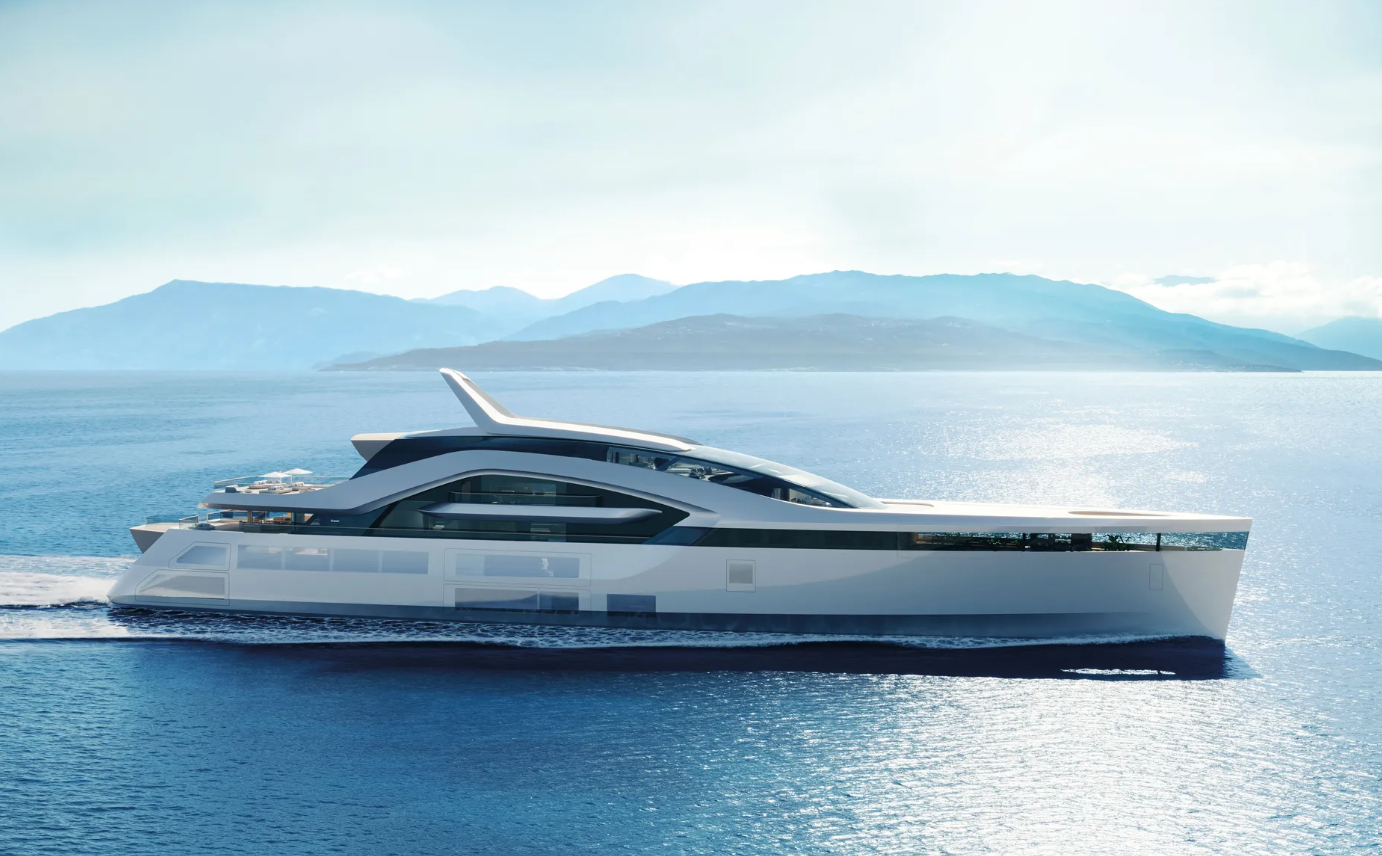
On the owner’s deck, a 20-metre swimming pool incorporates Feadship’s patented ContraWave technology and extends indoors as a suspended, glass-bottomed infinity pool.

Automobili Lamborghini is turning its attention to something considerably more difficult to define: what makes Italian excellence uniquely Italian?
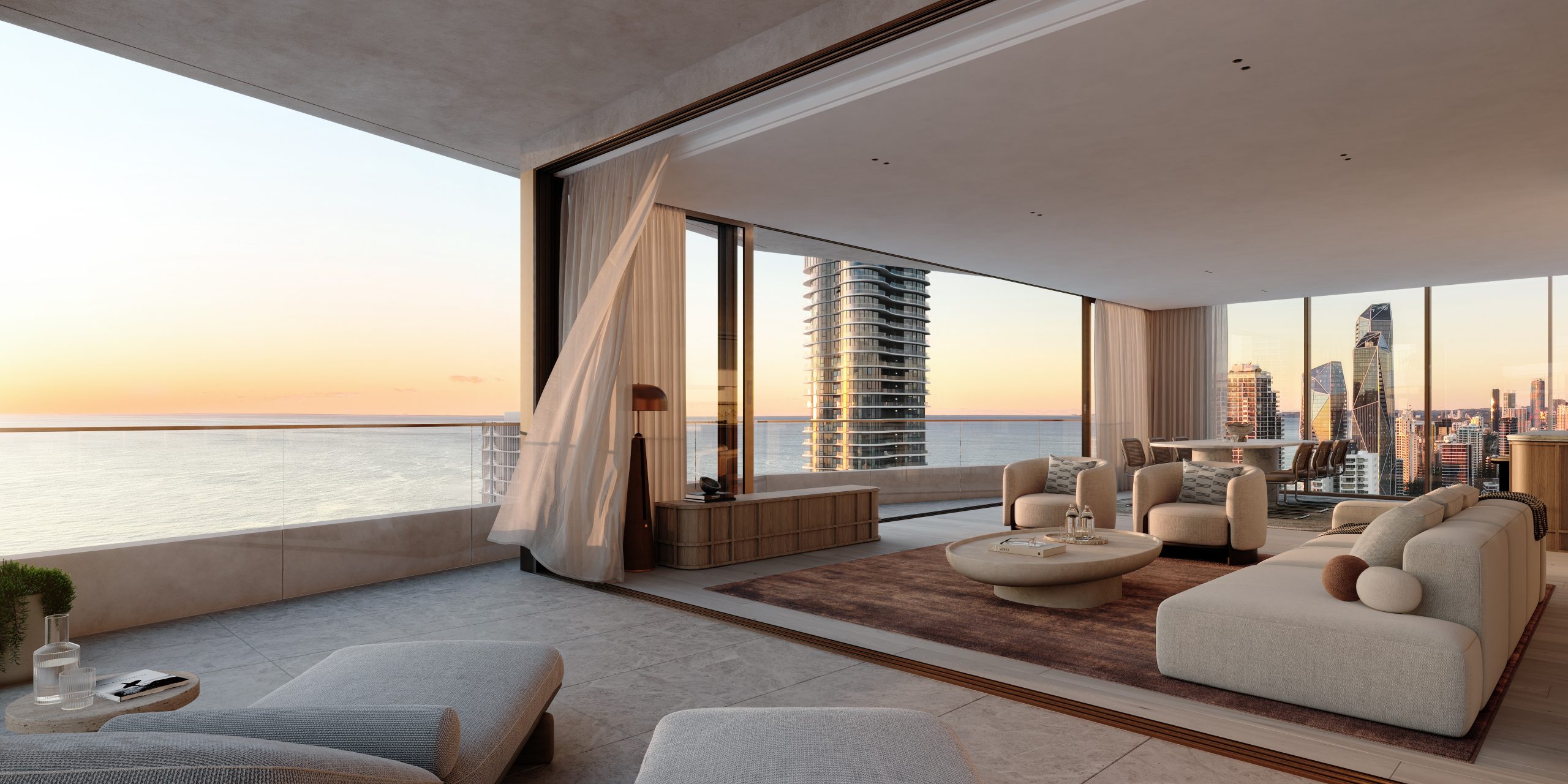
Mirvac’s 45-level Trielle has topped out at Yarra’s Edge, pairing riverfront apartments with wellness facilities, private dining and resident services.
3 min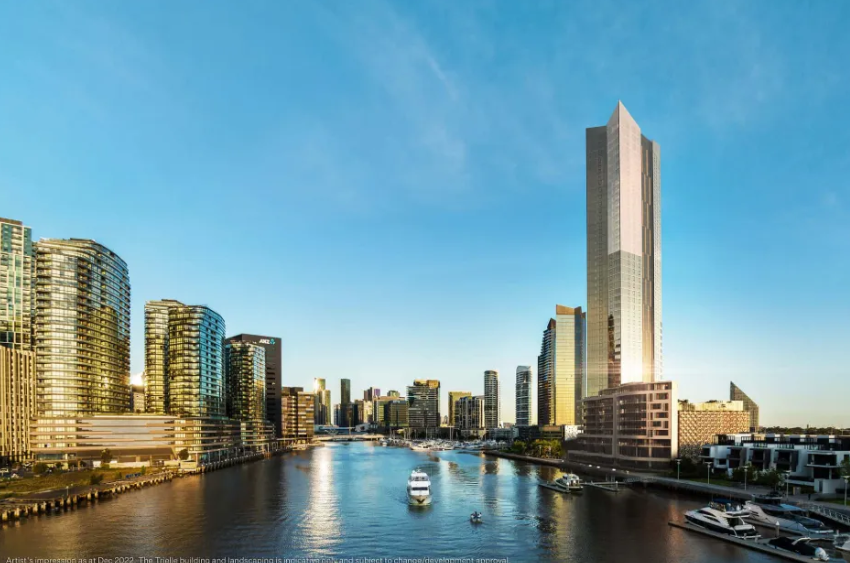
Mirvac has topped out Trielle at Melbourne’s Yarra’s Edge, with more than 70 per cent of the riverfront development sold and approximately 80 per cent of purchasers intending to make their apartment a home.
The figures, released on September 22, point to an owner-occupier audience for one of the precinct’s final residential towers. Mirvac began developing Yarra’s Edge in 2003, and its latest addition occupies one of the remaining absolute riverfront sites.
Mirvac CEO of Development Stuart Penklis said existing residents were among those moving up within the neighbourhood.
“Many purchasers already have a connection to Yarra’s Edge,” Mr Penklis said, describing buyers whose changing needs were encouraging an upgrade within the precinct.
“As one of the final residential towers within Yarra’s Edge, Trielle represents the culmination of more than two decades of creating one of Melbourne’s most established and sought-after waterfront communities,” Penklis said.
“Positioned on the Collins Street axis with absolute river frontage, Trielle offers residents a rare opportunity to enjoy sweeping views across the Yarra River, Melbourne skyline and Port Phillip Bay, while remaining seamlessly connected to the CBD. With Trielle now more than 70 per cent sold, we’re continuing to see strong demand from buyers seeking quality homes in established locations.”
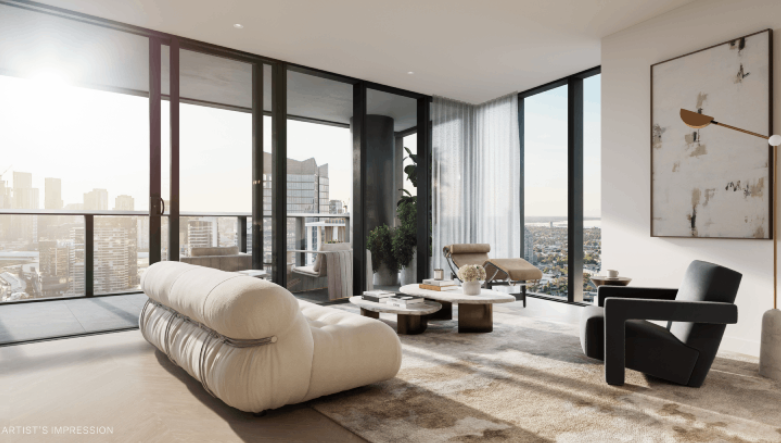
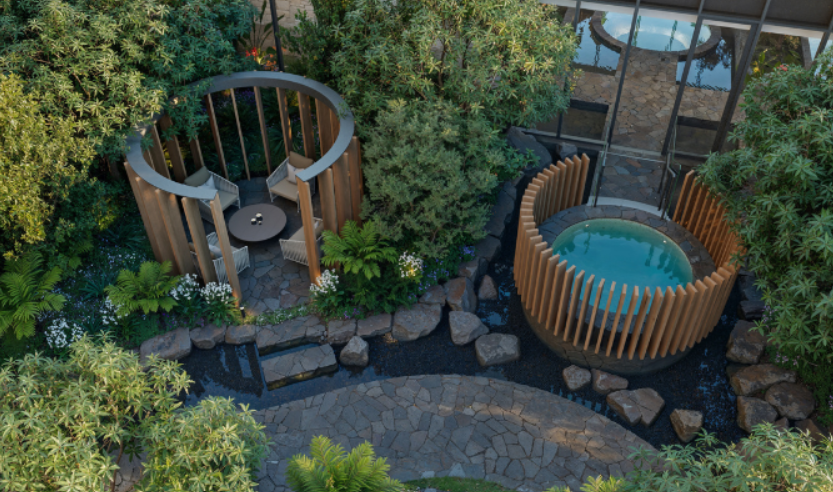
The developer also flagged a penthouse and sub-penthouse collection with larger layouts, premium finishes and broad outlooks. The planned wellness centrepiece, The Oasis, encompasses a 900-square-metre elevated urban rainforest.
Mirvac General Manager Residential Development Victoria Elysa Anderson said Trielle had resonated strongly with buyers seeking a rare lifestyle offering in Melbourne.
“Opportunities to secure a new luxury residence on a riverfront site of this calibre are incredibly rare, particularly within a community like Yarra’s Edge,” Anderson said.
“What makes Trielle unique is the combination of exceptional views, world-class residential facilities and the lifestyle that already exists around it. Residents are buying into a mature waterfront community with parks, promenades, dining, wellness and strong community connections already in place.”
The 45-level tower brings a substantial new presence to that waterfront. Its residential offering spans one-, two-, three- and four-bedroom apartments, with Signature, Prestige and Sub-Penthouse collections accommodating different household sizes. The north-facing position connects the apartments visually to the river and city beyond.
Seven storeys above the promenade, the planned Oasis combines planting and a running stream with a Scandinavian-inspired wellness club developed with spa specialist Naomi Gregory. Facilities include a 25-metre lap pool, hot magnesium pool, sauna, hydrotherapy, a gym, yoga and Pilates room, and treatment spaces.
The amenity extends beyond exercise. Residents will have access to The Biblioteca library and workspaces, ground-floor work pods, and The Salone piano lounge. A private Chef’s Table dining room offers a setting for larger gatherings, while a cinema, games room and sports lounge broaden the entertaining options. Concierge services and a dog-wash area support everyday routines.
Trielle comprises a collection of one, two, three and four-bedroom residences. Reflecting strong demand from owner occupiers, approximately 80 per cent of purchasers to date intend to live in their homes, highlighting the project’s appeal to those seeking a long-term waterfront lifestyle.
Mirvac has recently delivered The Albertine, a premium apartment development on the edge of Melbourne’s CBD, and is nearing completion of Prince & Parade in Brunswick, further strengthening its portfolio of thoughtfully designed apartment communities in some of Melbourne’s most sought-after urban locations.

With two waterfronts, bushland surrounds and a $35 million price tag, this Belongil Beach retreat could become Byron’s most expensive home ever.
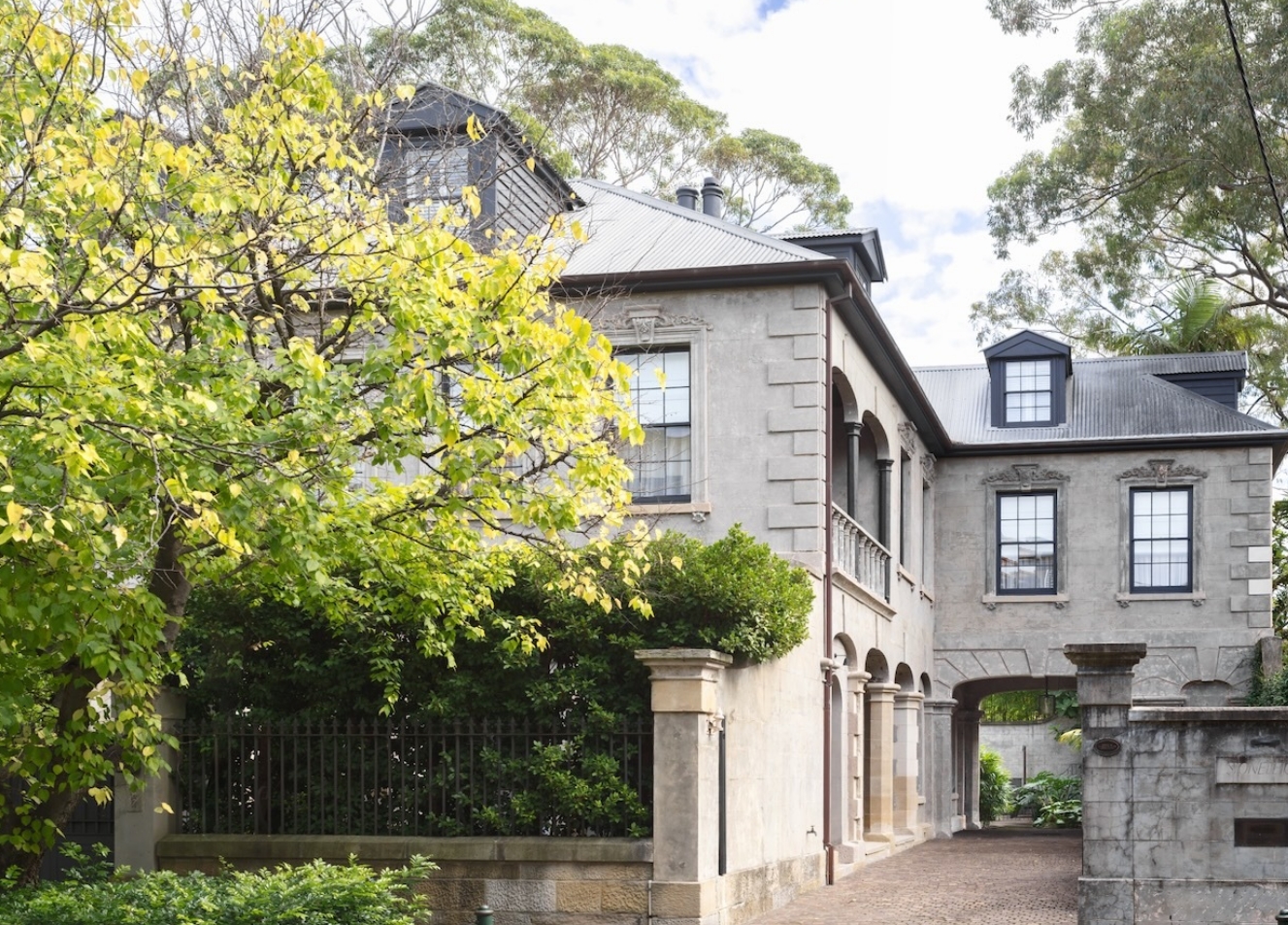
The 1860s Darlinghurst mansion Stoneleigh could become Sydney’s most expensive home ever sold under the hammer when it goes to auction. Clint Ballard is giving buyers a $28 million guide for the heritage-listed mansion on Darley Street, opposite Iona, the former home of Hollywood royalty Baz Luhrmann. Stoneleigh is being offered for sale for the …