





Two Former Military Forts Floating off the Coast of England Head to Auction as Lavishly Amenitised Properties
Both currently used as hotels, the two properties can be converted into a residential property for a buyer looking for the ultimate private escape

 2 min
2 min
For buyers interested in taking their home security to the next level, this pair of historic forts floating off the coast of England might suit.
The duo, dubbed No Mans Fort and Spitbank Fort, are nestled in the sea between the Isle of Wight and Portsmouth on the mainland and they’re headed under the hammer with Savills on June 18 with a guide price of £1 million (US$1.26 million) each.
Though both are currently used as hotels, each has pre-existing permission to be converted into a residential property for a buyer or buyers looking for the ultimate private escape.

Savills
Both forts, which have previously been on the market for £4.25 million and £4 million, respectively, “offer an opportunity like no other; a waterfront location, up to 99,000 square feet of space and a chance to champion the heritage and legacy of these iconic maritime structures,” said Robin Howeson, head of Savills Auctions, in a news release.
Mansion Global couldn’t identify the owners, but according to Savills, they’ve held both of the unique properties for 12 years.
No Mans Fort is roughly a 35-minute boat ride from the mainland. Over its four levels, it has 23 bedrooms, plus staff quarters, a restaurant, bars, a traditional English pub, a rooftop terrace and a nightclub.
Spitbank Fort is a little closer to land, sitting in the mouth of Portsmouth Harbour, and spans three floors with nine bedrooms, a restaurant, bars, a wine cave, a games room, a pool and spa facilities. There’s also a scenic rooftop terrace, a sun deck and a fire pit.
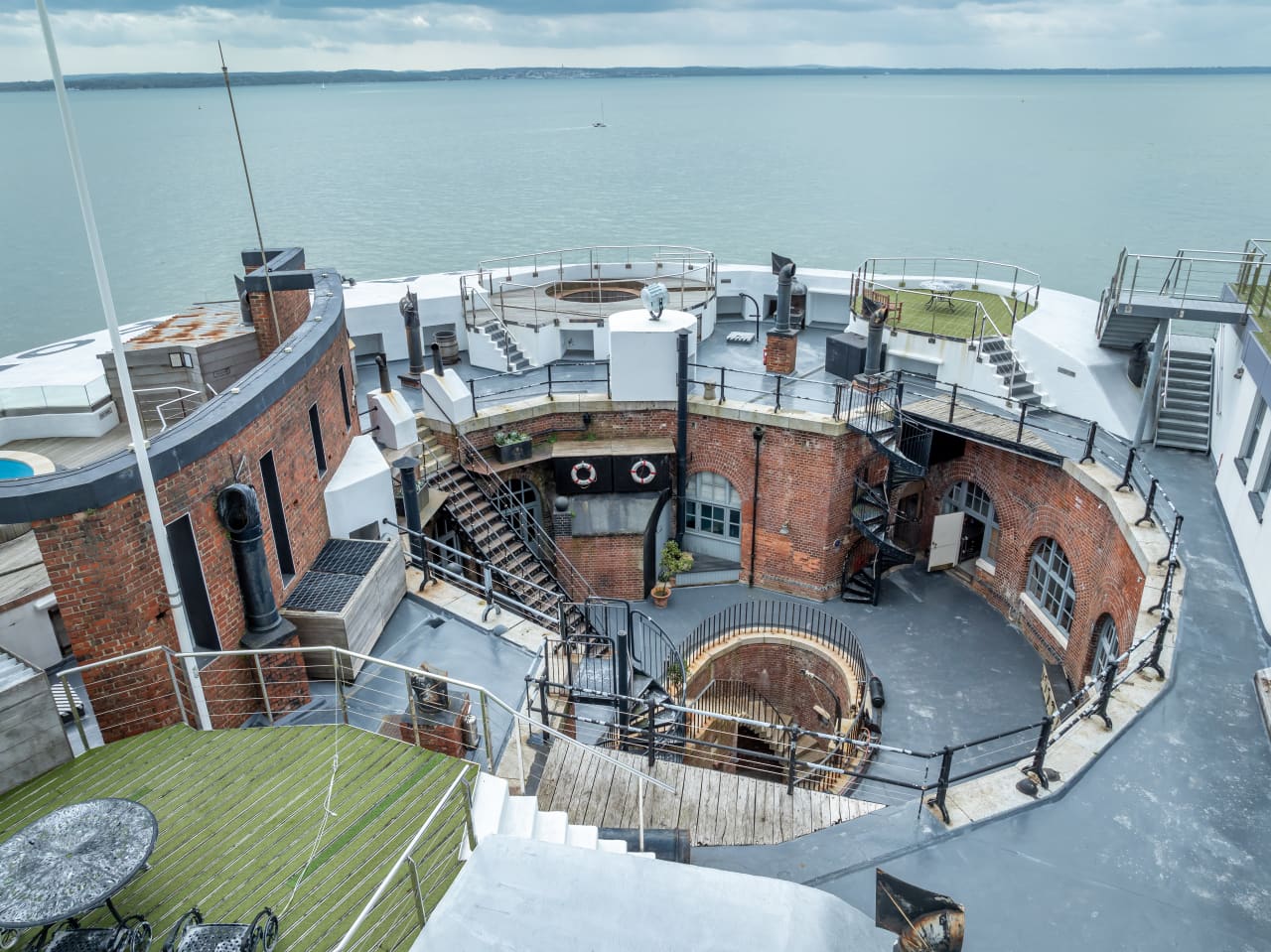
Savills
“Throughout my career as an auctioneer I’ve seen several sea forts hit the market that have achieved impressive prices,” Howeson said, calling such forts trophy assets. “I anticipate there to be a global interest from multiple buyer types looking to take the forts into their next chapter, whether that’s as a new commercial venture or residential home.”
In 2022, Savills auctions sold the unmodernised Bull Sandfort in the Humber Estuary on the east coast of Northern England for £490,000, nearly 10 times its guide price after worldwide competition from bidders in 27 countries, the firm said.
 Copyright 2020, Dow Jones & Company, Inc. All Rights Reserved Worldwide. LEARN MORE




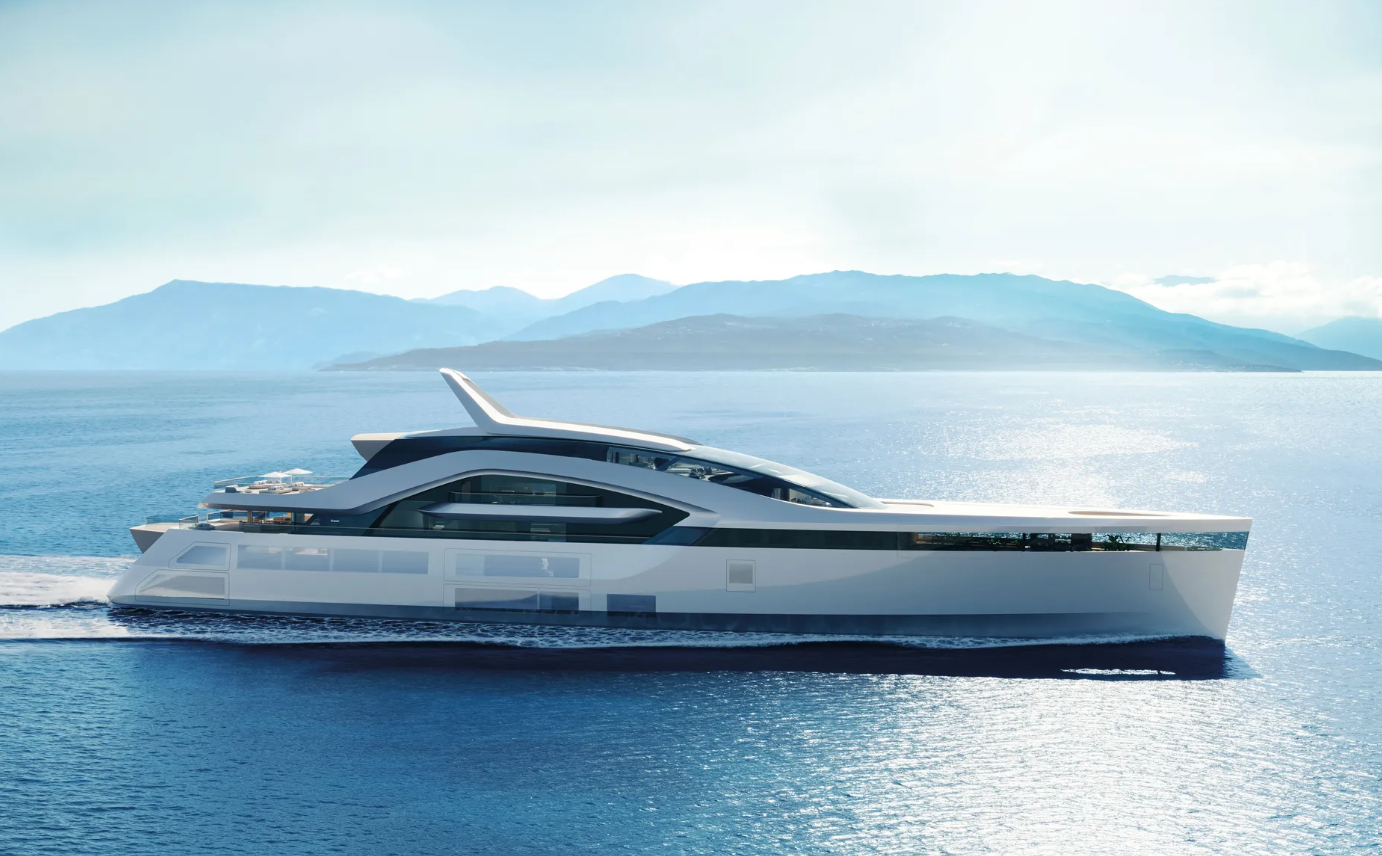
On the owner’s deck, a 20-metre swimming pool incorporates Feadship’s patented ContraWave technology and extends indoors as a suspended, glass-bottomed infinity pool.

Automobili Lamborghini is turning its attention to something considerably more difficult to define: what makes Italian excellence uniquely Italian?

Mirvac’s 45-level Trielle has topped out at Yarra’s Edge, pairing riverfront apartments with wellness facilities, private dining and resident services.
3 min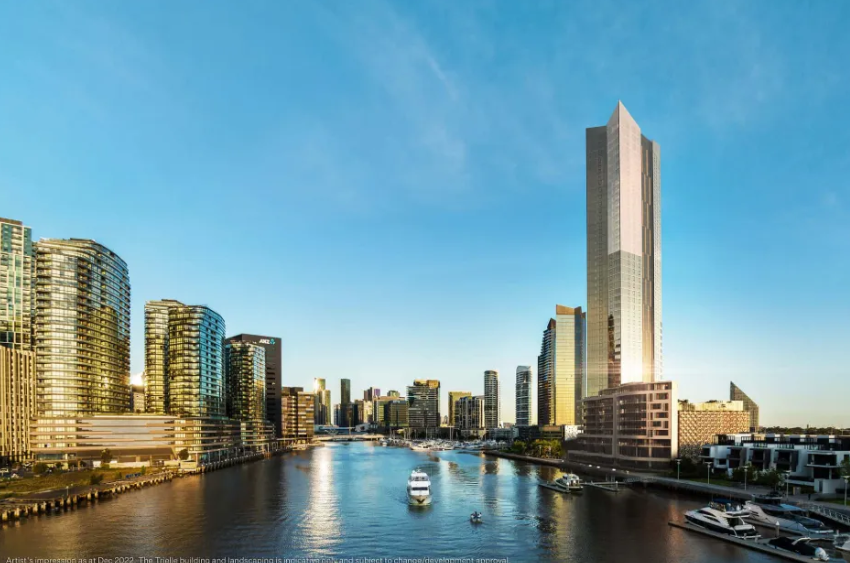
Mirvac has topped out Trielle at Melbourne’s Yarra’s Edge, with more than 70 per cent of the riverfront development sold and approximately 80 per cent of purchasers intending to make their apartment a home.
The figures, released on September 22, point to an owner-occupier audience for one of the precinct’s final residential towers. Mirvac began developing Yarra’s Edge in 2003, and its latest addition occupies one of the remaining absolute riverfront sites.
Mirvac CEO of Development Stuart Penklis said existing residents were among those moving up within the neighbourhood.
“Many purchasers already have a connection to Yarra’s Edge,” Mr Penklis said, describing buyers whose changing needs were encouraging an upgrade within the precinct.
“As one of the final residential towers within Yarra’s Edge, Trielle represents the culmination of more than two decades of creating one of Melbourne’s most established and sought-after waterfront communities,” Penklis said.
“Positioned on the Collins Street axis with absolute river frontage, Trielle offers residents a rare opportunity to enjoy sweeping views across the Yarra River, Melbourne skyline and Port Phillip Bay, while remaining seamlessly connected to the CBD. With Trielle now more than 70 per cent sold, we’re continuing to see strong demand from buyers seeking quality homes in established locations.”
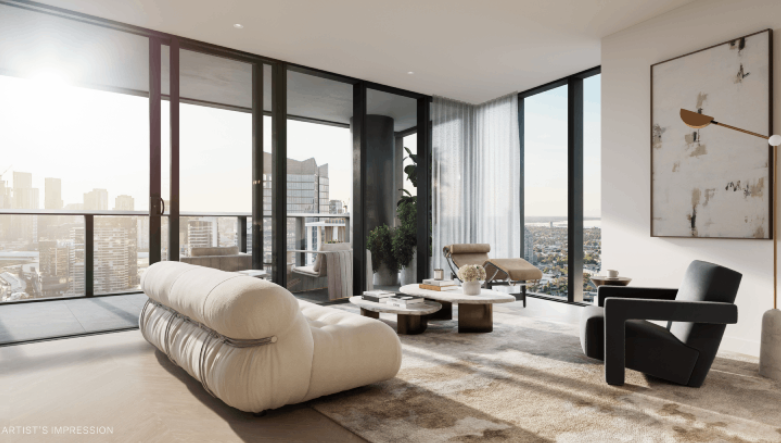
The developer also flagged a penthouse and sub-penthouse collection with larger layouts, premium finishes and broad outlooks. The planned wellness centrepiece, The Oasis, encompasses a 900-square-metre elevated urban rainforest.
Mirvac General Manager Residential Development Victoria Elysa Anderson said Trielle had resonated strongly with buyers seeking a rare lifestyle offering in Melbourne.
“Opportunities to secure a new luxury residence on a riverfront site of this calibre are incredibly rare, particularly within a community like Yarra’s Edge,” Anderson said.
“What makes Trielle unique is the combination of exceptional views, world-class residential facilities and the lifestyle that already exists around it. Residents are buying into a mature waterfront community with parks, promenades, dining, wellness and strong community connections already in place.”
The 45-level tower brings a substantial new presence to that waterfront. Its residential offering spans one-, two-, three- and four-bedroom apartments, with Signature, Prestige and Sub-Penthouse collections accommodating different household sizes. The north-facing position connects the apartments visually to the river and city beyond.
Seven storeys above the promenade, the planned Oasis combines planting and a running stream with a Scandinavian-inspired wellness club developed with spa specialist Naomi Gregory. Facilities include a 25-metre lap pool, hot magnesium pool, sauna, hydrotherapy, a gym, yoga and Pilates room, and treatment spaces.
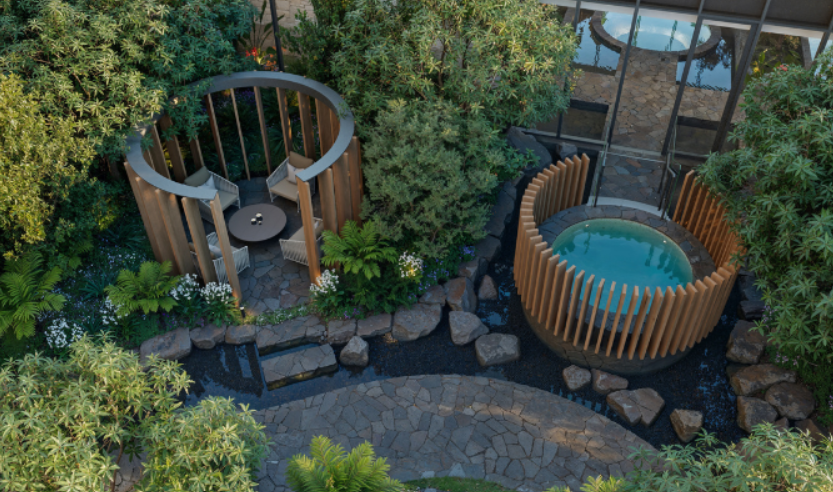
The amenity extends beyond exercise. Residents will have access to The Biblioteca library and workspaces, ground-floor work pods, and The Salone piano lounge. A private Chef’s Table dining room offers a setting for larger gatherings, while a cinema, games room and sports lounge broaden the entertaining options. Concierge services and a dog-wash area support everyday routines.
Trielle comprises a collection of one, two, three and four-bedroom residences. Reflecting strong demand from owner occupiers, approximately 80 per cent of purchasers to date intend to live in their homes, highlighting the project’s appeal to those seeking a long-term waterfront lifestyle.
Mirvac has recently delivered The Albertine, a premium apartment development on the edge of Melbourne’s CBD, and is nearing completion of Prince & Parade in Brunswick, further strengthening its portfolio of thoughtfully designed apartment communities in some of Melbourne’s most sought-after urban locations.

Exclusive eco-conscious lodges are attracting wealthy travellers seeking immersive experiences that prioritise conservation, community and restraint over excess.

From Tokyo backstreets to quiet coastal towns and off-grid cabins, top executives reveal where they holiday and why stepping away makes the grind worthwhile.


