Western Sydney’s hottest place to cool down opens
It’s been a long wait, but doors finally open today
 2 min
2 min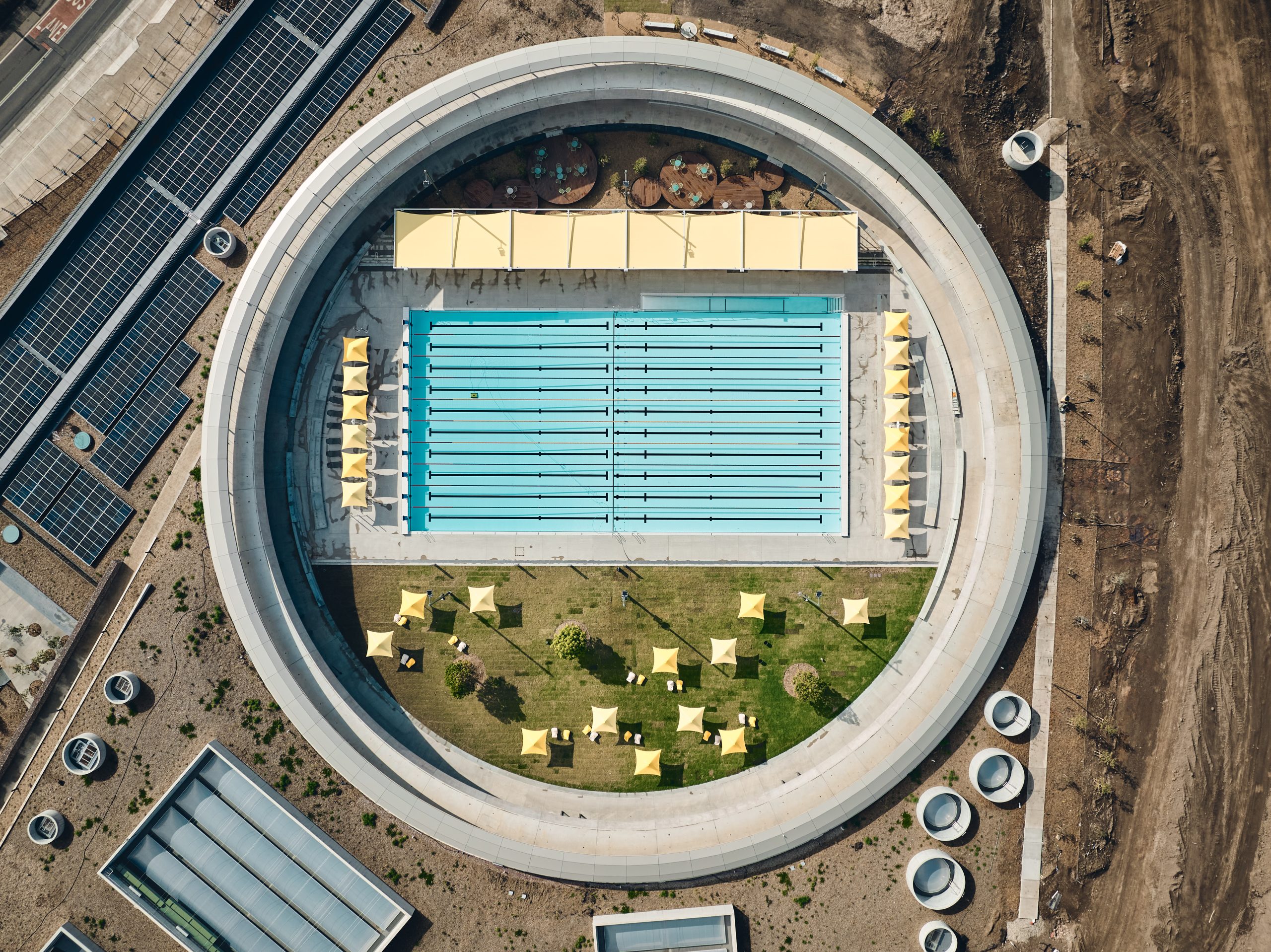
Parramatta has a cool new destination for beating the heat, just in time for summer.
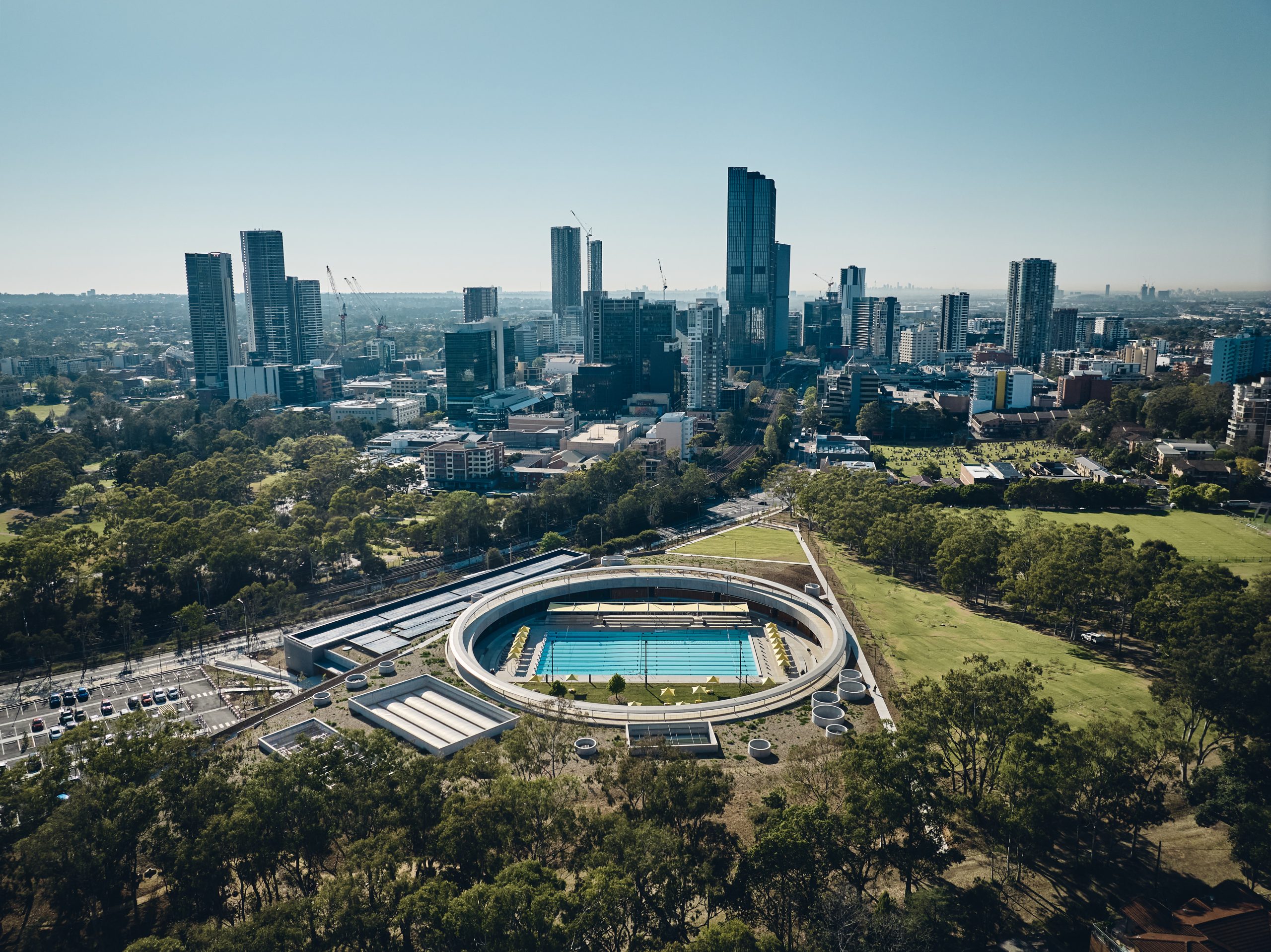
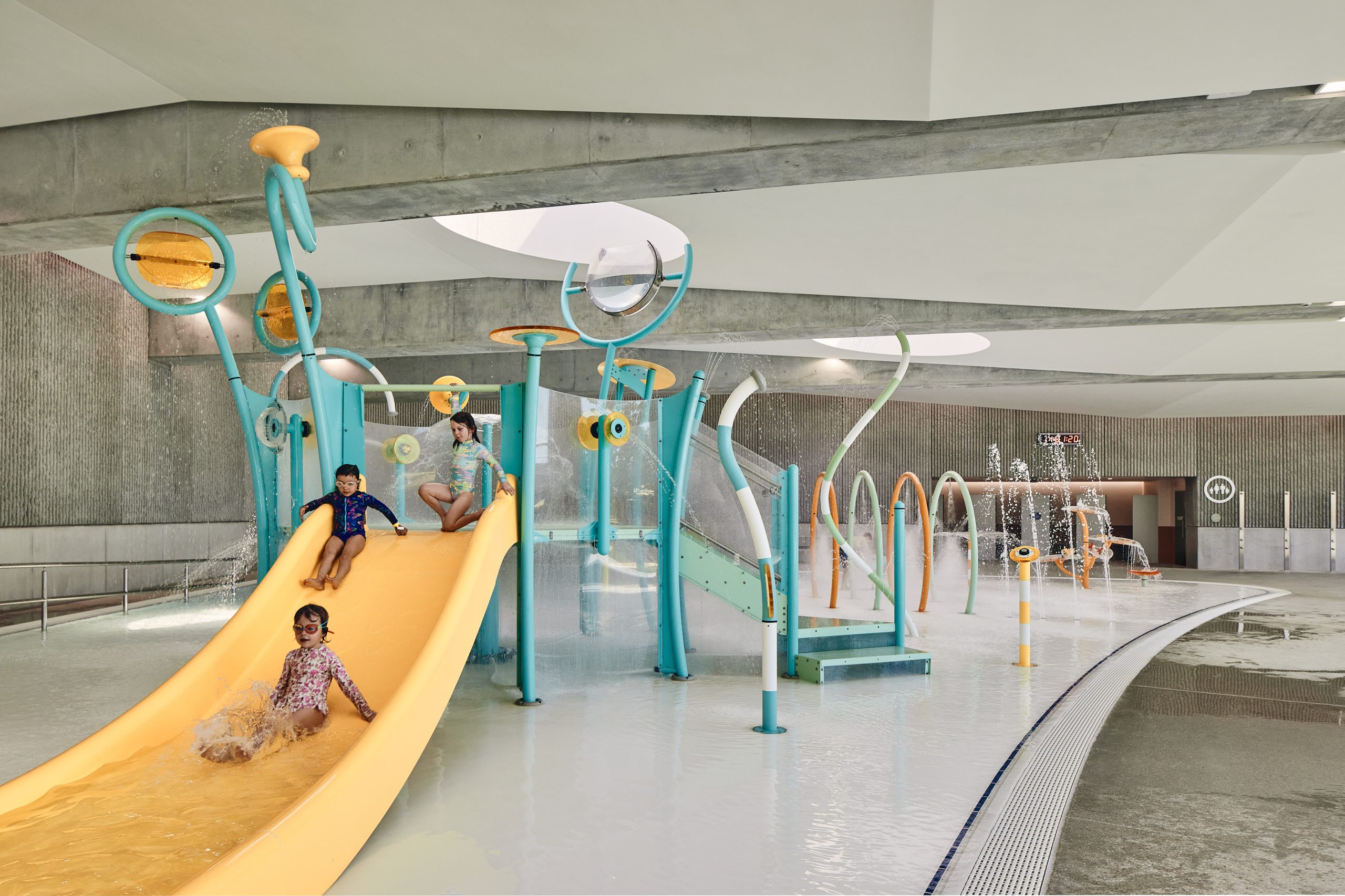
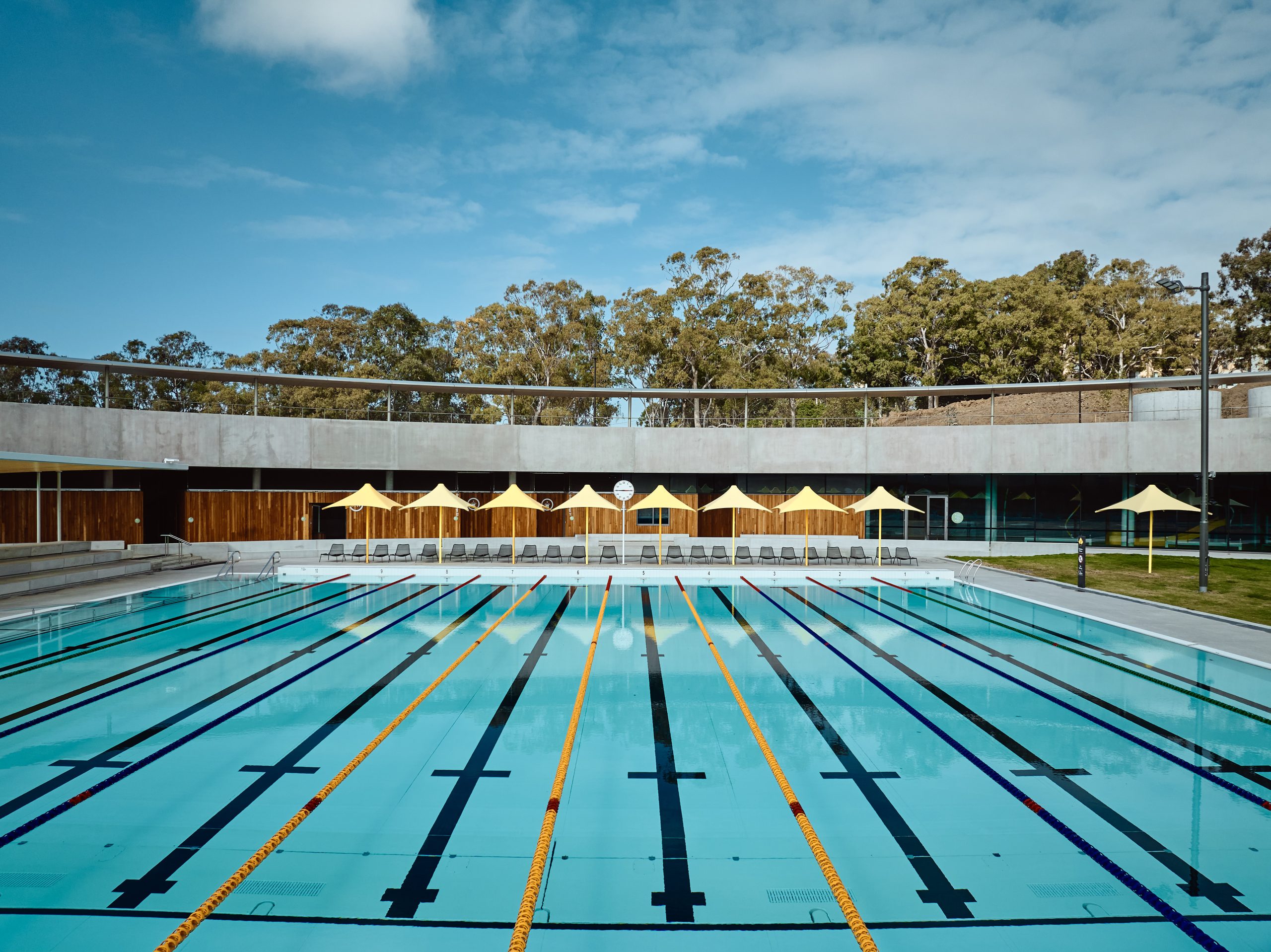
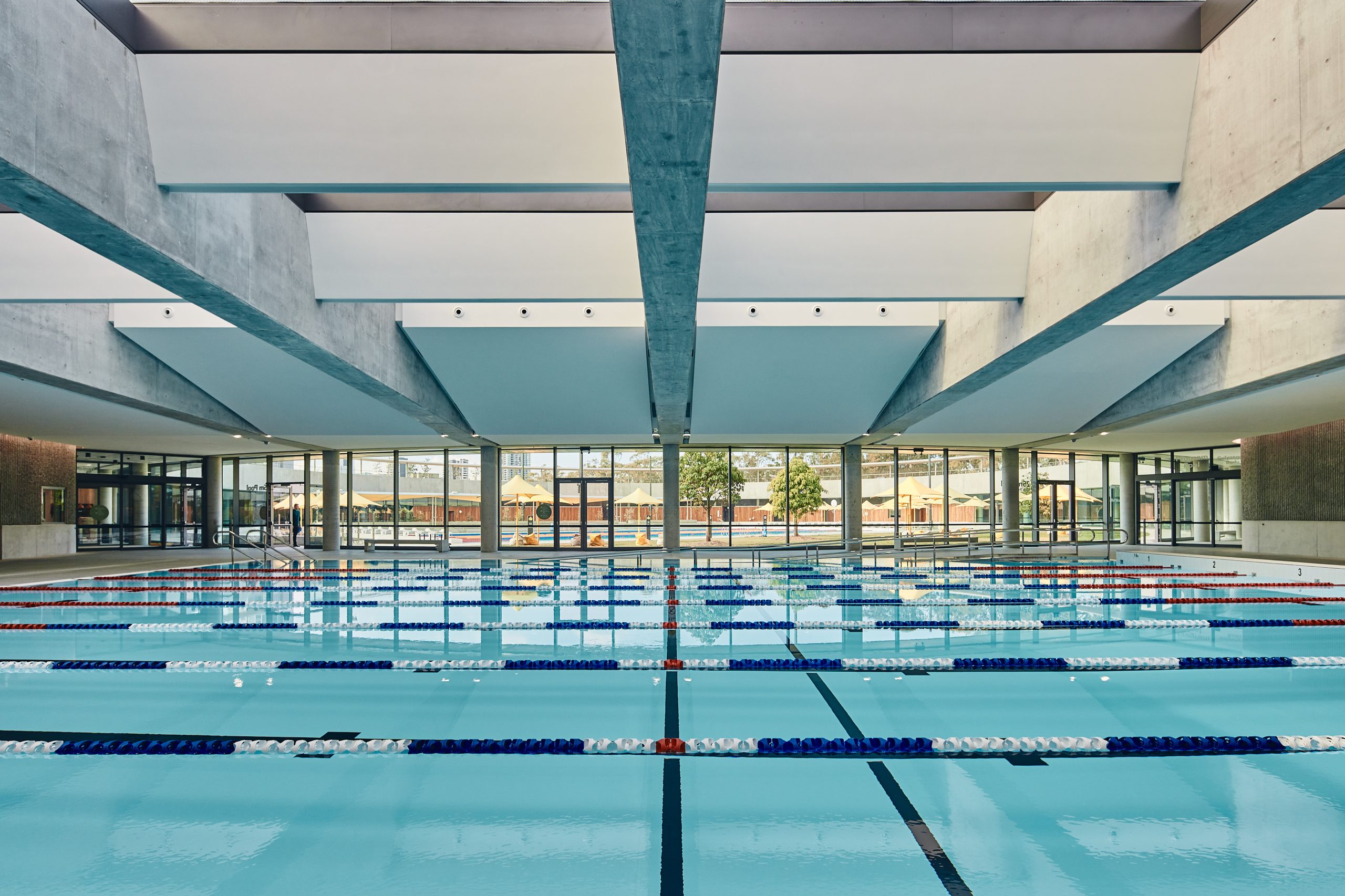
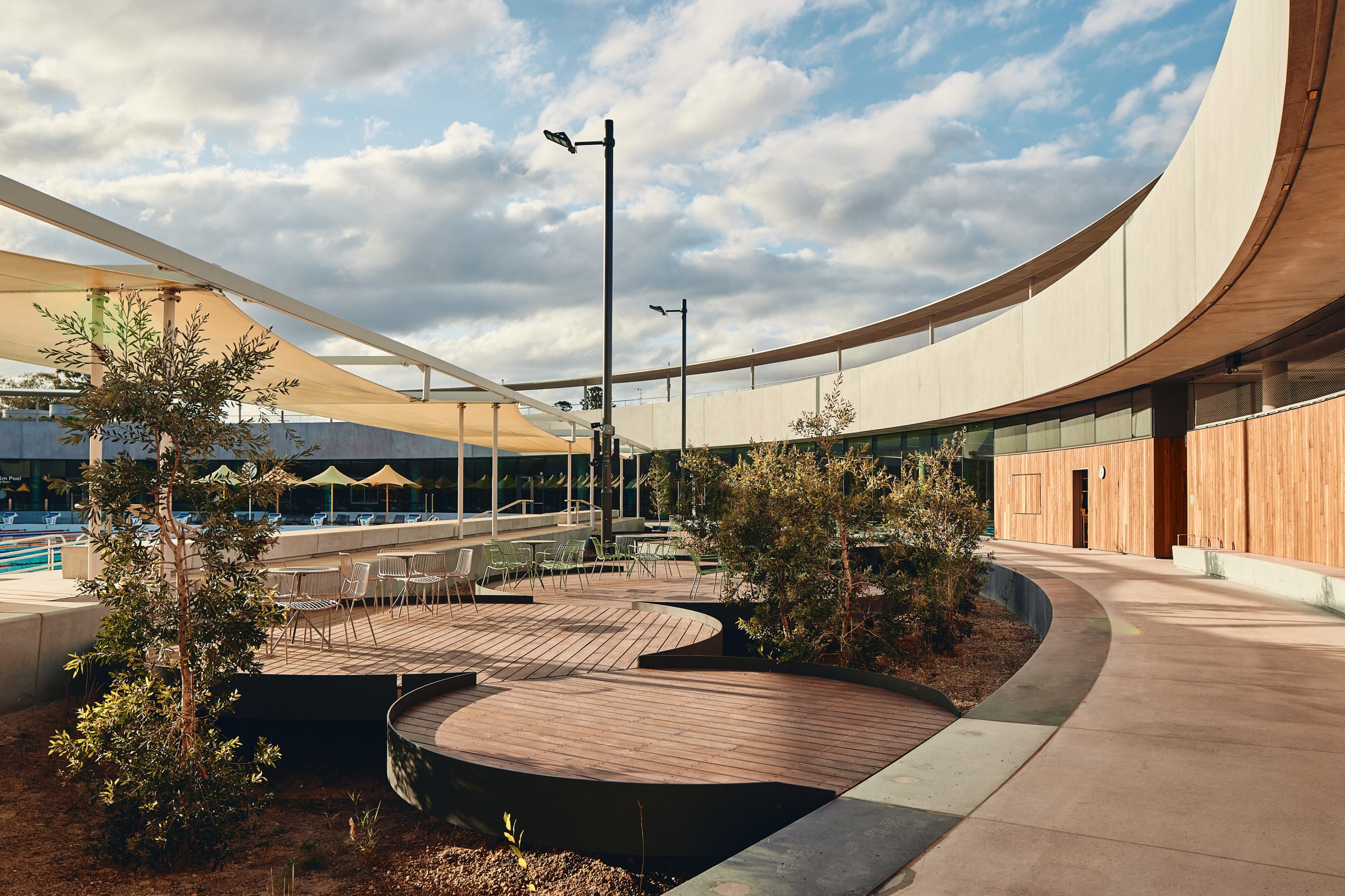
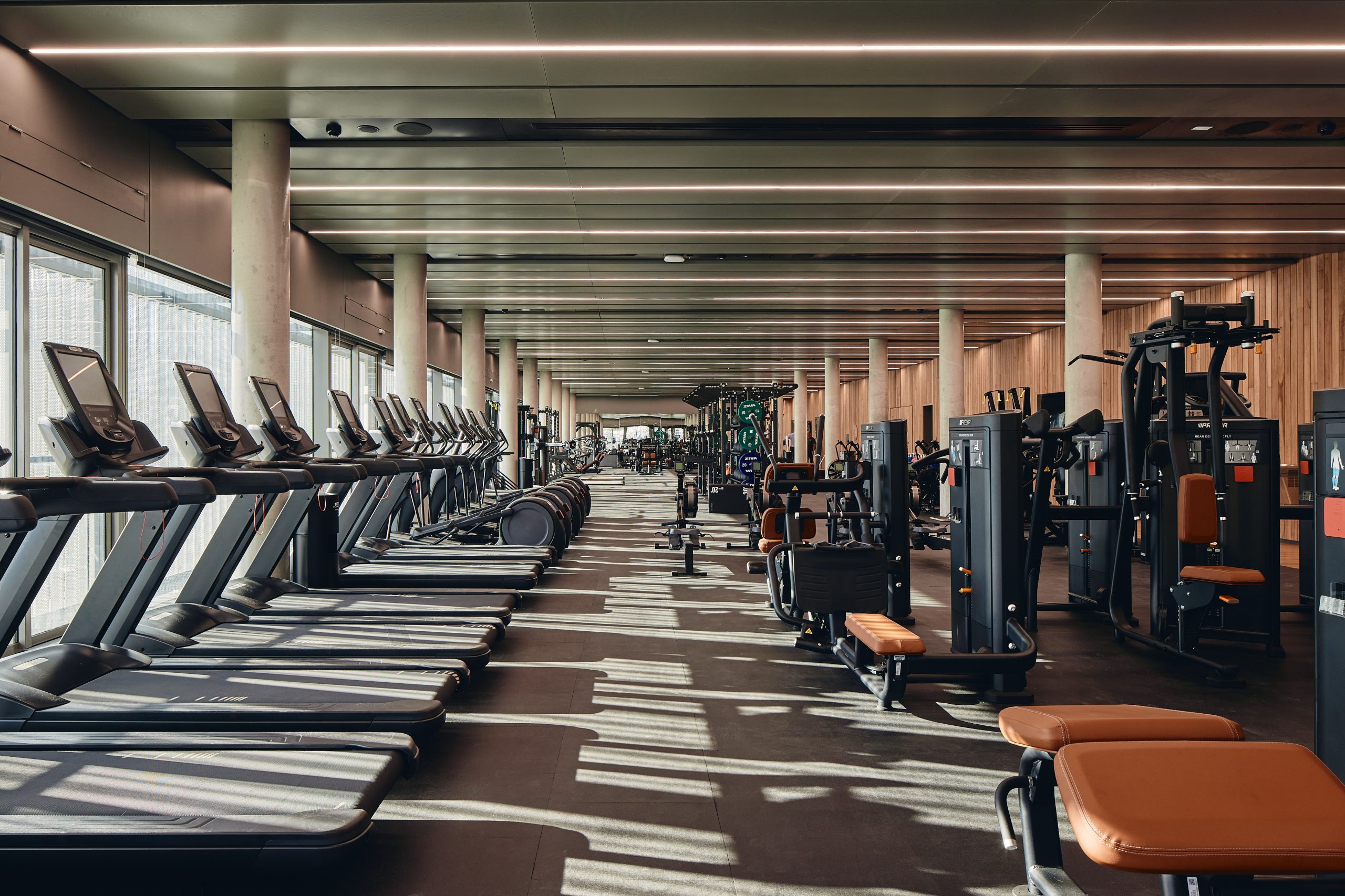
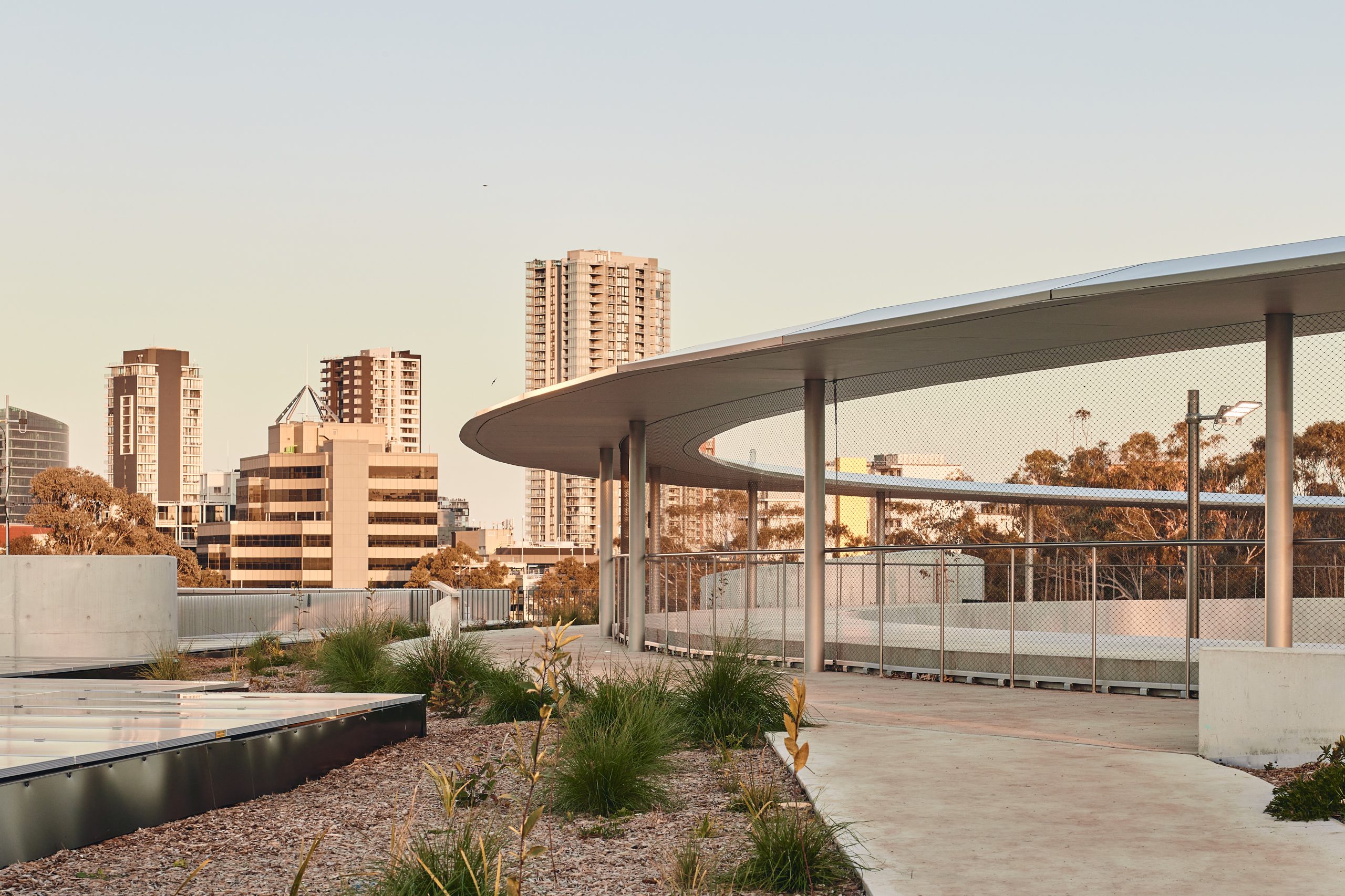
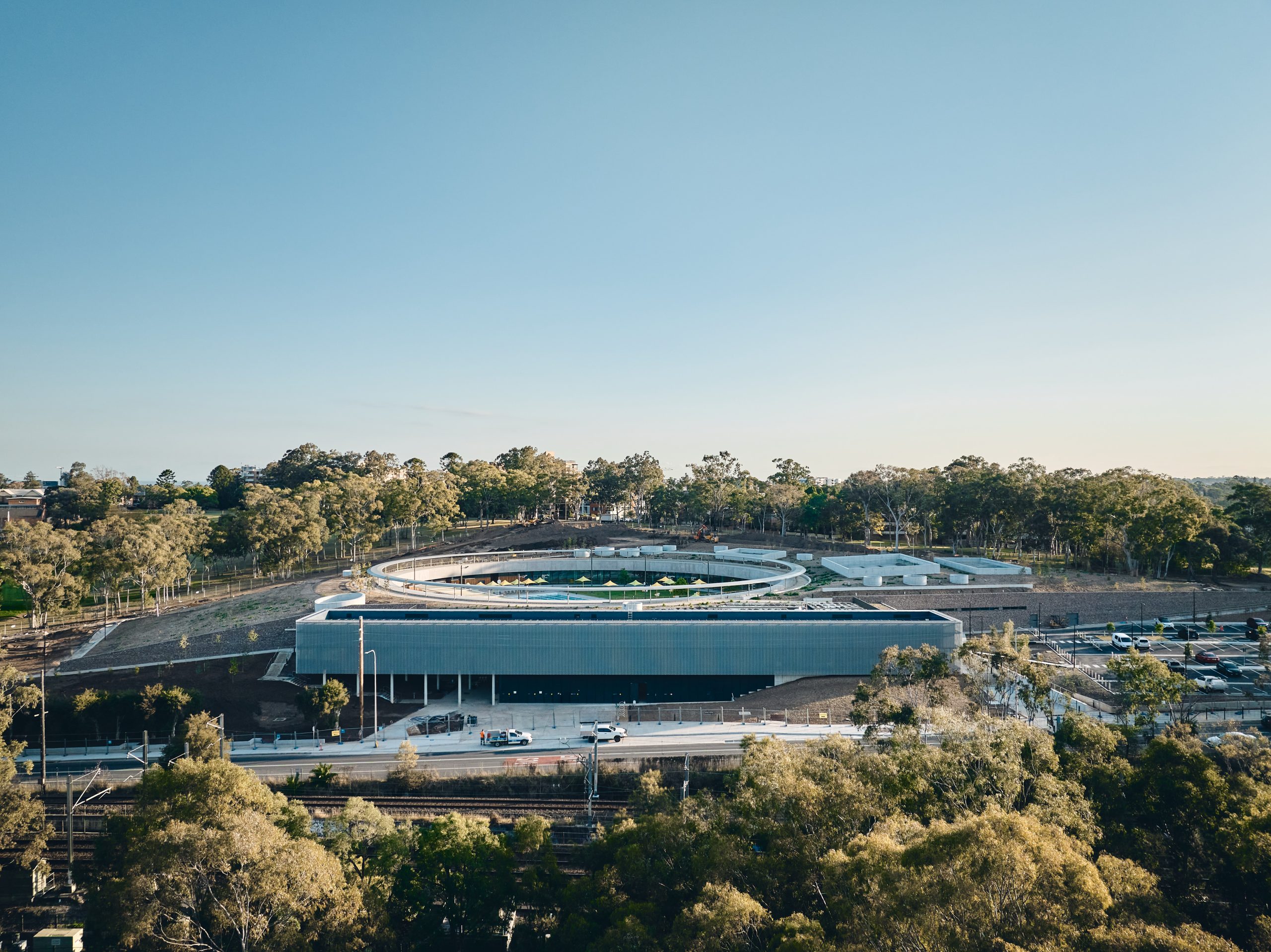
Today marks the opening of the Parramatta Aquatic Centre, a multi-million dollar facility designed to service the diverse communities of Western Sydney. Jointly crafted by award-winning architectural firms Grimshaw, Andrew Burges Architects and landscape architects McGregor Coxall, the facility includes a 10-lane 50m outdoor pool, a 25m indoor pool and a Learn to Swim pool as well as an indoor water playground, a fully-equipped gym in the health and wellness centre, community rooms and steam, spa and sauna facilities.
The $88.6 million centre is situated in Parramatta Park at Mays Hill and has been designed to ‘minimally disrupt’ the park, which is inscribed on the UNESCO World Heritage List. With the outdoor pool as the centrepiece, the aquatic centre has been largely worked into the topography of the park, maintaining community access to the site as well as protecting views across the park to Old Government House.
In addition to the public-facing facilities, the centre has 360 solar panels powering a 193kW system and an automated natural ventilation system instead of air conditioning.
Parramatta has been without an aquatic centre since 2017 when the Parramatta Memorial Pool was bulldozed to make way for the Western Sydney Stadium. The outdoor pool has been named the Memorial Pool in honour of the former pool.
Architect Andrew Burges said the aquatic centre had been designed with the future in mind.
“Our goal was to provide a completely new vision of what an Aquatic Centre could be – we wanted to create a destination for the community, one that provides opportunity for many forms of recreation in a safe and inspiring facility that feels more like a landscape setting than a building,” he said.
Project director for Grimshaw, Josh Henderson, said the centre was a culmination of years of planning and collaboration that would serve the needs of the community for years to come.
“The new Parramatta Aquatic Centre will provide a much-needed destination for swimming, fitness, and leisure in Western Sydney,” he said.
“The design team, City of Parramatta and builder have all collaborated to create a valuable community asset that is enjoyable to experience, well made, highly functional and accessible. As a new home to many community groups, the opening of the facility will provide vibrant landscaped public spaces for fitness, sport, learn to swim classes and for time with friends and family.”
The new aquatic centre is projected to attract one million visitors a year.

From making unpopular decisions to learning when to listen, leaders from five businesses reveal what nobody prepared them for — and how running a company has challenged their expectations.

Technology and semiconductor shares fell sharply as investors questioned the debt financing the AI infrastructure boom and confronted higher rates and Chinese competition.

Mirvac’s 45-level Trielle has topped out at Yarra’s Edge, pairing riverfront apartments with wellness facilities, private dining and resident services.
3 min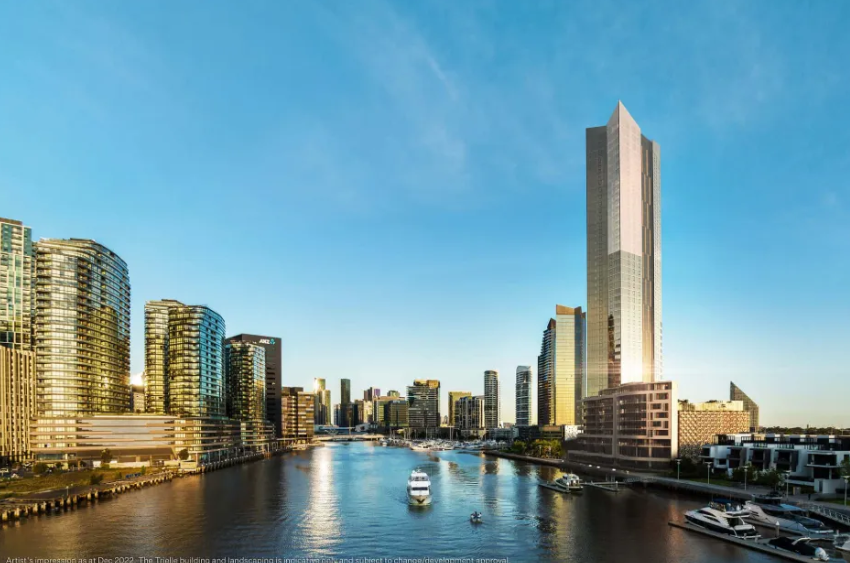
Mirvac has topped out Trielle at Melbourne’s Yarra’s Edge, with more than 70 per cent of the riverfront development sold and approximately 80 per cent of purchasers intending to make their apartment a home.
The figures, released on September 22, point to an owner-occupier audience for one of the precinct’s final residential towers. Mirvac began developing Yarra’s Edge in 2003, and its latest addition occupies one of the remaining absolute riverfront sites.
Mirvac CEO of Development Stuart Penklis said existing residents were among those moving up within the neighbourhood.
“Many purchasers already have a connection to Yarra’s Edge,” Mr Penklis said, describing buyers whose changing needs were encouraging an upgrade within the precinct.
“As one of the final residential towers within Yarra’s Edge, Trielle represents the culmination of more than two decades of creating one of Melbourne’s most established and sought-after waterfront communities,” Penklis said.
“Positioned on the Collins Street axis with absolute river frontage, Trielle offers residents a rare opportunity to enjoy sweeping views across the Yarra River, Melbourne skyline and Port Phillip Bay, while remaining seamlessly connected to the CBD. With Trielle now more than 70 per cent sold, we’re continuing to see strong demand from buyers seeking quality homes in established locations.”
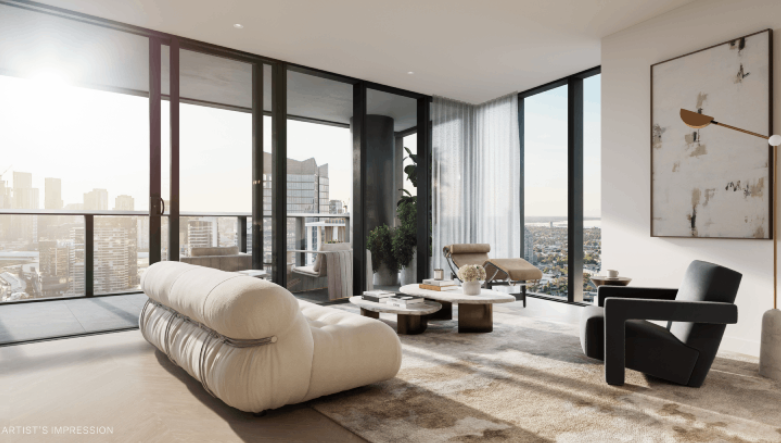
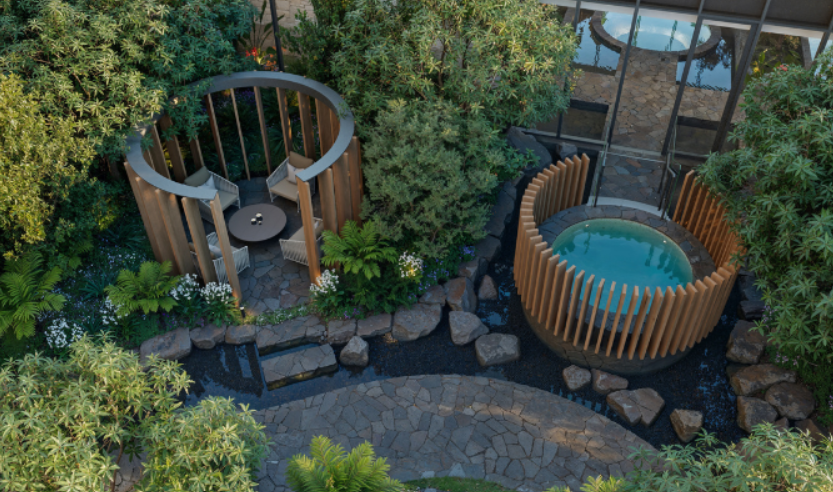
The developer also flagged a penthouse and sub-penthouse collection with larger layouts, premium finishes and broad outlooks. The planned wellness centrepiece, The Oasis, encompasses a 900-square-metre elevated urban rainforest.
Mirvac General Manager Residential Development Victoria Elysa Anderson said Trielle had resonated strongly with buyers seeking a rare lifestyle offering in Melbourne.
“Opportunities to secure a new luxury residence on a riverfront site of this calibre are incredibly rare, particularly within a community like Yarra’s Edge,” Anderson said.
“What makes Trielle unique is the combination of exceptional views, world-class residential facilities and the lifestyle that already exists around it. Residents are buying into a mature waterfront community with parks, promenades, dining, wellness and strong community connections already in place.”
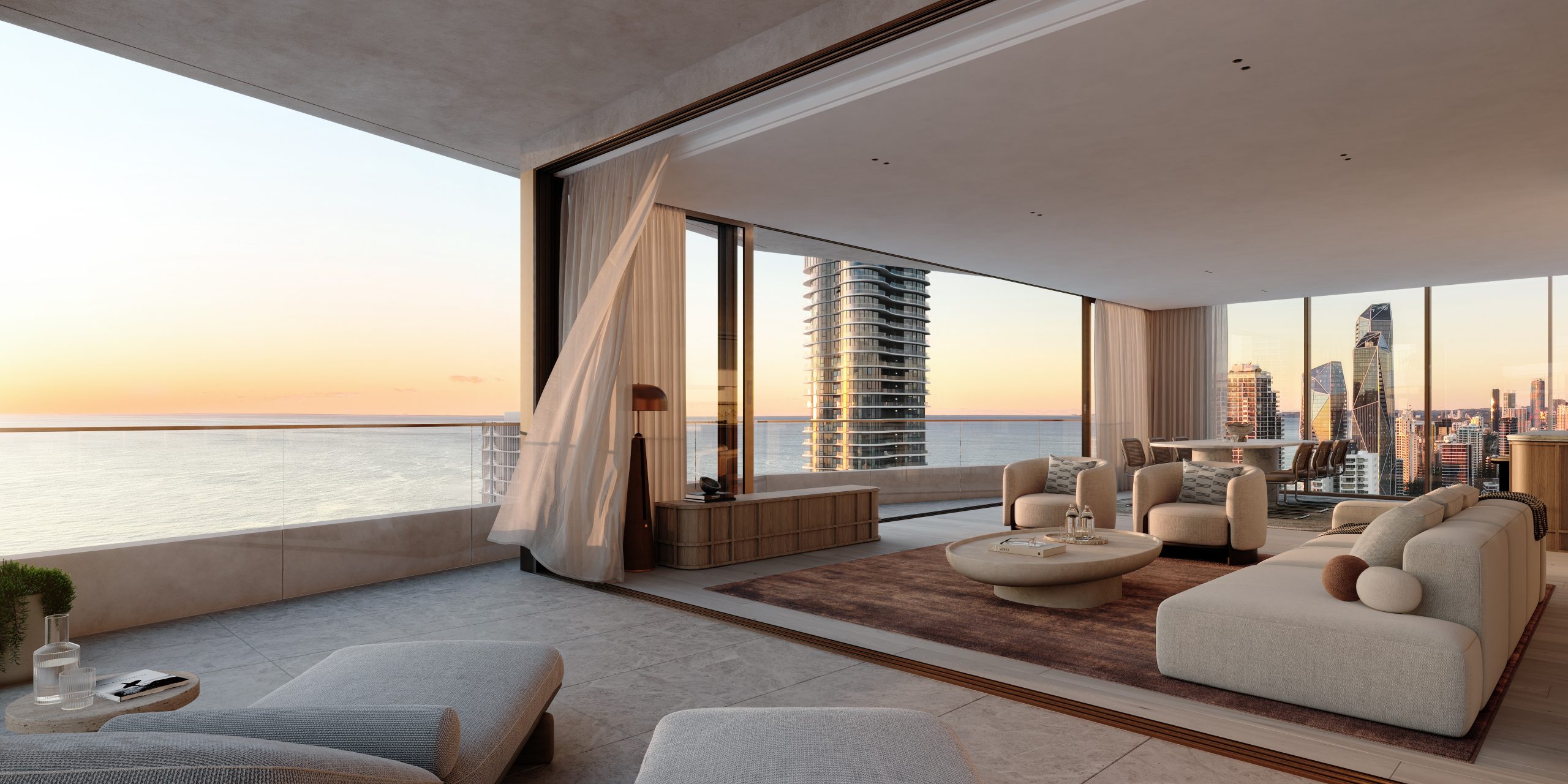
The 45-level tower brings a substantial new presence to that waterfront. Its residential offering spans one-, two-, three- and four-bedroom apartments, with Signature, Prestige and Sub-Penthouse collections accommodating different household sizes. The north-facing position connects the apartments visually to the river and city beyond.
Seven storeys above the promenade, the planned Oasis combines planting and a running stream with a Scandinavian-inspired wellness club developed with spa specialist Naomi Gregory. Facilities include a 25-metre lap pool, hot magnesium pool, sauna, hydrotherapy, a gym, yoga and Pilates room, and treatment spaces.
The amenity extends beyond exercise. Residents will have access to The Biblioteca library and workspaces, ground-floor work pods, and The Salone piano lounge. A private Chef’s Table dining room offers a setting for larger gatherings, while a cinema, games room and sports lounge broaden the entertaining options. Concierge services and a dog-wash area support everyday routines.
Trielle comprises a collection of one, two, three and four-bedroom residences. Reflecting strong demand from owner occupiers, approximately 80 per cent of purchasers to date intend to live in their homes, highlighting the project’s appeal to those seeking a long-term waterfront lifestyle.
Mirvac has recently delivered The Albertine, a premium apartment development on the edge of Melbourne’s CBD, and is nearing completion of Prince & Parade in Brunswick, further strengthening its portfolio of thoughtfully designed apartment communities in some of Melbourne’s most sought-after urban locations.
Technology and semiconductor shares fell sharply as investors questioned the debt financing the AI infrastructure boom and confronted higher rates and Chinese competition.
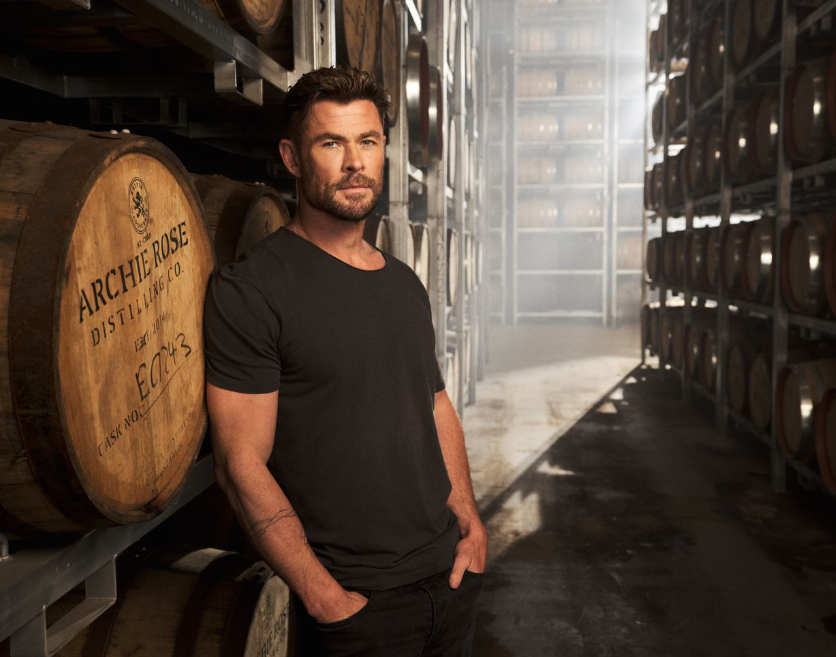
Australian actor Chris Hemsworth has joined Archie Rose Distilling Co. as co-owner and strategic business partner as the Sydney spirits company prepares to enter the United States. The partnership brings Hemsworth together with Archie Rose founder Will Edwards, with the pair aiming to build greater international recognition for Australian whisky. Founded in Sydney in 2014, …
Continue reading “Chris Hemsworth Joins Archie Rose as Co-Owner Ahead of Global Expansion”