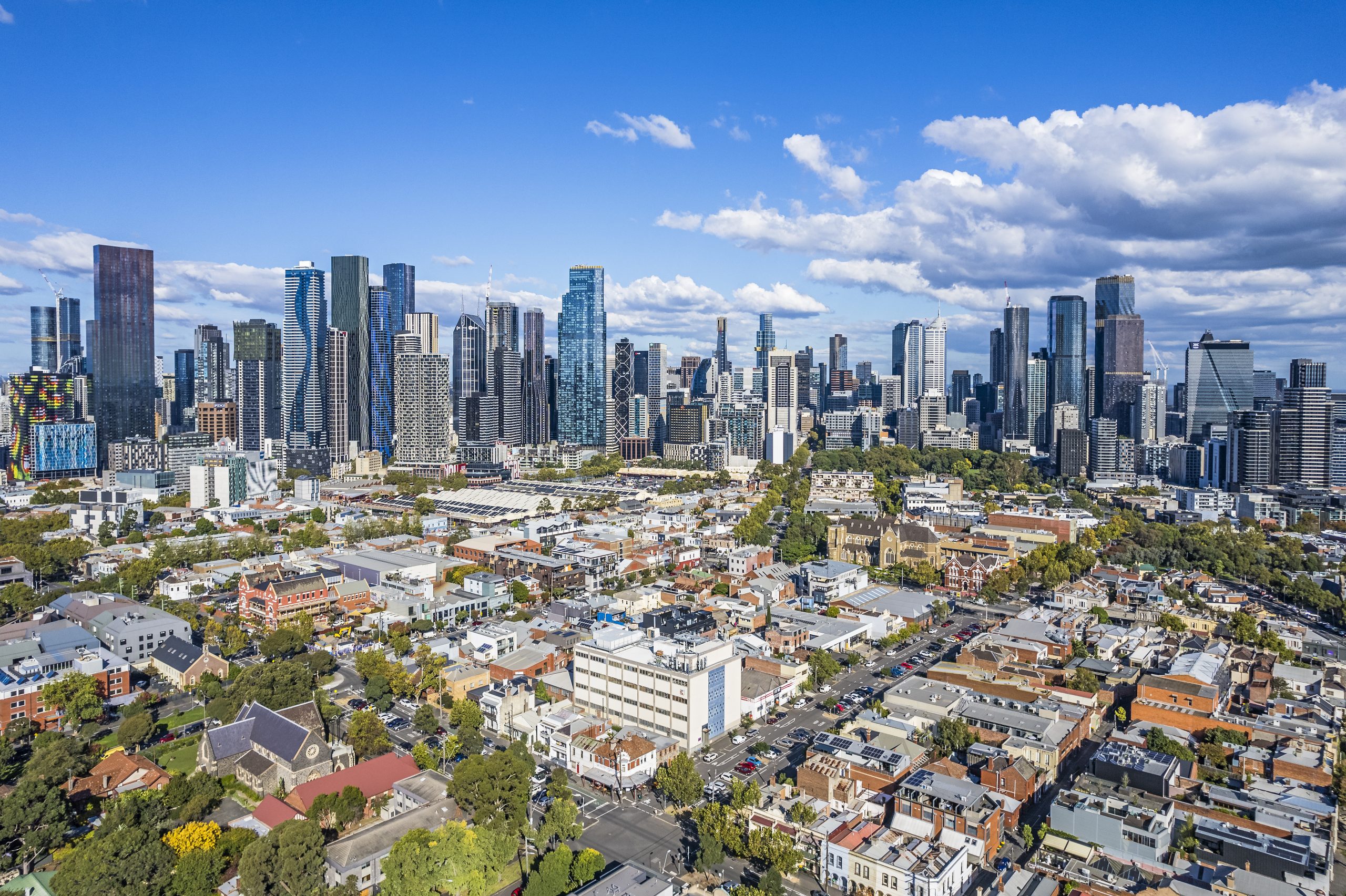
10 Things That Will Instantly Add Value to Your Property
 7 min
7 min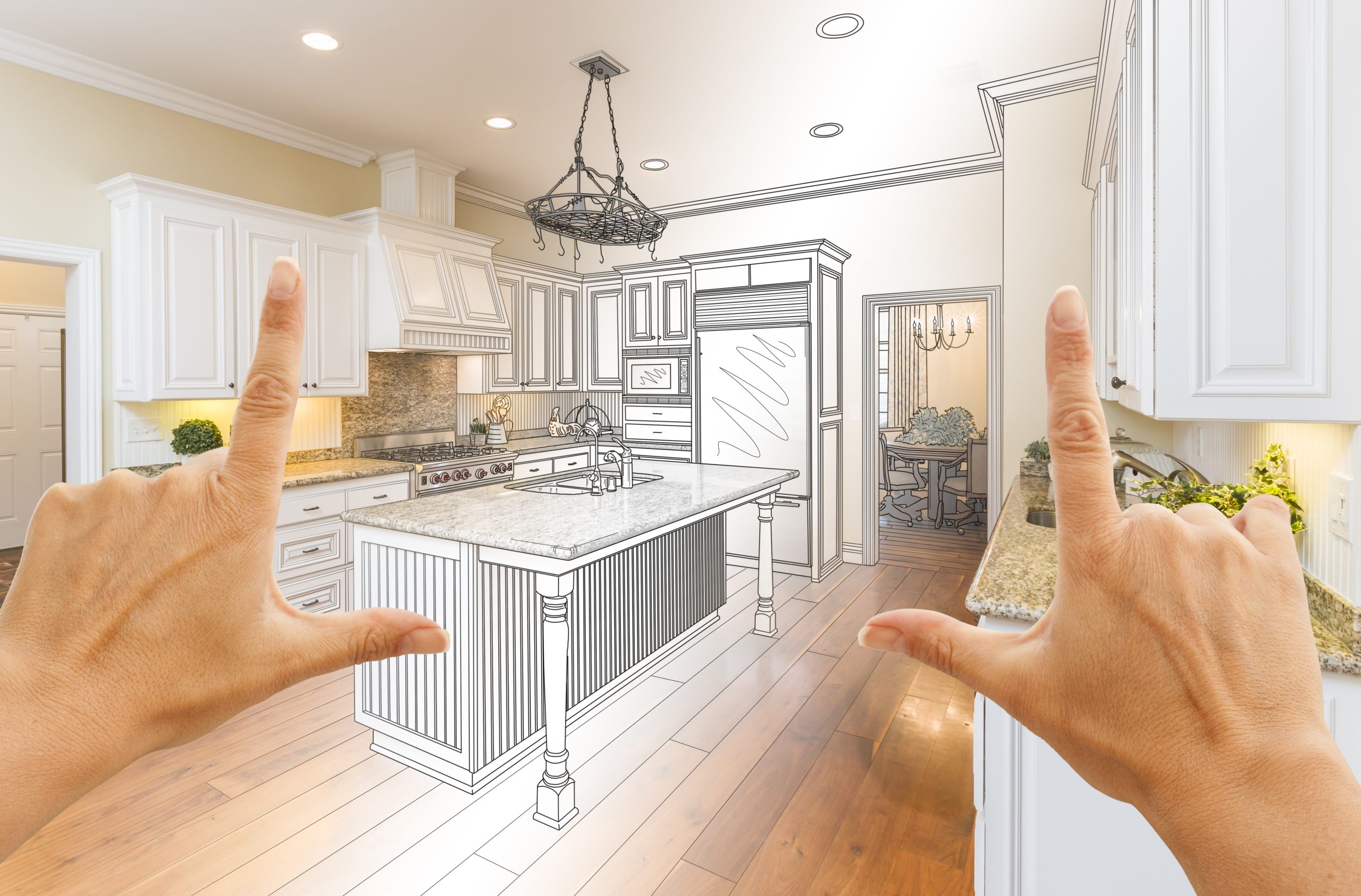
Curb appeal—the attractiveness of one’s property—is everything when deciding to sell, rent, or simply add value to your home. That’s why Australians spend approximately $1 billion per year on property renovations.
“I am seeing smart investors and homebuyers now actively looking to upgrade, capitalising on opportunities in the market,” said Nunzio Bagnato, consultant at Homebuyers Centre Victoria. “It’s no longer just about looking for a specific price point; buyers are willing to pay extra for quality.”
From strategic renovations to expert upgrades, there are many ways in which you can add value to your property, no matter your budget. Whether you’re a seasoned investor looking to maximise returns, or a savvy homeowner wanting to spruce up your living space, look to these 10 ideas for maximising your home’s aesthetic and appeal…and in the process, add value to your property.
—
1). A fresh paint job goes a long way
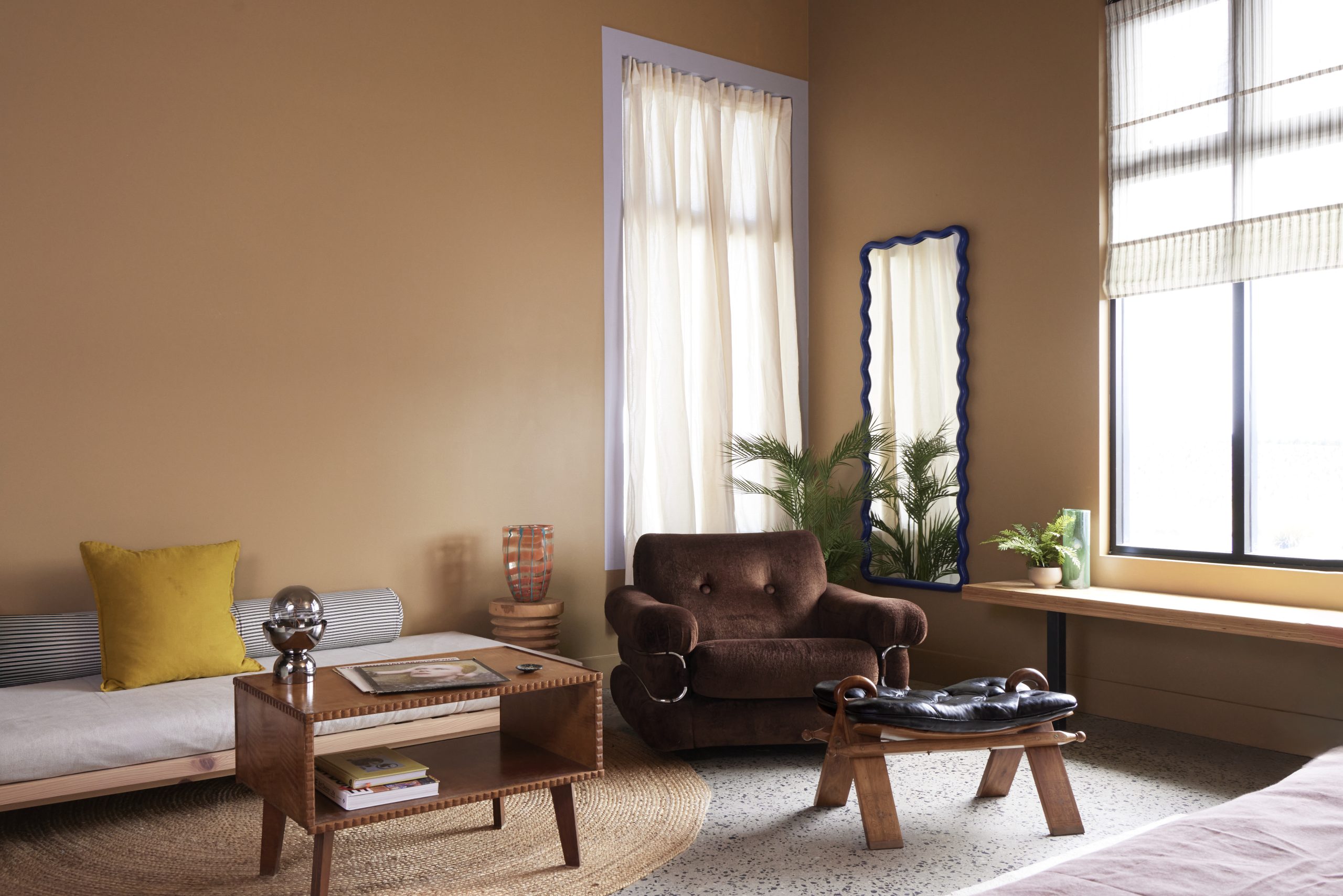
A fresh coat of paint applied to tired walls, whether on the exterior or interior, can do wonders for your home says interior designer and stylist, Jono Fleming.
“Give your space a makeover with paint to create a fresh and elevated look. This is an accessible tool to introduce colour into your home, which serves to transform the mood and feeling of a space,” he says.
“Colour is an incredibly powerful design tool, however itʼs incredibly important that the end result feels grounded and draws people into the space. I recently refreshed a bedroom in my family’s farmhouse using Fantan and Canyon Cloud from the 2024 Dulux Colour Forecast Muse palette, which has converted the space into a vibrant retreat filled with warmth and new life.”
Besides the obvious — paint acts as a protective barrier against the elements such as rain, UV rays, and moisture — a fresh paint job can immediately add value to your home. If you have some minor imperfections, such as cracks or dents, spend some time on prep before you paint for a better finish and a more durable result. For exteriors, lighter colours are a surefire winner.
“There’s a lot of interest generated from colours; a neutral palette appeals to a broader range of buyers,” says Mr Bagnato.
2). Landscape the garden
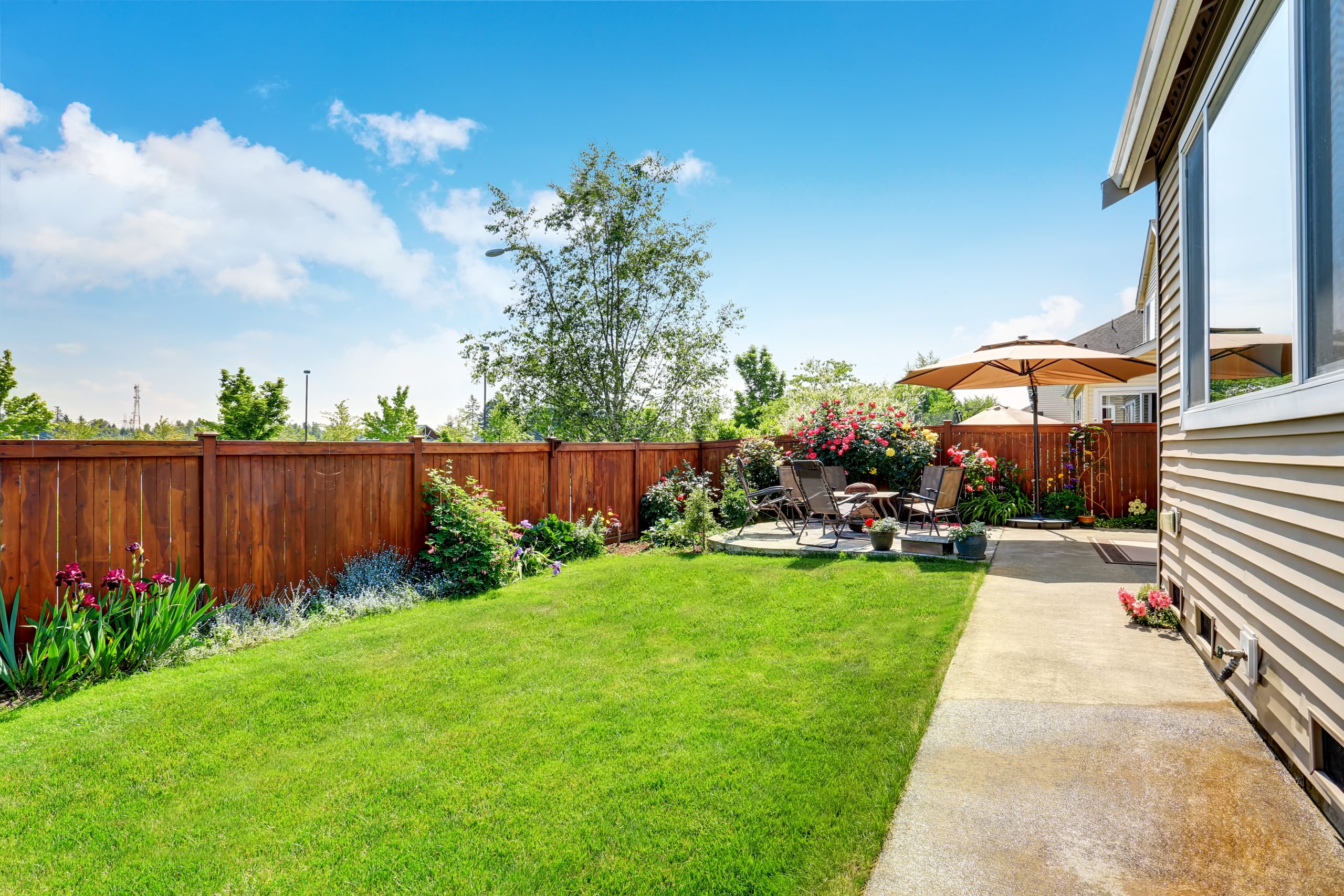
A well-kept, manicured garden can add thousands of dollars to the value of your home. If we learned nothing from the pandemic, it’s the value of a private, well-designed outdoor area. Spending time on landscaping your front garden will not only enhance street appeal, but can also increase the functionality providing areas for relaxation, entertaining, and recreational purposes across the site.
A well-designed garden including green space, paved areas, room for entertaining and water features, can also increase your property value by up to 20 percent, according to a study conducted by the University of Western Australia. For smaller areas such as apartments or townhomes, consider seeking help from a gardening specialist who can advise on the best pots, plants and flowers depending on the orientation and soil type of your garden.
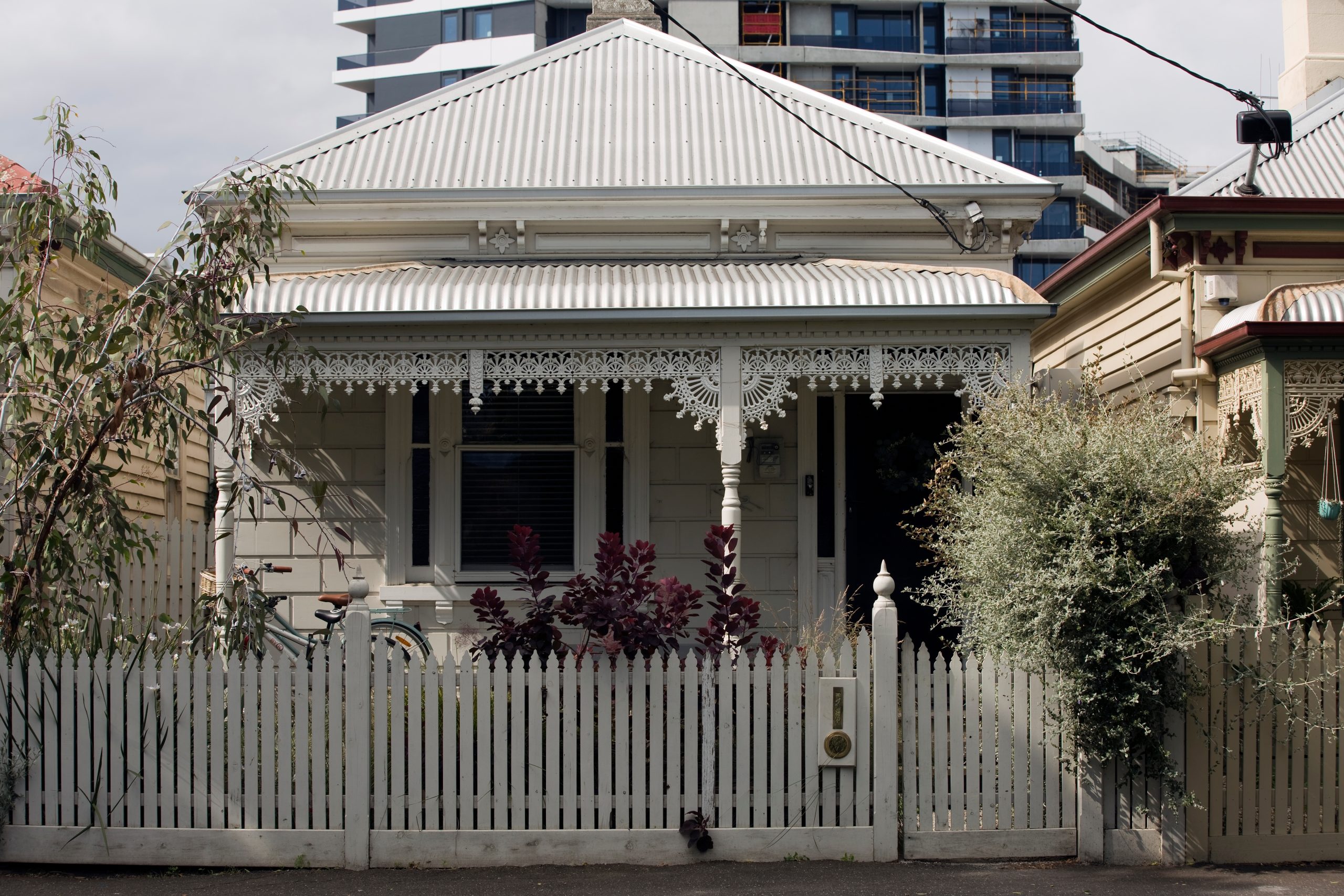
3). Your home’s facade says a lot
The very first thing that people will see when looking to purchase their next property is the facade. Even when people are searching online, it’s often the very first image shown on a listing, and one that can make or break a property in a matter of seconds. A visually appealing frontage can set your home apart from neighbours, and can really set the tone for what visitors, future buyers, or investors can expect when they walk through the door.
Patrick Cooney, director of sales at Melbourne-based Milieu Property, agrees that the facade of a home leaves people wanting more.
“The vast majority of people only ever get to see and experience the exterior of a building,” he says. “This is an advertisement for those who walk and drive past. Having amazing architecture and landscaping leaves people wanting to know more.”
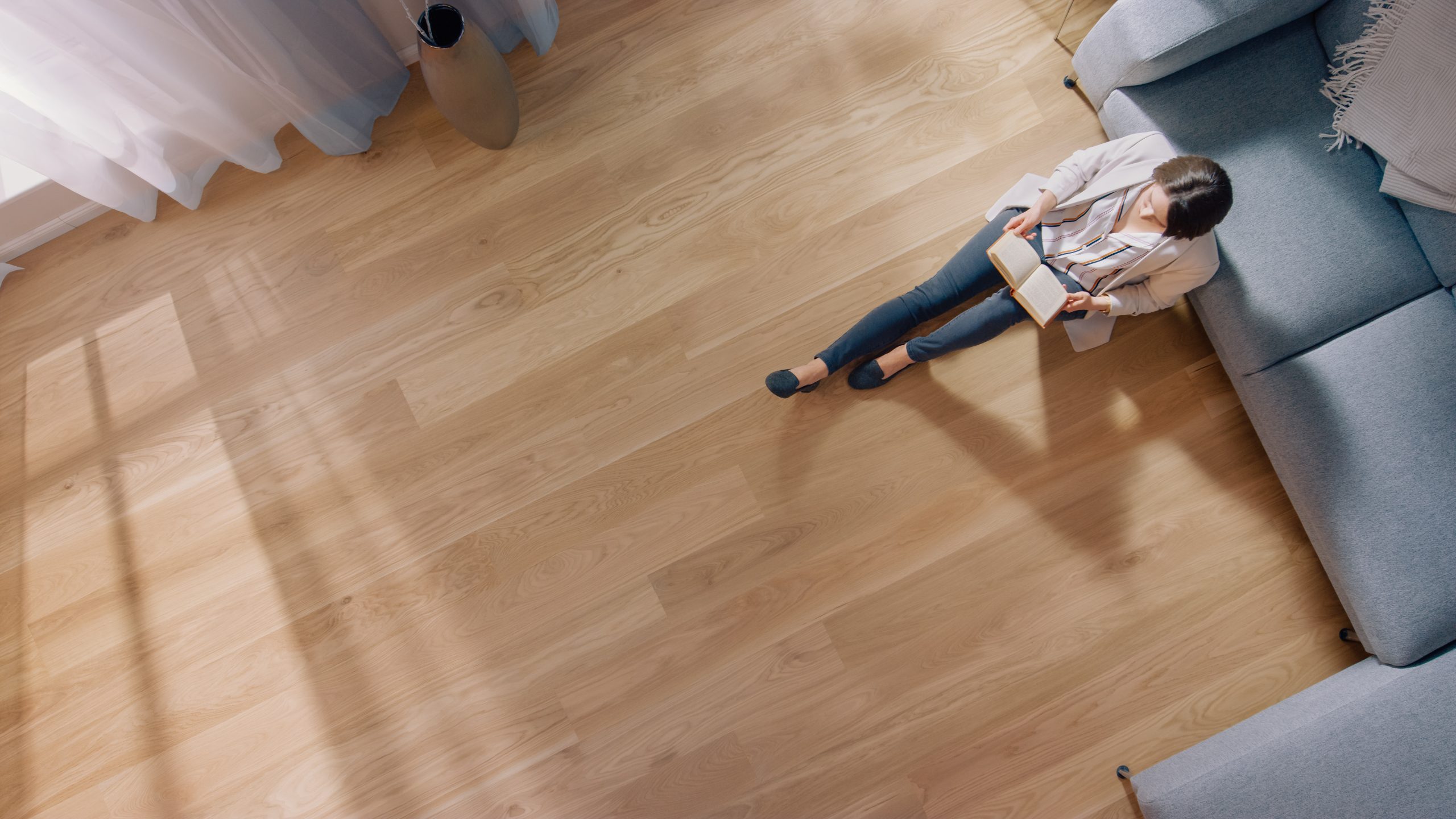
4). Who doesn’t love new flooring?
It’s always immediately apparent when a vendor has spent the time and money upgrading their home’s flooring. Besides changing the look and feel of your interiors, investing in high-quality flooring materials, such as sustainable wooden floorboards for common areas such as your living and dining space, and carpet for bedrooms, can immediately increase the perceived value of your home.
One factor to keep in mind is that upgrading your flooring is not only a costly exercise but a disruptive one at that, so careful planning is encouraged.
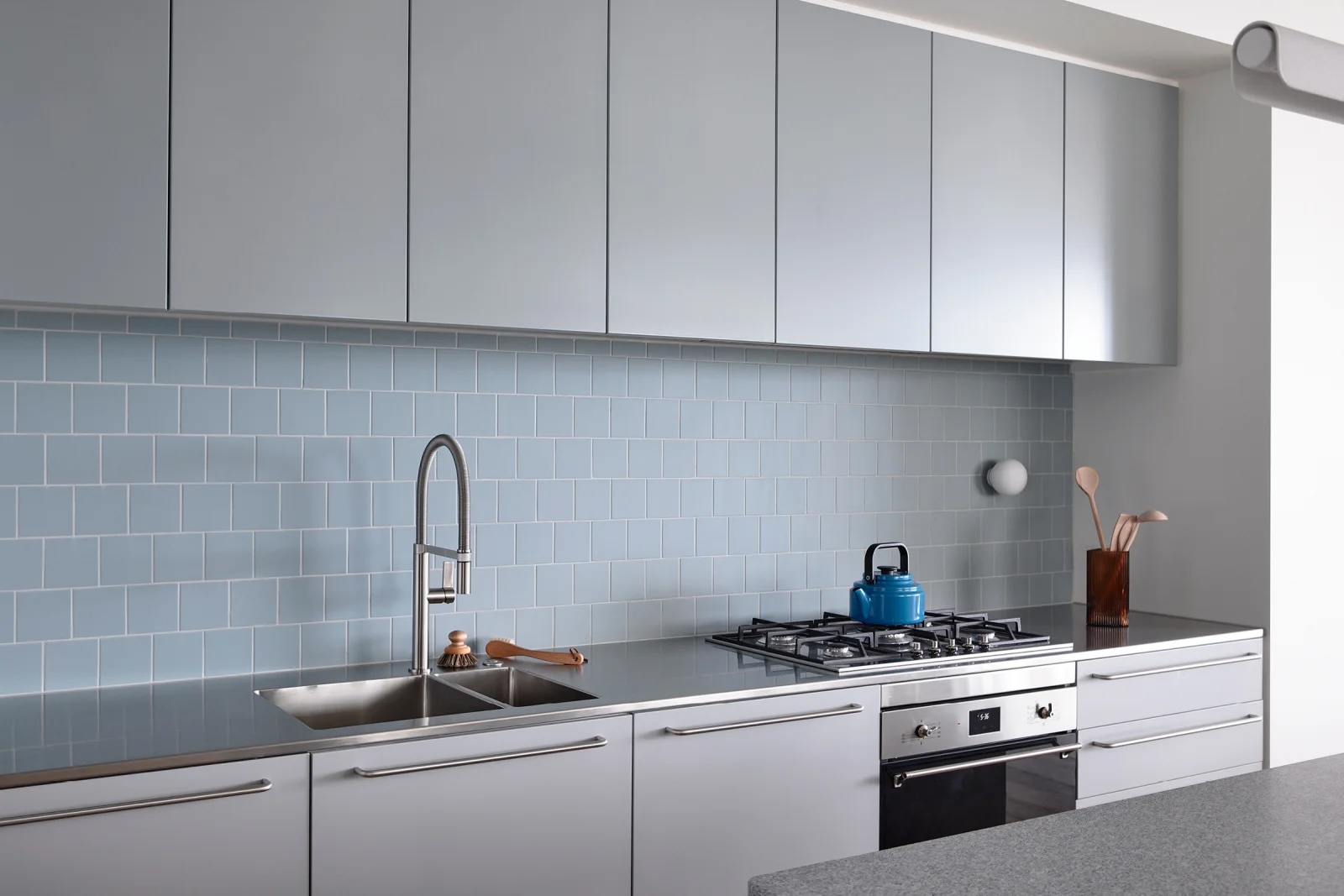
5). Add that new kitchen
Should homeowners ever consider the need to renovate their homes, the kitchen is often top of the list. However small or large, adding a new kitchen to your home can do a lot for adding value to your home. Why? Recent studies conducted by OnePoll suggest that individuals spend over 1000 hours a year in their kitchen. Whether it’s preparing meals, eating meals, or working from the kitchen bench top, having a kitchen that is accessible, practical but also aesthetically pleasing is every home owner’s dream. Costs vary widely but be aware that there’s not a lot of economy of scale involved. Designing and installing a small kitchen often doesn’t cost significantly less than a larger one.
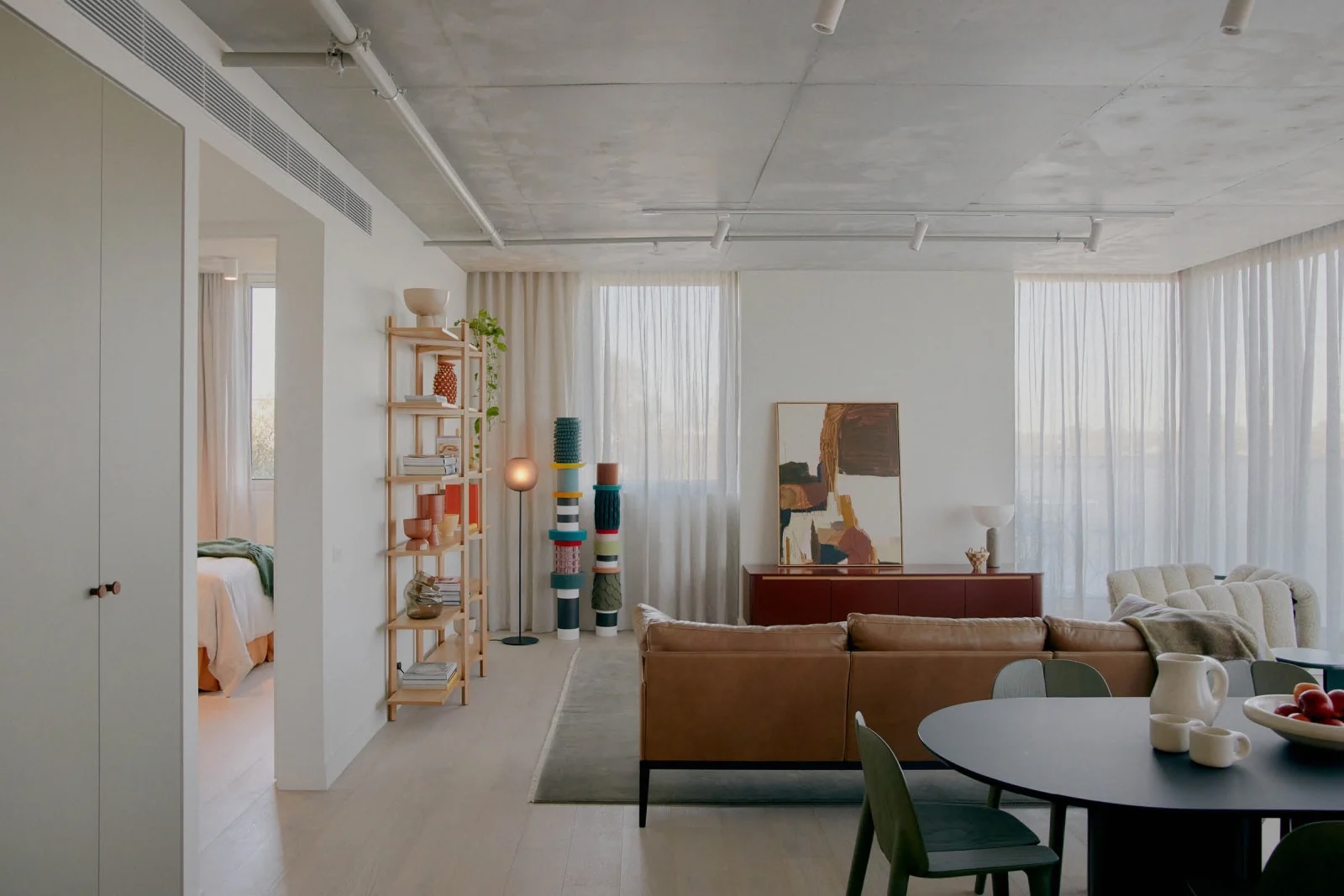
6). Consider art and furnishings
Another great way to elevate the look and feel of your home—and add value in the process—is through the addition of decorative pieces and furnishings.
“Art, display books and uniquely shaped vessels add interest and are an easy way to introduce colour, achieving a cohesive palette,” Mr Fleming says.
Avoid generic prints and go for something bolder, like vintage advertising posters to add personality to the room. Original art, sourced either directly from the artist, through galleries or at auction is a great way to add a luxe feel to a room. Beyond solid walls, Mr Fleming says window coverings can also benefit from the right dressing.
“Curtains, in particular, are often overlooked as an interior design tool, but theyʼre such an easy way to add colour to your space without it feeling too permanent and can completely change the ambiance or mood within a space.”
7). Upgrade your bathroom
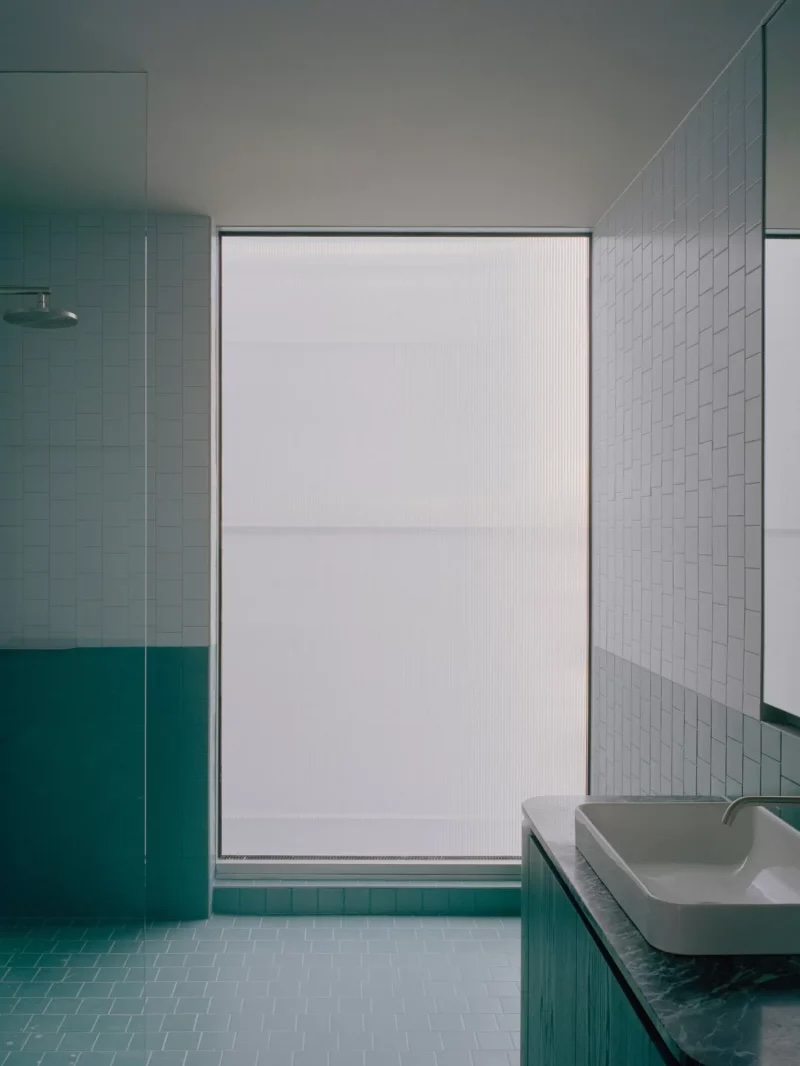
After the kitchen, bathrooms are high on the priority list for buyers. If you’re planning on selling soon, you can make a considerable difference by taking small steps; replacing older sinks and toilets, upgraded hardware and new lighting can instantly transform your bathroom. If you’re planning to stay, or you’re keen to create that ‘wow’ factor for would-be buyers, opting for additions like a double vanity, walk-in shower, bathtub, or simply choosing premium materials such as marble or other natural stone, can all make a significant difference to the value of your home.
If you have more than one bathroom to renovate, consider mixing up materials and fittings while staying with the same colour palette for a cohesive look.
8). Be inventive, add storage
Storage—or the lack thereof—is something all homeowners have to deal with. For many first homebuyers or renters, storage is likely one of those additions worth its weight in gold. So, as a homeowner, adding thoughtful and meaningful storage solutions can go a long way in adding appeal to prospective buyers.
“Smart storage solutions can change one’s home from a nice home to a great home. The majority of people have a plethora of ‘stuff’ and finding a place for these are key,” said Mr Cooney.
“Whether its dropping off your keys and a dog lead in your welcome station by the front door, to having an appliance nook for your coffee machine and toaster, or ensuing you have the basics like adequate bathroom storage that accommodate a hair dryer, these are all incredibly important considerations.”
9). Is your home ‘smart’?
Integrating ‘smart’ technology is something we’re likely to see more homeowners do. While the outlay and time spent in setting up a smart home can deter some, considering things like integrated security systems, sensor blinds, keyless entry systems, smart lighting controlled via your phone, and indoor/outdoor entertainment systems can appeal to tech-savvy buyers (and ultimately increase your property’s value).
“Smart tech for the home can be pushed as far as people are wanting. At Milieu, we generally now include smart locks, smart parcel lockers, energy monitoring and number plate recognition access to basements to our new developments,” said Mr Cooney.
“In our last three projects, we have specified VZug appliances which can also be controlled from the touch of your phone.”
10). Sustainability is key
As we all look to add sustainable measures to our homes for a better, brighter, and greener future, energy efficiency in and around our homes will only become increasingly sought-after among home buyers. This can be done by installing solar panels or energy-efficient windows and doors, installing skylights, opting for appliances that save on power, and increasing ways that save on utility bills, like swapping gas for electric induction stovetops.
“Buyers are highly focused on sustainability and future-proofing their homes,” said Mr. Cooney. “Highly sustainable buildings, with EV provisions are key. People place a premium for sustainability and especially EV charging – the mindset has change from, ‘I may get an electric vehicle’ to ‘when I get an electric vehicle’.”
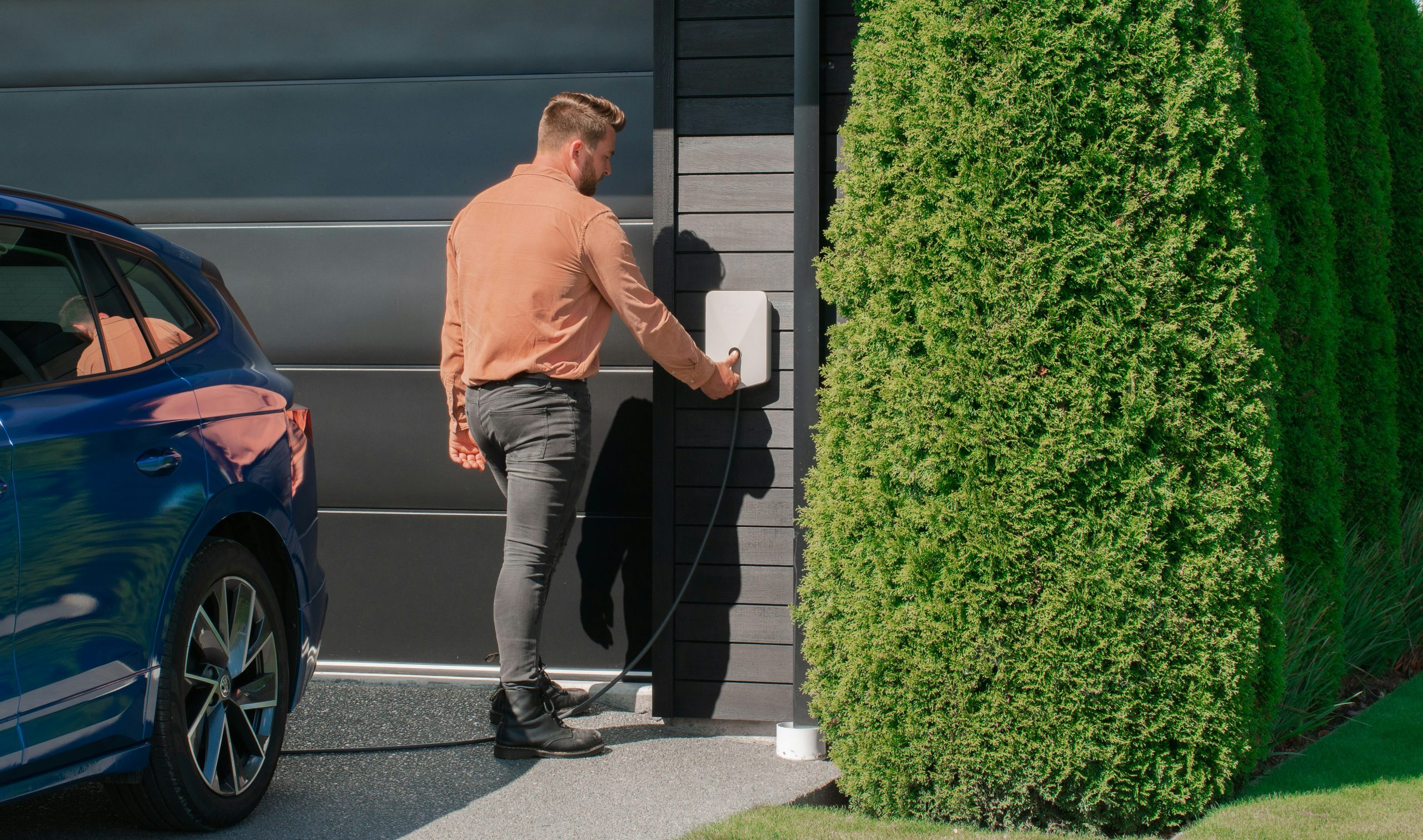
Adding an EV charging station, should you own a hybrid or electric vehicle, is a great initiative to consider for your home. Not only can an EV charging station power your vehicle, but its power can also be offset to power parts of your home.
—

From making unpopular decisions to learning when to listen, leaders from five businesses reveal what nobody prepared them for — and how running a company has challenged their expectations.

Technology and semiconductor shares fell sharply as investors questioned the debt financing the AI infrastructure boom and confronted higher rates and Chinese competition.
Mirvac’s 45-level Trielle has topped out at Yarra’s Edge, pairing riverfront apartments with wellness facilities, private dining and resident services.
3 min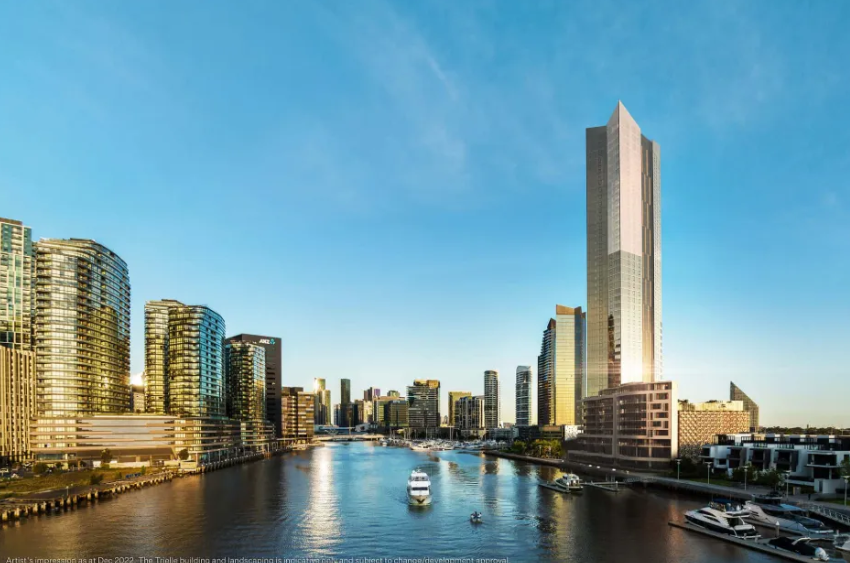
Mirvac has topped out Trielle at Melbourne’s Yarra’s Edge, with more than 70 per cent of the riverfront development sold and approximately 80 per cent of purchasers intending to make their apartment a home.
The figures, released on September 22, point to an owner-occupier audience for one of the precinct’s final residential towers. Mirvac began developing Yarra’s Edge in 2003, and its latest addition occupies one of the remaining absolute riverfront sites.
Mirvac CEO of Development Stuart Penklis said existing residents were among those moving up within the neighbourhood.
“Many purchasers already have a connection to Yarra’s Edge,” Mr Penklis said, describing buyers whose changing needs were encouraging an upgrade within the precinct.
“As one of the final residential towers within Yarra’s Edge, Trielle represents the culmination of more than two decades of creating one of Melbourne’s most established and sought-after waterfront communities,” Penklis said.
“Positioned on the Collins Street axis with absolute river frontage, Trielle offers residents a rare opportunity to enjoy sweeping views across the Yarra River, Melbourne skyline and Port Phillip Bay, while remaining seamlessly connected to the CBD. With Trielle now more than 70 per cent sold, we’re continuing to see strong demand from buyers seeking quality homes in established locations.”
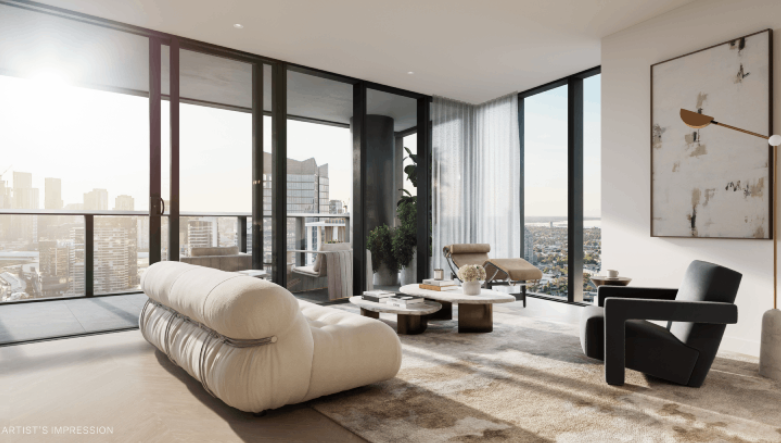
The developer also flagged a penthouse and sub-penthouse collection with larger layouts, premium finishes and broad outlooks. The planned wellness centrepiece, The Oasis, encompasses a 900-square-metre elevated urban rainforest.
Mirvac General Manager Residential Development Victoria Elysa Anderson said Trielle had resonated strongly with buyers seeking a rare lifestyle offering in Melbourne.
“Opportunities to secure a new luxury residence on a riverfront site of this calibre are incredibly rare, particularly within a community like Yarra’s Edge,” Anderson said.
“What makes Trielle unique is the combination of exceptional views, world-class residential facilities and the lifestyle that already exists around it. Residents are buying into a mature waterfront community with parks, promenades, dining, wellness and strong community connections already in place.”
The 45-level tower brings a substantial new presence to that waterfront. Its residential offering spans one-, two-, three- and four-bedroom apartments, with Signature, Prestige and Sub-Penthouse collections accommodating different household sizes. The north-facing position connects the apartments visually to the river and city beyond.
Seven storeys above the promenade, the planned Oasis combines planting and a running stream with a Scandinavian-inspired wellness club developed with spa specialist Naomi Gregory. Facilities include a 25-metre lap pool, hot magnesium pool, sauna, hydrotherapy, a gym, yoga and Pilates room, and treatment spaces.
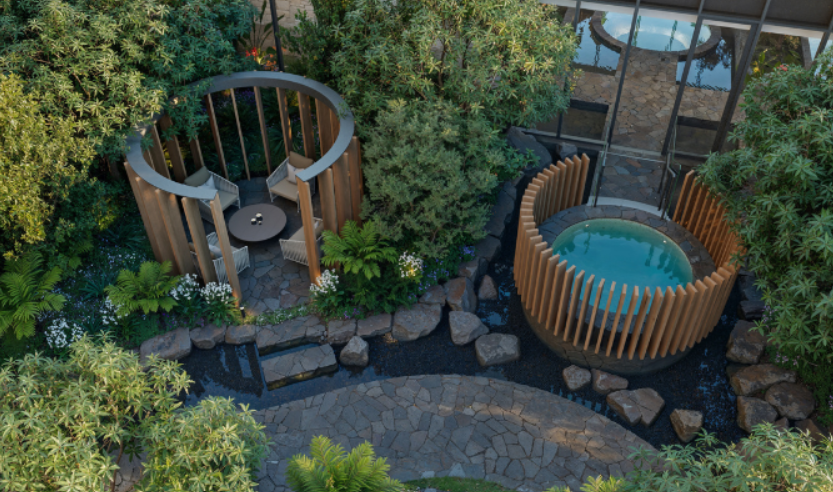
The amenity extends beyond exercise. Residents will have access to The Biblioteca library and workspaces, ground-floor work pods, and The Salone piano lounge. A private Chef’s Table dining room offers a setting for larger gatherings, while a cinema, games room and sports lounge broaden the entertaining options. Concierge services and a dog-wash area support everyday routines.
Trielle comprises a collection of one, two, three and four-bedroom residences. Reflecting strong demand from owner occupiers, approximately 80 per cent of purchasers to date intend to live in their homes, highlighting the project’s appeal to those seeking a long-term waterfront lifestyle.
Mirvac has recently delivered The Albertine, a premium apartment development on the edge of Melbourne’s CBD, and is nearing completion of Prince & Parade in Brunswick, further strengthening its portfolio of thoughtfully designed apartment communities in some of Melbourne’s most sought-after urban locations.
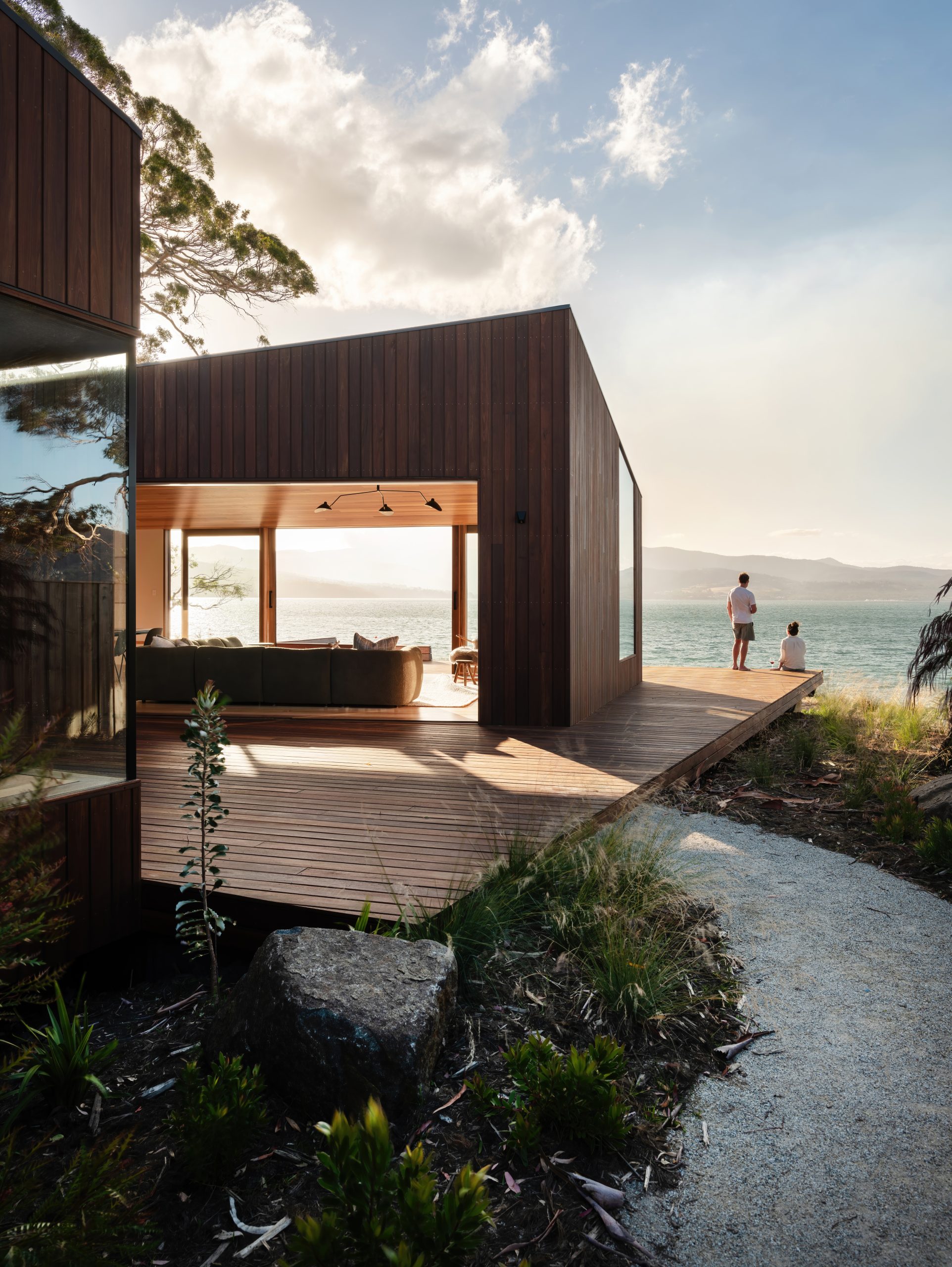
From the shacks of yesterday to the sculptural sanctuaries of today, Australia’s coastal architecture has matured into a global benchmark for design.

The megamansion was built for Tony Pritzker, heir to the Hyatt Hotel fortune and brother of Illinois Gov. JB Pritzker.