Why People Are Buying $8,000 Lifelike Baby Dolls
Highly realistic baby dolls have become a global phenomenon, with collectors shelling out for luxury baby gear and doting on their ‘reborns’ as if they were human children.

 6 min
6 min
Kelli Maple tenderly sets her bundle of joy, Naomi, into a Nuna car seat and drives her to the mall.
When they arrive, Maple, 23, places little Naomi, dressed in a onesie and hair bow, into a high-end stroller (complete with a portable sound machine, stuffed animal and a pacifier). Giggling, Maple and Naomi shop for tiny clothes.
Most passersby would mistake them for a typical mother and daughter.
But Naomi is not real.
She’s a lifelike “reborn doll.” These collectable baby dolls, which can run up to $10,000 apiece, have been around since the early 2000s, but in recent years they’ve exploded into a global phenomenon.
Collectors, who consider themselves parents, shell out for luxury baby gear and dote on their reborns as if they were human children.
In Brazil, they’ve become a lightning rod in recent months, with politicians introducing bills to try and ban the popular dolls from public places.
The reborn doll world is hidden in plain sight in the United States.
It’s a cottage industry, with amateur crafters hand-moulding and painting dolls in their basements. The process, especially for the more verisimilitudinous silicone dolls, is labour-intensive, including painting delicate pale-blue veins onto their soft peachy skin and hand-rooting individual goat or alpaca hairs into their scalps and eyebrows. The result is uncanny.
When I told a dollmaker that I’ve never seen someone carrying a reborn in New York, she smiled knowingly and said, “You have.”
Detractors find the dolls creepy, and some owners say they are taunted by families and online bullies.
What these critics misunderstand, collectors say, is the therapeutic potential of the dolls.
Women who have lost babies or experienced miscarriages are comforted by reborns. The dolls can also soothe women with post-traumatic stress disorder, Alzheimer’s, dementia and autism.
Britney Spears, who said she had a miscarriage, has been seen carrying a doll. Some women are fanatic collectors, amassing dozens if not hundreds of dolls and posting online videos of diaper changes and trips to the park. Children and teens play with them. Hollywood snaps them up as stunt babies.
At the Dolls of the World fair this June, around 1,500 participants—and their dolls—came together in a convention centre in Greensboro, N.C., where vendors sold accessories such as perfumes meant to make the dolls smell like real babies.
“People think it’s insane because it’s a doll,” said Hannah Hammond, 21, a teacher in Hampton, Va., who collects reborns. “But it’s just like any other hobby.” When we met, she offered to let me hold her prized silicone doll, Evie, then winced at my technique: “You have to support her head.”
Babies Who Never Cry
Maple is one of the stars of the reborn doll world, with over 2 million subscribers to her YouTube channel and selling her dolls for thousands of dollars.
At the Dolls of the World expo, she was mobbed by fans for selfies and autographs.
She had spent months in the room she calls her “nursery,” putting the finishing touches on babies to sell at her booth at the fair. “There are heads and limbs everywhere—it can be a little scary,” she said.
Awareness of the dolls is at an all-time high. “It’s just getting bigger and stronger,” said Dave Stack, the founder of Reborns.com, one of the largest marketplaces for handmade dolls. He charges $30 a month for makers to sell their dolls on the site, and has around 600 paying members.
Many of those makers were at the fair in North Carolina, one of a handful of American events where enthusiasts and dealers can buy and sell dolls, and take classes in the art of dollmaking. At evening events, women trade gifts like pacifiers and doll outfits, and awards are bestowed to the top artisans.
The doll fair was one of three conferences taking place at the same sprawling Sheraton complex. Over the course of one sweltering summer weekend, the doll people rubbed elbows with the brawny participants in the World Ninja League championships and the conspiracy theorists of the Cosmic Summit.
“We all thought they were real babies until we did not hear any crying,” marvelled Cosmic Summit attendee Ocean Norris while taking a smoke break. Her friend Angela Simmons of Pinehurst, N.C., said she was “shocked” to see the babies being handled like real babies.
“Unfortunately, we get a lot of hate in the doll community,” said Sally McMahon of Massapequa Park, N.Y., who dressed in a fairy outfit and showed off her rabbit-human hybrid doll.
This is part of a subset known as “fantasy dolls”—creatures such as chimp-human hybrids, blue-skinned lizard elves, and tiny-horned satyrs. “They say, ‘Oh my God, these crazy doll people.”
For the doll lovers, from small children to senior citizens in wheelchairs, the fair is a rare safe space for them to revel in their hobby.
Many of them budget the entire year to be able to pay cash for four-figure dolls and accessories (“I plan on spending a kidney, a lung and part of my liver,” joked attendee Mel Harrison on Facebook).
They clamoured around the reborn world’s niche celebrity doll artists, like Maple and the British duo Samantha Gregory and Nikki Johnston, asking for autographs and selfies. All around the hotel, groups clustered, with women and children passing babies around.
While reborn lovers find them comforting, the outside world often perceives them as terrifying. The Apple TV+ show “Servant,” which ran from 2019 to 2023, dramatised the spooky nature of reborn dolls.
Maggie Barnes, 12, from Clayton, N.C., showed me her new doll: Fang, a miniature werewolf. Barnes said she liked coming to the fair because “People are not judgmental at all.” Her mother, also a doll fan, purchased the $1,000 doll for her as a gift.
Although the best-known use for reborn dolls is as a comfort following infant loss and miscarriage, plenty of kids, as well as mothers and grandmothers of real children, collect the dolls. Keith and Dia Harris, 63 and 51 of Suwanee, Ga., have five children and seven grandchildren, and attended the fair with a baby reborn and a 6-year-old reborn.
Keith, hoisting the bigger doll around in a carrier, was one of the many supportive husbands at the fair. At their home, the Harrises have a nursery for their reborns with bunkbeds, which their grandkids share with the dolls when they visit.
Another grandmother, Holly Church, came to the fair to purchase a $3,200 green-skinned fantasy doll to add to her collection. Her husband was building a “she shed” in their backyard in Texas to house the dolls. She said that her eldest son didn’t understand her passion. “I say, ‘You don’t have to get it. You just have to respect it.’”
Church’s friend Mia Martone, a spiritual advisor in East Meadow, N.Y., purchased a $6,000 silicone reborn named Lucy at the fair. While she has grandchildren who visit, she said, “Sometimes I just want one that doesn’t cry.”
Reborns can help people heal from trauma. Katherine Hansell of St. Charles, Mo., cares for Crystal, her adopted adult daughter who experienced horrific childhood abuse. They use a reborn baby named Crystal to model love and care. “We say that this Crystal was never hurt,” said Hansell.
A Labour of Love
Making dolls can be an emotional job.
Dorothy Blue, a reborn dollmaker who works out of a basement studio in Dardenne Prairie, Mo., said that working with women who’d gone through infant loss and wanted a replica could be fraught. Sometimes, their vision of what the doll should look like could be hard to capture. “To be blunt, a deceased baby looks like a deceased baby,” said Blue.
Well-made silicone dolls can easily sell for over $5,000, because the labour that goes into them is significant. Most dollmakers start with a basic kit from one of the online retailers such as Bountiful Baby.
Then they personalise it through a painstaking process of tweaking and painting, often in dialogue with the client, who may have photos of what they want the doll to look like. Vinyl kits usually start around $100 and silicone kits run about $200. With products including paint, finishing powder, glass eyes and hair, the supplies for one doll can easily run over $500.
America has a long tradition of resourceful women cobbling together careers from home. Like selling Mary Kay beauty products or Tupperware, dollmaking can be a way to make money without a fancy education, or even consistent childcare.
Few people have gotten rich from the doll world, because it’s such a splintered, handmade process. But Nevin and Denise Pratt of Bountiful Baby in Salt Lake City are titans in the reborn community.
In 2000, Denise’s doll making spurred the duo to begin making moulds, which grew into a significant doll supply company. At its height in 2019, the company says its revenue was over $5 million. It’s 40% less today, which they attribute to a volatile economy and Chinese-made knockoff dolls and parts sold on sites like Amazon and Alibaba.
This year, Maple only sold three of her handmade dolls, compared to five at the last fair. “Sales have been down all year because of the economy.”
But for Maple and others in the reborn doll industry, it’s much more than a business. “I’ve gone through lots of different emotional things throughout my life and the dolls have definitely helped with mental health a lot,” she said.
Johnston, the British dollmaker, compared reborn dolls to Marmite, the divisive yeasty spread: “You either love them or you hate them.”
 Copyright 2020, Dow Jones & Company, Inc. All Rights Reserved Worldwide. LEARN MORE





For Central Element, the start of work at Pearl represents another step in the company’s growing eastern suburbs pipeline.
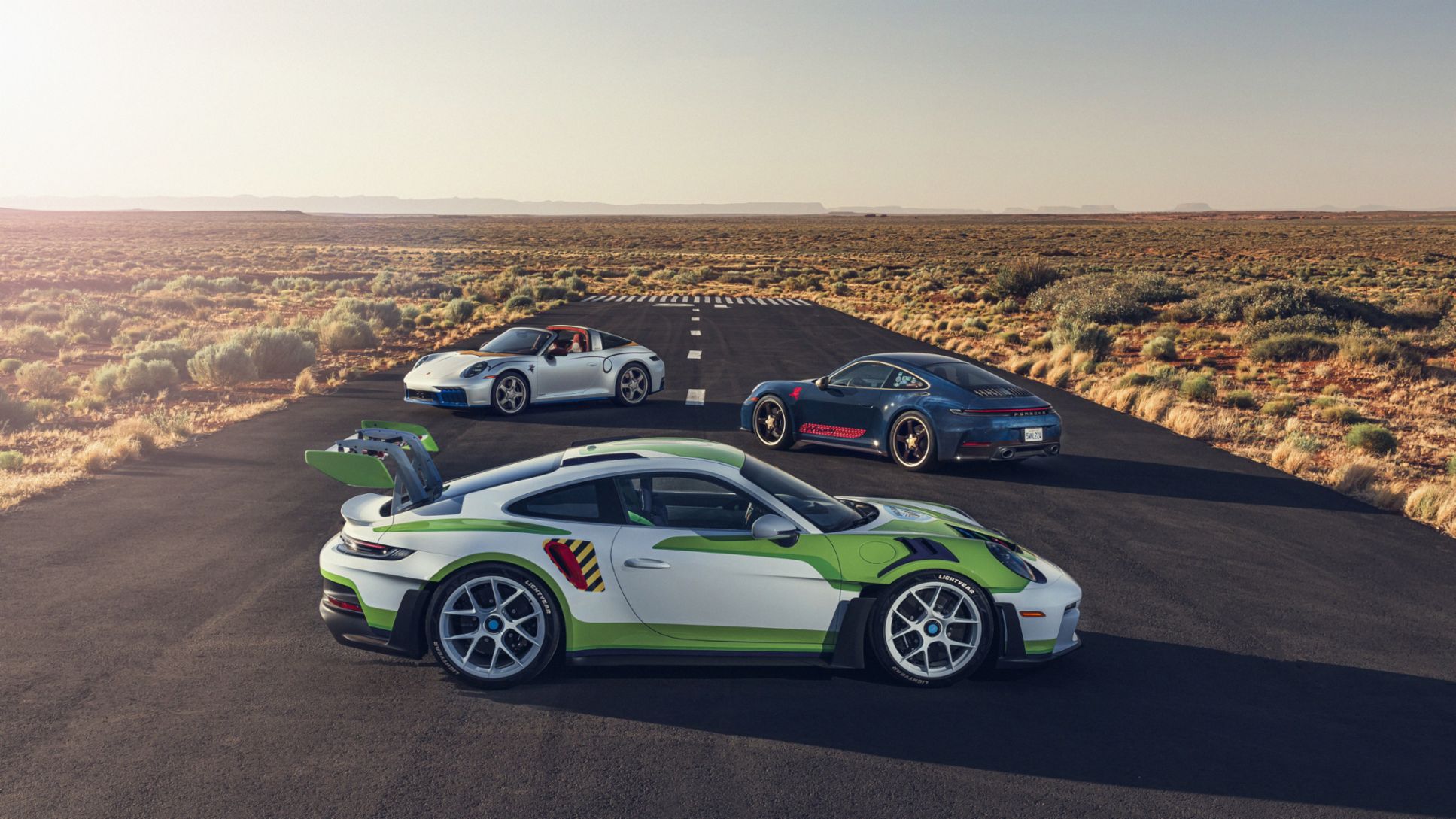
All three vehicles will form part of a broader charitable initiative benefiting Big Brothers Big Sisters of America, the American Red Cross and Starlight Children’s Foundation
Apple’s first foldable, the $1,999 iPhone Duo, combines an iPhone and iPad Mini experience—but its size, weight and price come with compromises.
4 min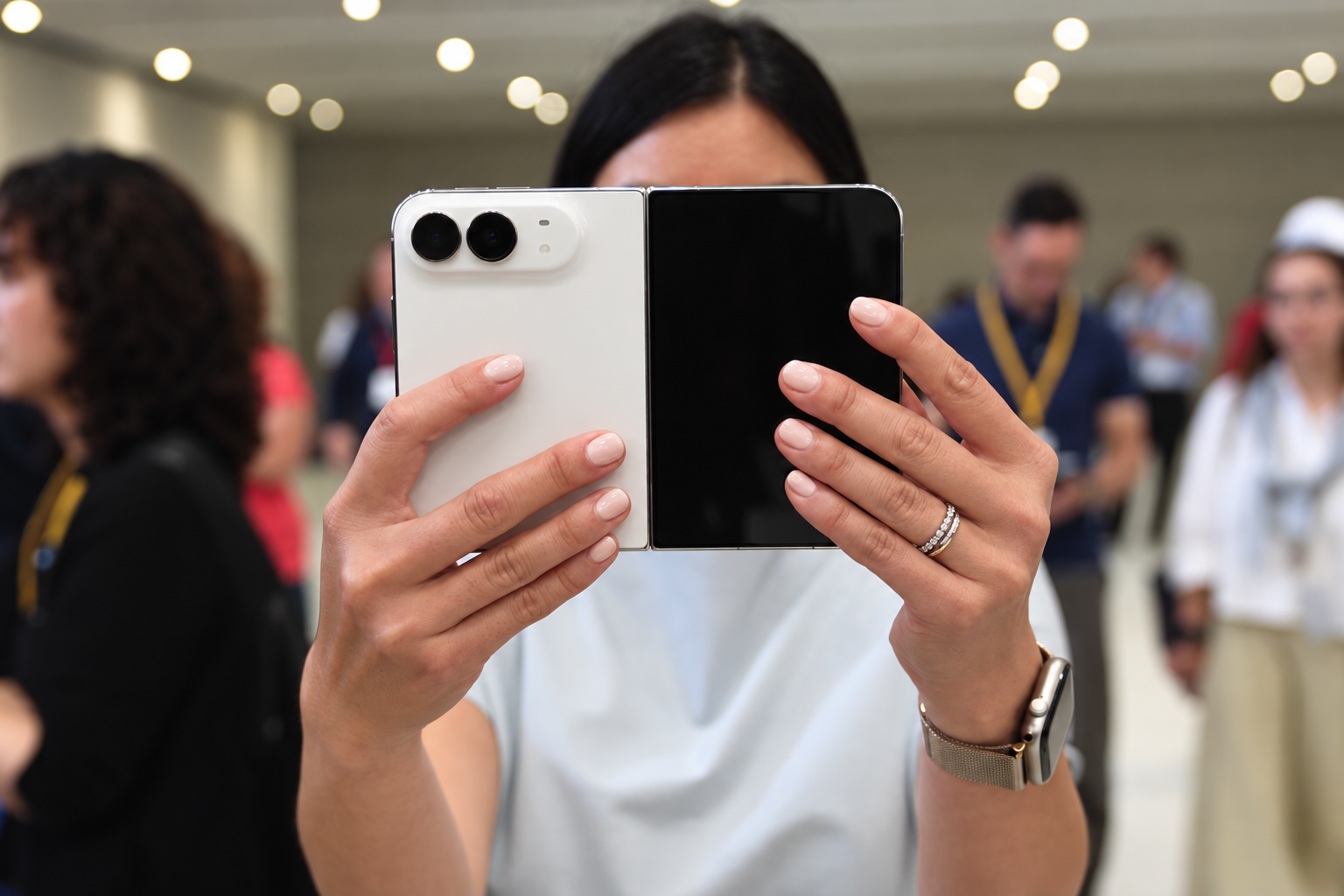
As I watched a Netflix show on Apple’s first foldable, the iPhone Duo, I had two surprising thoughts.
The first: Maybe I don’t need my iPad Mini anymore.
The second: Uh oh, am I about to spend $1,999 on a phone?
I didn’t think folding phones were for me. I’ve been testing Android versions from Samsung and Google since 2019, and those early editions came with too much screen and too many compromises.
Fast forward seven years, and the technology has come a long way. Apple—in its very Apple way—has also come up with some hardware and software trickery to make up for some shortcomings of the basic design. My desire for a folding phone before today was zero. After today, it’s a lot more than zero.
I’m not ready to recommend the Duo, which ships on Oct. 23, just yet. Not until I am able to test it more fully, so be on the lookout for that review in a few weeks. But from what I experienced at Apple Park on Wednesday, I could actually picture myself using this new half-phone, half-tablet hybrid.
Crease camouflage
For months, I’ve been using Samsung’s Galaxy Z Fold 8, a similarly squat, passport-shaped foldable that opens up to a larger screen. It’s impressively thin and can easily fit into the infuriatingly tiny pockets in women’s pants and dresses. Samsung did a lot of work to minimize the crease—the dip between the two halves of the big interior display—but it’s still clearly there.
When I held the iPhone Duo open, the crease was barely visible. As I slid my finger across the display, I could feel it, but it’s more subtle than Samsung’s. Most of the time, the screen looked as flat and smooth as the one on an iPad.
Apple employed both software and hardware techniques to camouflage the crease. The matte surface of the interior 7.6-inch screen minimizes reflections to hide it. (Samsung’s Fold 8 screen is shiny.)
And as you begin to open or close the iPhone Duo, the interface shifts the controls and content away from the center crease. If, say, you’re watching a video on the outer screen, you can open the Duo to switch to the bigger display within. A black fade marks the transition. You don’t see the video full screen until the phone is completely flat.
Heavy handed
My second observation was that, when the Duo is closed, in phone mode, it was harder to use one-handed than I expected.
In the keynote trailer and press release, Apple touted how thin the Duo is. It’s marketed as the thinnest iPhone ever—when open.
But it’s actually thicker and heavier than most of its Android competitors. The Duo weighs 254 grams, and is 11.3 millimeters thick when closed. The Samsung Galaxy Fold 8 is just 201 grams, with a thickness of 9.7 millimeters. Google’s Pixel 11 Pro Fold is 239 grams and 10.1 millimeters.
Because the Duo is also wider than a standard iPhone, I found it quite a challenge to type.
I admit, I do have smaller-than-average hands. So I consulted my colleague Rolfe Winkler, who has a larger grip. He agreed the Duo feels big.
Apple rearranged the interface on the outer screen so it looks different than traditional iPhones. The dock and control center are off to the right to be more reachable. Committing to the Duo as your main device will require adjustments in your handling. You will have to learn a new way to use and type.
Work and play
My most surprising takeaway? I feel a pull toward this device.
I always thought that combining an iPhone and an iPad would mean bigger compromises. The battery life is about the same as the 18 Pro (up to 24 hours of “regular use” on a single charge), though I’ll need to verify that in my real-world testing. And it’s also as durable, with the same IP68 dust- and water-resistance rating as the rest of the iPhone lineup.
There are trade-offs, for sure. Trying out the camera, I immediately missed the 8X zoom in my Pro model. The Duo has just 2X zoom, which wouldn’t cut it for the dozens of pictures I take of my kid every day.
But the dual screens unlock new photo functionality. You can see what your shot looks like from the outside screen. As someone who has tried tirelessly to self-direct a family photo—or a spouse—I am very eager to try this out more.
Foldables, I initially thought, were for classic mobile-warrior jet-setter types, who never sit at a desk and are always on calls. For that crowd, the Duo can run two apps side-by-side.
Me, I’m more of a bed binge-watcher and ebook reader. That’s what my beloved iPad Mini is for.
Watching videos on the Duo is a nice experience—nice enough that you forget the screen is 0.7 inches smaller than the iPad Mini’s. The main screen is also a 4:3 aspect ratio. Very similar, by the way, to the IMAX edition of the Odyssey.
Because I wasn’t able to snag a ticket to one of the sold-out screenings, I will be watching Christopher Nolan’s version of Homer’s epic on the Duo, just as the director intended. (Just kidding! Sort of.)
The Duo costs $800 more than an iPhone 18 Pro, and I’m not sure I want to spend that premium on a first-generation Apple device. But I’m not ruling out the idea that a Duo might one day be in my future. Stay tuned for my full review.
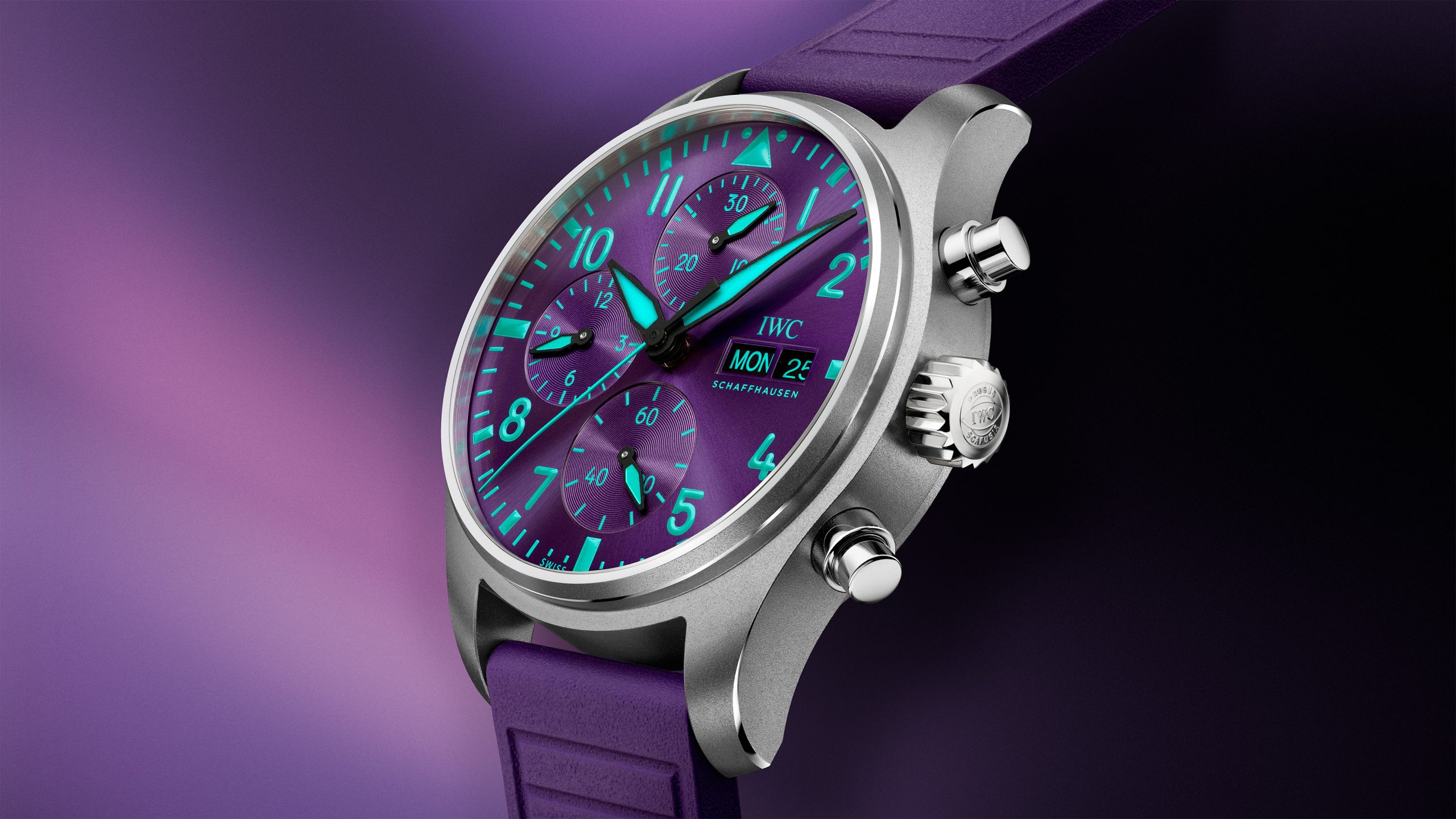
Singapore’s Formula 1 weekend has always looked different. Held beneath floodlights on the Marina Bay Street Circuit, the race transforms the city into a nocturnal spectacle of speed, heat and saturated colour. It is this distinctive atmosphere — and one of Singapore’s most important natural symbols — that has shaped IWC Schaffhausen’s latest motorsport-inspired watch. …
Continue reading “IWC’s purple Formula 1 chronograph pays tribute to Singapore after dark”
Rising rates, construction inflation and shrinking investor confidence are pushing Australia deeper into a dangerous housing spiral that monetary policy alone cannot fix.