MOSAIC SECURES $30M RIVERFRONT SITE FOR LANDMARK SOUTH BRISBANE PROJECT
The developer’s most ambitious Brisbane tower to date will anchor new era of riverfront living.
 2 min
2 min
Mosaic Property Group has made its long-anticipated move into South Brisbane, acquiring a $30 million north-facing riverfront site at 91 Montague Road for what will become its largest project to date, with Stage 1 expected to carry an end value of around $500 million.
The 4,282-square-metre parcel, purchased from the Schiavello Group through Knight Frank’s Christian Sandstrom, commands 35 metres of uninterrupted Brisbane River frontage and sits in the city’s cultural heart, with access to West End and the CBD.
The site adjoins a precinct earmarked for new parkland, housing, and cultural infrastructure, putting the development at the centre of Brisbane’s next wave of riverside regeneration.
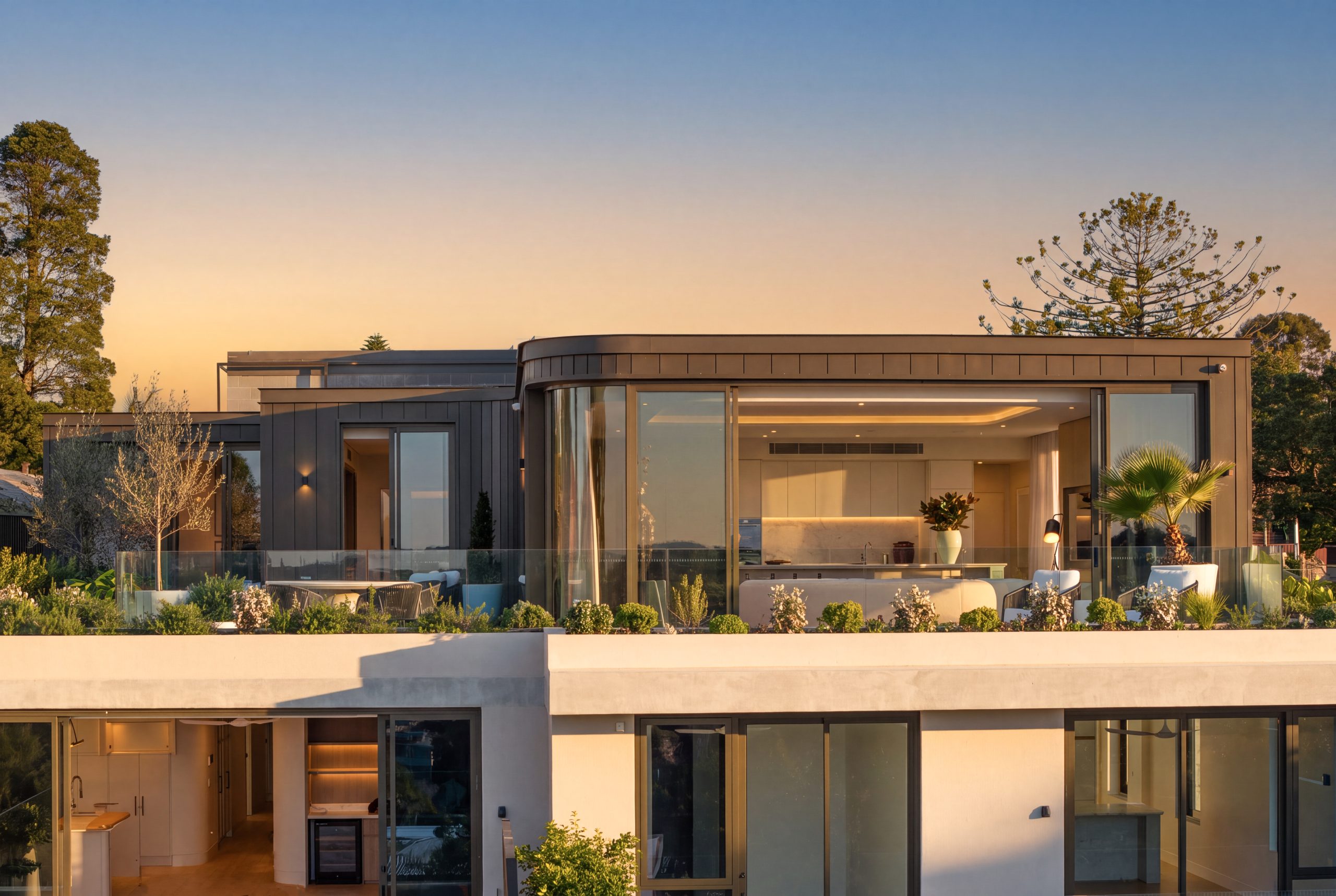
Mosaic has begun concept planning with Bureau Proberts for a luxury, owner-occupier-focused tower consistent with its flagship projects across South-East Queensland.
Founder and Managing Director Brook Monahan said the acquisition represented a pivotal step in the company’s growth and its evolution as a leader in the luxury residential market.
“This is one of the most extraordinary opportunities we have ever secured — a once-in-a-generation riverfront site that gives us the platform to deliver something truly transformative for Brisbane,” Monahan said.
He added that Mosaic’s vertically integrated model and disciplined site-selection strategy had been key to maintaining momentum despite industry headwinds.
“Escalating costs, tighter finance, planning complexity and labour shortages are causing many projects to stall or be shelved. Mosaic’s vertically integrated model and disciplined approach — targeting only the most exceptional locations where people genuinely want to live — has enabled us to continue bringing projects to life.”
Founded in 2004 and rebranded in 2012, Mosaic has completed more than 70 projects worth over $2 billion and has another $2 billion pipeline secured. This year alone, the group has delivered five luxury developments totalling $580 million and currently has six active construction sites worth $1.35 billion.
Monahan said Mosaic’s philosophy remained customer-first. “We had to learn to crawl before we could walk — steadily building capability, growing our people, refining our model, investing heavily in our business, and deepening our understanding of what customers truly value.”
The South Brisbane project is scheduled for release in early 2026.
Victorian auction buyers will soon receive a piece of information that has traditionally been withheld until bidding reaches it: the vendor’s reserve price. Under new property-sale and underquoting laws, agents must publish the agreed reserve at least seven days before an auction or fixed-date sale. Most changes begin on 1 October 2026 and apply to …
Continue reading “Victoria’s New Auction Rules Will Force Reserve Prices Into the Open”
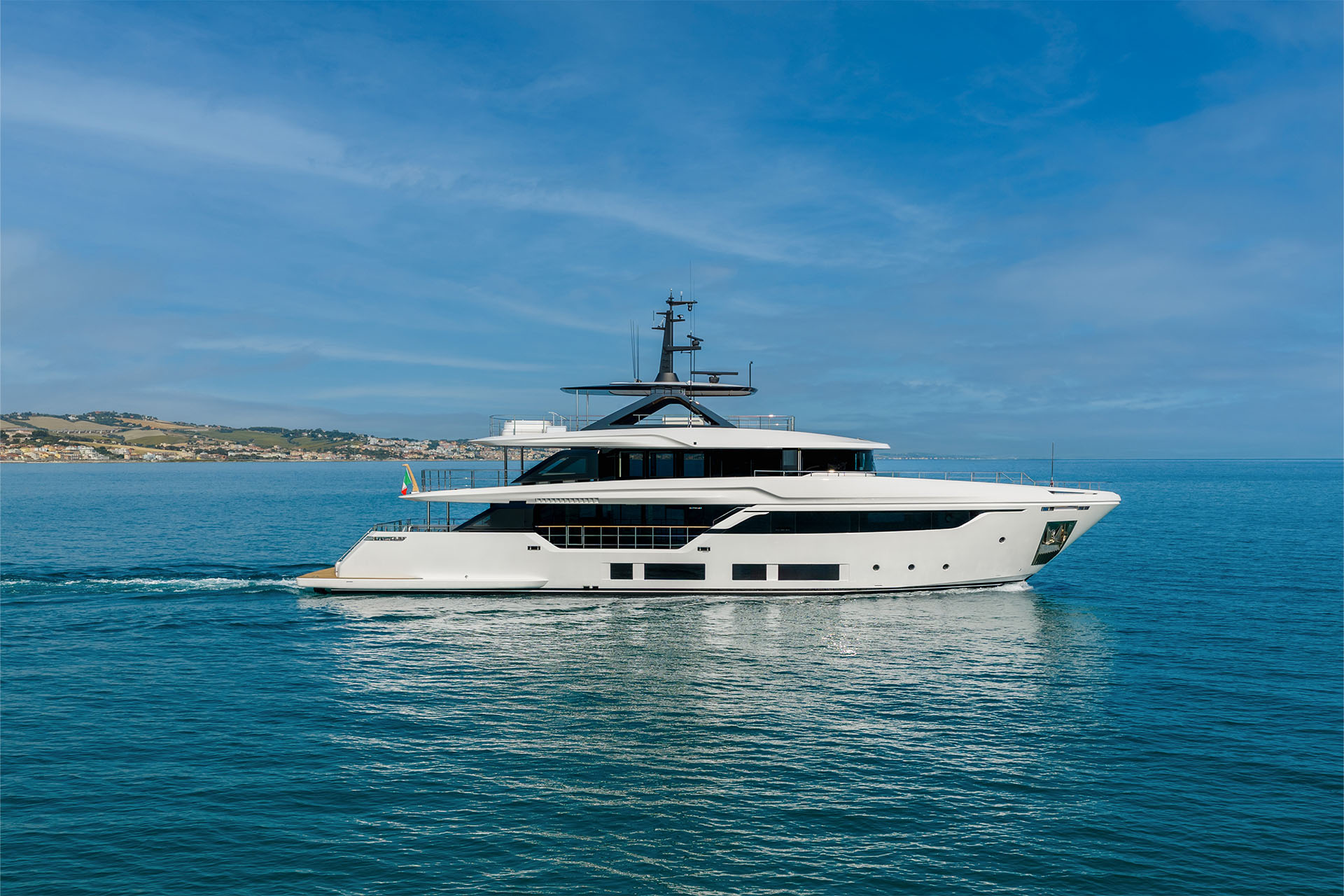
Four decks, 34.5 metres and a made-to-measure interior: step aboard the new Custom Line Navetta 35, unveiled at Cannes.
New detached-home sales fell 10% nationally in August, led by a 27% decline in Victoria, raising concerns about construction starts in 2027.
2 min
Australia’s hoped-for recovery in housing construction is losing momentum before it has had time to close the national supply gap.
Sales of new detached homes fell 10 per cent nationally in August, according to the Housing Industry Association’s survey of major volume builders across the five largest mainland states. It was the fourth consecutive monthly decline.
The fall was broad rather than isolated. Victoria recorded the largest retreat, down 27 per cent, followed by Queensland at 20.2 per cent, New South Wales at 17.5 per cent, South Australia at 10.8 per cent and Western Australia at 8.2 per cent.
Across the three months to August, sales were 19.3 per cent below the preceding three-month period and 7.7 per cent lower than the equivalent period a year earlier.
New-home sales matter beyond the immediate fortunes of volume builders. They are an early indicator of future starts: buyers sign contracts, finance is finalised, approvals are secured and construction follows months later. A sustained sales decline during the middle of 2026 is therefore likely to weaken commencements during 2027.
The slowdown reflects the collision of several pressures. Households have absorbed multiple interest-rate rises, reducing borrowing capacity and increasing the repayment cost attached to a new build. Established-home prices have softened in some markets, weakening the relative appeal of waiting through a construction period. Builders continue to face elevated labour and material costs.
The Reserve Bank’s August analysis showed new-dwelling construction prices increased 1.8 per cent during the June quarter and 5.3 per cent over the year. It attributed part of the pressure to oil-derived building products and other conflict-related costs.
Policy uncertainty can also cause buyers and investors to defer large commitments. But the precise contribution of any single tax or regulatory change is difficult to isolate from rates, confidence, land prices and construction costs. The HIA survey should be read as an indicator from large builders rather than a complete count of every dwelling sale.
The figures complicate progress towards the Housing Accord target of 1.2 million homes. The National Housing Supply and Affordability Council reported 308,000 completions since the Accord began and 244,000 dwellings under construction in the March quarter. Approvals and commencements had improved, but falling sales risk undermining the next wave.
For developers and governments, the warning is that planning approvals alone do not create homes. Projects need finance, viable construction pricing and buyers able to settle. If one part fails, approved supply can remain on paper.
Data box
National August new-home sales: Down 10 per cent
Three months to August: Down 19.3 per cent from the preceding three months
Year-on-year three-month comparison: Down 7.7 per cent
Victoria: Down 27 per cent
Queensland: Down 20.2 per cent
New South Wales: Down 17.5 per cent
South Australia: Down 10.8 per cent
Western Australia: Down 8.2 per cent

From farm-to-table Thai to fairy-lit mango trees and Coral Sea vistas, Port Douglas has award-winning dining and plenty of tropical charm on the side.

From citrus oils to warming spices, the classic G&T is being reimagined at home as a more thoughtful, seasonal ritual for modern entertaining.