The winners and losers in Australian residential real estate in 2025
Australia’s housing market rebounded sharply in 2025, with lower-value suburbs and resource regions driving growth as rate cuts, tight supply and renewed competition reshaped the year.
 5 min
5 min
Australia’s housing market staged a turnaround in 2025, defying intense affordability and cost-of-living pressures to deliver an above-decade-average growth rate of 7.7% through the year-to-date.
Cotality’s annual Best of the Best report, a detailed nationwide breakdown of the suburbs that rose fastest, had the highest rent return or offered the most accessible entry points, identifies which markets led the year’s recovery.
National dwelling values are set to close 2025 at least eight per cent higher, a result Cotality Australia Head of Research Eliza Owen says highlights how quickly conditions shifted after a challenging start.
“Markets entered 2025 under considerable pressure. Affordability had hit a series high, serviceability was stretched and price growth had flattened out. What followed was an unexpectedly strong rebound as interest rate cuts, easing inflation and limited supply reignited competition,” Ms Owen said.
Three rate cuts, an expansion of the 5% Home Guarantee Deposit Scheme and persistently low listing volumes helped drive the recovery, with the housing market recording three consecutive months of growth of at least 1% by November and reaching a new high of $12 trillion.
Owen said the turnaround was most visible across lower-value markets and regions where buyers were able to respond quickly to more favourable credit conditions.
“Tight supply meant even modest demand created upward pressure on prices. Cheaper markets were had the most acceleration because they remained within reach for buyers navigating higher living costs,” she said.

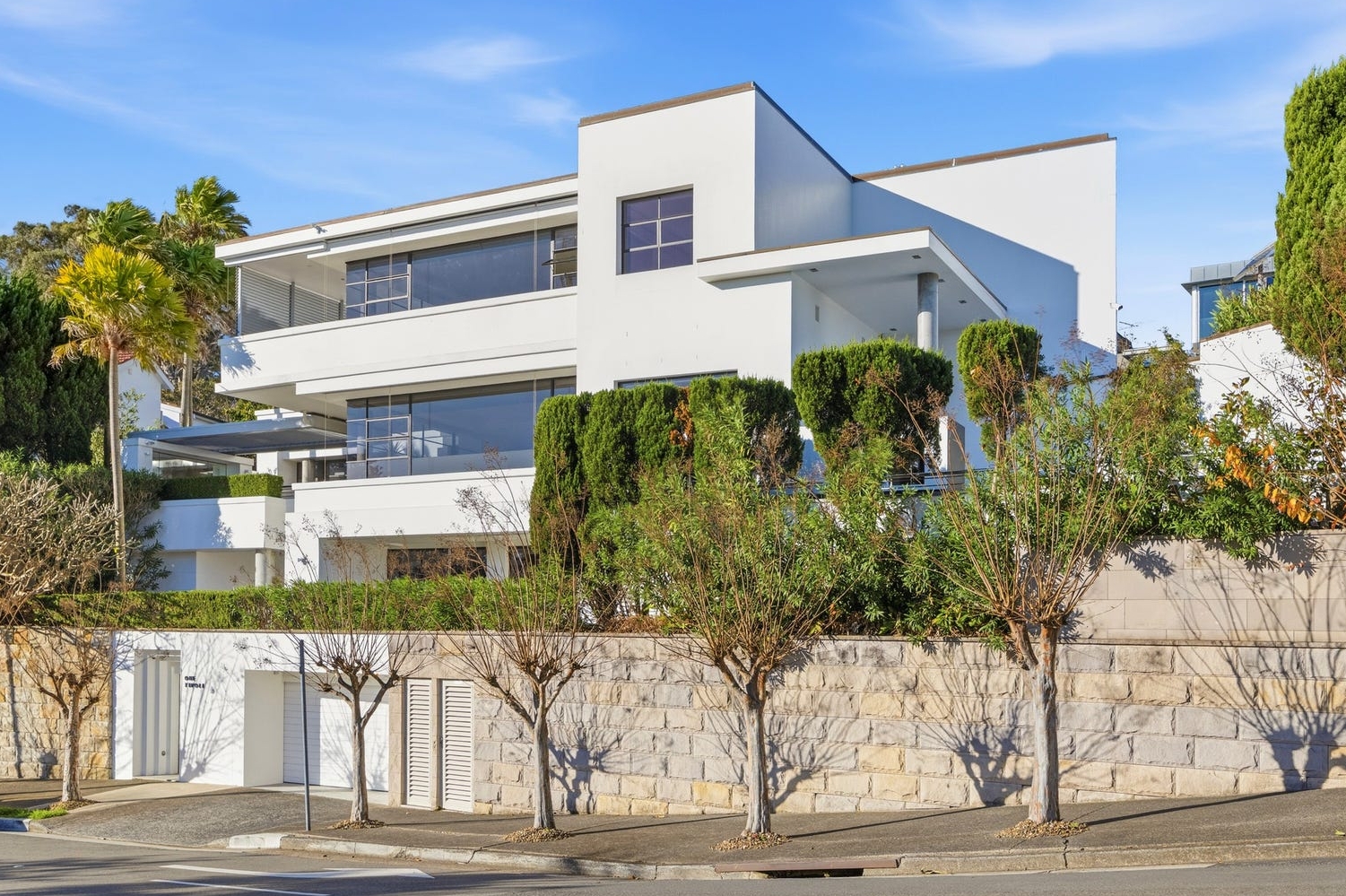
Prestige Sydney remains Australia’s price leader
Sydney’s top-end suburbs sat in their own price bracket in 2025, widening the gap between premium enclaves and the rest of the country.
Point Piper led the national list with a median house value of $17.3 million and unit medians above $3.1 million, followed by long-established areas such as Bellevue Hill, Vaucluse,
Tamarama and Rose Bay.
Owen said the resilience of premium Sydney markets was in sharp contrast to affordability pressures elsewhere.
“Affordability constraints were a defining feature of 2025, yet premium markets continued to operate on their own cycle. These suburbs are far less sensitive to borrowing costs and
listing trends, which is why their performance often diverges from the broader market,” she said.
Mosman recorded the highest total value of house sales nationally at $1.58 billion across 229 transactions, underlining the scale of turnover even in a year of strained serviceability.
Lower-value suburbs delivered the strongest gains
Western Australia dominated high house value growth in 2025, with Kalbarri increasing 40.2% to $515,378 followed by Rangeway (32.2%) and Lockyer (32.0%).
Similar trends emerged in the unit market, with strong results concentrated in Queensland’s mid-priced regions such as Cranbrook (up 29.3%) and Wilsonton (up 26.9%).
Ms Owen said the performance of these markets highlighted the role of affordability at a time of constrained borrowing power.
“Lower value areas offered buyers an opportunity to get into the market if they had the capacity to service a mortgage. Once interest rate cuts started to flow through, demand lifted
quickly in those areas where prices had further room to grow,” she said.
“Investors were a particularly strong driver of demand in markets across WA and QLD, where the share of new mortgage lending to investors reached 38.3% and 41.1%
respectively.”

Perth, Brisbane and Darwin lead capital-city upswing
Darwin posted the strongest rise among the capitals at 17.1% through the year-to-date, following a flat result in 2024, joined by Brisbane and Perth as Australia’s three top-performing capital cities.
The fastest growing capital-city suburb for houses was Mandogalup in Perth (up 33.0% to $944,609), alongside several outer Darwin suburbs where more moderate entry points below $600,000 supported stronger value growth.
The most affordable capital-city suburbs for houses were clustered around Greater Hobart, including Gagebrook, Herdsmans Cove and Bridgewater, all with medians under $450,000.
Suburbs in Adelaide and Darwin provided some of the best value for unit buyers, with medians ranging from less than $250,000 in Hackham, Adelaide to $328,416 for Karama in Darwin.
Biggest gains and the steepest falls in regional Australia
Strong upswings in WA and Queensland contrasted with declines in other regional pockets.
House values fell 11.6% in Millthorpe (NSW) and 10.5% in Tennant Creek (NT) while several unit markets recorded annual declines, including South Hedland (down 14.1%) and Mulwala (down 11.8%).
Owen said these differences reflected the uneven backdrop of supply levels, migration flows and localised demand.
“Some regional areas are still benefiting from relative affordability and tight rental conditions.
Others are adjusting to earlier periods of rapid growth or shifts in local economic activity,” she said.

Mining towns produced the highest yields
Rental demand remained firm across key resource corridors in regional WA and parts of regional Queensland, where constrained supply, strong employment bases and short-stay
workforces contributed to some of the highest yields in the country.
Newman, in the Pilbara, delivered the strongest house yields at 12.6%, reflecting demand linked to iron ore operations, Kambalda East, near the Goldfields mining belt, followed at
12.2%, supported by nickel and gold activity.
Unit yields were even stronger, with South Hedland leading the country at 17.8%, while Newman recorded 14.3% and Pegs Creek recorded 13.2%, as apartment stock is limited
and worker demand remains consistent.
Pegs Creek, located in Karratha, recorded a 23.5% increase in house rents over the year and Rockhampton City recorded a 21.1% jump in unit rents.
Constraints to shape 2026
Market conditions are expected to be more restrained in 2026 as borrowing capacity, affordability and credit assessments place limitations on demand.
National listings remain 18% below the five-year average and new housing completions continue to trail household formation, maintaining the structural imbalance that supported
stronger conditions in 2025.
Owen said that imbalance alone is not enough to drive the same level of growth next year.
“Supply remains tight, but the demand environment is shifting. Inflation forecasts have been revised higher, interest rate expectations have adjusted with them, and households are
facing stricter borrowing assessments. Those factors can temper buyer activity even when stock levels are low,” she said.
“Lower value markets may still outperform because they carry less sensitivity to credit constraints, but overall growth is likely to be more measured compared with 2025.”
Key findings – Cotality Best of The Best (BoB) 2025
- Lower-value suburbs delivered the strongest value gains, led by Kalbarri (WA), up 40.2% for houses, and Cranbrook (Qld), up 29.3% for units.
- Sydney’s premium suburbs remained the country’s highest value markets, with Point Piper recording a house median of $17.3 million and unit median of more than $3.1
million.
- Mosman recorded the highest total value of house sales nationally, with $1.58 billion transacted across 229 sales.
- WA’s resource-linked towns produced the nation’s strongest rental yields, with Newman at 12.6% for houses and South Hedland at 17.8% for units.
- Pegs Creek (WA) had the highest annual house rent increase at 23.5%, unit rents rose the highest in Rockhampton (QLD), up 21.1%.

From making unpopular decisions to learning when to listen, leaders from five businesses reveal what nobody prepared them for — and how running a company has challenged their expectations.

Technology and semiconductor shares fell sharply as investors questioned the debt financing the AI infrastructure boom and confronted higher rates and Chinese competition.

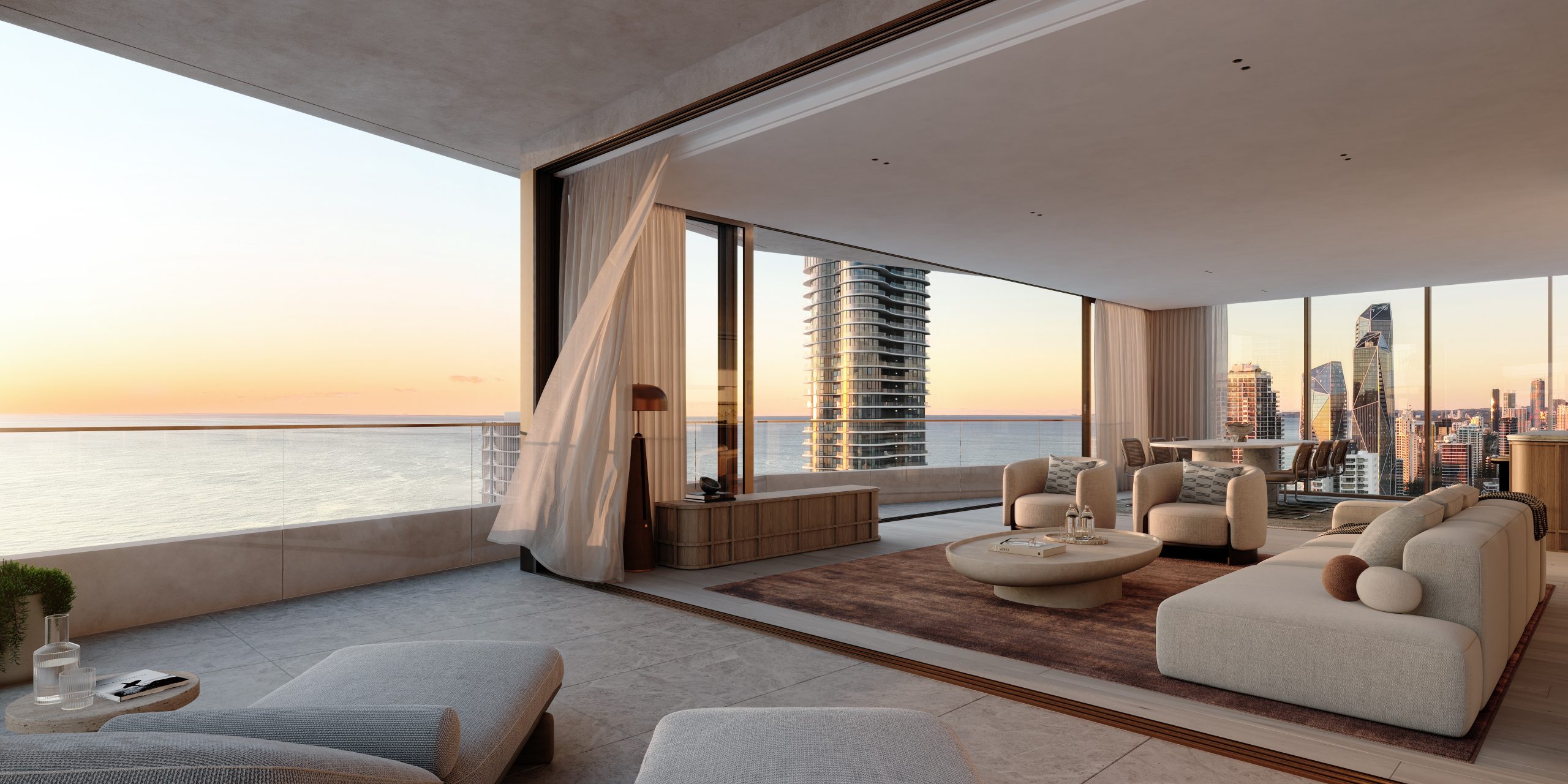
Mirvac’s 45-level Trielle has topped out at Yarra’s Edge, pairing riverfront apartments with wellness facilities, private dining and resident services.
3 min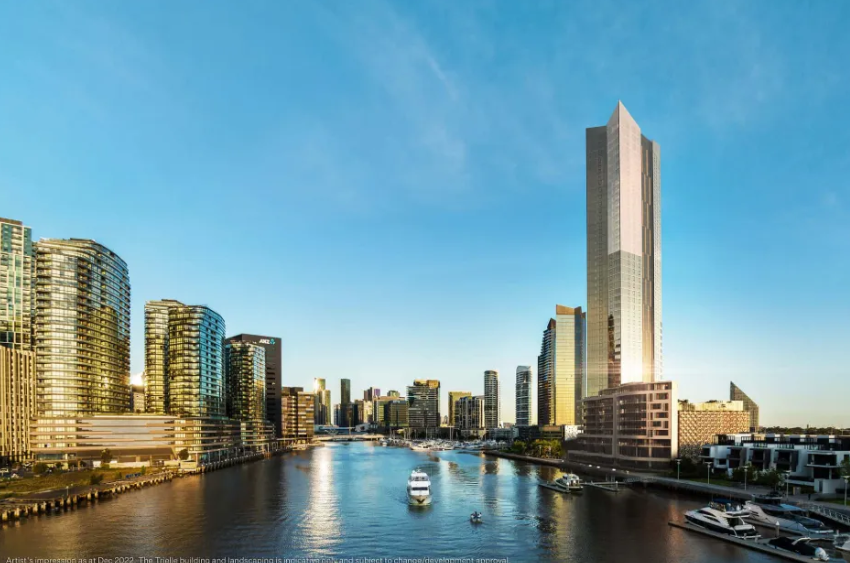
Mirvac has topped out Trielle at Melbourne’s Yarra’s Edge, with more than 70 per cent of the riverfront development sold and approximately 80 per cent of purchasers intending to make their apartment a home.
The figures, released on September 22, point to an owner-occupier audience for one of the precinct’s final residential towers. Mirvac began developing Yarra’s Edge in 2003, and its latest addition occupies one of the remaining absolute riverfront sites.
Mirvac CEO of Development Stuart Penklis said existing residents were among those moving up within the neighbourhood.
“Many purchasers already have a connection to Yarra’s Edge,” Mr Penklis said, describing buyers whose changing needs were encouraging an upgrade within the precinct.
“As one of the final residential towers within Yarra’s Edge, Trielle represents the culmination of more than two decades of creating one of Melbourne’s most established and sought-after waterfront communities,” Penklis said.
“Positioned on the Collins Street axis with absolute river frontage, Trielle offers residents a rare opportunity to enjoy sweeping views across the Yarra River, Melbourne skyline and Port Phillip Bay, while remaining seamlessly connected to the CBD. With Trielle now more than 70 per cent sold, we’re continuing to see strong demand from buyers seeking quality homes in established locations.”
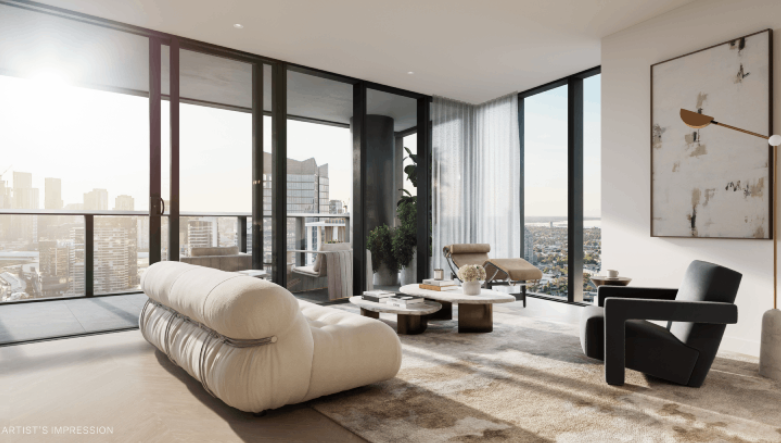
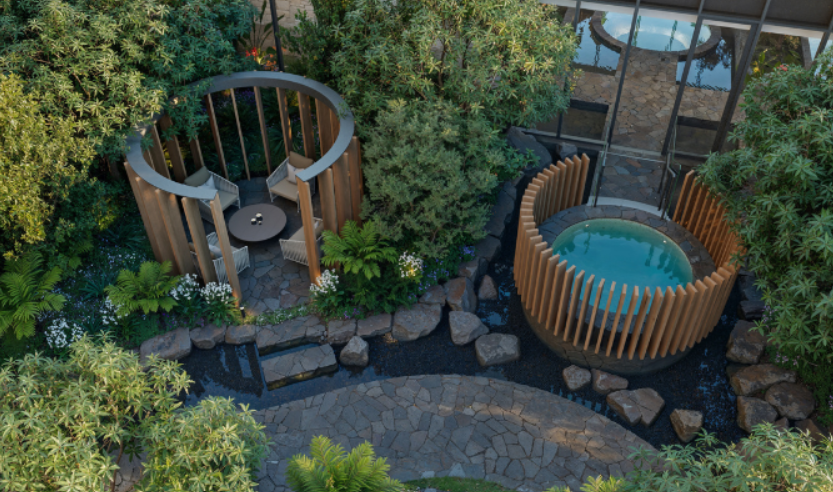
The developer also flagged a penthouse and sub-penthouse collection with larger layouts, premium finishes and broad outlooks. The planned wellness centrepiece, The Oasis, encompasses a 900-square-metre elevated urban rainforest.
Mirvac General Manager Residential Development Victoria Elysa Anderson said Trielle had resonated strongly with buyers seeking a rare lifestyle offering in Melbourne.
“Opportunities to secure a new luxury residence on a riverfront site of this calibre are incredibly rare, particularly within a community like Yarra’s Edge,” Anderson said.
“What makes Trielle unique is the combination of exceptional views, world-class residential facilities and the lifestyle that already exists around it. Residents are buying into a mature waterfront community with parks, promenades, dining, wellness and strong community connections already in place.”
The 45-level tower brings a substantial new presence to that waterfront. Its residential offering spans one-, two-, three- and four-bedroom apartments, with Signature, Prestige and Sub-Penthouse collections accommodating different household sizes. The north-facing position connects the apartments visually to the river and city beyond.
Seven storeys above the promenade, the planned Oasis combines planting and a running stream with a Scandinavian-inspired wellness club developed with spa specialist Naomi Gregory. Facilities include a 25-metre lap pool, hot magnesium pool, sauna, hydrotherapy, a gym, yoga and Pilates room, and treatment spaces.
The amenity extends beyond exercise. Residents will have access to The Biblioteca library and workspaces, ground-floor work pods, and The Salone piano lounge. A private Chef’s Table dining room offers a setting for larger gatherings, while a cinema, games room and sports lounge broaden the entertaining options. Concierge services and a dog-wash area support everyday routines.
Trielle comprises a collection of one, two, three and four-bedroom residences. Reflecting strong demand from owner occupiers, approximately 80 per cent of purchasers to date intend to live in their homes, highlighting the project’s appeal to those seeking a long-term waterfront lifestyle.
Mirvac has recently delivered The Albertine, a premium apartment development on the edge of Melbourne’s CBD, and is nearing completion of Prince & Parade in Brunswick, further strengthening its portfolio of thoughtfully designed apartment communities in some of Melbourne’s most sought-after urban locations.
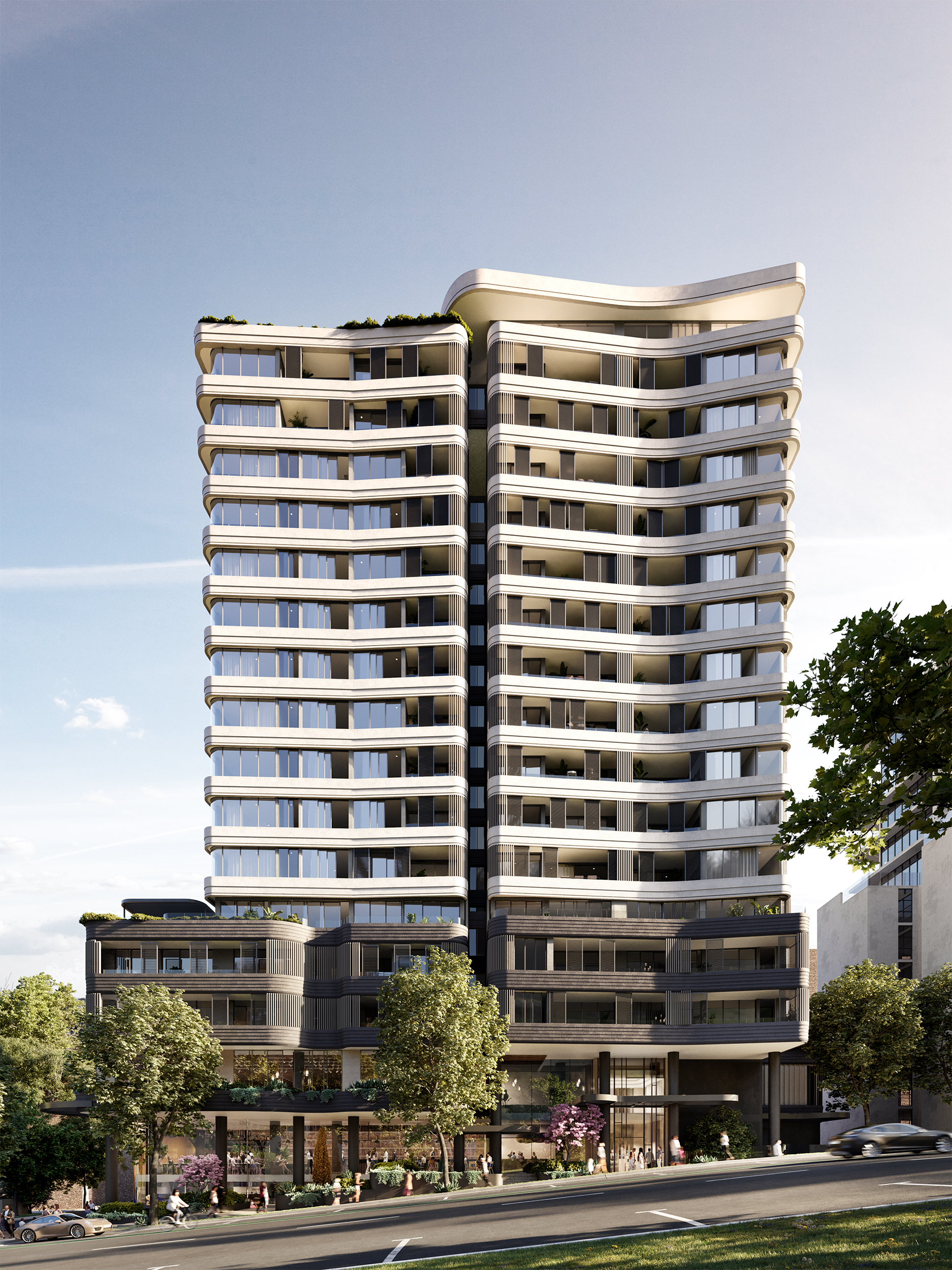
Located steps from Crows Nest Metro, the near-complete development brings luxury living to Sydney’s Lower North Shore.

Warmer minimalism, tactile materials and wellness focused layouts are redefining luxury interiors as homeowners design for comfort, connection and lasting appeal.