RENOVATION REVOLUTION RESHAPES AUSTRALIA’S LUXURY HOMES
Kanebridge News
Share Button

RENOVATION REVOLUTION RESHAPES AUSTRALIA’S LUXURY HOMES

High-end homeowners are choosing to upgrade rather than relocate, investing in bespoke design, premium finishes and long-term lifestyle value.

By Jeni O'Dowd
Mon, Feb 16, 2026 10:51amGrey Clock 3 min

Australia’s prestige homeowners are increasingly choosing to reinvent their existing properties rather than enter an uncertain property market, fuelling what industry insiders are calling a “Renovation Revolution.”

From heritage terraces to coastal retreats, this shift reflects a deeper change in mindset. Homes are no longer viewed as stepping stones, but as long-term assets worthy of thoughtful investment and personalisation.

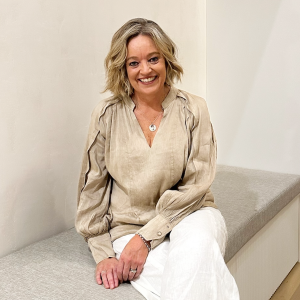
“Homeowners are approaching renovation with purpose, balancing lifestyle needs, design aspirations, and long-term return on investment,” says Jodie Cramer, CEO of Andersens, a national flooring and interior finishes company.

“Viewed through this lens, renovating often makes more financial sense than moving. Homeowners with built-up equity are confidently premiumising their space, achieving better returns on capital.”

More than half of Australian homeowners were planning renovation or improvement projects within a year, with many considering structural changes such as reconfigured floor plans, extensions, or even additional levels.

Personalisation becomes the ultimate luxury

For affluent homeowners, renovation is no longer driven solely by financial logic. It is about crafting environments that reflect individual lifestyles, values, and aesthetic sensibilities.

“Home upgrades allow families to customise their spaces,” says interior designer Delena Pitman.

“They’re not always looking to move up the property ladder; they want to make where they are feel more like home. Renovations give people the freedom to design functional, comfortable, and visually inspiring spaces.”

This trend aligns with the broader luxury movement toward intentional living, where design choices prioritise comfort, wellbeing, and enduring quality over short-term trends.
Jodie Cramer

Flooring sets the foundation for luxury interiors

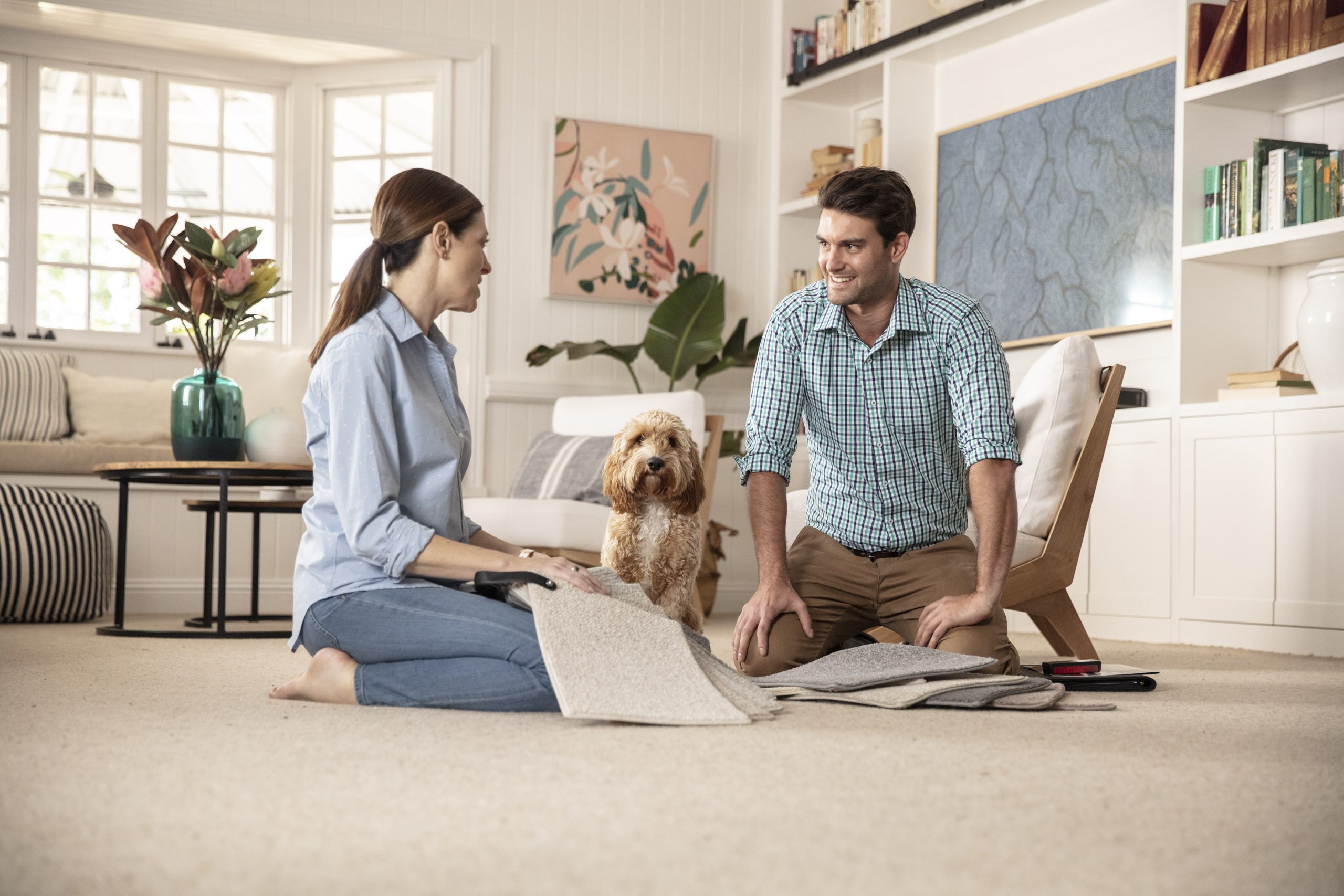
Among the most transformative elements in any high-end renovation is flooring, which establishes the visual and tactile foundation of a home’s design.

“Think of flooring as the canvas for your entire home,” Pitman explains. “Once it’s chosen, everything else — furniture, lighting, window treatments, and accessories — becomes easier to select, and the space feels cohesive and intentional.”

Premium materials such as engineered timber, natural stone and luxury vinyl planks are increasingly favoured for their durability and aesthetic appeal, while softer textures like wool carpet add warmth and acoustic comfort to private spaces.

Continuous flooring across open-plan living zones enhances spatial flow, while darker tones such as walnut or charcoal introduce richness and sophistication.

Designing cohesive, layered spaces

Today’s most successful renovations are guided by a holistic design approach, where flooring, cabinetry, lighting and furnishings work in harmony.

“Change the floor, and everything else either harmonises or clashes — it’s the anchor of your interior design,” says Pitman.

“Once the floor is selected, you can choose wall colours to complement or contrast, coordinate cabinetry and countertops, and adjust lighting to provide bright task illumination or soft mood lighting.”

This layered approach allows homeowners to create interiors that feel both elevated and deeply personal.

Renovation as a strategic property investment

Beyond aesthetics, renovation is increasingly viewed as a strategic investment decision. In prime suburbs and lifestyle regions alike, improving an existing home often delivers greater value than purchasing anew.

This approach enables homeowners to preserve location advantages while enhancing liveability, energy efficiency and long-term capital value.

Whether upgrading a waterfront residence, modernising a federation home, or refining a contemporary coastal retreat, the message is clear: in Australia’s luxury property market, the smartest move is often staying exactly where you are — and transforming it into something exceptional
MOST POPULAR

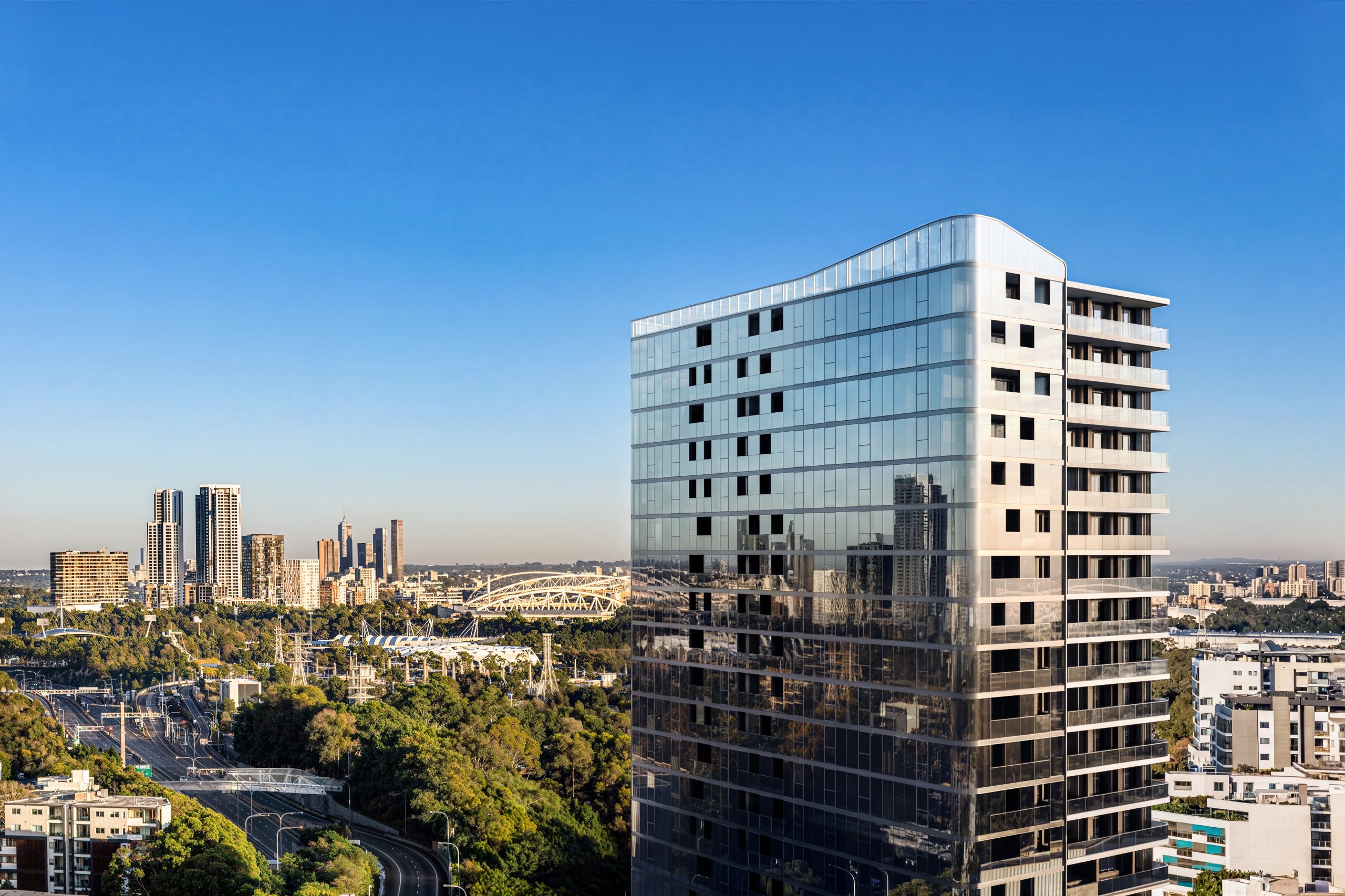
For Central Element, the start of work at Pearl represents another step in the company’s growing eastern suburbs pipeline.

All three vehicles will form part of a broader charitable initiative benefiting Big Brothers Big Sisters of America, the American Red Cross and Starlight Children’s Foundation

Related Stories
Property
Inside Jack Freeman’s world of quiet, collected luxury
By Partner Post 07/09/2026
Property
Central Element Breaks Ground On $150 Million Pearl Bondi
By Ruba Jaajaa 07/09/2026
NSW
Exclusive: $35 million Gordons Bay House to Reset Coogee House Price Record
By Ruba Jaajaa 06/09/2026
Inside Jack Freeman’s world of quiet, collected luxury

Jack Freeman believes the most compelling interiors are not decorated, but collected. The FREEMAN & CO founder creates layered, personal spaces shaped by art, travel and craftsmanship.

By Partner Post
Mon, Sep 7, 2026 4 min

For Jack Freeman, a compelling interior should not look as though it was completed in a single shopping trip.

The founder and designer behind FREEMAN & CO prefers rooms that develop through art, travel, commissioned furniture and objects collected over time. It is an approach that treats the home less as a decorative project and more as an evolving portrait of its owner.

“I am a true believer in collecting versus decorating,” Freeman says.

That distinction underpins the international practice he has built across private residences, hotels, property developments, yachts and private aviation. Its projects stretch from Point Piper, Vaucluse, Circular Quay and Toorak to Mayfair, Bel Air and the Caribbean.

Although the locations and architecture vary considerably, the work is connected by a restrained design language. Natural stone, warm timbers and sculptural furniture establish the foundation, while art, bespoke lighting and individual objects give each interior its identity.

The objective is not to overwhelm a room with obvious symbols of expense. It is to create an environment that feels calm, layered and particular to the people living within it.

“The greatest luxury isn’t about excess,” Freeman says. “It’s about creating an oasis where you come home and feel immediately grounded — effortlessly chic and deeply personal.”

Collecting instead of decorating 

Decorating can imply the completion of a room: selecting the required furniture, filling the available walls and producing a coherent finished image.

Collecting is less conclusive.

A collected interior has room to change as its owners travel, discover artists, inherit pieces or reassess how they use their home. Its character comes from the relationship between objects rather than adherence to a single brand or season.

That does not mean placing unrelated pieces together without discipline. The designer must understand scale, proportion, material and provenance well enough to create a dialogue between them.

A contemporary artwork might sit beside a historic piece of furniture. A precisely detailed new interior may be interrupted by an irregular object made by hand. Smooth stone can be balanced by timber, textiles or a patinated metal surface that becomes richer with age.

The tension between those elements is part of the appeal.

For Freeman, art is not an accessory to be added once the furniture plan is complete. It forms part of the architecture and atmosphere of the room from the beginning.

Lighting is considered in the same way. Beyond its practical purpose, a bespoke fitting can operate as a suspended sculpture, changing both the room’s composition and the way its materials are experienced after dark.

Park Residences Penthouse, Cremorne

A design perspective shaped by travel 

International travel plays a significant role in Freeman’s creative process.

Design fairs such as PAD Paris and Salone del Mobile in Milan provide opportunities to encounter emerging designers, established galleries, new materials and collectible furniture away from the filter of social media.

More spontaneous discoveries can prove equally important.

“Sometimes it’s the simple things,” Freeman says. “That piece found on a shopping trip with a client in Paris, stumbling across an artisan’s workshop, or a special memory that forms the narrative of the story.”

Objects selected during travel bring more than visual interest into a home. They carry an association with a place, maker or experience, giving the client a connection that cannot be reproduced by ordering an entire interior from a catalogue.

Freeman’s influences are international, but his projects are not conceived as replicas of Parisian, Milanese or Californian style. Each commission responds to its architecture, setting, natural light and the daily lives of its occupants.

A waterfront Sydney residence demands a different treatment from a Mayfair townhouse. A Caribbean estate shaped by brutalist architecture and reflecting pools calls for another response again.

The designer’s role is to absorb those references without allowing them to overwhelm the individual qualities of the property.

Designing the complete experience 

FREEMAN & CO extends beyond conventional interior decoration.

The practice’s stated services include interior design and architecture, project management, property acquisition, development advice, concept design, documentation, furniture and lighting design, procurement and art curation.

That breadth allows the team to become involved before a room’s dimensions and finishes are fixed.

Early participation can be important at the top end of the residential market, where architecture, landscape, interiors, technology and art must operate as one environment. Decisions about ceiling heights, wall dimensions, sightlines and lighting can directly affect where art is installed or how custom furniture is proportioned.

The practice can then carry those decisions through to procurement and final installation, maintaining the design narrative as a project moves between architects, builders, specialist craftspeople, dealers and suppliers.

Its residential portfolio includes a South Coast retreat conceived as an escape from urban life, a Caribbean estate with reflecting pools, an East Coast-inspired Palm Beach residence and a Mayfair townhouse organised around an expressive drawing room.

The studio also says it has worked on highly tailored Sydney residences with values exceeding $100 million, although the private nature of such commissions means individual addresses and clients are not always disclosed.

Park Residences Penthouse, Cremorne

A home that can keep changing 

The risk in creating a perfectly resolved interior is that it can become too static — a composition that looks exceptional in photographs but leaves little room for life.

Freeman sees the home as something that should evolve with its owners.

“I love the evolution of design,” he says. “We are talking about people’s lives, and as they evolve, so too should their private sanctuaries.”

That evolution might involve adding art, reupholstering a significant piece, adapting rooms as a family changes or making space for objects gathered through future travels.

The original design needs to be strong enough to accommodate those layers.

This may be the clearest expression of Freeman’s approach to luxury. It is not simply access to rare stone, collectible furniture or commissioned craftsmanship. It is the creation of a personal environment whose meaning deepens rather than diminishes with time.

Fact box 

  • Designer: Jack Freeman
  • Role: Founder and managing director
  • Practice: FREEMAN & CO
  • Base: Australia, with international projects
  • Project locations named by the practice: Point Piper, Vaucluse, Circular Quay, Toorak, Palm Beach, the NSW South Coast, Mayfair, Bel Air and the Caribbean
  • Sectors: Private residences, hotels, residential developments, private aviation and superyachts
  • Services: Interior design and architecture, property development, project management, property acquisition, documentation, furniture and lighting design, FF&E procurement, interior dressing and art curation
  • Design philosophy: Collected, personal interiors shaped by art, craftsmanship, travel and enduring materials
MOST POPULAR

Parts for iPhones to cost more owing to surging demand from AI companies.

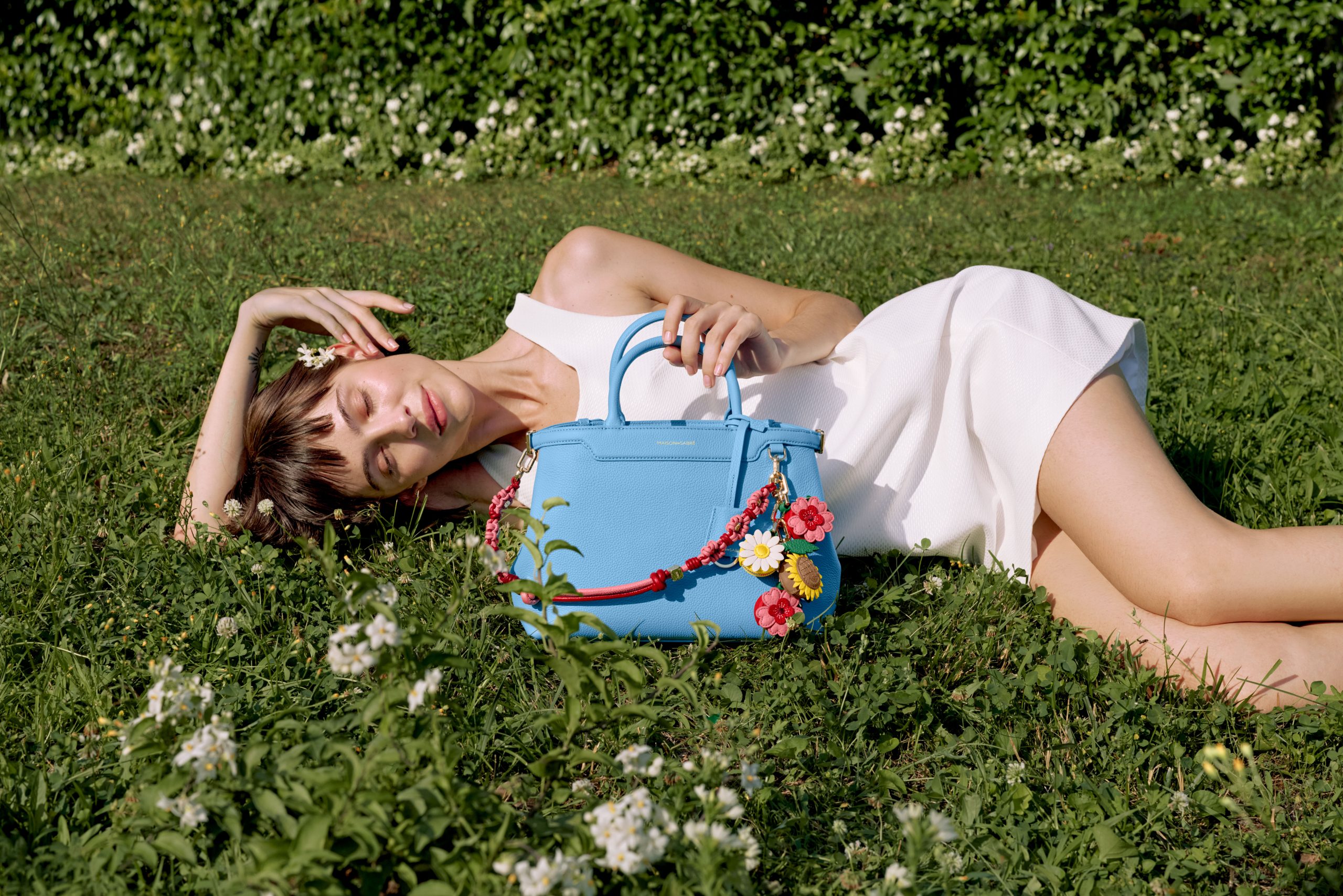
Following the successful launch of its Palais Collection, MAISON de SABRÉ has unveiled a new modular handbag system offering more than 720 styling combinations.

Related Stories
Property
Boutique mountain retreat loved by celebrities on the market
By Kirsten Craze 19/12/2025
Prestige
Heesen’s 57-metre Project Setteesettanta puts the owner on a deck of their own
By Mathilde Pont 14/08/2026
Property
Monark Property Partners Powering Growth For East Coast Developers
By Jeni O'Dowd 27/08/2025
0
Your Cart
Your cart is emptyReturn to Shop