Cash Bonus or More Vacation Time: Which Do You Choose—and Why?
New research suggests that bonuses make employees feel more like a mere cog in a wheel.

 2 min
2 min
When it comes to rewarding workers financially, cash isn’t always king.
Companies frequently give employees monetary bonuses, but a new study suggests that paid vacation time is a perk employers should also consider.
The study’s authors say that while they didn’t explicitly look into whether employees prefer time off, the study found that receiving extra vacation time rather than bonus money makes workers feel less like a mere cog in a wheel and more like people who are recognised and valued as individuals with a life beyond work.
It makes them feel more human, in the researchers’ terms.
And that feeling benefits employers as well as employees, says Sanford DeVoe, a professor at the Anderson School of Management at the University of California, Los Angeles, and one of the study’s authors.
Feeling more human is strongly correlated with higher job satisfaction, greater engagement with work, better relationships with colleagues and less inclination to leave a job, he says.
Feeling seen
In one experiment, the researchers asked about 1,500 participants to recall times when they received a monetary bonus or paid time off—all had received both—and how that made them feel.
Participants responded to the question on a 7-point scale, from feeling more like a robot on the low end of the scale to feeling more human on the high end. Monetary bonuses were given an average score of 5.04, compared with 5.4 for paid vacation time.
“While that difference may sound modest numerically, it represents a meaningful psychological shift,” says DeVoe. “It’s the difference between feeling neutral and feeling genuinely seen as a person.”
The authors then sought to better understand why paid vacation time made employees feel more human. In another experiment, about 500 participants were asked to imagine starting a new job where they might be awarded a bonus. Some were told the bonus would be an extra week of vacation, others were told it would be an extra week of pay.
Participants were then asked about their expectations for being able to keep their work and home lives separate in the new job. Those who could hope for a bonus of extra time off expected more separation between their work and personal lives than those whose potential bonus would be extra pay.
They also reported feeling more human on the 7-point scale. This suggested to the researchers that time off makes people feel more human because it creates a clearer psychological distance from work than a monetary bonus.
No interruptions, please
In a third experiment, the researchers further tested the idea that clear boundaries between work and personal lives were driving their results.
Two hundred participants were told to imagine being on a vacation and receiving two texts, including one from their mother. Half were told the second text was from a friend and half were told the second text was from their boss.
The authors then measured how human participants felt after each scenario. The average score for those receiving a text from a friend was 5.4 on the 7-point scale, compared with 4.16 for those receiving a text from the boss.
The difference in the scores “demonstrates that even minimal work intrusions can undo the psychological benefits of time off,” says DeVoe. “It shows that it’s not just time away that matters—it’s whether work actually lets go.”
All of this is important for employers looking to get the most out of their workers, he says. “For managers concerned with sustainable productivity, giving people uninterrupted time away from work can be a powerful lever.”
 Copyright 2020, Dow Jones & Company, Inc. All Rights Reserved Worldwide. LEARN MORE




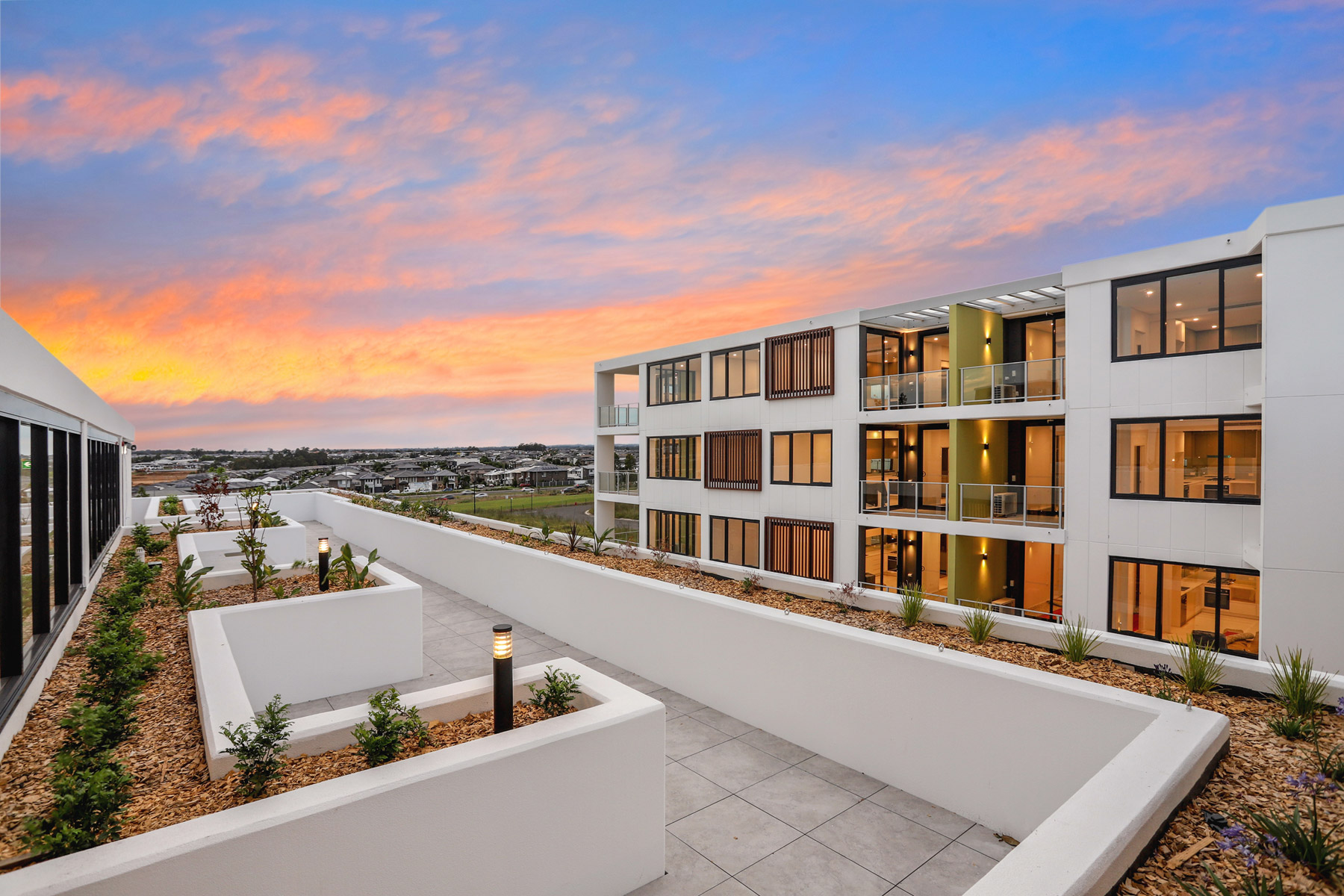
Ophora Tallawong has launched its final release of quality apartments priced under $700,000.
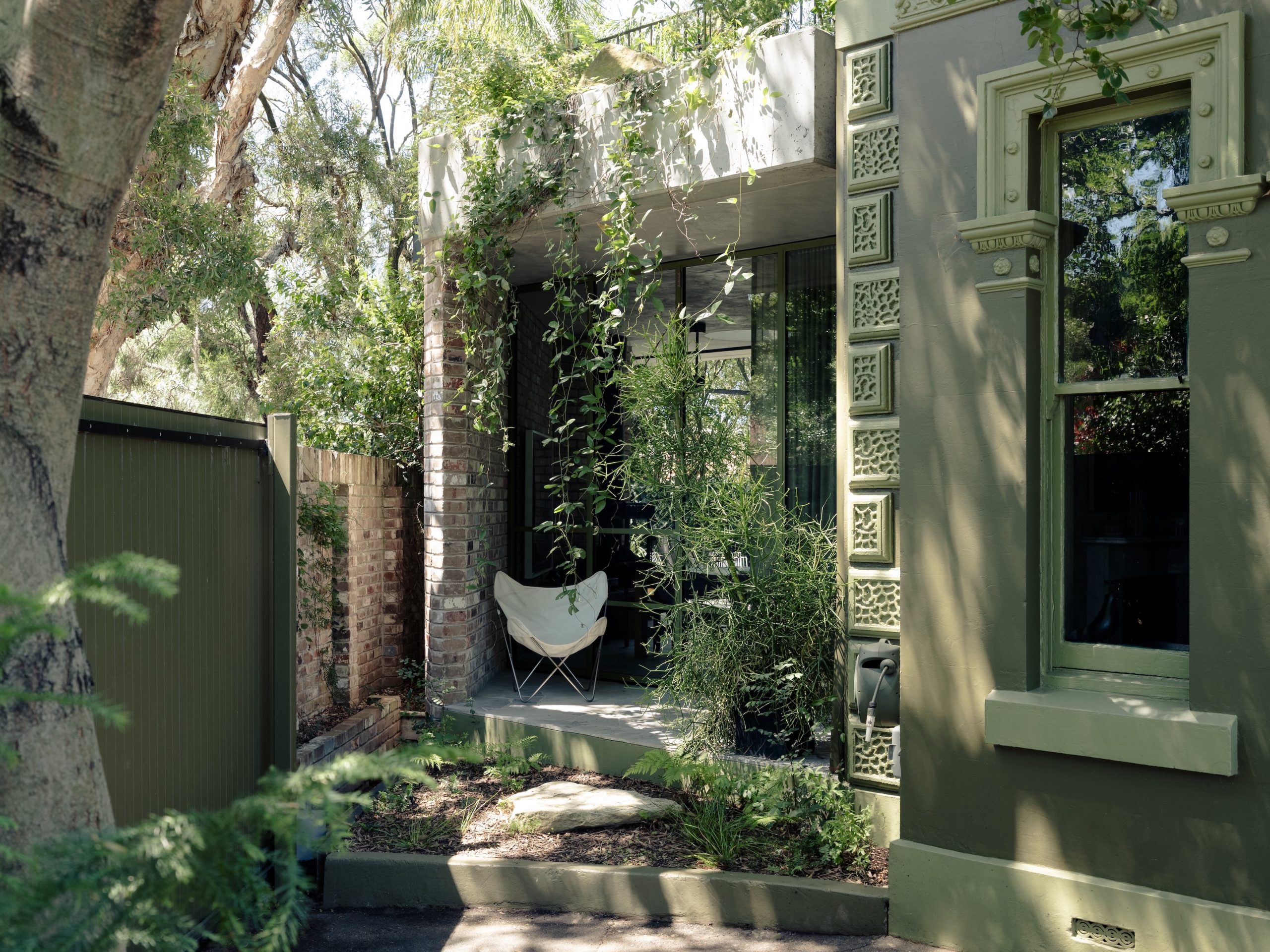
From bushland greens to valley reds, the country’s most awarded designers are proving that the best colour palette was never on a swatch card; it was outside the window all along.
 2 min
2 min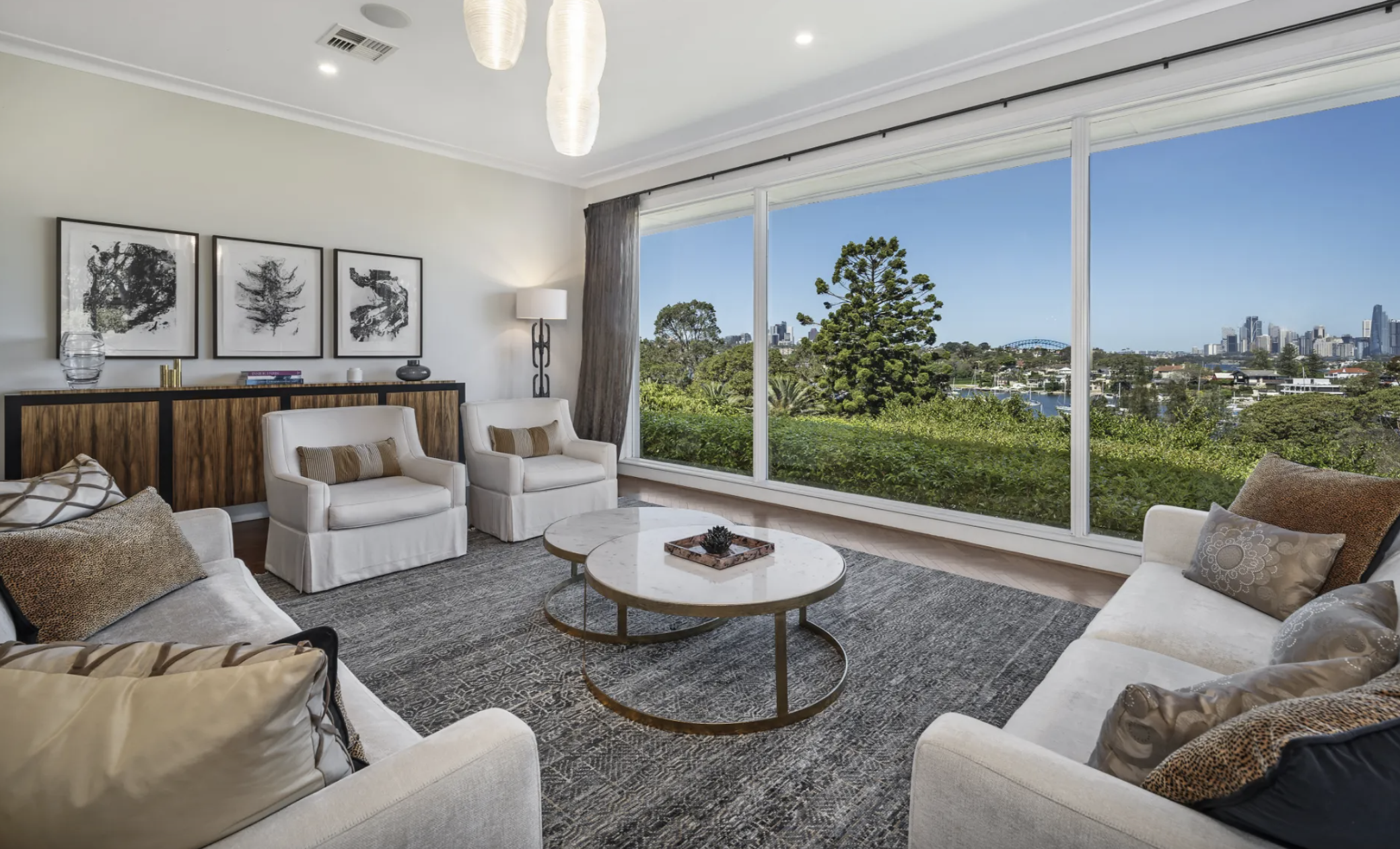
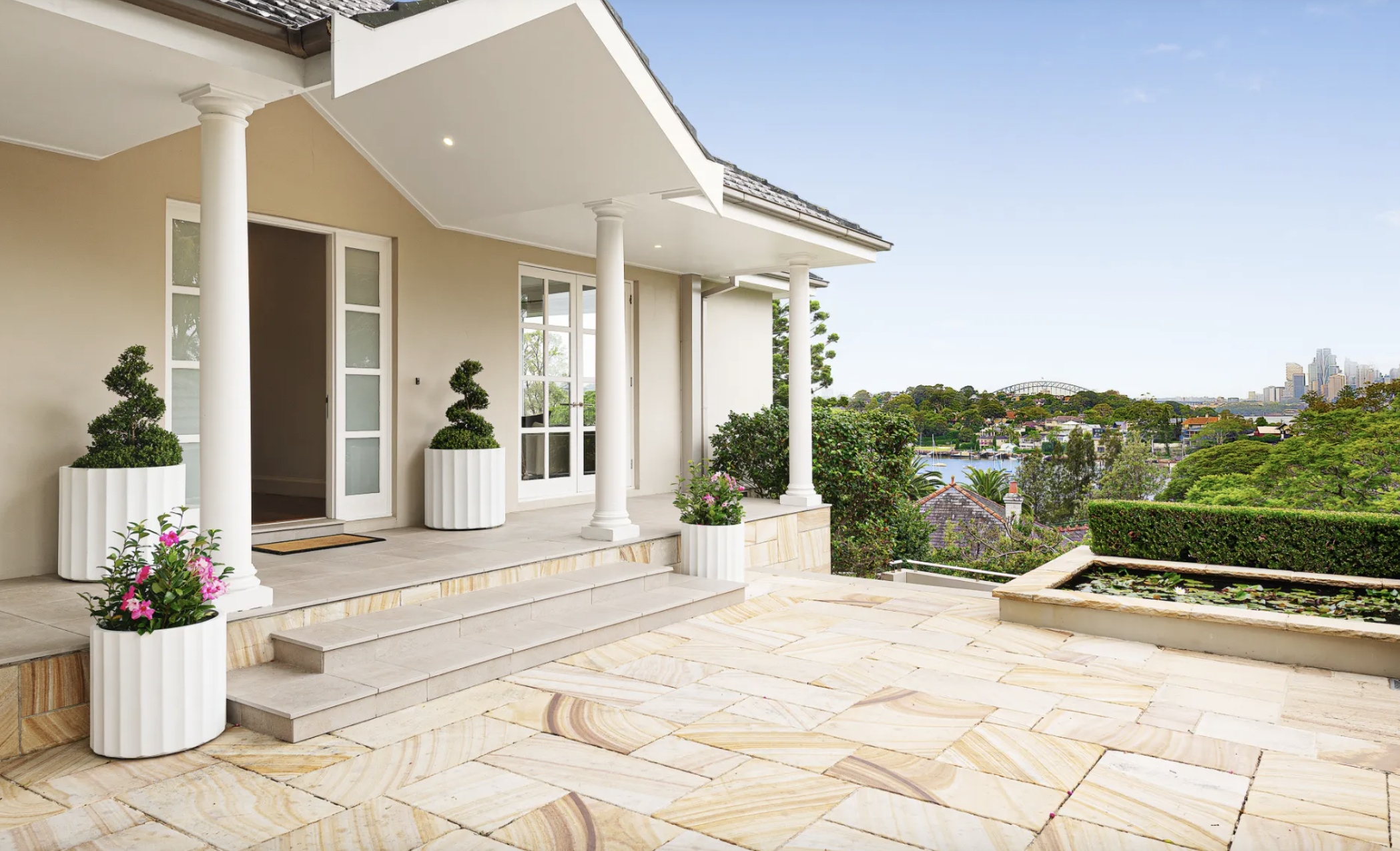
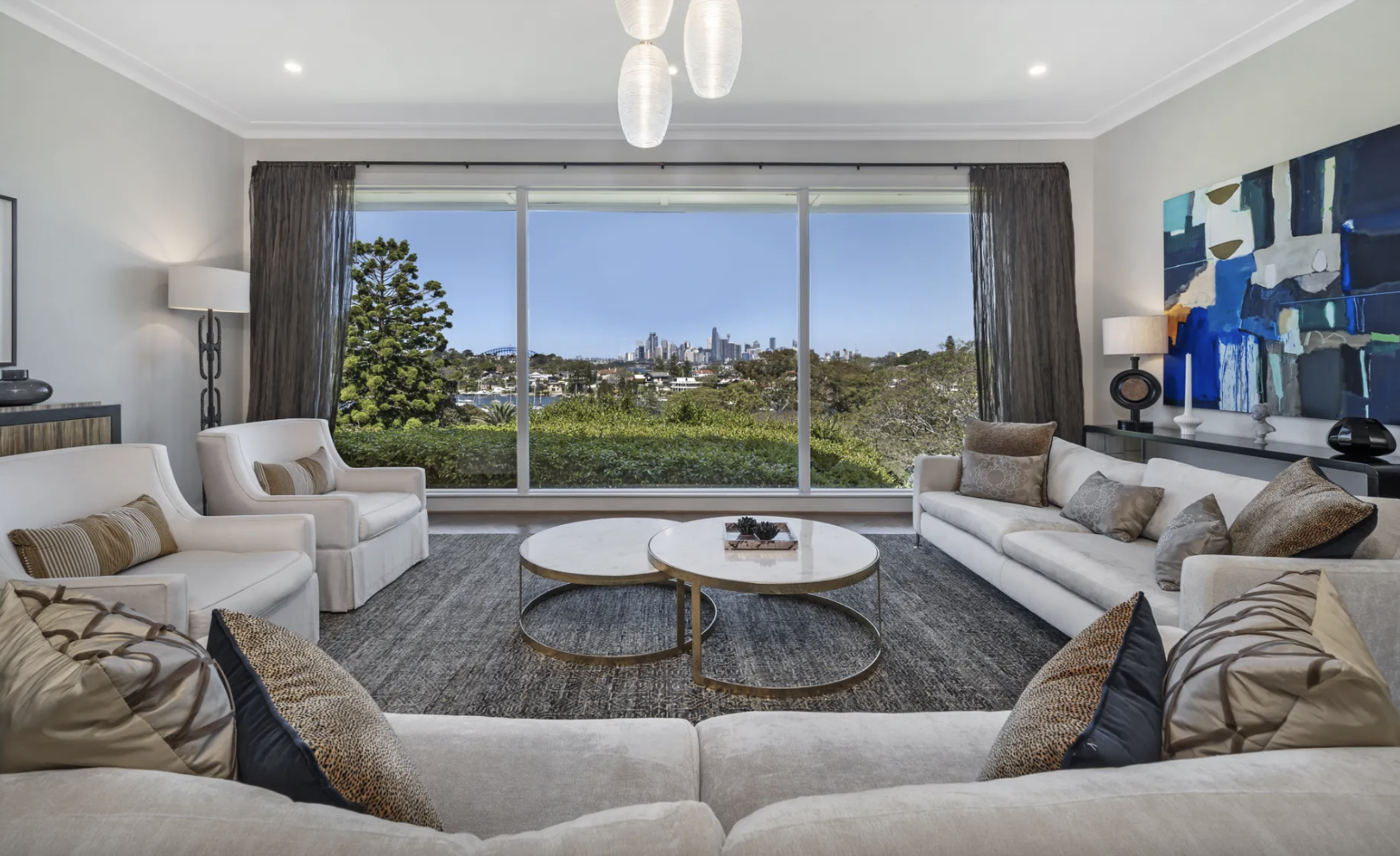
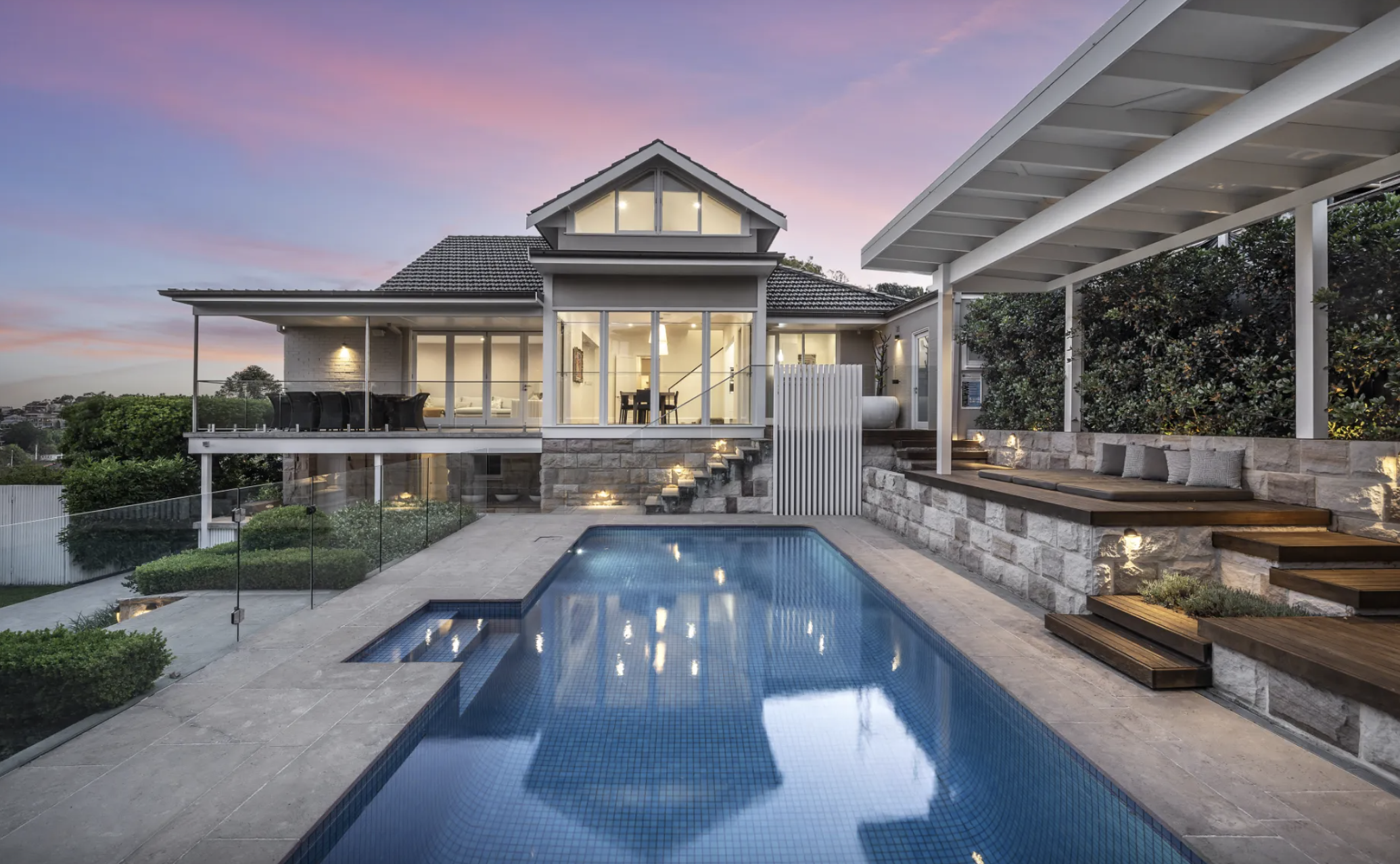
Held by the same family for 26 years, this Harbour Bridge-facing residence at Longueville is the type of property that rarely comes to market. Set on more than 1,100 sqm on one of Sydney’s most tightly held peninsulas, it combines complete privacy with uninterrupted views across the harbour to the city skyline.
It’s the sort of offering where the land is just as important as the home. Positioned directly opposite Aquatic Park with a prized northeast aspect, the residence captures sweeping harbour views from almost every main living space while remaining remarkably secluded from neighbouring properties.
Large picture windows frame the outlook throughout the home, flooding the interiors with natural light and making the harbour the centrepiece of everyday living.
Designed for family living
The home offers multiple living zones, including a formal lounge and dining rooms, a separate family room and an open-plan living and meals area. Blackbutt timber parquetry flooring, high ceilings and ducted reverse-cycle air conditioning feature throughout.
The kitchen sits at the heart of the home, with induction cooking, a generous island bench, and a walk-in pantry, connecting both the formal entertaining areas and the more casual family spaces.
A ground-floor master suite includes a walk-in robe, dressing area and ensuite, while upstairs are three additional bedrooms with built-in robes, together with a spacious home office or study.
The lower ground level adds another layer, with a temperature-controlled cellar and tasting room, plus a flexible gym, wellness or recreation space.
Resort-style setting overlooking Sydney Harbour
Outside, landscaped gardens wrap around a heated swimming pool, an expansive entertaining terrace, and a level lawn, creating a private resort-style setting against the backdrop of Sydney Harbour.
Additional features include a solar system with battery storage, remote lock-up garaging for three vehicles and generous storage throughout.
Beyond the home itself, the location remains one of Longueville’s biggest drawcards. Longueville Ferry Wharf sits around 150 metres away, providing direct access to the CBD while preserving the quiet character of one of Sydney’s most tightly held waterfront suburbs. The property is also within the catchments of Lane Cove Public School and Hunters Hill High School.
Simon Harrison and Kim Walters of Belle Property Lane Cove are marketing the property on a Contact Agent basis.
At a glance
Address: 3 Mary Street, Longueville NSW 2066
Configuration: 4 bedrooms | 3 bathrooms | 3-car garage
Land: Approximately 1,100 sqm
Highlights: Harbour Bridge and city skyline views, northeast aspect, heated pool, cellar, solar with battery storage
Held: First time offered in 26 years
Price: Contact Agent
Agents: Simon Harrison and Kim Walters, Belle Property Lane Cove
This article is produced by the Kanebridge Media editorial team. Property information has been supplied by the listing agent. Buyers should conduct their own due diligence before relying on any information contained in this article. Enquiries: propertyconcierge@kanebridge.com.au.
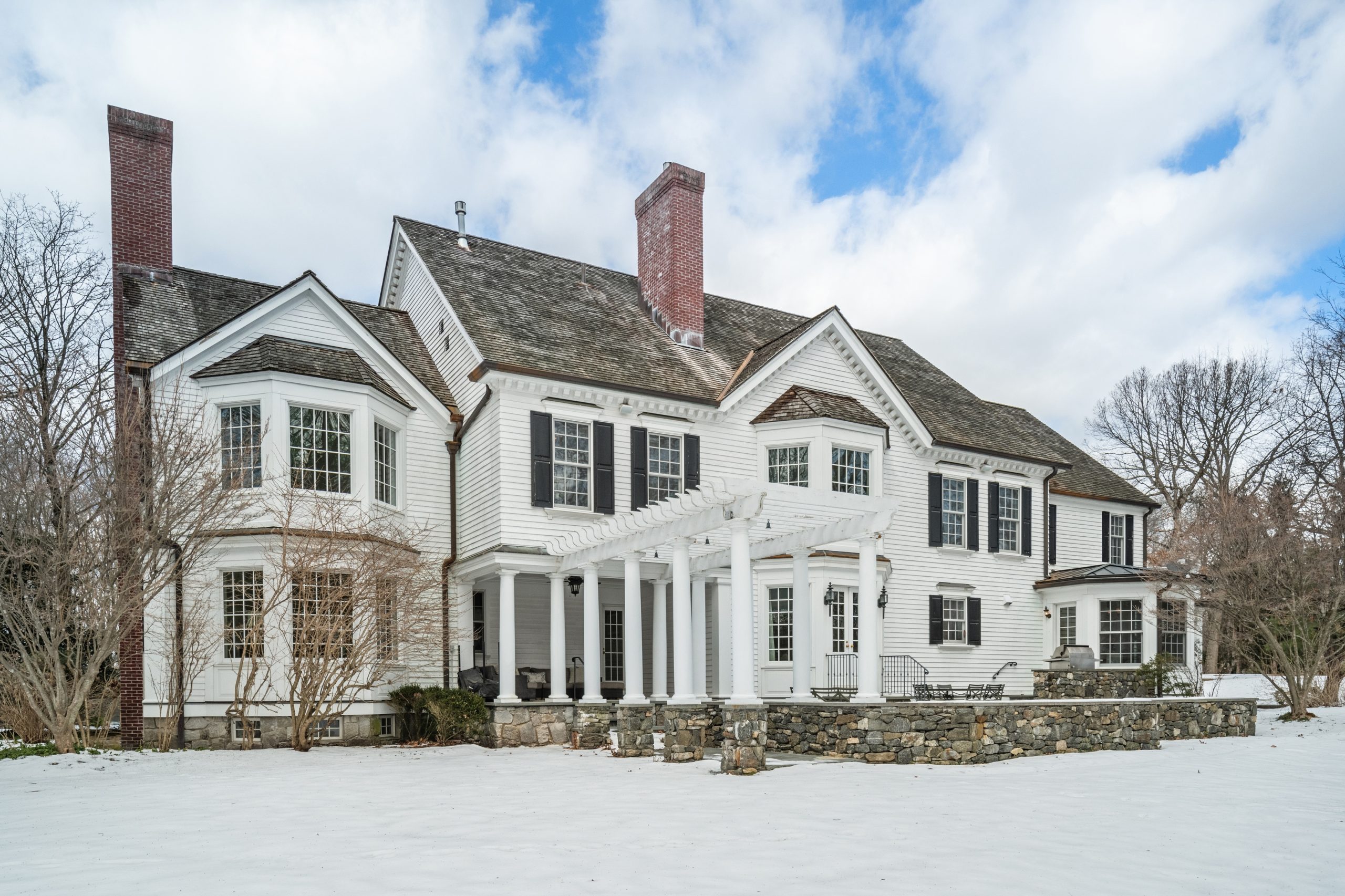
A haven for hedge-fund titans and Hollywood grandees, Greenwich is one of the world’s most expensive residential enclaves, where eye-watering prices meet unapologetic grandeur.
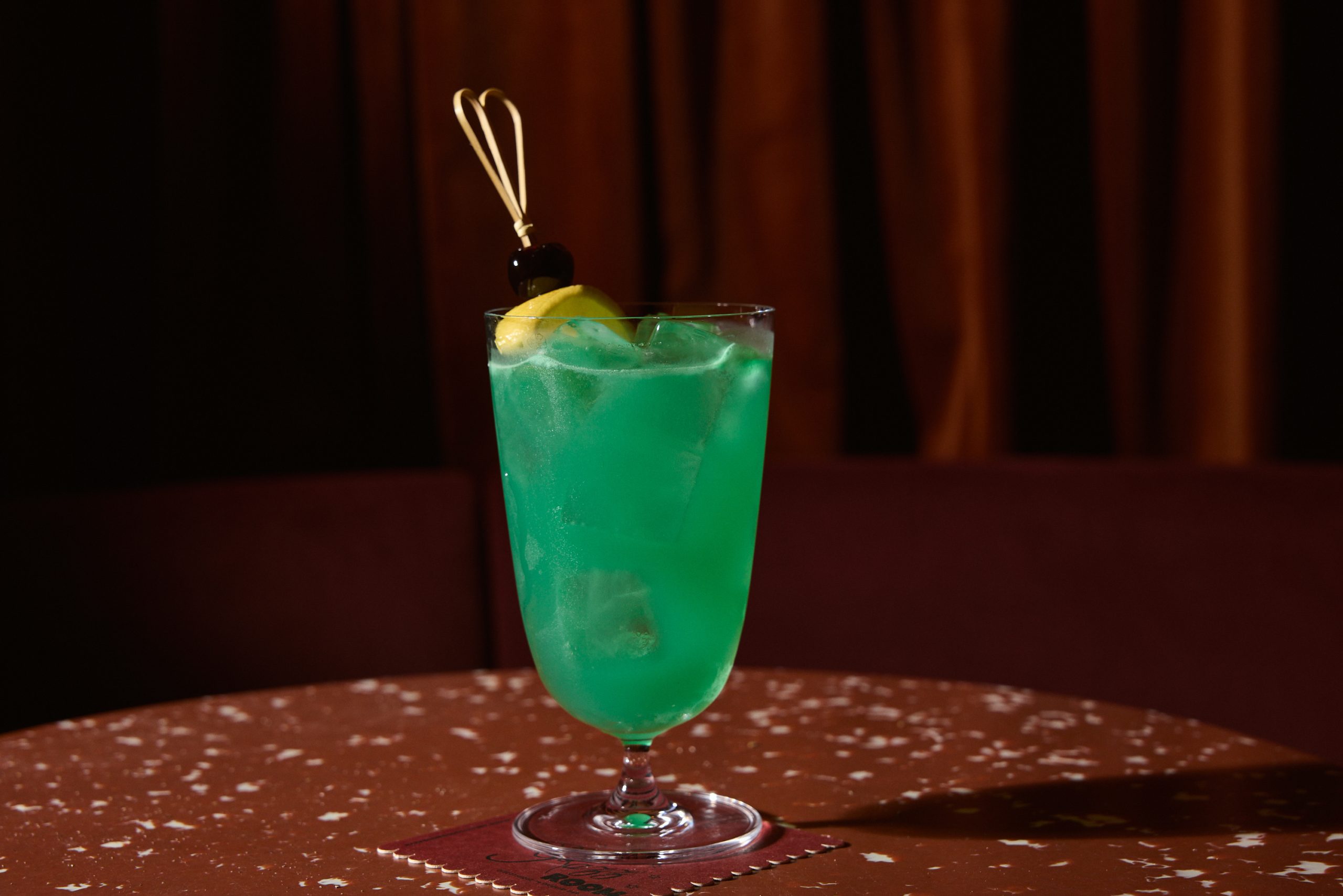
Odd Culture Group brings a new kind of after-dark energy to the CBD, where daiquiris, disco and design collide beneath the city streets.