Las Vegas Power Couple Lists Home in the Nevada Desert for $19.5 Million
Jenna and Michael Morton’s Summerlin home has a 60-foot outdoor slide, a DJ booth and a wine room that holds hundreds of bottles.

 3 min
3 min
Jenna and Michael Morton have created some of the best-known nightclubs and restaurants in Las Vegas.
But when building a home in the area for their family, they veered away from the glitzy excess of the Strip in favour of a calming, desert retreat.
That’s not to say entertainment was an afterthought: The roughly 2-acre property in the Summerlin neighbourhood has a 60-foot outdoor slide and a DJ booth.
“We are in Las Vegas,” Jenna said. “It’s part of what we do in this town. We do fun.”
Now, after about 20 years of fun, the Mortons’ three children are out of the house, and they are listing the home for $19.5 million.
Michael is a son of Chicago restaurateur Arnie Morton, who founded Morton’s The Steakhouse, which has more than 50 locations nationwide.
His brother Peter Morton co-founded the Hard Rock Cafe, and Michael and Jenna operate restaurants including Crush at the MGM Grand and La Cave Wine and Food Hideaway at Wynn Resorts .
The couple paid $1.25 million for the vacant Summerlin site in 2003. At the time, they were living in Chicago but planning to move to Las Vegas to be closer to their work.
Located in the Ridges, a gated community about 15 minutes from the Strip, the property is at the end of a cul-de-sac abutting the Red Rock Canyon National Conservation Area.
“The first time we were there, there were wild burros behind us,” Michael said.
The single-story house spans about 9,400 square feet and curves toward the canyon for privacy and mountain views.

“The curve is an embrace of the mountains,” said Jenna during a video call as she walked outside, the vista framing her face.
In contrast to the over-the-top vibe of Las Vegas hotels and casinos, the couple’s aesthetic at home is what Jenna described as “Japan meets desert,” with clean lines and neutral colours.
The house has seven bedrooms; the primary bath has a soaking tub made out of a boulder.
A wine room has colour-changing Lucite pegs that hold hundreds of bottles. A separate, roughly 530-square-foot guesthouse has a roof deck.
The property is mostly flat, with the exception of a sloped section where the Mortons built the tiled slide, which drops into the pool.
“I looked at it and said, ‘There will be a slide on that hill,’” Michael recalled. It isn’t just children who have enjoyed it—he and Jenna and many of their friends have taken a turn. “A lot of adults hit that slide,” he said.

The Mortons said they entertained frequently, from fundraisers to a birthday party where their son filled an outdoor trampoline with bubbles.
For Jenna’s 40th birthday, the couple hosted a 1960s-themed party that began with a 200-person sit-down dinner, followed by toasts and karaoke.
Michael enlisted the rock band Cheap Trick to make a surprise appearance during karaoke.
As Jenna took the microphone and started belting out their song “I Want You to Want Me,” the band began playing behind her. “We took the rods out of the reactor that night,” he said. undefined
Although selling is bittersweet, the Mortons said they want something smaller now that their children are grown.
The couple—he is 61, she is 59—have a second home in Manhattan Beach, Calif., and they plan to build a smaller house in Las Vegas.
The luxury market in Las Vegas has exploded over the past few years, said listing agent Kristen Routh-Silberman of Douglas Elliman.
There were 76 sales in the Las Vegas area above $10 million in 2025, up from 59 a year prior, she said. The record is held by a home at the Summit Club that traded for $35 million in 2024.
A recent building boom means inventory is finally catching up to demand, according to Routh-Silberman.
The spring market has started early this year, and there seems to be more activity thanks to demand from California and Washington transplants seeking tax advantages, she said.
 Copyright 2020, Dow Jones & Company, Inc. All Rights Reserved Worldwide. LEARN MORE




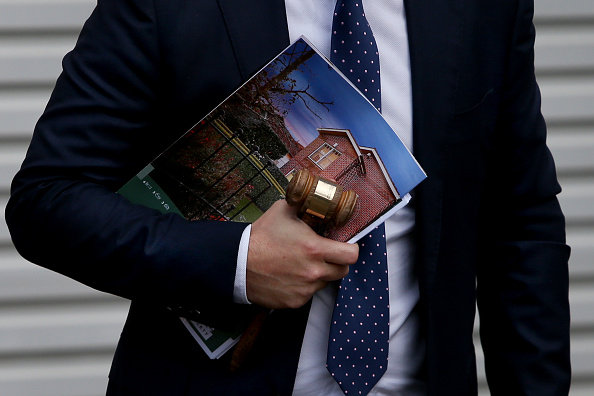
Victorian auction buyers will soon receive a piece of information that has traditionally been withheld until bidding reaches it: the vendor’s reserve price. Under new property-sale and underquoting laws, agents must publish the agreed reserve at least seven days before an auction or fixed-date sale. Most changes begin on 1 October 2026 and apply to …
Continue reading “Victoria’s New Auction Rules Will Force Reserve Prices Into the Open”
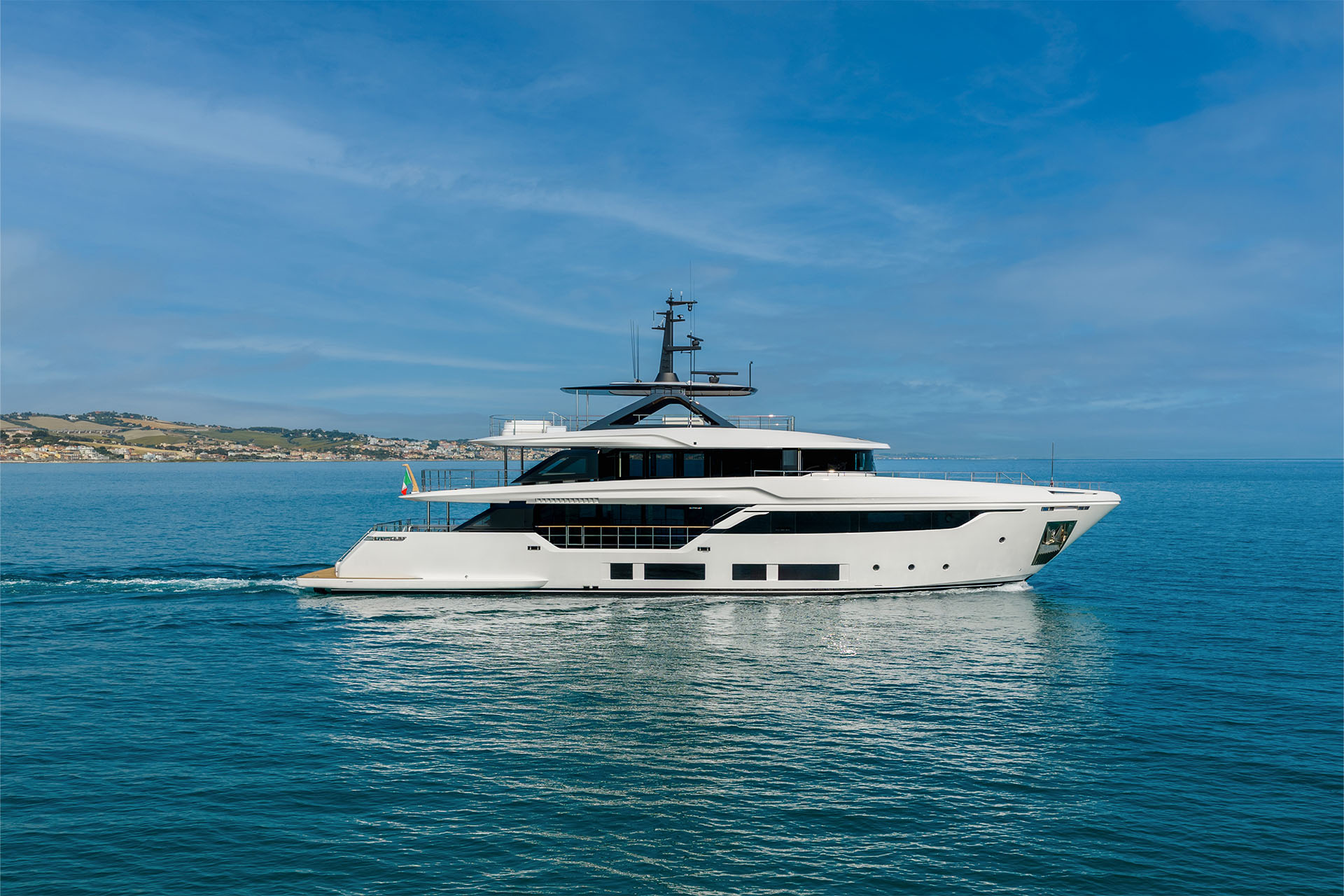
Four decks, 34.5 metres and a made-to-measure interior: step aboard the new Custom Line Navetta 35, unveiled at Cannes.
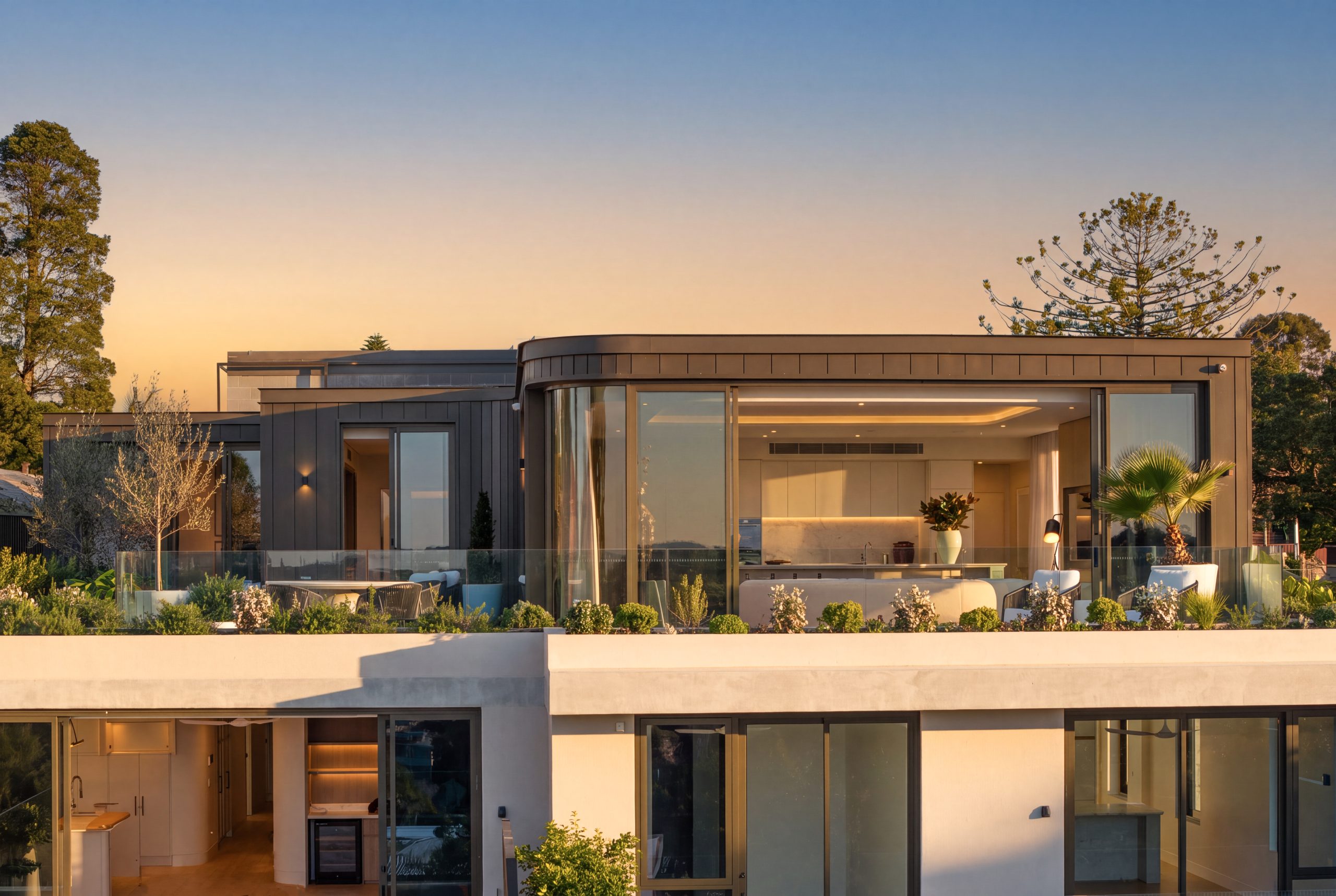
New detached-home sales fell 10% nationally in August, led by a 27% decline in Victoria, raising concerns about construction starts in 2027.
2 min
Australia’s hoped-for recovery in housing construction is losing momentum before it has had time to close the national supply gap.
Sales of new detached homes fell 10 per cent nationally in August, according to the Housing Industry Association’s survey of major volume builders across the five largest mainland states. It was the fourth consecutive monthly decline.
The fall was broad rather than isolated. Victoria recorded the largest retreat, down 27 per cent, followed by Queensland at 20.2 per cent, New South Wales at 17.5 per cent, South Australia at 10.8 per cent and Western Australia at 8.2 per cent.
Across the three months to August, sales were 19.3 per cent below the preceding three-month period and 7.7 per cent lower than the equivalent period a year earlier.
New-home sales matter beyond the immediate fortunes of volume builders. They are an early indicator of future starts: buyers sign contracts, finance is finalised, approvals are secured and construction follows months later. A sustained sales decline during the middle of 2026 is therefore likely to weaken commencements during 2027.
The slowdown reflects the collision of several pressures. Households have absorbed multiple interest-rate rises, reducing borrowing capacity and increasing the repayment cost attached to a new build. Established-home prices have softened in some markets, weakening the relative appeal of waiting through a construction period. Builders continue to face elevated labour and material costs.
The Reserve Bank’s August analysis showed new-dwelling construction prices increased 1.8 per cent during the June quarter and 5.3 per cent over the year. It attributed part of the pressure to oil-derived building products and other conflict-related costs.
Policy uncertainty can also cause buyers and investors to defer large commitments. But the precise contribution of any single tax or regulatory change is difficult to isolate from rates, confidence, land prices and construction costs. The HIA survey should be read as an indicator from large builders rather than a complete count of every dwelling sale.
The figures complicate progress towards the Housing Accord target of 1.2 million homes. The National Housing Supply and Affordability Council reported 308,000 completions since the Accord began and 244,000 dwellings under construction in the March quarter. Approvals and commencements had improved, but falling sales risk undermining the next wave.
For developers and governments, the warning is that planning approvals alone do not create homes. Projects need finance, viable construction pricing and buyers able to settle. If one part fails, approved supply can remain on paper.
Data box
National August new-home sales: Down 10 per cent
Three months to August: Down 19.3 per cent from the preceding three months
Year-on-year three-month comparison: Down 7.7 per cent
Victoria: Down 27 per cent
Queensland: Down 20.2 per cent
New South Wales: Down 17.5 per cent
South Australia: Down 10.8 per cent
Western Australia: Down 8.2 per cent
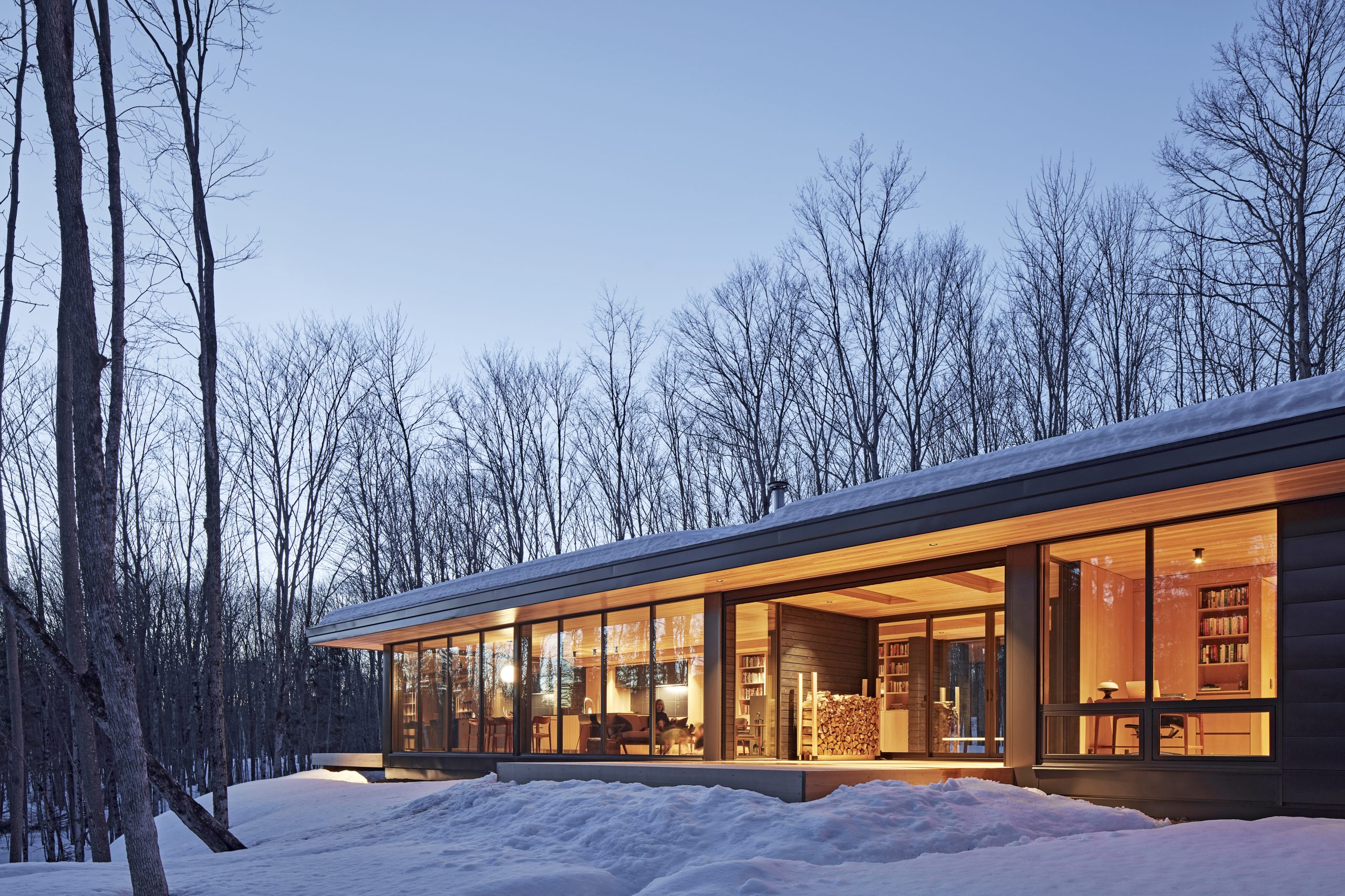
From reworked homes to remote retreats, designers are prioritising warmth and a deeper connection to landscape.

On October 2, acclaimed chef Dan Arnold will host an exclusive evening, unveiling a Michelin-inspired menu in a rare masterclass of food, storytelling and flavour.