MAISON de SABRÉ turns luxury shopping into theatre with New York’s Floral Atelier
The Australian leather house has opened an immersive four-day pop-up in Manhattan, unveiling its Bloom Collection and redefining what a product launch can look like.
 2 min
2 min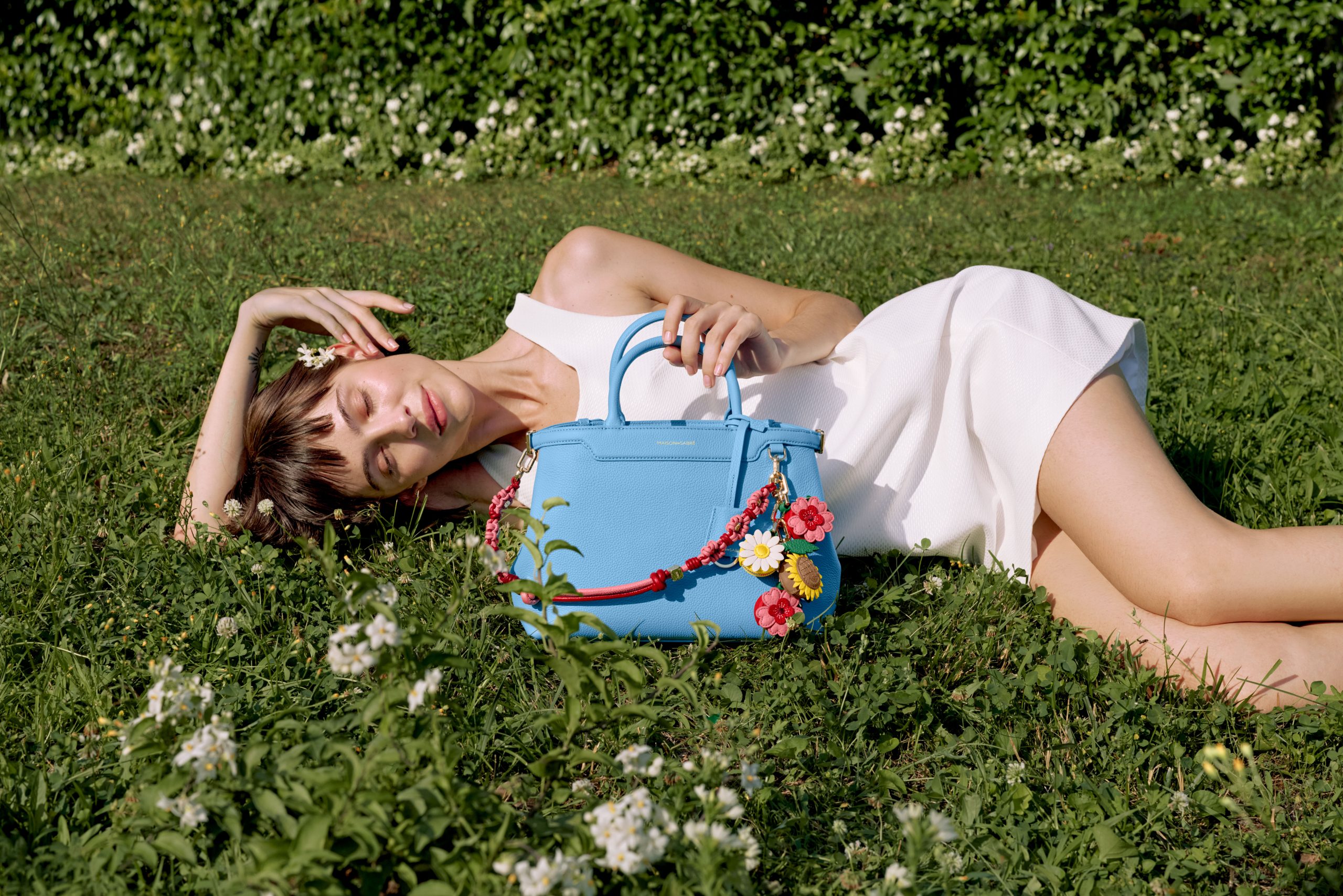
Product launches used to mean a store window and a press release. MAISON de SABRÉ has other ideas.
The Australian-born luxury house, founded in 2017 by brothers Omar and Zane Sabré, has opened a four-day Floral Atelier in the heart of New York City, transforming a stretch of Manhattan into what it calls an “overgrown botanical landscape” of craftsmanship, floristry, hospitality and music.
It’s the brand’s most ambitious physical activation to date, and the setting for the launch of its new Bloom Collection.
At the centre of the collection are three new SABRÉMOJI flower charms, named Wild Daisy, Sunflower and Cherry Blossom, each made entirely from upcycled leather offcuts and finished with ultrasonic embossing and embroidery.
There’s also the Floral Twist Handle, arguably the house’s most technically demanding piece yet, which takes 36 individual hand-tied knots to form six leather flowers, plus another ten structural knots that let it convert from a hand-carry to a shoulder strap.
A new Floral Wristlet debuts a leather-knotting technique developed specifically for the collection.
Between them, the pieces bring the brand’s product ecosystem to more than 10,000 possible styling combinations, all built from what would otherwise be manufacturing waste.
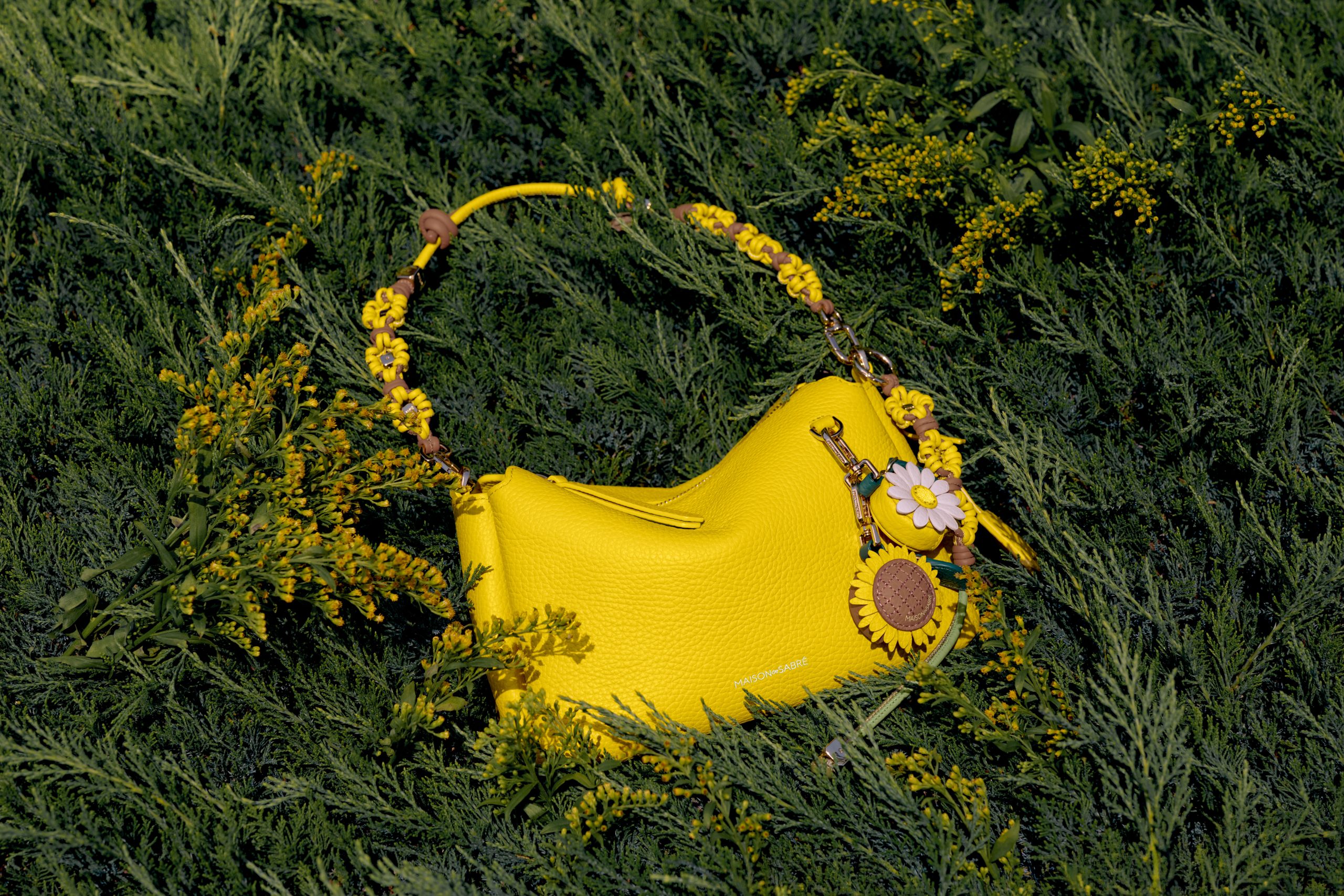
“Bloom is the latest evolution in the MAISON de SABRÉ product ecosystem, reimagining the handbag as a living canvas,” said co-founder and creative director Omar Sabré. He points to the smaller pieces as proof of intent rather than afterthought: “The smallest products demand extraordinary precision.”
It’s a strategy with numbers behind it.
The brand’s connected styling platform, of which Bloom is the latest chapter, has helped push MAISON de SABRÉ past $100 million in annual revenue and lifted average order value by 45 per cent, evidence that designing products to be added to and reinterpreted has become a genuine commercial engine rather than a marketing line.
The SABRÉMOJI charm platform alone has sold more than 500,000 units globally, with sold-out collaborations including Pokémon, Hello Kitty and Mr Men Little Miss.
For co-founder and managing director Zane Sabré, the Atelier is really about where the relationship with a customer begins.
“Retail is no longer just about selling products; there’s been a structural shift toward experience and participation,” he said.
“With Bloom, we wanted to create an environment where clients can experience our craft, understand our styling system and explore what is possible before they think about making a purchase.”
The Floral Atelier runs from July 3-26 in New York. The Bloom Collection launched globally today at maisondesabre.com, before rolling out to stockists including Bloomingdale’s, Nordstrom, Saks Fifth Avenue, Net-a-Porter’s FWRD, Revolve, Farfetch, Le Bon Marché and Ounass.

Porsche’s Cayenne Turbo Electric produces up to 1,156PS and reaches 100km/h in a claimed 2.5 seconds.
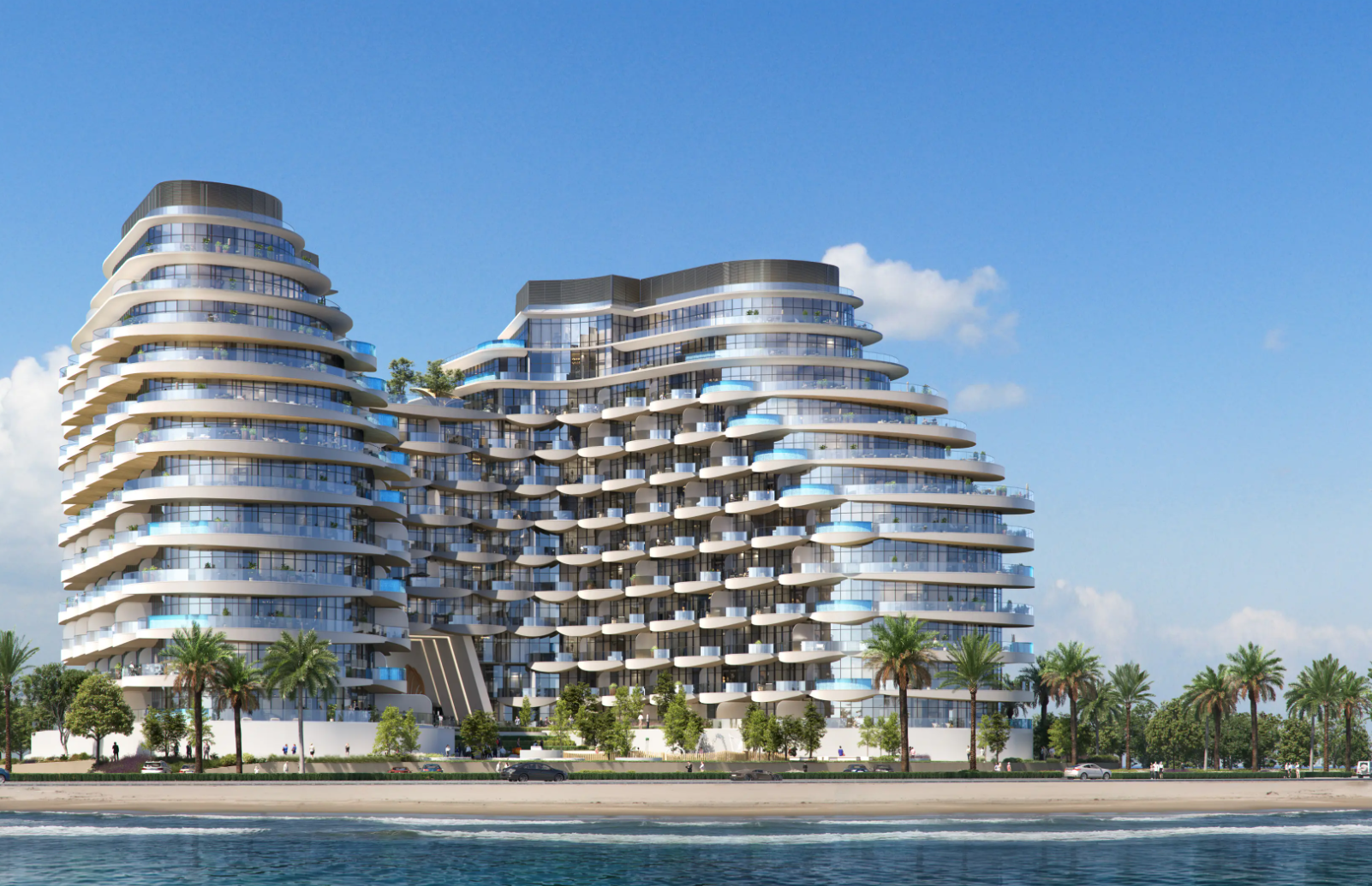
BNW Developments has established a Sydney presence, joining Arada and Sobha Realty among the growing number of UAE developers pursuing Australian buyers and development opportunities.
Dolly Parton’s former Hollywood Hills residence has hit the market for $7.95 million. The nearly 4,700-square-foot home features four bedrooms, panoramic city-to-ocean views, a pool and spa, library, media room and private outdoor spaces.
2 min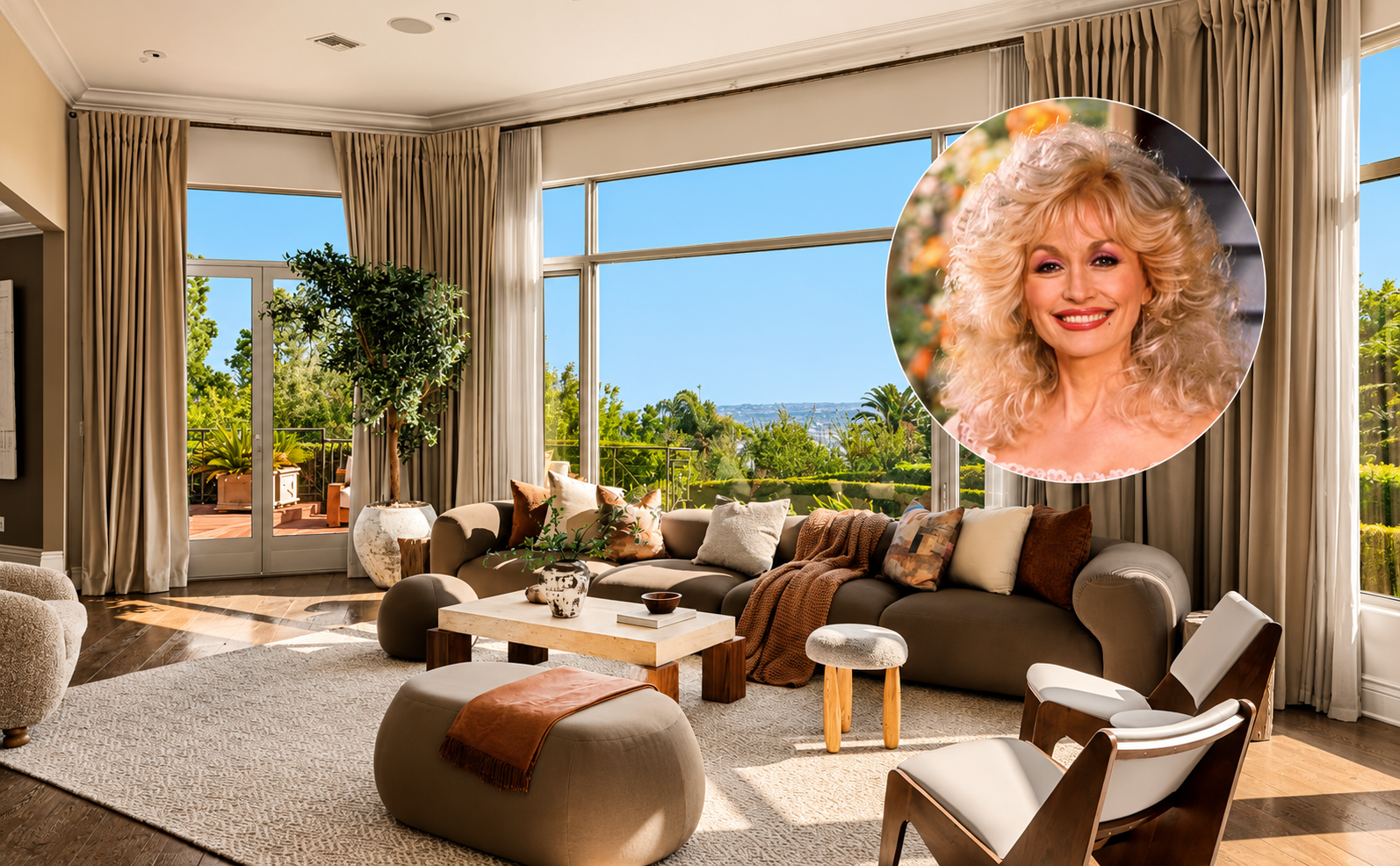
A residence in the Hollywood Hills that was once home to the late Dolly Parton has hit the market for $7.95 million.
The country singer and her late husband, Carl Dean, bought the house in 1985 for $750,000 and sold it in 1990 for $1.2 million, according to listing records.
The property, aptly known as the Dolly Parton House, hasn’t been on the market for 25 years, according to the listing with Edward Tinney of Nourmand & Associates and Kurt Rappaport of Westside Estate Agency.
It’s unlikely Parton and Dean would recognize the house as it stands today though; it was rebuilt in 2009, and upgraded further in the years since, the listing said.
Across its almost 4,700 square feet, the house has living and dining rooms with walls of glass that frame the views that stretch across the city to the Pacific Ocean.
MORE: Flea of the Red Hot Chili Peppers Puts Heptagonal California Home Up for Sale
There’s also a library and media room, a family room and an eat-in kitchen. There are four bedrooms, including the primary suite, which has a coffee bar, a fireplace, two bathrooms, a space for an office or gym, a walk-in closet and a private deck.
Outside, there’s a pool and spa, with space for outdoor dining and entertaining. Plus there’s a two-car garage, electrical infrastructure for an EV charger and a Zen trail, according to the listing.
The seller, who couldn’t be reached for comment, paid $2.05 million for the home in 2001, records with PropertyShark show.
MORE: Tiger Woods’s Mini-Golf Business Partner Lists South Florida Home for $18.5 Million
Parton died on August 25 at the age of 80 after a battle with cancer.
She released 50 studio albums over the course of her career—resulting in 27 gold and platinum albums—and starred in films including “9 to 5,” “The Best Little Whorehouse in Texas” and “Steel Magnolias.”
A philanthropist, she was behind the Imagination Library, which donated more than 200 million books to children around the world. In 2020, she helped fund early research for Moderna’s Covid 19 vaccine with a $1 million donation to Vanderbilt University.
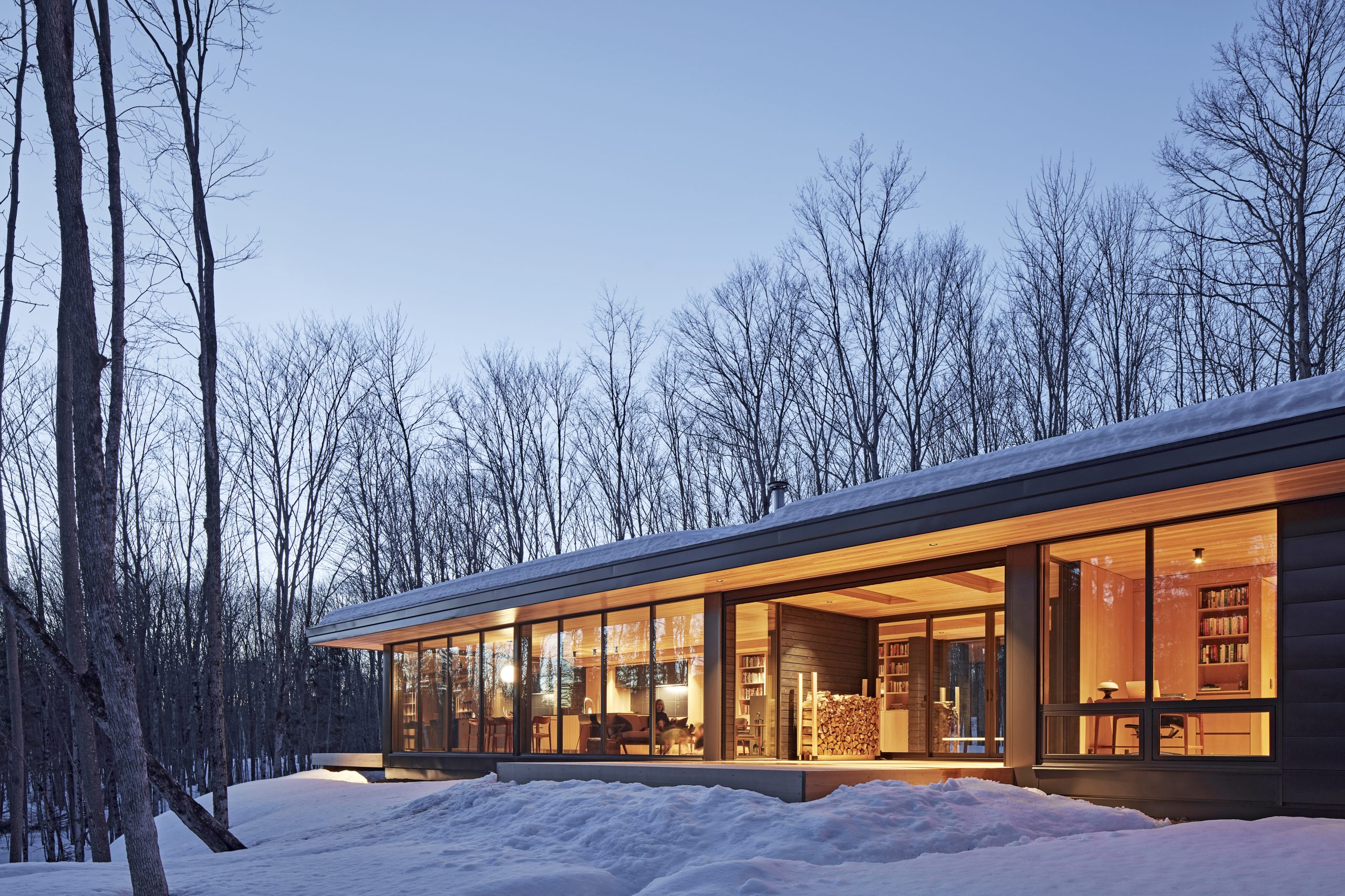
From reworked homes to remote retreats, designers are prioritising warmth and a deeper connection to landscape.
As interest rates, inflation and market sentiment fluctuate, investors are being urged to focus on data, not panic.