Palm Beach Icon Returns to the Market
After half a century in the same hands, The Palladium blends Art Deco heritage, cinematic history and beachfront living in one extraordinary offering.
 3 min
3 min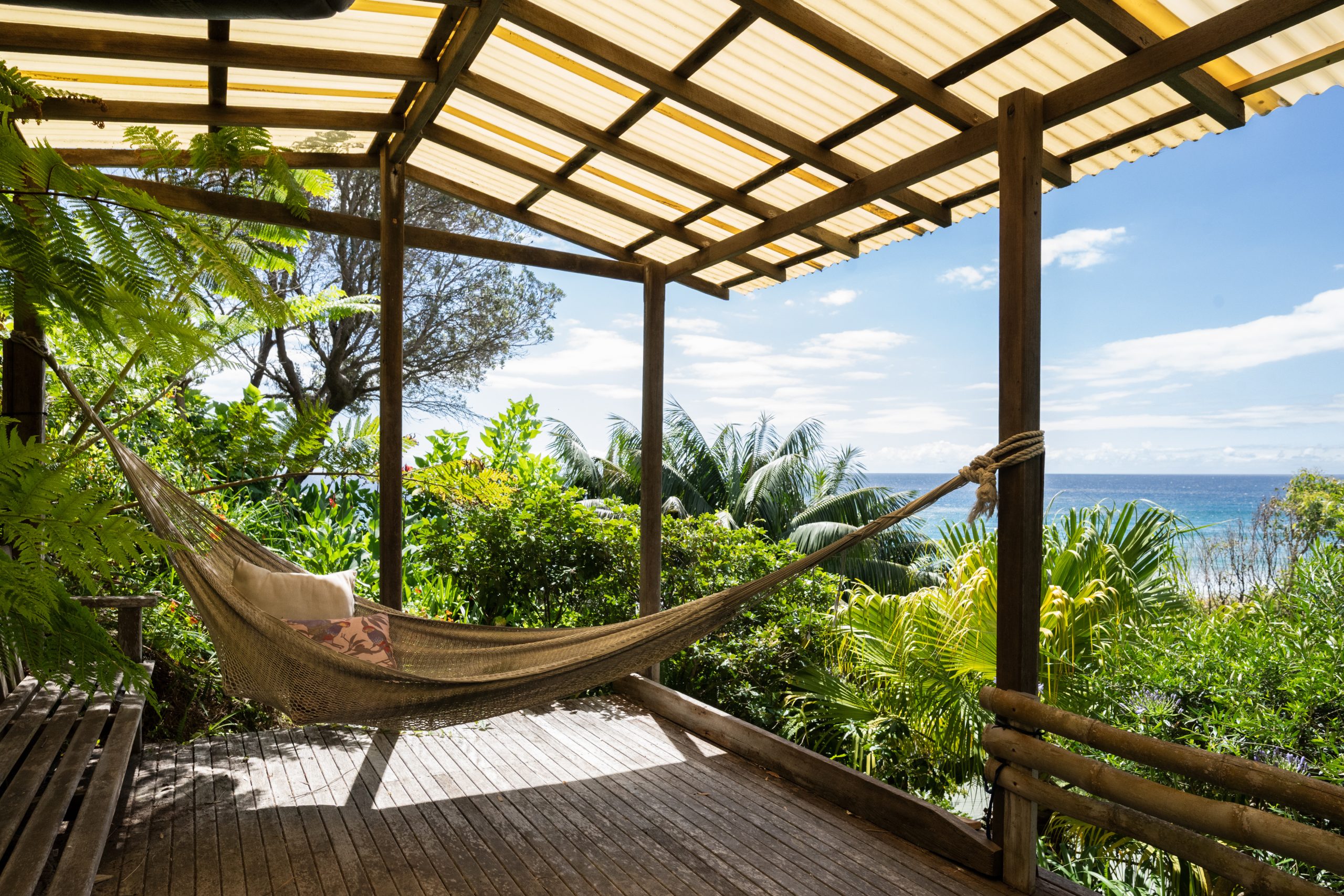
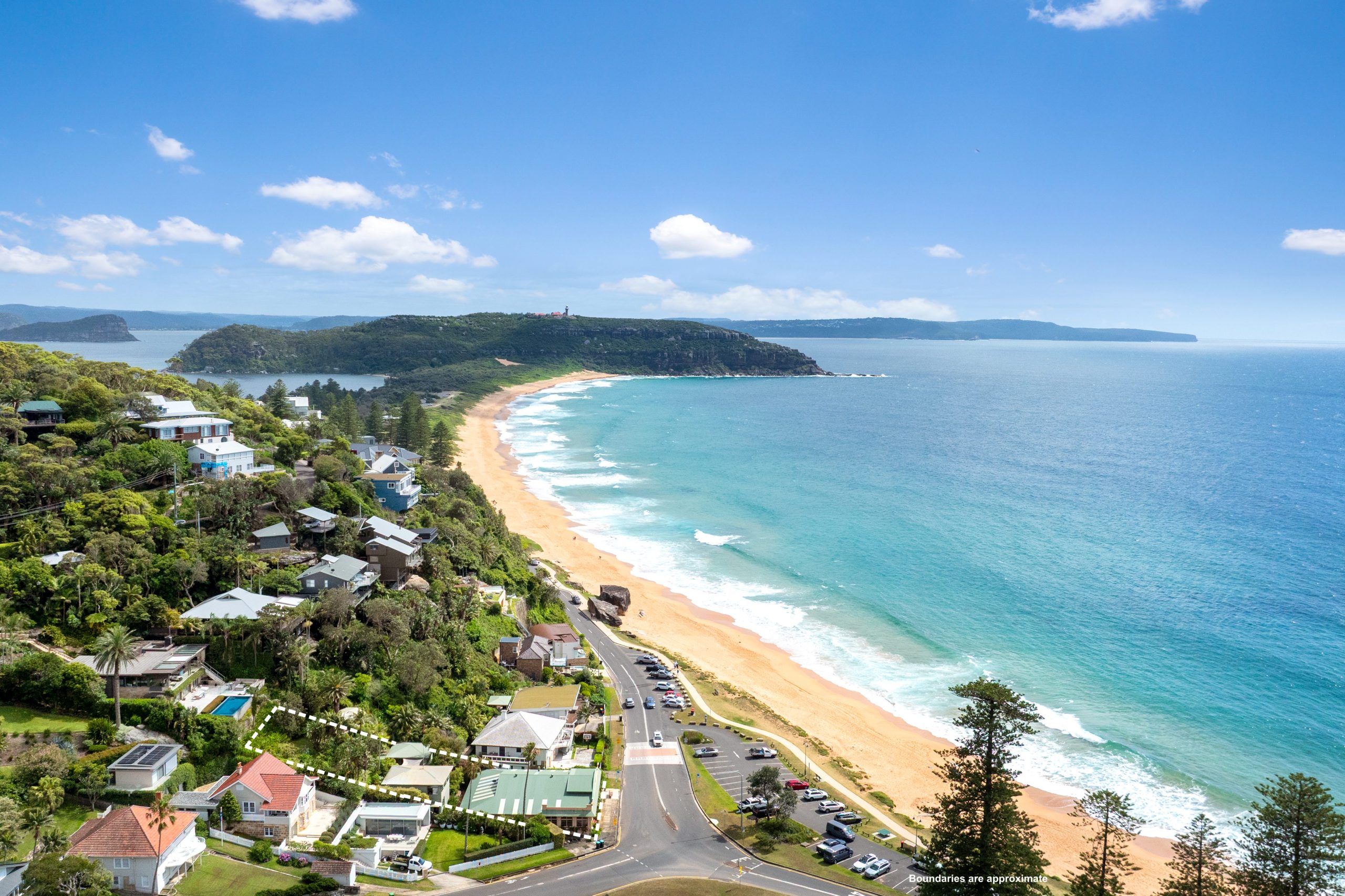
In Sydney’s Northern Beaches, there are plenty of homes with a multimillion-dollar view and an enviable position close to the sand.
This unique listing has all that, but it has also earned its page in the local history books.
After 50 years in the same hands, The Palladium in Palm Beach—once a famed dance hall, then a restaurant, a private residence, and an artists’ studio—is now back on the market with a price hopes of $13.5 million through BJ Edwards and David Edwards of LJ Hooker Palm Beach.
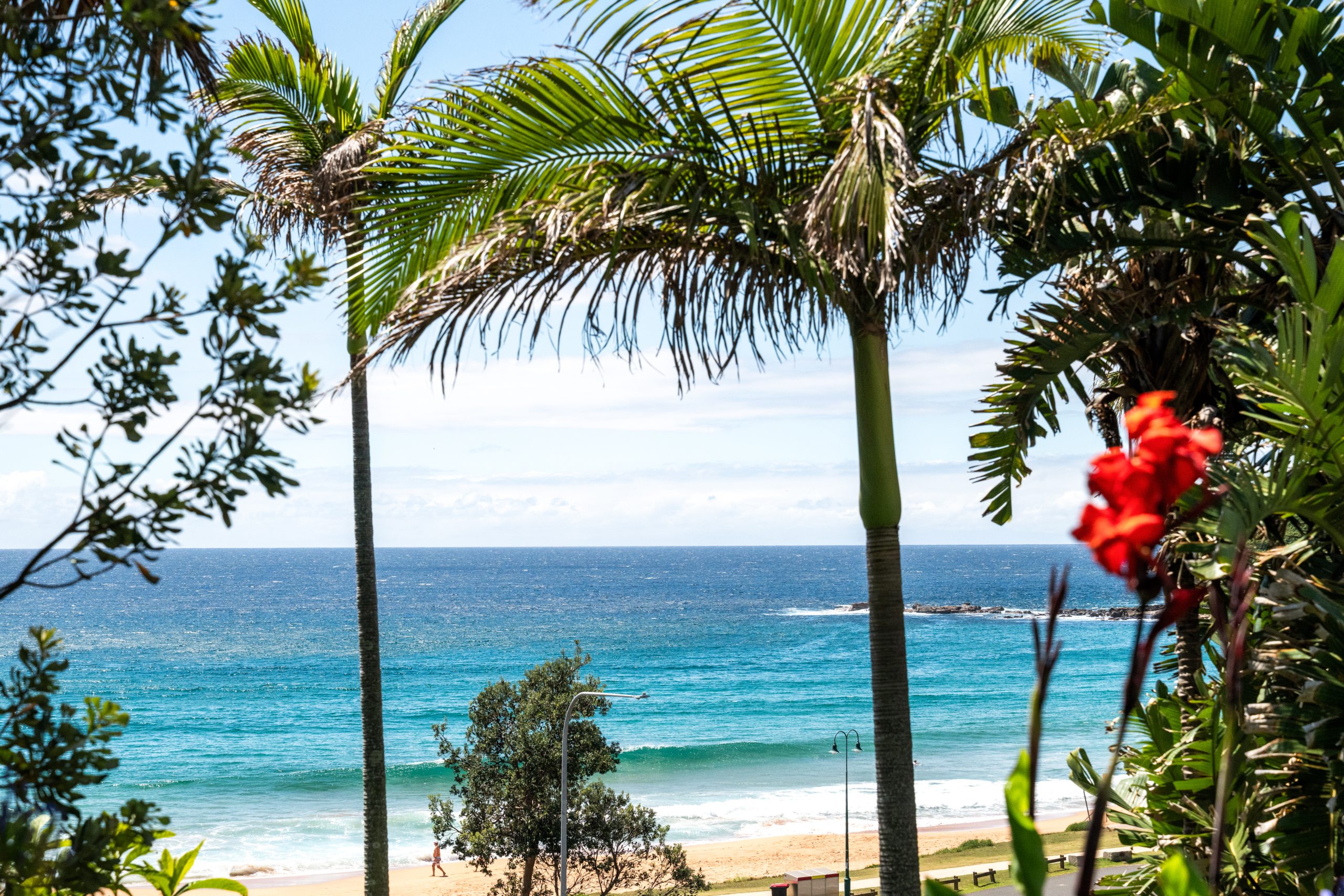
Positioned in a rare corner spot where Ocean Rd meets Palm Beach Rd, The Palladium has been front and centre observing the famous sandy stretch for almost a century.
Built in the early 1930s, the Art Deco building was originally conceived as a vibrant community dance hall; the “it” place to be for young folk during Sydney’s thriving interwar period.
Often the dances were held to raise money for the Palm Beach Surf Life Saving Club, and newspaper reports of the time told of rowdy parties lasting until the early hours, bootleg liquor arrests, and where shorts and sandals—or even pyjamas—were scandalously worn by “both sexes”.
Over the decades, The Palladium has worn many hats.
By 1943, the original owner, Joseph Henry Graham, had defaulted on his loan, and a mortgagee sale reportedly sold the building for £1550, which translates to about $137,000 today. It later became a dining space and a general store run by the Milton family. In the 1960s and early 1970s, the property was also home to the Blue Pacific Restaurant.
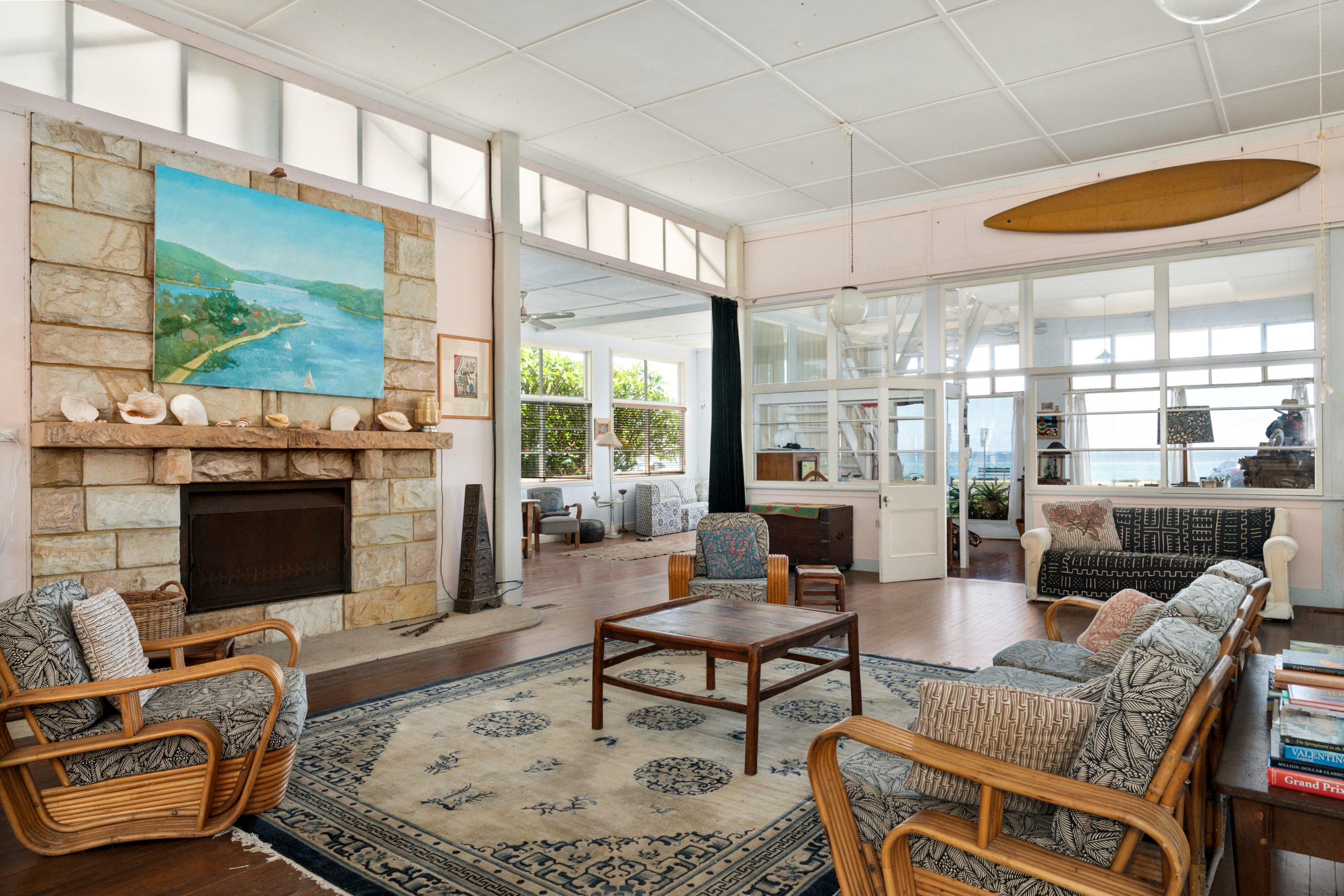
The current owners acquired the keys in 1976 when it began its next chapter as a creative hub. One of today’s vendors, filmmaker David Elfick, who has been a filmmaker and producer on such films as Newsfront and Rabbit-Proof Fence, has told stories of a free-spirited creative hub that has been used for film sets, to store numerous movie props, as editing rooms, to hold countless parties and has even hosted visiting members of the Royal Shakespeare Company.
From its famed beachside soirees to its grassroots film club nights, the venue has become woven into the cultural fabric of Palm Beach.
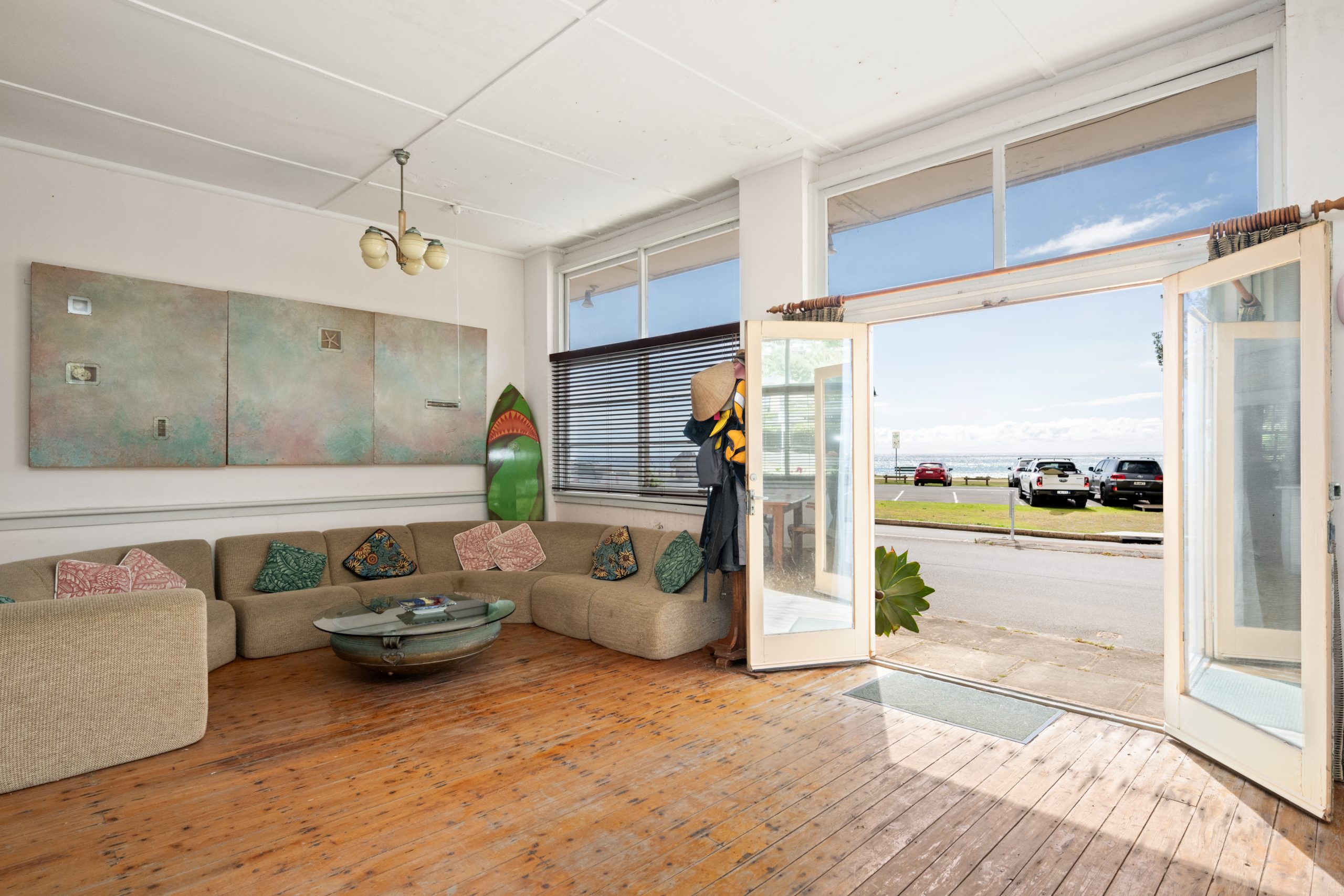
Today, that rich history has been reimagined into a coastal home that honours its past while embracing contemporary beachside living.
Built in a unique architectural style known as streamline moderne, the aeroplane hangar-like building reflects the era’s fascination with air travel, mass transport, and modernity. The facade is defined by a sweeping curved roofline and subtle nautical cues.
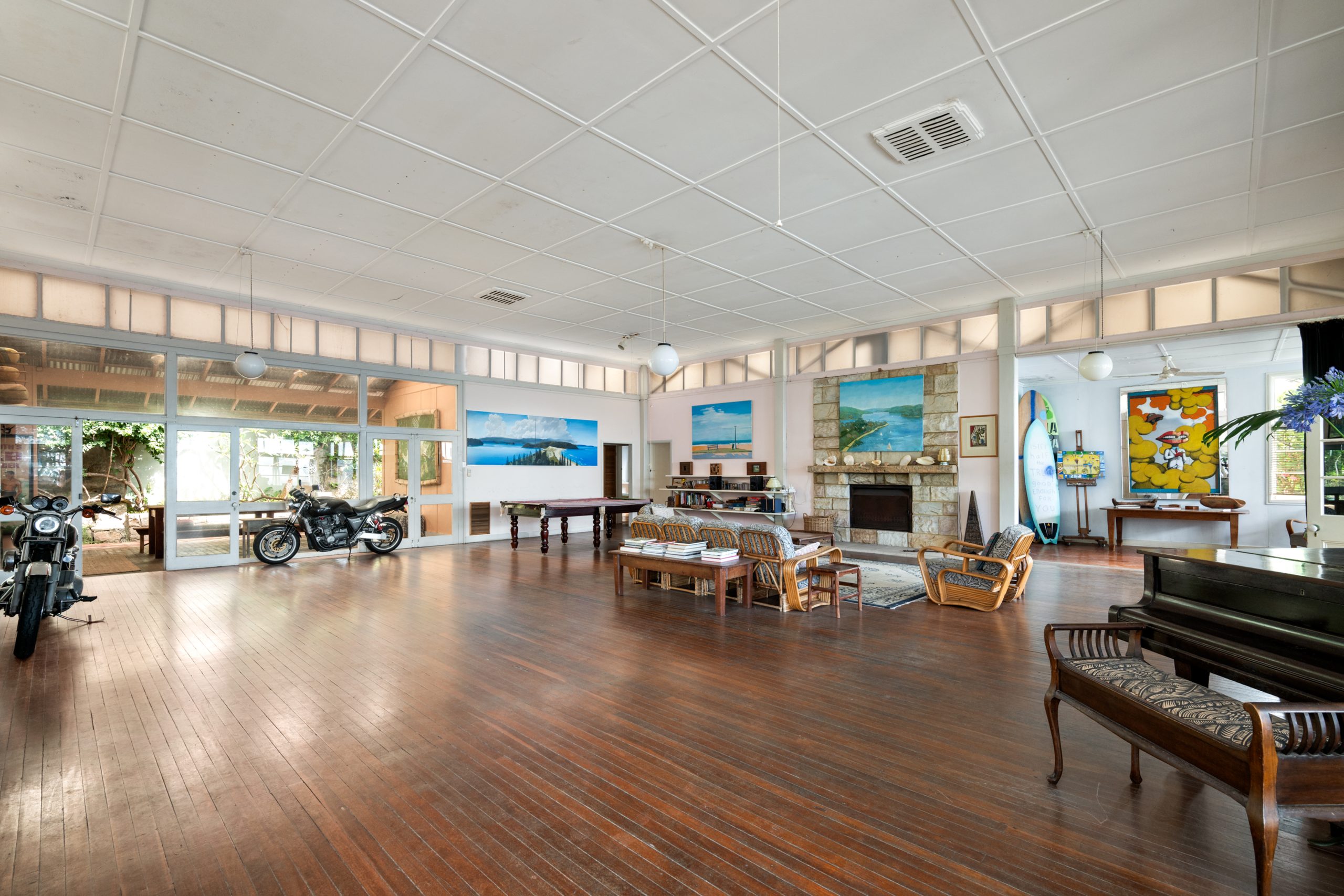
The main residence features a vast central living space framed by a number of bedrooms and sunrooms, as well as a front dining room and kitchen. In total, there are four to five bedrooms, three bathrooms and a powder room adjoining an upstairs loft space.
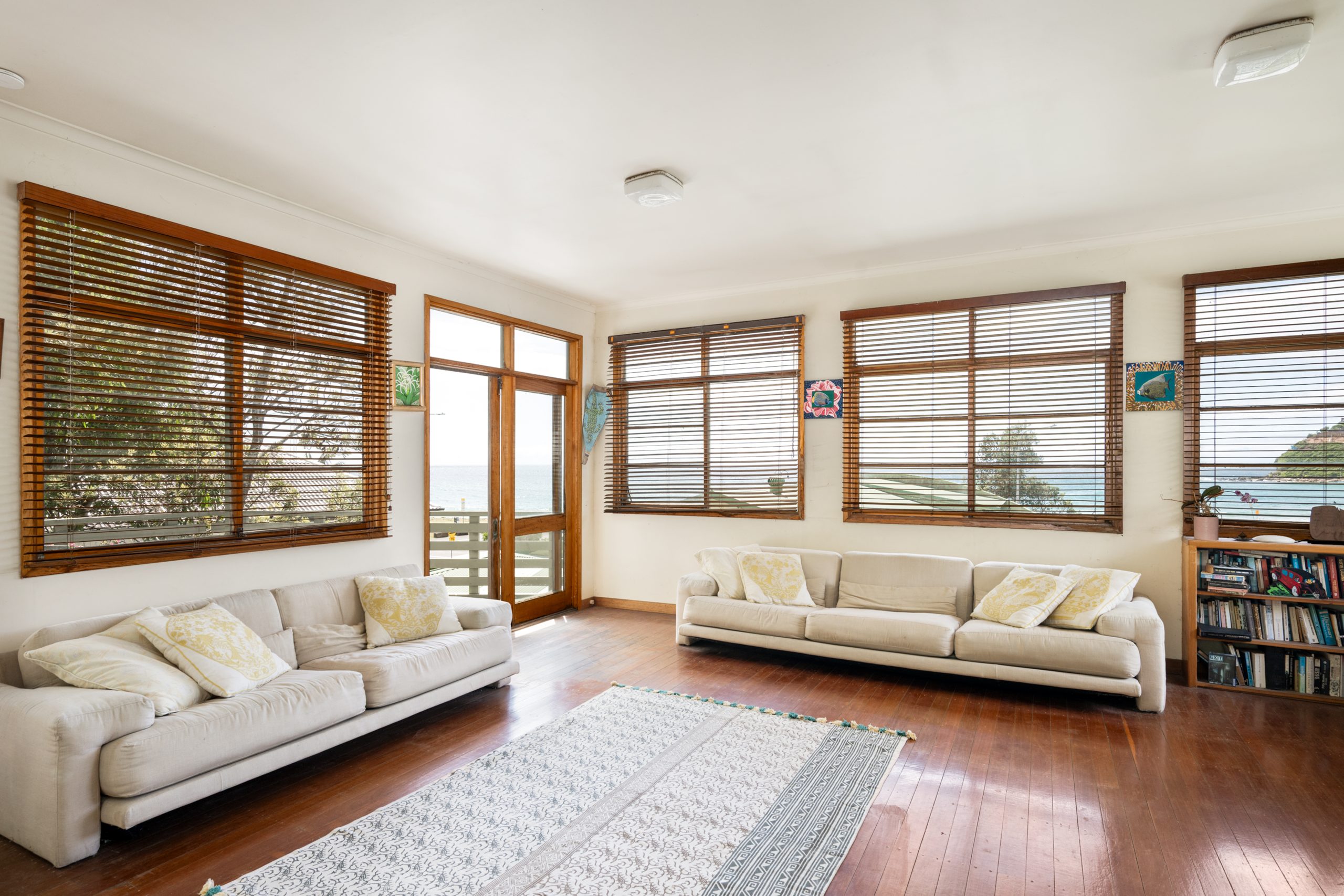
Big, broad windows draw in loads of natural light and provide iconic views, plus the sounds of the beach just across the road.
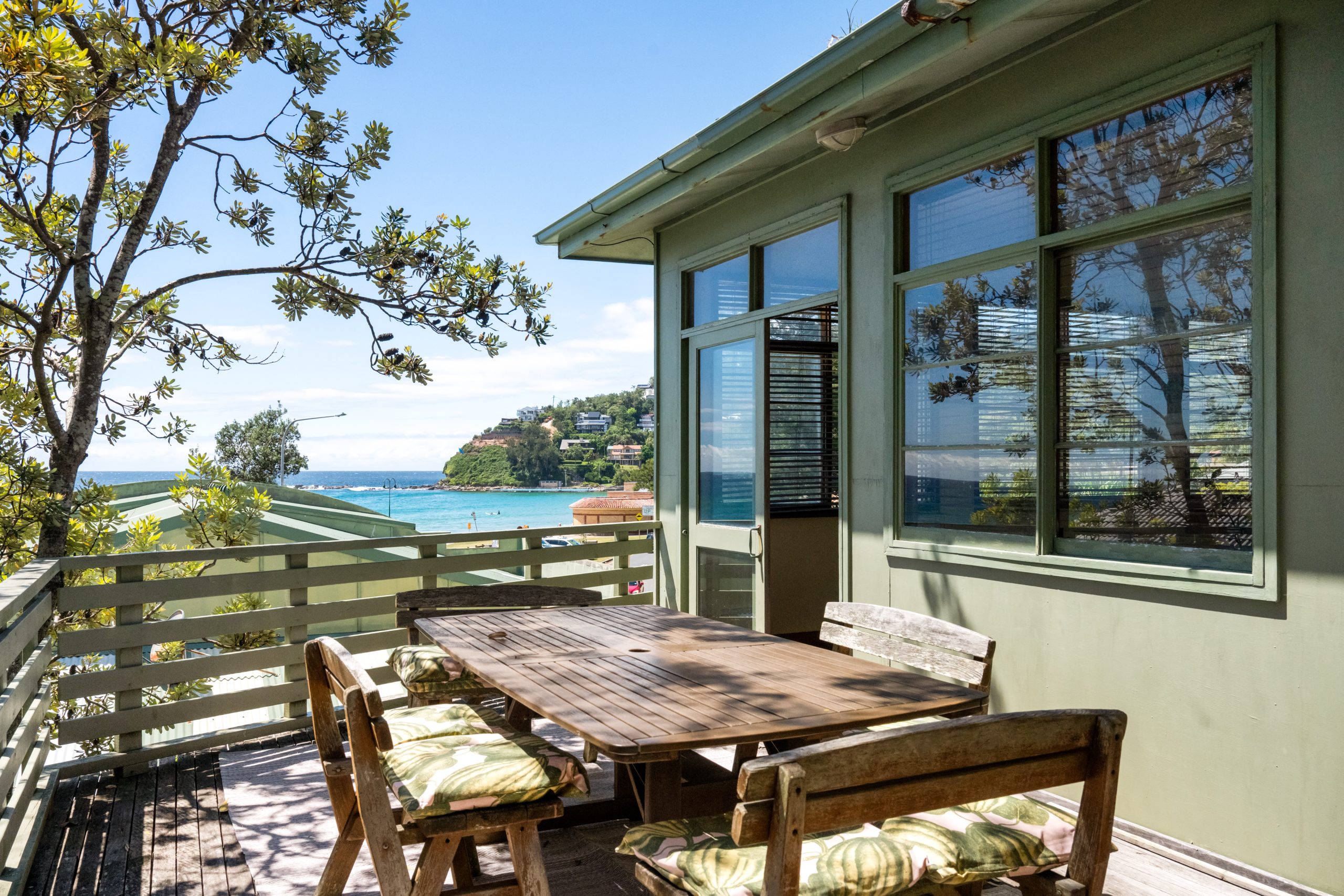
Many of the original elements remain, most fittingly the polished floors of the former dance hall. In the additional building at the back of the block, there is a separate, self-contained studio with its own bedroom, bathroom, kitchen and laundry. From its elevated deck, the outlook stretches across the full sweep of Palm Beach.
Outside, the expansive 1151sq m land parcel also features established gardens with veggie patches and standalone decks for quiet contemplation.
Sitting just across the road from the beach, the property is also within walking distance of local cafes and the surf club. Palm Beach Rock Pool is at one end of the beach, with the Palm Beach Golf Club and the water airport at the other end of the peninsula.
The Palladium and Palm Beach Studio at 16 Ocean Rd, Palm Beach are listed with BJ Edwards and David Edwards of LJ Hooker Palm Beach via a private treaty campaign with a price guide of $13.5 million.
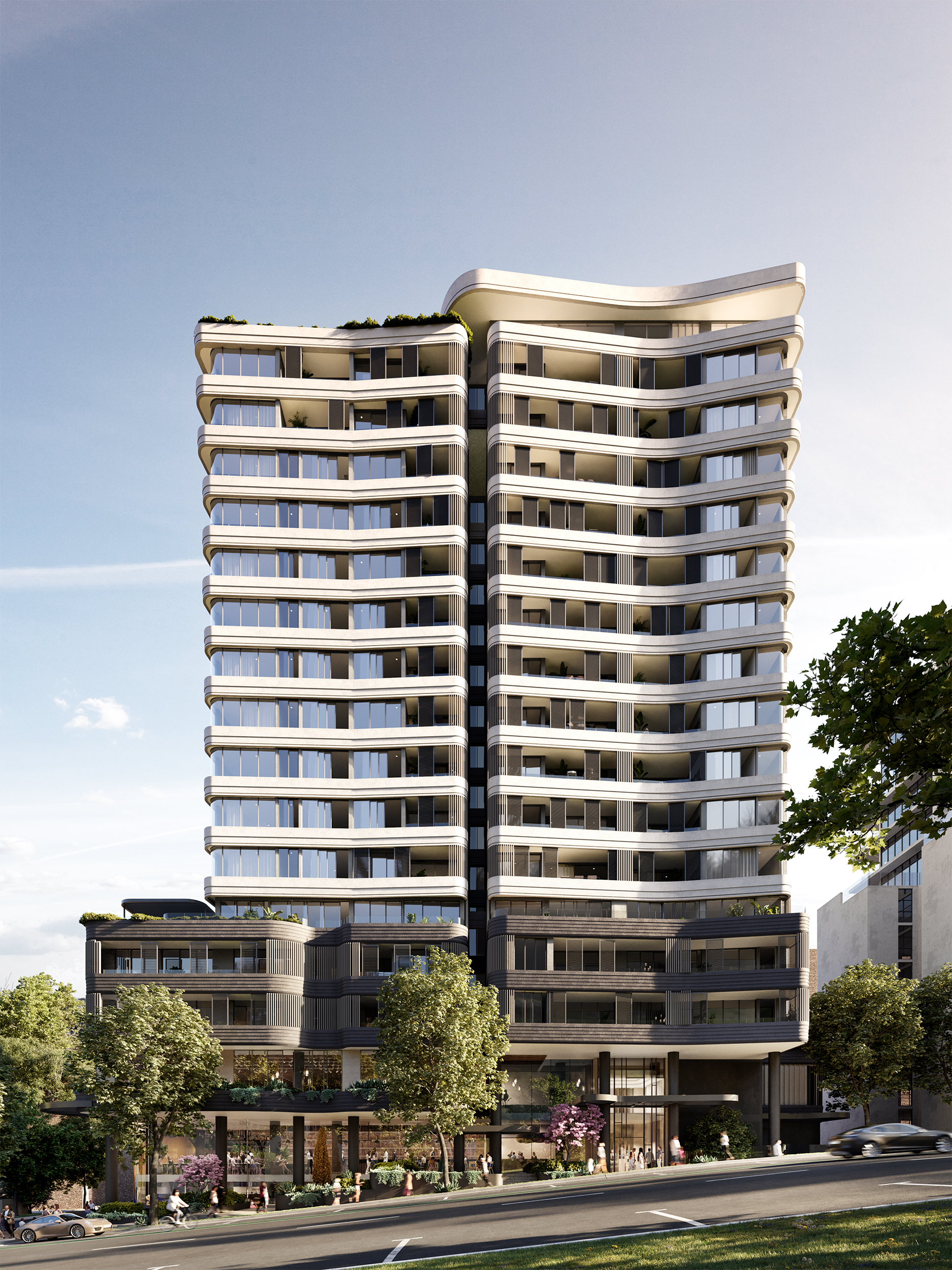
Located steps from Crows Nest Metro, the near-complete development brings luxury living to Sydney’s Lower North Shore.
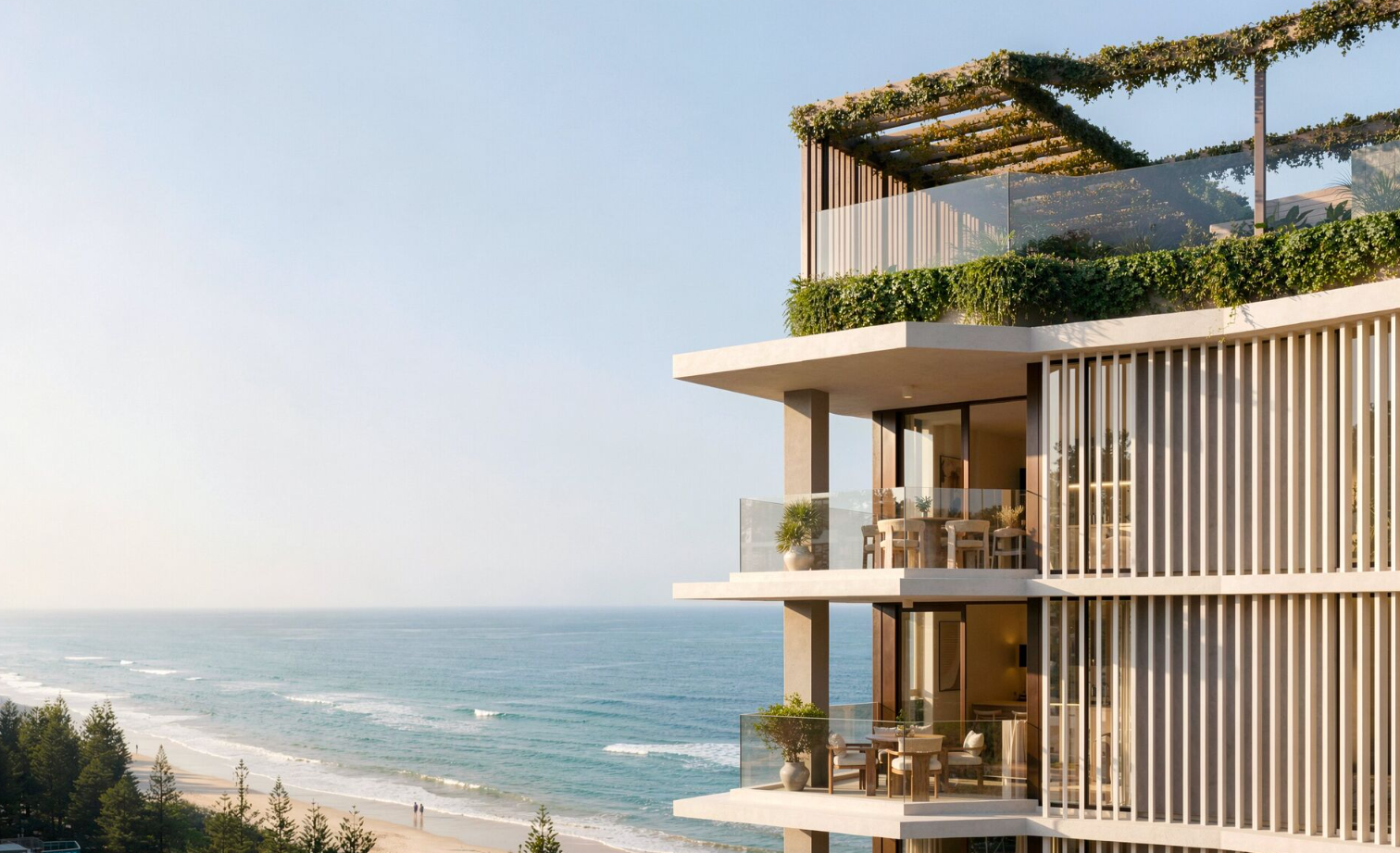
Studio apartments have almost disappeared from new Australian developments. Lura is bringing them back to Burleigh Heads from $495,000.
 4 min
4 min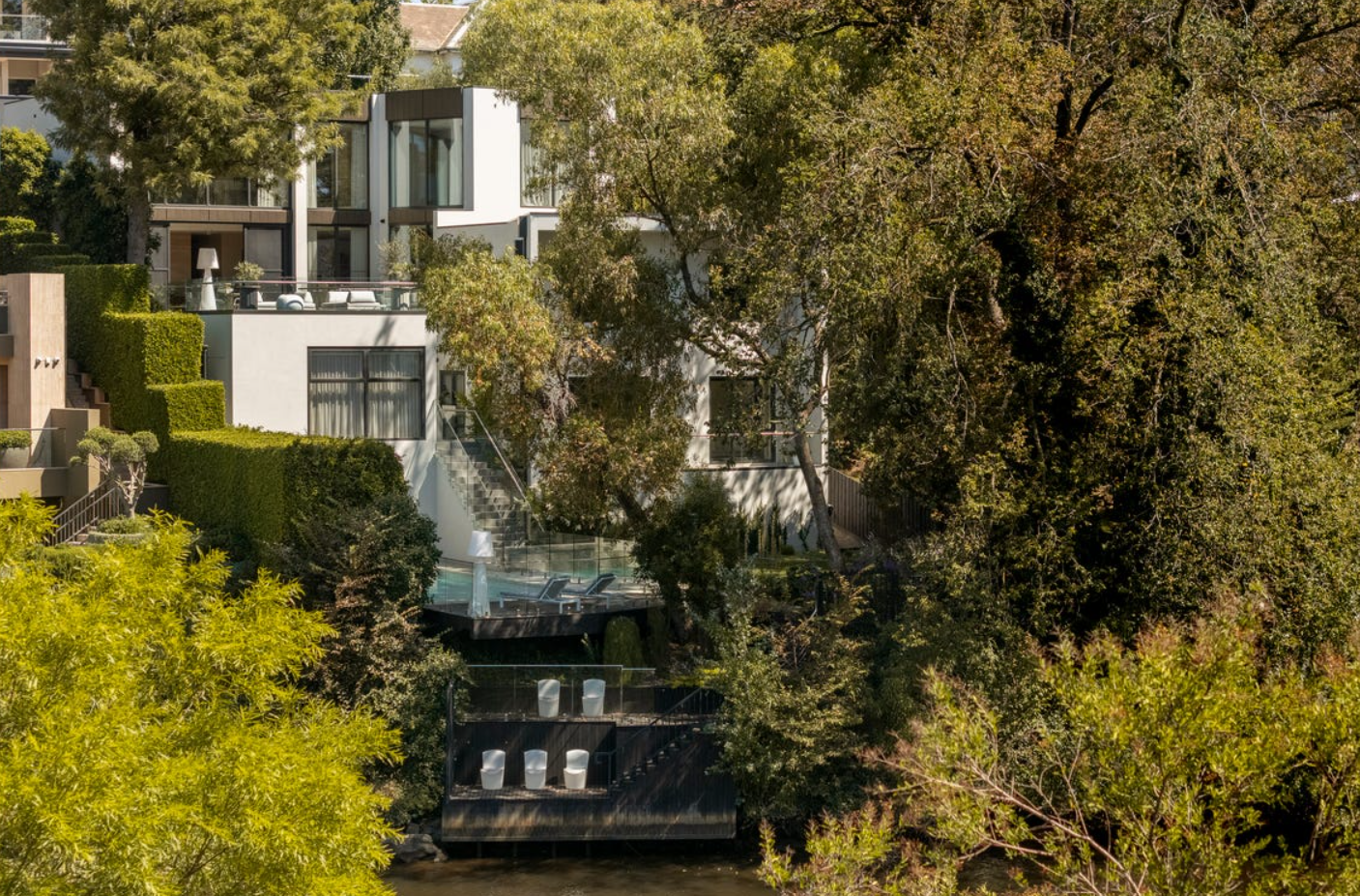
Toorak’s reputation has been built on grand estates, tightly held boulevards and some of Melbourne’s most valuable residential land. Yet one of its rarest attributes is largely hidden from the street: direct frontage to the Yarra River.
Although the river traces much of Toorak’s northern boundary, just over 20 homes in the blue-chip suburb are believed to border the water—and fewer still provide genuine river access. There is no definitive public register of Toorak homes with private jetties, but prestige agents have consistently described them as only a handful.
It is rare, then, for a property offering both river frontage and direct water access to become available in Melbourne’s so-called billionaire’s playground. The newly built Solara on Orrong Road presents precisely that opportunity.
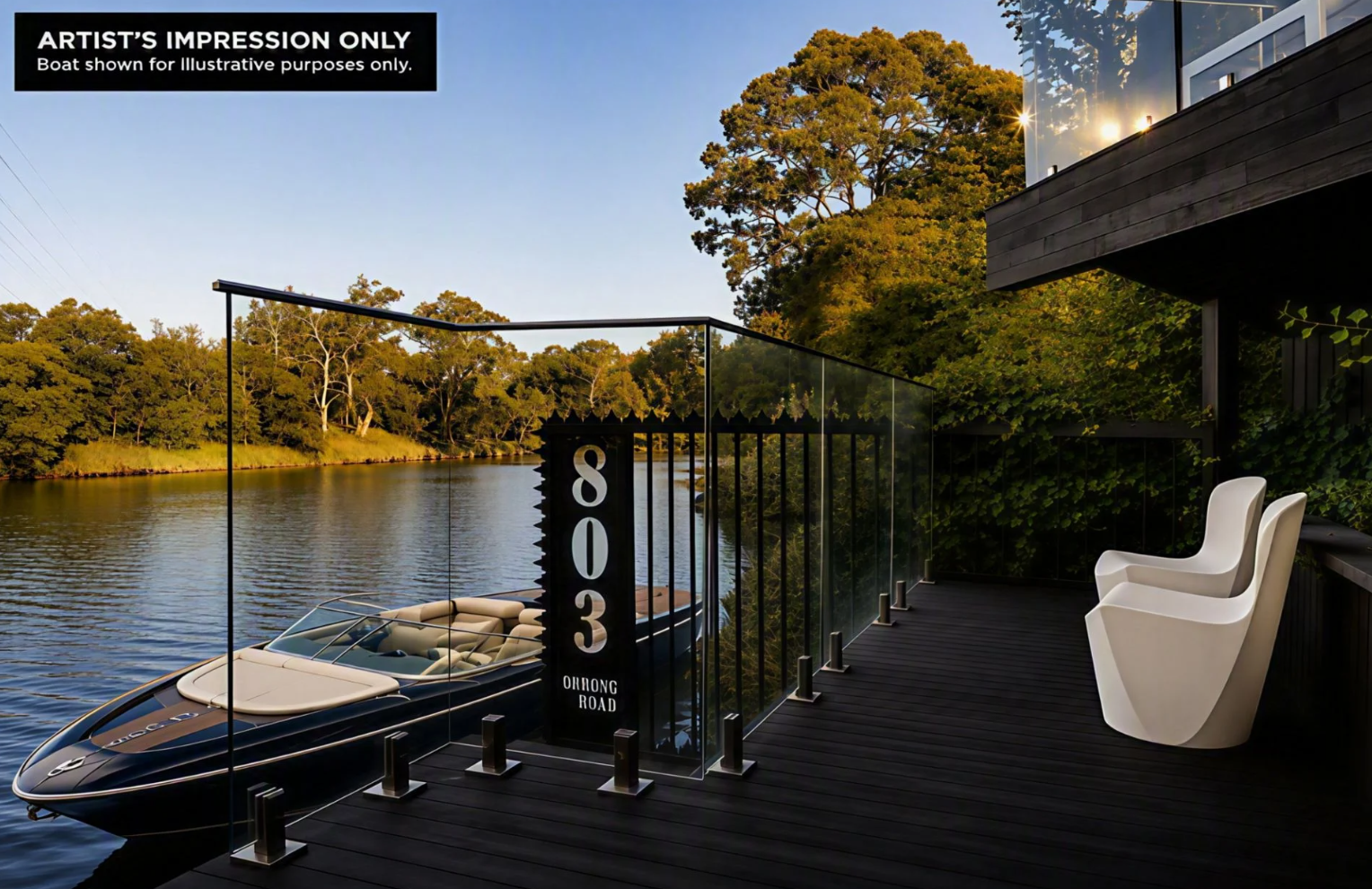
Set on approximately 1,129sqm, the five-bedroom residence descends towards the river, culminating in a private, double-tiered jetty. Here, the Yarra is more than a distant outlook: it becomes part of daily life, offering a place to launch a boat, relax beside the water or travel towards the city from home.
That distinction is significant in Toorak. Many of the suburb’s finest properties offer scale, security and architectural pedigree, but very few combine all three with direct access to the river.
Architecture shaped by the site
Designed by Melbourne studio Alta and constructed by EASTON, Solara has been conceived as a series of interconnected levels descending towards the Yarra.
Rather than presenting as a single imposing volume, the house responds to its sloping site through stepped terraces, landscaped outdoor areas and large expanses of glazing. The architecture gradually reveals the water, drawing the eye through the interior and towards the river below.
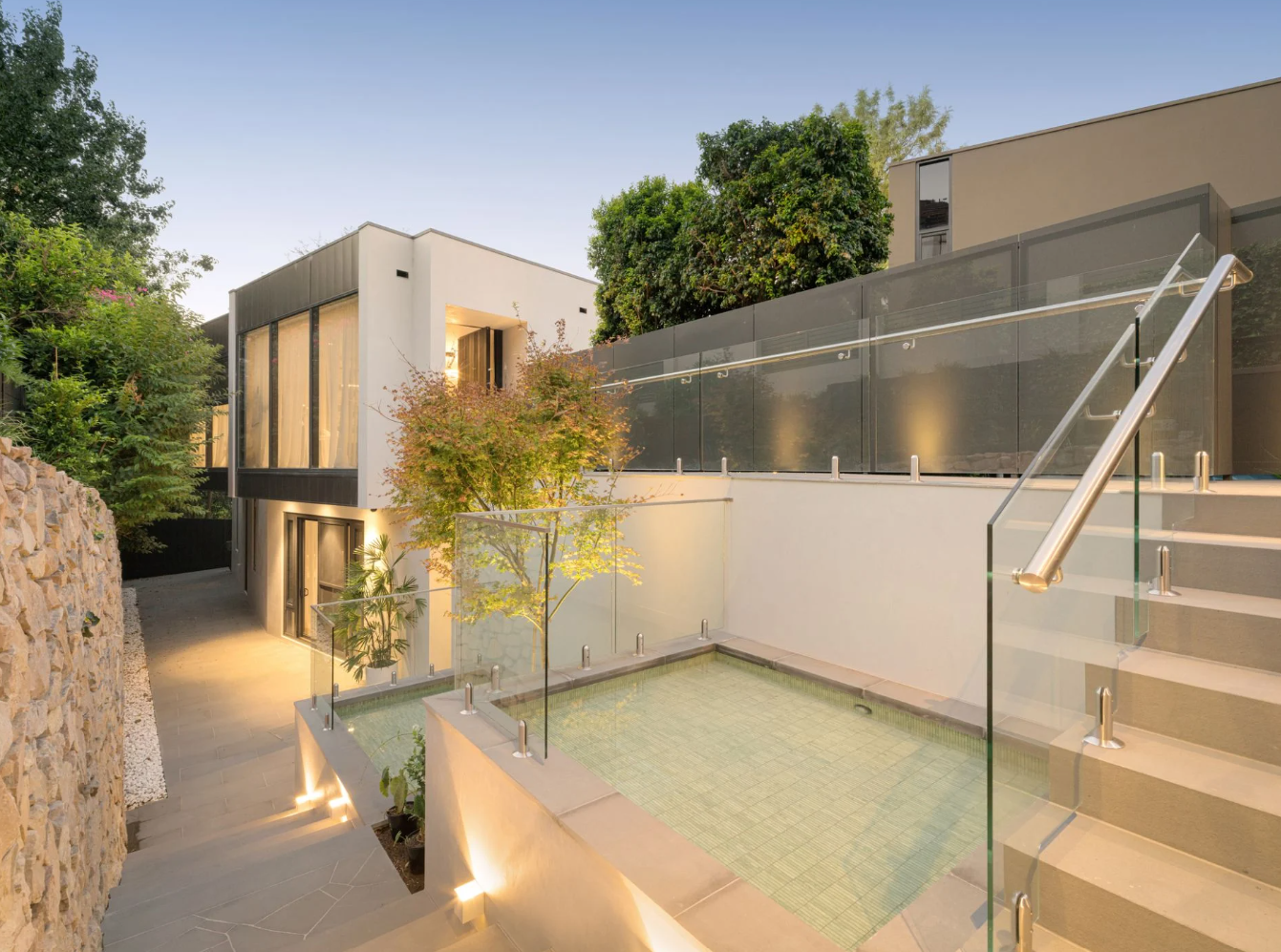
The design has earned Solara a nomination in the 2026 Master Builders Excellence in Housing Awards.
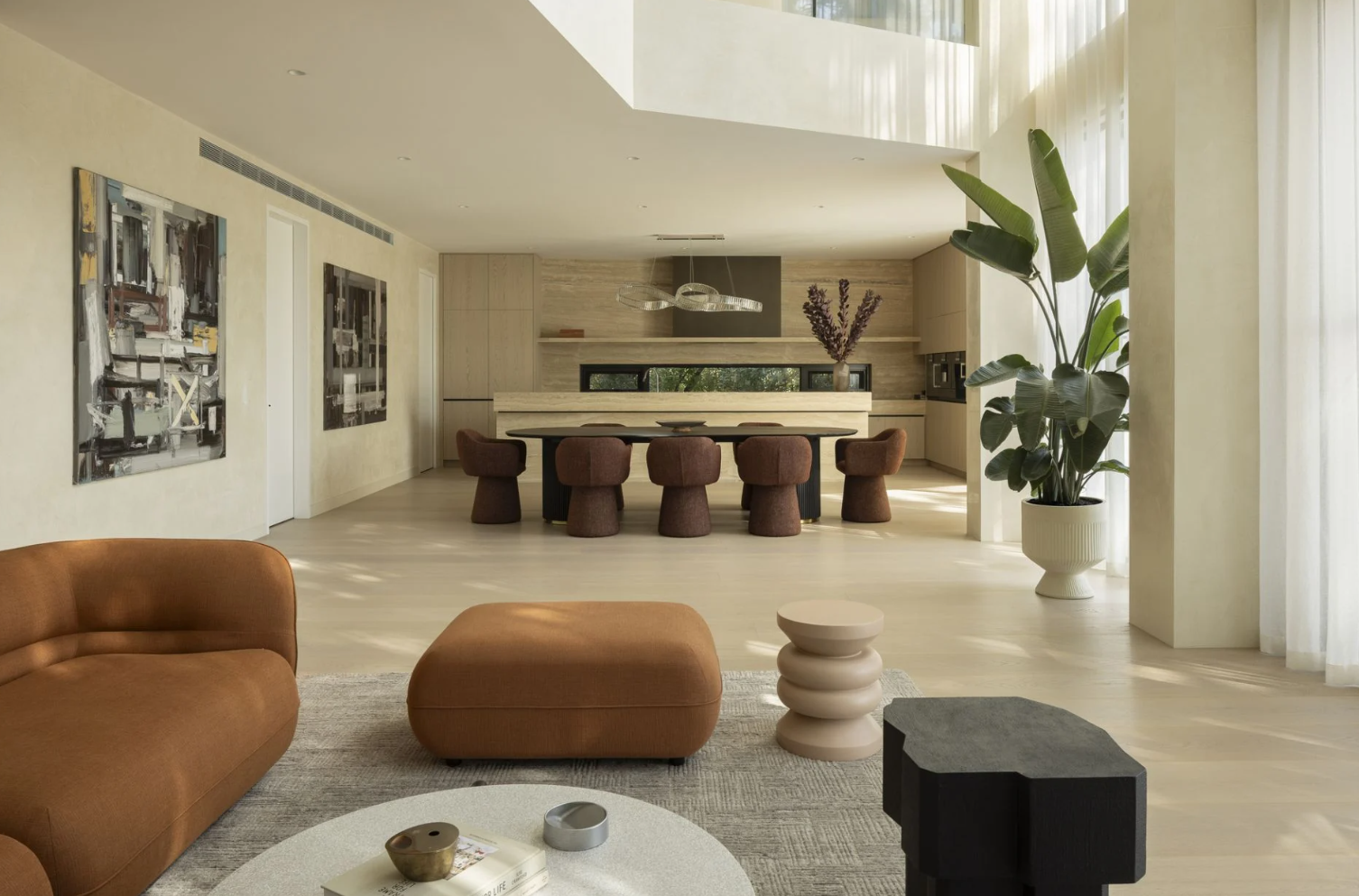
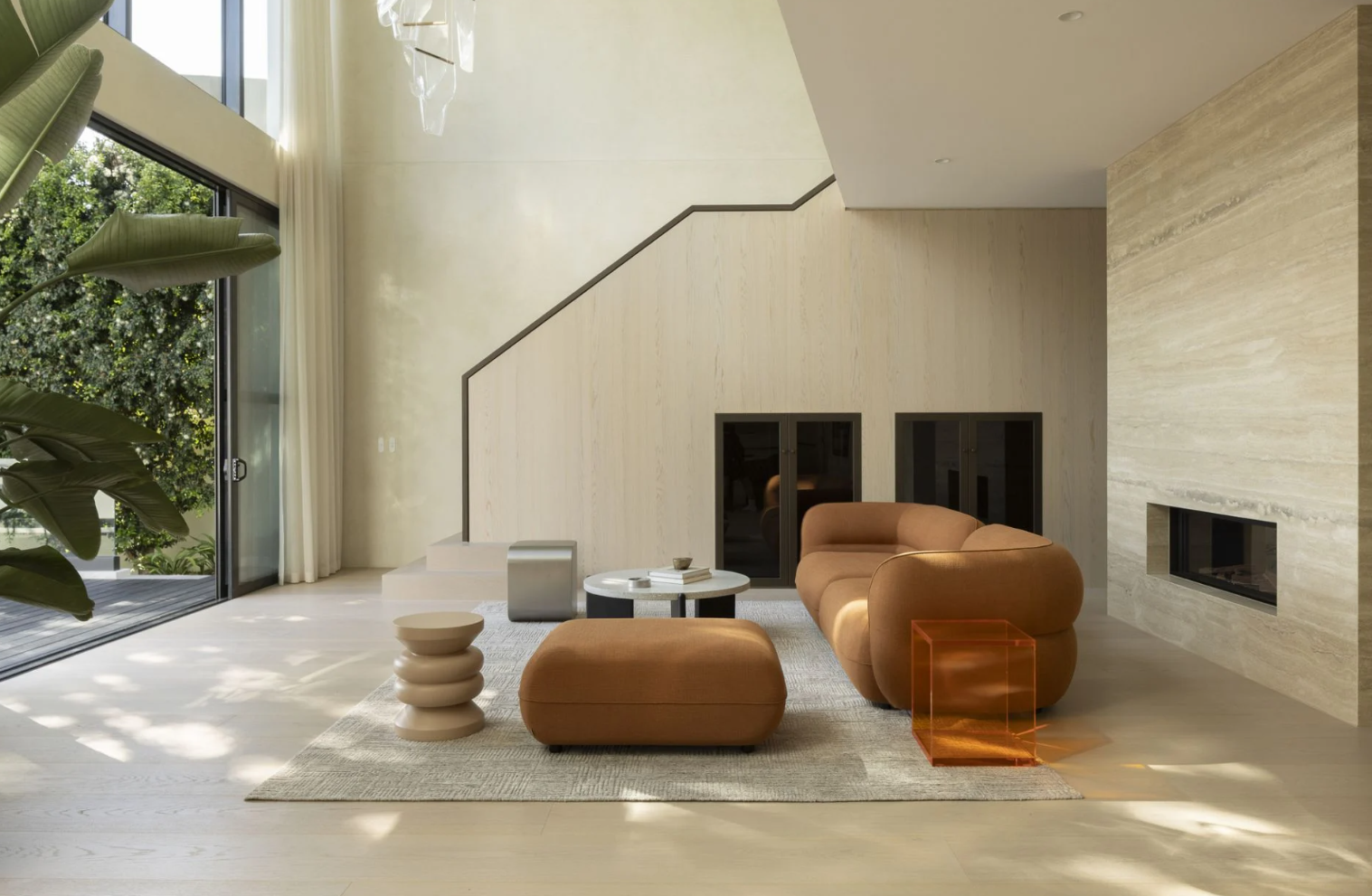
Inside, a restrained material palette allows texture, proportion and natural light to carry the design. Stone, timber, glass and finely detailed joinery establish a sense of permanence without overwhelming the river setting.
The principal living area is arranged beneath a dramatic double-height ceiling, giving the room the scale expected of a major Toorak residence while maintaining a strong connection to the garden and water.
Full-height glazing opens the house to its outlook, while multiple living and entertaining spaces allow the property to transition between intimate family use and larger gatherings.
A private resort beside the Yarra
Solara’s principal living spaces open onto an expansive river-facing terrace containing a swimming pool and spa.
The outdoor area has been positioned to take advantage of both the northern light and the relative seclusion of the riverbank. Mature landscaping provides another layer of privacy, softening the architecture and creating the atmosphere of a private resort.
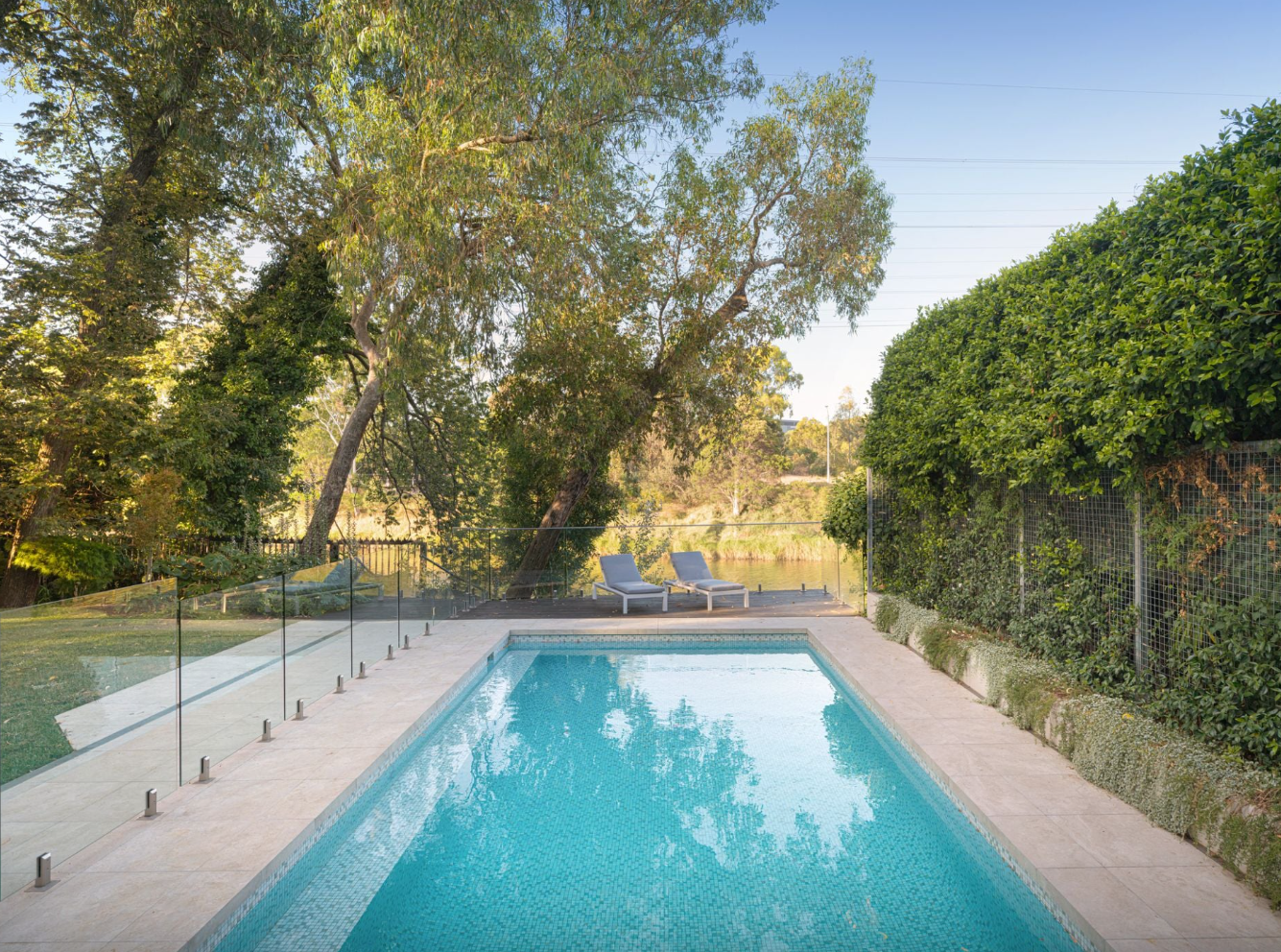
Below, the grounds continue towards the double-tiered jetty.
The residence also incorporates a dedicated wellness area and gym, reinforcing the sense that the home has been designed to provide a complete lifestyle within its boundaries.
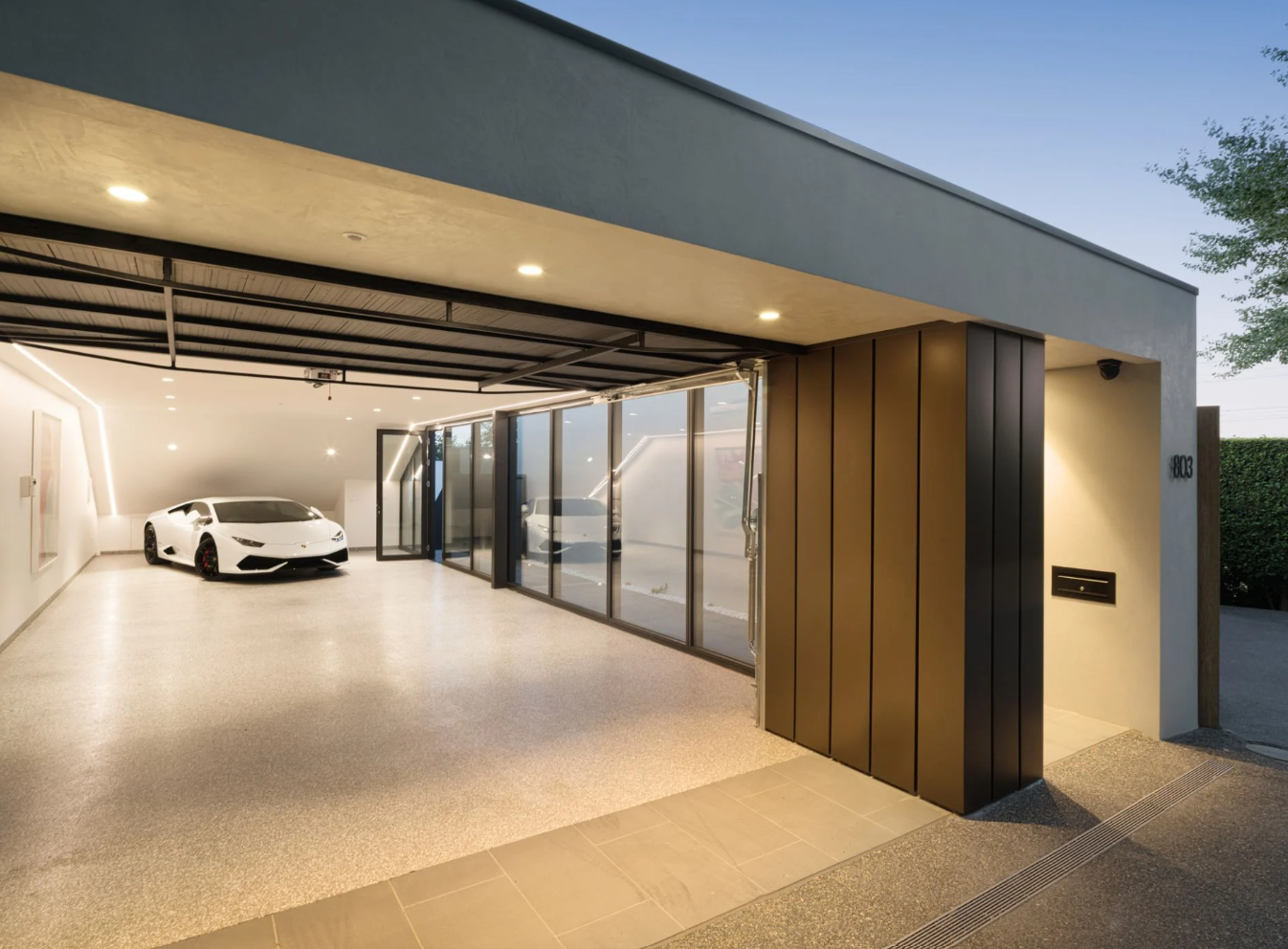
Its accommodation includes five bedrooms and six bathrooms, with the principal suite occupying a private domain of its own. The house also provides garaging for four cars—an important consideration in a property of this scale.
Across the residence, the emphasis is less on overt decoration than on volume, outlook and craftsmanship. Sightlines have been carefully managed so that the river is encountered repeatedly, rather than being confined to a single formal room.
A different expression of Toorak prestige
Toorak’s luxury market is often associated with historic mansions and large European-inspired estates. Solara represents a more contemporary interpretation of the suburb: architecturally ambitious, highly private and organised around lifestyle rather than formality.
Its position also places it within a particularly scarce segment of the market.
Riverfront homes have previously appeared along addresses including St Georges Road and Edzell Avenue, although they tend to remain in the same ownership for long periods. Even among these properties, private jetties and convenient access to the water are not universal.
That scarcity separates Solara from other prestige homes that may offer river views without actually reaching the river.
For buyers operating at the upper end of Melbourne’s residential market, the value proposition is therefore not simply the size of the house or its list of amenities. It is the combination of new architecture, substantial land, resort facilities and an attribute that cannot readily be recreated: private access to the Yarra from Toorak.
Solara is being marketed with a guide of $16.8 million to $18.3 million through Jamie Mi of Kay & Burton.
Property snapshot
Address: 803 Orrong Road, Toorak, Victoria
Guide: $16.8 million–$18.3 million
Agent: Kay & Burton agent Jamie Mi
Land: Approximately 1,129sqm
Accommodation: Five bedrooms, six bathrooms and four-car accommodation
Design: Alta
Builder: EASTON
Key features: Private jetty, direct river access, gym, indoor spa and double-height living volume
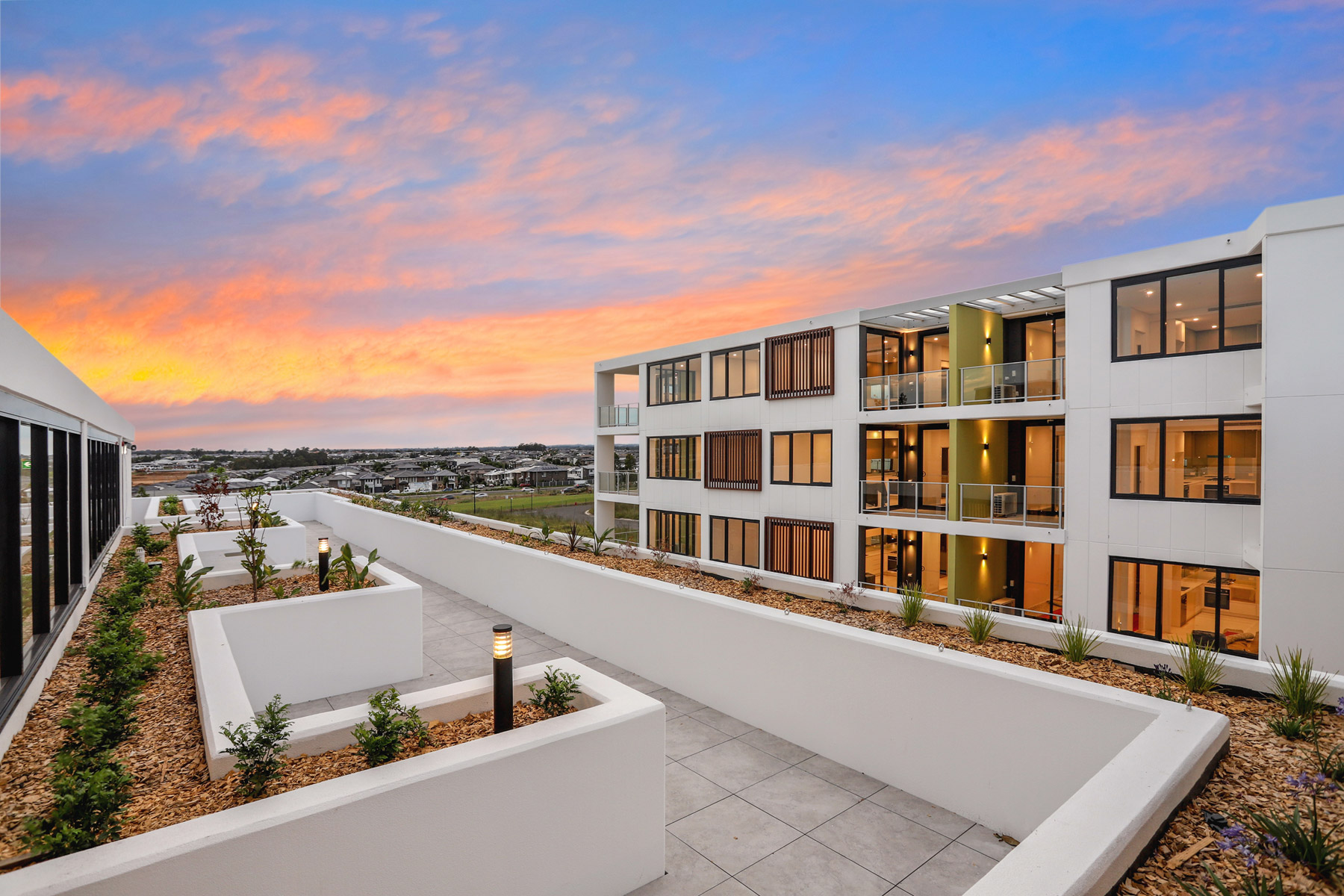
Ophora Tallawong has launched its final release of quality apartments priced under $700,000.

By improving sluggish performance or replacing a broken screen, you can make your old iPhone feel new agai