





Drew Barrymore Puts Westchester Home on the Market Two Years After Buying It
The actress, who felt a ‘spiritual calling’ to the Harrison, N.Y., property, is asking $4.99 million for the home.

 3 min
3 min
Two years ago, fed up with the long drive to the Hamptons, the actress and daytime talk-show host Drew Barrymore started looking for a weekend home in Westchester County.
When she saw a circa-1700s mansion for sale, Barrymore said, she felt a karmic connection to the Harrison, N.Y., property.
“I walked in, and I was, like, ‘I know my family’s been here. I know that I have to work on this house. I know that I’m supposed to be doing this,’” said Barrymore, 51 years old, who lives primarily in Manhattan with her two daughters. “It was like a strange, spiritual calling.”
It turned out she actually did have a connection to the area: Her great-aunt, the late actress Ethel Barrymore, had a home in nearby Mamaroneck, where an enclave known as Barrymore Lane is widely believed to be named for the family.
Barrymore bought the roughly 12-acre estate for $4.4 million, according to property records. She did an extensive renovation; she has a deep interest in interior design and has considered pursuing it professionally. “Between Pinterest, thrifting and a can of paint, there’s nothing you can’t do,” Barrymore said with a laugh.
But roughly two years later, the actress is listing the property for $4.99 million. The renovation took longer than expected, she said, and the family’s lives have changed in the interim.
The estate includes a roughly 5,600-square-foot, five-bedroom main house, a pool and a poolhouse with an additional bedroom, according to Kori Sassower of Compass.
Barrymore said she previously owned a home in Sagaponack, N.Y., but the distance from the city and the weekend traffic to the Hamptons became untenable as her children’s schedules filled up with social and sporting activities.
Harrison, by contrast, offered accessibility and charm. The property, located roughly an hour from Manhattan, is a short drive from picturesque Rye and Bronxville, while nearby Bedford has drawn celebrities. The median sales price for a home in Harrison is around $1.1 million, according to Redfin.
The property’s expansive acreage gave Barrymore a sense of being close to nature. “It’s really like being in your own personal park,” she said. “There are tons of deer. There are pheasants, there are ducks, there are rabbits.”
When she purchased the home, Barrymore said, she thought it would need only a cosmetic renovation. Instead, it turned into a “complete internal gut,” with much of the plumbing, heating and air conditioning replaced, she said.
Barrymore also revamped the ground floor to open up the kitchen, which felt dark and boxed in. “It took a year of engineering to figure out how to accomplish it,” she said.
Barrymore declined to comment on the exact costs of the renovation, but compared herself to actress Shelley Long’s character in the 1986 film “The Money Pit.”
Some of the rooms have maximalist patterned wallpaper, elaborate art walls and heavy, old-fashioned draperies. Others are minimalist. “Every little corner gets scrutinised for what it could be,” she said. “If I see a closet, it’s probably not a closet, it’s going to become some secret hideout for my kid, or I’m going to take the door off and turn it into a sculptural piece.”
In the home’s living room, Barrymore said she cycled through multiple paint colours, including pink and green.
“I painted it all green because I was dying for greenery. And then the summer came, and I was, like, ‘Oh, God, everything is green!’”
She spent time at the property even while it was under construction. When they didn’t have a kitchen, the family cooked dinner on a grill outside and drank boxed water, she said.
When workers were redoing the pipes, Barrymore couldn’t shower. “I lived in the house in the most primitive of scenarios,” she said. “It’s some of my favourite times and memories.”
When Barrymore celebrated her birthday at the property in February, she and two friends decided to grill for old time’s sake, even though the kitchen was fully functional.
“There we were in zero-degree weather with parkas, hoodies, gloves and face masks. But we were, like, ‘We gotta do it. It’s the tradition.”
Barrymore, who grew up in Los Angeles, stars in films like “Never Been Kissed,” “Riding in Cars With Boys” and “Charlie’s Angels.” Her eponymous daytime talk show launched in September 2020.
Sassower is listing the property with her colleague Brian K. Lewis in New York City.
 Copyright 2020, Dow Jones & Company, Inc. All Rights Reserved Worldwide. LEARN MORE




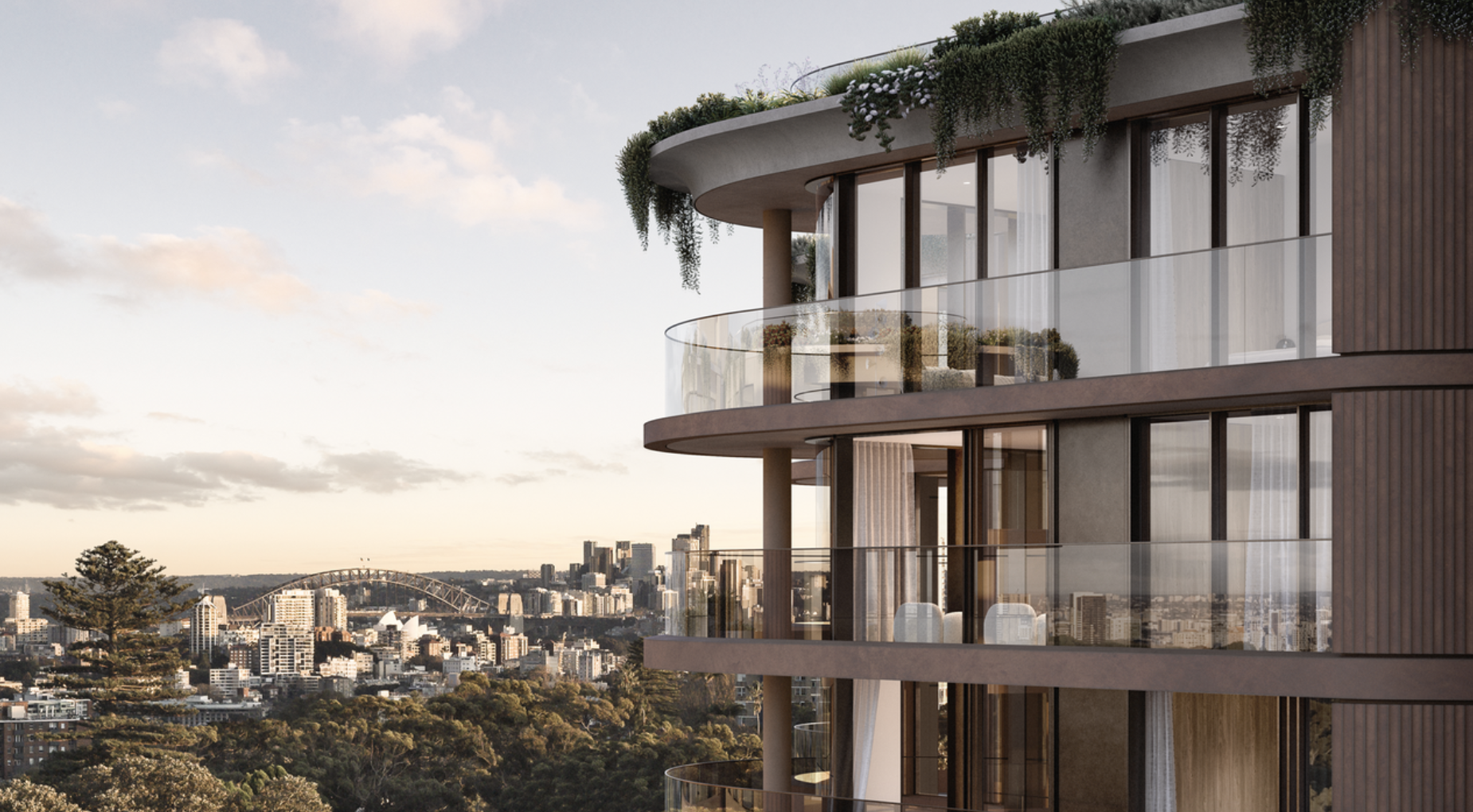
A record-breaking $11 million sale at The Centennial Collection has set a new benchmark for luxury apartment living in Bondi Junction.
As interest rates, inflation and market sentiment fluctuate, investors are being urged to focus on data, not panic.
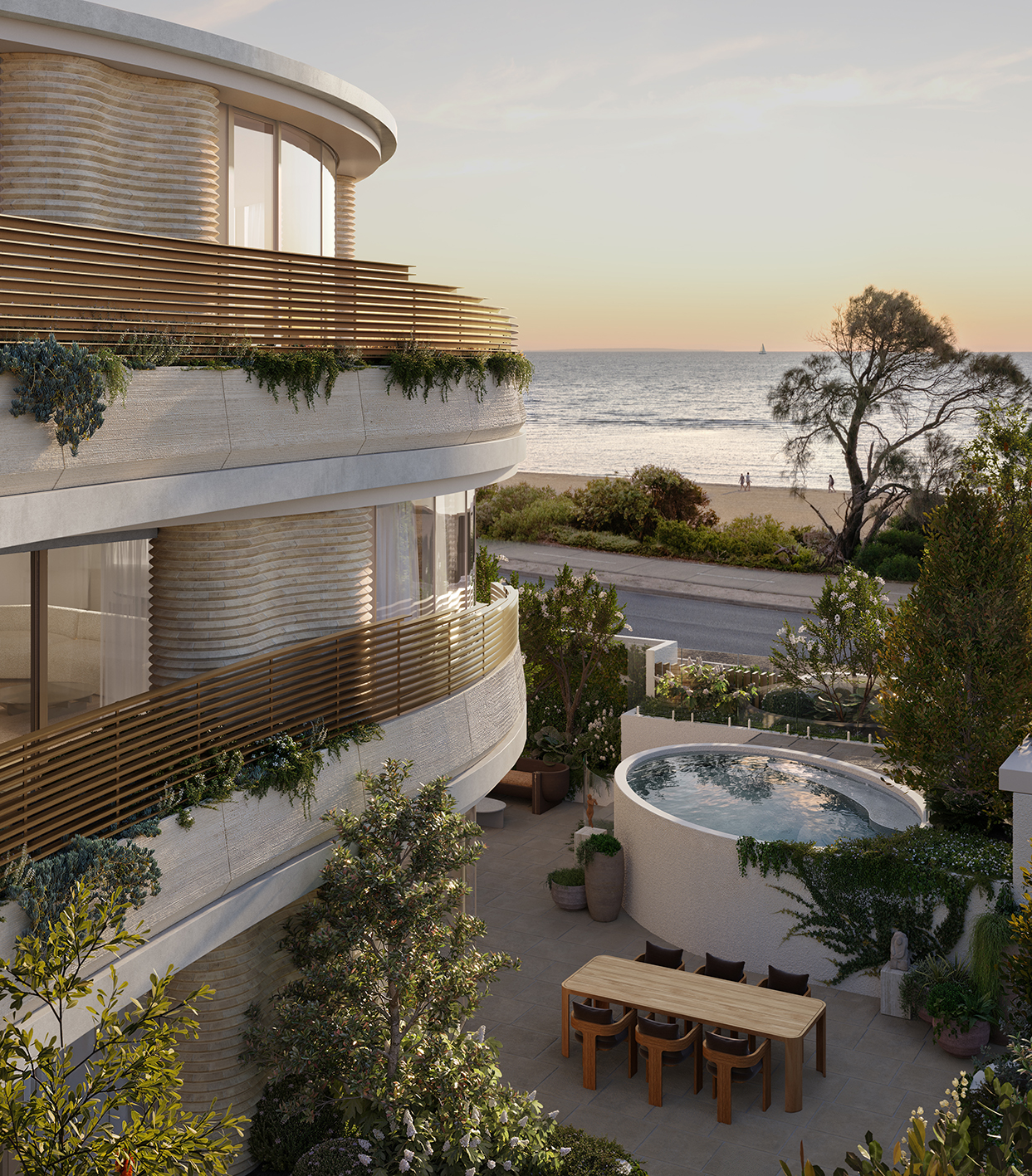
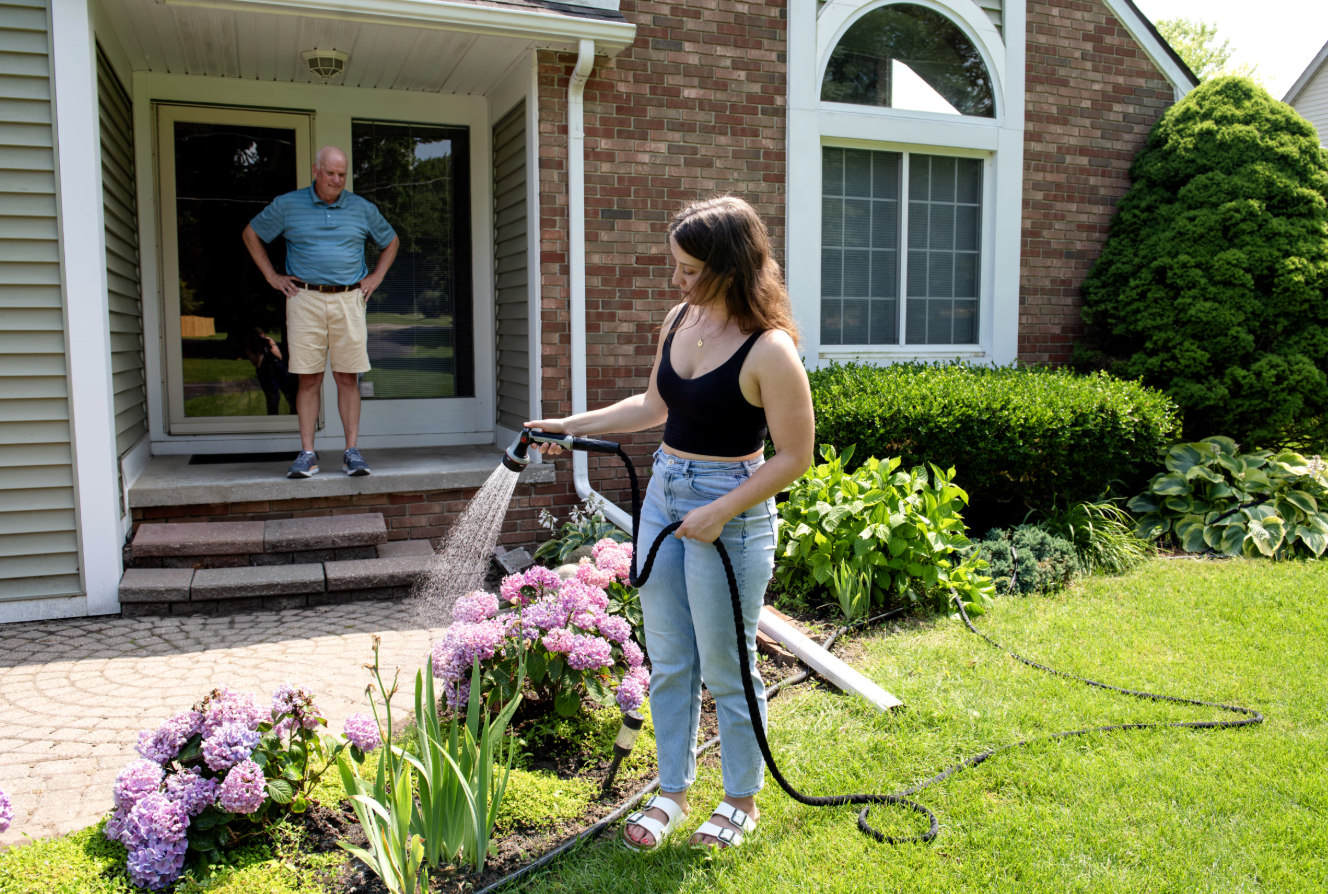
While many investors are waiting for commercial property prices to fall alongside the residential market, buyers’ advocate Abdullah Nouh says they’re looking at the wrong data, with demand strengthening across several commercial sectors.
2 min
For months, Australia’s property conversation has centred on falling house prices, higher interest rates and the impact of the Federal Budget on investors.
But according to Melbourne buyers’ advocate Abdullah Nouh, many investors expecting commercial property to follow the same path are overlooking what’s actually happening across the market.
“The biggest mistake investors are making is treating commercial property as one market that moves in one direction at one time,” Nouh says.
“Office towers, neighbourhood medical centres, industrial warehouses and childcare centres all respond to completely different supply and demand dynamics.”
Rather than experiencing a broad downturn, he says that parts of the commercial market continue to perform strongly, particularly sectors supported by essential services and with limited new supply.
Neighbourhood retail centres anchored by supermarkets and medical services have proven more resilient than many expected, while industrial property continues to benefit from tight supply in most major cities.
Medical centres, childcare assets and other essential service properties are also attracting sustained tenant demand despite higher borrowing costs.
Office markets, however, are telling a different story.
Premium buildings in well-connected locations are beginning to stabilise, Nouh says, while secondary office stock in oversupplied precincts continues to face pressure.
“This isn’t a story about commercial property going up or going down,” he says.
“It’s a story about asset selection mattering more than the headlines.”
The changing market is also altering the questions investors are asking.
Rather than focusing solely on buying another residential investment property, Nouh says more investors are now looking for higher rental income and improved cash flow.
“Instead of asking how to buy another investment property, investors are increasingly asking how they can generate more income from their portfolio,” he says.
He believes commercial property has become part of that conversation because it can deliver stronger rental returns while still offering long-term capital growth when quality assets are selected carefully.
However, Nouh warns investors against assuming every commercial property represents a sound investment simply because it offers a higher yield.
“I’ve seen commercial properties remain vacant for years because they’re in locations with weak business activity,” he says.
“A high yield isn’t necessarily evidence of a good investment. Sometimes it’s evidence of the opposite.”
Instead, he says investors should focus on the same fundamentals that have always underpinned successful commercial acquisitions, including tenant demand, constrained future supply, location quality and whether another tenant would readily occupy the property if the existing lease expired.
“The lease and the tenant both matter,” Nouh says.
“But neither replaces buying a quality asset in a quality location.”
As investors continue to assess the outlook for property following this year’s Budget changes, Nouh believes the biggest opportunity may lie in recognising that commercial property is not a single market.
“Property has never moved as one market,” he says.
“The better question isn’t whether commercial property will fall in the short term. It’s which assets are likely to be in greater demand over the next decade, and whether today’s market creates an opportunity that looks obvious in hindsight.”
A record-breaking $11 million sale at The Centennial Collection has set a new benchmark for luxury apartment living in Bondi Junction.

A luxury lifestyle might cost more than it used to, but how does it compare with cities around the world?


