SYDNEY’S UNDERGROUND DRINKING SCENE GETS A DISCO REVIVAL
Odd Culture Group brings a new kind of after-dark energy to the CBD, where daiquiris, disco and design collide beneath the city streets.
 2 min
2 min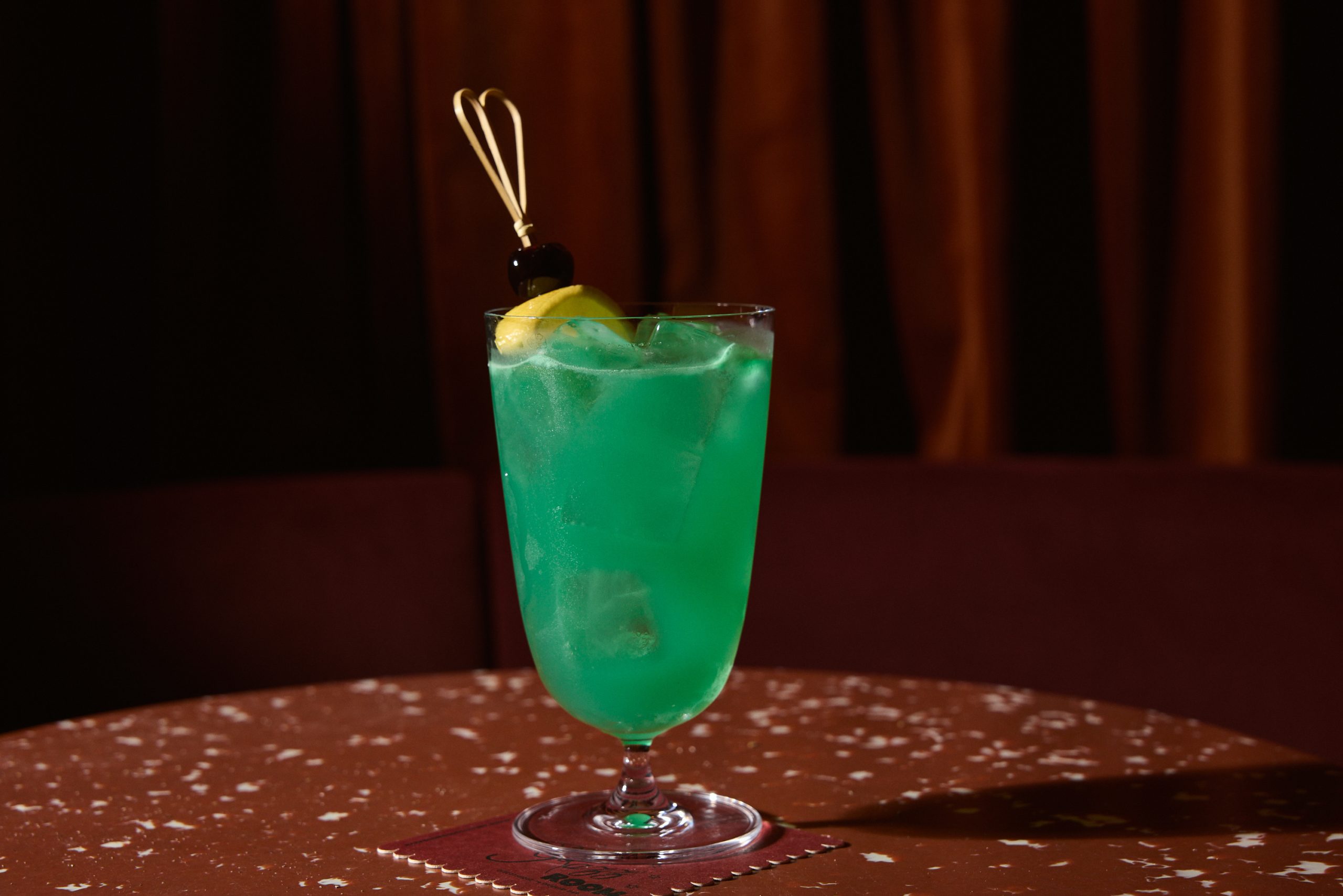
Sydney’s nightlife has long flirted with reinvention, but its latest arrival suggests something more deliberate is taking shape beneath the surface.
Razz Room, the new underground bar and disco from Odd Culture Group, has opened in the CBD, marking the group’s first step into the city centre.
Tucked below street level on York Street, the venue blends cocktail culture with a shifting, late-night rhythm that moves from after-work drinks to full dancefloor immersion.
The space itself is designed to evolve over the course of an evening. An upper bar offers a more intimate setting, suited to early drinks and conversation, while a sunken dancefloor anchors the venue’s later hours, with a rotating program of DJs and live performances.
“Razz Room will really change shape throughout a single evening,” says Odd Culture Group CEO Rebecca Lines.
“Earlier, it’s geared towards post-work drinks with a happy hour, substantial food offering, and music at a level where you can still talk.”
As the night progresses, that tone shifts.
“As the evening progresses at Razz Room, you can expect the music to get a little louder and the focus will shift to live performance with recurring residencies and DJs that flow from disco to house, funk, and jazz,” Rebecca says.
The concept draws heavily on New York’s underground club scene before disco became mainstream, referencing venues such as The Mudd Club and Paradise Garage. But the intention is not nostalgia.
“The space told us what it wanted to be,” Lines explains. “Disco started as a counter culture… Razz Room is no nostalgia project, it’s a reimagining of the next era of the discotheque.”
Design, too, plays its part in shaping the experience. The upper level is warm and textural, with timber finishes and burnt-orange tones, while the sunken floor shifts into a more theatrical mood, combining Art Deco references with a raw, industrial edge.
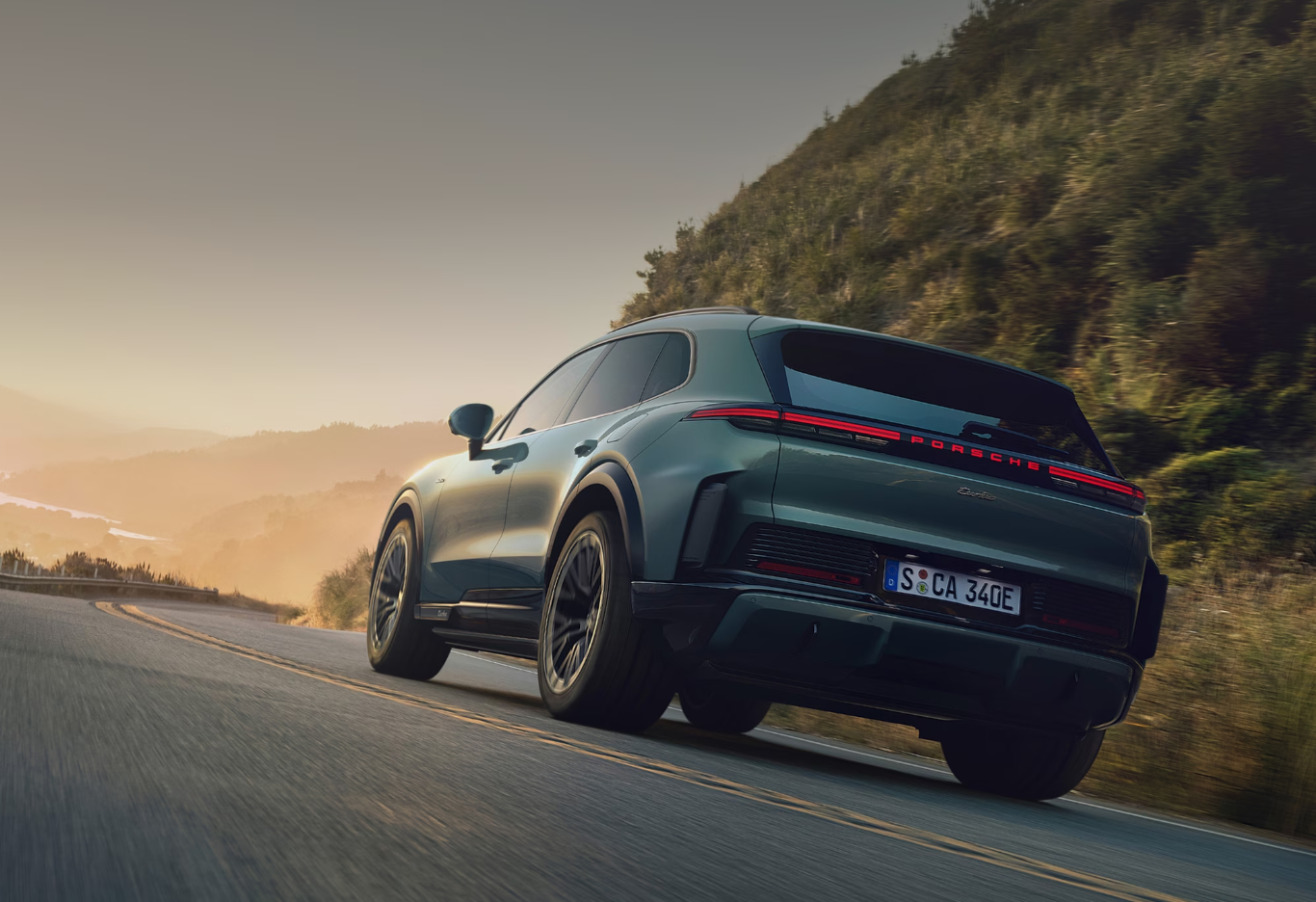
Porsche’s Cayenne Turbo Electric produces up to 1,156PS and reaches 100km/h in a claimed 2.5 seconds.
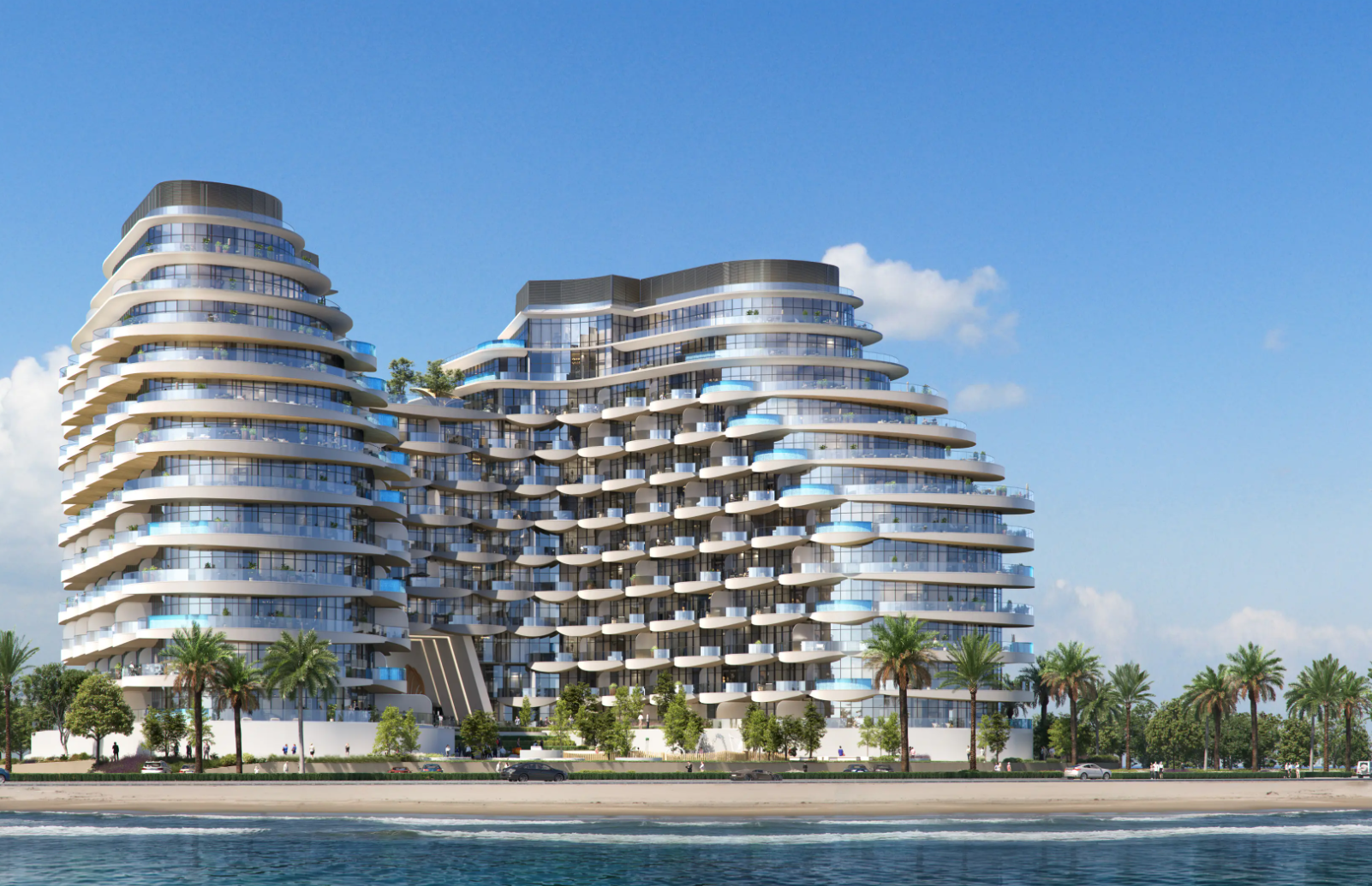
BNW Developments has established a Sydney presence, joining Arada and Sobha Realty among the growing number of UAE developers pursuing Australian buyers and development opportunities.
Dolly Parton’s former Hollywood Hills residence has hit the market for $7.95 million. The nearly 4,700-square-foot home features four bedrooms, panoramic city-to-ocean views, a pool and spa, library, media room and private outdoor spaces.
2 min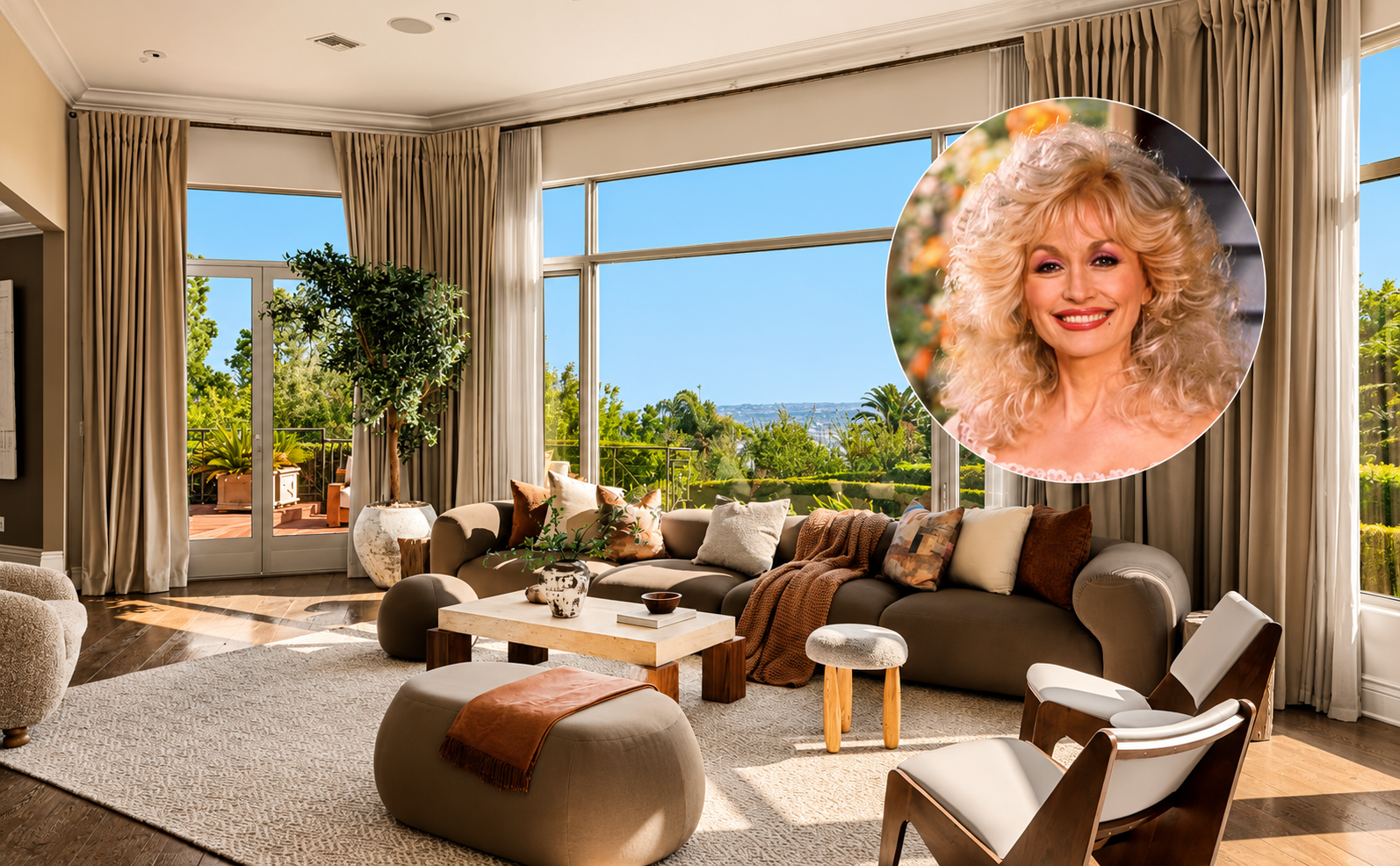
A residence in the Hollywood Hills that was once home to the late Dolly Parton has hit the market for $7.95 million.
The country singer and her late husband, Carl Dean, bought the house in 1985 for $750,000 and sold it in 1990 for $1.2 million, according to listing records.
The property, aptly known as the Dolly Parton House, hasn’t been on the market for 25 years, according to the listing with Edward Tinney of Nourmand & Associates and Kurt Rappaport of Westside Estate Agency.
It’s unlikely Parton and Dean would recognize the house as it stands today though; it was rebuilt in 2009, and upgraded further in the years since, the listing said.
Across its almost 4,700 square feet, the house has living and dining rooms with walls of glass that frame the views that stretch across the city to the Pacific Ocean.
MORE: Flea of the Red Hot Chili Peppers Puts Heptagonal California Home Up for Sale
There’s also a library and media room, a family room and an eat-in kitchen. There are four bedrooms, including the primary suite, which has a coffee bar, a fireplace, two bathrooms, a space for an office or gym, a walk-in closet and a private deck.
Outside, there’s a pool and spa, with space for outdoor dining and entertaining. Plus there’s a two-car garage, electrical infrastructure for an EV charger and a Zen trail, according to the listing.
The seller, who couldn’t be reached for comment, paid $2.05 million for the home in 2001, records with PropertyShark show.
MORE: Tiger Woods’s Mini-Golf Business Partner Lists South Florida Home for $18.5 Million
Parton died on August 25 at the age of 80 after a battle with cancer.
She released 50 studio albums over the course of her career—resulting in 27 gold and platinum albums—and starred in films including “9 to 5,” “The Best Little Whorehouse in Texas” and “Steel Magnolias.”
A philanthropist, she was behind the Imagination Library, which donated more than 200 million books to children around the world. In 2020, she helped fund early research for Moderna’s Covid 19 vaccine with a $1 million donation to Vanderbilt University.

From snow-dusted valleys to festival-filled autumns, Bhutan reveals itself as a rare destination where culture, nature and spirituality unfold year-round.

A cluster of century-old warehouses beneath the Harbour Bridge has been transformed into a modern workplace hub, now home to more than 100 businesses.