WHEN THE HIGHLANDS ARE CALLING
Rugged coastal drives and fireside drams define a slow, indulgent journey through Scotland’s far north.
 5 min
5 min
The lure of the Scottish Highlands is hard to ignore. Rugged scenery, warm hospitality and single malts all conspire to draw people from around the world to this beautiful part of the UK.
Driving is the only way to take in everything the Highlands has to offer truly, and the North Coast 500, an 830km drive around the northern coastline of Scotland, is the perfect framework for doing so.
The biggest decision when starting out on the NC500, as it’s known, is whether to go clockwise or anticlockwise.
No matter which direction you decide upon, you can start or finish your trip at Links House at Royal Dornoch.
Situated just an hour north of Inverness, considered the heart of the Highlands and the beginning (or end) of the drive, it’s the sort of place where you can stop, breathe, and soak in the best of Highlands hospitality.
“We want people to coorie in,” says managing director Phil Scott, explaining this Scottish phrase as “Highland hygge” after the Danish word we know to mean nestling in comfortable surroundings, enjoying simple pleasures.
“It’s an opportunity to come and have a lovely dinner, stay in a warm room, have those fireside moments and enjoy a dram (of whisky).”

Golfers’ Retreat
Links House was established as a golfers’ retreat in 2013, situated as it is less than 100m from the first tee at Royal Dornoch Golf Club, whose coastal Championship Course is currently placed in the number two spot on Golf Digest’s World’s Greatest Courses biennial ranking.
Today, it’s considered a luxury destination in its own right and was recently named among the Top 50 Boutique Hotels in the UK.
The hotel comprises two buildings, a beautifully appointed 1843 manse house, and a new building across the way created for the new hotel.
The total number of rooms in this boutique hotel is just 15. Each is furnished with antique touches and contemporary comforts, with exceptional works of art and Scottish accents, including the ubiquitous tartan blanket.
The spacious Mallart penthouse sits atop the new building, essentially a full apartment that invites pure, indulgent relaxation.
The hotel’s restaurant, Mara, is named for the Scottish Gaelic word for “the sea”. Its menu is built on what the hotel calls S4+0—which translates as Scottish, seasonal, sustainable, slow with an aim to achieve zero waste.
In terms of ingredients, that includes a focus on locally sourced seafood, meat and game, including hand-dived Orkney scallops, Sutherland venison and Clashmore pheasant.
The “minimal intervention” menu, overseen by executive chef Theo Creton, last year saw the restaurant receive two AA Rosettes.
“There’s a sense of informality, but everything is delivered with a five-star respect for the food and the guests,” says Scott.

Drinks with other guests before dinner is encouraged, just as you would enjoy if invited to a friend’s home for a weekend stay. And if you’d like a wee dram after dinner, you can do so with a round of Scrabble or a fireside chat.
Where once 90 per cent of guests came for the golf, Scott says that since Covid, that number has inverted to just 10 per cent.
And given all the traditional pursuits that the Highlands has to offer, fishing, stalking and falconry for starters, these can also be organised by the hotel with local exponents.
For those less enamoured of outdoor pursuits, there are organised options such as “Retail and Relaxation” – taking in a local shopping experience in Dornoch, including antiques, bookshops and beauty retailers, followed by rejuvenating treatments at Aspen Spa.
Inland drives
If you want to take control of your own adventures, a two- or three-day stay at Links House will give you the perfect vantage point for some inland drives before continuing on the NC500.
Loch Ness is just a half-hour drive southwest from Dornoch, where the vast expanse of water still shows no sign of that mythical monster (at least on the day that we visited).
Along its northern side sits the ruins of Urquhart Castle, a medieval fortress that was once one of the largest castles in Scotland.
Today, walking through the remnants of stone-walled rooms and taking in the remains of Grant Tower, you can only imagine the blood that was shed between the Scots and the English as they fought over this stronghold during the Wars of Independence.
The replica trebuchet gives an idea of how war was waged in medieval times, with enormous rocks catapulted towards the enemy.
The drive south to the Cairngorms National Park takes a little over an hour and offers plenty of scenic treasures, from spotting deer to taking in the grounds of Balmoral Castle, one of several castles in the park.
Indeed, castle ruins seem to appear around every bend in the Highlands, overlooking every loch, acting as constant reminders of the rich and often bloody, history of this tiny country.
Just 15 minutes away from Links House across Dornoch Firth is Glenmorangie, one of the myriad whisky distilleries to be sampled across Scotland.
Even without a full tour, you can take in a thorough history of the brand, where you’ll also learn that you may have been mispronouncing it all these years… (For the record, it’s Glenmorangie, like orange-y.)
Depending on your level of fandom, James Bond tragics might also be tempted to drive three hours southwest from Links House to Glen Coe, where you can take the same scenic route as Daniel Craig and Judi Dench when they go off-grid in Skyfall.
The beauty of the unfolding landscape is breathtaking, its lush peaks covered in grass, ferns and heather, ominous clouds looming overhead, and tiny waterfalls winding down hillsides like tears down a craggy face.
This is picture-perfect Highlands. (To add another Bond attraction later in your NC500 itinerary, you can wander through Eilean Donan Castle, which stood in for the MI6 Scottish HQ in The World is Not Enough.)
Wherever your journey takes you, returning to Links House after a day of driving and sightseeing is nothing short of a tonic.
Taking a long bath, enjoying a delicious meal at Mara, and then that wee dram by the fire is exactly what Highlands dreams are made of.
Leaving is the hardest part, even knowing that more adventures lie ahead in the Highlands.
When Scott sends you off with that traditional Scottish farewell, “Haste ye back,” you feel sure you’ll come back again.
The writer was a guest of Links House and Visit Scotland. This article appeared in the Autumn 26 issue of Kanebridge Quarterly, which you can buy here.

Technology and semiconductor shares fell sharply as investors questioned the debt financing the AI infrastructure boom and confronted higher rates and Chinese competition.
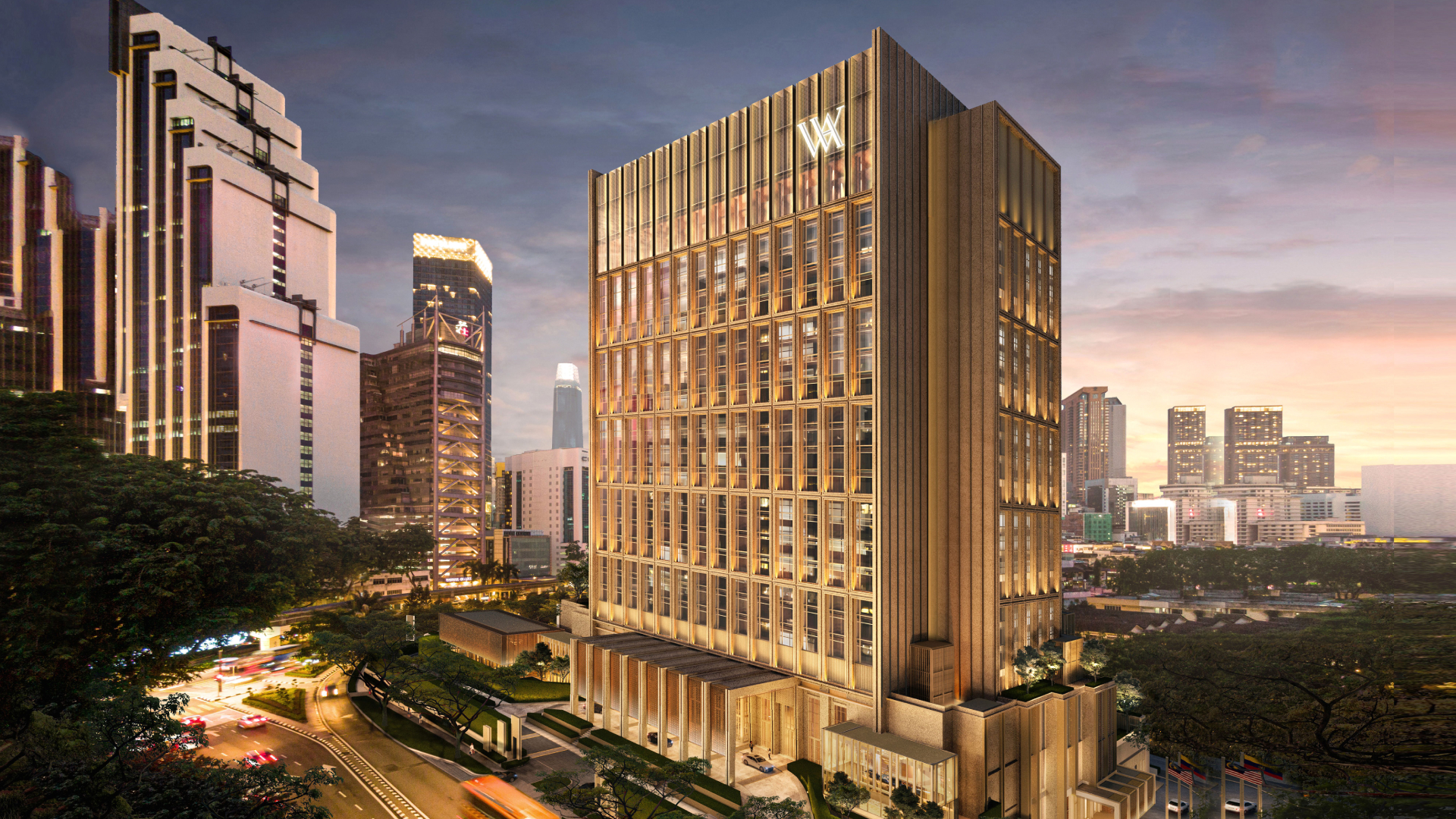
Waldorf Astoria Kuala Lumpur is scheduled to open on 30 October, introducing the Hilton luxury brand to Malaysia with an all-suite hotel in the city’s Golden Triangle.
Waldorf Astoria Kuala Lumpur is scheduled to open on 30 October, introducing the Hilton luxury brand to Malaysia with an all-suite hotel in the city’s Golden Triangle.
4 minKuala Lumpur will welcome a significant new luxury address this month when Waldorf Astoria opens its first hotel in Malaysia.
Scheduled to receive its first guests on 30 October, Waldorf Astoria Kuala Lumpur is an all-suite hotel occupying a reimagined address in the capital’s Golden Triangle district.
Its position at 73 Jalan Raja Chulan places it close to Bukit Bintang, Pavilion Kuala Lumpur and the Petronas Twin Towers. For international visitors, that means many of the city’s principal shopping, dining and business destinations will be within easy reach.
The property will contain 268 suites, with even its entry accommodation conceived on a scale more readily associated with serviced residences.
One-bedroom suites begin at approximately 80sqm, providing separate living and sleeping areas suitable for both short visits and extended stays. At the top of the collection is the 745sqm Waldorf Astoria Suite, which will rank among Kuala Lumpur’s largest hotel accommodations.
Floor-to-ceiling windows will bring the city into the rooms, while the interiors combine generous living spaces, subdued textures and a contemporary interpretation of Malaysian design.
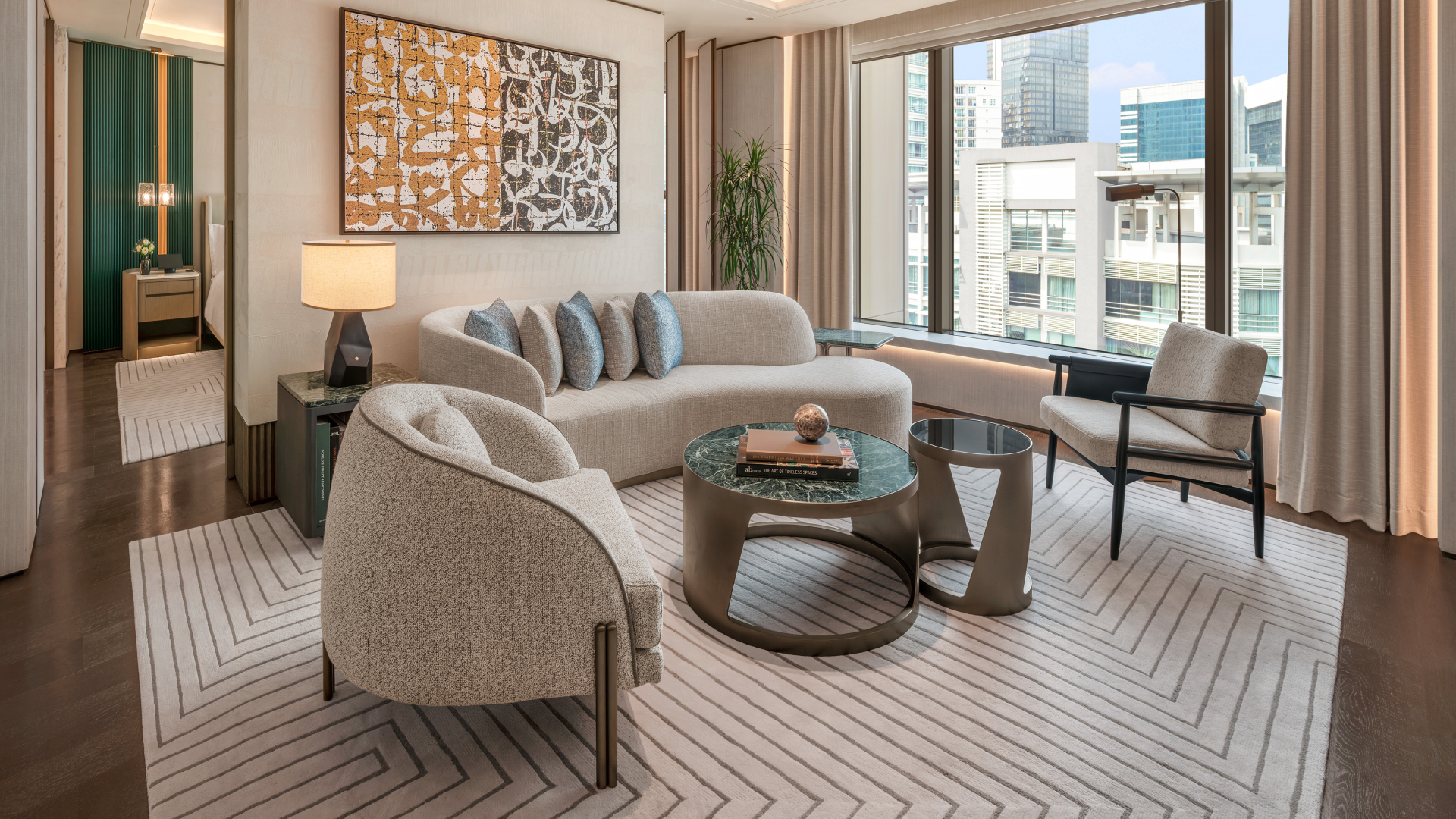
The all-suite model is an important distinction. Luxury city hotels increasingly compete not only on service and location but on the amount of private space they give guests. For travellers accustomed to villas, residences and apartment-style accommodation, a conventional hotel room can feel restrictive regardless of how beautifully it is finished.
Waldorf Astoria Kuala Lumpur is responding with rooms intended to function as private urban retreats rather than simply places to sleep.
The hotel’s approach to service will be shaped around what it calls Layan Tetamu, a reinterpretation of the Malaysian tradition of welcoming and caring for guests. Hilton describes the philosophy as sincere, intuitive and highly personalised.
Food and beverage will be central to the hotel’s ambitions to become a destination for Kuala Lumpur residents as well as international guests.
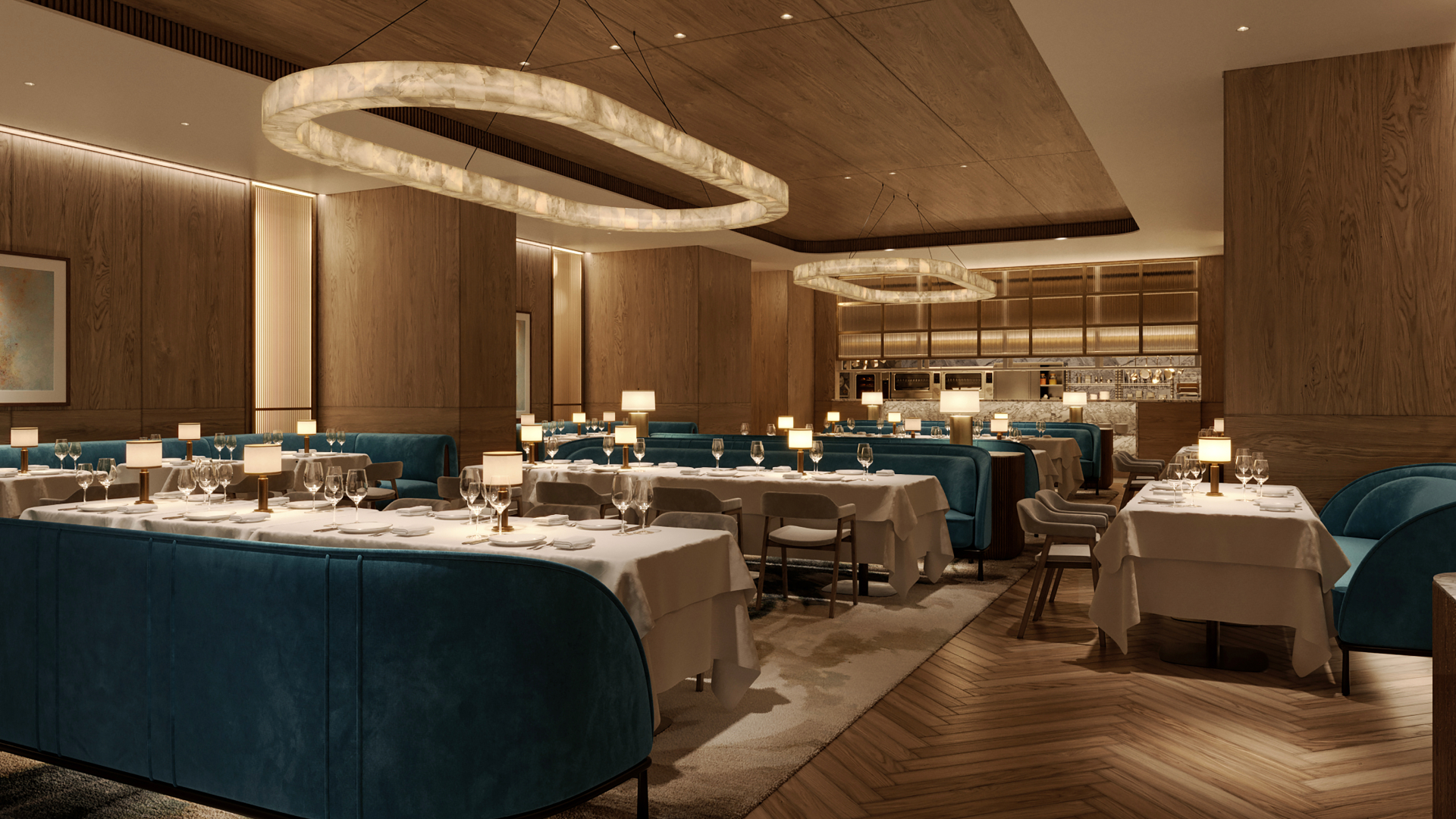
The dining program includes collaborations with Garima Arora and Jean-Georges Vongerichten.
Arora became the first Indian woman to receive a Michelin star and is known for using modern techniques to explore ingredients and culinary traditions from across Asia. Vongerichten oversees an international collection of restaurants and is recognised for combining French technique with influences drawn from Asia and other parts of the world.
One of the hotel’s principal venues will be JG KL by Jean-Georges Vongerichten. The wider collection will encompass formal destination restaurants and more intimate social spaces, each intended to have its own identity rather than operate as a generic hotel outlet.
Wellness will be anchored by the Waldorf Astoria Spa and a separate wellness centre. The announced program includes personalised rituals, advanced treatments and facilities dedicated to exercise and recovery.
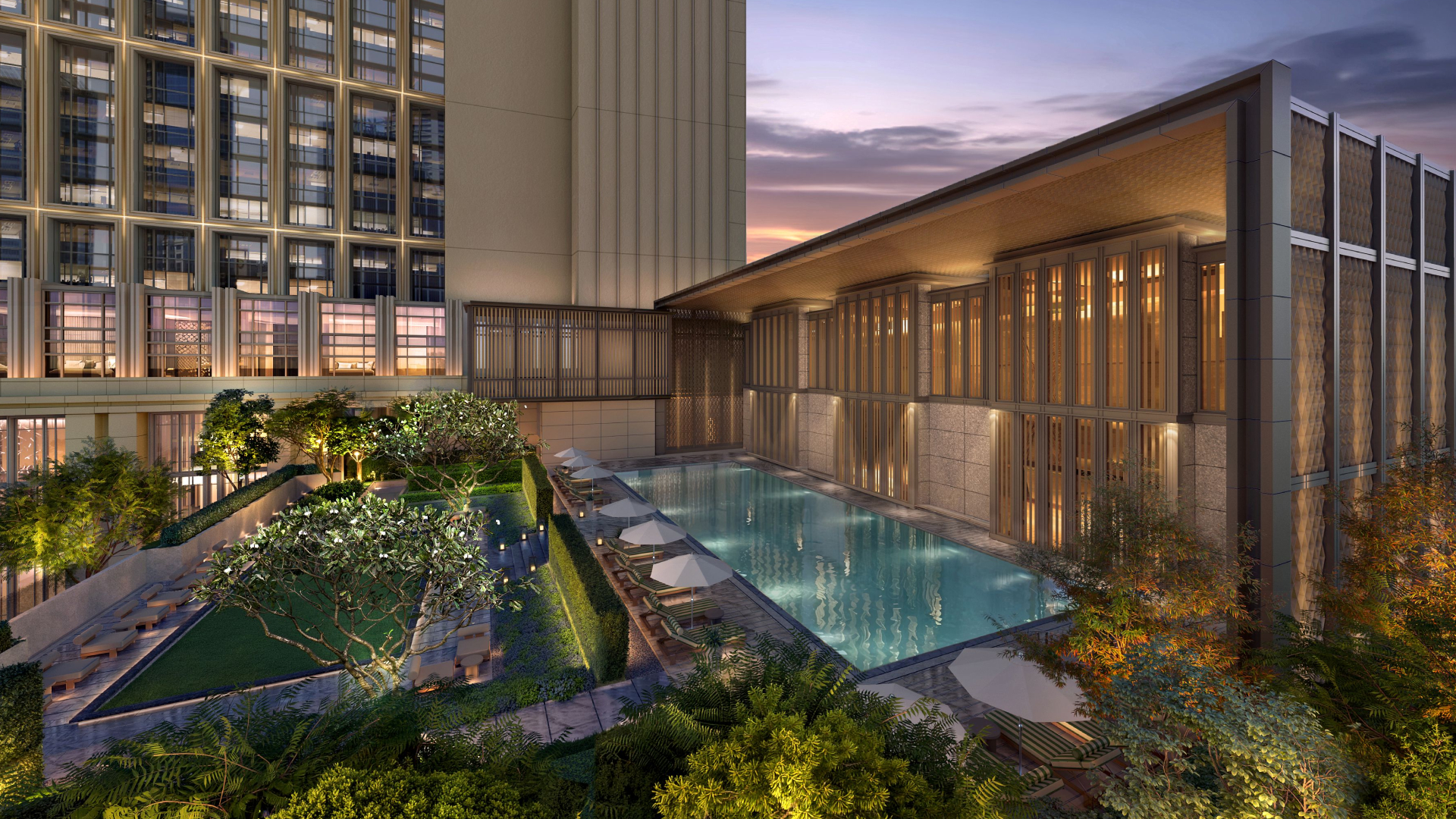
An outdoor swimming pool provides another retreat from the surrounding city, while the hotel will include event spaces designed for weddings, celebrations and major social occasions.
The result is intended to be more than a base for tourists. By combining large suites, restaurants led by internationally recognised chefs, wellness facilities and event venues, Waldorf Astoria is positioning the hotel as part of Kuala Lumpur’s social and dining landscape.
The opening also highlights the growing depth of luxury hospitality in the Malaysian capital.
Kuala Lumpur has traditionally provided compelling value compared with cities such as Singapore, Hong Kong and Tokyo. Room sizes are often more generous, while dining, spa treatments and private transport can remain comparatively accessible to Australian travellers.
The arrival of Waldorf Astoria adds another top-tier international brand to that equation. It also brings the brand’s residential style of hospitality to a city well positioned for stopovers, business trips and longer Southeast Asian itineraries.
Reservations are already open. The introductory Waldorf Astoria Indulgence Escape includes breakfast and 15,000 Hilton Honors points for members booking a minimum stay of two nights.
As with any newly opened hotel, early guests should confirm which restaurants, treatments and facilities will be operating during their stay. Major luxury properties often open in stages, with parts of the dining or wellness program introduced over the months that follow.
If the experience matches the scale of its suites and the strength of its culinary partnerships, Waldorf Astoria Kuala Lumpur could establish itself quickly as one of the city’s most important luxury hotels.
Hotel summary
Hotel: Waldorf Astoria Kuala Lumpur
Opening: 30 October 2026
Address: 73 Jalan Raja Chulan, Bukit Bintang, Kuala Lumpur
Accommodation: 268 suites
Suite sizes: From approximately 80sqm
Largest accommodation: The 745sqm Waldorf Astoria Suite
Dining collaborators: Garima Arora and Jean-Georges Vongerichten
Facilities: Waldorf Astoria Spa, wellness centre, outdoor pool, restaurants and event spaces
Opening offer: Breakfast and 15,000 Hilton Honors points for qualifying two-night stays
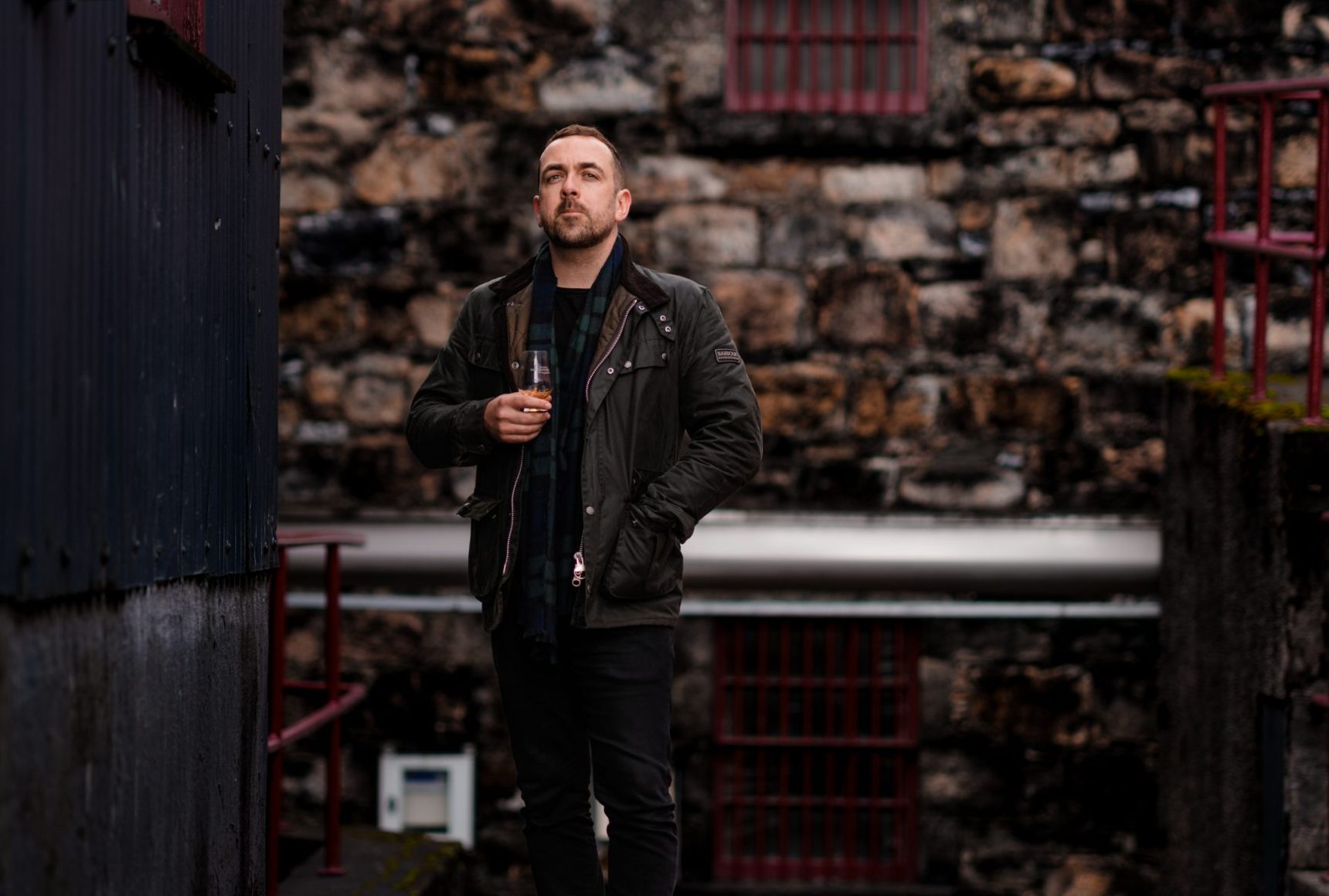
Scotch whisky expert, luxury hospitality strategist and Keeper of the Quaich inductee Ross Blainey is bringing a new philosophy of luxury experiences to Citizen Kanebridge.

From gorilla encounters in Uganda to a reimagined Okavango retreat, Abercrombie & Kent elevates its African journeys with two spectacular lodge transformations.