Hobart Trophy Home Targets $15m
A landmark Sandy Bay estate with deep history, riverfront position and resort-style grounds returns to market with record-breaking ambitions.
 2 min
2 min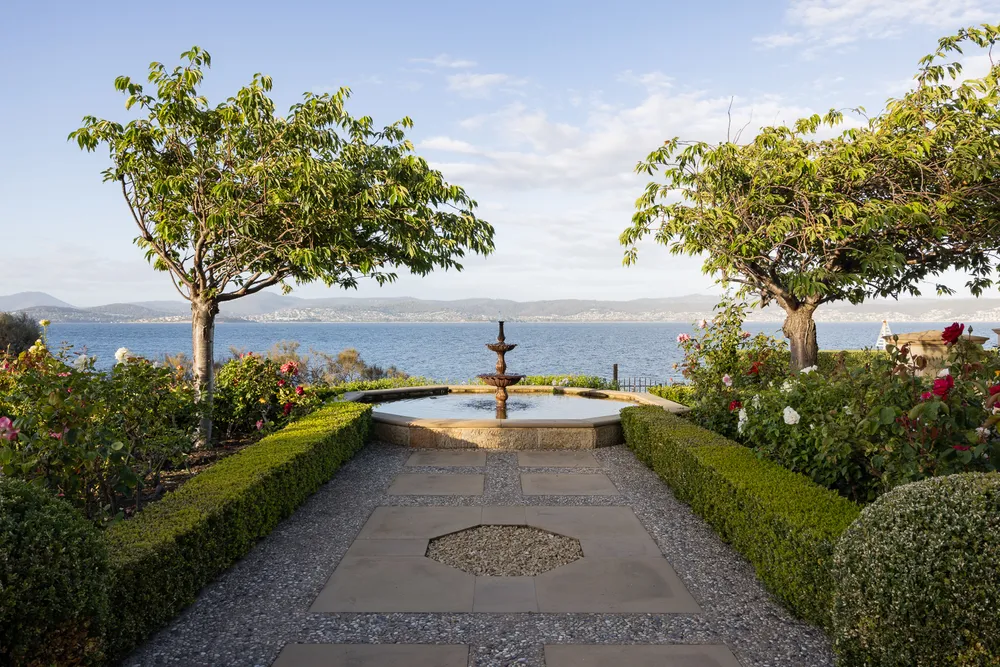
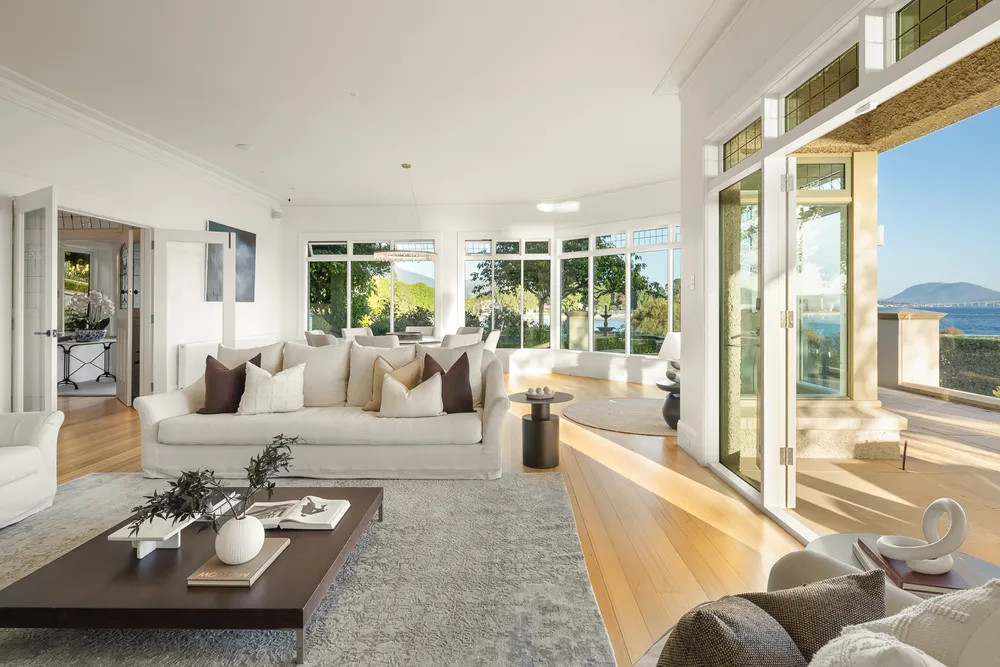
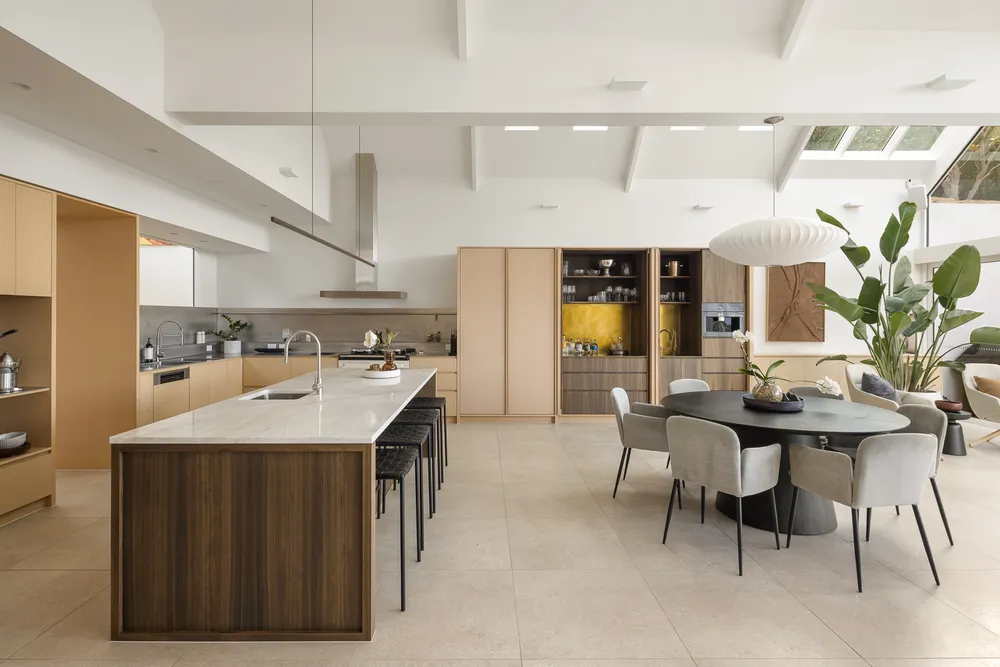
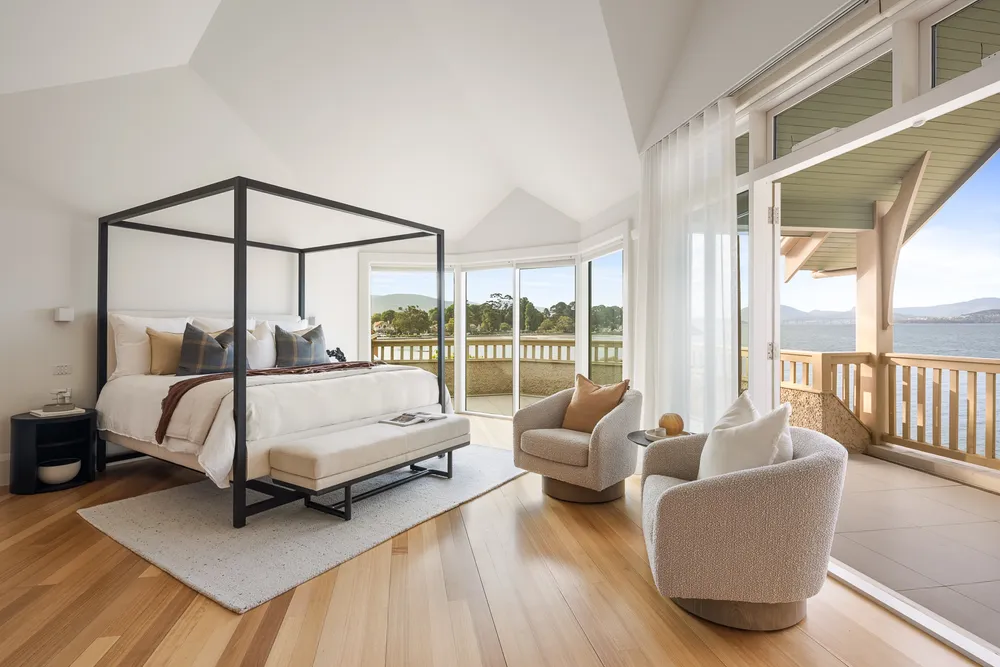
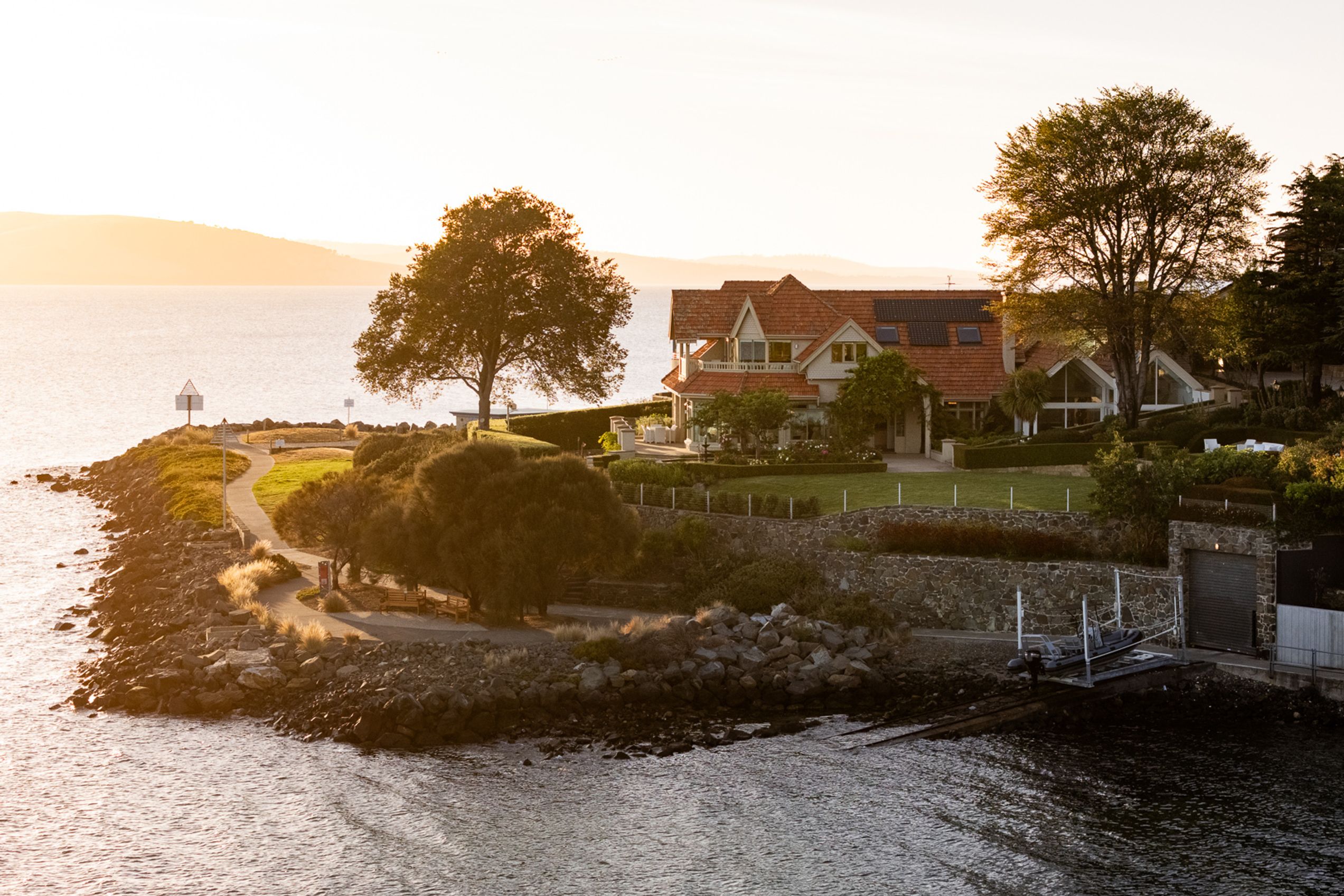
Sentosa in Hobart has already spent its time in the history books, but now the historic estate in Sandy Bay is set to shine again.
The period home, which sits on a large 2300 square metres riverfront block, made headlines in 2017 when the then century-old mansion sold for a Tasmanian record of $6.5 million.
Fast forward to 2026 and the 1917 trophy home is returning to the market with $15 million expectations – a figure that could set a brand new price benchmark for the Apple Isle.
Owned by Sydney investors, Piers Dawson-Damer and his partner Kim, Sentosa has been used as a Tassie holiday home for almost a decade. The pair bought the riverside residence from locals Wendy and Barry Turnbull, who had paid $815,000 for it in 1993.
The current sale is expected to easily eclipse Hobart’s record, which stands at $8.5 million. That benchmark was set when Point Piper-based Taswegian, financier Greg Woolley, bought historic Waimea House in 2011.
Interestingly, Woolley took the keys to Waimea House – also in Sandy Bay – from the Dawson-Damers, who themselves had paid a then-record of $6.06 million.
Co-agents, Forbes Global Properties directors Tracey Atkins and Robert Fletcher, are tasked with marketing Sentosa.
“Sentosa has been set up perfectly by its interstate owners to serve as a top-tier second home, with state-of-the-art automation, technology and security now in place that allow it to be run seamlessly from anywhere in the world,” Fletcher said, adding that the unique Hobart home has been turning heads since it landed online this week
“There is no question it merits attention locally and internationally – it is a true Tasmanian trophy.”
Taking its name from the Malay word for “peace and tranquility”, Sentosa is once of the city’s most iconic properties. Even early Australian aviator Charles Kingsford-Smith reportedly visited the estate when he honeymooned in Hobart with his second wife Mary in 1931.
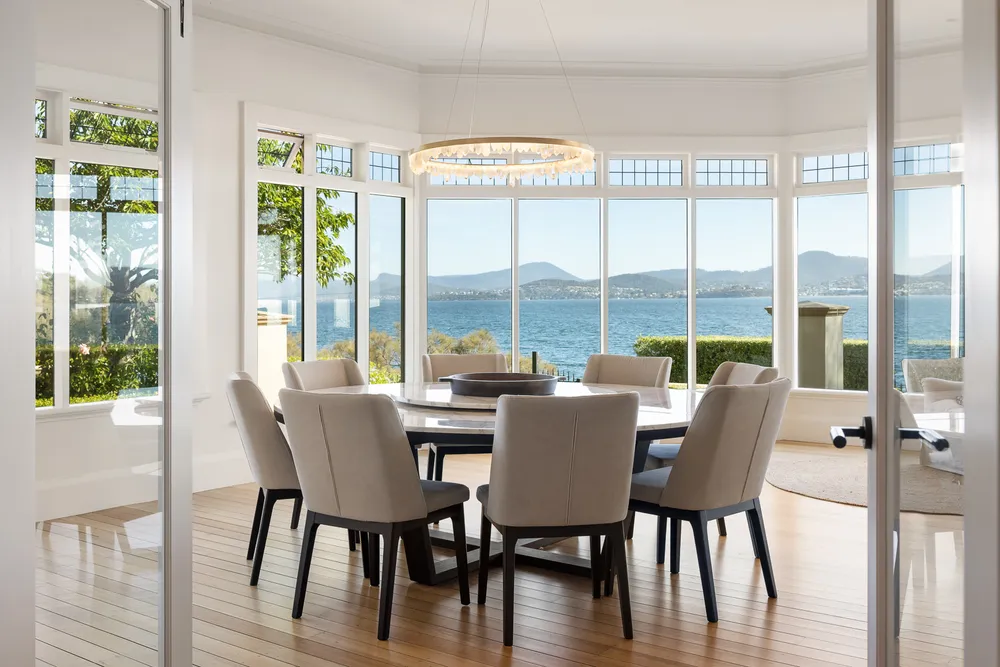
With 270-degree views of the Derwent River and mountain backdrop, the house on Blinking Billy Point has given its owners a front-row seat to the final sprints of the Sydney to Hobart Yacht Race.
Now fully renovated, the arts and crafts era house has been restored to its former glory.
Fletcher said the Dawson-Damers wanted to respect the home’s heritage while updating the five-bedroom house for modern living.
The result is a blend of classic craftsmanship and modern luxury, all with a strong connection to the water.
There are many restored original details, like ornate cornices, lead-light windows, fireplaces, and intricate fretwork.
The renovation has also added several modern touches, including a new central staircase, updated joinery, sleek bathrooms, and an entertainer’s kitchen. Other modern features of the Sandy Bay home include advanced home automation and CCTV security.
Living areas include both formal and casual spaces, plus there is a grand main bedroom suite, all designed to capture uninterrupted views of the river and ranges.
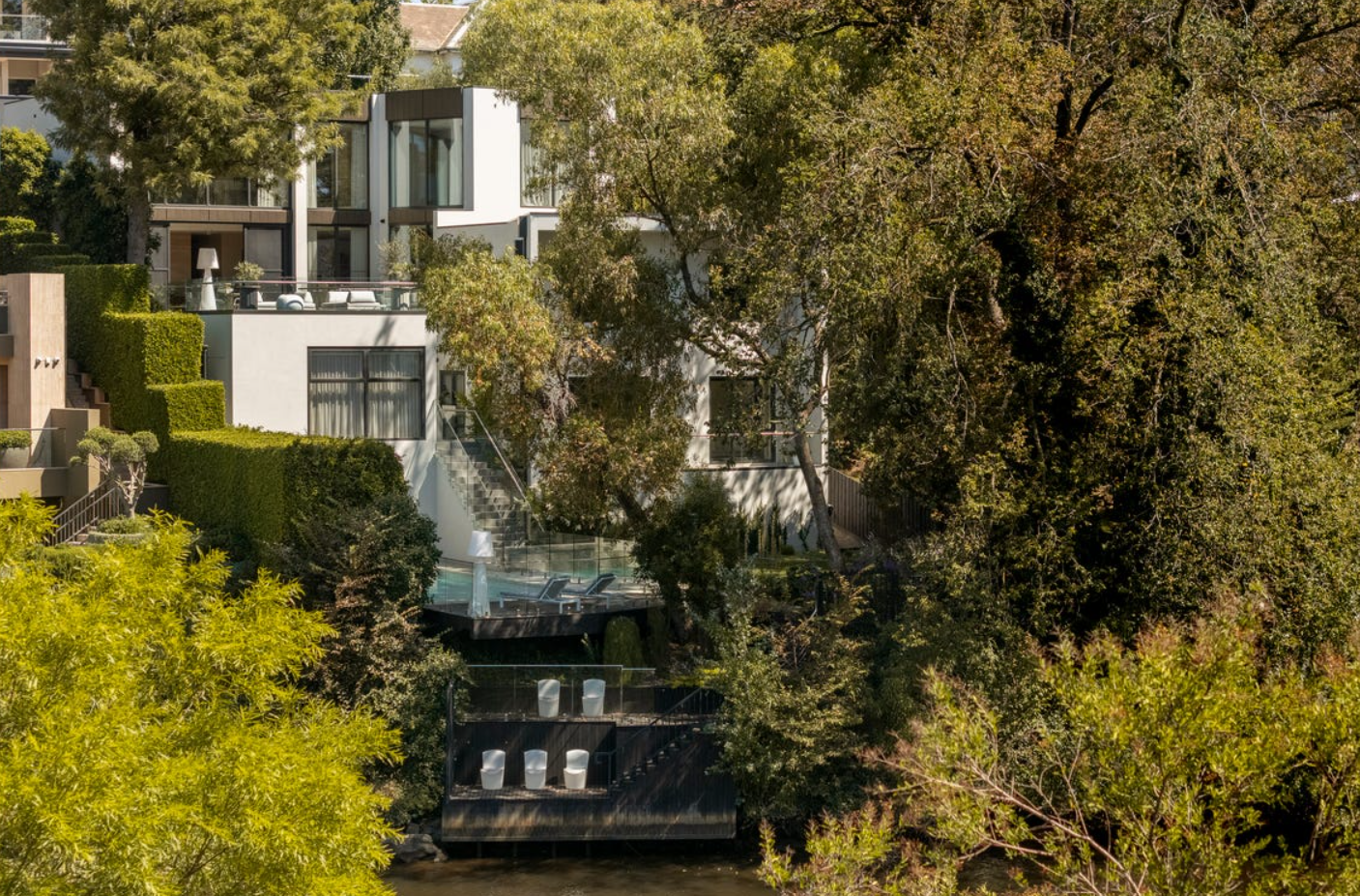
Outside, the estate offers resort-style amenities, including landscaped gardens by award-winning designer Paul Bangay, with European-inspired green spaces, a statement water fountain, level lawns, and sandstone terraces.
Additionally, there is a fully equipped boat shed with a slipway right on the water’s edge.
Sentosa is close to beaches, popular schools, large parks, and Hobart’s CBD.
Sentosa at 650 Sandy Bay Rd, Sandy Bay is listed with price hopes of $15 million through an expressions of interest campaign with Forbes Global Properties agents Robert Fletcher and Tracey Atkins.
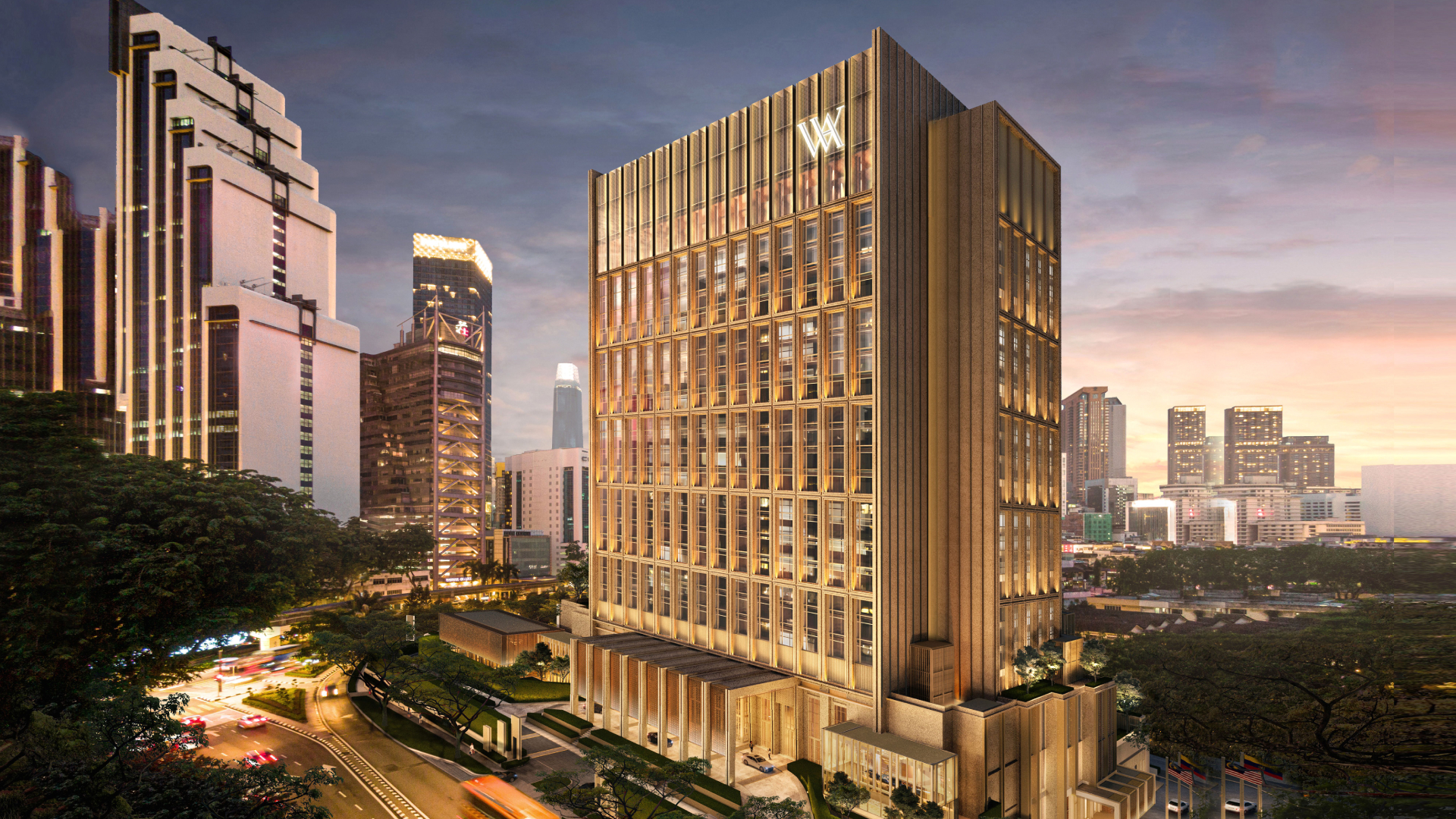
Waldorf Astoria Kuala Lumpur is scheduled to open on 30 October, introducing the Hilton luxury brand to Malaysia with an all-suite hotel in the city’s Golden Triangle.
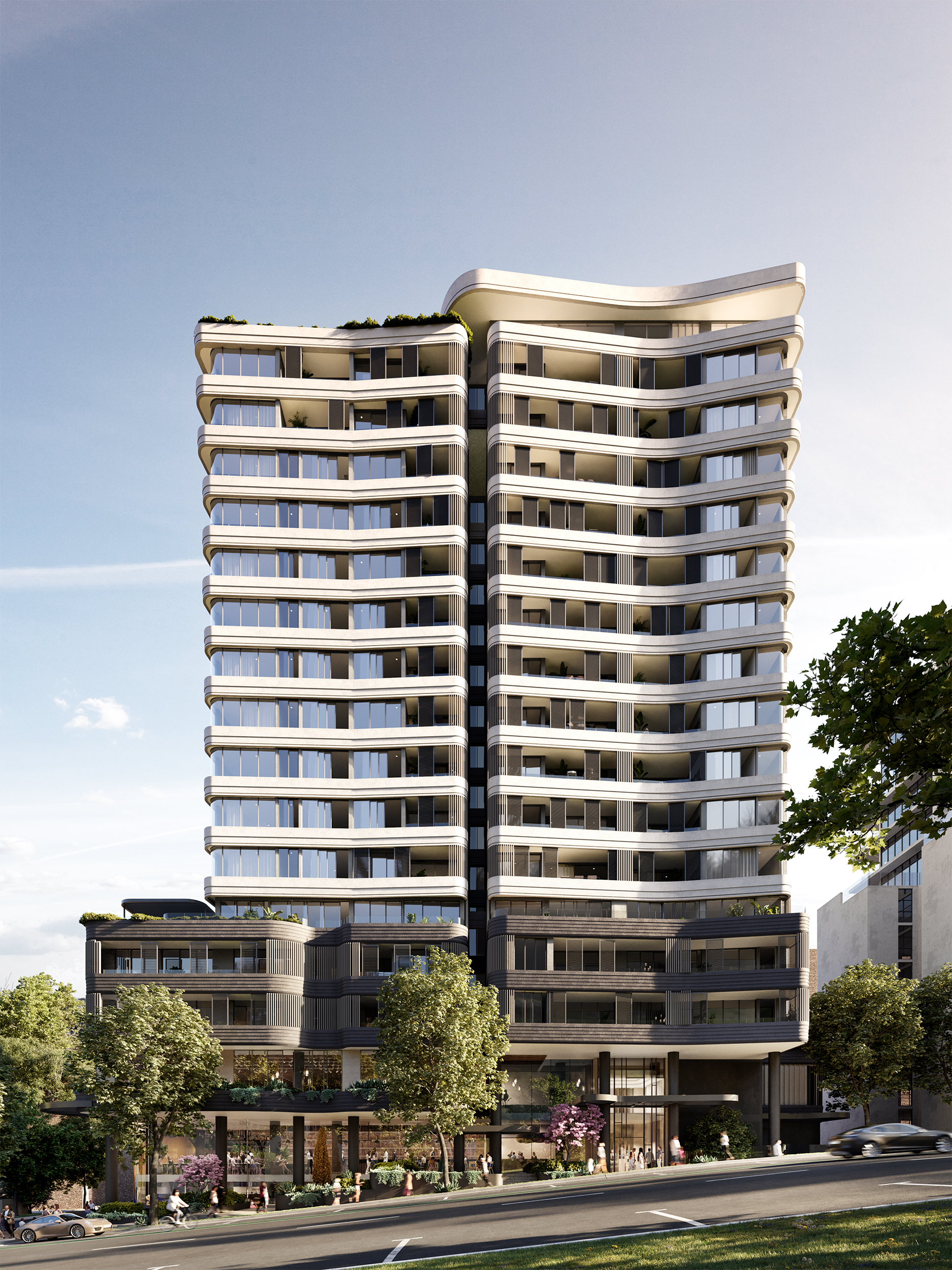
Located steps from Crows Nest Metro, the near-complete development brings luxury living to Sydney’s Lower North Shore.
Employment fell by 39,300 and unemployment held at a revised 4.7 per cent, giving the RBA more room to pause in November.
2 min
Australia’s labour market weakened in September, reducing—but not eliminating—the case for another Reserve Bank rate rise in November.
The seasonally adjusted unemployment rate was 4.7 per cent, according to the Australian Bureau of Statistics. August was revised to the same level, while September employment fell by 39,300 people. The number of unemployed Australians increased by 8,900 to 732,000.
The weakness extended beyond the headline rate. The employment-to-population ratio fell 0.3 percentage points to 63.6 per cent, participation declined 0.2 points to 66.8 per cent and underemployment edged up to 6.3 per cent. Part-time employment fell by 73,700, partly offset by a 34,400 increase in full-time work.
For the RBA, this is a clearer sign that restrictive monetary policy is cooling demand. Higher unemployment and falling employment reduce wage pressure over time and increase the risk that another rate rise would push the economy harder than necessary.
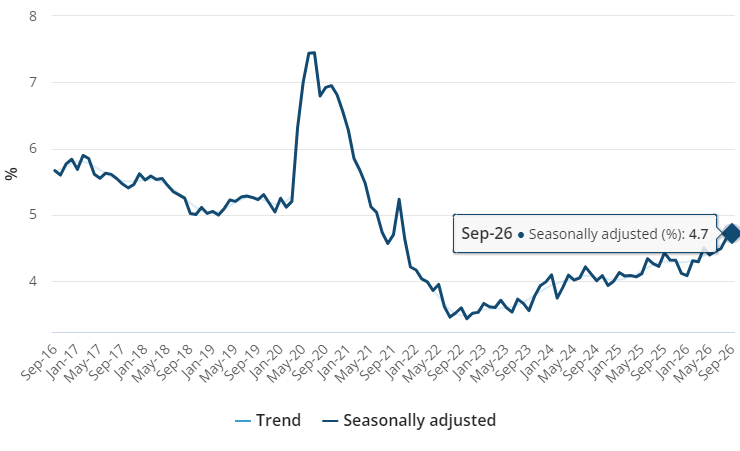
That makes a November increase less certain. It does not make a hold inevitable. The RBA must balance labour-market softness against inflation, and the September-quarter consumer price index due later in October will carry more direct weight in the decision.
For mortgage holders and property investors, the practical conclusion is not to trade one data release. Borrowers should continue testing repayments at higher rates, preserve liquidity and avoid basing a purchase on an assumed near-term reversal. Refinancing decisions should be assessed against total cost, not simply the advertised rate.
Property markets may initially welcome a reduced probability of another increase because borrowing capacity and sentiment are highly rate-sensitive. But a weakening labour market is not unambiguously positive for housing: job security supports mortgage serviceability, rental demand and buyer confidence.
The September numbers have given the RBA a credible reason to wait. Inflation will determine whether it can use it.
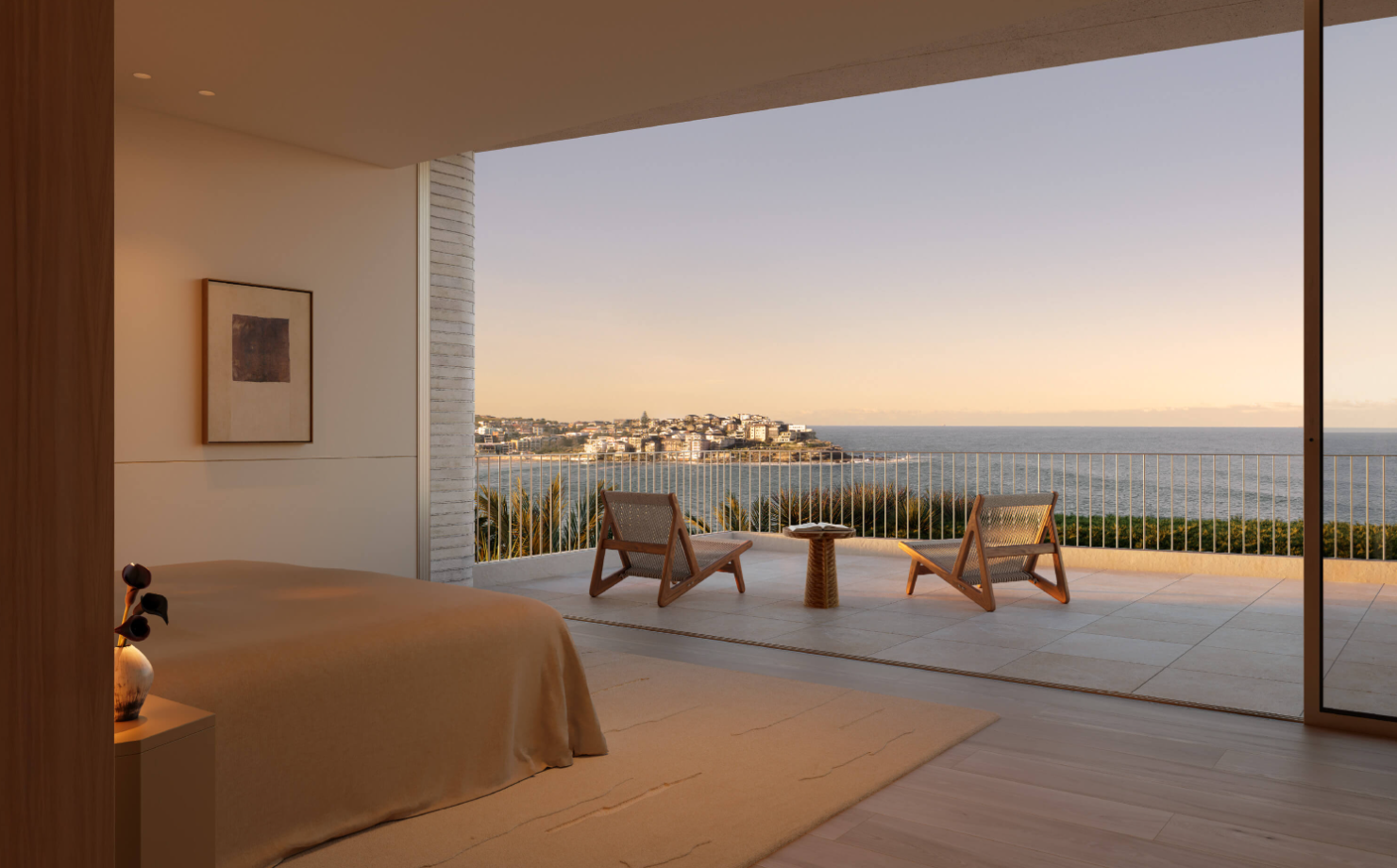
For Central Element, the start of work at Pearl represents another step in the company’s growing eastern suburbs pipeline.
Australia’s housing market rebounded sharply in 2025, with lower-value suburbs and resource regions driving growth as rate cuts, tight supply and renewed competition reshaped the year.