

Lamborghini’s Newest Idea Is Not a Car, But a Code
Automobili Lamborghini is turning its attention to something considerably more difficult to define: what makes Italian excellence uniquely Italian?
 4 min
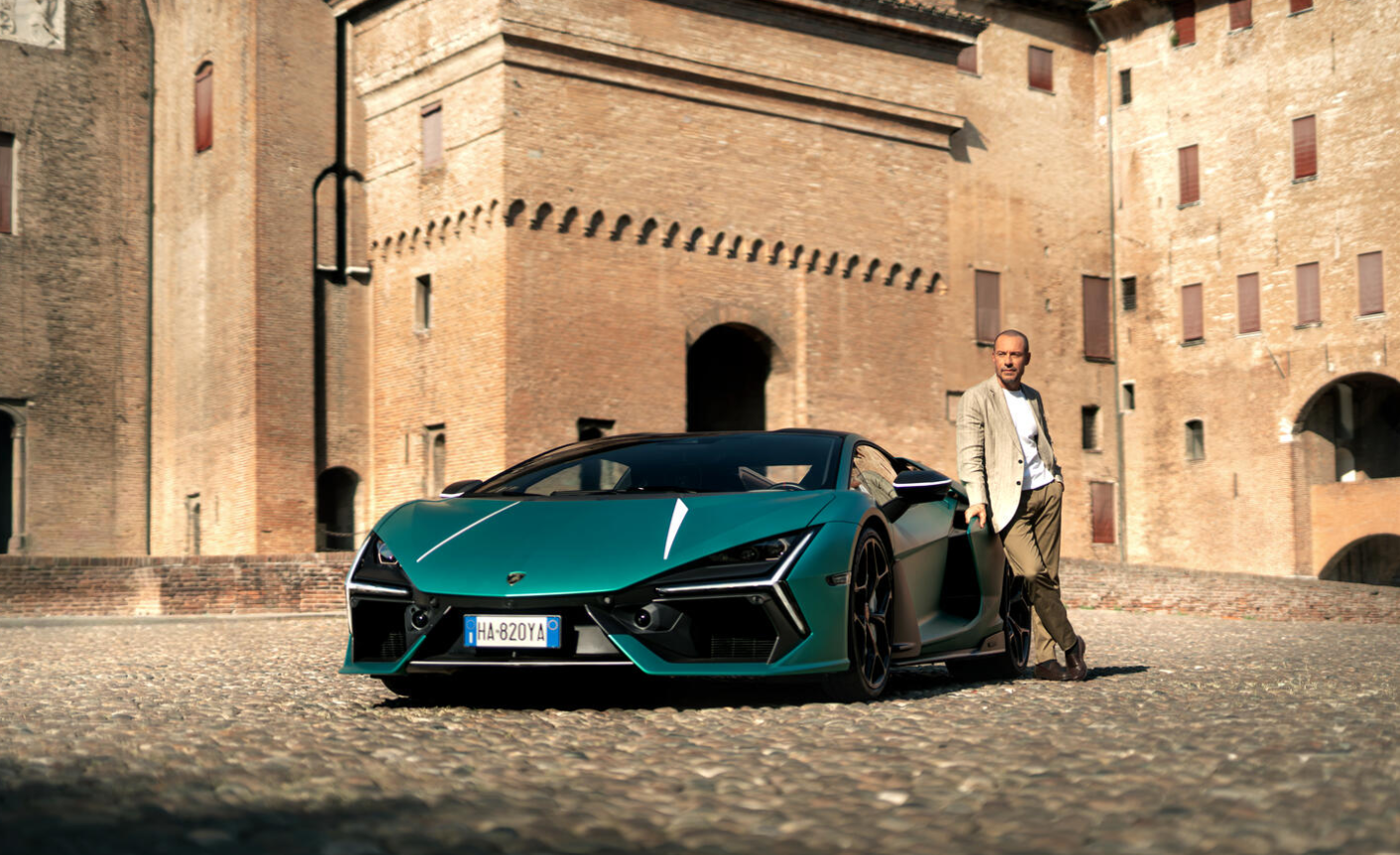
For more than six decades, Lamborghini has built its reputation on producing some of the world’s most recognisable supercars. From the Miura and Countach to the contemporary Revuelto and Temerario, the Italian manufacturer has consistently combined extraordinary performance with an equally distinctive approach to design.
Its latest project, however, has little to do with horsepower, acceleration or the introduction of another high-performance model.
Instead, Automobili Lamborghini is turning its attention to something considerably more difficult to define: what makes Italian excellence uniquely Italian?
The answer, or at least an attempt to find one, forms the basis of The Italian Excellence Code, a new three-part film series starring award-winning Italian actor, writer and director Stefano Accorsi.
Launched in October, the project explores the concept of italianità, the distinctive cultural identity that Lamborghini believes underpins not only its own vehicles but the broader reputation of Italian design, manufacturing and craftsmanship.
It is an interesting departure for a company whose communications have traditionally revolved around its products, their performance and the technology behind them. Here, the cars provide the backdrop to a wider examination of the culture responsible for creating them.
Accorsi, who was born in Bologna, close to Lamborghini’s headquarters in Sant’Agata Bolognese, guides viewers through three different expressions of Italian life. Each represents an element that the company believes contributes to the country’s reputation for excellence: taste, ingenuity and flair.
The first chapter begins in an Italian piazza, where Accorsi considers how everyday surroundings, human interaction, colour and design contribute to an aesthetic sensibility that is difficult to replicate.
It is a study of taste, not simply as an appreciation of beauty, but as an instinctive understanding of proportion, character and the choices that shape a particular way of life.
The second chapter moves into the world of fencing, using the sport’s combination of precision, technical skill and controlled movement to explore ingenuity.
For Lamborghini, the connection is clear. Engineering excellence is not simply a matter of developing more powerful machinery, but of continually refining the relationship between performance, technique and design.
The final instalment turns to Italian opera, where tradition and individual interpretation come together through performance. Here, the focus is on flair, the ability to take something technically accomplished and give it personality, emotion and originality.
Together, the three chapters attempt to explain the cultural influences that have helped distinguish Italian products in international luxury markets.
Lamborghini describes Made in Italy as extending beyond the conventional measures of manufacturing and design, arguing that the designation carries a cultural identity that cannot be explained through technical specifications alone.
That philosophy has been evident throughout the company’s history.
Founded by Ferruccio Lamborghini in 1963, the marque emerged during a period when Italy was establishing itself as a global centre of automotive design. Its early models helped challenge established ideas about how a grand touring car or supercar should look, with the Miura in particular becoming one of the defining automotive designs of the 1960s.
The Countach subsequently introduced an angular, dramatic design language that would influence Lamborghini models for decades. Its wedge-shaped profile, scissor doors and unconventional proportions helped establish the visual identity that remains central to the brand.
Those characteristics have carried through to the current generation of vehicles, even as the engineering has changed considerably.
The Revuelto combines Lamborghini’s naturally aspirated V12 engine with hybrid technology, while the Temerario represents another stage in the company’s transition towards electrification.
Yet the visual language remains unmistakably Lamborghini. Sharp lines, dramatic proportions and an emphasis on theatre continue to distinguish its cars from other manufacturers competing in the same segment.
This is where The Italian Excellence Code becomes particularly relevant.
In a luxury automotive market where performance figures can increasingly be matched or surpassed, manufacturers need to communicate qualities that are less easily measured.
Engineering innovation remains essential, but the relationship between a product and its cultural origins can be equally important in establishing its long-term appeal.
For Lamborghini, its Italian identity is not simply a geographical detail. It is a central part of the proposition.
The company’s headquarters and manufacturing operations remain in Sant’Agata Bolognese, a relatively small town in Emilia-Romagna, within one of Europe’s most important automotive and manufacturing regions.

The surrounding area has developed a concentration of specialist engineering expertise, manufacturing knowledge and automotive heritage that provides a distinctive setting for a global luxury brand.
The company’s decision to explore Italian culture through film also reflects a broader shift in how luxury manufacturers communicate with their audiences.
Rather than relying exclusively on product launches and traditional advertising, brands increasingly use cultural storytelling to establish a deeper connection with customers and enthusiasts.
Fashion, architecture, art, hospitality and design have become important reference points for luxury businesses seeking to position themselves within a wider cultural conversation.
Lamborghini’s latest project operates in similar territory, although it is more accurately described as a brand film series than a new commercial platform.
The choice of Accorsi is significant. An established figure in Italian cinema, with personal ties to the region where Lamborghini was founded, he provides a connection between the automotive manufacturer and the country’s broader creative industries.
His involvement also allows the story to unfold without relying on the familiar format of executives discussing engineering achievements or designers explaining the development of a new vehicle.
Instead, Lamborghini is inviting viewers to consider the influences that sit behind the finished product.
It is an approach that could resonate with an international audience increasingly familiar with Italian luxury through fashion houses, furniture manufacturers, architecture and hospitality, as much as through automotive marques.
There is, of course, a commercial consideration. Lamborghini’s vehicles are sold internationally, but much of their desirability remains connected to their place of origin. Preserving that association becomes particularly important as the company introduces new technologies and adapts to changing expectations around performance and electrification.
The challenge is to demonstrate that the values associated with Italian craftsmanship remain relevant even as the products themselves evolve.
For a manufacturer whose history has been defined by mechanical innovation and unconventional design, the balance between tradition and progress is hardly new.
What The Italian Excellence Code does is give that relationship a more deliberate cultural expression.
The series does not introduce a new car, establish a new product category or announce an expansion into hospitality or lifestyle experiences. Its purpose is more fundamental: to explain why the identity behind a Lamborghini matters as much as the engineering that powers it.
And in a luxury market where technical excellence is increasingly expected, that may be one of the more valuable distinctions a manufacturer can make.
On the owner’s deck, a 20-metre swimming pool incorporates Feadship’s patented ContraWave technology and extends indoors as a suspended, glass-bottomed infinity pool.
Automobili Lamborghini is turning its attention to something considerably more difficult to define: what makes Italian excellence uniquely Italian?
On the owner’s deck, a 20-metre swimming pool incorporates Feadship’s patented ContraWave technology and extends indoors as a suspended, glass-bottomed infinity pool.
5 minUnveiled at the Monaco Yacht Show, Feadship’s largest concept yacht to date places human connection at the centre of its design, with a four-deck social space, underwater lounge, 20-metre swimming pool and an unconventional approach to life at sea.
The world’s largest superyachts have traditionally been defined by their dimensions, engineering and increasingly elaborate amenities. Swimming pools, private cinemas, beach clubs and helicopter landing pads have become familiar features of vessels built for the world’s wealthiest individuals.
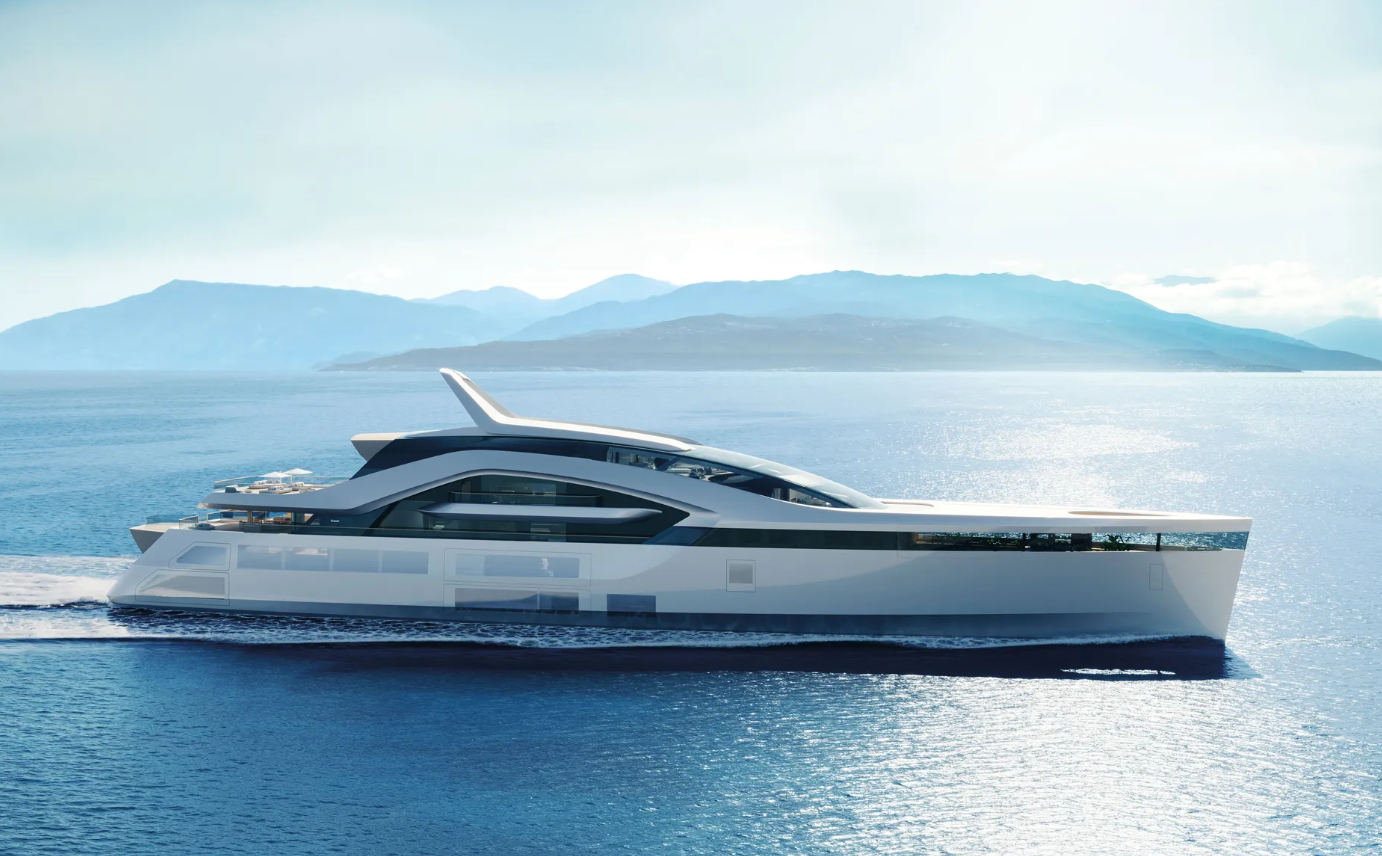
But Dutch superyacht builder Feadship is challenging that approach with HIVE, a 115-metre concept unveiled at the 2026 Monaco Yacht Show that begins not with the yacht itself, but with the people who might live aboard it.
The largest concept design in Feadship’s history, HIVE has been developed by the company’s Studio De Voogt design team, led by senior designer Jan Schaffers, alongside its naval architects and engineering specialists.
Rather than following the traditional process of arranging guest suites, entertainment spaces and technical facilities across a series of decks, the designers began by imagining a family of four and considering how each member might want to spend their time at sea.
The result is a yacht built around a central gathering space, with a series of individual environments allowing owners and guests to move between shared experiences and more private pursuits.
“HIVE is designed around the idea that experiences can change people,” Schaffers said.
“We wanted to explore what becomes possible when you start not with what a yacht has always been, but with how people might want to live on board in the near future.”
It is a philosophy that marks a departure from the conventional superyacht layout, where individual decks and dedicated entertainment areas often dictate how guests use the vessel.
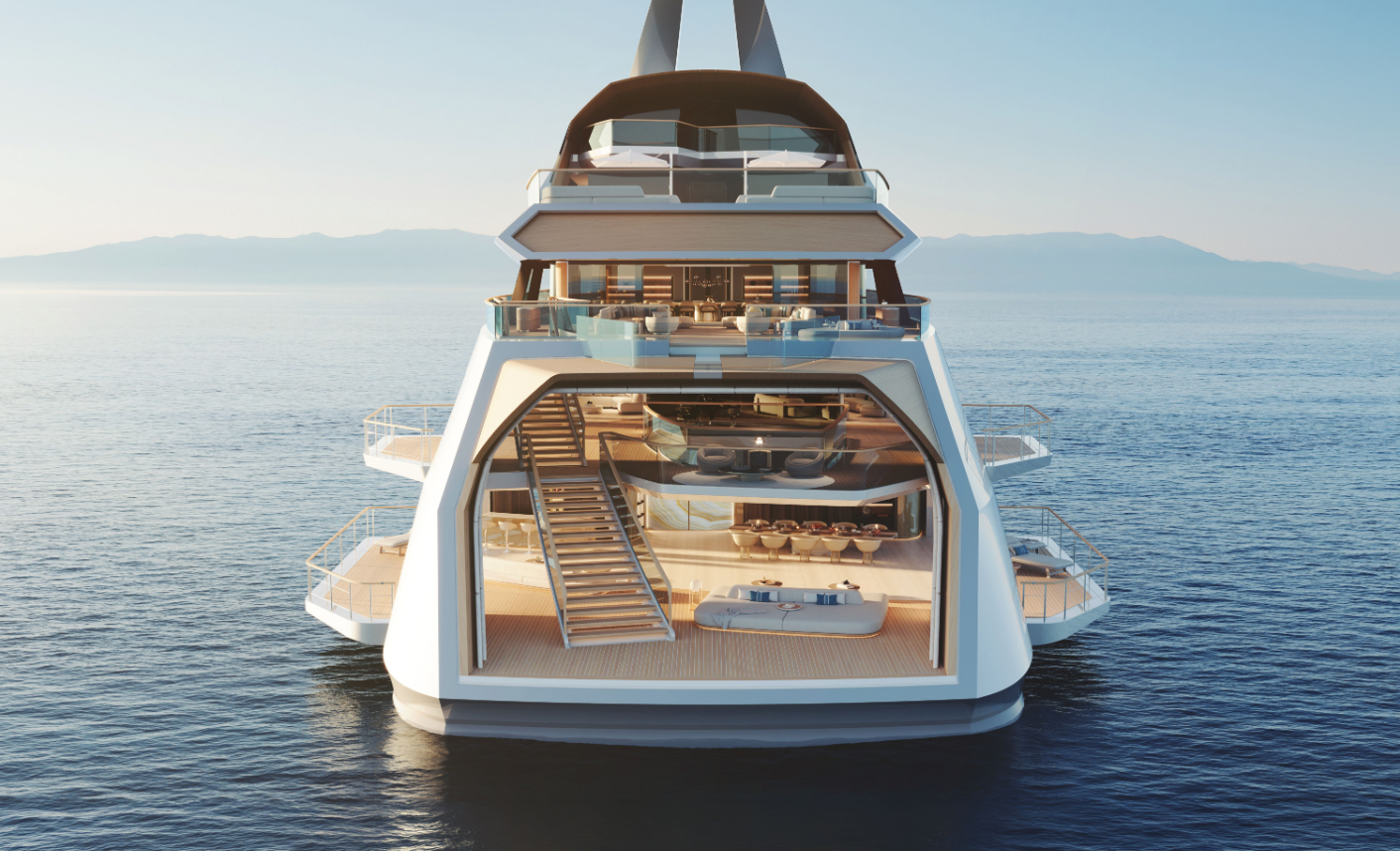
At HIVE’s centre is an extraordinary open space extending across four decks, conceived as the social heart of the yacht.
On the main deck, the space can function as a grand saloon, performance stage or auditorium, with terraces opening on either side to connect the interior with the surrounding sea.
Curved staircases rise through the central volume, linking balconies and smaller gathering spaces overlooking the main area. Behind the scenes, dedicated service pantries, furniture storage and a green room allow the space to be adapted for everything from intimate family gatherings to concerts, lectures and large-scale entertaining.
The concept draws inspiration from the salons of 1930s Paris, where artists, intellectuals and cultural figures gathered for conversation, performances and the exchange of ideas.
That influence is deliberate. Feadship wanted to create a vessel that could facilitate interaction rather than simply provide a collection of luxurious spaces.
The idea was also shaped by six finalists from the Boat International Young Designer of the Year competition, who were invited to work alongside Studio De Voogt’s designers in the Netherlands.
Their discussions repeatedly returned to the importance of a central place where people could come together before naturally moving towards their own activities.
For a yacht of this scale, the approach offers a different interpretation of luxury: the freedom to spend time together without requiring everyone on board to follow the same routine.
Beyond the central gathering space, HIVE offers a collection of environments that would be remarkable even by the standards of contemporary superyacht design.
A two-storey beach lounge opens towards the water, connecting to an outdoor dining area capable of accommodating 24 or more guests.
On the owner’s deck, a 20-metre swimming pool incorporates Feadship’s patented ContraWave technology and extends indoors as a suspended, glass-bottomed infinity pool.
Elsewhere, an underwater lounge provides views beneath the surface, while a circular, glass-enclosed library on the foredeck opens onto a secluded garden.
An observation lounge above features a retractable glass roof, allowing guests to look directly towards the night sky.
The arrangement is intended to accommodate very different interests, from swimming and entertaining to reading, observing marine life or simply enjoying the surroundings.
It also reflects a broader shift in superyacht design, where the relationship between indoor and outdoor environments has become increasingly important.
HIVE’s extensive glazing, opening terraces and connected living spaces are intended to create a greater sense of openness than traditional multi-deck yacht configurations.
The exterior design reinforces that philosophy.
Despite its 115-metre length, HIVE has a long, low profile, with a largely glazed superstructure that reduces the visual separation between decks.
The design builds on ideas previously explored in Feadship’s Pure and C concepts, particularly the opportunity to reconsider the traditional placement of the bridge.
Instead of a conventional wheelhouse occupying a prominent forward position, HIVE uses a virtual command centre supported by cameras and sensors.
Retractable glass wing stations provide direct visibility during close-quarters manoeuvring, while the alternative arrangement frees up valuable forward space for the owner’s accommodation and observation lounge.
It is an example of how technological development can influence the architecture of a yacht, rather than simply improve its performance.
Feadship has also placed considerable emphasis on ensuring that HIVE’s proposed engineering systems are technically achievable.
Although the vessel remains a concept, its propulsion and electrical architecture have been developed using technologies that already exist or are under active development.
The proposed system combines three 900 kW variable-speed generators operating on hydrotreated vegetable oil, fuel-cell technology and a substantial five-megawatt-hour battery bank.
That battery capacity is approximately five times greater than the installation aboard Feadship’s pioneering hybrid yacht Savannah, while occupying a comparable battery-room footprint.
Two fuel-cell configurations have been considered, including solid oxide fuel cells and a proton exchange membrane system supported by a methanol reformer.
HIVE would also use Voith Schneider Propellers, which provide multidirectional thrust without conventional rudders.
Already established in commercial marine applications, the technology offers precise manoeuvrability, low-noise operation and dynamic-positioning capability.
Feadship’s proposed performance figures include a cruising speed of 12 knots, a maximum speed of 16 knots and a range of up to 9,500 nautical miles when operating on HVO.
While these remain projected figures rather than results demonstrated at sea, they illustrate the level of technical development behind the concept.
For Feadship, HIVE continues a programme of experimental designs dating back to 2006, through which the Dutch builder has explored emerging technologies and changing expectations of life aboard large yachts.
Ideas investigated in earlier concepts have subsequently influenced completed vessels, including developments in hybrid propulsion, structural glass and alternative fuels.
HIVE is therefore more than an exercise in imagining an exceptionally large yacht.
It represents an attempt to reconsider the fundamental relationship between the people aboard a vessel and the spaces they inhabit.
For all its extraordinary dimensions, the thinking behind HIVE begins with a relatively simple question: how can a yacht bring people together while giving them the freedom to enjoy their own interests?
The answer is a design that places shared experiences at the centre of life at sea, with technology, architecture and engineering developed around them.
Whether HIVE is ever built in its current form remains to be seen. But as a statement of where superyacht design could be heading, it suggests that the next generation of luxury vessels may be defined less by the number of amenities they contain and more by the experiences they make possible.

From gorilla encounters in Uganda to a reimagined Okavango retreat, Abercrombie & Kent elevates its African journeys with two spectacular lodge transformations.
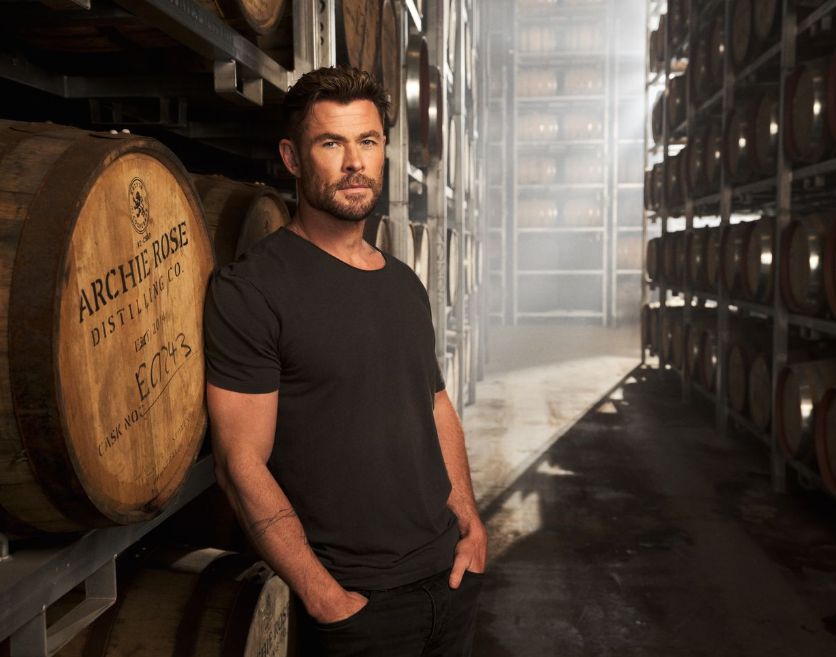
Australian actor Chris Hemsworth has joined Archie Rose Distilling Co. as co-owner and strategic business partner as the Sydney spirits company prepares to enter the United States. The partnership brings Hemsworth together with Archie Rose founder Will Edwards, with the pair aiming to build greater international recognition for Australian whisky. Founded in Sydney in 2014, …
Continue reading “Chris Hemsworth Joins Archie Rose as Co-Owner Ahead of Global Expansion”