Top strategies for winning at auction
Buying a property on your 2023 to-do list? Make sure the keys to that dream home are yours with these winning ways
 3 min
3 min
Always part of the crowd but never the winning bidder? It can be frustrating to keep missing out on securing your slice of Sydney.
When you have your heart set on a property, you’re buying not just a home but a lifestyle that will champion your dreams and ambitions. So no wonder auctions are a nerve-racking affair. Put yourself on the front foot with these winning strategies.
Read more stories like this in the latest issue of Kanebridge Quarterly magazine. Order your copy here.
1
Put in a pre-auction offer
Actually, there may be no need to go to auction at all. In today’s market, you have a good chance of calmly negotiating a winning deal ahead of time. Of all properties intended for auction, the proportion sold prior has roughly doubled since last year, now accounting for about half of all sales. So if you’ve done your research and don’t want to wait it out, make a solid pre-auction offer that reflects current market values.Conversely, in a strong market, you may be better advised to wait it out. Vendors are unlikely to take an early offer if they know there are other buyers waiting in the wings.

2
Own it to win it
Show up at the auction dressed to impress and stand in a prominent position where you can eyeball other bidders. When people bid against you, respond quickly and decisively. Play your cards right and you’ll give your competitors the impression that you’re not going to stop – which may be enough to convince them to give up.
3
Bidding anonymously
Bidding remotely via a live auction app could be the solution to staying calm and clear-headed. The future-forward UrbaneLIVE app enables you to participate in live-streamed auctions from wherever you feel most comfortable. If you’d rather be on site, but feel uneasy about bidding publicly, you could use the app to bid anonymously. The app will also ensure you don’t miss out on the chance to bid if you’re out of town on auction day.
4
Use the professionals
Your agent is there to help. They offer advice and support as well as practical information about the auction, so take advantage of their expertise and ask as many questions as you can. Worried you might get caught up in the emotion on the day? Asking a seasoned auction goer to bid on your behalf will make you less vulnerable to auction day pressure. (If you’ve recently sold and have a good relationship with your agent, you could ask them to help you bid for your next home, provided the property is listed with another agency.) Alternatively, a buyer’s agent will bid on your behalf for a fee and help research the market and work with you to determine a reasonable limit.
5
Top-and-tail approach
Beyond the comical awkwardness, there’s little benefit in holding out on an opening bid. Before the crickets chirp and tumbleweed rolls, make your presence known with a reasonable low-end bid. You can then hang back and get a feel for your competitors, before boldly re-joining the bidding at the pointy end of the auction. If nobody else bids after your opening offer, even better. You’ll be first in line to negotiate a deal.
6
Hit them with your best shot
When bidding slows, hopeful purchasers often settle in for a lengthy back-and-forth of $1000 increments. With amounts this small, it’s tempting for bidders to keep pushing that little bit further. If you still have some room in your budget, try knocking them out with an offer of $15,000 or $20,000 more. In the context of Sydney or Melbourne property, it’s a small price to pay to secure a purchase. There’s no better place to pick up tips than at an auction. Onlookers are always welcome so check out our auction listings and drop by to watch the show.

From making unpopular decisions to learning when to listen, leaders from five businesses reveal what nobody prepared them for — and how running a company has challenged their expectations.

Technology and semiconductor shares fell sharply as investors questioned the debt financing the AI infrastructure boom and confronted higher rates and Chinese competition.

Mirvac’s 45-level Trielle has topped out at Yarra’s Edge, pairing riverfront apartments with wellness facilities, private dining and resident services.
3 min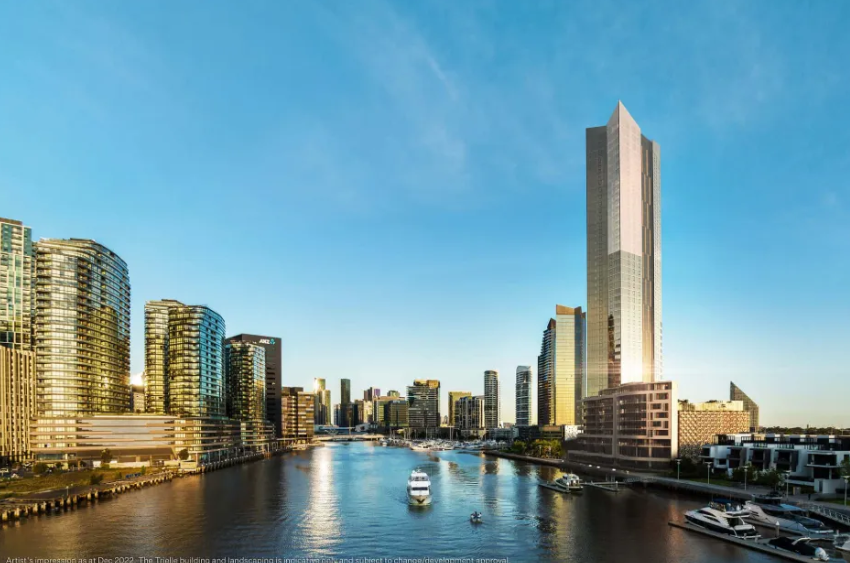
Mirvac has topped out Trielle at Melbourne’s Yarra’s Edge, with more than 70 per cent of the riverfront development sold and approximately 80 per cent of purchasers intending to make their apartment a home.
The figures, released on September 22, point to an owner-occupier audience for one of the precinct’s final residential towers. Mirvac began developing Yarra’s Edge in 2003, and its latest addition occupies one of the remaining absolute riverfront sites.
Mirvac CEO of Development Stuart Penklis said existing residents were among those moving up within the neighbourhood.
“Many purchasers already have a connection to Yarra’s Edge,” Mr Penklis said, describing buyers whose changing needs were encouraging an upgrade within the precinct.
“As one of the final residential towers within Yarra’s Edge, Trielle represents the culmination of more than two decades of creating one of Melbourne’s most established and sought-after waterfront communities,” Penklis said.
“Positioned on the Collins Street axis with absolute river frontage, Trielle offers residents a rare opportunity to enjoy sweeping views across the Yarra River, Melbourne skyline and Port Phillip Bay, while remaining seamlessly connected to the CBD. With Trielle now more than 70 per cent sold, we’re continuing to see strong demand from buyers seeking quality homes in established locations.”
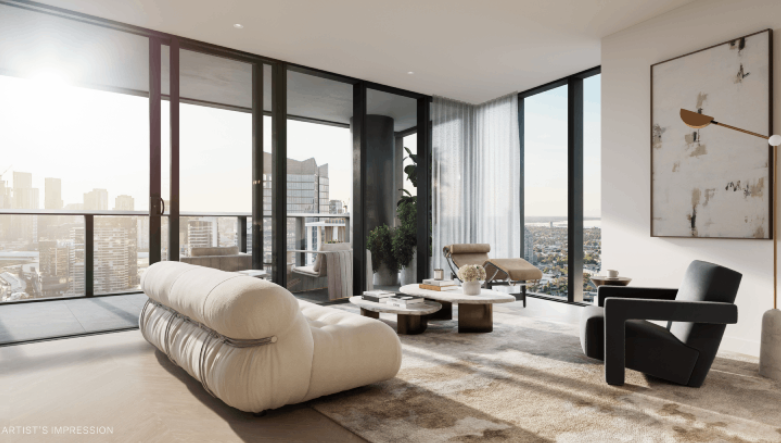
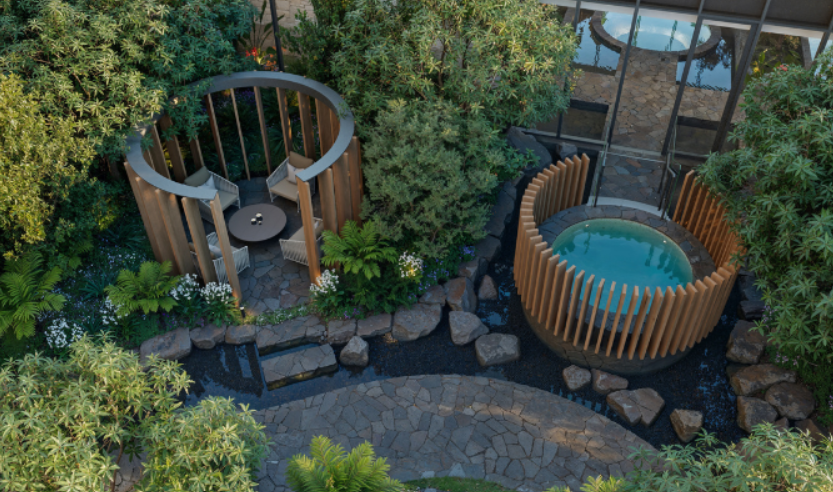
The developer also flagged a penthouse and sub-penthouse collection with larger layouts, premium finishes and broad outlooks. The planned wellness centrepiece, The Oasis, encompasses a 900-square-metre elevated urban rainforest.
Mirvac General Manager Residential Development Victoria Elysa Anderson said Trielle had resonated strongly with buyers seeking a rare lifestyle offering in Melbourne.
“Opportunities to secure a new luxury residence on a riverfront site of this calibre are incredibly rare, particularly within a community like Yarra’s Edge,” Anderson said.
“What makes Trielle unique is the combination of exceptional views, world-class residential facilities and the lifestyle that already exists around it. Residents are buying into a mature waterfront community with parks, promenades, dining, wellness and strong community connections already in place.”
The 45-level tower brings a substantial new presence to that waterfront. Its residential offering spans one-, two-, three- and four-bedroom apartments, with Signature, Prestige and Sub-Penthouse collections accommodating different household sizes. The north-facing position connects the apartments visually to the river and city beyond.
Seven storeys above the promenade, the planned Oasis combines planting and a running stream with a Scandinavian-inspired wellness club developed with spa specialist Naomi Gregory. Facilities include a 25-metre lap pool, hot magnesium pool, sauna, hydrotherapy, a gym, yoga and Pilates room, and treatment spaces.
The amenity extends beyond exercise. Residents will have access to The Biblioteca library and workspaces, ground-floor work pods, and The Salone piano lounge. A private Chef’s Table dining room offers a setting for larger gatherings, while a cinema, games room and sports lounge broaden the entertaining options. Concierge services and a dog-wash area support everyday routines.
Trielle comprises a collection of one, two, three and four-bedroom residences. Reflecting strong demand from owner occupiers, approximately 80 per cent of purchasers to date intend to live in their homes, highlighting the project’s appeal to those seeking a long-term waterfront lifestyle.
Mirvac has recently delivered The Albertine, a premium apartment development on the edge of Melbourne’s CBD, and is nearing completion of Prince & Parade in Brunswick, further strengthening its portfolio of thoughtfully designed apartment communities in some of Melbourne’s most sought-after urban locations.
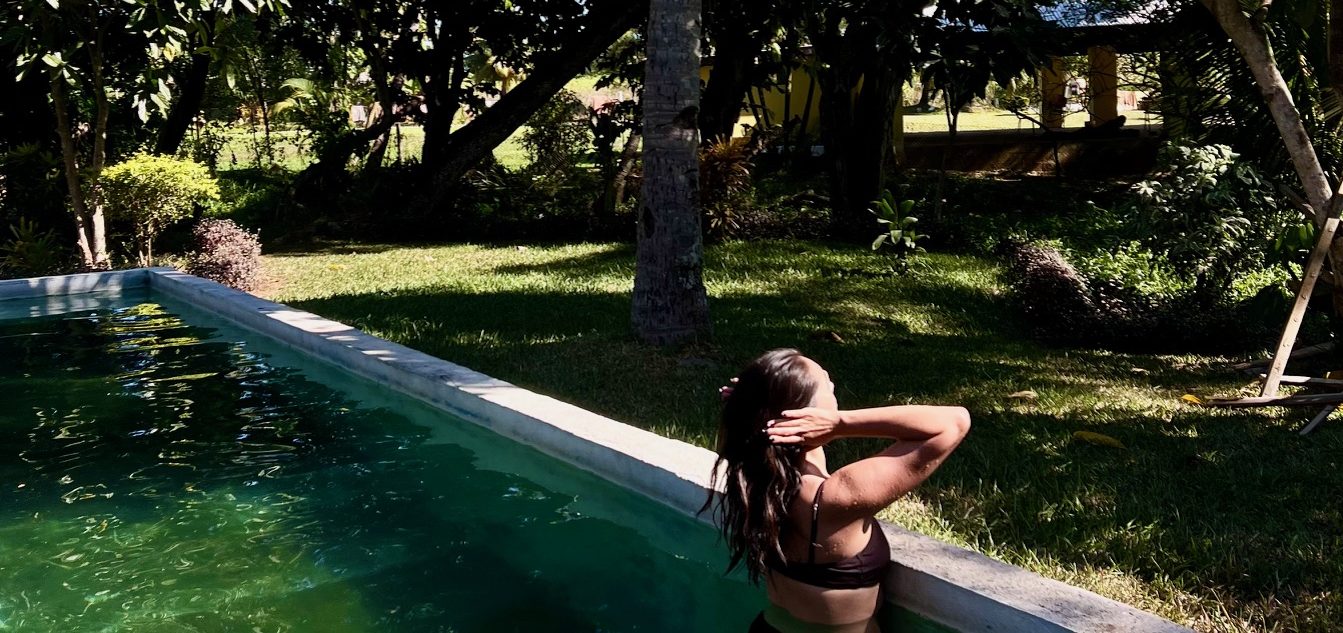
From mud baths to herbal massages, Fiji’s heat rituals turned one winter escape into a soul-deep reset.
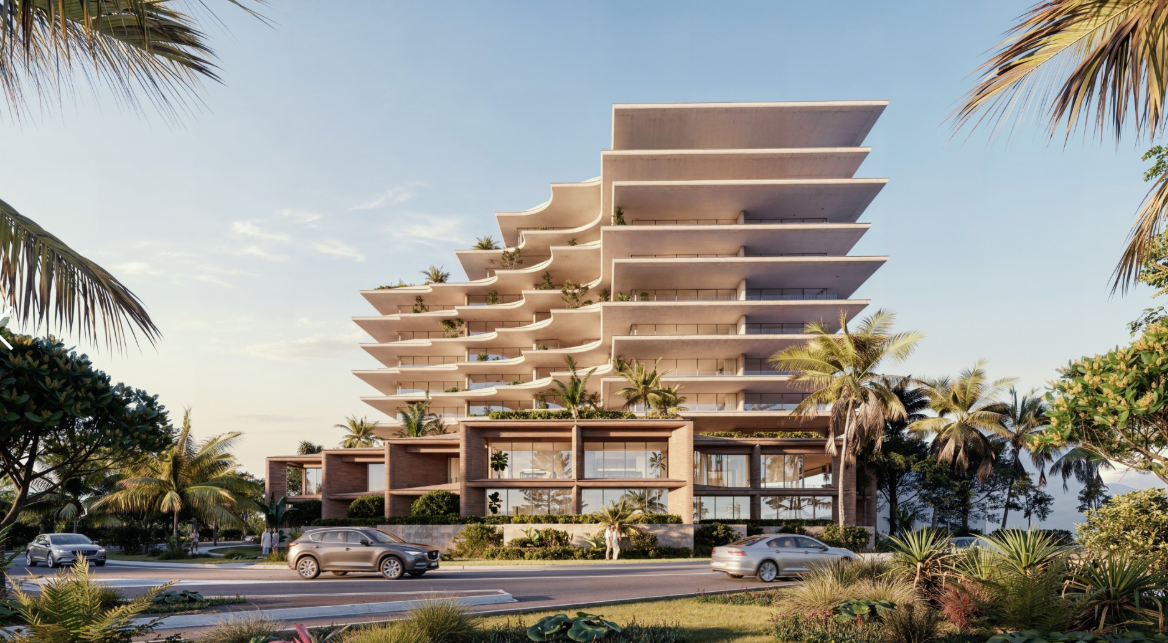
Queensland-based builder-developer MAYD has unveiled an exclusive first look at its anticipated ultra-luxury North Kirra mixed-use project as it lodges a minor amendment with the City of Gold Coast Council. The project sits across a 4,742sqm amalgamated landholding spanning seven parcels at 2–6 Pacific Parade and 27–33 Golden Four Drive, Bilinga, which MAYD secured in …
Continue reading “MAYD”s North Kirra Plans Unveiled Ahead of Early 2027 Launch”