When to buy property in a slowing real estate market
Property prices have fallen in many parts of Australia but have we hit the bottom of the cycle? And should you buy now?
 4 min
4 min
Buy low, sell high. It’s the mantra for any asset transaction — and real estate is no different. Short of investing in a crystal ball, switched on buyers study market cycles to get the best impression of what the medium to long term holds.
Past behaviour of a suburb or property type is one of the best indicators of future behaviour at a micro level, but there are also a number of macro factors to be taken into account.
Watching the ticking property clock
Australian real estate travels through property cycles, which traditionally last between seven to 10 years. However, individual cities and towns (and then suburbs or property types within those locations) can run an independent race from the rest of the country.
National property valuation advisory firm Herron Todd White publishes a monthly ‘property clock’ which takes a regular snapshot of where house and unit markets are sitting within the cycle, indicating a market peak, a bottom, and the transitions in between.
For more stories like this, buy the autumn issue of Kanebridge Quarterly magazine here.
“The property clock is meant to be a kind of ready reckoner, so you can make a swift general comparison about what different markets are doing,” says Kevin Brogan, National Director, Group Risk and Compliance of Herron Todd White.
Although common sense might suggest it would be wise not to buy in areas sitting at the peak “12 o’clock” position, Brogan says it’s not always that simple.
“If somebody in Sydney is looking at a property in Adelaide, they might see it sitting in a peak position, but they’ll also look at the price point and think ‘Well, I don’t mind because Adelaide looks very affordable’. A local might feel differently.”
By the end of 2022, Sydney and Melbourne sat on the declining side of the “property clock” after reaching their peak positions in February 2022 and December 2021 respectively. Purchasers might be temped to take a “wait and see” approach, but there is no one-size-fits-all answer.
“You’ve had an interest rate environment putting pressure on buyers, but if there’s sustained demand in the market because of economic and population growth, that’s going to have a positive impact across different market segments,” Brogan says, adding that certain property types can also buck the cyclical trends.
“Vacant land and properties requiring refurbishment have struggled because of escalating building costs and concerns around the durations of projects.
“Conversely, renovated properties are selling quite well even in Sydney and Melbourne. So it’s very tempting to just look at a geographical market — and at a high level it’s quite useful to do that — but if you’re on the verge of making a decision, you need to look at the sub market too.”
Timing the market…
Waiting for the market to hit rock bottom might feel like the right buying strategy, however chief economist for Ray White Group, Nerida Conisbee, warns even schooled experts can often only pinpoint the trough in retrospect.
“Markets can move really quickly. At the start of the pandemic some economists were suggesting a 30 per cent decline, and then suddenly it turned around and we saw a 30 per cent increase,” she says.
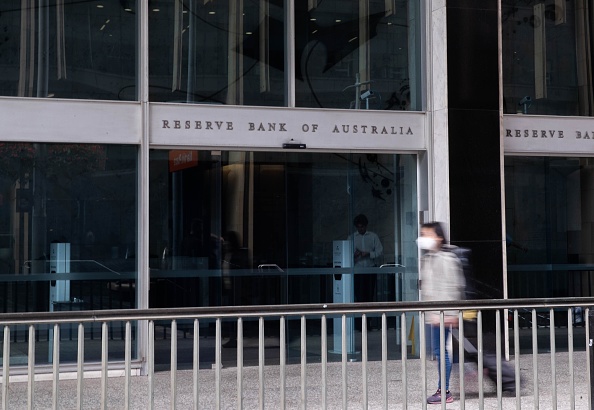
From the first Reserve Bank official cash rate increase in April 2022, prices across many Australian markets started to decline after a short sharp boom, but just how long (and where) negative movement will be seen in 2023 depends on several factors.
“It’s been a slowdown that really had to happen because property was getting really too expensive,” Conisbee says.
“But what we’re seeing is quite different changes to property values depending on where you are.
“There’s such a diversion in geographic conditions, so much so that when people talk about a 20 percent price drop there’s absolutely no way that will happen across Australia. Even the market that’s most likely to see that drop would be Sydney because of the extraordinary gains, but it’s not going to be all of Sydney. Prices are certainly not going to drop to bargain levels.”
She added that since the recent price correction had been brought around almost solely by interest rates increases, once they stop the tables could turn.
“Once we start to see interest rates peak, potentially around March, that’s the point at which prices will start to stabilise,” she says. “And if you look at other factors that typically lead to price decline, we’re actually seeing the opposite. Population growth is starting to ramp up again and migration is back.
“If you try and wait for the bottom, you could quickly find yourself in a dramatically different situation and you might discover you’ve missed the boat.”
…Or time in the market
It is a real estate cliche, but time in the market is often better than timing the market, says Brogan.
“Although timing can be important in terms of the transaction to enter the market, you also have to consider how long you intend to hold the property for,” he says. “If you’re looking for a quick in and out, then timing is critical, but if you’re looking to hold for a period of time, it’s a different story.
“Everyone loves a bargain, everyone loves to tell their friends how well they’ve done in any transaction, particularly with property.
“It’s only human nature to want to minimise your outlay, and that thinking won’t necessarily do you any harm. Unless, of course, analysis paralysis means you hold out or don’t act at all and you miss out altogether.”
Conisbee said the mistake many bargain-hunting buyers make in a declining real estate market is holding out too long only to jump in with everyone else.
“Of course it’s great to buy at the bottom of the market,” she says. “Ultimately though, if you’re holding on long term it doesn’t matter when you buy in a cycle. The best time to buy is when you find the right home in the right location at a price you can afford.”

From making unpopular decisions to learning when to listen, leaders from five businesses reveal what nobody prepared them for — and how running a company has challenged their expectations.

Technology and semiconductor shares fell sharply as investors questioned the debt financing the AI infrastructure boom and confronted higher rates and Chinese competition.
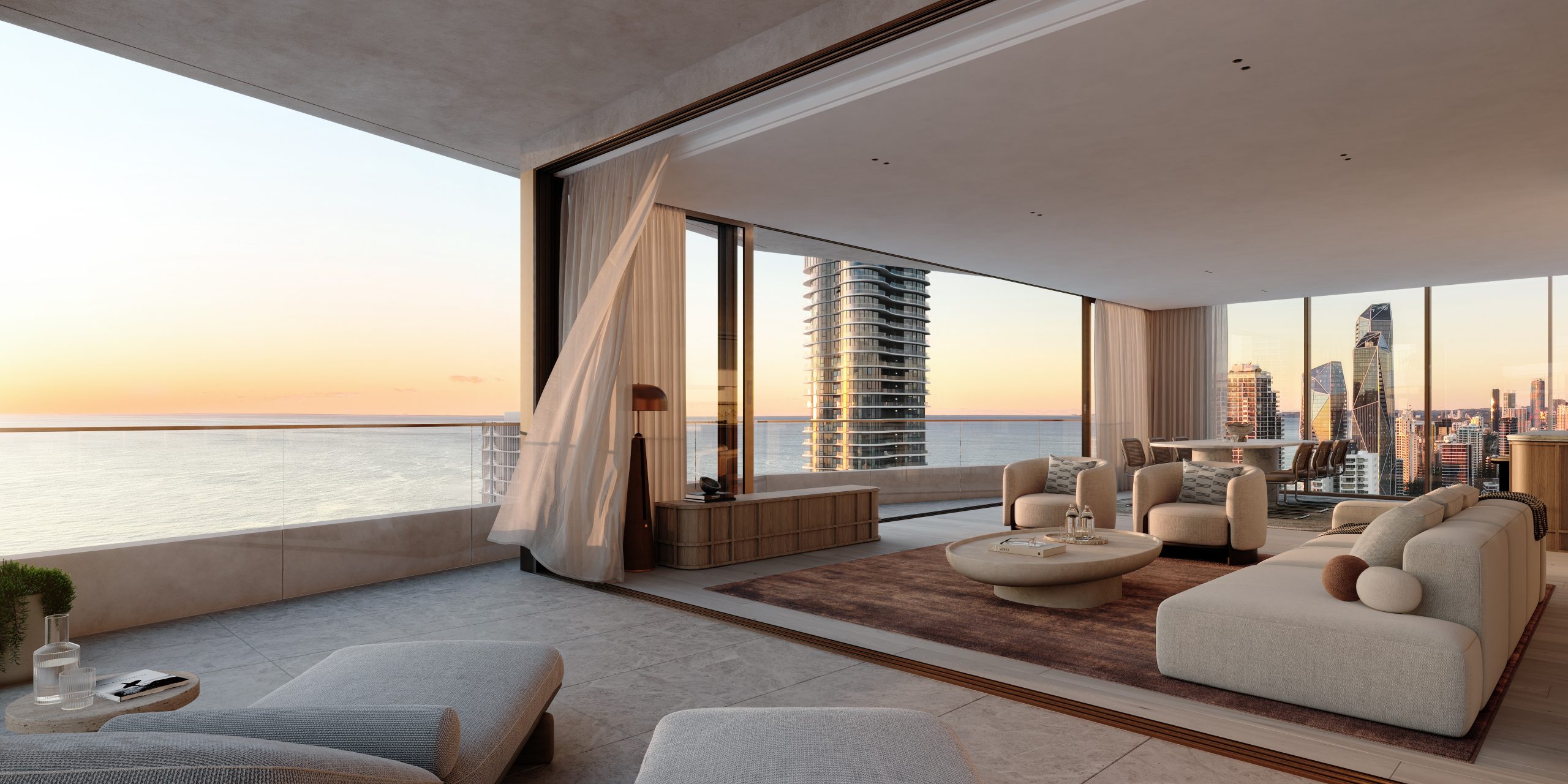
Mirvac’s 45-level Trielle has topped out at Yarra’s Edge, pairing riverfront apartments with wellness facilities, private dining and resident services.
3 min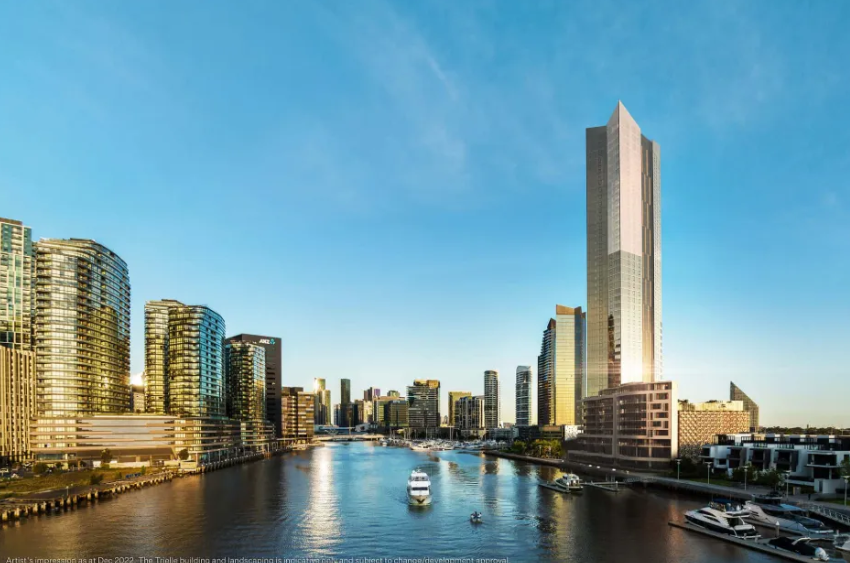
Mirvac has topped out Trielle at Melbourne’s Yarra’s Edge, with more than 70 per cent of the riverfront development sold and approximately 80 per cent of purchasers intending to make their apartment a home.
The figures, released on September 22, point to an owner-occupier audience for one of the precinct’s final residential towers. Mirvac began developing Yarra’s Edge in 2003, and its latest addition occupies one of the remaining absolute riverfront sites.
Mirvac CEO of Development Stuart Penklis said existing residents were among those moving up within the neighbourhood.
“Many purchasers already have a connection to Yarra’s Edge,” Mr Penklis said, describing buyers whose changing needs were encouraging an upgrade within the precinct.
“As one of the final residential towers within Yarra’s Edge, Trielle represents the culmination of more than two decades of creating one of Melbourne’s most established and sought-after waterfront communities,” Penklis said.
“Positioned on the Collins Street axis with absolute river frontage, Trielle offers residents a rare opportunity to enjoy sweeping views across the Yarra River, Melbourne skyline and Port Phillip Bay, while remaining seamlessly connected to the CBD. With Trielle now more than 70 per cent sold, we’re continuing to see strong demand from buyers seeking quality homes in established locations.”
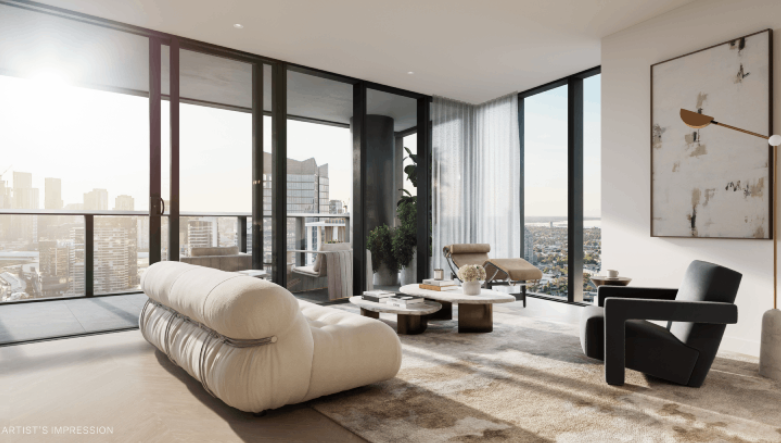
The developer also flagged a penthouse and sub-penthouse collection with larger layouts, premium finishes and broad outlooks. The planned wellness centrepiece, The Oasis, encompasses a 900-square-metre elevated urban rainforest.
Mirvac General Manager Residential Development Victoria Elysa Anderson said Trielle had resonated strongly with buyers seeking a rare lifestyle offering in Melbourne.
“Opportunities to secure a new luxury residence on a riverfront site of this calibre are incredibly rare, particularly within a community like Yarra’s Edge,” Anderson said.
“What makes Trielle unique is the combination of exceptional views, world-class residential facilities and the lifestyle that already exists around it. Residents are buying into a mature waterfront community with parks, promenades, dining, wellness and strong community connections already in place.”
The 45-level tower brings a substantial new presence to that waterfront. Its residential offering spans one-, two-, three- and four-bedroom apartments, with Signature, Prestige and Sub-Penthouse collections accommodating different household sizes. The north-facing position connects the apartments visually to the river and city beyond.
Seven storeys above the promenade, the planned Oasis combines planting and a running stream with a Scandinavian-inspired wellness club developed with spa specialist Naomi Gregory. Facilities include a 25-metre lap pool, hot magnesium pool, sauna, hydrotherapy, a gym, yoga and Pilates room, and treatment spaces.
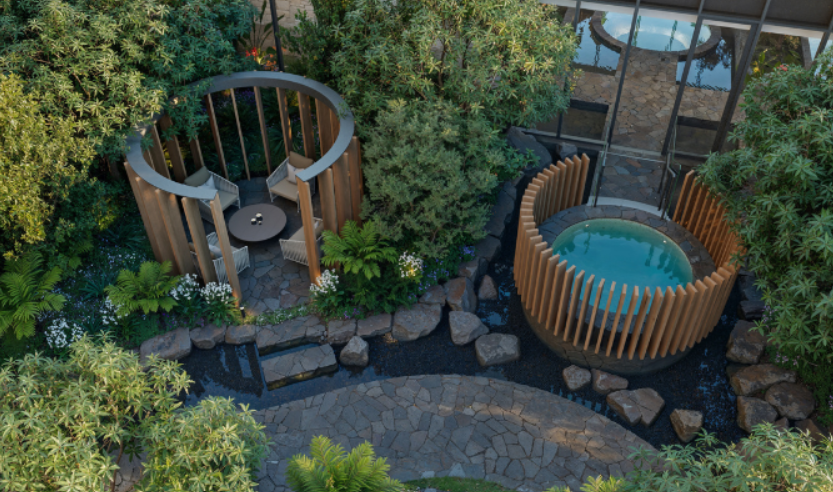
The amenity extends beyond exercise. Residents will have access to The Biblioteca library and workspaces, ground-floor work pods, and The Salone piano lounge. A private Chef’s Table dining room offers a setting for larger gatherings, while a cinema, games room and sports lounge broaden the entertaining options. Concierge services and a dog-wash area support everyday routines.
Trielle comprises a collection of one, two, three and four-bedroom residences. Reflecting strong demand from owner occupiers, approximately 80 per cent of purchasers to date intend to live in their homes, highlighting the project’s appeal to those seeking a long-term waterfront lifestyle.
Mirvac has recently delivered The Albertine, a premium apartment development on the edge of Melbourne’s CBD, and is nearing completion of Prince & Parade in Brunswick, further strengthening its portfolio of thoughtfully designed apartment communities in some of Melbourne’s most sought-after urban locations.

Hand-built in Melbourne and limited to just 10 cars a year, the Zeigler/Bailey Z/B 4.4 is reshaping what a modern collector car can be.

A luxury lifestyle might cost more than it used to, but how does it compare with cities around the world?