Sydney Mansion Aims to Be the First Australian Home to Sell for More Than A$200 Million
The harbourfront estate has views of the Sydney Opera House and can entertain up to 500 guests

 2 min
2 min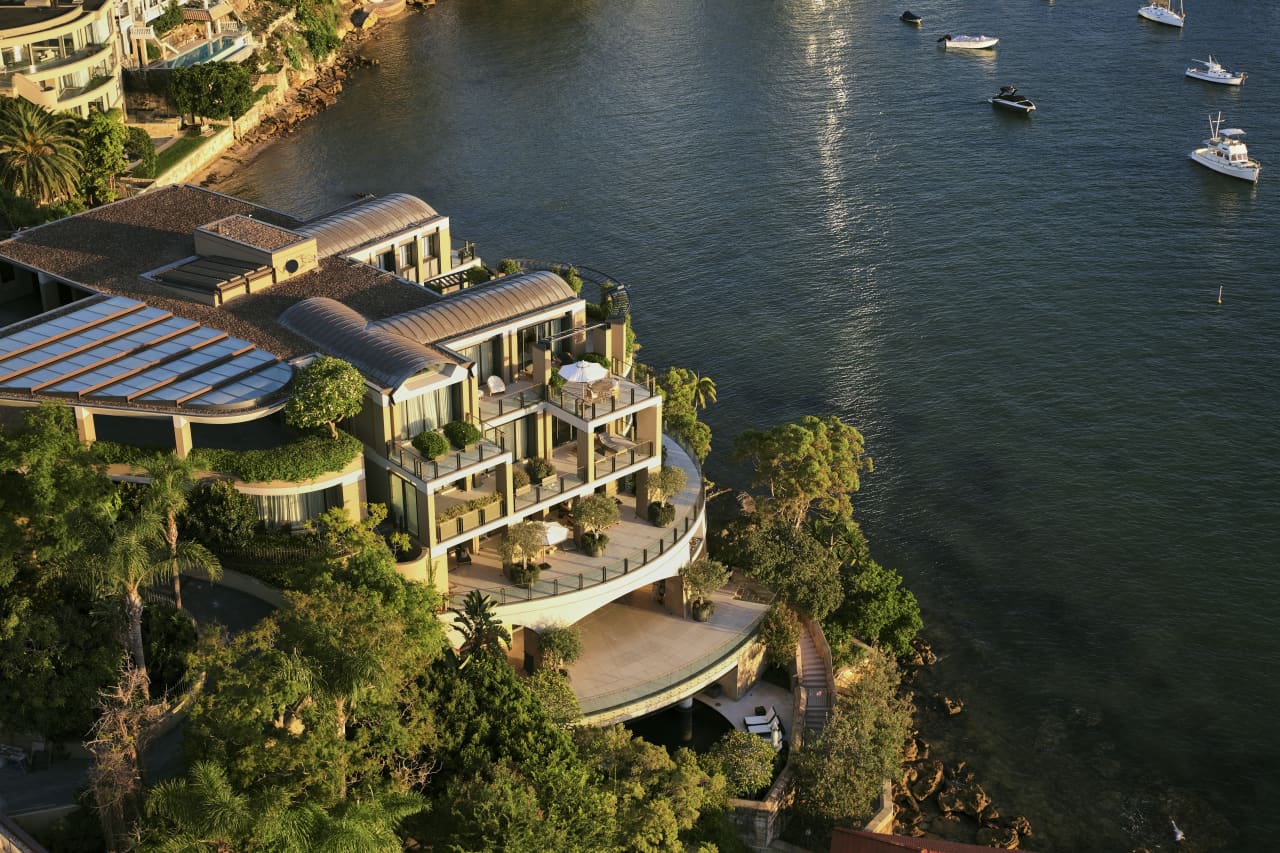
A Sydney waterfront mansion that has just hit the market could set a countrywide price record as the first home to sell for A$200 million (US$129.77 million).
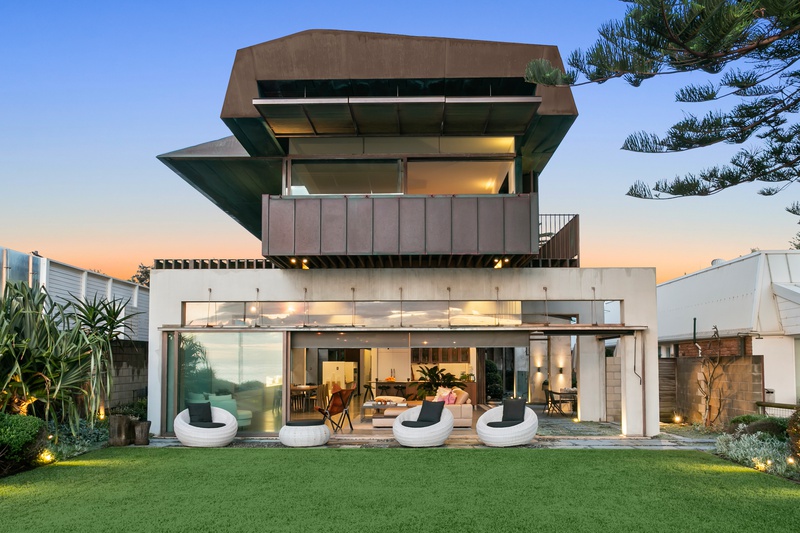
Located in the affluent suburb of Point Piper, the sprawling home sits on a lot that’s equivalent to “four normal housing blocks” and features 98 meters (321.5 feet) of water frontage along the harbor, according to an announcement on Wednesday from Ken Jacobs, director of Australia Pacific of Forbes Global Properties, who has the listing in association with real estate agent Brad Pillinger.
“The estate is Australia’s most iconic residence and ranks amongst the best in the world, combining both privacy and space, exuding elegance and comfort, while featuring gun-barrel views of the Sydney Opera House and the Harbour Bridge,” Jacobs said in a statement.
The residence is expected to sell for A$200 million or more, Pillinger added. “There is no comparable property in Australia.”
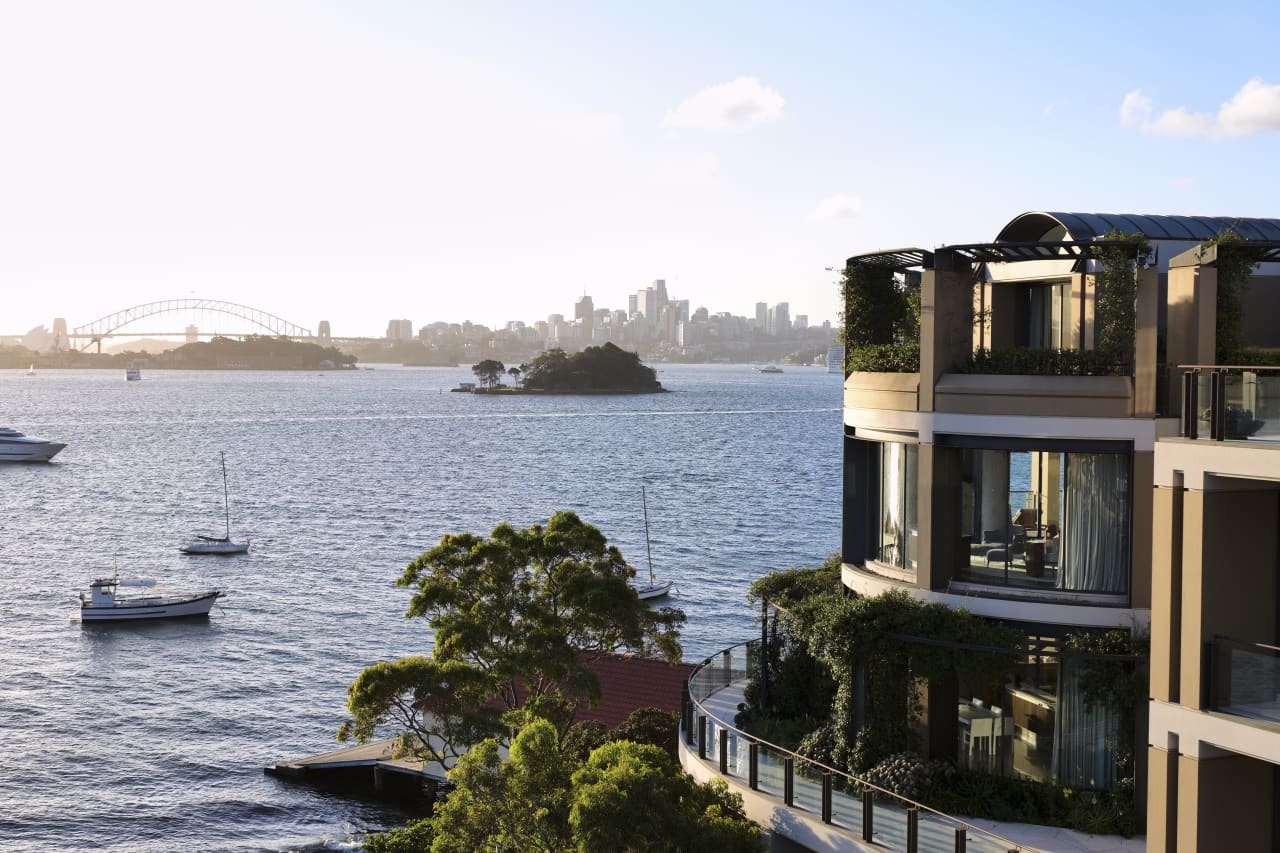
The home, named Wingadal, as it’s located on Wingadal Place, was built for Aussie Home Loans founder John Symond, who purchased the property in 1999. It took eight years to complete the mansion, which was designed by architect Alec Tzannes, according to the listing agency.
“Wingadal is a highlight of my career in residential design and architecture,” Tzannes said. “The timeless design on the Point Piper peninsula offers a unique appreciation of Sydney Harbour from a variety of angles, rotating around an axis that lines up perfectly with the Sydney Harbour Bridge.”
The colossal home has enough internal space to entertain up to 500 people, and underground parking provides space for 20 cars, plus eight more can fit inside the garage.
The four-level home has four bedrooms as well as a two-bedroom apartment. There’s also a 2,500-bottle wine cellar, a home theater that seats 22, two commercial kitchens and a swimming pool.
“Wingadal has been a special home for my family over the past two decades, and now I’m looking forward to spending more time traveling overseas,” Symond said in a statement. “While being an exceptional family home, we have also enjoyed hosting many important events for charities and other worthwhile causes.”
This is not the first time Symond has tried to sell his waterfront estate. In 2016, he listed the home in hopes of selling it for at least A$100 million, which would’ve been a price record for the country at that time Mansion Global reported . The current benchmark was set in 2022, when a baronial-style estate, also in Point Piper, sold for A$130 million, according to The Sydney Morning Herald .
 Copyright 2020, Dow Jones & Company, Inc. All Rights Reserved Worldwide. LEARN MORE




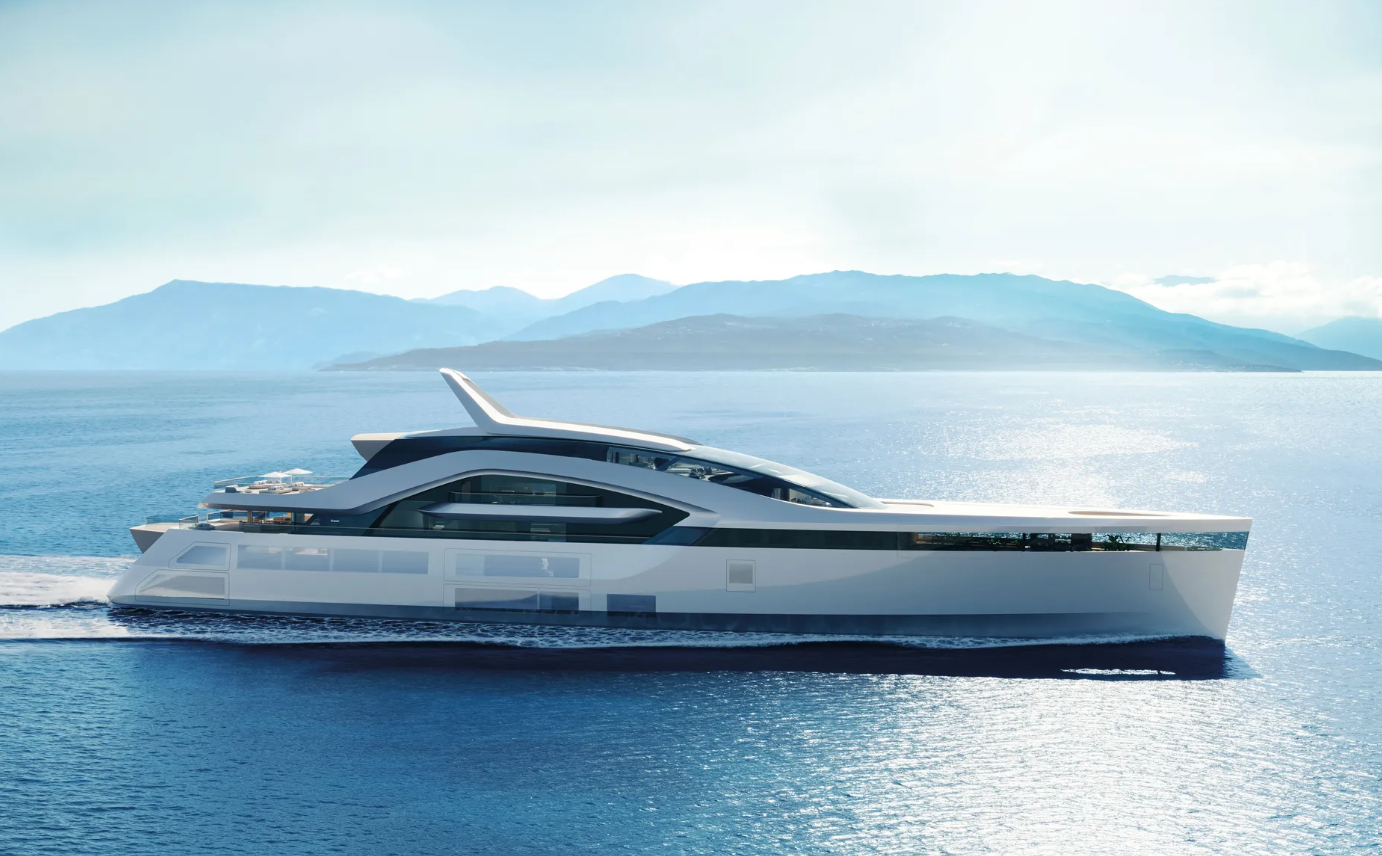
On the owner’s deck, a 20-metre swimming pool incorporates Feadship’s patented ContraWave technology and extends indoors as a suspended, glass-bottomed infinity pool.

Automobili Lamborghini is turning its attention to something considerably more difficult to define: what makes Italian excellence uniquely Italian?

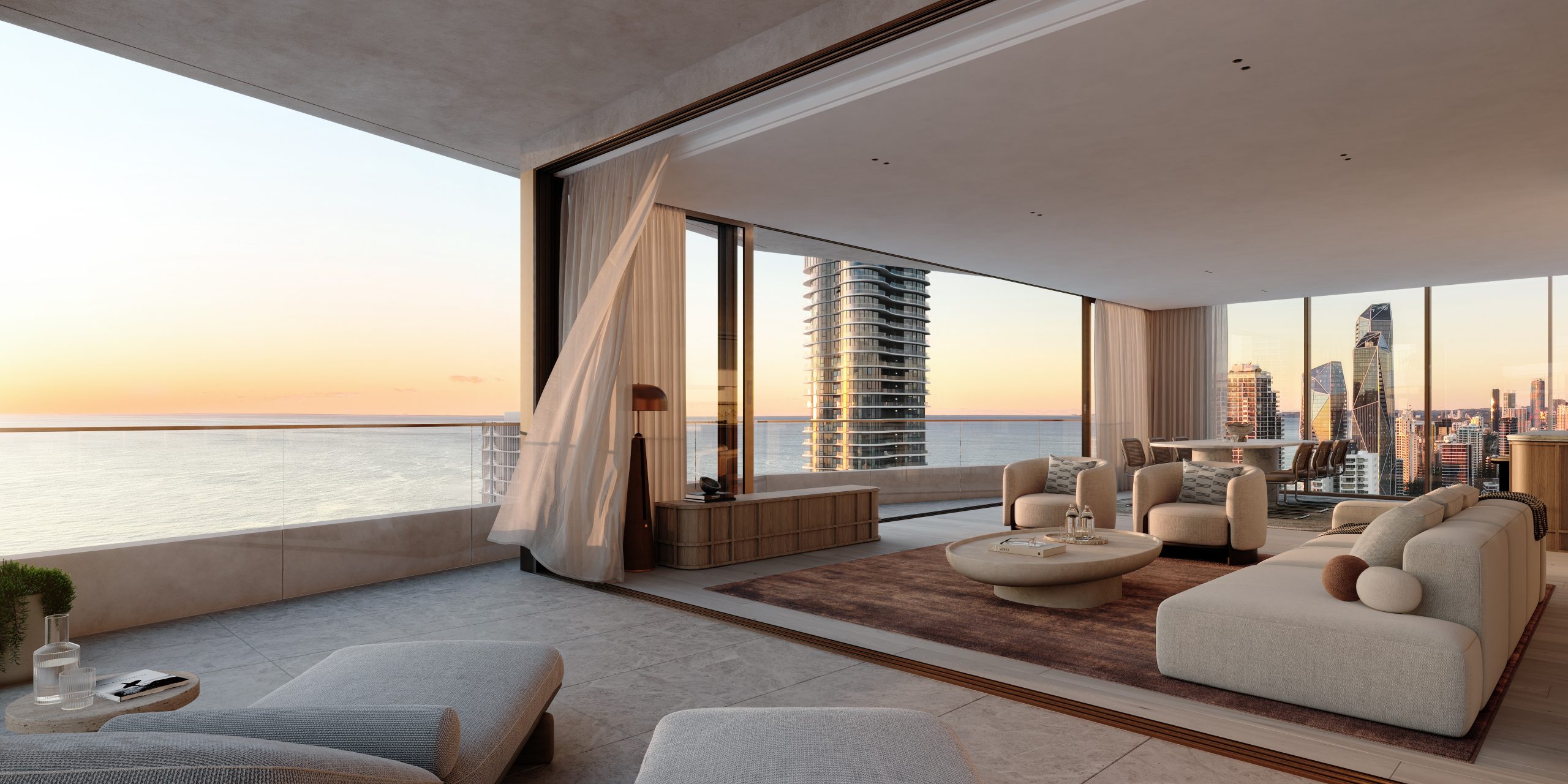
Mirvac’s 45-level Trielle has topped out at Yarra’s Edge, pairing riverfront apartments with wellness facilities, private dining and resident services.
3 min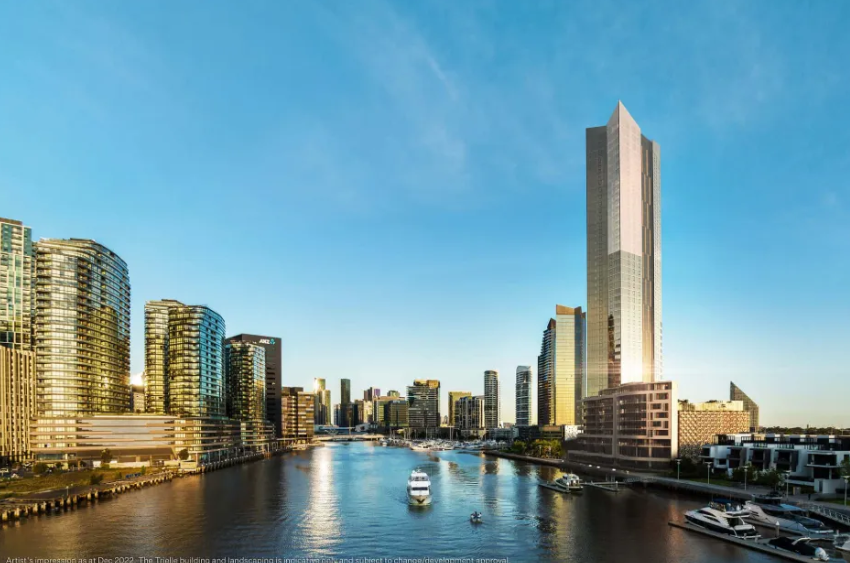
Mirvac has topped out Trielle at Melbourne’s Yarra’s Edge, with more than 70 per cent of the riverfront development sold and approximately 80 per cent of purchasers intending to make their apartment a home.
The figures, released on September 22, point to an owner-occupier audience for one of the precinct’s final residential towers. Mirvac began developing Yarra’s Edge in 2003, and its latest addition occupies one of the remaining absolute riverfront sites.
Mirvac CEO of Development Stuart Penklis said existing residents were among those moving up within the neighbourhood.
“Many purchasers already have a connection to Yarra’s Edge,” Mr Penklis said, describing buyers whose changing needs were encouraging an upgrade within the precinct.
“As one of the final residential towers within Yarra’s Edge, Trielle represents the culmination of more than two decades of creating one of Melbourne’s most established and sought-after waterfront communities,” Penklis said.
“Positioned on the Collins Street axis with absolute river frontage, Trielle offers residents a rare opportunity to enjoy sweeping views across the Yarra River, Melbourne skyline and Port Phillip Bay, while remaining seamlessly connected to the CBD. With Trielle now more than 70 per cent sold, we’re continuing to see strong demand from buyers seeking quality homes in established locations.”
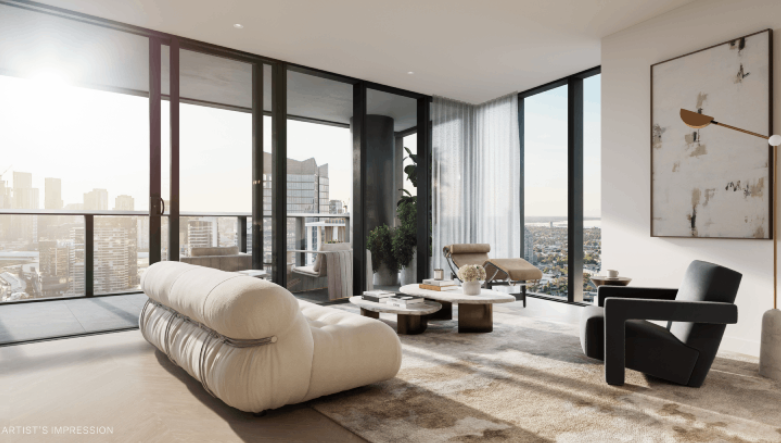
The developer also flagged a penthouse and sub-penthouse collection with larger layouts, premium finishes and broad outlooks. The planned wellness centrepiece, The Oasis, encompasses a 900-square-metre elevated urban rainforest.
Mirvac General Manager Residential Development Victoria Elysa Anderson said Trielle had resonated strongly with buyers seeking a rare lifestyle offering in Melbourne.
“Opportunities to secure a new luxury residence on a riverfront site of this calibre are incredibly rare, particularly within a community like Yarra’s Edge,” Anderson said.
“What makes Trielle unique is the combination of exceptional views, world-class residential facilities and the lifestyle that already exists around it. Residents are buying into a mature waterfront community with parks, promenades, dining, wellness and strong community connections already in place.”
The 45-level tower brings a substantial new presence to that waterfront. Its residential offering spans one-, two-, three- and four-bedroom apartments, with Signature, Prestige and Sub-Penthouse collections accommodating different household sizes. The north-facing position connects the apartments visually to the river and city beyond.
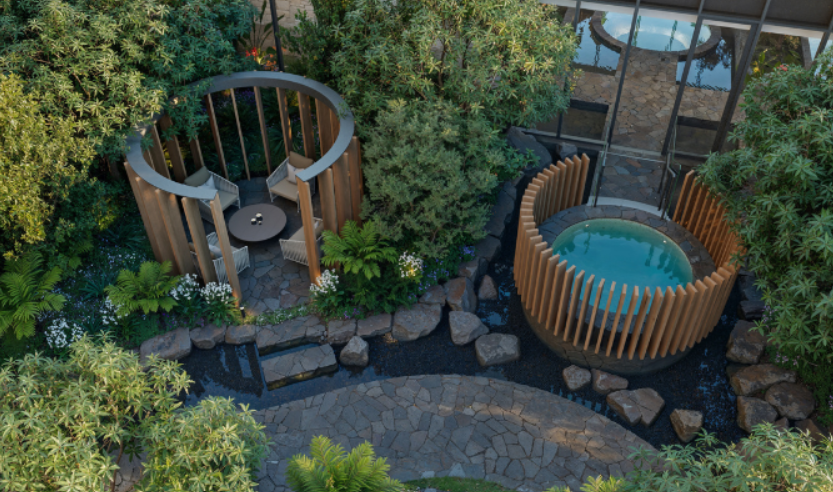
Seven storeys above the promenade, the planned Oasis combines planting and a running stream with a Scandinavian-inspired wellness club developed with spa specialist Naomi Gregory. Facilities include a 25-metre lap pool, hot magnesium pool, sauna, hydrotherapy, a gym, yoga and Pilates room, and treatment spaces.
The amenity extends beyond exercise. Residents will have access to The Biblioteca library and workspaces, ground-floor work pods, and The Salone piano lounge. A private Chef’s Table dining room offers a setting for larger gatherings, while a cinema, games room and sports lounge broaden the entertaining options. Concierge services and a dog-wash area support everyday routines.
Trielle comprises a collection of one, two, three and four-bedroom residences. Reflecting strong demand from owner occupiers, approximately 80 per cent of purchasers to date intend to live in their homes, highlighting the project’s appeal to those seeking a long-term waterfront lifestyle.
Mirvac has recently delivered The Albertine, a premium apartment development on the edge of Melbourne’s CBD, and is nearing completion of Prince & Parade in Brunswick, further strengthening its portfolio of thoughtfully designed apartment communities in some of Melbourne’s most sought-after urban locations.

Victorian auction buyers will soon receive a piece of information that has traditionally been withheld until bidding reaches it: the vendor’s reserve price. Under new property-sale and underquoting laws, agents must publish the agreed reserve at least seven days before an auction or fixed-date sale. Most changes begin on 1 October 2026 and apply to …
Continue reading “Victoria’s New Auction Rules Will Force Reserve Prices Into the Open”

Borrowers cannot control the Reserve Bank, but they can control how exposed their household budget is to its next decision. The RBA meets on 29 September with inflation concerns still elevated and major-bank economists increasingly bringing forward their rate-rise calls. Fixed mortgage rates have also been moving, reducing the value of waiting for perfect certainty. …
Continue reading “What mortgage holders should do before the next RBA decision”