





The Houses Must Be White, and the Designs Preapproved. Everybody Wants In.
Demand for property in Alys Beach, a planned community on Florida’s Panhandle, has soared over the past few years—even if there are a lot of rules

 7 min
7 min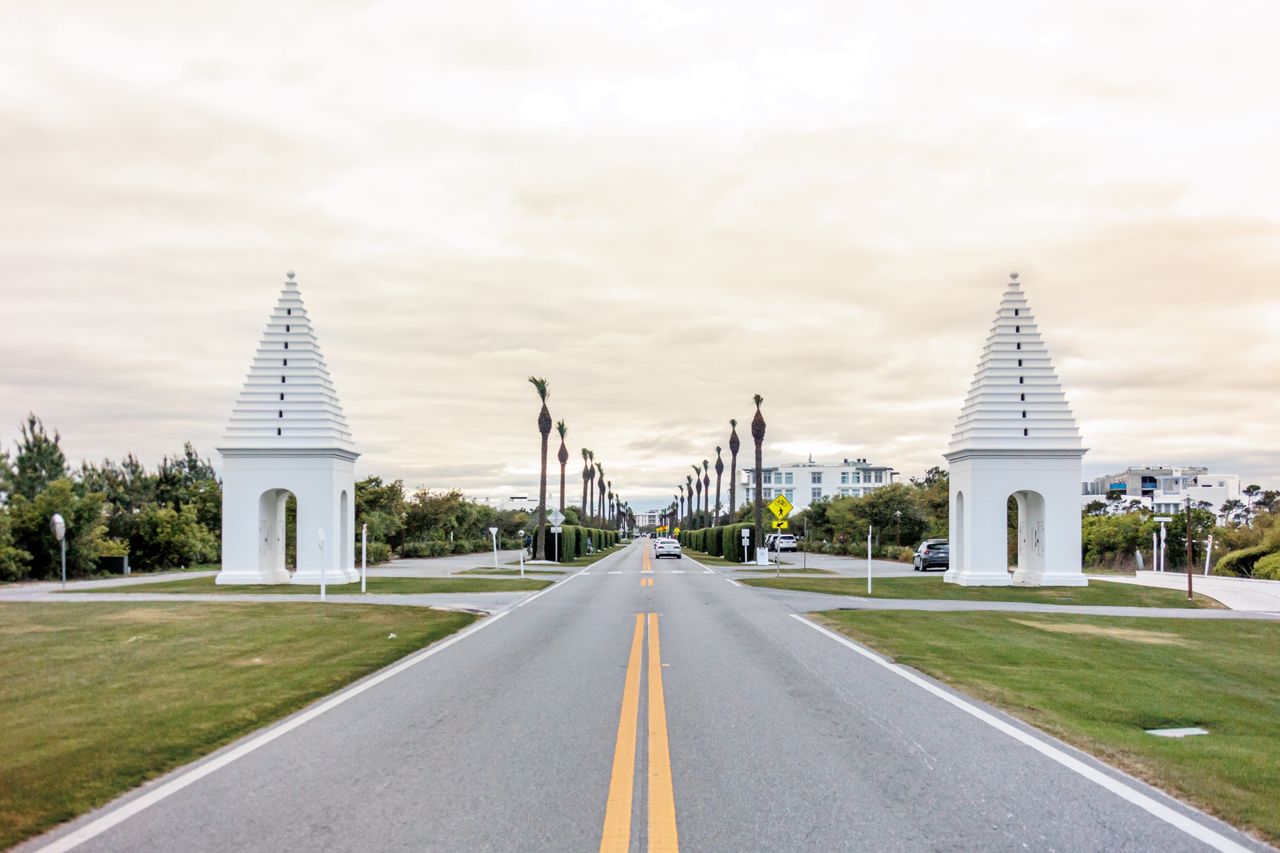
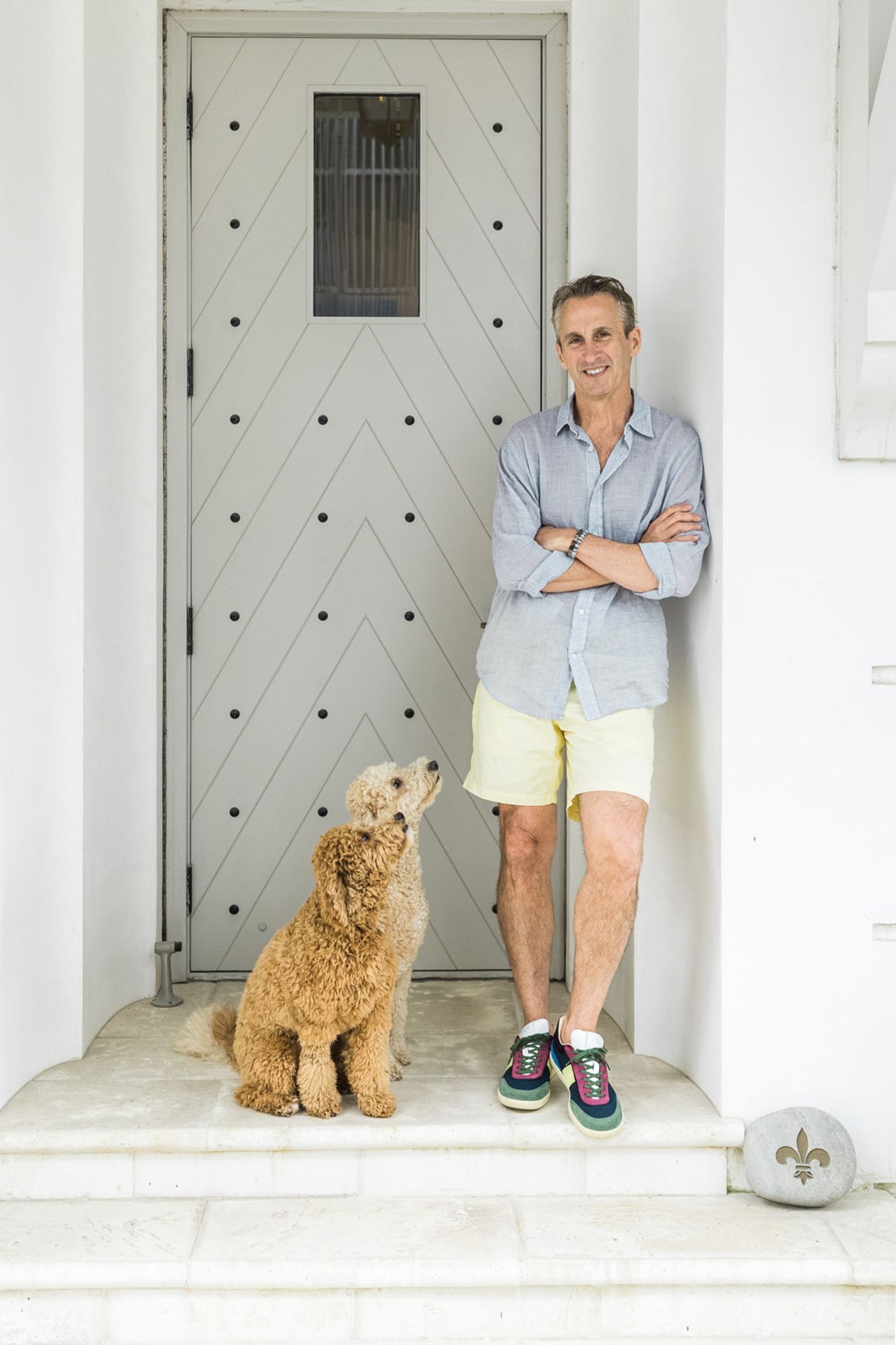
When Covid hit in 2020, Iain and Ronni Watson were planning a cruise in Greece with their friends David and Jackie Weill. So instead of heading to the Mediterranean, the Watsons ended up visiting the Weills at their new home in Alys Beach, a coastal planned community on the Florida Panhandle.
But the Watsons quickly discovered that Alys Beach had more in common with their intended destination than they thought. With its all-white, stucco homes and cobblestone streets, Alys Beach reminded them of the Greek Islands.
The Watsons were so besotted with the community that they made an offer on a five-bedroom home during the visit. By December, they had moved full-time from California to Alys Beach with their two daughters.
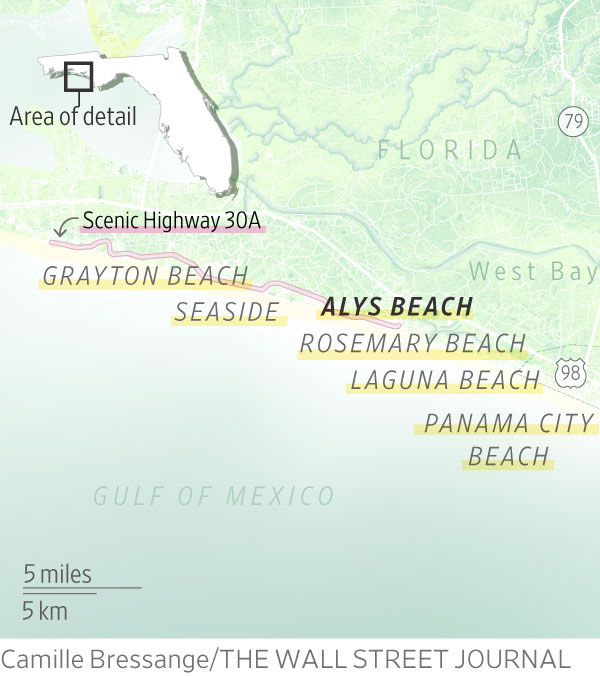
White walls and roofs are among the requirements that create the unusual aesthetic of Alys Beach, a 158-acre community on the Gulf of Mexico off Scenic Highway 30A. The look has proven popular with home buyers: Over the past several years, demand for homes there has increased and prices have ballooned, according to local real-estate agent Jonathan Spears with Compass. In the first quarter of 2023, the average sale price in Alys Beach was $5.74 million, up about 25% from $4.59 million during the same period of last year, he said.
“Most of the families that we’ve met here, 20 to 25 families, have bought in the last three years,” said Dr. Weill, 59, an organ-transplant specialist and author. He and his wife live primarily in New Orleans and spend about 170 days a year in Alys Beach.
When Alabama residents Elton B. Stephens and his wife, Alys Stephens, started vacationing on the Panhandle about 70 years ago, what is now Alys Beach was vacant land. At the time, the area had yet to become a popular vacation spot, according to their granddaughter, Alys Protzman. “I can only imagine what the roads must have been like,” she said. “Many people were not vacationing down there at that point.”
In the 1970s, Mr. Stephens purchased the land that would become Alys Beach through his company, the Birmingham-based conglomerate Ebsco Industries. The Stephens family held on to the land for decades as beach communities grew up around it. In the early 2000s, they felt the time was right to develop the land into a second-home community, Ms. Protzman said. They named it after her grandmother, Alys Stephens, who had died by the time construction commenced in 2004.
Ms. Protzman’s cousin, Jason Comer, spearheaded the project with urban planners Andrés Duany and Galina Tachieva of DPZ CoDesign. Mr. Duany had been part of a team in the 1990s that coined the term New Urbanism, which refers to the creation of mixed-use, walkable communities. DPZ CoDesign has been behind the design of several New Urbanist communities on the Panhandle, including Rosemary and Seaside.
In designing Alys Beach, Mr. Duany said the goal was to create a community that was both walkable and private. To do this, many of the homes are built around individual courtyards, a design that was inspired by courtyard homes in Guatemala. They are also close together, some sharing party walls, which creates a cohesive sea of white along the community’s narrow streets. “With the conventional American house, you need a large lot to achieve privacy,” Mr. Duany said, “but the courtyard provides privacy in a relatively small lot.” This allows Alys to have a high density and enough people to support the restaurants and public life, he said.
Most people in the community walk or ride bicycles, said Dr. Weill. “We stay most of the summer there, and I can go a month without getting into the car,” he said.
Home designs in Alys Beach must be approved by Marieanne Khoury-Vogt and her husband Erik Vogt, the designated town architects, and other members of a review committee. At first, the style of the homes in the community was inspired by Bermudian architecture, according to Mr. Duany. But it has since evolved into an unusual blend that includes everything from Mediterranean to Moorish influences, Ms. Khoury-Vogt said. Alys Beach has a list of approved builders and architects that homeowners can choose from, although they can apply to use a different architect.
White is the colour of choice, Ms. Khoury-Vogt said, because it is timeless and reflects heat. (Elements such as doors, window surrounds, shutters and gates can be different colors, she said.) The absence of color pushes architects to give each house distinctive carvings and parapet walls, said Jeffrey Dungan, an architect who has been designing homes in Alys Beach for over a decade. Homes are also required to be masonry, although materials like wood, stone and metal can be used judiciously to introduce warmth and texture, Ms. Khoury-Vogt said.
There are also guidelines for vacation rentals in Alys Beach. In order for homeowners to rent out their homes, for example, they are required to have specific glasses, linens, and serveware: cotton-sateen blend Garnier-Thiebaut linens, and dinnerware and flatware from Fortessa. These items are purchased through the community’s vacation rental program.
Alabama-based real-estate agent Matt Curtis and his wife, Courtney Curtis, bought their four-bedroom, roughly 3,900-square-foot home in Alys Beach for about $6.4 million with the intention of spending a few weeks there with family, then renting it out the rest of the year. They spent about $5,170 to purchase the required linens, Mr. Curtis said, plus a $100 monthly replacement fee. No family photos can be displayed while a property is being rented, he said.
Residents say they appreciate the exclusivity and attention to detail. Before buying their home in Alys Beach, the Weills owned a house in nearby Rosemary, but wanted a quieter community. Over the years, some beaches on the Panhandle have gotten crowded and have a “spring-breakish flare” to them, said Dr. Weill. “I think the folks who developed Alys saw a demand for a more exclusive property that was quieter.”
The Weills sold their Rosemary home and paid $5.4 million in the summer of 2020 for a roughly 3,600-square-foot, three-story house in Alys Beach with a rooftop deck. The property is three doors away from the Gulf.
The Watsons paid $7.5 million for their Alys Beach home, which has an enclosed courtyard leading to the front door. Inside, the walls are white Venetian plaster, and large entertainment spaces sit adjacent to smaller, intimate rooms. “It’s spacious yet cozy,” said Ms. Watson, 58, a former nurse who also worked for several medical startups. Mr. Watson, 67, was a strategy consultant and investor before retiring.
Still, the Watsons have decided that the roughly 5,200-square-foot home is too big for them, and they are planning to downsize to a smaller Alys Beach home. They have listed their current house for $12.495 million, more than 60% above the 2020 purchase price.
Alys Beach is about 65% sold out and about 50% developed, according to the community’s in-house sales team. The team handles all new developer-owned property listings, which are released in phases.
When Mark and Wendy Patterson started looking for land in Alys Beach in 2020, there were only a few lots available. Demand in the market was “crazy,” said Mr. Patterson, 52, the chief of staff at a tech conglomerate. “It was a ‘you-need-to-buy-today-or-it-will-be-gone-tomorrow’ kind of thing,” he said. They paid about $1.5 million in July 2020 for a vacant lot, then built a roughly 4,300-square-foot house.
The building process was quite the undertaking due to the various requirements, the Pattersons said. Property owners building homes in Alys Beach must start construction within 30 months of their purchase, and they have 36 months to complete it, according to the sales team. So the Pattersons moved quickly, picking an architect from the pre approved list. It took them about nine months to get their plans approved and about two years to build the house.
The community is strict about elements visible from the outside, Mr. Patterson said, “but if you want to go crazy on the inside, you would probably have a lot more leeway there.” They chose a dark bluish-gray for their window trims and put balconies on the front of house. The Pattersons said they don’t mind the requirements, and in fact the community’s all-white color scheme was a feature that drew them there.
With the house completed, they split their time between Dallas and Alys Beach, Ms. Patterson said, and their daughters and son-in-law visit as often as they can.
The rental market in the community is also robust. The Curtises started renting out their home in August 2022 with nightly rates ranging from around $1,000 to $2,500 depending on the time of year. According to Mr. Curtis, demand has been strong, with the home already rented out for half of May and all of June.
There are likely several reasons for the recent uptick in demand for Alys Beach homes, according to Mr. Duany. A community takes decades to operate as intended, he said, and over the past several years, many of the plans for Alys Beach have come to fruition, with restaurants and boutique storefronts filling up commercial spaces. Moreover, Florida became a hot spot for out-of-state home buyers during the pandemic, according to Mr. Spears.
The closer you get to the Gulf in Alys Beach, the more competitive the market becomes. There are 20 Gulf-front homesites in the community, and only six that are still undeveloped and not yet available for purchase, according to Ms. Khoury-Vogt. In 2021, attorney Chasitie Walden, along with her parents and brother, purchased a beachfront lot for $12 million, according to Mr. Spears, who represented them. It was the most expensive single-family lot sale recorded along 30A, he said.
Ms. Walden, 48, who lives full-time in Kansas, said there was at least one other offer on the property. After her family purchased the lot, they received an unsolicited offer to buy it, which they declined.
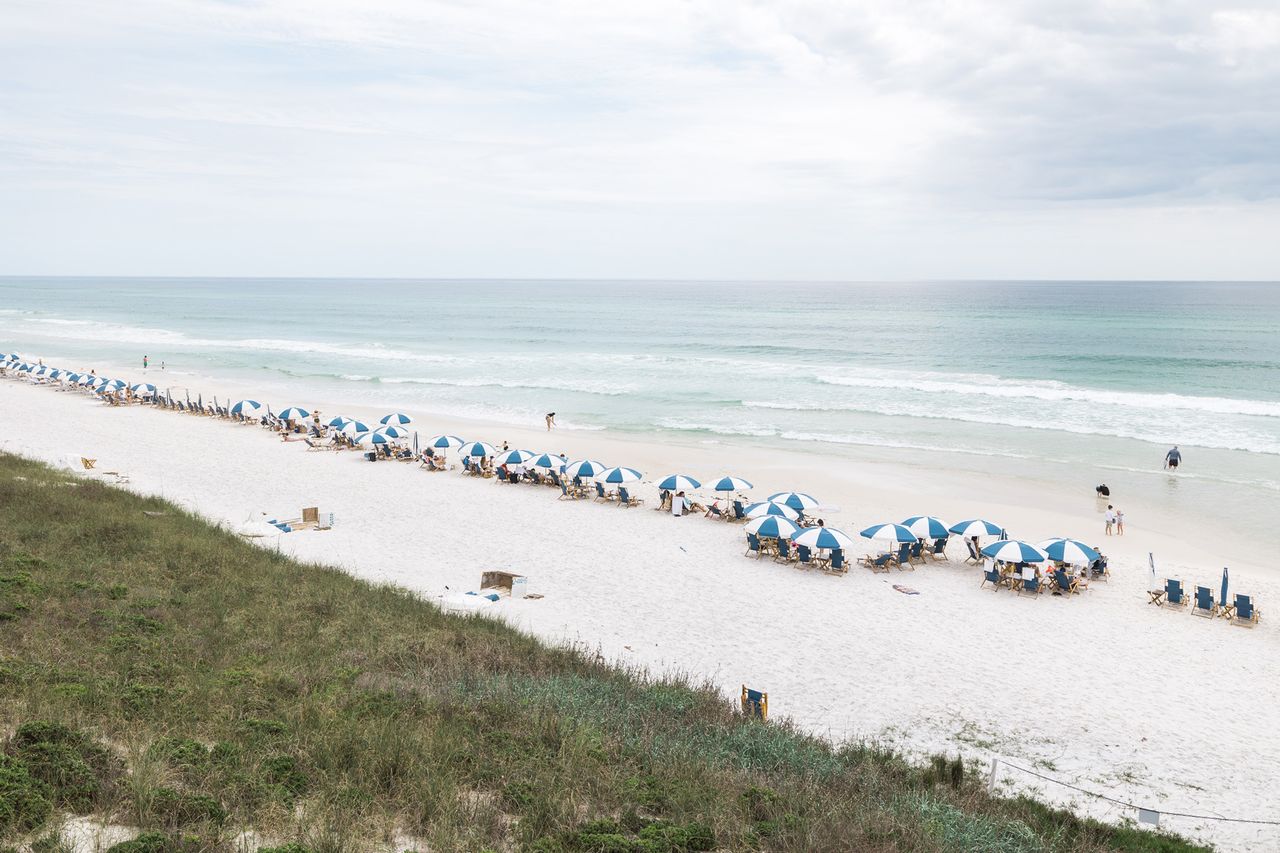
Ms. Walden said she first visited Alys Beach with her family after reading about it in a magazine in 2013. Compared with the other beach communities in the area, they feel Alys has the most attractive amenities, such as its beach club, wellness centre and a nature preserve.
After Ms. Walden visited the community, she and her family bought a home in a nearby neighbourhood and waited for a lot big enough to come available in Alys Beach. Now, they are about two years away from completing construction of their home there.
Ms. Walden, who recently finished a three-year build in Kansas, said she “swore she’d never build again.” But for a beachfront home in Alys Beach, “it’s worth it.”
 Copyright 2020, Dow Jones & Company, Inc. All Rights Reserved Worldwide. LEARN MORE




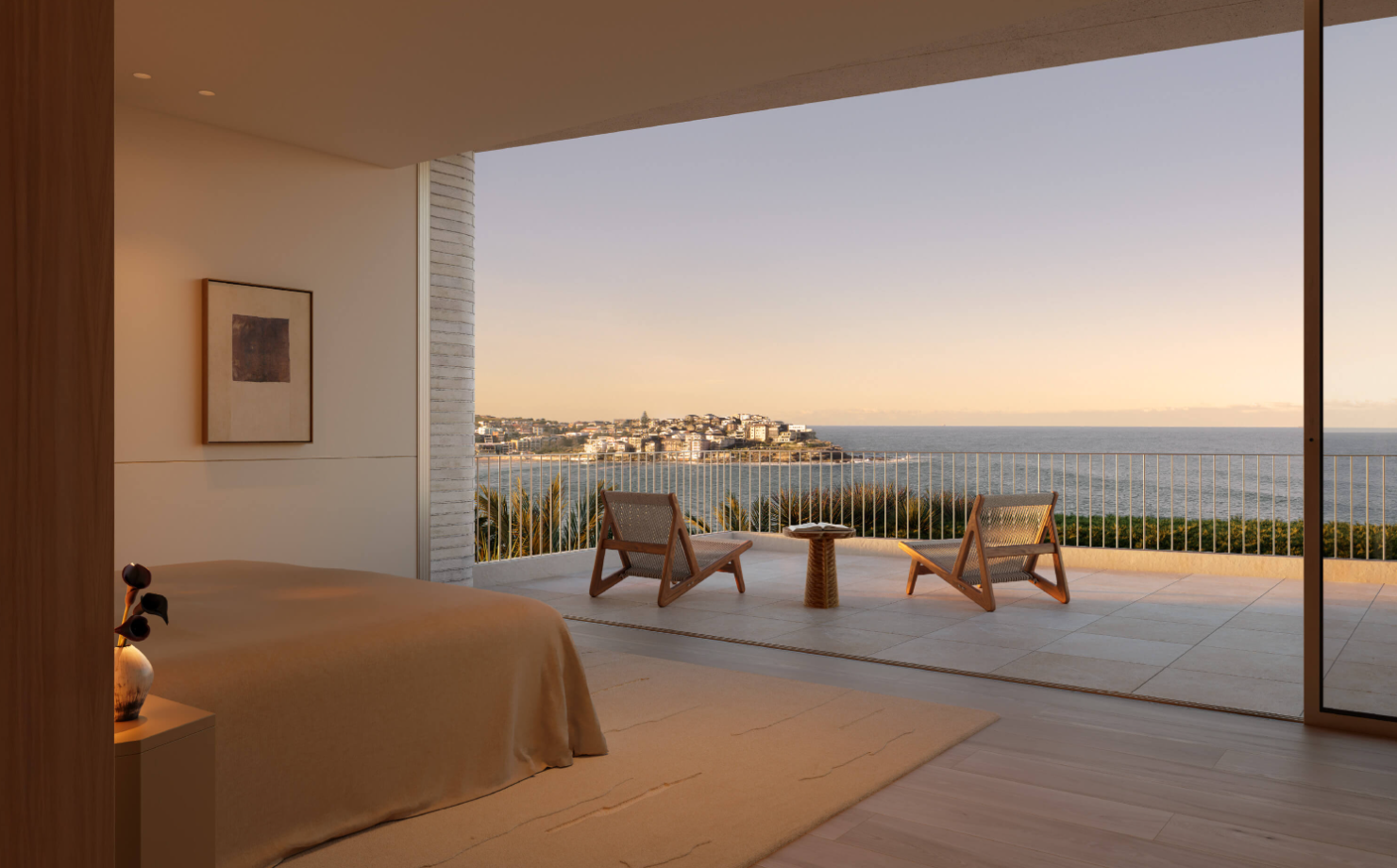
For Central Element, the start of work at Pearl represents another step in the company’s growing eastern suburbs pipeline.

All three vehicles will form part of a broader charitable initiative benefiting Big Brothers Big Sisters of America, the American Red Cross and Starlight Children’s Foundation
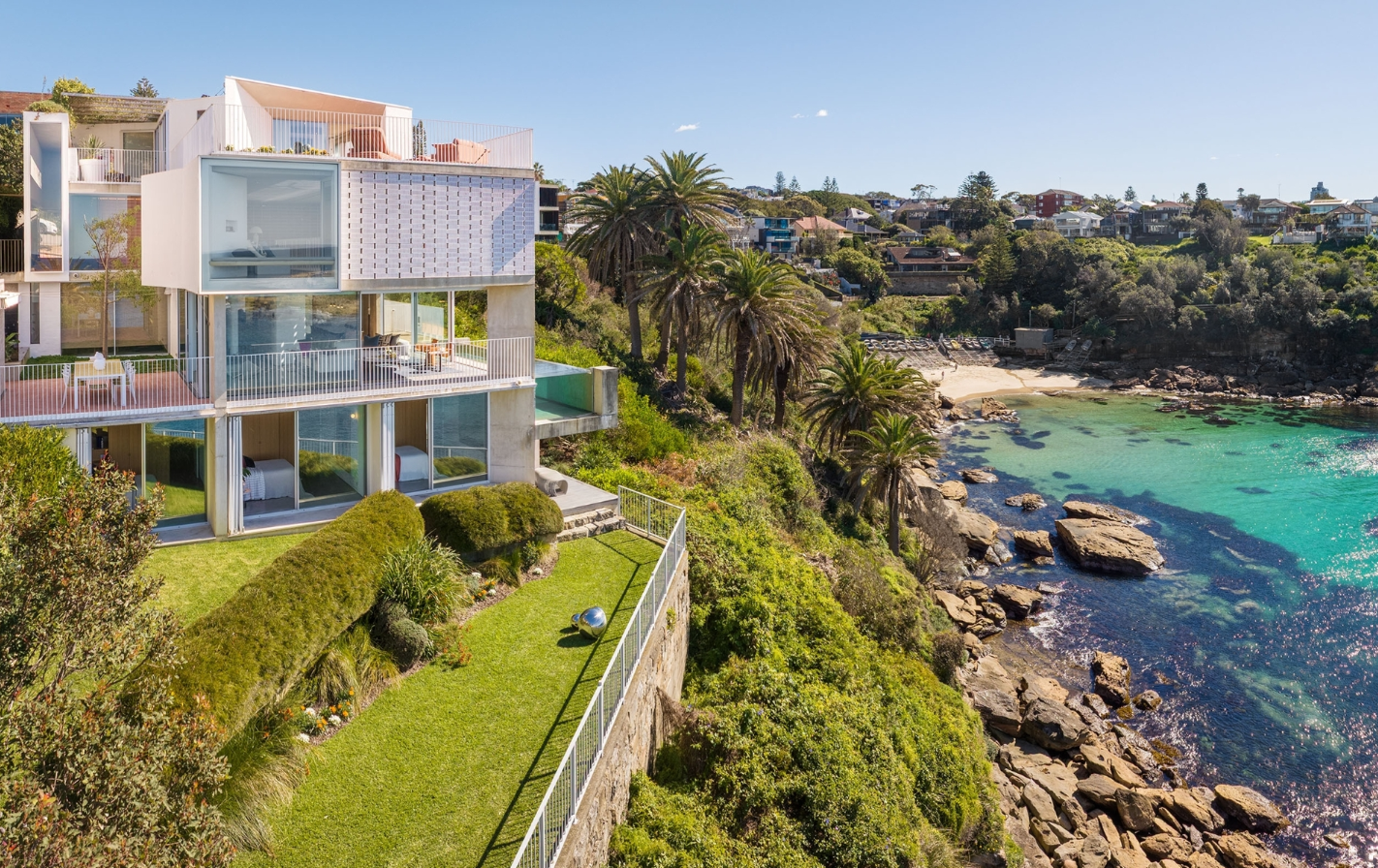
Jack Freeman believes the most compelling interiors are not decorated, but collected. The FREEMAN & CO founder creates layered, personal spaces shaped by art, travel and craftsmanship.
4 min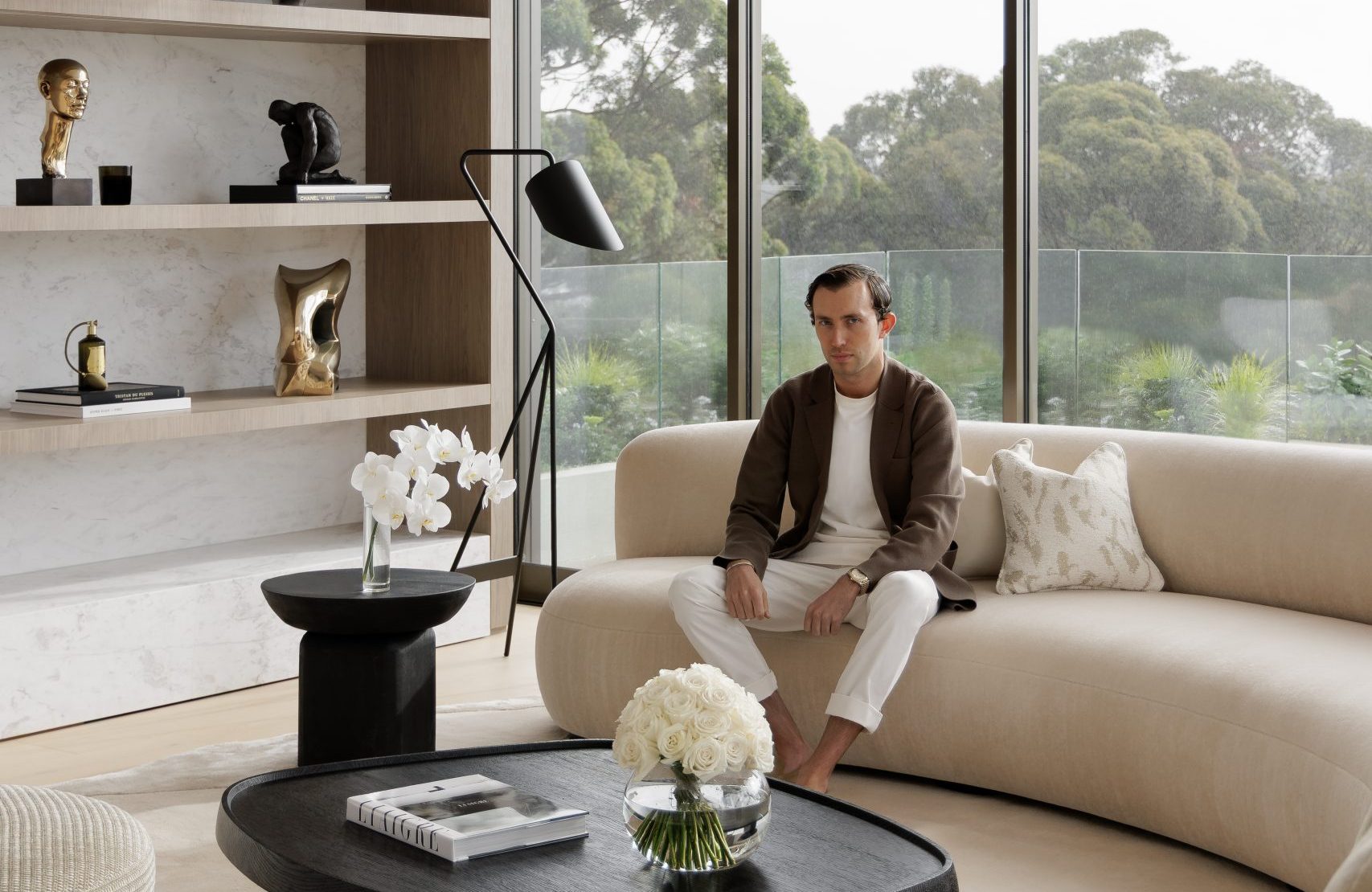
For Jack Freeman, a compelling interior should not look as though it was completed in a single shopping trip.
The founder and designer behind FREEMAN & CO prefers rooms that develop through art, travel, commissioned furniture and objects collected over time. It is an approach that treats the home less as a decorative project and more as an evolving portrait of its owner.
“I am a true believer in collecting versus decorating,” Freeman says.
That distinction underpins the international practice he has built across private residences, hotels, property developments, yachts and private aviation. Its projects stretch from Point Piper, Vaucluse, Circular Quay and Toorak to Mayfair, Bel Air and the Caribbean.
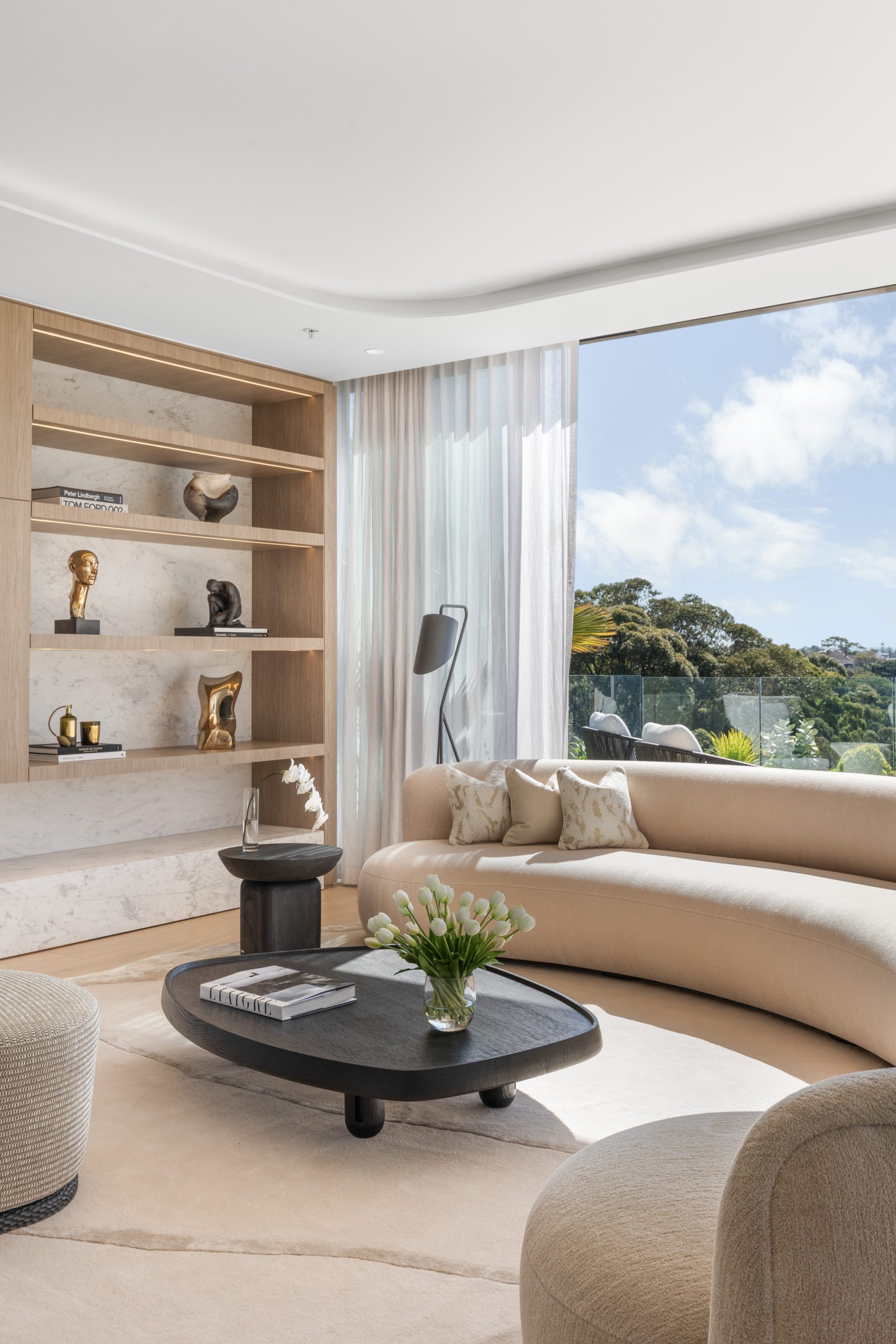
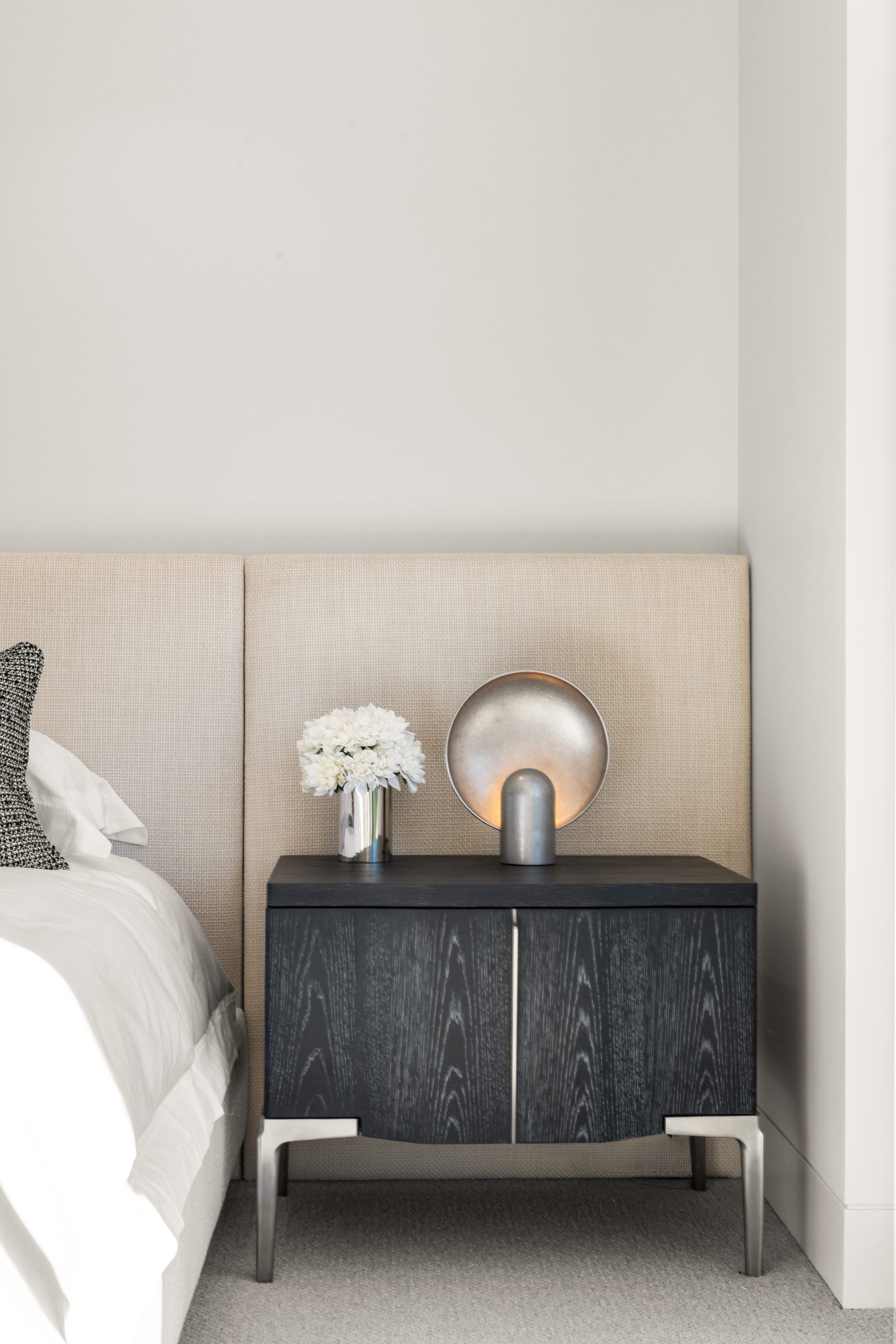
Although the locations and architecture vary considerably, the work is connected by a restrained design language. Natural stone, warm timbers and sculptural furniture establish the foundation, while art, bespoke lighting and individual objects give each interior its identity.
The objective is not to overwhelm a room with obvious symbols of expense. It is to create an environment that feels calm, layered and particular to the people living within it.
“The greatest luxury isn’t about excess,” Freeman says. “It’s about creating an oasis where you come home and feel immediately grounded — effortlessly chic and deeply personal.”
Collecting instead of decorating
Decorating can imply the completion of a room: selecting the required furniture, filling the available walls and producing a coherent finished image.
Collecting is less conclusive.
A collected interior has room to change as its owners travel, discover artists, inherit pieces or reassess how they use their home. Its character comes from the relationship between objects rather than adherence to a single brand or season.
That does not mean placing unrelated pieces together without discipline. The designer must understand scale, proportion, material and provenance well enough to create a dialogue between them.
A contemporary artwork might sit beside a historic piece of furniture. A precisely detailed new interior may be interrupted by an irregular object made by hand. Smooth stone can be balanced by timber, textiles or a patinated metal surface that becomes richer with age.
The tension between those elements is part of the appeal.
For Freeman, art is not an accessory to be added once the furniture plan is complete. It forms part of the architecture and atmosphere of the room from the beginning.
Lighting is considered in the same way. Beyond its practical purpose, a bespoke fitting can operate as a suspended sculpture, changing both the room’s composition and the way its materials are experienced after dark.
A design perspective shaped by travel
International travel plays a significant role in Freeman’s creative process.
Design fairs such as PAD Paris and Salone del Mobile in Milan provide opportunities to encounter emerging designers, established galleries, new materials and collectible furniture away from the filter of social media.
More spontaneous discoveries can prove equally important.
“Sometimes it’s the simple things,” Freeman says. “That piece found on a shopping trip with a client in Paris, stumbling across an artisan’s workshop, or a special memory that forms the narrative of the story.”
Objects selected during travel bring more than visual interest into a home. They carry an association with a place, maker or experience, giving the client a connection that cannot be reproduced by ordering an entire interior from a catalogue.
Freeman’s influences are international, but his projects are not conceived as replicas of Parisian, Milanese or Californian style. Each commission responds to its architecture, setting, natural light and the daily lives of its occupants.
A waterfront Sydney residence demands a different treatment from a Mayfair townhouse. A Caribbean estate shaped by brutalist architecture and reflecting pools calls for another response again.
The designer’s role is to absorb those references without allowing them to overwhelm the individual qualities of the property.
Designing the complete experience
FREEMAN & CO extends beyond conventional interior decoration.
The practice’s stated services include interior design and architecture, project management, property acquisition, development advice, concept design, documentation, furniture and lighting design, procurement and art curation.
That breadth allows the team to become involved before a room’s dimensions and finishes are fixed.
Early participation can be important at the top end of the residential market, where architecture, landscape, interiors, technology and art must operate as one environment. Decisions about ceiling heights, wall dimensions, sightlines and lighting can directly affect where art is installed or how custom furniture is proportioned.
The practice can then carry those decisions through to procurement and final installation, maintaining the design narrative as a project moves between architects, builders, specialist craftspeople, dealers and suppliers.
Its residential portfolio includes a South Coast retreat conceived as an escape from urban life, a Caribbean estate with reflecting pools, an East Coast-inspired Palm Beach residence and a Mayfair townhouse organised around an expressive drawing room.
The studio also says it has worked on highly tailored Sydney residences with values exceeding $100 million, although the private nature of such commissions means individual addresses and clients are not always disclosed.
A home that can keep changing
The risk in creating a perfectly resolved interior is that it can become too static — a composition that looks exceptional in photographs but leaves little room for life.
Freeman sees the home as something that should evolve with its owners.
“I love the evolution of design,” he says. “We are talking about people’s lives, and as they evolve, so too should their private sanctuaries.”
That evolution might involve adding art, reupholstering a significant piece, adapting rooms as a family changes or making space for objects gathered through future travels.
The original design needs to be strong enough to accommodate those layers.
This may be the clearest expression of Freeman’s approach to luxury. It is not simply access to rare stone, collectible furniture or commissioned craftsmanship. It is the creation of a personal environment whose meaning deepens rather than diminishes with time.
Fact box
- Designer: Jack Freeman
- Role: Founder and managing director
- Practice: FREEMAN & CO
- Base: Australia, with international projects
- Project locations named by the practice: Point Piper, Vaucluse, Circular Quay, Toorak, Palm Beach, the NSW South Coast, Mayfair, Bel Air and the Caribbean
- Sectors: Private residences, hotels, residential developments, private aviation and superyachts
- Services: Interior design and architecture, property development, project management, property acquisition, documentation, furniture and lighting design, FF&E procurement, interior dressing and art curation
- Design philosophy: Collected, personal interiors shaped by art, craftsmanship, travel and enduring materials
- Website: free-man.co

A&K Sanctuary unveils Kitirua Plains Lodge, a sustainability-focused luxury property shaped by landscape, local craft and contemporary safari architecture.

The Australian leather house has opened an immersive four-day pop-up in Manhattan, unveiling its Bloom Collection and redefining what a product launch can look like.


