

How health and happiness is becoming big business in property
Buyers don’t just want somewhere to live, they want a property that will make them feel good as well
 5 min

Wellness lifestyle real estate is building momentum as a property category, adding up to a staggering $275 billion annual spend globally. And the feel-good factor is only set to grow to around $580 billion by 2025. Calculated by the Global Wellness Institute (GWI), a non profit organisation educating public and private sectors about preventative health and wellness, the group ranks Australia as the third largest market for wellness lifestyle real estate at $16.54 billion.
However “wellness” in the 2020s goes far beyond a token pool or dinky gym in the basement of a residential block. Today, health and wellbeing is being woven into the bricks and mortar of new buildings from the foundations of biophilic design to sophisticated facilities.
A pandemic-induced push for wellness
Australians are a healthy bunch, ranking sixth out of 150 economies in GWI’s Global Wellness Report 2021, with a per capita wellness spend of $5239 a year. As a result, developers down under are sitting up and taking notes.
While this wave of wellness was brewing before COVID, the pandemic is credited with super charging the phenomenon turning medium density buildings into holistic vertical villages where residents can work rest and play, all under one roof.
Want more stories like this? Order your copy of Kanebridge Quarterly magazine here.
Julian Sammut, COO of Sammut Group which is currently selling Vue in Cronulla and Coast on the Gold Coast, says across their residential and commercial projects, wellness has taken a front seat.
“With more of us working from home people don’t want to venture to as many different places to get what they want,” Sammut says. “Our projects are a one-stop shop where everything is integrated into the one building.”
Sammut says the shift to wellness has also been shaped by the type of buyers looking for property.
“Many of our purchasers into these luxury products are downsizers. They’re coming from large houses with lots of personal amenities,” he says, adding that the category of buyers are often facing a lifestyle trade off when moving.
“We wanted to address these compromises and slowly started, even before COVID, to implement wellness into our projects with things like break out areas, pools, spas, ice baths, saunas, massage and Pilates rooms, as well as meditation spaces.”
In addition to physical facilities, Sammut says the group identified the desire for optional services.
“We’re trying to go a step above by allowing purchasers to feel they’re on holiday in their homes every day,” Sammut says. “So you can jump on the concierge service and book in a personal trainer for the gym, or use the service to deliver your groceries. We’ll even stock the fridge and open up your apartment to make sure there’s a nice breeze and a sense calm in the space when you arrive home after a weekend away.”
And developers such as Sammut are looking at the big picture, beyond individual apartments and developments by carefully curating each project’s surroundings.
“At Vue we’ve got a Harris Farm supermarket underneath ensuring residents have direct access with the ease of heading back upstairs to unload their groceries in their apartment,” he says.
“And at Coast, one of the main reasons we bought the site was because it’s next door to the Northcliffe Surf Club and adjacent to a public park that we’re upgrading with child-friendly equipment.”
Getting the green light
Toby Long, Mirvac’s general manager of residential developments for NSW says one of the company’s current ambitions is to achieve a WELL Certification from the International WELL Building Institute (IWBI) for their latest project in Sydney’s Green Square — a first for an Australian developer.
The Frederick and The Portman Collection buildings have a range of features which aim to hit the 11 WELL principles: air, movement, mind, water, thermal comfort, community, nourishment, sound, innovations, light and material.
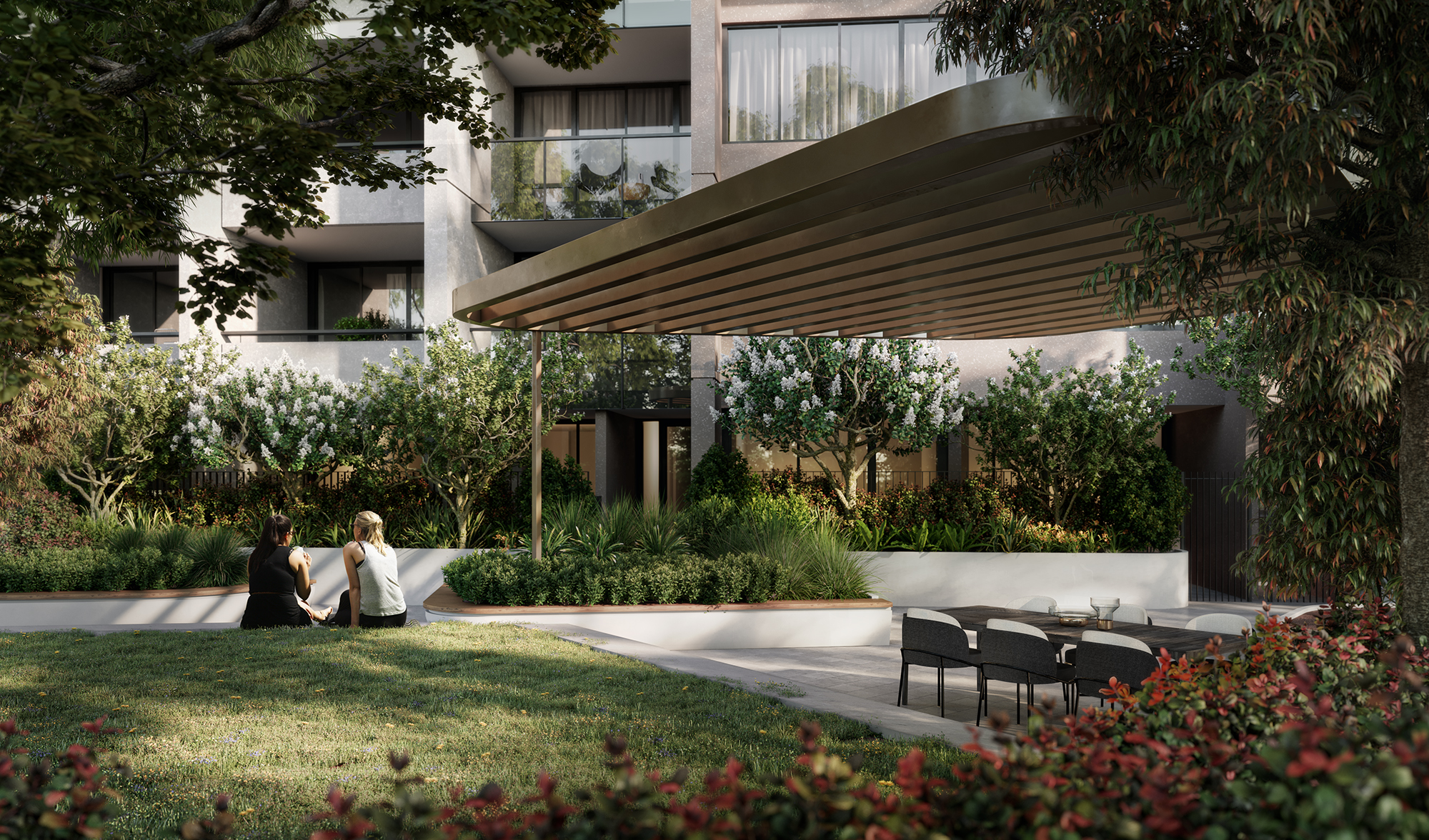
“If achieved, WELL Certification for a residential apartment building will enable Mirvac to offer a new standard of luxury living,” Long says, adding that in recent years wellness and self-care had risen to the top of Australians’ house hunting wish lists.
“The pandemic, bushfires, and flooding have increased awareness of health and wellbeing. Australians are demanding higher sustainability standards and are rethinking how they live and work.
“With more people working from home, it is crucial to create homes that prioritise health and wellbeing.”
Long says the Frederick and Portman Collection will offer bespoke air conditioning, including a filtration mechanism to improve internal air quality.
“Good design will ensure thermal comfort in your apartment. We’ve achieved this by incorporating dual-aspect apartments that benefit from natural breezes and optimal sunlight,” Long says.
“The design encourages the natural circadian rhythm to support good sleep quality, mood, and productivity with access to natural light and an option to upgrade to tuneable white-to-warm light fixtures, supporting a more natural dawn-to-dusk lighting experience.”
To address the growth in working from home, Long says Mirvac has also created The Business Studio, a co-working lounge with communal spaces, study nooks, WIFI, and AV connectivity for work-life balance.
“It’s a space for residents to work, socialise, and collaborate, bridging the gap between work and home.”
The great outdoors
Although residential developers are champions of the built environment, many are now realising the important role mother nature plays. Mark Hosking, associate director at Fortis, says while the group has a long history of working in the wellness space, they are taking it next level.
“At 8 Brighton Street in Richmond we created what I think is the best rooftop amenity in any residential project in Melbourne,” Hosking says. “We’ve got an outdoor yoga room where we’ll be putting on classes for residents, then an amazing sauna overlooking the bay, with an ice showers.
“On the mental wellness side, we’ve got bookable function spaces to host guests, socialise, and build that sense of community.
“This includes a working from home area so rather than working from your apartment every day, you can go on rooftop to a private co-working space with desks and lounges. It’s next to the communal gardens where people can also farm their own herbs and vegetables while meeting their neighbours.”
Contemporary design principles are also front and centre of Fortis’ present and future projects, according to Hosking.
“At our recently completed project in Brighton, Pillar + Tide, we’ve taken a biophilic design approach where we’ve brought vegetation into people’s lives with really large outdoor spaces so people can exercise and enjoy fresh air at home,” he says.
“We see wellness as equal parts physical health and mental health. There’s a lot of great research that talks about how a connection to nature and access to green space driving people’s mental happiness.
“So we try to overlay landscaping into the biophilic design concept because it not only has to look beautiful, but people are happier when they have that connection to nature within their own home.”
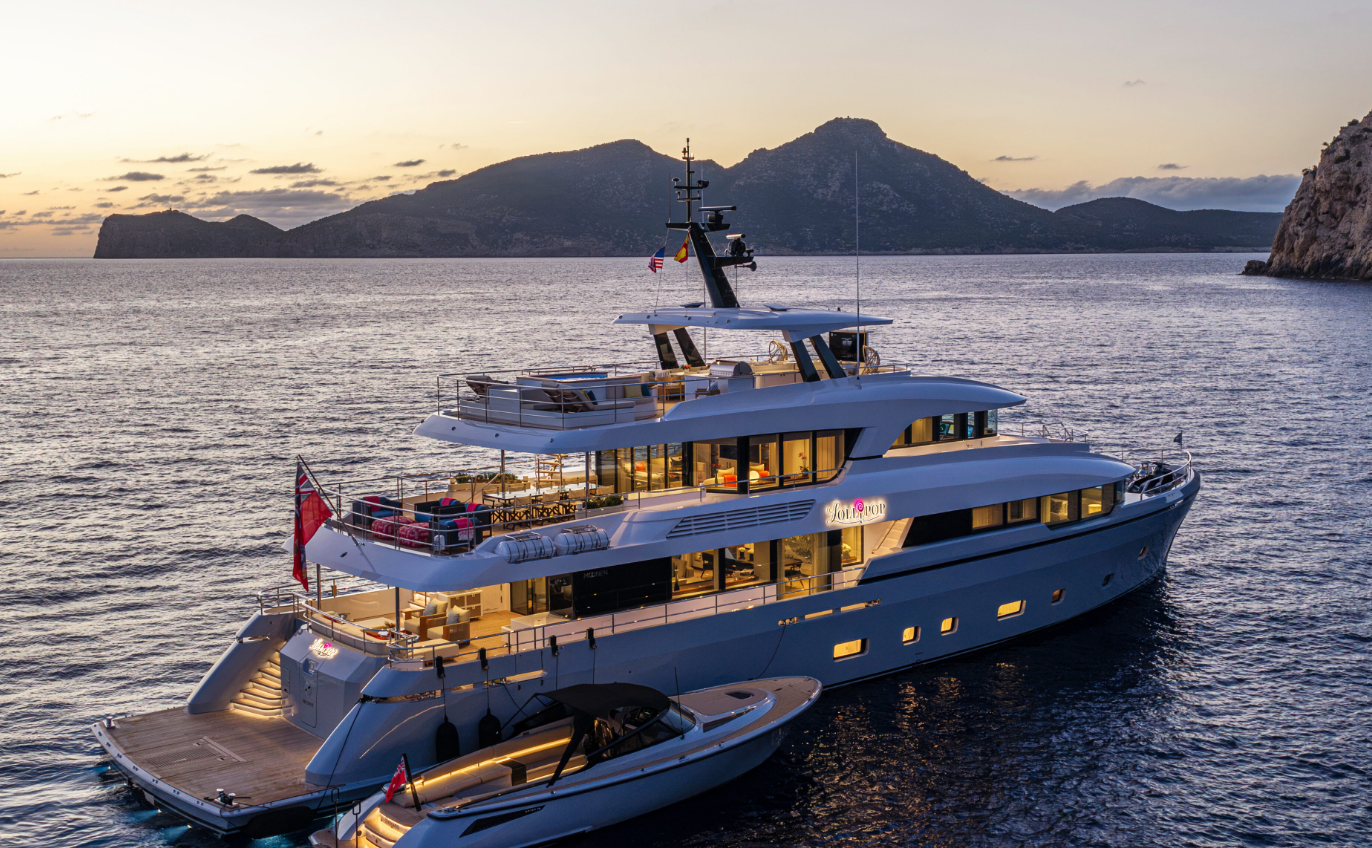
Dutch studio Vripack took cues from a Shirley Temple song for Lollipop, a 37.4-metre Moonen superyacht built for long-range cruising.
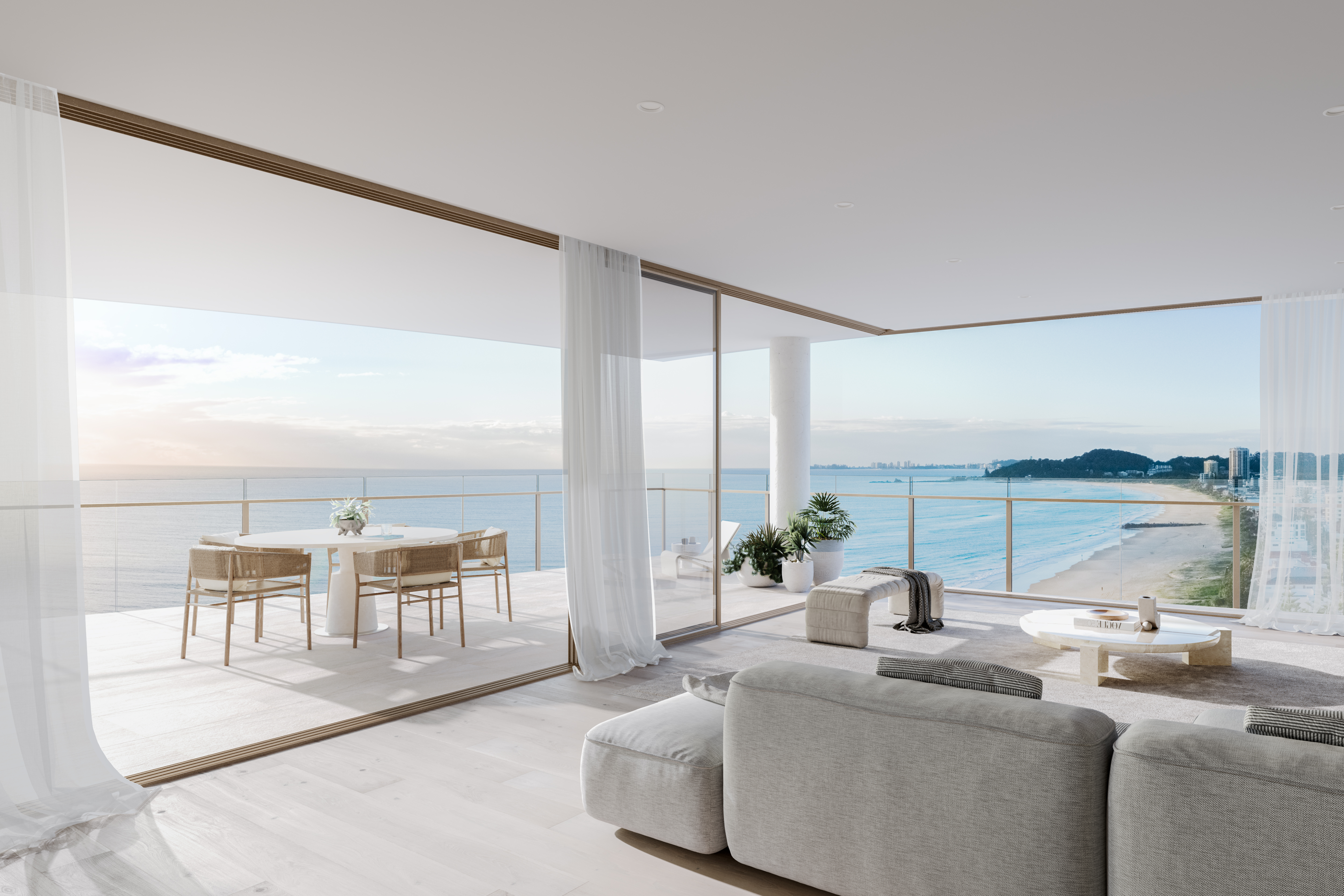
A Sydney couple has paid $15.5 million for the Grand Penthouse at Marquee’s $285 million La Belle Residences beachfront development which is nearing completion at Palm Beach, eclipsing the record for an off-the-plan apartment sale on the southern Gold Coast. The sprawling single level 640 sqm beachfront residence, with sweeping views of the Gold Coast …
Continue reading “$15.5m La Belle Penthouse eclipses southern Gold Coast record”
 2 min
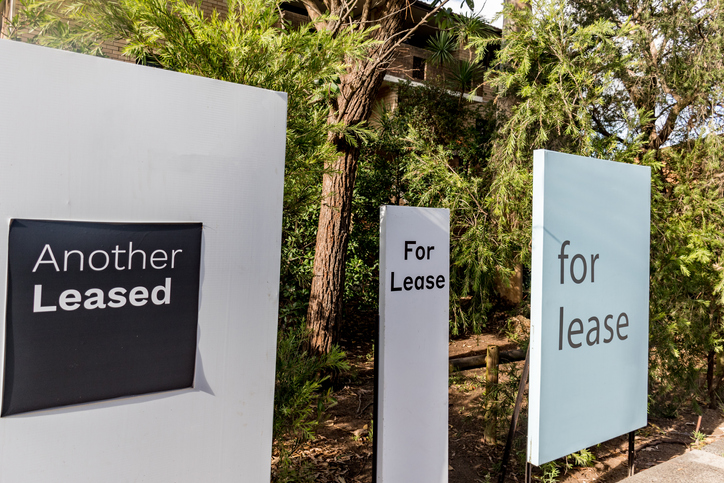
Sydney had roughly 4,300 more vacant rentals in October than it did a year earlier, giving tenants a wider pool of properties to inspect. SQM Research counted 13,872 vacancies in the city, up about 45 per cent on October 2025. The vacancy rate held at 1.8 per cent, compared with 1.3 per cent a year earlier.
Melbourne’s vacancy rate rose to 2 per cent, the highest of any capital, with 10,833 properties available. Together, Sydney and Melbourne accounted for more than half the 44,275 vacancies SQM recorded nationally. The national rate edged up to 1.5 per cent, from 1.4 per cent in September and 1.2 per cent a year earlier. SQM’s measure counts online rental listings that have been advertised for at least three weeks.
That three-week threshold matters. A rental let quickly can come and go without entering the count. A bigger pool of listings that have been advertised for at least three weeks suggests more properties are taking longer to lease. SQM noted that Melbourne’s rise in vacancies came as asking rents softened across houses and units during spring, when rents would usually pick up.
Sydney’s house and unit rents are moving in different directions
Sydney unit asking rents fell 0.7 per cent over the 30 days to 12 November, to about $744 a week. House asking rents rose 1.6 per cent to about $1,175. In Melbourne, both fell for a second consecutive month, with units down 1.6 per cent and houses down 0.4 per cent. Melbourne’s combined asking rent was still 5.7 per cent higher than a year earlier.
The Sydney figures put the weekly gap between house and unit asking rents at about $431. The averages cover different properties across the city, but the size of the gap helps explain why a household looking for an extra bedroom or outdoor space may experience a tighter market than someone looking for a unit.
Smaller capitals are still tight
Perth and Adelaide both recorded vacancy rates of 0.6 per cent, while Hobart had the lowest capital-city rate at 0.4 per cent. Brisbane moved up to 1 per cent, the same as a year earlier, and its combined asking rents were still 7.1 per cent higher over the year. Canberra, at 1.9 per cent, was closer to Melbourne and Sydney on availability. Darwin recorded a monthly fall in advertised rents, yet annual growth there was still 11.8 per cent.
A separate Cotality review puts the recent easing in perspective. Its national series recorded rental growth of 0.5 per cent in the September quarter, down from 1.6 per cent in June and 2.1 per cent in March. Even after that slowdown, Cotality estimated national unit rents were $208 a week higher than five years earlier, while house rents had risen $195 a week.
On SQM’s measure, national advertised rents were still 6.4 per cent higher than a year ago. The clearest signs of relief are in Melbourne and in Sydney’s apartment market, where asking rents have eased as more rentals have become available. For renters looking for a detached house in Sydney, the latest figures still point to rising asking prices.

From Italian vegetable-tanned leather to real-world training insight, Australian brand PK9 Gear is redefining what luxury means for discerning dog owners.

From Tokyo backstreets to quiet coastal towns and off-grid cabins, top executives reveal where they holiday and why stepping away makes the grind worthwhile.