Michele Bullock to become next RBA governor
The decision to replace Philip Lowe follows criticism of his messaging around rises in the cash rate
 2 min
2 min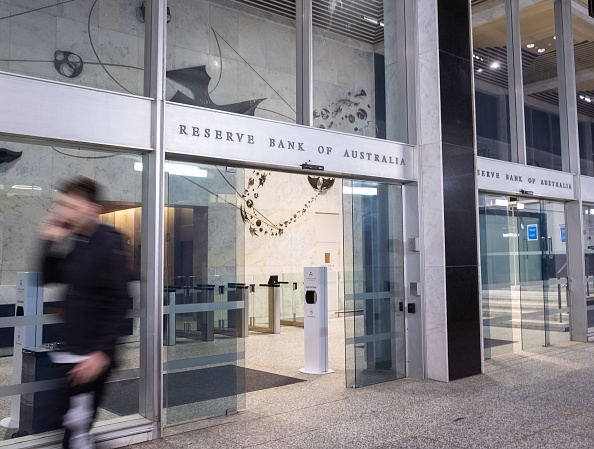
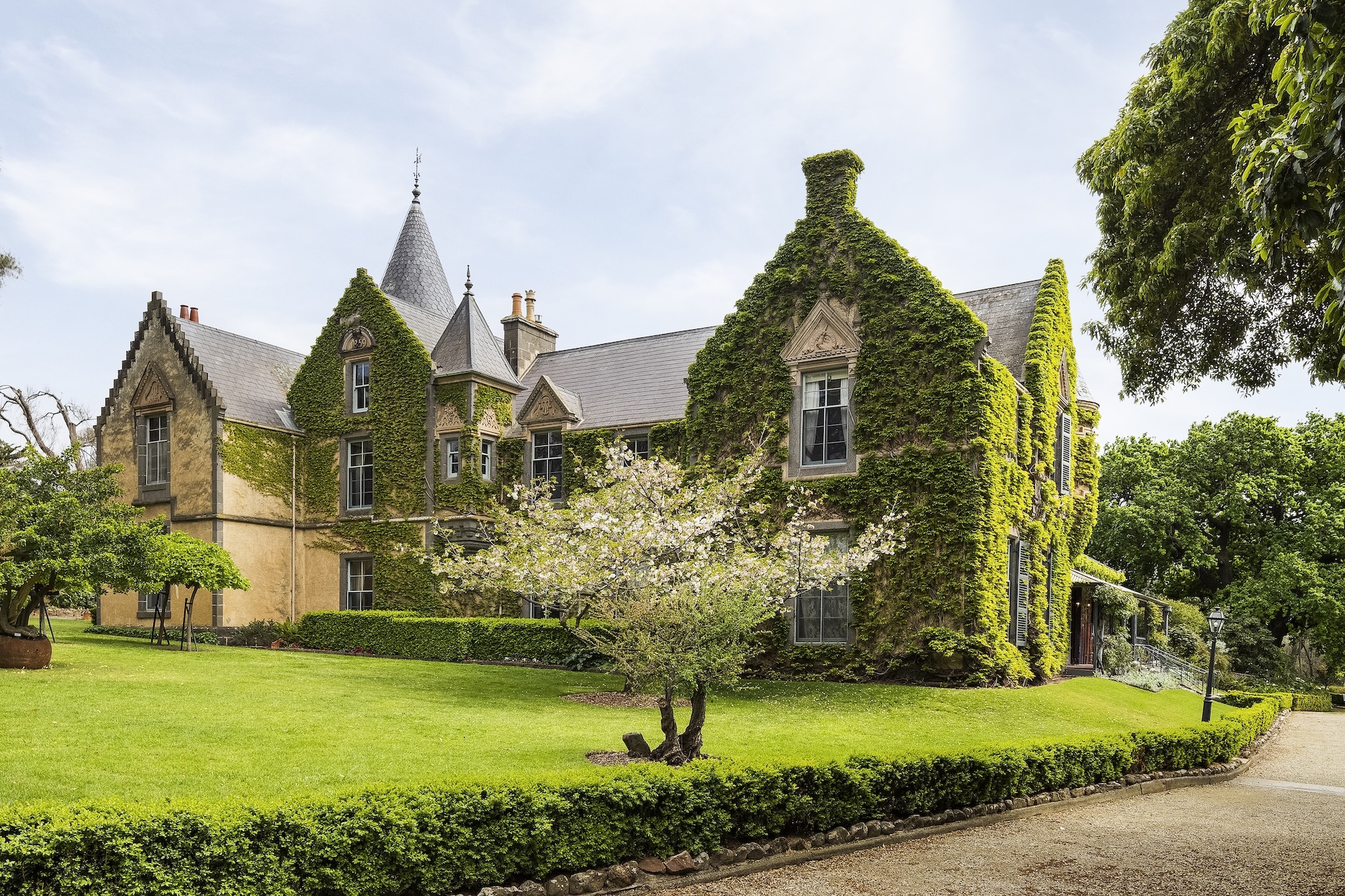
The Federal Government has announced that Michele Bullock will replace Philip Lowe as governor of the Reserve Bank of Australia. She will be the ninth governor and the first woman appointed to the role in the central bank’s 62-year history. Treasurer Jim Chalmers said in a press conference today that Ms Bullock will take on the role from September 18 following a consultative process with cabinet, the business community and the opposition.
The news that Philip Lowe will step down comes after 14 months and 12 interest rate hikes that have taken some borrowers off guard. However, Mr Chalmers was careful to thank Dr Lowe for his work over a long career.
“We thank Phil Lowe for more than four decades of dedication and commitment and service to the country,” Mr Chalmers said. “He goes with our respect and gratitude and dignity. I have really valued my working relationship with Phil. He is a terrific guy and he has handled himself impeccably.”
While most central banks around the world failed to predict the persistent inflation rises, most analysts point to Dr Lowe’s messaging around potential interest rate increases as sealing his fate. Prior to the rises in the cash rate that started in May 2022, Dr Lowe had told borrowers that interest rates would remain steady until 2024, leading many to believe that it was a safe time to borrow. Instead, repayments for an average mortgage have risen by $1,264 since increases began. At least 25 percent of mortgage holders are now believed to be experiencing mortgage distress.
Speculation has been rife for weeks now that Dr Lowe’s tenure would not be extended and three front runners had emerged including Treasury secretary Steven Kennedy and Finance Department secretary Jenny Wilkinson. However, Opposition Leader Peter Dutton said he would not support candidates with close ties to government. Ms Bullock is perceived as a more independent choice. Mr Chalmers described the Michele Bullock as a “first class economist”.
“This is the right call but it is not an easy call,” he said. “This is one of the most important appointments that we will make as a government,” he said.
Prime Minister Anthony Albanese described Ms Bullock as “imminently qualified”.
“Michele Bullock is an accomplished economist with wide experience at the Reserve Bank,” he said. “I very much congratulate Michele Bullock on this appointment.”

The Swiss watchmaker’s first collaboration with Atlassian Williams F1 Team produces two sporting Laureato models inspired by the team’s 2026 racing car.

Victorian auction buyers will soon receive a piece of information that has traditionally been withheld until bidding reaches it: the vendor’s reserve price. Under new property-sale and underquoting laws, agents must publish the agreed reserve at least seven days before an auction or fixed-date sale. Most changes begin on 1 October 2026 and apply to …
Continue reading “Victoria’s New Auction Rules Will Force Reserve Prices Into the Open”

More than 10,000 homes, an expansive central park and a mix of hospitality, retail and wellness facilities will form Azizi Developments’ first master-planned community in the emirate.
2 min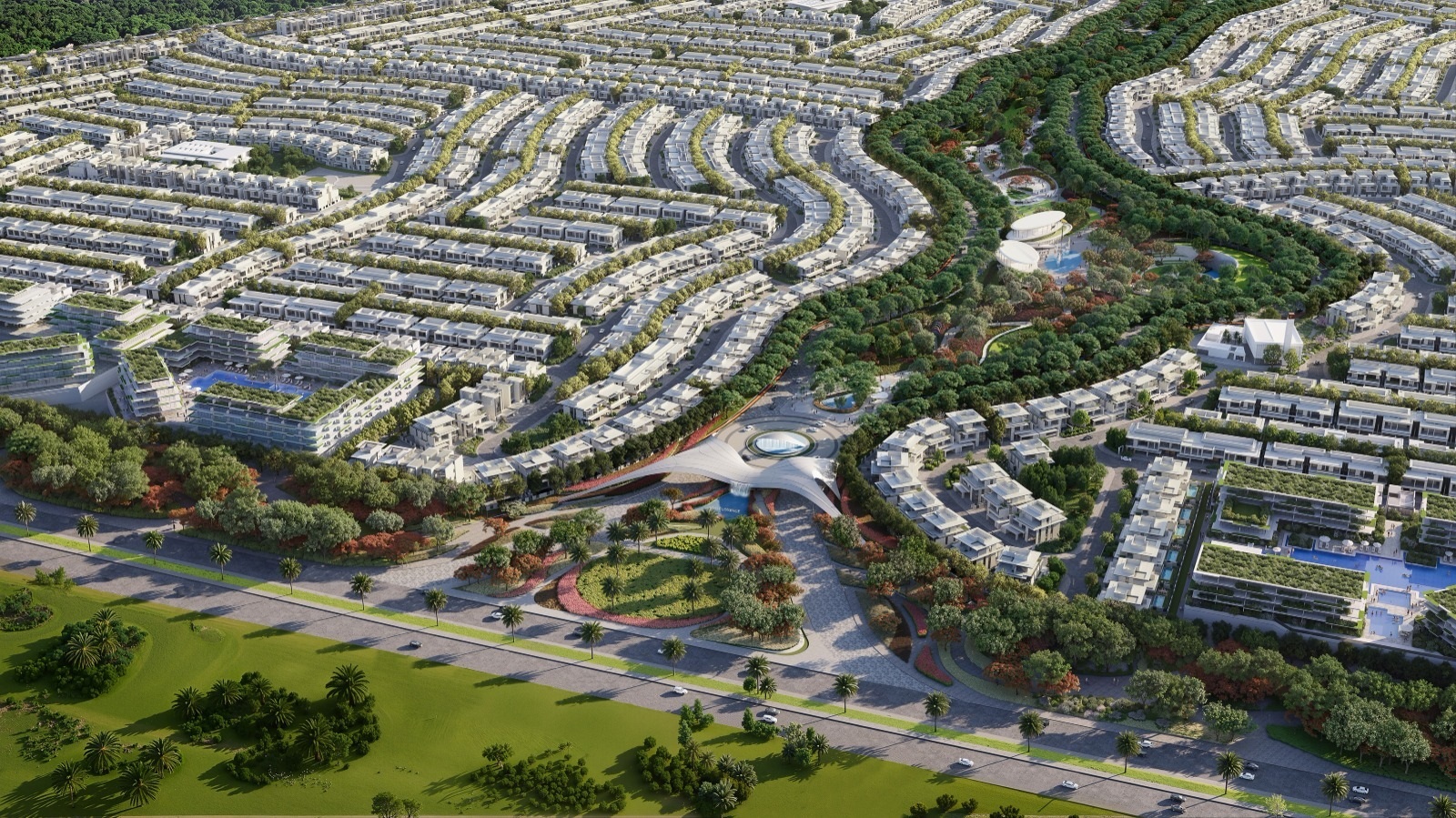
Sharjah is set to receive one of its largest new residential communities, with Azizi Developments unveiling plans for a US$8.1 billion master-planned precinct containing more than 10,000 homes.
Named Azizi Florence, the freehold development will comprise 1,130 villas, more than 6,000 townhouses and 3,500 apartments. Three-bedroom townhouses will start from US$515,000, with an indicative rate of US$231 per square foot of saleable space.
The project marks the Dubai-based developer’s first move into Sharjah, expanding a portfolio that includes the planned Burj Azizi skyscraper and the Azizi Venice community in Dubai.
A park at the heart of the community
Rather than treating landscaping as an afterthought, Azizi Florence will be organised around a 1.7 million sq ft central park.
The wider precinct is planned as a self-contained neighbourhood combining homes with retail, hospitality, education, leisure and wellness facilities.
Six residential clusters will sit within the development, each with its own park, clubhouse, community centre and landscaped gardens. The approach reflects a broader shift across large Middle Eastern developments, where greenery, recreation and everyday convenience are increasingly central to the residential proposition.
The scale of Azizi Florence suggests it is intended to function as a neighbourhood rather than a collection of housing estates. Its mix of housing types should also give the project broader appeal, accommodating apartment buyers alongside families seeking townhouses or standalone villas.
Azizi expands beyond Dubai
Azizi Developments has delivered more than 45,000 homes to buyers from over 100 countries and says it has approximately 150,000 units under construction.
Much of its growth has been concentrated in Dubai, where its portfolio extends across Palm Jumeirah, Mohammed Bin Rashid City, Dubai South, Sheikh Zayed Road and Downtown Jebel Ali.
Its most prominent current project is Burj Azizi, which is intended to become the world’s second-tallest building. Azizi Florence represents a different type of undertaking: a low-rise, family-oriented community built around public space and daily amenity.
For company founder and chairman Mirwais Azizi, the Sharjah project also carries a personal connection. The emirate was his first home in the UAE more than three decades ago, adding a symbolic dimension to the developer’s expansion.
Sharjah’s residential ambitions grow
Although Dubai and Abu Dhabi have traditionally captured much of the international attention directed at the UAE property market, Sharjah has been steadily broadening its residential offering.
Large freehold communities such as Azizi Florence have the potential to attract both local families and international purchasers looking for comparatively accessible entry points into the Emirates’ property market.
At a starting price of US$515,000, the project’s three-bedroom townhouses will sit well below the cost of equivalent family homes in many of Dubai’s more established luxury communities.
The ultimate appeal, however, will depend on execution. At this scale, the quality of the public realm, connections between residential clusters and delivery of the promised supporting infrastructure will be as important as the homes themselves.
If those elements come together, Azizi Florence could help establish a new benchmark for large-scale residential development in Sharjah—and give buyers another option beyond the UAE’s better-known property markets.

A long-standing cultural cruise and a new expedition-style offering will soon operate side by side in French Polynesia.
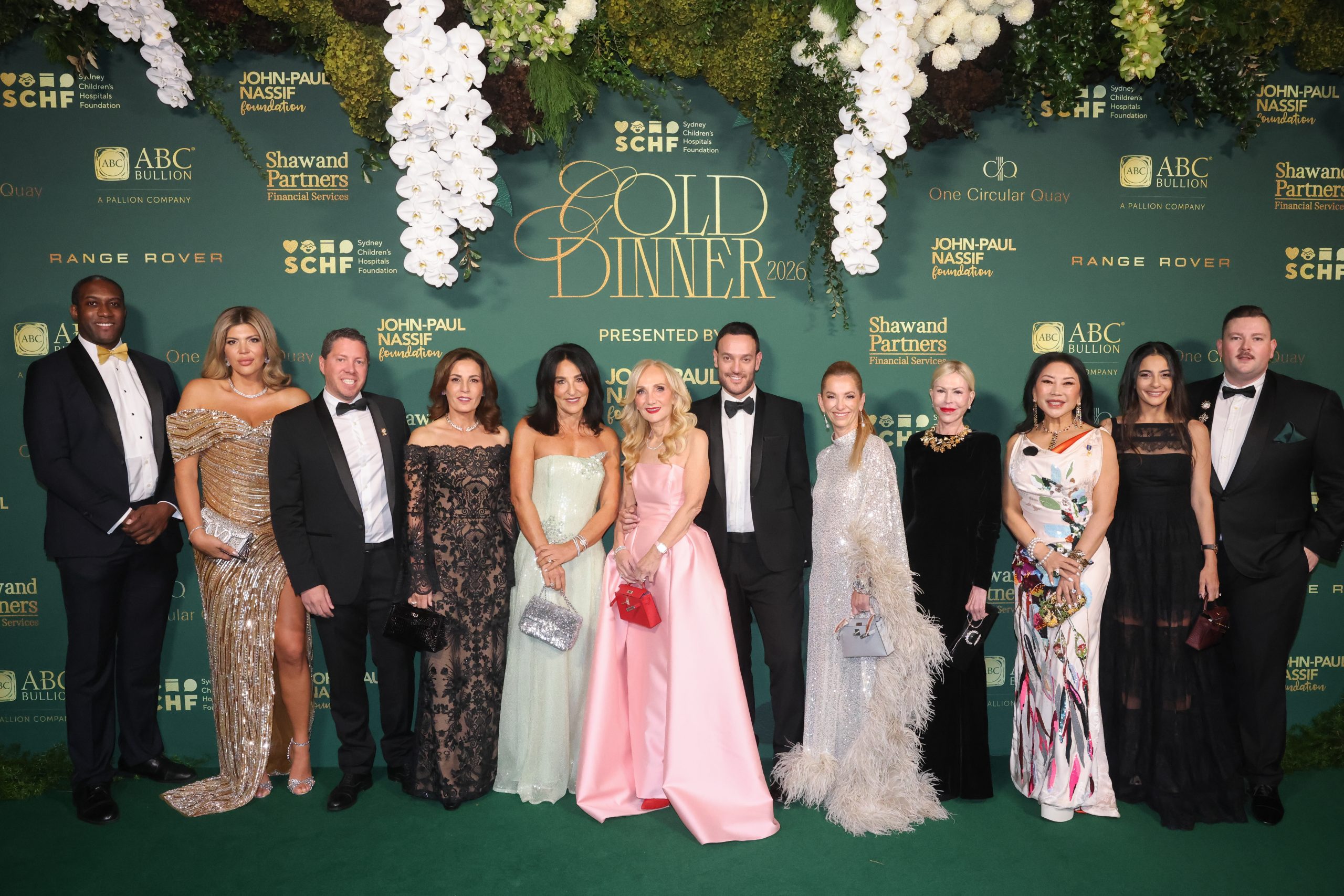
Sydney Children’s Hospitals Foundation CEO Kristina Keneally says Australia’s culture of large-scale philanthropy is becoming more sophisticated as Gold Dinner raises $75.5 million for children’s health, research and innovation.