

The Australian regions stepping up – and cashing in – when Hollywood comes calling
The release of Furiosa: A Mad Max Saga today is just the latest example of Hollywood’s growing interest in Australian locations, offering potentially huge rewards across regional economies
 5 min
When the Sydney Harbour Bridge was shut down in early 2023 so Ryan Gosling could film a stunt on it for his latest movie, The Fall Guy, all eyes were on the handsome leading man – and why not? But did you stop to think of the Aussie company that provided his lunch that day, the makeup artist who got him looking just right, the supplier who provided portable loos for the day’s filming, or even the helicopter crew tasked with helping shoot the adventure scene?
Keen for more stories like this? Order the latest issue of Kanebridge Quarterly magazine here.
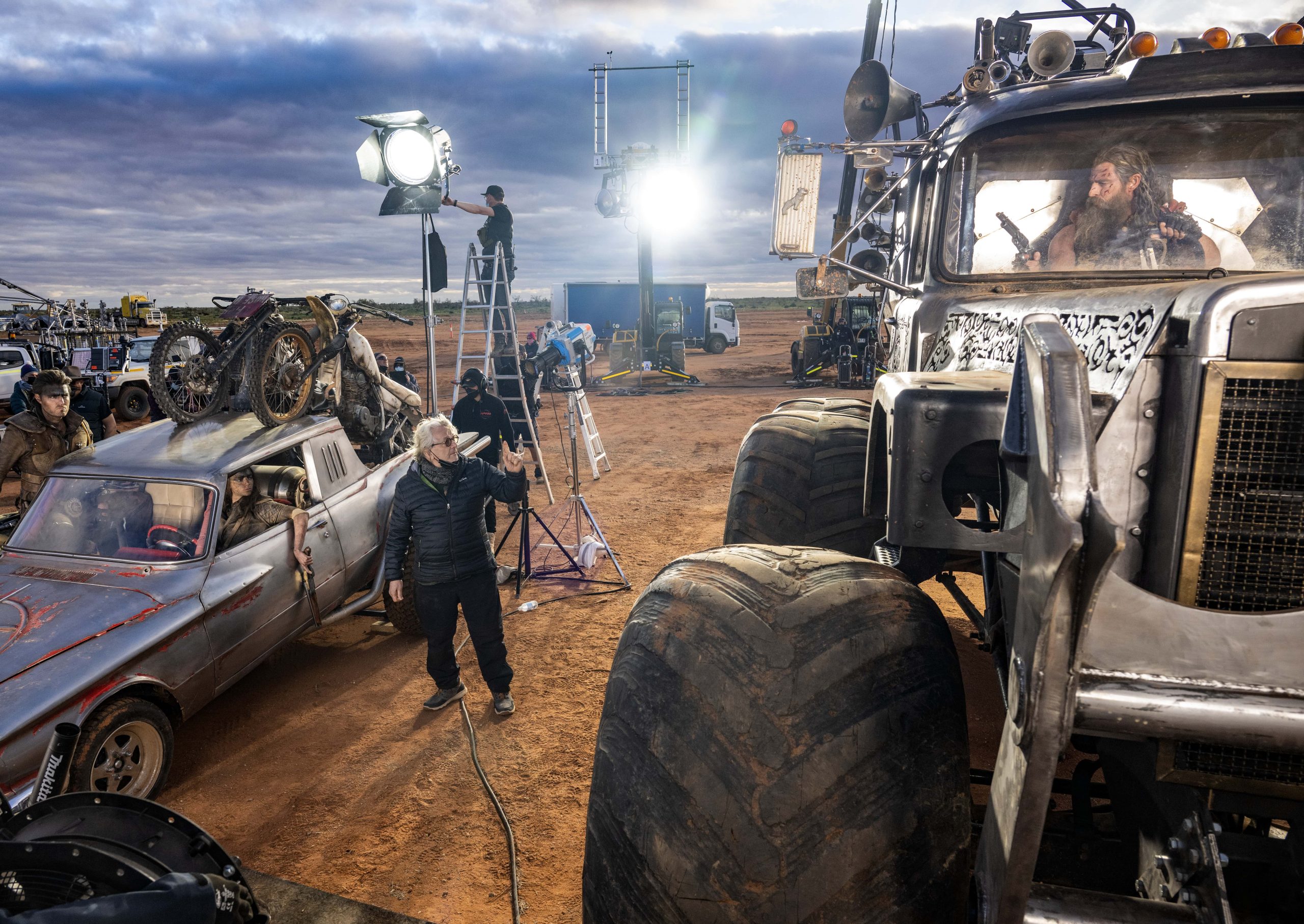
Australia has long been a popular choice for Hollywood to film their blockbusters – The Great Gatsby at Manly, The Pirates of the Caribbean on The Whitsundays and Gold Coast, The Matrix in Sydney and Wolverine in Parramatta, to name a few. Most recently, Furiosa: A Mad Max Saga, directed by George Miller, was shot on location in Broken Hill. And behind the press conferences that congratulate the government for bringing such productions down under and the media snippets that catch glimpses of the leading man or lady caught walking our streets, it’s small businesses that benefit.
Since 2018, 39 international movie productions have been filmed in Australia – predominantly the east coast states of NSW, Victoria and Queensland – which has generated more than $3.3 billion in private investment and provided more than 24,100 jobs for local cast and crew, according to data from the Department of Infrastructure, Transport, Regional Development, Communications and the Arts.
A report titled Creative Industries Ripple Effect by UK-based consultancy Olsberg SPI found that 63 percent of the expenditure derived from making a movie or film went to businesses outside of the film industry – to the construction, catering, hair and makeup, real estate, tourism, hospitality and countless other businesses that benefit when an international film production company rolls into town.
The town of Hay in south western NSW was struggling last year after months of COVID state border lockdowns decimated their Sydney to Adelaide drive-through tourism. When a big budget Hollywood action film (that cannot be named) chose the Riverina town to film, it was a lifeline.
“The impact was immediate and tangible,” says the economic development officer for Hay Shire Council, Alison McLean.
“There was $7 million in economic activity just from the cast and crew being in town. It was also incredible from a confidence-boosting point of view for our businesses; all of a sudden there were 400 extra people spending money in the region and the businesses really stepped up and took a lot of pride in providing excellent service.”
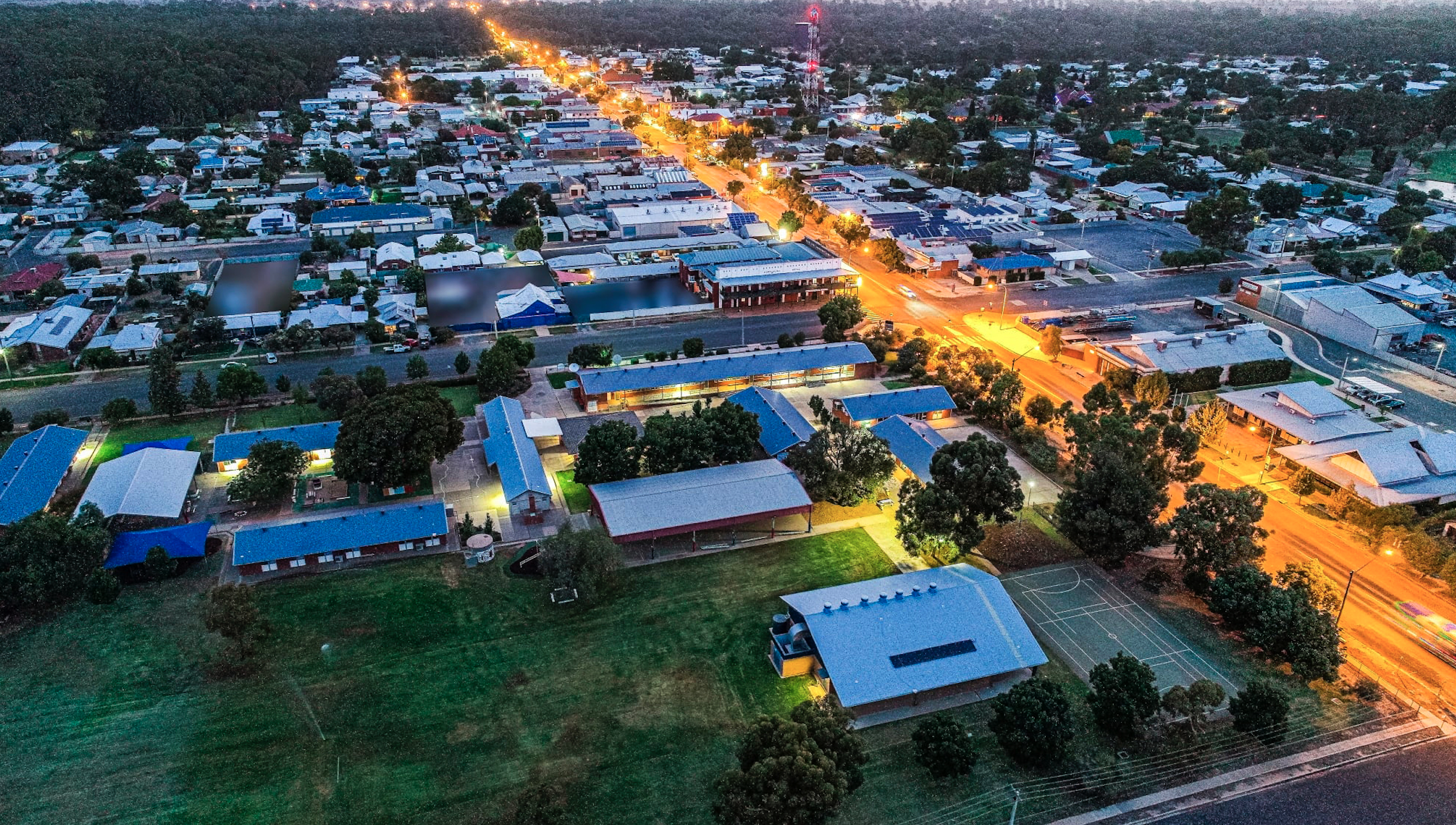
She said the most obvious impact was on the accommodation sector which had suffered a 60 percent downturn in revenue and as a result of the filming in town, there was a 72 percent increase.
For The Whitsundays in Queensland, it is hoped the long term benefits of movies like Pirates of the Caribbean and, more recently, Ticket to Paradise starring Julia Roberts and George Clooney will translate to tourism dollars.
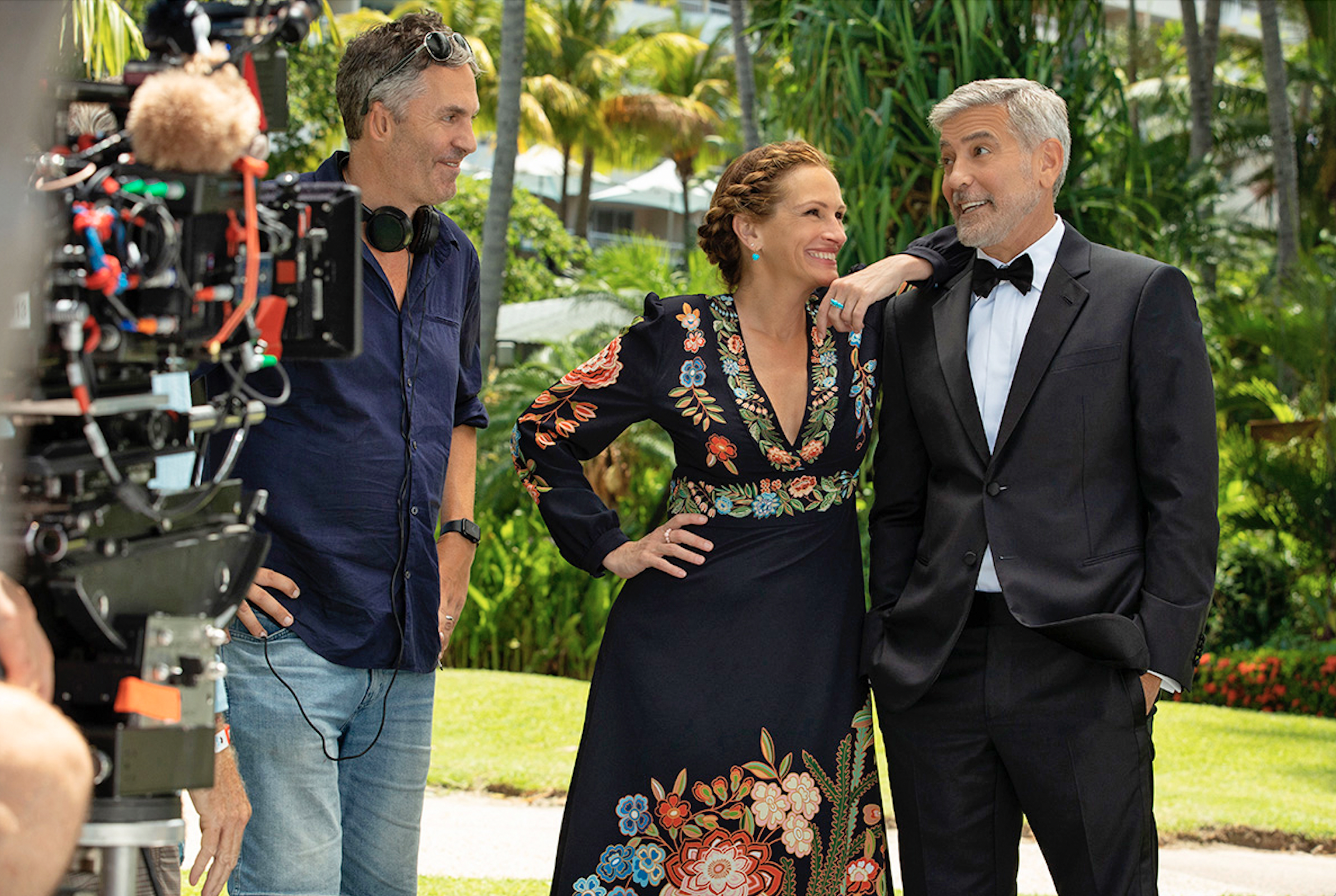
“After the movies are released, we reap the tourism rewards as our stunning region is up in lights,” says Tourism Whitsundays CEO Rick Hamilton. “If you Google Ticket to Paradise, you’ll find it was filmed at Palm Bay Resort and Hamilton Island, both island resorts that are bookable by visitors.
“The beauty of The Whitsundays is that it’s hard to disguise. Hollywood can change the location, but it still looks like The Whitsundays.”
Locations manager Jeremy Peek — who has worked on Mad Max: Fury Road (2015), Alien: Covenant (2017), Peter Rabbit 1 and 2 (2018 and 2021) and Three Thousand Years of Longing (2022) — says international film production is a growing sector. He says COVID shone a spotlight on Australia as an ideal filming location and the effects of that have continued beyond the opening of borders.
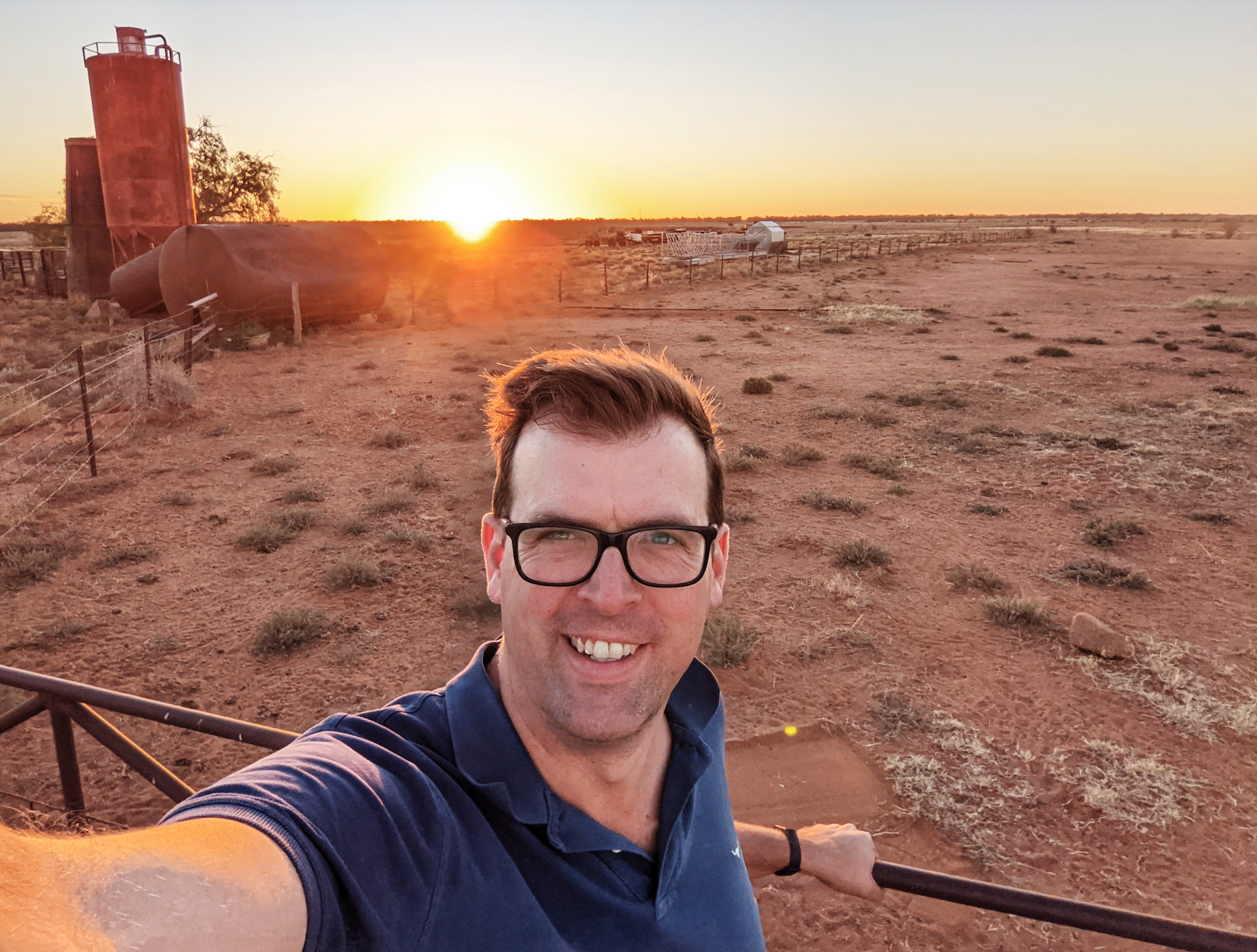
“Early on when COVID hit it was felt that we were just about the only country in the world who could keep going and the world looked to us as a safe haven to film in,” Peek says. “(Netflix series) Pieces of Her, for example, was due to start shooting in Vancouver when COVID hit, they’d built sets and everything, but they moved the shoot here. And Three Thousand Years of Longing, which was originally meant to be shot in Sydney, London and Turkey, was re-scouted to Sydney because there was confidence in Australia being a safe place to work.”
Peek says the government incentives and rebates are important now that the COVID scare has passed because they show Australia can compete on a world stage.
It’s for this reason Ausfilm CEO, Kate Marks, believes the incentives the State and Federal Government offer to attract the likes of Disney, Universal, Marvel and Netflix to our shores need to be increased.
There is the Location Incentive grant, which is a merit-based offer that entitles an international production company to a grant worth 13.5 percent of their production expenditure. A secondary offer, the Location Offset Rebate, provides a 16.5 percent tax break. When used together, they result in a 30 percent carrot dangling in front of production companies. But only the Location Offset is permanently legislated.
“On its own the 16.5 percent Location Offset is not going to stay competitive for Australia on a world stage for too long,” she says. “Ideally, we would love to see a 30 percent Location Offset incentive as it’s the best option to provide ongoing certainty for companies.
“There are studios who are coming back again and again; NBC/Universal have done 13 film and television projects here, and studios like Disney and Warner Bros also keep coming back.
“We need to see that continue.”
And it appears the Federal Government has listened, announcing an increase to the Location Offset from 16.5 per cent to 30 percent for eligible productions in the recent budget.
It’s a move Peter Davey, co-CEO of law firm EMT, who specialise in entertainment, media, sport and technology advice, has welcomed.
“With the offset established, Australia will remain a highly attractive location for international productions and the investment in talent and jobs here will continue to grow,” Davey says. “In the details of the Government’s announcement, there are also requirements for international companies to, for example, commit to training and to work with Australian digital, visual effects and post production companies.”
Film and television producer James Hoppe adds Australia needs to expand its studio space, evolve the foundation of film technology and increase the local labour force in order for international film production in Australia to grow.
“The labour force can only handle so much and when an international production comes in, they suck up all the labour pretty quickly,” the owner of Maker Films says.
“There needs to be an implementation by local council so they can handle the influx of an international production. When Marvel took over Fox Studios and Elvis was being filmed on the Gold Coast and Robbie William’s Better Man was being filmed in Melbourne, it sucked up a lot of the labour force and production facilities and it was difficult for other international or local producers to access required resources.”
Unemployment hit 4.9% in October, but with inflation at 4.3% the big four aren’t tipping a February RBA cut. Here’s what CBA, Westpac and NAB say.
Dutch studio Vripack took cues from a Shirley Temple song for Lollipop, a 37.4-metre Moonen superyacht built for long-range cruising.
Unemployment hit 4.9% in October, but with inflation at 4.3% the big four aren’t tipping a February RBA cut. Here’s what CBA, Westpac and NAB say.
3 minUnemployment is at a five-year high and the talk has turned from hikes to cuts. But with inflation still well above target, the big banks aren’t ready to promise relief by February.
Three weeks ago the Reserve Bank lifted the cash rate for the fifth time this year. The conversation has now flipped.
Last Thursday the Australian Bureau of Statistics reported that the seasonally adjusted unemployment rate rose to 4.9 per cent in October, up from 4.7 per cent. That is the highest reading since October 2021. Economists had expected about 25,000 new jobs and an unchanged jobless rate.
“In October, there were 44,000 less employed people and 18,000 more unemployed people,” said Sean Crick, the ABS head of labour statistics. Youth unemployment rose to 11.3 per cent. October was also the second straight monthly fall in employment, following a drop of more than 36,000 in September.
Ahead of the RBA’s forecasts
The timing is awkward for the RBA. On 3 November its Monetary Policy Board raised the cash rate by 25 basis points to 4.85 per cent, the highest level since 2008. The vote was 6–3, with three members preferring to hold at 4.60 per cent.
The November Statement on Monetary Policy had forecast unemployment averaging 4.7 per cent in the December quarter, and reaching 4.9 per cent only at the end of 2027. October’s figure got there more than a year early.
Unemployment is also now above the RBA’s own estimate of full employment. Westpac economist Ryan Wells said in the bank’s labour force note that “slower hiring is now being compounded by more firing.” Westpac now expects unemployment to peak at 5.2 per cent by mid-2027, up from its earlier forecast of 4.8 per cent.
Markets moved quickly. Before the data, interest rate swaps had priced a 28 per cent chance of a rate rise by February. Afterwards they implied a roughly 20 per cent chance of a cut by March, with one cut fully priced by November 2027.
The inflation problem
So why isn’t anyone calling a February cut? Inflation hasn’t eased.
Headline CPI rose 4.3 per cent in the year to September, up from 4.0 per cent in August. Housing was the biggest contributor, up 5.2 per cent. Trimmed mean inflation, the RBA’s preferred underlying measure, was 3.6 per cent.
The RBA expects headline inflation to peak at 4.5 per cent this quarter. It sees both headline and underlying inflation staying above 3 per cent until the end of 2027, and not returning to the 2.5 per cent midpoint until mid-2028. The Board also flagged “the increasing risk that higher inflation expectations will become embedded.”
Wages add to the caution. The Wage Price Index rose 1.1 per cent in the September quarter, the strongest quarterly gain since late 2023, taking annual growth to 3.5 per cent. That is still below inflation, so real wages are falling, but the quarterly pace is not what a central bank trying to cool prices wants to see.
Where the banks stand
None of the big four is forecasting a cut at the February meeting. What has changed is the consensus that hikes are over.
- NAB: “We think the RBA are done,” chief economist Sally Auld said on 9 November. She pointed to weaker growth in the first half of 2026, business conditions below their long-run average and fading momentum in household spending. After the jobs data, NAB senior economist Taylor Nugent said unemployment was already well above where the RBA expected it to be this year, which supports the view that the tightening cycle is finished.
- CommBank: in its 2 November forecast update, CBA warned of a “sharper, longer slowdown”. It now expects GDP growth to fall to 1 per cent by mid-2027 and unemployment to peak at 5.1 per cent at the end of 2027. It still has two cuts pencilled in for August and November 2027, though it says the timing is uncertain.
- Westpac: sees November’s increase as the peak of the cycle and expects the Board to pause in December. It said a February move could not be ruled out but looked increasingly unlikely. That comment referred to a further hike, not a cut.
What it means for property
For borrowers, the change is that a sixth hike now looks unlikely. Relief, though, still looks like a story for the second half of 2027.
The housing market is already feeling the strain. NAB’s November Housing Monitor shows combined capital city dwelling prices fell 1.4 per cent in October, the seventh straight monthly fall. Prices are now 8.1 per cent below their March 2026 peak. Westpac cited a deeper-than-expected housing downturn as one reason it lifted its unemployment forecast.
What to watch
October CPI is released on Wednesday 25 November, and November jobs figures follow on 17 December. Both land before or around the RBA’s final meeting of the year next month. The December-quarter inflation figures in late January will then set up the February decision.
If unemployment keeps rising and underlying inflation falls faster than the RBA expects, February could become a real possibility. For now, the banks expect the RBA to hold rates where they are.

New research suggests that bonuses make employees feel more like a mere cog in a wheel.

Porsche’s Cayenne Turbo Electric produces up to 1,156PS and reaches 100km/h in a claimed 2.5 seconds.