ASX uranium stocks go gangbusters as the world turns to nuclear energy
Australia’s three biggest uranium shares have hit 10-year highs in 2023
 3 min
3 min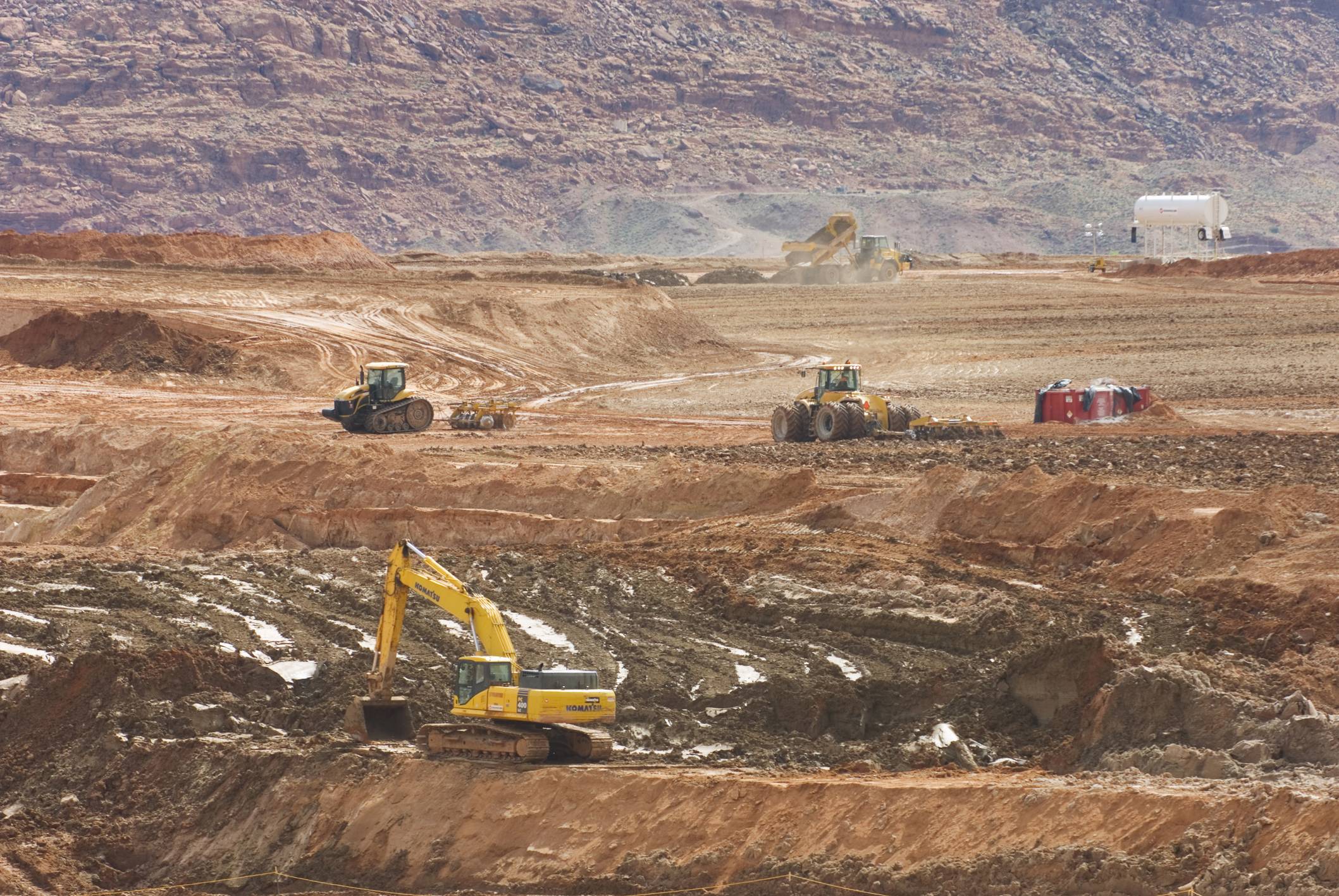
Uranium is set to play a major role in the world’s green energy transition, with many nations proactively developing their nuclear energy capacity to reduce their reliance on fossil fuels for power generation in the future.
Whilst most nations are pursuing renewables and green energy storage systems as their definitive long-term solution for climate change, it is likely not possible to develop enough wind and solar technology and infrastructure quickly enough to replace fossil fuels in time to meet 2050 net-zero emissions targets.
On top of this, volatile oil and gas prices amid supply uncertainty have enhanced the interest in nuclear power. The pandemic and Russia-Ukraine conflict created significant oil supply disruptions, OPEC has recently placed limits on production, and the Israel-Gaza war may make the situation even worse. AMP Chief Economist Shane Oliver says the global oil price could rise to US$150 per barrel – up from the low $80 range today – if Israel and Iran commence a military engagement.
Against this backdrop, nations are rushing to embrace nuclear technology to act, at least, as an initial first step on the road to a green energy future. According to the International Atomic Energy Agency (IAEA), there are approximately 440 reactors in operation across 32 countries today, with 56 new ones under construction. Monash Investors estimates there are another 100 reactors in the advanced planning stages across 17 countries. China alone is expected to build 32 new reactors by the end of the 2020s.
Surging demand for uranium has been met with low existing inventories. This has created a perfect storm for the global uranium price, which is now at a 12-year high of US$73 per pound. The rising uranium price has made it economical for many mining companies to restart dormant mines and develop new ones in the face of new and likely ongoing long-term demand. “We see prices rising year-on-year for the next 10-20 years or till the world finds another source for large scale uninterruptible base load power with a low carbon footprint,” SP Angel mining analyst John Meyer told Reuters recently.
All of this has led to skyrocketing share prices for ASX uranium stocks this year.
In Australia, nuclear energy is banned. The Federal Opposition has been arguing to include nuclear energy in the mix for Australia’s own green energy transition. The Albanese Government disagrees, advocating for continuing renewables development instead. Federal Energy Minister Chris Bowen says developing local nuclear energy production is too expensive. He says recent modelling shows it would cost $387 billion to replace Australia’s coal-fired power plants with small modular reactors.
Australia’s 3 largest ASX uranium stocks
The three biggest pure-play uranium shares on the ASX have outperformed the broader market exponentially in 2023. While the S&P/ASX 200 Index has lost 2.5% of its value, Australia’s biggest listed pure-play uranium miners have exploded with share price growth of 40% to 115% between them.
Paladin Energy
Paladin Energy is the biggest pure-play uranium stock listed on the ASX, with a market capitalisation of $2.81 billion. The Paladin Energy share price closed on Monday at 95 cents, up 43% in 2023 so far. The stock reached a decade-high price of $1.15 in September. According to a survey of analysts on CommSec, five out of seven analysts covering Paladin Energy shares rate them a strong buy.
Boss Energy
Boss Energy has a market capitalisation of $1.59 billion. The Boss Energy share price closed on Monday at $4.37, up 115% in 2023. It hit an all-time record price of $4.98 in September. Three out of six analysts covering Boss Energy shares rate them a hold.
Deep Yellow
Deep Yellow has a market capitalisation of $963 million. The Deep Yellow share price closed yesterday at $1.27, up 85% in 2023. The stock cracked a 10-year high of $1.41 per share in October. Three out of three analysts covering Deep Yellow shares rate them a strong buy.

The 1860s Darlinghurst mansion Stoneleigh could become Sydney’s most expensive home ever sold under the hammer when it goes to auction. Clint Ballard is giving buyers a $28 million guide for the heritage-listed mansion on Darley Street, opposite Iona, the former home of Hollywood royalty Baz Luhrmann. Stoneleigh is being offered for sale for the …

Set on one of the city’s last absolute riverfront sites, The Riversdale by Mosaic combines irreplaceable waterfront ownership with one of Brisbane’s most significant residential opportunities.


As AI productivity trackers reshape workplace evaluations, employees are learning how to manage calendars, activity levels and AI usage to ensure their contributions are recognized.
4 min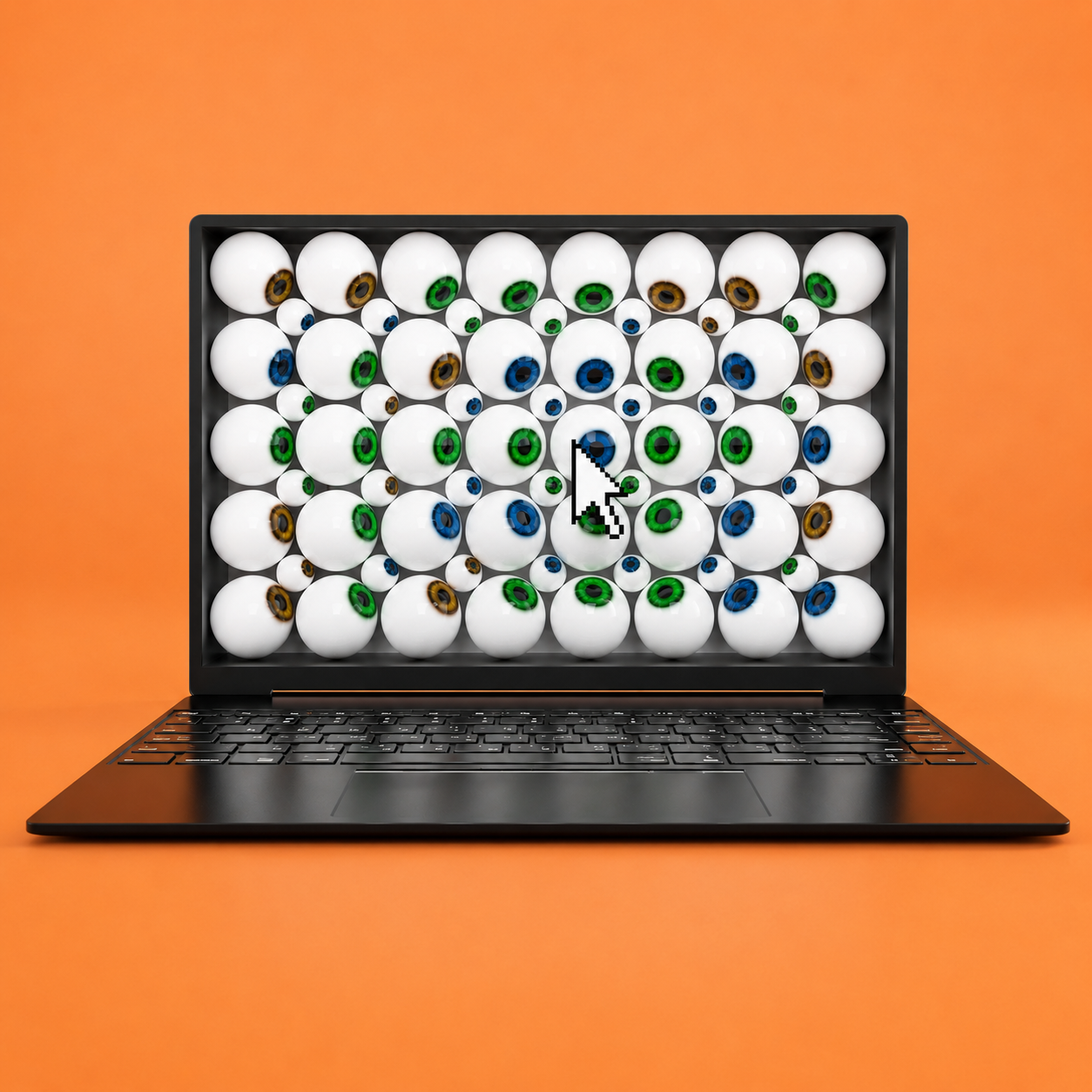
What’s more important than being a good employee right now? Looking like a good employee in the eyes of AI productivity trackers that more managers are using to evaluate their teams.
Employee-monitoring systems are especially popular at tech companies and are also used by other white-collar firms that want to probe how people spend company time. The scary thing: You might not even know you’re being watched because many states don’t require disclosure.
Metrics can include performance data that is undoubtedly relevant, such as sales results. But it also can employ dubious proxies like keyboard strokes and how often your computer screen goes into sleep mode.
We generally accepted, or at least understood, heightened surveillance during the work-from-home era. Back then it seemed reasonable for bosses to keep tabs on employees they couldn’t see.
Yet the oversight has only escalated, and tensions are rising, too.
A group of former Meta Platforms employees alleges in a lawsuit that the company used a “constellation of internal artificial-intelligence systems” when it began laying off about 10% of its workforce in May. Meta says humans make termination calls.
However that case shakes out, a couple of things are clear. Companies eager to gauge which employees are locked in now have sophisticated AI monitoring systems at their disposal. And they believe they have leverage in a tepid labor market.
So while we may chafe at having our worth reduced to numbers on the boss’s productivity dashboard, we have to play the game as it’s being played. Here are some tips, based on conversations with people who make employee monitoring systems—and others who game the systems.
Be meticulous about your calendar
Calendar integration is one way that productivity trackers have gotten more advanced and, ostensibly, fairer.
Let’s say you make an old-fashioned phone call or attend an in-person meeting. Your Outlook or Slack status may switch to “away,” making you appear as inactive as if you were taking an extended coffee break.
Employee monitors like one made by a company called Insightful cross-check your online status with your calendar to see whether there is a valid reason for your apparent inactivity. If that call or meeting is on your schedule, then the system will recognize that you are busy offline. If nothing is on the books, it could look like you’re slacking off.
Hit the activity sweet spot, around 80%
Let’s not go any further without addressing the underlying question: How much downtime is permissible during the workday? After all, people have been scared to let managers see anything non-work-related on their screens since personal computers first arrived in offices.
No one knows this better than Roger Wagner, who is widely credited with creating the first “boss button” in the early 1980s. He designed a keyboard shortcut to instantly display a spreadsheet if the boss walked by your cubicle while you were playing a computer game. Boss buttons have been features of countless diversions since. (I confess to using one built into a March Madness streaming app.)
Wagner, the founder of computer-education company 1010 Technologies, says his original design was a joke—more of a commentary on overbearing managers than a cover for lazy employees. Good bosses understand workers need mental breaks throughout the day, he says.
This matches what I heard from Insightful Chief Executive Ivan Petrovic. He says customers that use his company’s workforce-management platform don’t expect employees to stay on task 100% of the time.
“On average companies are aiming for 60% to 80% of your time being utilized for work during the day,” he says.
Go ahead and exhale. It’s probably OK to watch an occasional YouTube video at your desk.
And if you’re going to artificially inflate your activity level, be careful. Hitting 90% could look suspicious.
Get physical
So don’t leave your mouse jiggler on all day. Choose the right one if you must resort to shenanigans.
There are lots of software applications that mimic the movements of a computer mouse, so you can appear to be working while away from your desk. There are also devices that plug into computer ports and do the same thing.
Corporate cybersecurity systems increasingly block these apps and devices, and productivity trackers claim to be able to detect them. But some workers swear by mouse docks, like one made by Tech8 USA, that keep cursors moving. The company originally made mouse-moving software but now focuses on physical jigglers.
“People are drawn to mechanical solutions because they’re so simple and don’t require software,” says Tech8 Marketing Director Sam Matthews. “As monitoring technology becomes more sophisticated, that distinction has become even more relevant.”
Use AI, but not too much
Another popular metric for employee-monitoring systems is AI usage. Companies want to know who is embracing new tools, and it can be tempting to think more is better.
“There’s a performative aspect where employees overblow their usage of AI so that they appear relevant in the organization,” says Andrea Derler, principal researcher at Visier, which helps companies track and analyze employee work habits.
In a recent Visier survey of 1,000 U.S. workers, 48% admitted to exaggerating their AI usage.
This is already an outdated strategy. Using AI for everything used to score points for experimentation. Now it can seem wasteful because many companies are watching AI token spending more carefully.
Look, productivity theater has always been part of work. Most of us aren’t trying to cheat the system, but expectations are changing so quickly that we need to be savvy about what the latest employee trackers are looking for.
Sometimes it takes a little gamesmanship to get full credit for our contributions.

Exclusive eco-conscious lodges are attracting wealthy travellers seeking immersive experiences that prioritise conservation, community and restraint over excess.

A luxury lifestyle might cost more than it used to, but how does it compare with cities around the world?