The Australian home sector outperforming the rest
Pandemic fuelled renovations have only strengthened prices at this end of the market
 3 min
3 min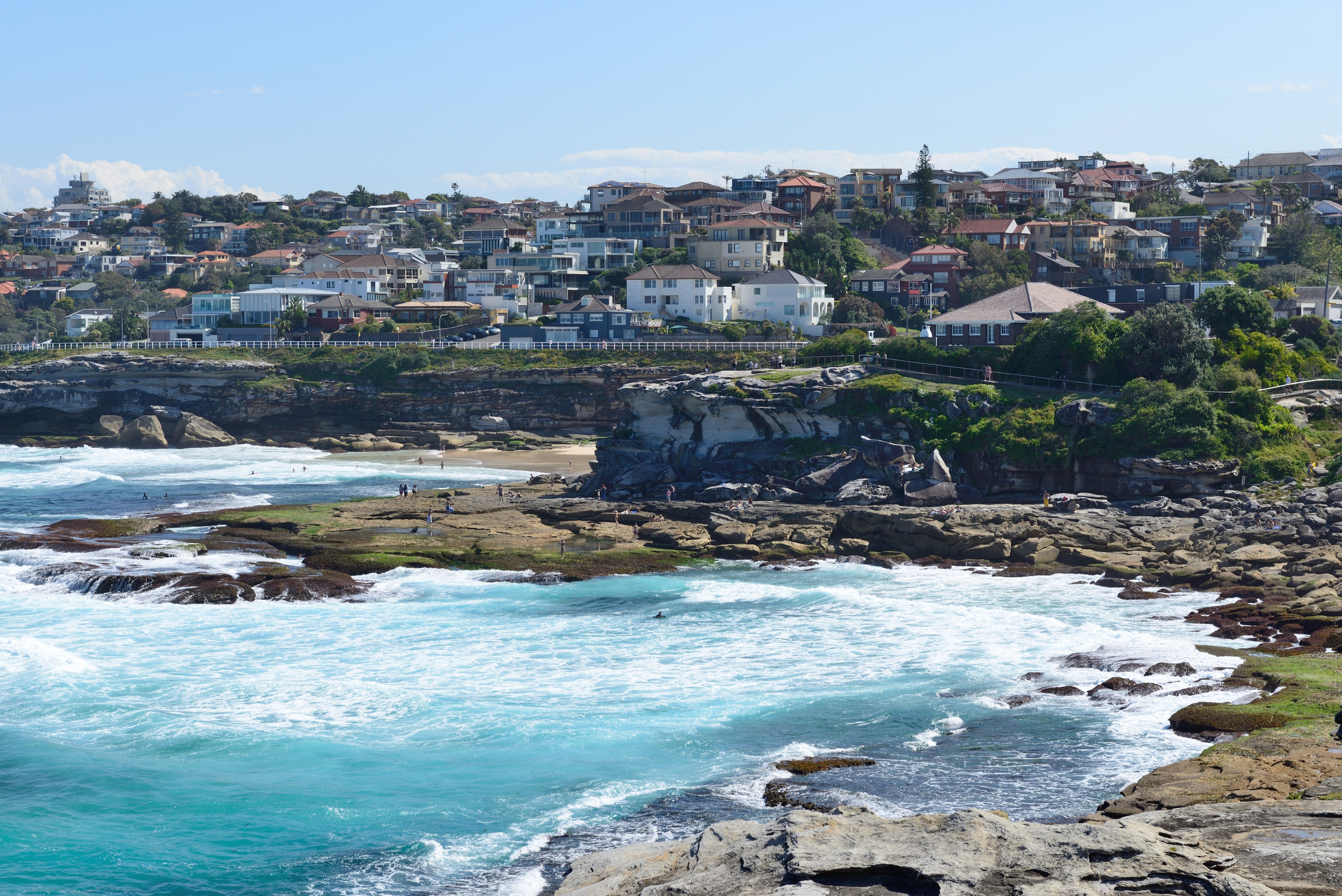
Luxury houses have experienced a far stronger rate of capital growth than the rest of the market over the past 10 years, according to a historical analysis by Australia’s largest agency network, Ray White. Family houses at the median price point have increased by 78 percent in value over the past decade, while prestige houses priced within the top five percent of homes have doubled in value.
Ray White chief economist Nerida Conisbee said land was a large component of prestige homes’ value and this created stronger rates of capital growth.
“There are only so many properties you can build in our most expensive suburbs, which tend to be located close to beaches, bays and rivers,” Ms Conisbee said. “Anything with even more unique characteristics that are hard to replicate, such as a view or close proximity to the water, are likely to have increased even further.”
Strong renovation activity during and after the pandemic accelerated capital growth.
“Luxury homes have become even more expensive over time as more investment has taken place,” Ms Conisbee said. “And while it is not possible to measure, it is likely a higher proportion of well-located luxury homes have been renovated than the rest of the market and almost certainly true that more has been spent on them.”
Luxury apartments have also grown in value at a much higher rate than average units. Ms Conisbee said this indicated the rising popularity of apartment living among wealthy Australians. Developers are increasingly catering to this trend by producing high-quality lifestyle apartments with large floorplans, many luxurious inclusions and access to world-class amenities and services.
Ms Conisbee said prestige home values also had a higher rate of appreciation because Australia’s rich were getting richer.
“A recent report from Oxfam has found that the wealth of Australia’s richest people has increased at a rate of $1.5 million per hour since 2020,” she said. “A lot of this wealth has been invested in luxury homes around Australia.”
The most expensive homes in Australia
CoreLogic data shows the most expensive suburb in Australia for houses is Bellevue Hill in Sydney, with a median value of $9.73 million. Nearby Point Piper is the most expensive suburb for apartments with a median of $3.32 million. In 2023, Australia’s top five sales occurred in Bellevue Hill, nearby Vaucluse and Hawthorn in Melbourne, ranging from $39 million to $76 million.
In regional Australia, the most expensive suburbs are Sunshine Beach in Queensland with a median house price of $2.38 million, Gerroa in NSW ($2.34 million), Surfers Paradise in Queensland ($2.27 million), Burradoo in NSW ($2.25 million) and Noosa Heads in Queensland ($2.24 million).
During the pandemic, the highest capital growth was seen in the most desirable and expensive regional markets, as wealthy city dwellers bought large lifestyle homes and holiday residences in prime seachange and treechange areas. Last year, this trend reversed, with the greatest capital gains seen in more affordable regional coastal towns, according to a new CoreLogic report released today.
The report shows that 35% of Australia’s regional coastal markets had record-high median values at the end of 2023, despite rising interest rates and cost of living pressures. The study analysed 368 coastal markets located at least 50km from the nearest capital city to reveal the top 20 gainers. All of these suburbs had a median value well below $1 million and Western Australia dominated the list.
CoreLogic Research Director Tim Lawless said: “The performance of those with the largest gains and the highest growth rates are not the glamorous hot spots that rose to prominence during COVID. The past 12 months has seen markets that offer a combination of value and lifestyle attributes, such as commuting distance to a major city, great beaches, and quality housing at a more affordable price point, outperform more well-known areas.
“Suburbs in areas such as Western Australia and more northern regions of Queensland where it’s still possible to make a seachange for less than $1 million were the strongest performers last year. Although home values in these regions are mostly at record highs, they remain relatively affordable for seachangers selling out of more expensive metro markets.”
Highest annual capital gains in 2023 – regional coastal towns
Source: CoreLogic
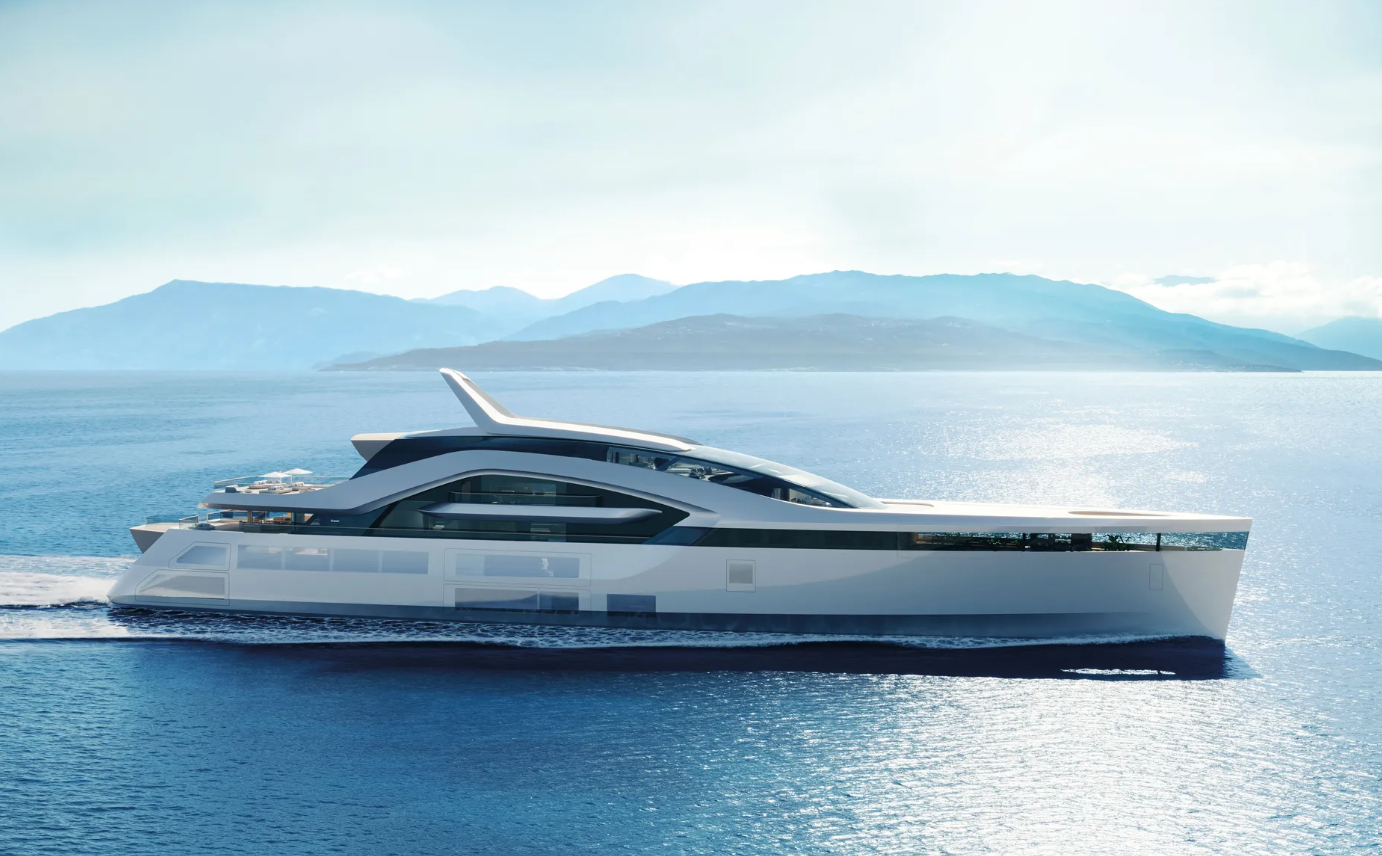
On the owner’s deck, a 20-metre swimming pool incorporates Feadship’s patented ContraWave technology and extends indoors as a suspended, glass-bottomed infinity pool.
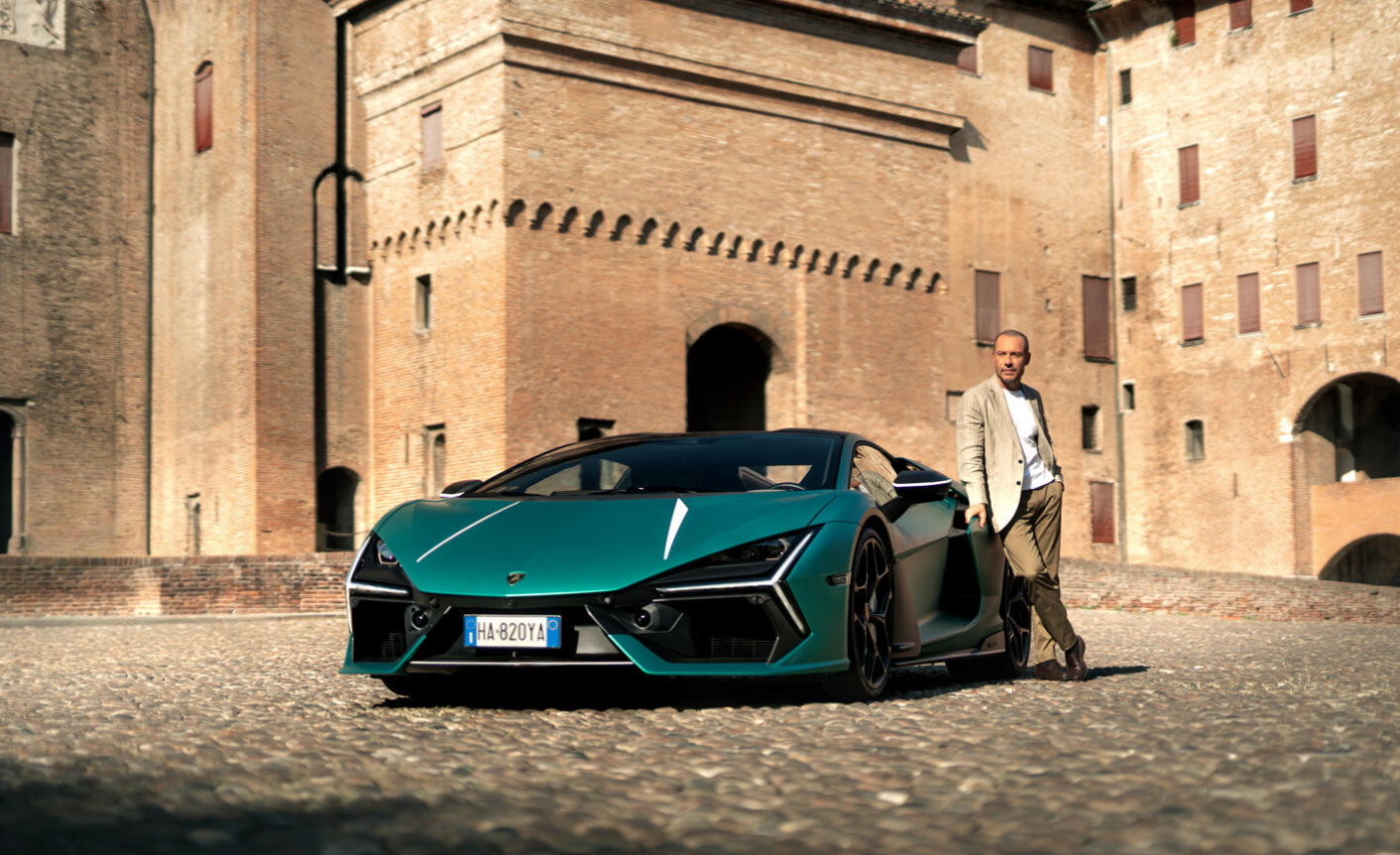
Automobili Lamborghini is turning its attention to something considerably more difficult to define: what makes Italian excellence uniquely Italian?
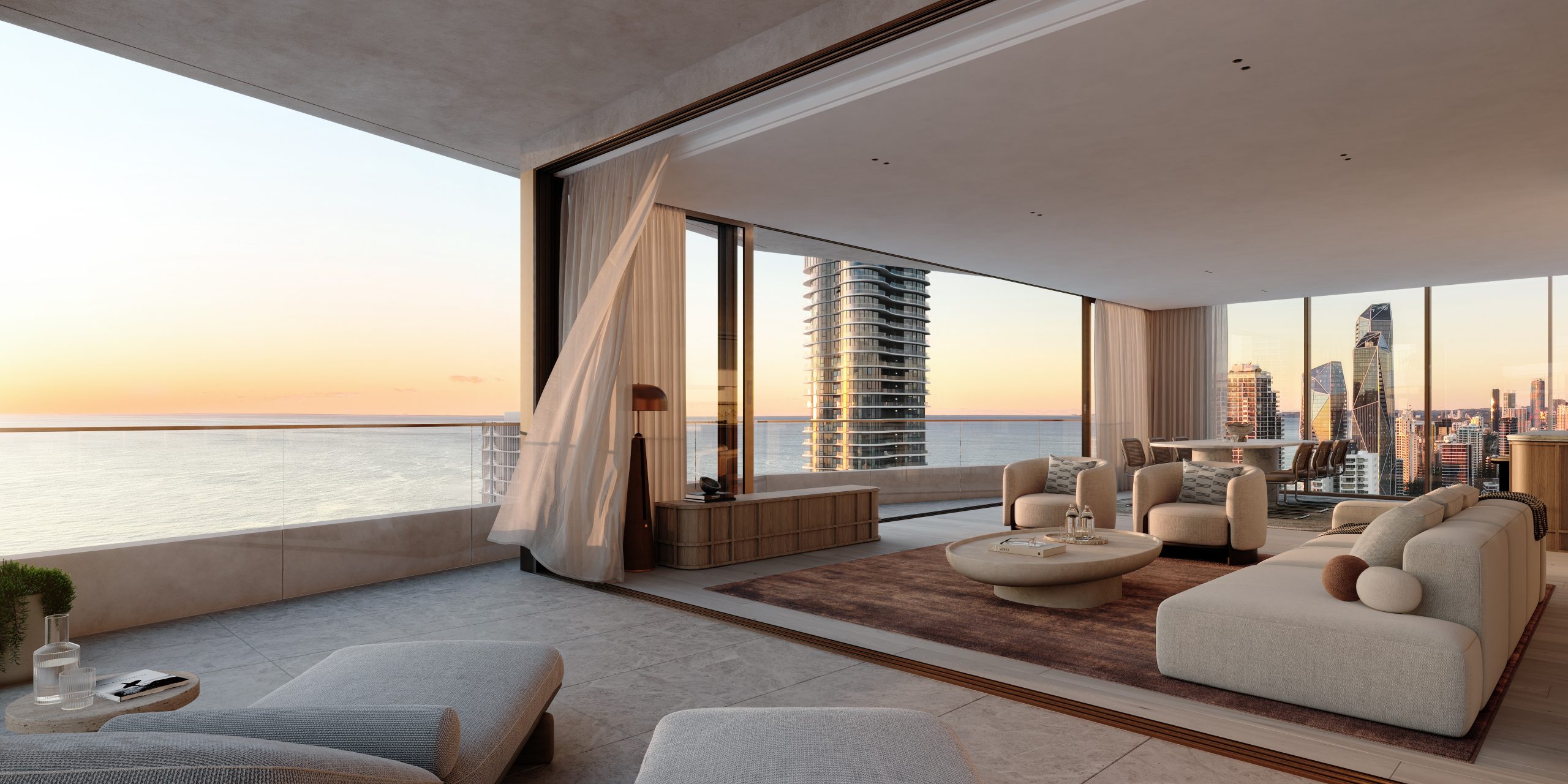
Mirvac’s 45-level Trielle has topped out at Yarra’s Edge, pairing riverfront apartments with wellness facilities, private dining and resident services.
3 min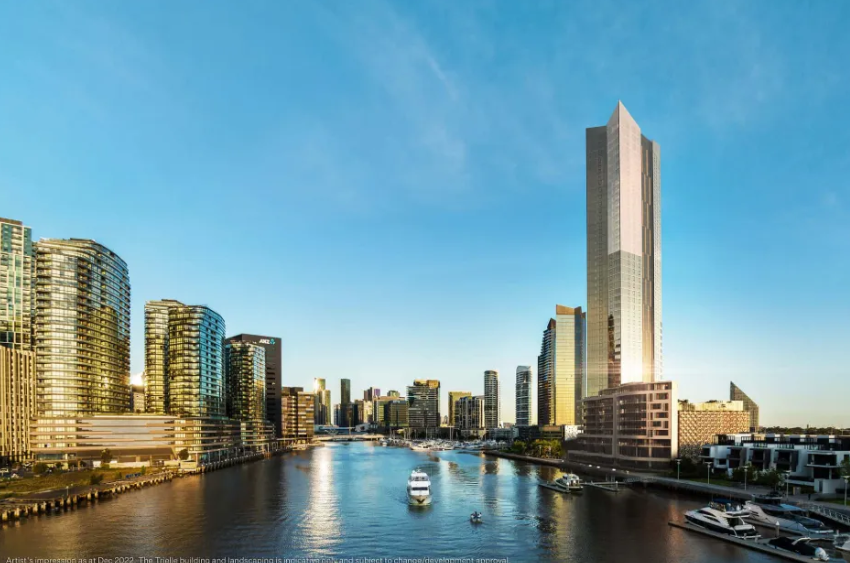
Mirvac has topped out Trielle at Melbourne’s Yarra’s Edge, with more than 70 per cent of the riverfront development sold and approximately 80 per cent of purchasers intending to make their apartment a home.
The figures, released on September 22, point to an owner-occupier audience for one of the precinct’s final residential towers. Mirvac began developing Yarra’s Edge in 2003, and its latest addition occupies one of the remaining absolute riverfront sites.
Mirvac CEO of Development Stuart Penklis said existing residents were among those moving up within the neighbourhood.
“Many purchasers already have a connection to Yarra’s Edge,” Mr Penklis said, describing buyers whose changing needs were encouraging an upgrade within the precinct.
“As one of the final residential towers within Yarra’s Edge, Trielle represents the culmination of more than two decades of creating one of Melbourne’s most established and sought-after waterfront communities,” Penklis said.
“Positioned on the Collins Street axis with absolute river frontage, Trielle offers residents a rare opportunity to enjoy sweeping views across the Yarra River, Melbourne skyline and Port Phillip Bay, while remaining seamlessly connected to the CBD. With Trielle now more than 70 per cent sold, we’re continuing to see strong demand from buyers seeking quality homes in established locations.”
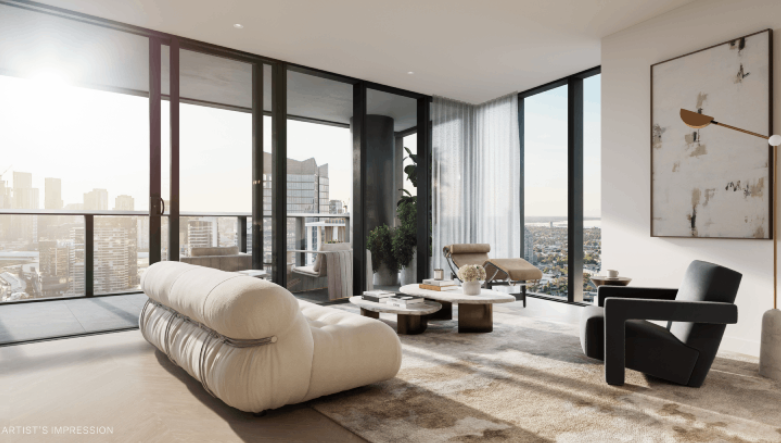
The developer also flagged a penthouse and sub-penthouse collection with larger layouts, premium finishes and broad outlooks. The planned wellness centrepiece, The Oasis, encompasses a 900-square-metre elevated urban rainforest.
Mirvac General Manager Residential Development Victoria Elysa Anderson said Trielle had resonated strongly with buyers seeking a rare lifestyle offering in Melbourne.
“Opportunities to secure a new luxury residence on a riverfront site of this calibre are incredibly rare, particularly within a community like Yarra’s Edge,” Anderson said.
“What makes Trielle unique is the combination of exceptional views, world-class residential facilities and the lifestyle that already exists around it. Residents are buying into a mature waterfront community with parks, promenades, dining, wellness and strong community connections already in place.”
The 45-level tower brings a substantial new presence to that waterfront. Its residential offering spans one-, two-, three- and four-bedroom apartments, with Signature, Prestige and Sub-Penthouse collections accommodating different household sizes. The north-facing position connects the apartments visually to the river and city beyond.
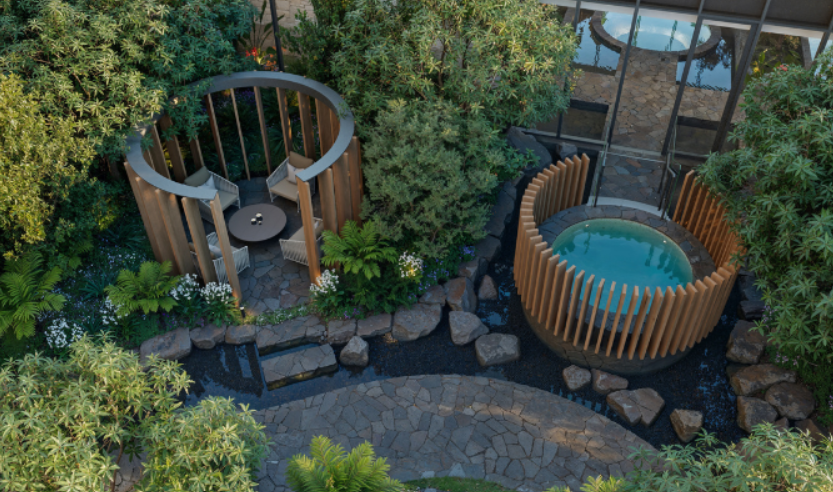
Seven storeys above the promenade, the planned Oasis combines planting and a running stream with a Scandinavian-inspired wellness club developed with spa specialist Naomi Gregory. Facilities include a 25-metre lap pool, hot magnesium pool, sauna, hydrotherapy, a gym, yoga and Pilates room, and treatment spaces.
The amenity extends beyond exercise. Residents will have access to The Biblioteca library and workspaces, ground-floor work pods, and The Salone piano lounge. A private Chef’s Table dining room offers a setting for larger gatherings, while a cinema, games room and sports lounge broaden the entertaining options. Concierge services and a dog-wash area support everyday routines.
Trielle comprises a collection of one, two, three and four-bedroom residences. Reflecting strong demand from owner occupiers, approximately 80 per cent of purchasers to date intend to live in their homes, highlighting the project’s appeal to those seeking a long-term waterfront lifestyle.
Mirvac has recently delivered The Albertine, a premium apartment development on the edge of Melbourne’s CBD, and is nearing completion of Prince & Parade in Brunswick, further strengthening its portfolio of thoughtfully designed apartment communities in some of Melbourne’s most sought-after urban locations.

Exclusive eco-conscious lodges are attracting wealthy travellers seeking immersive experiences that prioritise conservation, community and restraint over excess.
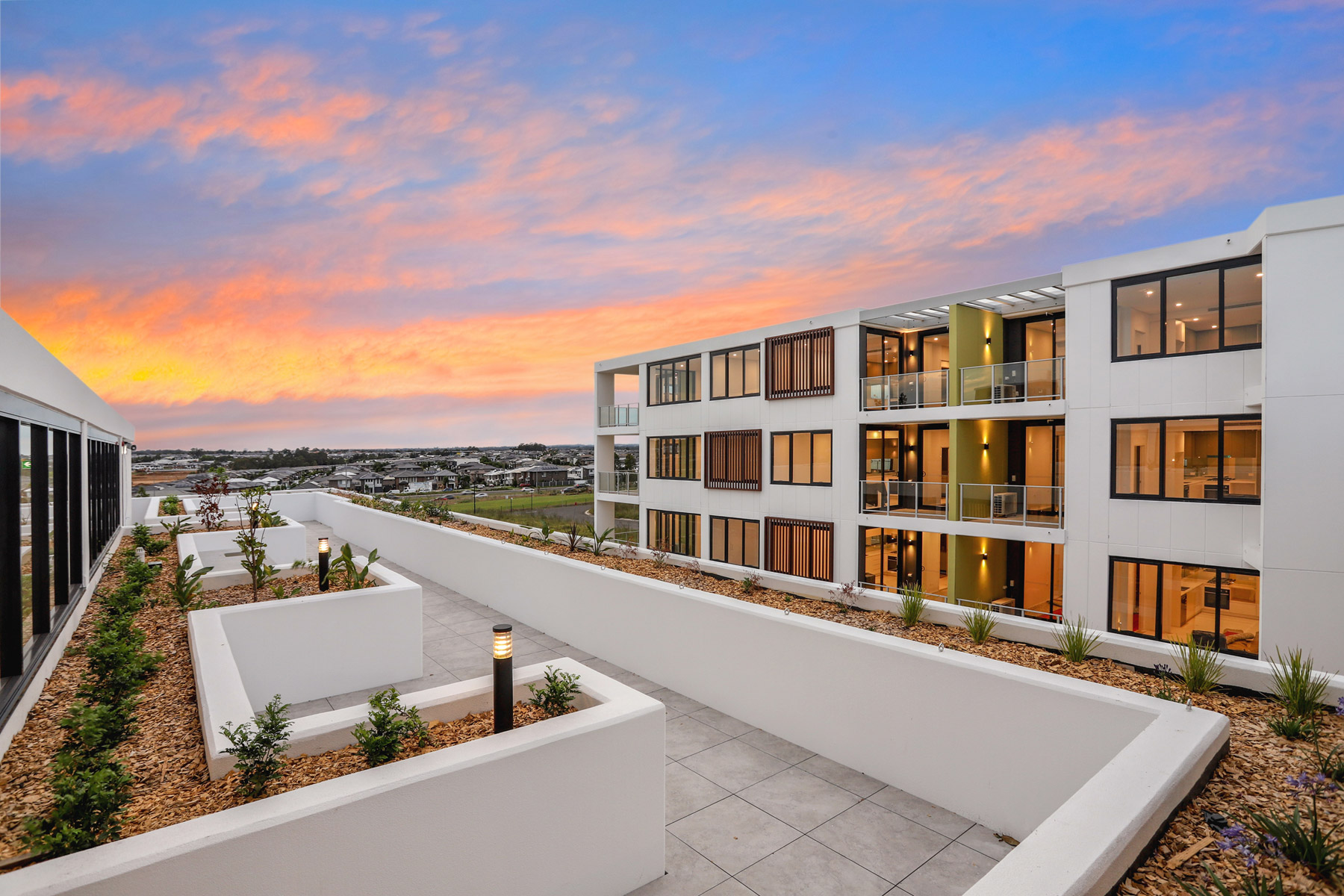
Ophora Tallawong has launched its final release of quality apartments priced under $700,000.