Abadeen Plans 100 New Homes at Mosman’s Former Honeysuckle Garden Site
 2 min
2 min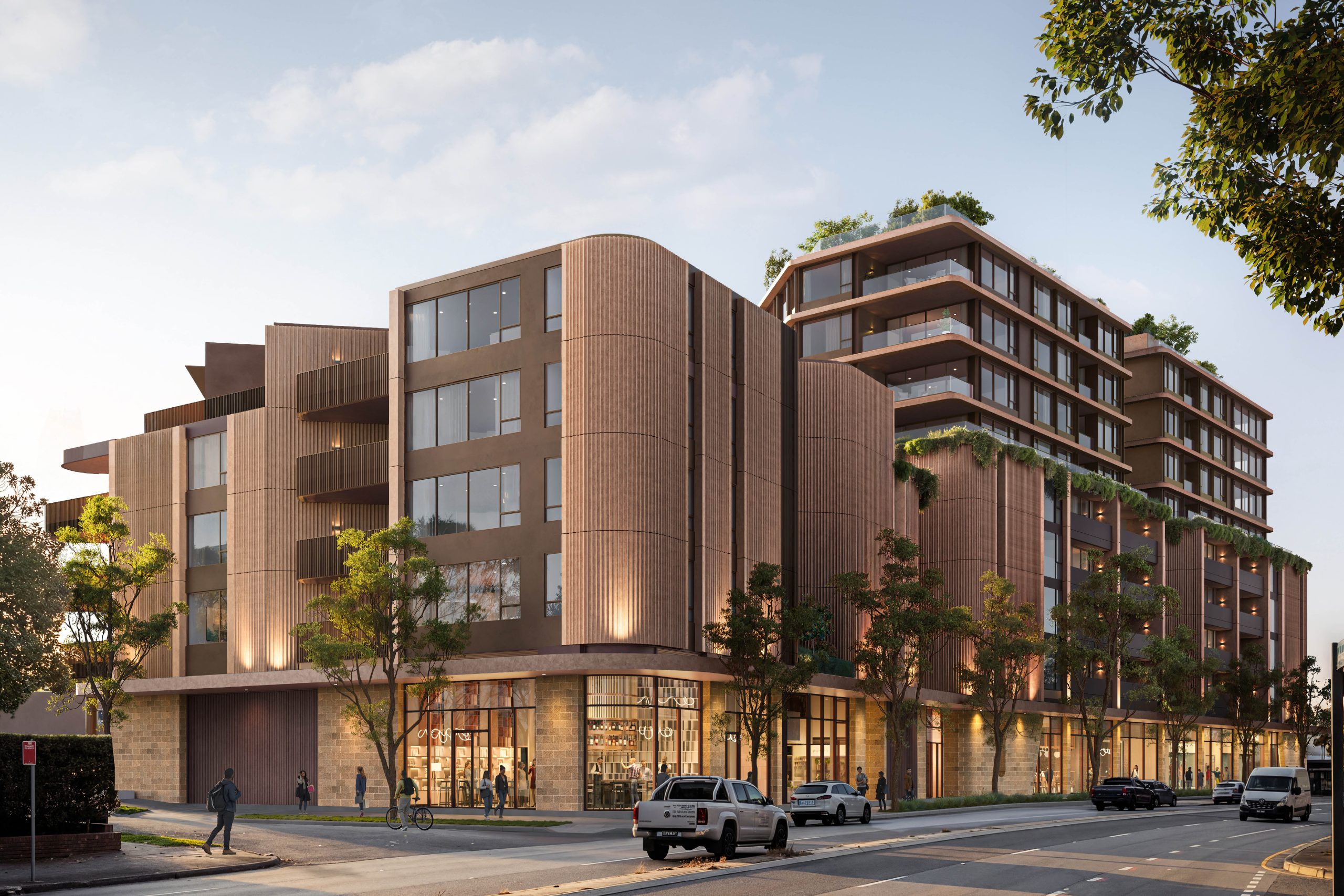
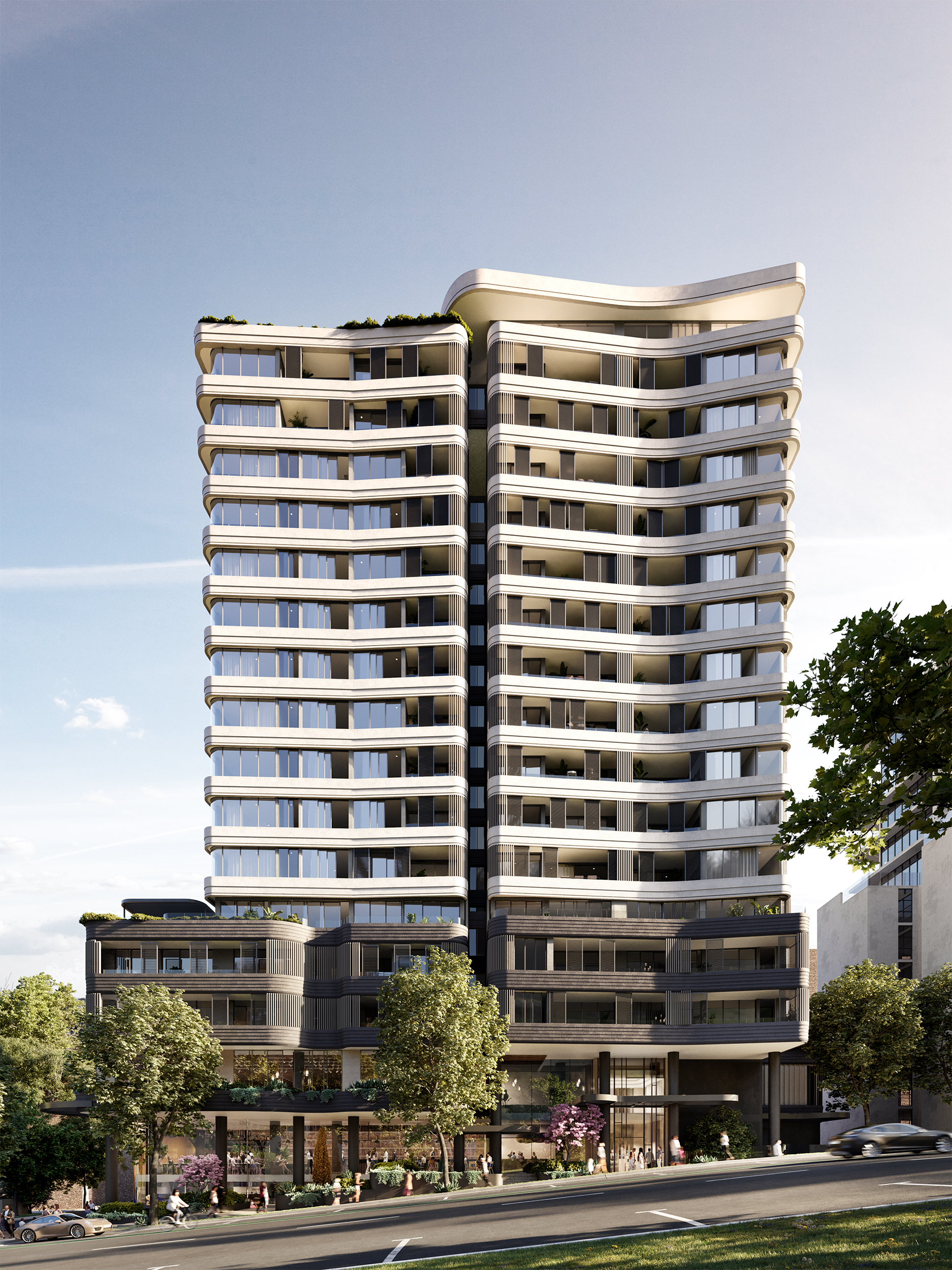
Abadeen, the Lower North Shore’s most active and prominent residential developer, together with investment partner Phoenix Property Investors, has lodged a State Significant Development Application to transform the former Honeysuckle Garden and Midas site on Military Road into 100 premium new homes.
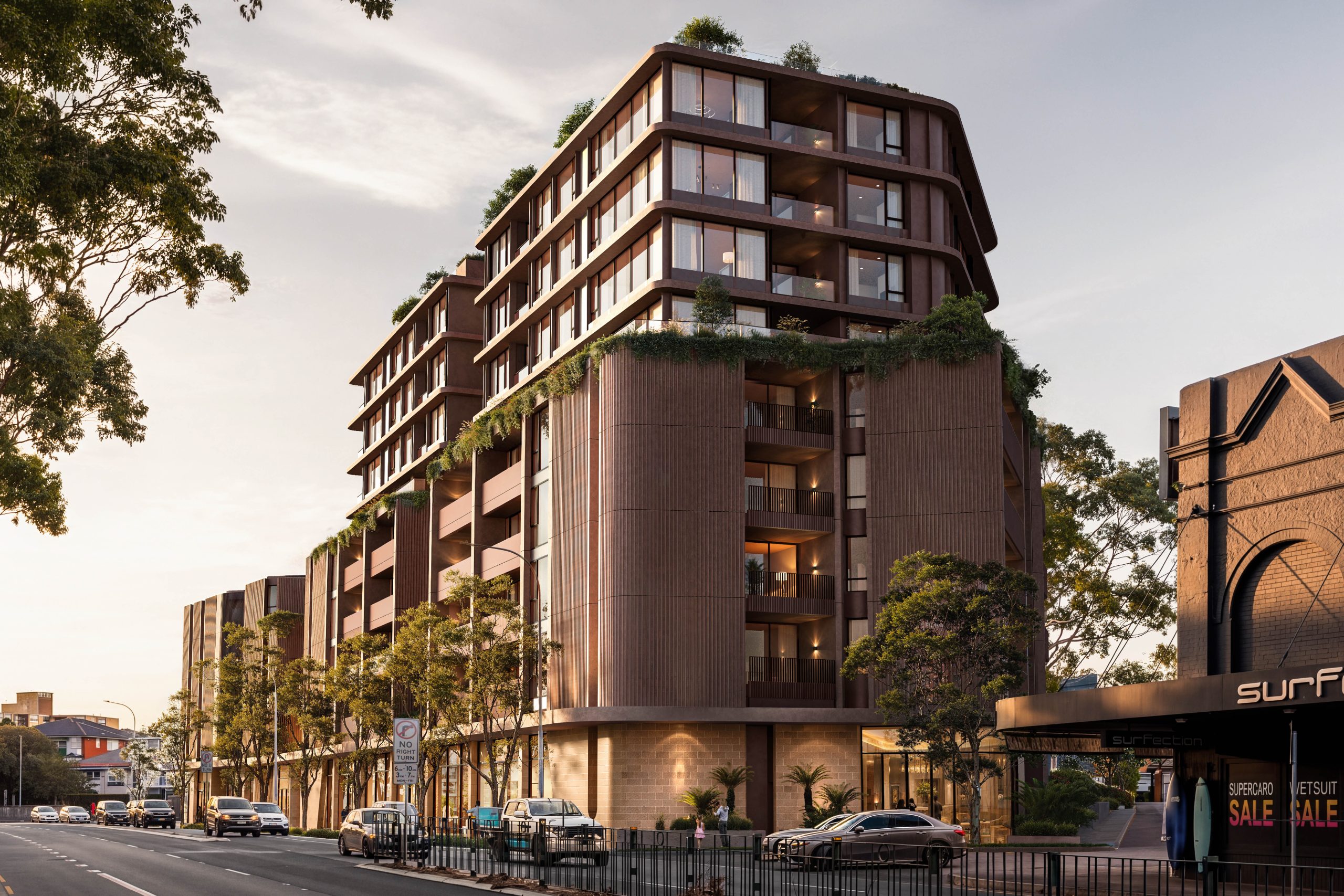
With an estimated completed value of $230 million, the proposed development will transform the former Honeysuckle Garden and Midas site into a landmark mixed-use residential community comprising 100 premium residences, activated ground-floor retail and a resort-style rooftop wellness and recreation precinct designed to become one of the Lower North Shore’s most exceptional resident amenities.
The proposal has been carefully designed to respond to the site’s varied street frontages and surrounding neighbourhood. The building comprises predominantly five and nine storeys, steppingdown towards Hale Road to reduce its visual impact, with the tenth level rooftop
wellness facilities rather than residential apartments. This built form remains below the 12-storey outcome identified through Mosman Council’s recently endorsed Masterplan process, demonstrating a considered approach to delivering much-needed housing while respecting the site’s context and neighbouring properties.
Designed by leading Australian practice DKO Architecture, under the direction of Senior Associate Matthew Ritchard, the proposal has been conceived as a contemporary response to Mosman’s unique landscape, history and community.
Occupying a prominent position on Military Road between Cremorne and Mosman villages, the site is close to boutique retail, acclaimed dining, harbour beaches, leading schools and excellent public transport connections. Upper-level residences would enjoy panoramic views stretching north across Middle Harbour, south to the Sydney CBD skyline, east to Balmoral and Sydney Heads, and west across the Lower North Shore.
Abadeen Executive Chairman Justin Brown said the project represented an opportunity to deliver a new generation of homes for Mosman that responded to changing buyer needs while remaining respectful of the suburb’s established character.
“This is one of the most significant sites to come to market on the Lower North Shore in many years,” Brown says.
“The apartments have been designed as genuine long-term homes, with efficient floor plans that maximise usable living areas, generous internal storage, strong natural light and practical connections between internal and external spaces. A diverse range of apartment sizes and configurations provide greater housing choice for individuals, couples, families and local downsizers.
“The focus has been on creating homes that caters for a broad range of buyers, from young professionals purchasing their first home, to couples establishing themselves, growing families and local downsizers who want to remain in Mosman.”
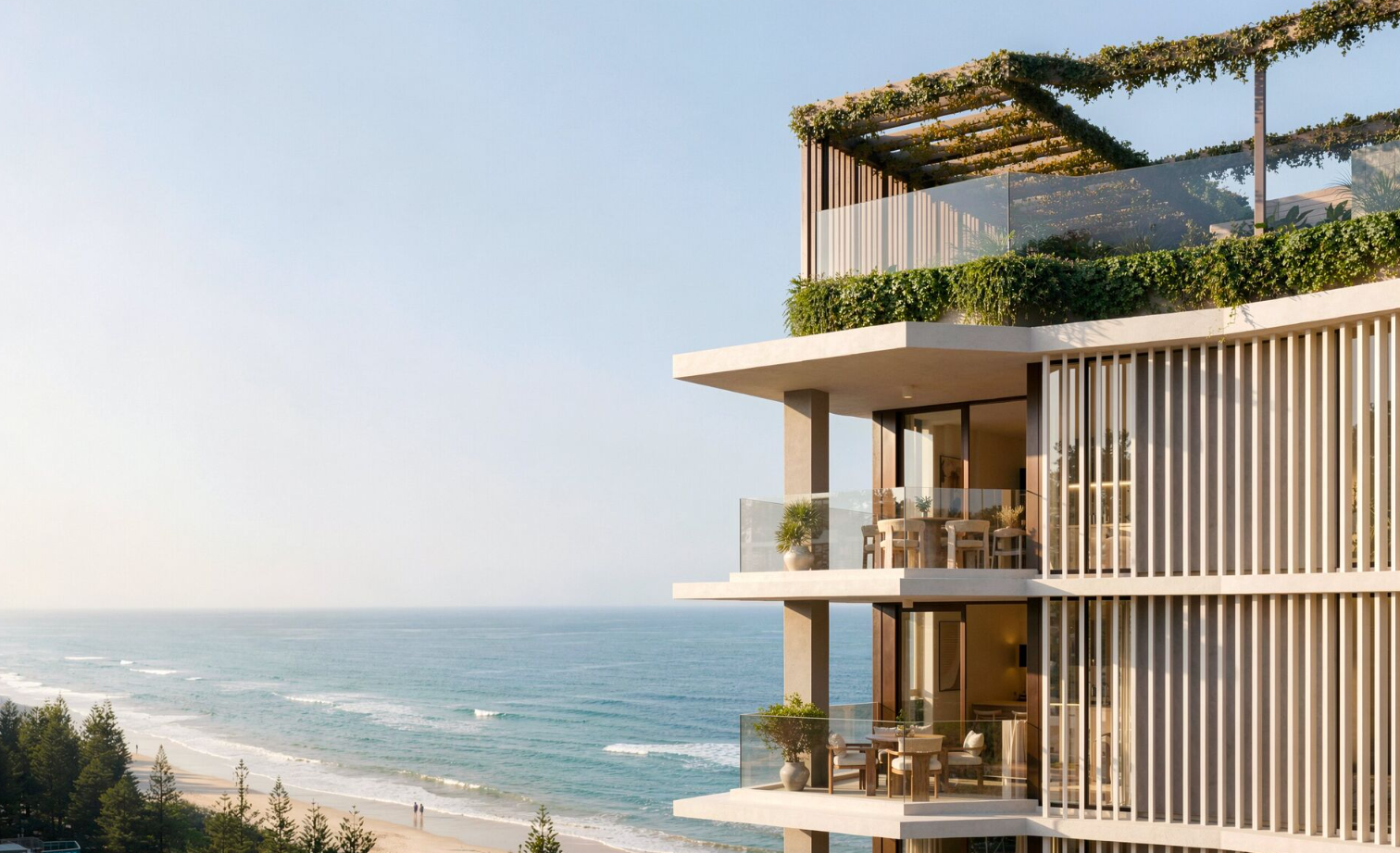
Studio apartments have almost disappeared from new Australian developments. Lura is bringing them back to Burleigh Heads from $495,000.

Porsche’s Cayenne Turbo Electric produces up to 1,156PS and reaches 100km/h in a claimed 2.5 seconds.
Bjorn Farrugia was named for Björn Borg, the ice-cool Swede who once ruled Wimbledon’s Centre Court, and for a long stretch of his young life the name felt like a mandate
3 min
A tennis scholarship took him to America two decades ago with no return ticket in mind. Today the Melbourne-born, Beverly Hills-based agent is one of the most decorated names in Los Angeles luxury real estate — and still calls himself an Australian first.

Sydney Children’s Hospitals Foundation CEO Kristina Keneally says Australia’s culture of large-scale philanthropy is becoming more sophisticated as Gold Dinner raises $75.5 million for children’s health, research and innovation.
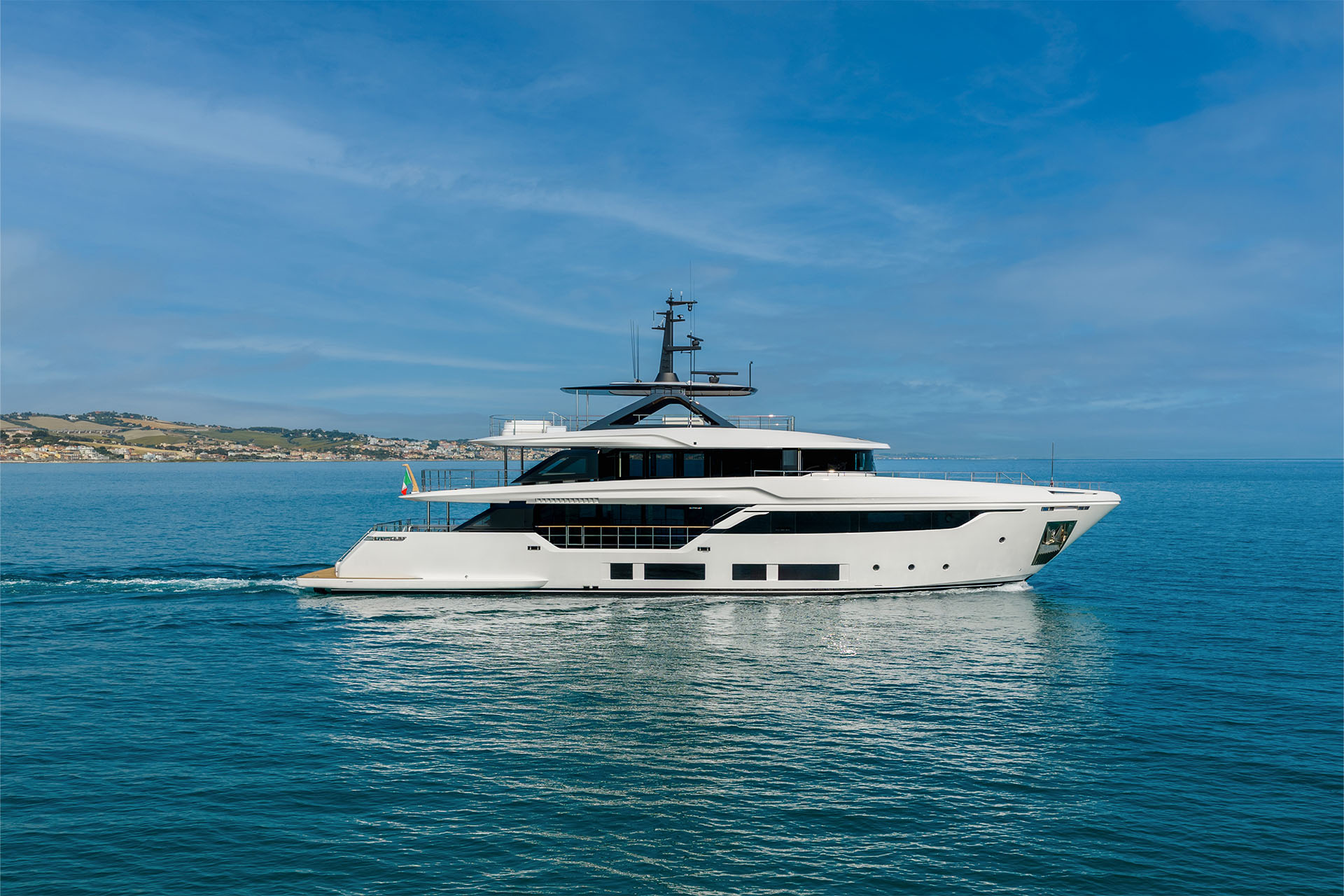
Four decks, 34.5 metres and a made-to-measure interior: step aboard the new Custom Line Navetta 35, unveiled at Cannes.