Australia’s top 10 most affordable regional property markets investors should watch
Whether you prefer the country or the coast, there are plenty of east coast options for cashed up buyers
 3 min
3 min
There are 10 local council areas scattered along the East Coast of Australia that offer both affordability and solid fundamentals for sustainable future growth, according to the research team at residential property network, PRD. The areas have been selected based on five criterion. They are affordability – defined as a median house price below $600,000, rising house values, strong rental yields to encourage investment, a strong pipeline of residential, commercial and infrastructure projects to facilitate local economic development, and low unemployment.
Here are Australia’s 10 most affordable regional property markets with great future potential.
Mackay, QLD
Mackay is a tropical coastal area located in north Queensland. It’s known for its closeconnection to the Great Barrier Reef. The median house price is $462,750, up 8.9 percent in 2023. Mackay attracts a lot of interstate migrants and is home to more than 120,000 people. It has a healthy economy with an unemployment rate of 3.7 percent and $1.7 billion worth of projects due to commence this year.
Toowoomba, QLD
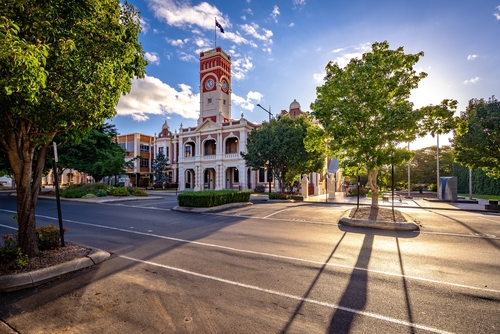
Toowoomba is located west of Brisbane and is known for its Victorian buildings, street artand surrounding national parks. The median house price is $560,000, up 10.9 percent in 2023. The city has a population of more than 180,000. The unemployment rate is 4 percentand there is $6.1 billion in projects commencing in 2024.
Townsville, QLD
Townsville is a coastal city in north-eastern Queensland. The median house price is $420,000, up 5 percent in 2023. It is home to more than 200,000 people. Unemployment is very low at 2.5 percent and there is $3.2 billion of projects commencing this year.
Dubbo, NSW
Dubbo is located west of Newcastle in the Orana Region and is home to the Western Plains Zoo. The median house price is $530,000, up 11.6 percent in 2023. The population has exploded in recent years to more than 56,000 people. The unemployment rate is just 2.2percent and the economy is thriving. There is a pipeline of $4.7 billion in projects commencing this year.
Tamworth, NSW
Located in north-east NSW, Tamworth is known for its popular annual Country Music Festival. It’s also the largest retail centre for the New England and Northwest Slopes regions. The median house price is $490,000, up 14 percent in 2023. With a population of more than 65,000 people, the economy is strong with unemployment of just 2 percent and $112.4million worth of projects commencing this year.
Griffith, NSW
Located west of Sydney and northwest of Canberra, Griffith is known for its prime produce production and wine cultivation. The median house price is $531,000, up 2.1 percent in 2023. Griffith’s population is about 27,000 people. The city boasts high economic resilience with a 2 percent unemployment rate and $258.7 million in projects in the pipeline.
Ballarat, VIC
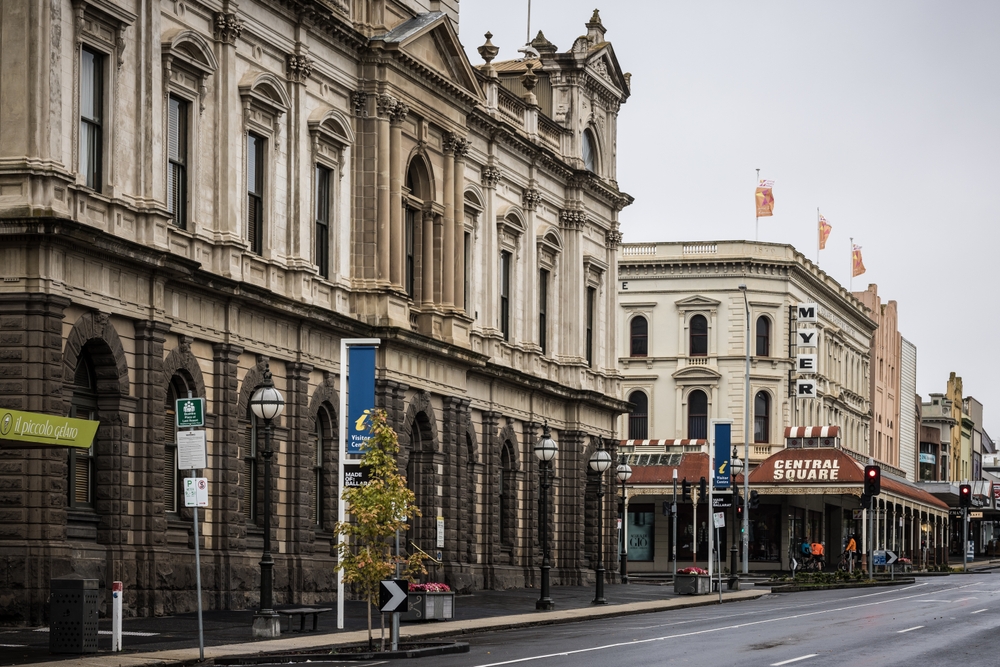
Ballarat is a 1.5–hour drive west of Melbourne. It’s popular with city commuters who move here for housing affordability and a relaxed lifestyle with easy access to the city via train. The median house price is $570,000, down 4.2 percent in 2023 but up 92.9 percent over the past decade. The city has the third highest population in Victoria at about 118,000. Ballarat has an unemployment rate of 3 percent and a total projects pipeline worth $2.3 billion for 2024.
Shepparton, VIC
Shepparton is a rural area about two hours north of Melbourne. It is popularly referred to as ‘the food bowl of Australia’. The median house price is $475,000, up 4.4 percent in 2023. The population is about 70,000. The unemployment rate is just 2 percent and there is $1.8 billion in projects for 2024.
Wodonga, VIC
Wodonga is located on the border of NSW on the southern side of the Murray River. It is approximately 320km from Melbourne and 345km from Canberra. The median house price is $567,250, up 4.7 percent in 2023. With a population of about 44,000, the city’s jobless rate is 3 percent and there is $388.2 million in development set to commence in 2024, primarily new infrastructure.
Burnie, TAS
Burnie is a bustling port city located in Emu Bay in Tasmania’s north-west. Overlooking beaches and parklands, the area is known for its rich agriculture and mining projects. The median house price is $435,000, up 3.6 percent. Despite a rising population, the unemployment rate is falling and is currently 5.6 percent. In 2024, Burnie’s project pipeline is valued at approximately $1.6 billion. A significant portion is commercial development, primarily renewable energy projects.

From making unpopular decisions to learning when to listen, leaders from five businesses reveal what nobody prepared them for — and how running a company has challenged their expectations.

Technology and semiconductor shares fell sharply as investors questioned the debt financing the AI infrastructure boom and confronted higher rates and Chinese competition.
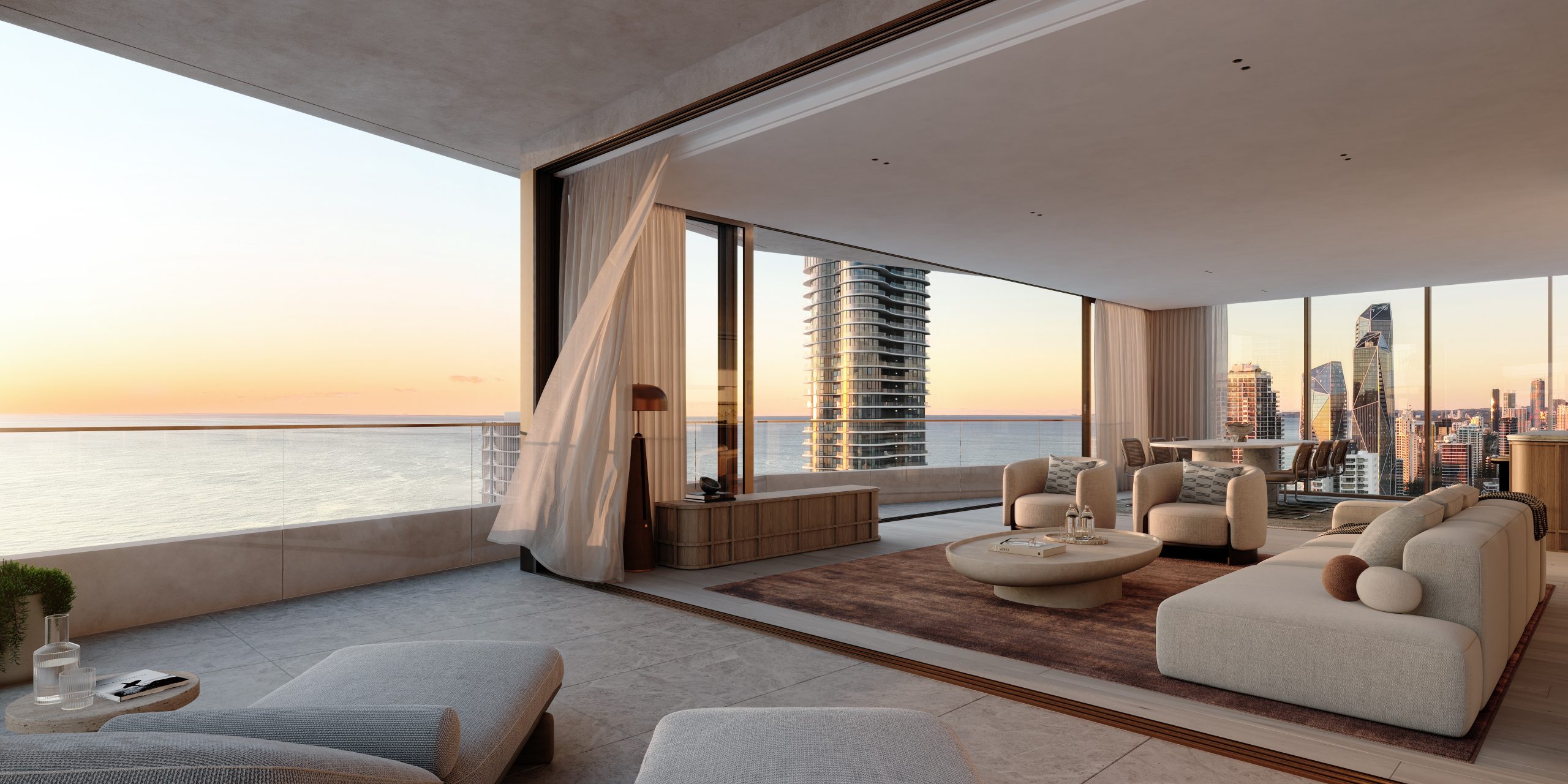
Mirvac’s 45-level Trielle has topped out at Yarra’s Edge, pairing riverfront apartments with wellness facilities, private dining and resident services.
3 min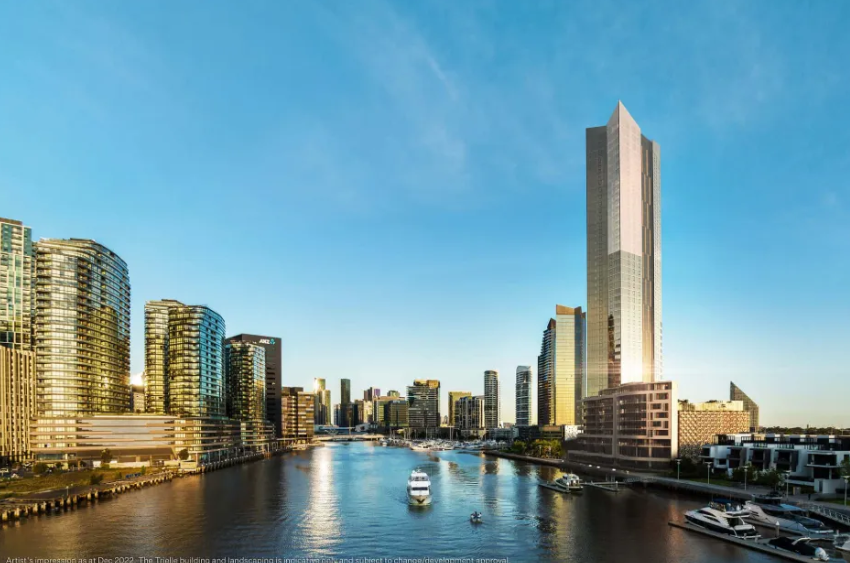
Mirvac has topped out Trielle at Melbourne’s Yarra’s Edge, with more than 70 per cent of the riverfront development sold and approximately 80 per cent of purchasers intending to make their apartment a home.
The figures, released on September 22, point to an owner-occupier audience for one of the precinct’s final residential towers. Mirvac began developing Yarra’s Edge in 2003, and its latest addition occupies one of the remaining absolute riverfront sites.
Mirvac CEO of Development Stuart Penklis said existing residents were among those moving up within the neighbourhood.
“Many purchasers already have a connection to Yarra’s Edge,” Mr Penklis said, describing buyers whose changing needs were encouraging an upgrade within the precinct.
“As one of the final residential towers within Yarra’s Edge, Trielle represents the culmination of more than two decades of creating one of Melbourne’s most established and sought-after waterfront communities,” Penklis said.
“Positioned on the Collins Street axis with absolute river frontage, Trielle offers residents a rare opportunity to enjoy sweeping views across the Yarra River, Melbourne skyline and Port Phillip Bay, while remaining seamlessly connected to the CBD. With Trielle now more than 70 per cent sold, we’re continuing to see strong demand from buyers seeking quality homes in established locations.”
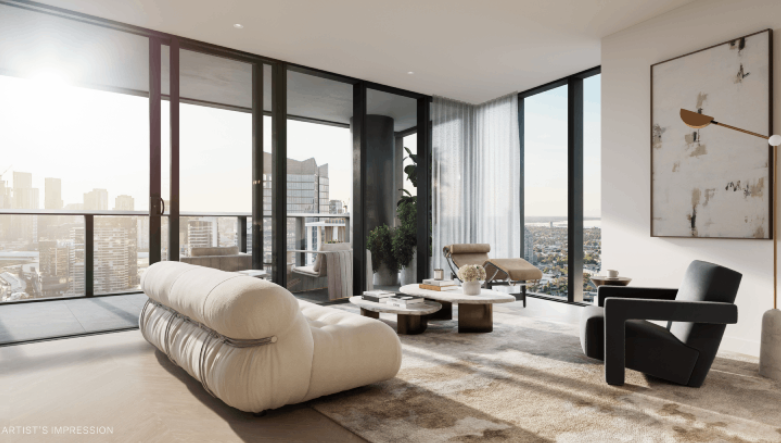
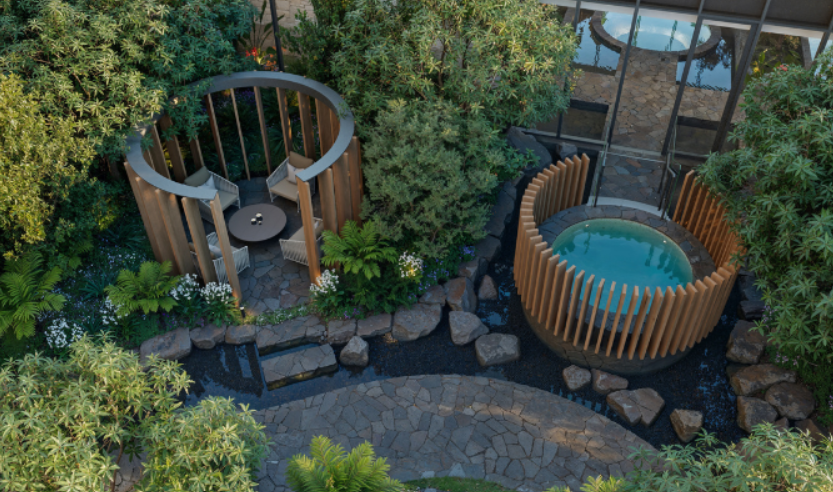
The developer also flagged a penthouse and sub-penthouse collection with larger layouts, premium finishes and broad outlooks. The planned wellness centrepiece, The Oasis, encompasses a 900-square-metre elevated urban rainforest.
Mirvac General Manager Residential Development Victoria Elysa Anderson said Trielle had resonated strongly with buyers seeking a rare lifestyle offering in Melbourne.
“Opportunities to secure a new luxury residence on a riverfront site of this calibre are incredibly rare, particularly within a community like Yarra’s Edge,” Anderson said.
“What makes Trielle unique is the combination of exceptional views, world-class residential facilities and the lifestyle that already exists around it. Residents are buying into a mature waterfront community with parks, promenades, dining, wellness and strong community connections already in place.”
The 45-level tower brings a substantial new presence to that waterfront. Its residential offering spans one-, two-, three- and four-bedroom apartments, with Signature, Prestige and Sub-Penthouse collections accommodating different household sizes. The north-facing position connects the apartments visually to the river and city beyond.
Seven storeys above the promenade, the planned Oasis combines planting and a running stream with a Scandinavian-inspired wellness club developed with spa specialist Naomi Gregory. Facilities include a 25-metre lap pool, hot magnesium pool, sauna, hydrotherapy, a gym, yoga and Pilates room, and treatment spaces.
The amenity extends beyond exercise. Residents will have access to The Biblioteca library and workspaces, ground-floor work pods, and The Salone piano lounge. A private Chef’s Table dining room offers a setting for larger gatherings, while a cinema, games room and sports lounge broaden the entertaining options. Concierge services and a dog-wash area support everyday routines.
Trielle comprises a collection of one, two, three and four-bedroom residences. Reflecting strong demand from owner occupiers, approximately 80 per cent of purchasers to date intend to live in their homes, highlighting the project’s appeal to those seeking a long-term waterfront lifestyle.
Mirvac has recently delivered The Albertine, a premium apartment development on the edge of Melbourne’s CBD, and is nearing completion of Prince & Parade in Brunswick, further strengthening its portfolio of thoughtfully designed apartment communities in some of Melbourne’s most sought-after urban locations.

Micro-needling promises glow and firmness, but timing can make all the difference.

Singapore’s Formula 1 weekend has always looked different. Held beneath floodlights on the Marina Bay Street Circuit, the race transforms the city into a nocturnal spectacle of speed, heat and saturated colour. It is this distinctive atmosphere — and one of Singapore’s most important natural symbols — that has shaped IWC Schaffhausen’s latest motorsport-inspired watch. …
Continue reading “IWC’s purple Formula 1 chronograph pays tribute to Singapore after dark”