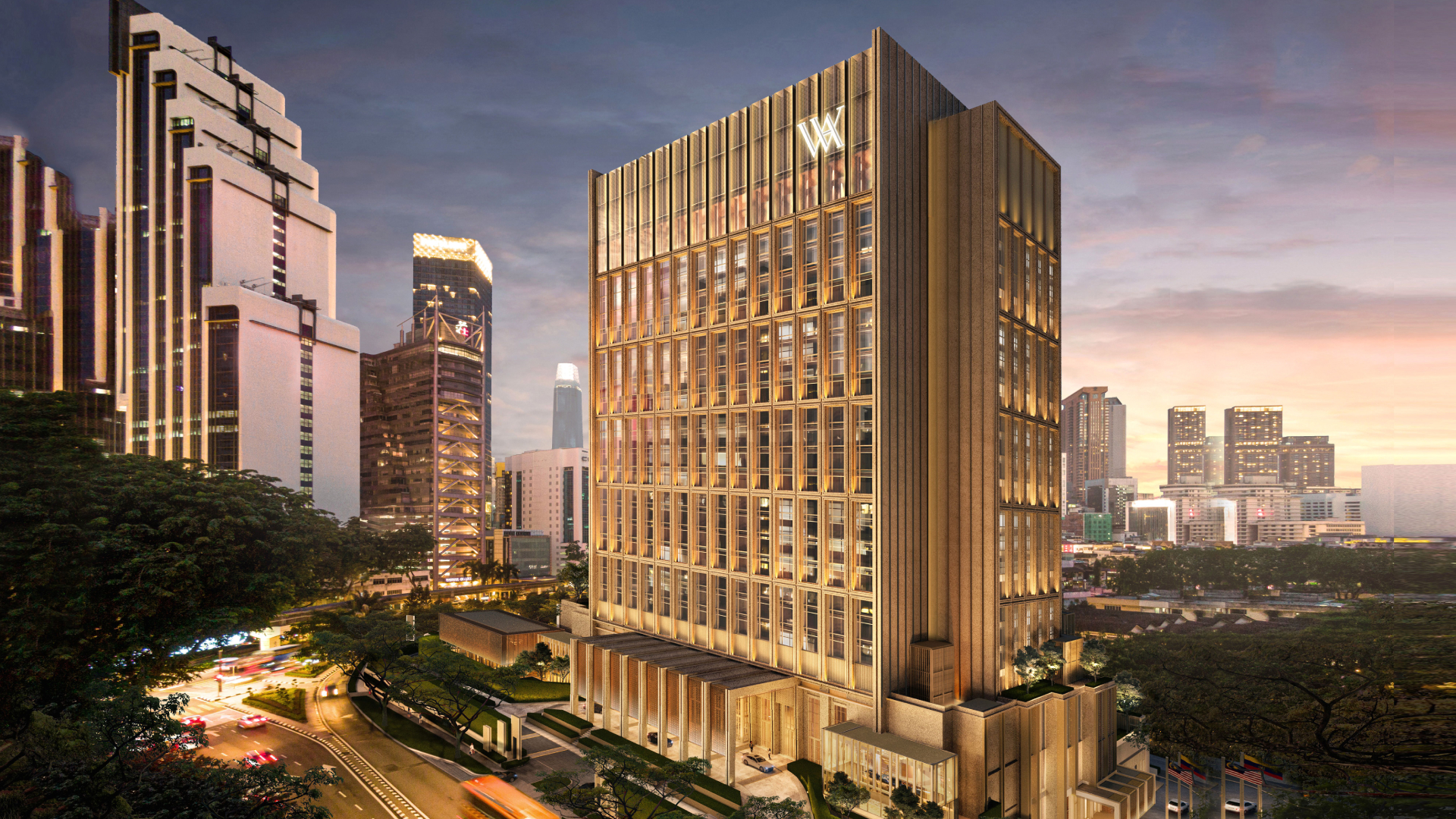
$8.1 billion, 10,000-home community set for Dubai neighbour Sharjah Inside Sharjah’s US$8.1 billion Azizi Florence project
Kanebridge News
Share Button

$8.1 billion, 10,000-home community set for Dubai neighbour Sharjah

More than 10,000 homes, an expansive central park and a mix of hospitality, retail and wellness facilities will form Azizi Developments’ first master-planned community in the emirate.

By Ruba Jaajaa
Mon, Sep 21, 2026 10:04amGrey Clock 2 min

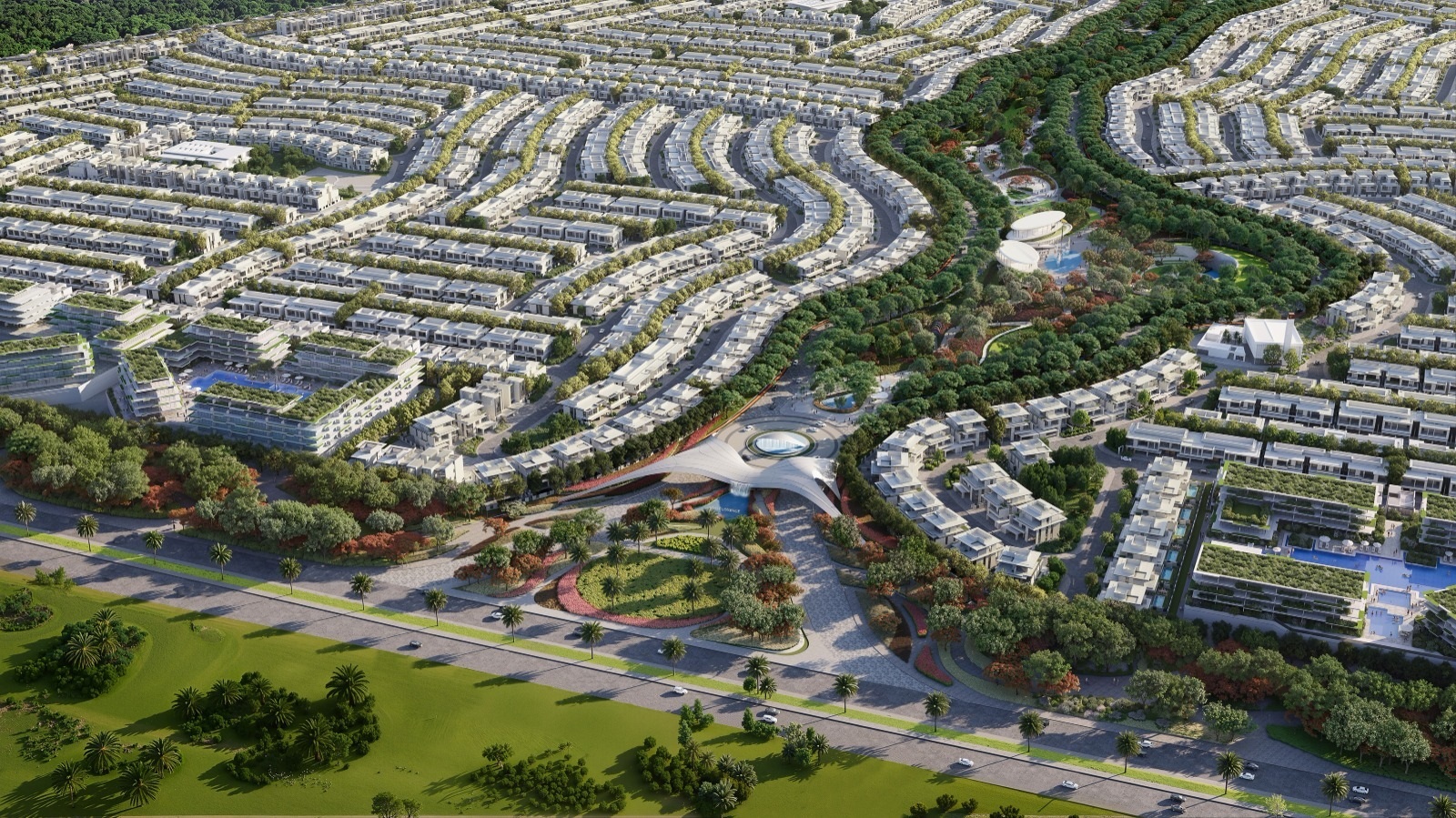
Sharjah is set to receive one of its largest new residential communities, with Azizi Developments unveiling plans for a US$8.1 billion master-planned precinct containing more than 10,000 homes.

Named Azizi Florence, the freehold development will comprise 1,130 villas, more than 6,000 townhouses and 3,500 apartments. Three-bedroom townhouses will start from US$515,000, with an indicative rate of US$231 per square foot of saleable space.

The project marks the Dubai-based developer’s first move into Sharjah, expanding a portfolio that includes the planned Burj Azizi skyscraper and the Azizi Venice community in Dubai.

A park at the heart of the community

Rather than treating landscaping as an afterthought, Azizi Florence will be organised around a 1.7 million sq ft central park.

The wider precinct is planned as a self-contained neighbourhood combining homes with retail, hospitality, education, leisure and wellness facilities.

Six residential clusters will sit within the development, each with its own park, clubhouse, community centre and landscaped gardens. The approach reflects a broader shift across large Middle Eastern developments, where greenery, recreation and everyday convenience are increasingly central to the residential proposition.

The scale of Azizi Florence suggests it is intended to function as a neighbourhood rather than a collection of housing estates. Its mix of housing types should also give the project broader appeal, accommodating apartment buyers alongside families seeking townhouses or standalone villas.

Azizi expands beyond Dubai

Azizi Developments has delivered more than 45,000 homes to buyers from over 100 countries and says it has approximately 150,000 units under construction.

Much of its growth has been concentrated in Dubai, where its portfolio extends across Palm Jumeirah, Mohammed Bin Rashid City, Dubai South, Sheikh Zayed Road and Downtown Jebel Ali.

Its most prominent current project is Burj Azizi, which is intended to become the world’s second-tallest building. Azizi Florence represents a different type of undertaking: a low-rise, family-oriented community built around public space and daily amenity.

For company founder and chairman Mirwais Azizi, the Sharjah project also carries a personal connection. The emirate was his first home in the UAE more than three decades ago, adding a symbolic dimension to the developer’s expansion.

Sharjah’s residential ambitions grow

Although Dubai and Abu Dhabi have traditionally captured much of the international attention directed at the UAE property market, Sharjah has been steadily broadening its residential offering.

Large freehold communities such as Azizi Florence have the potential to attract both local families and international purchasers looking for comparatively accessible entry points into the Emirates’ property market.

At a starting price of US$515,000, the project’s three-bedroom townhouses will sit well below the cost of equivalent family homes in many of Dubai’s more established luxury communities.

The ultimate appeal, however, will depend on execution. At this scale, the quality of the public realm, connections between residential clusters and delivery of the promised supporting infrastructure will be as important as the homes themselves.

If those elements come together, Azizi Florence could help establish a new benchmark for large-scale residential development in Sharjah—and give buyers another option beyond the UAE’s better-known property markets.


MOST POPULAR

The Swiss watchmaker’s first collaboration with Atlassian Williams F1 Team produces two sporting Laureato models inspired by the team’s 2026 racing car.

Victorian auction buyers will soon receive a piece of information that has traditionally been withheld until bidding reaches it: the vendor’s reserve price. Under new property-sale and underquoting laws, agents must publish the agreed reserve at least seven days before an auction or fixed-date sale. Most changes begin on 1 October 2026 and apply to …

Related Stories
Prestige
Why Australia is primed for a branded residences boom
By Ruba Jaajaa 21/09/2026
Property
New Home Sales Fall 10 Per Cent as Australia’s Construction Recovery Loses Momentum
By Ruba Jaajaa 17/09/2026
Property
Victoria’s New Auction Rules Will Force Reserve Prices Into the Open
By Ruba Jaajaa 15/09/2026
Why Australia is primed for a branded residences boom

Australia is poised for a branded residences boom as wealthy buyers seek luxury homes with hotel-style services, security and wellness amenities.

By Ruba Jaajaa
Mon, Sep 21, 2026 4 min

Australia could be on the cusp of a new wave of branded residential development as wealthy buyers accumulate more homes and place greater value on convenience, service and lifestyle.

Knight Frank’s The Residence Report 2026 found that the global branded residences market has almost tripled in size over the past decade. The number of developments increased from 354 in 2015 to 903 by the end of 2025 and is expected to surpass 1,000 during 2026.

By 2031, the sector is forecast to approach 1,800 developments encompassing more than 300,000 residences.

The research covered almost 1,800 operational and proposed schemes from more than 200 brands across 90 countries. Although Australia possesses many of the attributes sought by affluent buyers, its branded residential market remains comparatively immature.

That could be about to change.

Knight Frank and its Australian residential partner, McGrath Estate Agents, expect developers to pursue opportunities in Sydney, Brisbane and the Gold Coast, where demand for premium, low-maintenance homes is being supported by domestic wealth, interstate migration and international buyers.

About 60 per cent of Australia’s identified branded residence developments are earmarked for Queensland.

Wealthy buyers are building global property portfolios

Growth in branded residences is closely connected to the mobility of the world’s wealthiest people.

Ultra-high-net-worth individuals now own an average of 3.8 homes, compared with 2.9 less than a decade ago. International flight volumes are forecast to reach 13.2 million in 2026, approximately 19 per cent higher than in 2023.

As wealthy buyers establish multiple residential bases, they are favouring homes that can be occupied immediately and managed from a distance.

Security, concierge services, wellness facilities and reliable property management are becoming increasingly important, particularly for owners who divide their time between several cities or countries.

McGrath national head of research Michelle Ciesielski said Australia’s stability, lifestyle and long-term growth prospects made it a logical addition to these international property portfolios.

Demand is not limited to overseas buyers. Affluent Australians are also seeking turnkey homes that combine privacy and security with the service standards traditionally associated with luxury hotels.

Lifestyle destinations are challenging global cities

Branded residences were once concentrated in gateway cities, but the market is rapidly moving towards coastal, island, mountain and resort locations.

In 2016, about 38 per cent of branded residence developments were situated outside major cities. More than half are now in non-urban locations, with that proportion forecast to reach 57 per cent by 2028.

The changing geography reflects a willingness among wealthy buyers to pay city-level prices in destinations offering a distinctive lifestyle.

Marbella’s highest residential values now broadly match those recorded in Madrid, while Phuket Island has more operational and proposed branded residence schemes than London.

The Australian market is well placed to benefit from this shift. Sydney offers international recognition and a deeply established prestige market, while South East Queensland combines migration, population growth and a strong leisure proposition.

Brisbane’s luxury market comes of age

Brisbane is emerging as one of the Asia-Pacific region’s fastest-rising luxury residential markets.

Investment associated with the 2032 Olympic Games is adding to the city’s momentum. The Queensland Government has committed $7.1 billion to venue infrastructure and a further $3.4 billion for new and upgraded facilities across the state.

Brisbane’s prime residential values increased by 2.6 per cent in the year to the second quarter of 2026. The Gold Coast recorded growth of 2.4 per cent, while values declined by 2.8 per cent in Sydney and 2 per cent in Melbourne over the same period.

New luxury apartments in Brisbane now average approximately $29,100 per square metre. The Gold Coast averages about $24,700 per square metre, compared with $33,200 in Melbourne. Sydney remains in a separate category at an average of $74,500 per square metre.

Developers are responding with increasingly ambitious projects.

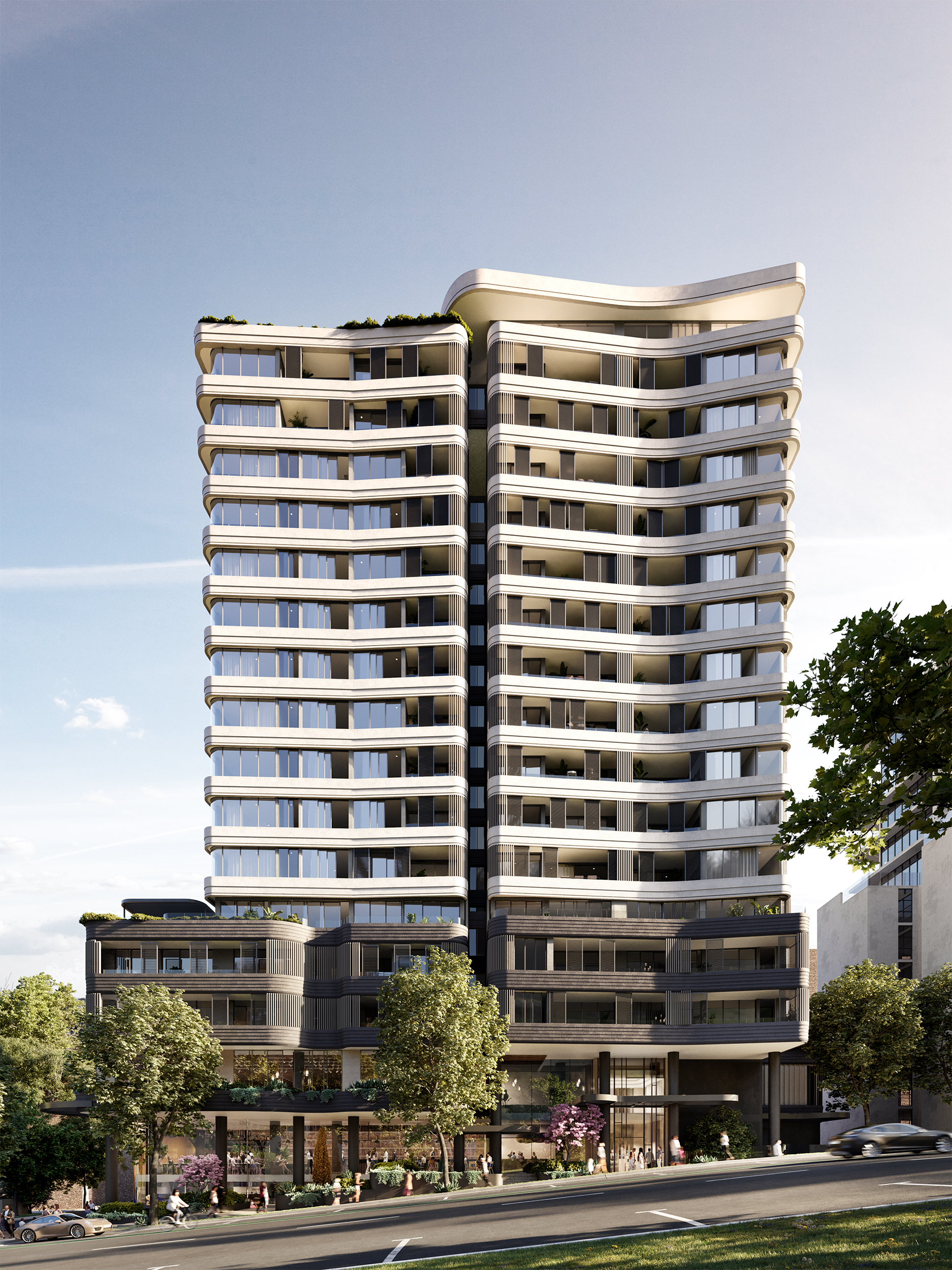
Sanctuary by Aria in South Brisbane is planned as part of a three-tower precinct containing almost 600 homes. Its shared amenities are set to include a rooftop club, wellness centre, concierge service, golf simulators, bathhouse-style pools and a multi-sport court.

Luxury hotel group Capella is also redeveloping the historic Shafston House estate at Kangaroo Point. Scheduled for completion in 2029, the development is expected to include 50 branded homes, with apartments starting at $8 million.

Adam Ross, head of international and private clients at McGrath, expects another three branded residential projects to be announced across Australia over the coming 12 months.

Sydney demonstrates the depth of demand

At the top end of the market, Sydney continues to demonstrate the depth of Australia’s luxury buyer pool.

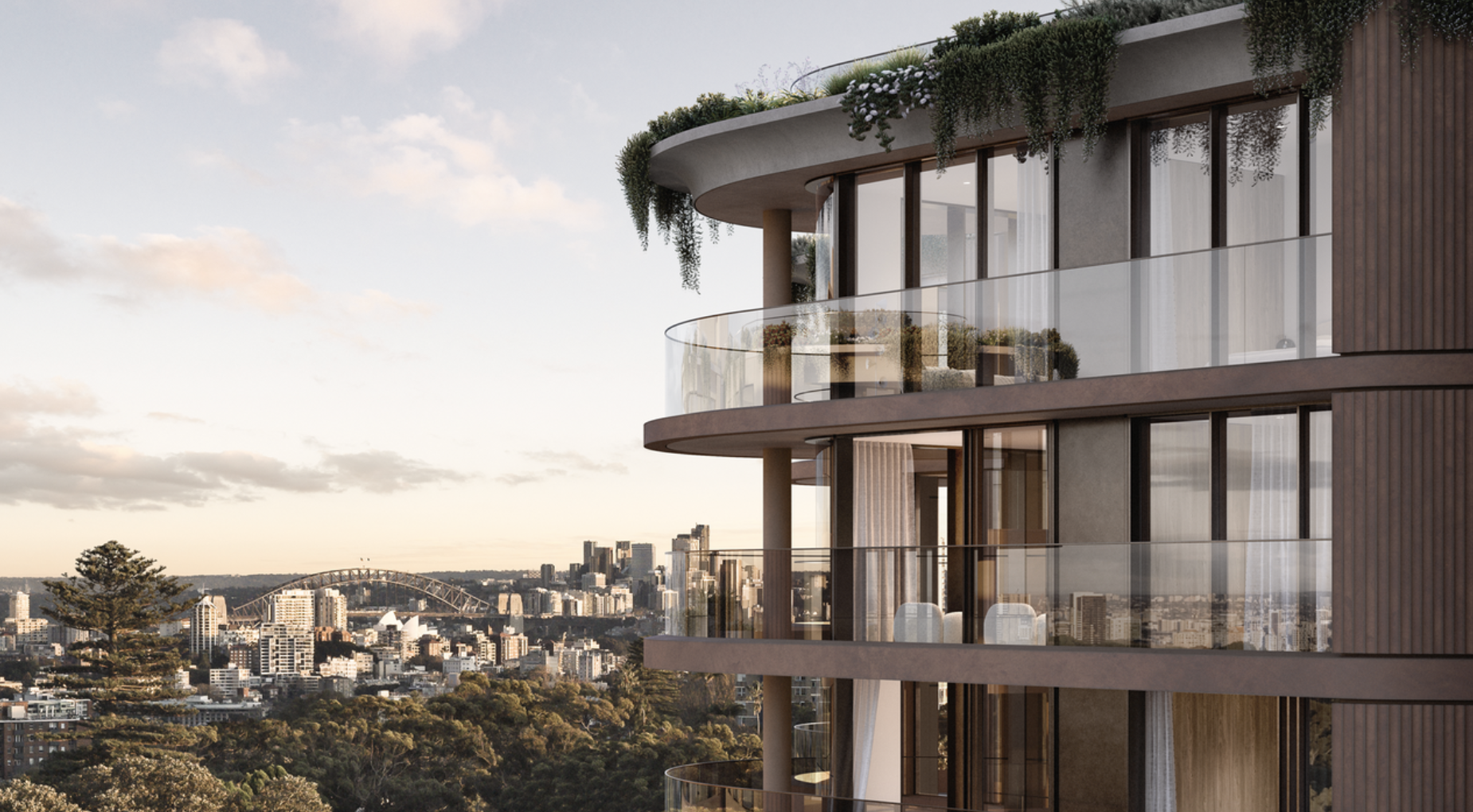
Lendlease’s 58-storey One Circular Quay development, positioned between the Sydney Harbour Bridge and Opera House, contains 158 residences and was reported to be more than 90 per cent sold.

Four-bedroom residences have been priced between $60 million and $70 million, while one full-floor sub-penthouse was created in collaboration with Armani.

The project’s performance suggests buyers will pay a substantial premium for exceptional architecture, hotel-style service, extensive amenities and an irreplaceable location.

Melbourne’s pipeline includes GURNER Group’s $3.75 billion redevelopment of the Jam Factory in South Yarra. Designed by Skidmore, Owings & Merrill, the precinct is planned to include about 800 residences and two hotel brands that have not yet been announced.

A broader definition of branding

Hotel operators still dominate the branded residence market, with Marriott International, Accor, Hilton, Four Seasons, Banyan Group and IHG collectively accounting for more than 40 per cent of global supply.

However, branding is moving well beyond hotels.

Around 70 per cent of existing developments are affiliated with hotel operators, but this falls to 60 per cent when the development pipeline is included. Non-hotel brands are forecast to increase their share of the market from approximately 30 per cent in 2025 to almost 40 per cent by 2028.

Fashion, automotive and lifestyle businesses are entering the category as developers look for new ways to differentiate their projects.

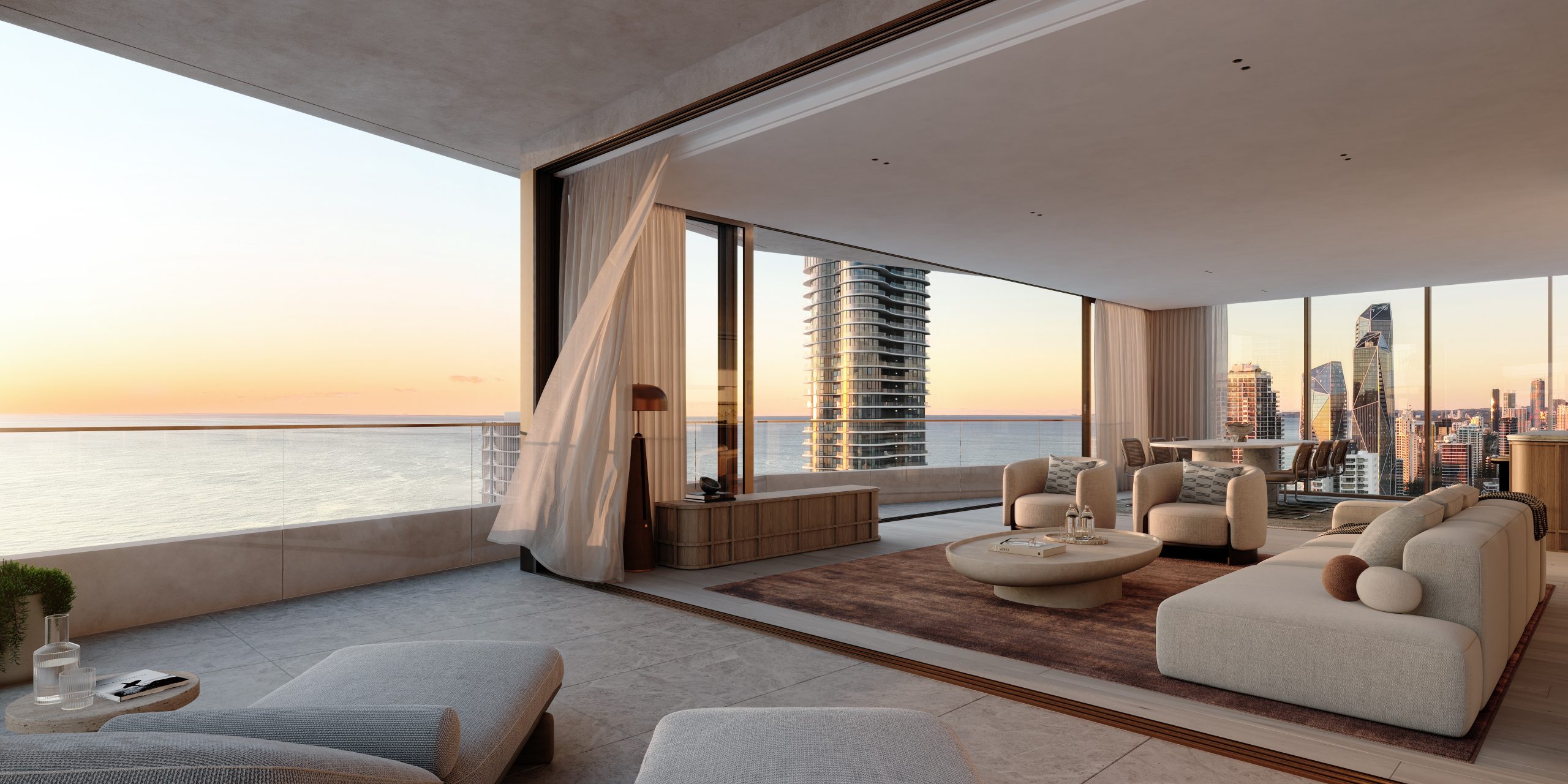
At the same time, the meaning of luxury is changing. The latest concepts include longevity clinics, cryotherapy, hyperbaric oxygen treatment, sound-healing studios and private lifts capable of transporting residents’ cars to elevated garages.

But as these facilities become more common, the long-term value of a project may depend less on its amenity list and more on elements that cannot be replicated: location, architecture, provenance and a genuine sense of community.

For Australian developers, the opportunity is therefore larger than placing a luxury name above the entrance. The strongest projects will be those in which the brand, services and location combine to create a residential experience buyers cannot find elsewhere.

Ross believes branded residences will ultimately become a defining force in Australian luxury development.

With wealthy buyers owning more homes, Queensland’s prestige market gaining momentum and Sydney continuing to attract substantial capital, the next phase may already be taking shape.

MOST POPULAR

BMW has unveiled the Neue Klasse in Munich, marking its biggest investment to date and a new era of electrification, digitalisation and sustainable design.

The completed penthouse at Park Residences showcases a considered approach to luxury apartment living, combining northern light, curated interiors and the privacy of a whole-floor residence.

Related Stories
Property of the Week
Media Executive Hamish McLennan Lists Darling Point Mansion
By Kirsten Craze 15/05/2026
Property
Wealth on the rise as billionaires reshape Australia’s property landscape
By Staff Writer 23/04/2026
Property
Pandolfini-Designed Home Features Sculptural Architecture
By Kirsten Craze 08/05/2026
0
Your Cart
Your cart is emptyReturn to Shop