Drew Barrymore Puts Westchester Home on the Market Two Years After Buying It
The actress, who felt a ‘spiritual calling’ to the Harrison, N.Y., property, is asking $4.99 million for the home.

 3 min
3 min
Two years ago, fed up with the long drive to the Hamptons, the actress and daytime talk-show host Drew Barrymore started looking for a weekend home in Westchester County.
When she saw a circa-1700s mansion for sale, Barrymore said, she felt a karmic connection to the Harrison, N.Y., property.
“I walked in, and I was, like, ‘I know my family’s been here. I know that I have to work on this house. I know that I’m supposed to be doing this,’” said Barrymore, 51 years old, who lives primarily in Manhattan with her two daughters. “It was like a strange, spiritual calling.”
It turned out she actually did have a connection to the area: Her great-aunt, the late actress Ethel Barrymore, had a home in nearby Mamaroneck, where an enclave known as Barrymore Lane is widely believed to be named for the family.
Barrymore bought the roughly 12-acre estate for $4.4 million, according to property records. She did an extensive renovation; she has a deep interest in interior design and has considered pursuing it professionally. “Between Pinterest, thrifting and a can of paint, there’s nothing you can’t do,” Barrymore said with a laugh.
But roughly two years later, the actress is listing the property for $4.99 million. The renovation took longer than expected, she said, and the family’s lives have changed in the interim.
The estate includes a roughly 5,600-square-foot, five-bedroom main house, a pool and a poolhouse with an additional bedroom, according to Kori Sassower of Compass.
Barrymore said she previously owned a home in Sagaponack, N.Y., but the distance from the city and the weekend traffic to the Hamptons became untenable as her children’s schedules filled up with social and sporting activities.
Harrison, by contrast, offered accessibility and charm. The property, located roughly an hour from Manhattan, is a short drive from picturesque Rye and Bronxville, while nearby Bedford has drawn celebrities. The median sales price for a home in Harrison is around $1.1 million, according to Redfin.
The property’s expansive acreage gave Barrymore a sense of being close to nature. “It’s really like being in your own personal park,” she said. “There are tons of deer. There are pheasants, there are ducks, there are rabbits.”
When she purchased the home, Barrymore said, she thought it would need only a cosmetic renovation. Instead, it turned into a “complete internal gut,” with much of the plumbing, heating and air conditioning replaced, she said.
Barrymore also revamped the ground floor to open up the kitchen, which felt dark and boxed in. “It took a year of engineering to figure out how to accomplish it,” she said.
Barrymore declined to comment on the exact costs of the renovation, but compared herself to actress Shelley Long’s character in the 1986 film “The Money Pit.”
Some of the rooms have maximalist patterned wallpaper, elaborate art walls and heavy, old-fashioned draperies. Others are minimalist. “Every little corner gets scrutinised for what it could be,” she said. “If I see a closet, it’s probably not a closet, it’s going to become some secret hideout for my kid, or I’m going to take the door off and turn it into a sculptural piece.”
In the home’s living room, Barrymore said she cycled through multiple paint colours, including pink and green.
“I painted it all green because I was dying for greenery. And then the summer came, and I was, like, ‘Oh, God, everything is green!’”
She spent time at the property even while it was under construction. When they didn’t have a kitchen, the family cooked dinner on a grill outside and drank boxed water, she said.
When workers were redoing the pipes, Barrymore couldn’t shower. “I lived in the house in the most primitive of scenarios,” she said. “It’s some of my favourite times and memories.”
When Barrymore celebrated her birthday at the property in February, she and two friends decided to grill for old time’s sake, even though the kitchen was fully functional.
“There we were in zero-degree weather with parkas, hoodies, gloves and face masks. But we were, like, ‘We gotta do it. It’s the tradition.”
Barrymore, who grew up in Los Angeles, stars in films like “Never Been Kissed,” “Riding in Cars With Boys” and “Charlie’s Angels.” Her eponymous daytime talk show launched in September 2020.
Sassower is listing the property with her colleague Brian K. Lewis in New York City.
 Copyright 2020, Dow Jones & Company, Inc. All Rights Reserved Worldwide. LEARN MORE





From making unpopular decisions to learning when to listen, leaders from five businesses reveal what nobody prepared them for — and how running a company has challenged their expectations.

Technology and semiconductor shares fell sharply as investors questioned the debt financing the AI infrastructure boom and confronted higher rates and Chinese competition.

Mirvac’s 45-level Trielle has topped out at Yarra’s Edge, pairing riverfront apartments with wellness facilities, private dining and resident services.
3 min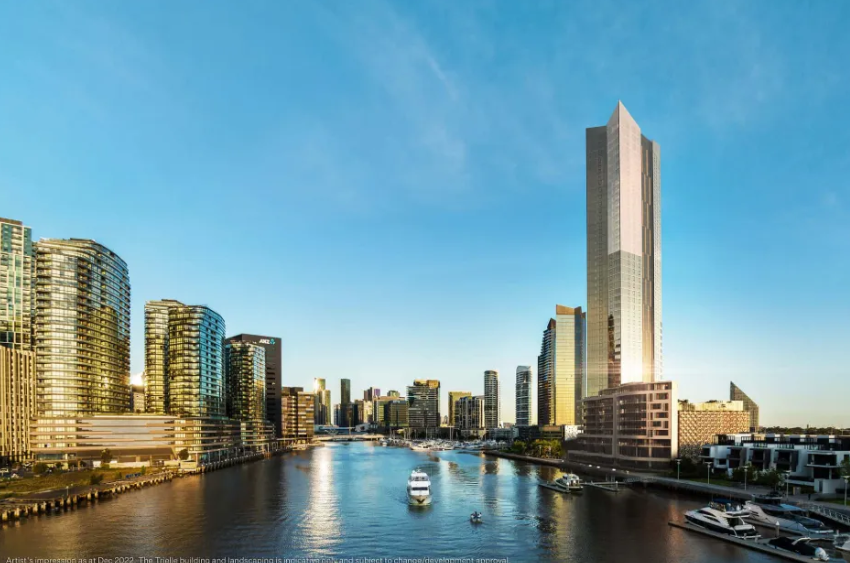
Mirvac has topped out Trielle at Melbourne’s Yarra’s Edge, with more than 70 per cent of the riverfront development sold and approximately 80 per cent of purchasers intending to make their apartment a home.
The figures, released on September 22, point to an owner-occupier audience for one of the precinct’s final residential towers. Mirvac began developing Yarra’s Edge in 2003, and its latest addition occupies one of the remaining absolute riverfront sites.
Mirvac CEO of Development Stuart Penklis said existing residents were among those moving up within the neighbourhood.
“Many purchasers already have a connection to Yarra’s Edge,” Mr Penklis said, describing buyers whose changing needs were encouraging an upgrade within the precinct.
“As one of the final residential towers within Yarra’s Edge, Trielle represents the culmination of more than two decades of creating one of Melbourne’s most established and sought-after waterfront communities,” Penklis said.
“Positioned on the Collins Street axis with absolute river frontage, Trielle offers residents a rare opportunity to enjoy sweeping views across the Yarra River, Melbourne skyline and Port Phillip Bay, while remaining seamlessly connected to the CBD. With Trielle now more than 70 per cent sold, we’re continuing to see strong demand from buyers seeking quality homes in established locations.”
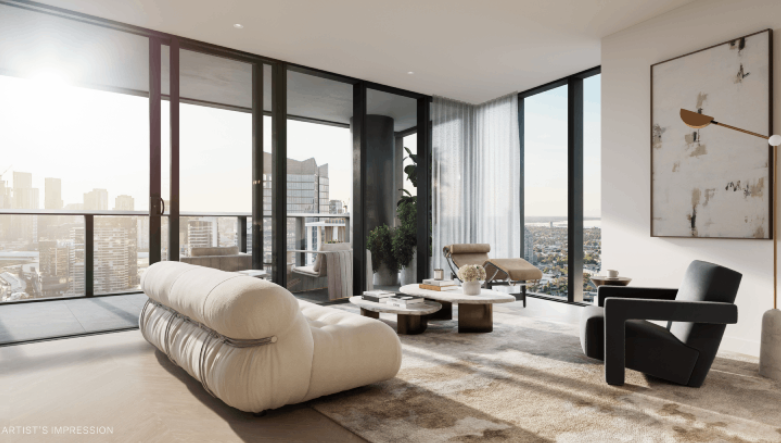
The developer also flagged a penthouse and sub-penthouse collection with larger layouts, premium finishes and broad outlooks. The planned wellness centrepiece, The Oasis, encompasses a 900-square-metre elevated urban rainforest.
Mirvac General Manager Residential Development Victoria Elysa Anderson said Trielle had resonated strongly with buyers seeking a rare lifestyle offering in Melbourne.
“Opportunities to secure a new luxury residence on a riverfront site of this calibre are incredibly rare, particularly within a community like Yarra’s Edge,” Anderson said.
“What makes Trielle unique is the combination of exceptional views, world-class residential facilities and the lifestyle that already exists around it. Residents are buying into a mature waterfront community with parks, promenades, dining, wellness and strong community connections already in place.”
The 45-level tower brings a substantial new presence to that waterfront. Its residential offering spans one-, two-, three- and four-bedroom apartments, with Signature, Prestige and Sub-Penthouse collections accommodating different household sizes. The north-facing position connects the apartments visually to the river and city beyond.
Seven storeys above the promenade, the planned Oasis combines planting and a running stream with a Scandinavian-inspired wellness club developed with spa specialist Naomi Gregory. Facilities include a 25-metre lap pool, hot magnesium pool, sauna, hydrotherapy, a gym, yoga and Pilates room, and treatment spaces.
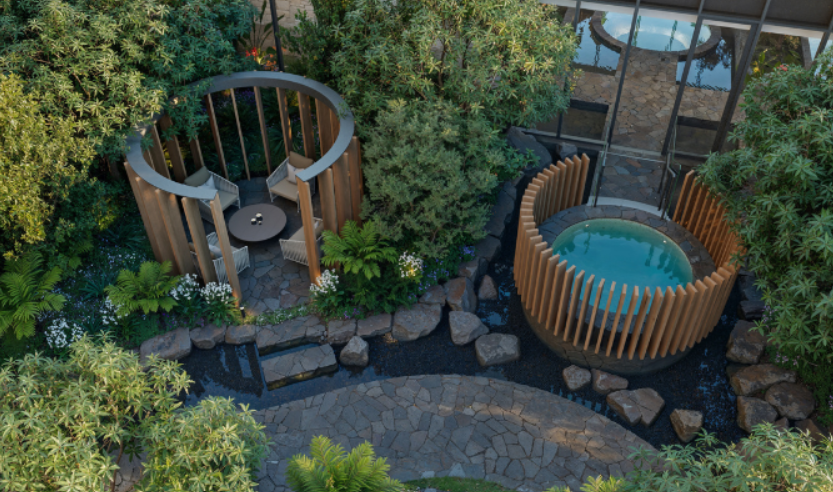
The amenity extends beyond exercise. Residents will have access to The Biblioteca library and workspaces, ground-floor work pods, and The Salone piano lounge. A private Chef’s Table dining room offers a setting for larger gatherings, while a cinema, games room and sports lounge broaden the entertaining options. Concierge services and a dog-wash area support everyday routines.
Trielle comprises a collection of one, two, three and four-bedroom residences. Reflecting strong demand from owner occupiers, approximately 80 per cent of purchasers to date intend to live in their homes, highlighting the project’s appeal to those seeking a long-term waterfront lifestyle.
Mirvac has recently delivered The Albertine, a premium apartment development on the edge of Melbourne’s CBD, and is nearing completion of Prince & Parade in Brunswick, further strengthening its portfolio of thoughtfully designed apartment communities in some of Melbourne’s most sought-after urban locations.
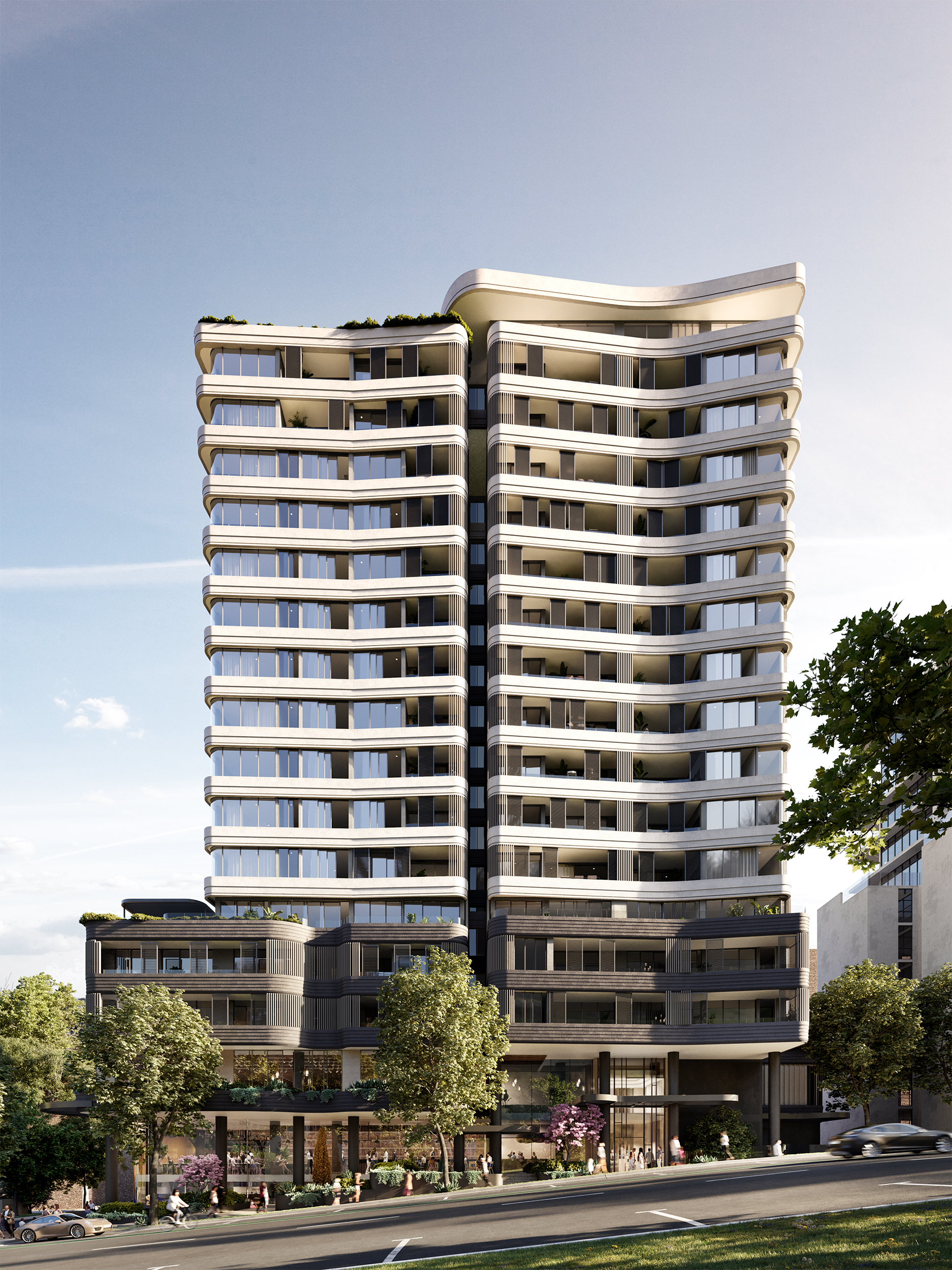
Located steps from Crows Nest Metro, the near-complete development brings luxury living to Sydney’s Lower North Shore.
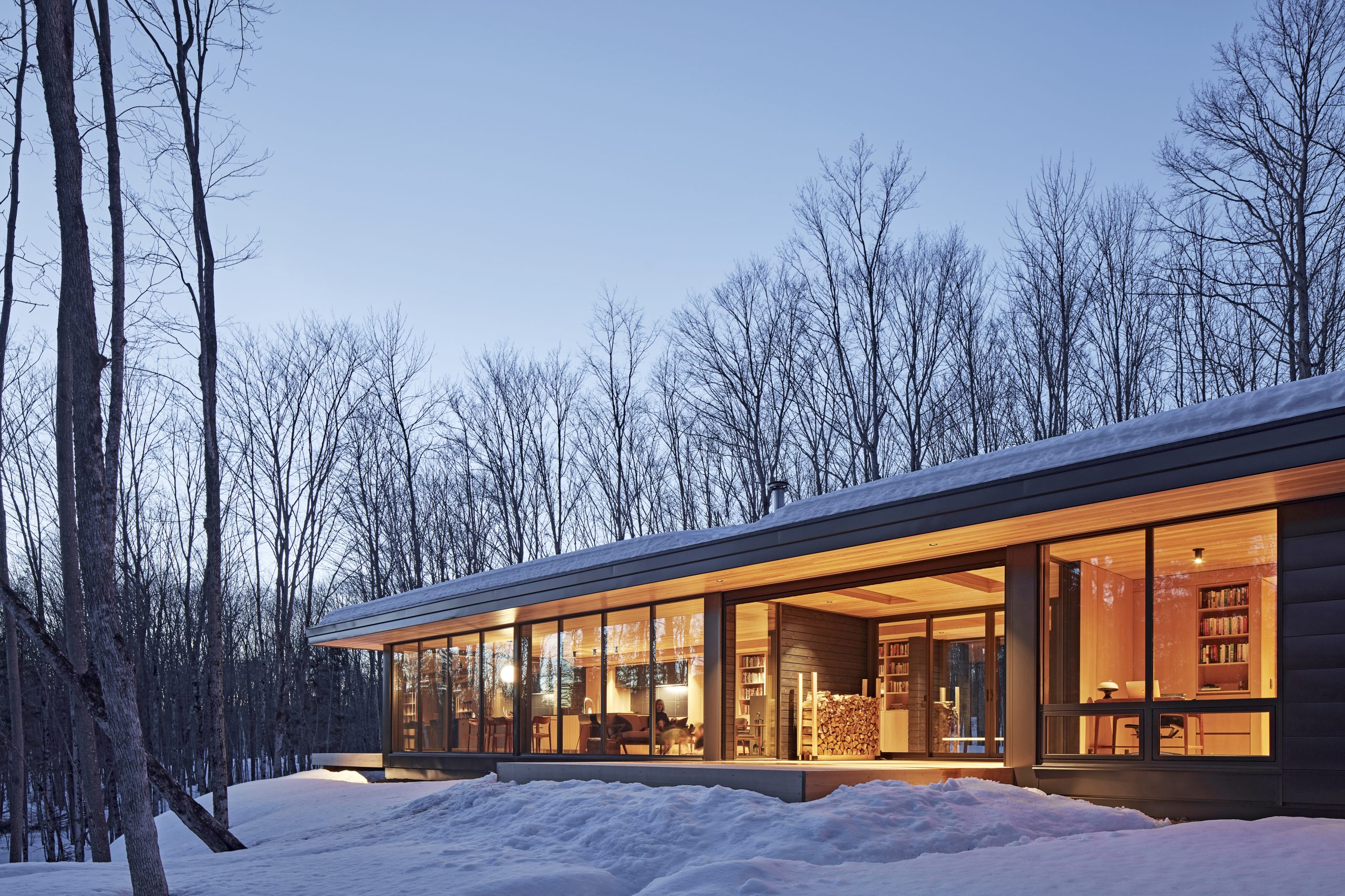
From reworked homes to remote retreats, designers are prioritising warmth and a deeper connection to landscape.