Porsche Gives the Electric Taycan the Sensation of Changing Gears
 2 min
2 min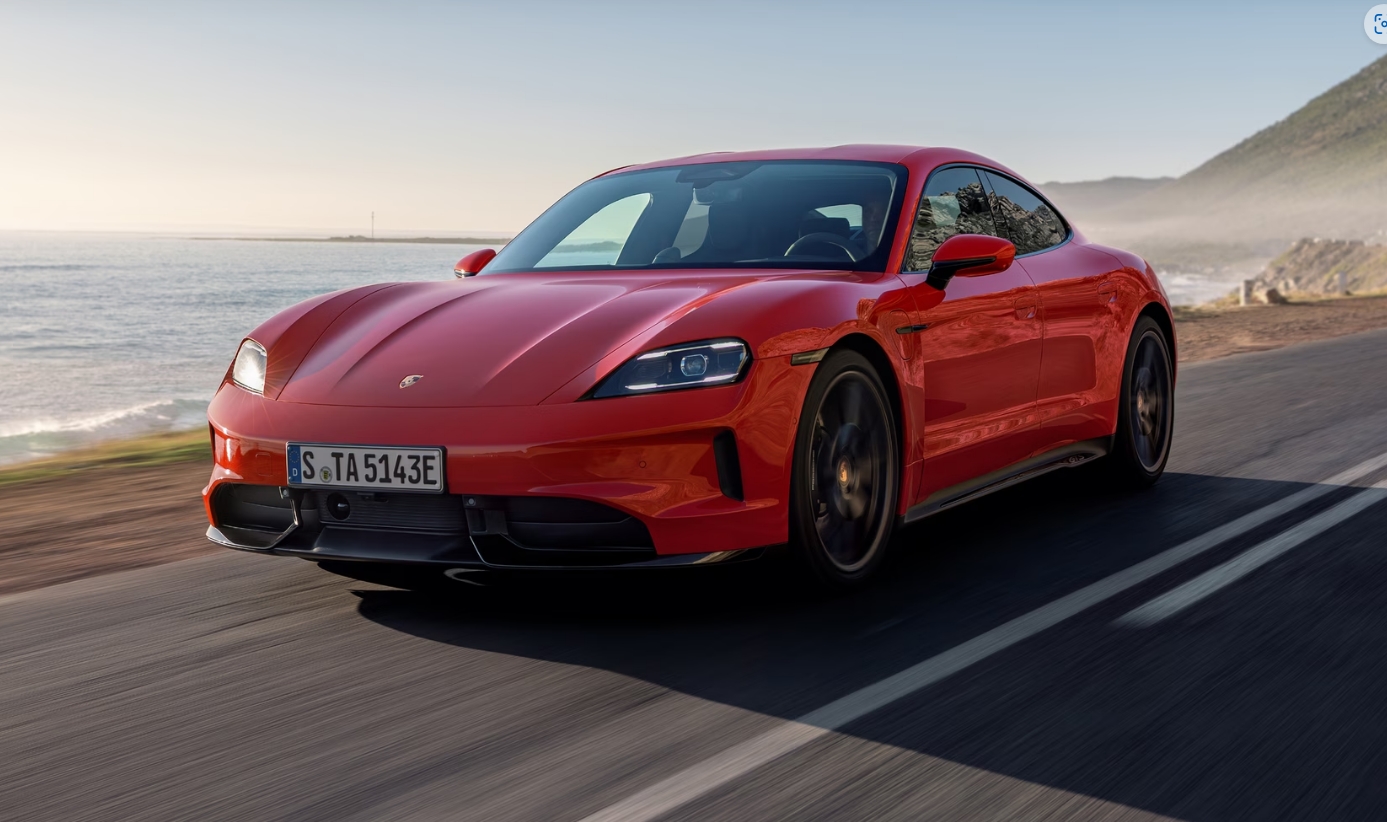
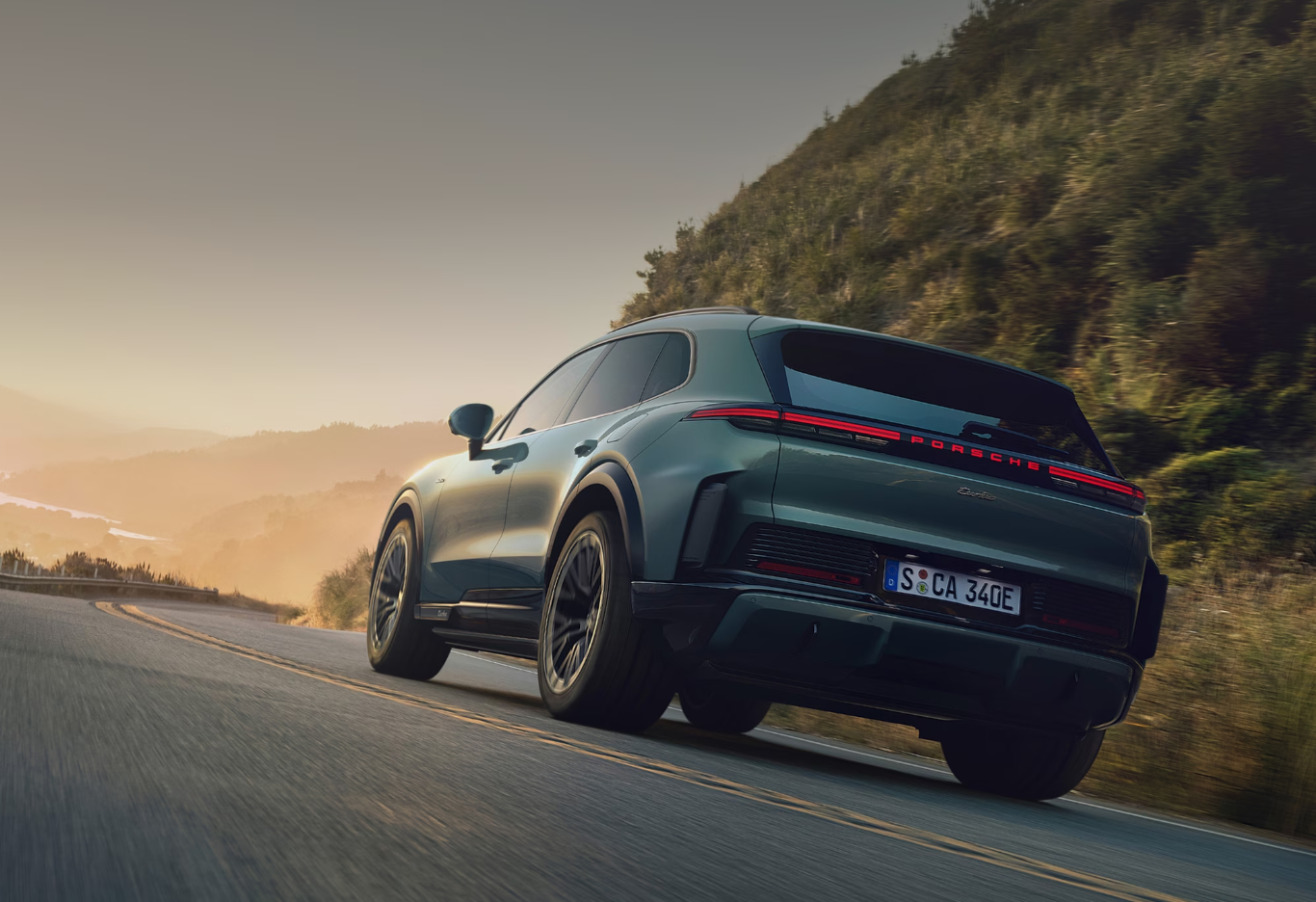
Electric performance cars are extraordinarily fast, but their seamless acceleration can remove some of the rhythm drivers associate with speed. Porsche’s latest Taycan update tackles that emotional gap with an available system that simulates the sensation of changing gears.
Called E-Shift, the feature coordinates virtual gear changes with a more expressive version of Porsche Electric Sport Sound. It does not add a conventional multi-speed gearbox. Instead, software manipulates sound and power delivery to create discernible stages under acceleration, giving the driver more sensory markers as speed builds.
The idea will divide purists. Some will see simulated shifts as theatre that undermines the mechanical honesty of an electric drivetrain. Others will welcome a layer of interaction in a car whose performance can otherwise feel clinically linear. The important point is that Porsche is making the experience optional rather than defining electric performance through one mode.
The model-year changes extend beyond sound. Porsche is introducing a new generation of infotainment with updated operation, improved smartphone integration, intelligent navigation and voice control supported by artificial intelligence. As with any connected system, Australian buyers should confirm which functions operate locally, whether subscriptions apply and how long software support is promised.
The update also reflects a broader industry problem. Luxury EVs cannot compete indefinitely on acceleration alone; immense straight-line performance has become relatively common. Brands increasingly need to differentiate through chassis behaviour, software, sound, personalisation and the way a car communicates with its driver.
For Porsche, that communication has historically involved engine speed, gear selection, steering weight and braking feel. E-Shift attempts to translate part of that vocabulary into an electric platform without pretending an internal-combustion engine remains underneath.
Prospective buyers should test the system rather than judging it from specifications. Virtual shifts that feel entertaining for ten minutes may become tiring on a commute, while a well-calibrated mode could make a familiar road more engaging. The ability to return to smooth, uninterrupted electric acceleration will be essential.
Porsche’s decision reveals where the next phase of high-end EV development is heading. The engineering contest is no longer only about making electric cars quicker. It is about giving drivers reasons to feel involved once speed itself is no longer novel.
Fact box
– Model: Updated Porsche Taycan range
– New feature: Available E-Shift virtual gear-change system
– Sound: Enhanced Porsche Electric Sport Sound
– Technology: New infotainment generation, enhanced smartphone integration, AI-assisted voice control and intelligent navigation
– Australian specification, price and timing: Confirm with Porsche Cars Australia
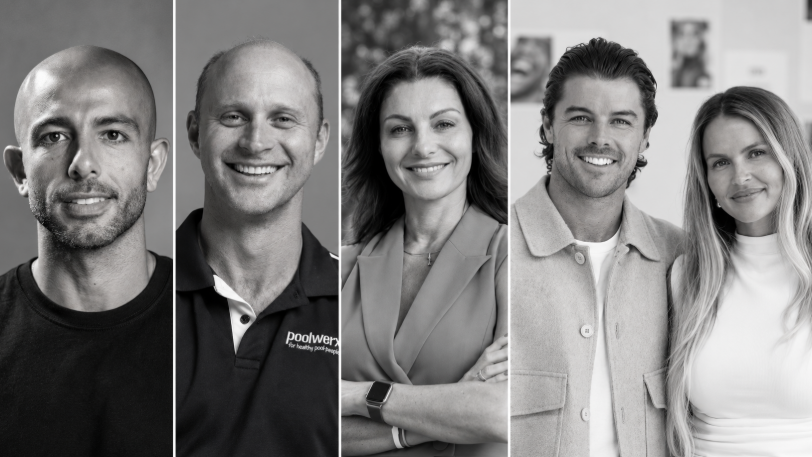
From making unpopular decisions to learning when to listen, leaders from five businesses reveal what nobody prepared them for — and how running a company has challenged their expectations.

Technology and semiconductor shares fell sharply as investors questioned the debt financing the AI infrastructure boom and confronted higher rates and Chinese competition.
Tesla’s new Roadster used suction technology and SpaceX-derived thrusters to jump and flip—but production, price and road legality remain unresolved.
3 min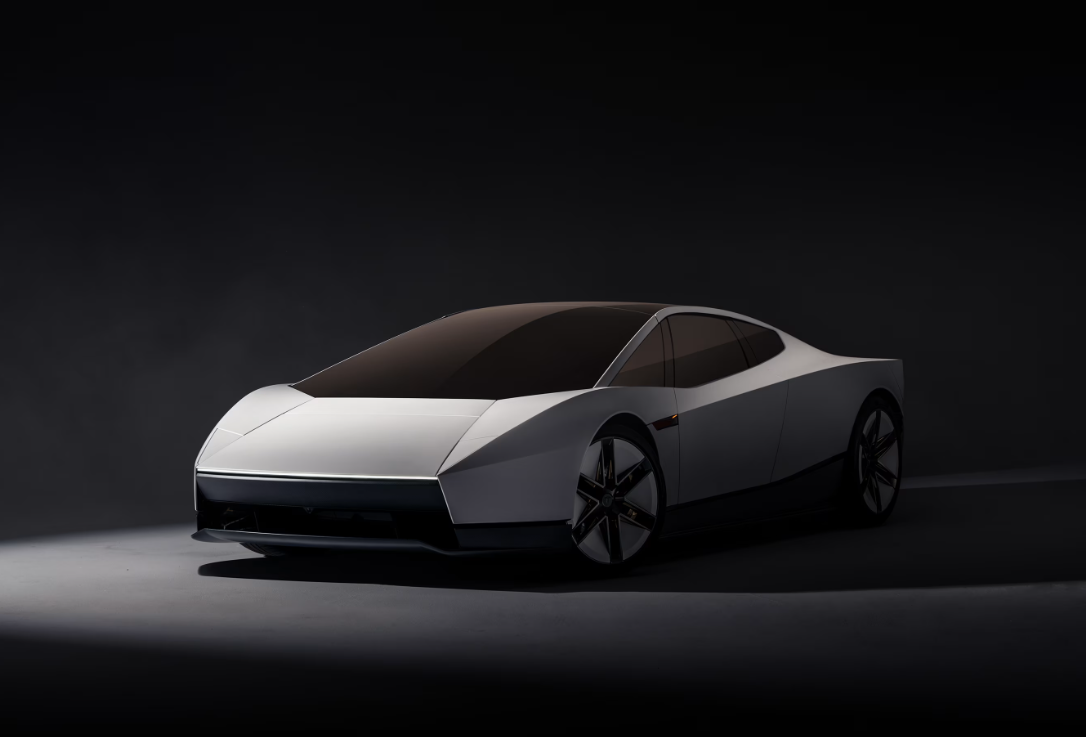
Tesla has finally revealed its radically redesigned Roadster—and delivered the airborne spectacle Elon Musk has been promising for years.
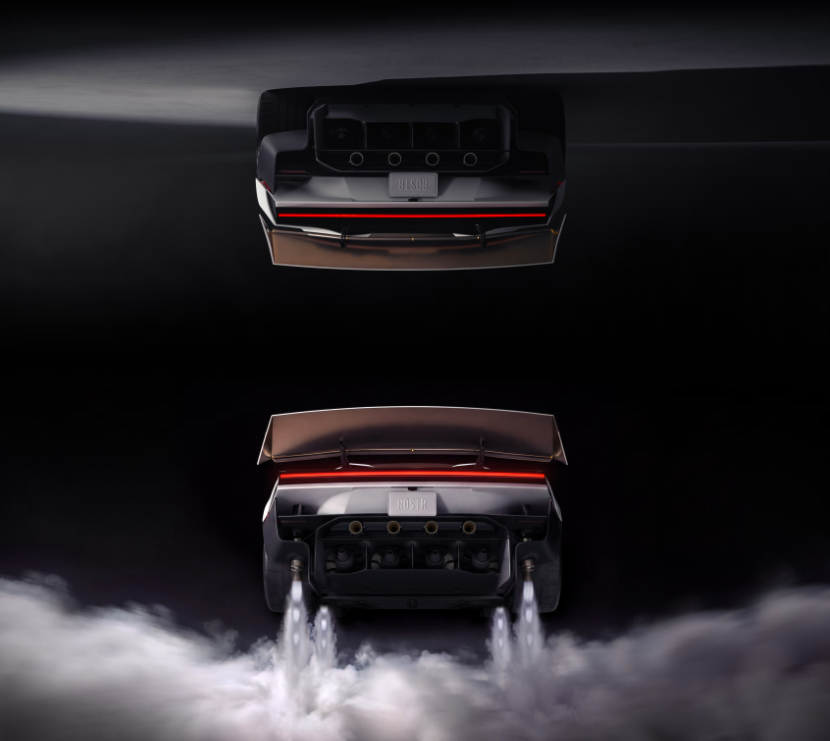
Unveiled at a SpaceX testing facility near Waco, Texas, the new electric supercar drove onto a steeply curved ramp, used a suction system to cling to its underside and launched into the air. Cold-gas thrusters stabilised the vehicle as it rotated and returned to the ground.
In another demonstration, the Roadster cleared a line of Tesla vehicles that included a Semi, Cybertruck, Cybercab, Model Y and Model 3.
It was an extraordinary stunt. Whether it proved Tesla has created a genuine flying car is another matter.
The vehicle did not demonstrate sustained, controlled flight of the kind associated with an aircraft or electric vertical take-off and landing vehicle. Its thrusters instead produced brief powered leaps, rotation and landing control.
“We’re not talking about sustained flight,” Smithsonian National Air and Space Museum curator Roger Connor told CNN. “We are literally talking about hopping.”
How does it work?
Tesla has outlined three intended Roadster configurations.
The two-seat Performance model is the comparatively conventional version, although little about it sounds ordinary. It uses active aerodynamics and what Tesla calls a multi-mode suction system to increase downforce and allow the car to adhere to steep or inverted surfaces.
The two-seat Thrust adds rear-mounted cold-gas thrusters, designed to deliver acceleration from zero to 60mph—approximately 97km/h—in less than one second.
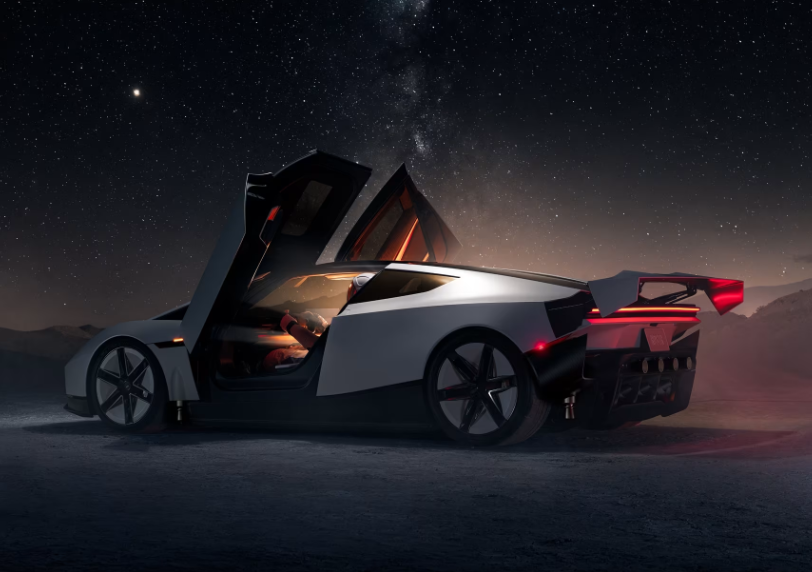
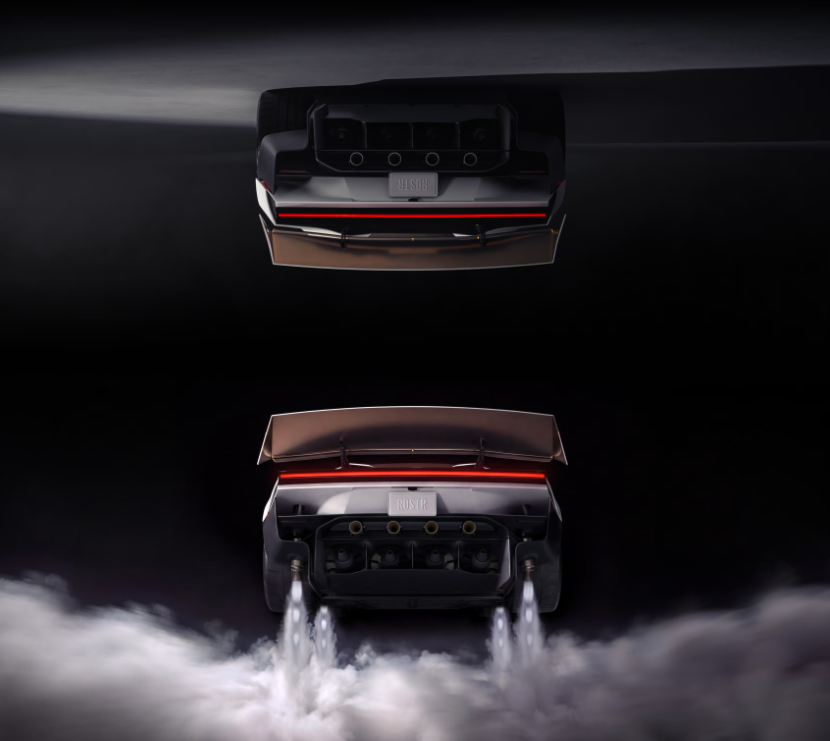
At the top is the single-seat Rocket, equipped with 10 thrusters positioned around the vehicle. This is the version intended to perform the airborne manoeuvres demonstrated in Texas.
Tesla engineering vice-president Lars Moravy said the system uses approximately 600 litres of compressed air. Carbon-fibre-wrapped pressure vessels occupy available spaces throughout the car, supplying the thrusters used for acceleration, lift and directional control.
The technology is more closely related to a rocket reaction-control system than a conventional flying-car powertrain. Rather than producing continuous lift through wings or propellers, it releases highly pressurised gas to generate short bursts of thrust.
Tesla says all three versions will offer approximately 300 miles—or 483 kilometres—of driving range and a top speed exceeding 230mph, equivalent to about 370km/h.
These remain company claims rather than independently verified production specifications.
Can buyers order one?
Reservations have reopened in selected markets. According to reporting from the launch, Tesla is seeking US$50,000 to reserve the Performance variant and US$250,000 for the Thrust. Access to the Rocket is described as invitation-only.
No final purchase price was announced, and Tesla has not confirmed Australian pricing, delivery timing or regulatory approval.
Musk said production would begin in 2028. That should be treated as an ambition rather than a settled delivery date.
The second-generation Roadster was originally unveiled in 2017 and was expected to reach customers within several years. The program was subsequently delayed in 2020, 2021, 2023 and 2024. Some customers have consequently held substantial reservations for close to a decade.
There are also formidable regulatory questions. A road-registered vehicle capable of deliberately leaving the ground, rotating and landing among other traffic does not fit neatly within existing vehicle standards. Its compressed-air system, pressure vessels and unconventional manoeuvres would require extensive safety assessment.
The more plausible outcome is that Tesla produces the Performance and perhaps Thrust versions for road and track use, while tightly restricting the Rocket’s airborne functions—or reserving them for controlled environments.
Tesla has produced a genuine moving prototype capable of remarkable stunts. It has not yet demonstrated that customers will be permitted to repeat them on public roads.
For now, the Roadster is real enough to jump. Whether it becomes a car people can buy, register and use as demonstrated remains the more consequential test.
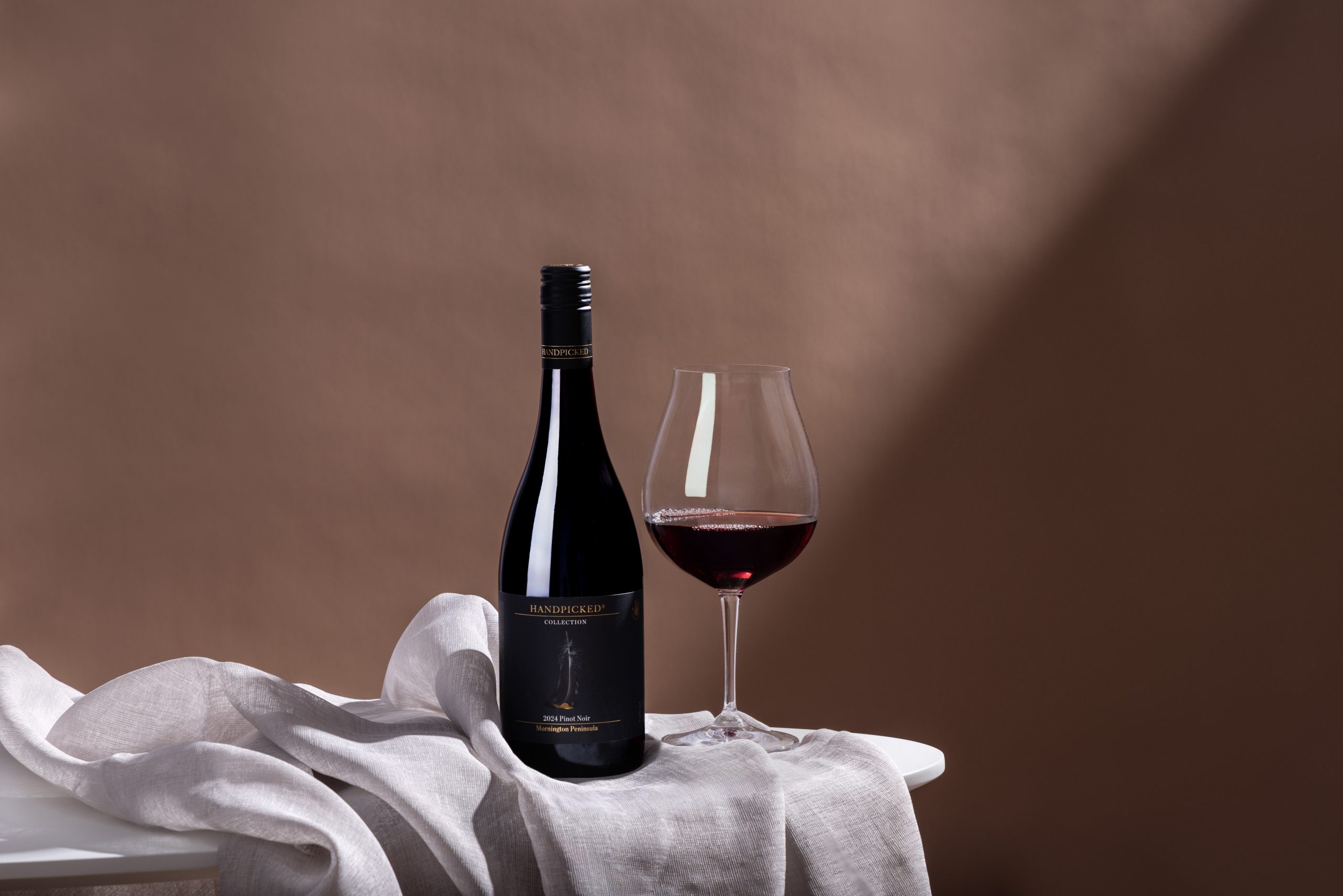
As the season turns, Handpicked Wines’ latest Pinot Noir and Chardonnay releases reveal how subtle shifts in place shape what ends up in the glass.

New research suggests that bonuses make employees feel more like a mere cog in a wheel.