MELBOURNE HOUSING POISED FOR CYCLICAL RECOVERY IN 2025–26
Lower interest rates, firm population growth and tight supply set the stage for a late-2025 upturn, though Melbourne’s price discount to other capitals is likely to persist, according to new research.
 2 min
2 min
Melbourne’s residential market appears to be on a comeback path, with a pricing recovery expected to take shape from late 2025 and continue through 2026 as borrowing costs ease and demand holds up.
New research by the MaxCap Group, commercial real estate fund manager, argues that lower mortgage rates will be the key catalyst for the next upswing, with stabilising sentiment and gradually improving activity reinforcing the turn.
The city has underperformed since 2022. While Brisbane, Perth and Adelaide posted strong gains, Melbourne recorded a modest correction.
One effect has been a lift in relative affordability. Local prices now sit below a wide set of comparable markets, including Brisbane, the Gold Coast, the Sunshine Coast, Canberra and Adelaide, and could trail Perth by year end.
That discount is expected to endure even as prices rise, reflecting differences in tax settings, investor participation and recent growth momentum elsewhere.
Several cyclical and structural forces are in play. Higher interest rates and softer sentiment have been a clear headwind over the past two years.
A heavier state tax take as Victoria pursues budget repair has also weighed on investor activity. Property-related imposts such as land transfer duty and land tax are taking a larger share of state revenues in 2025–26, and that has cooled appetite at the margin.
Set against those drags are supportive fundamentals. Population growth remains robust, interstate outflows are easing, and the construction pipeline is constrained.
The research estimates an 8,000-dwelling shortfall in Victoria in 2025, with the shortage most acute in the city of Melbourne. Rental markets remain tight, with a residential vacancy rate of 1.8 per cent in August pointing to ongoing pressure on rents and a continued incentive to build.
At a sub-market level, undersupply is most evident across the inner and middle rings and through the south-east corridor. There are early signs of price stabilisation, with more than half of the most-traded suburbs shifting from annual declines to annual growth.
The initial gains are concentrated in more affordable fringe areas, where price points and borrowing capacity are best aligned as rates begin to fall.
Looking ahead, model-based projections indicate prices should lift as mortgage rates decline, incomes rise and building activity gradually recovers. The upgrade cycle is expected to be measured rather than explosive.
Without near-term reform to property taxes, the recovery is likely to be more subdued than previous Melbourne upswings, and the city’s price discount to other capitals is expected to persist through this cycle.
The research also contrasts Melbourne’s broader post-pandemic performance with other markets, noting a deeper peak-to-trough decline in CBD office values than Sydney.
Even so, the residential turnaround is framed as primarily a function of the interest rate cycle rather than policy shifts. Risks to the outlook include a slower-than-expected pace of rate cuts, construction cost pressures that delay supply, and any renewed deterioration in investor sentiment.
For buyers, the combination of improved affordability, tightening rental conditions and the prospect of lower rates suggests a narrowing window before momentum rebuilds. For sellers, the message is that late 2025 into 2026 should deliver firmer conditions, especially in well-located, appropriately priced stock across the inner and middle rings where undersupply is most pronounced.
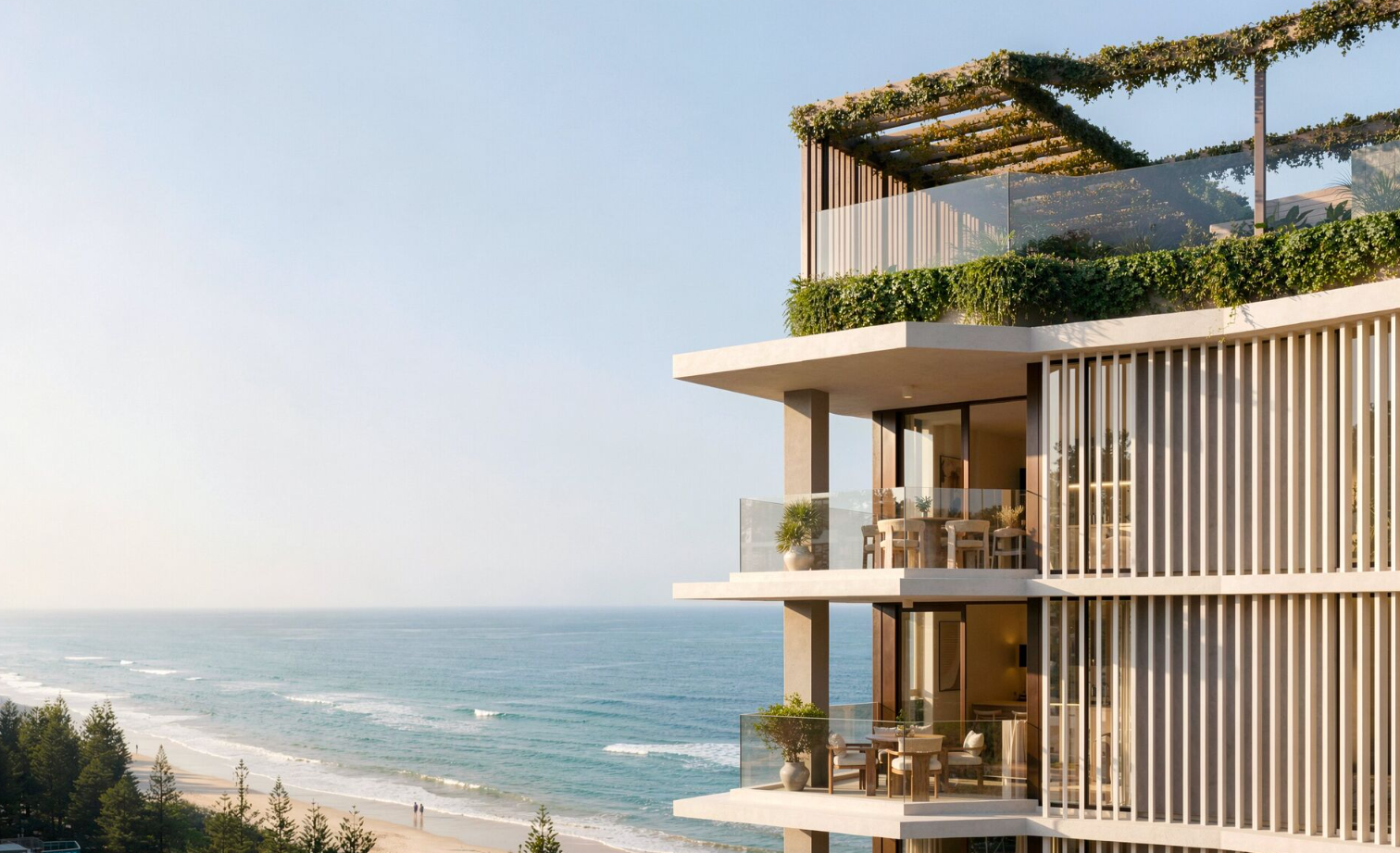
Studio apartments have almost disappeared from new Australian developments. Lura is bringing them back to Burleigh Heads from $495,000.

Porsche’s Cayenne Turbo Electric produces up to 1,156PS and reaches 100km/h in a claimed 2.5 seconds.
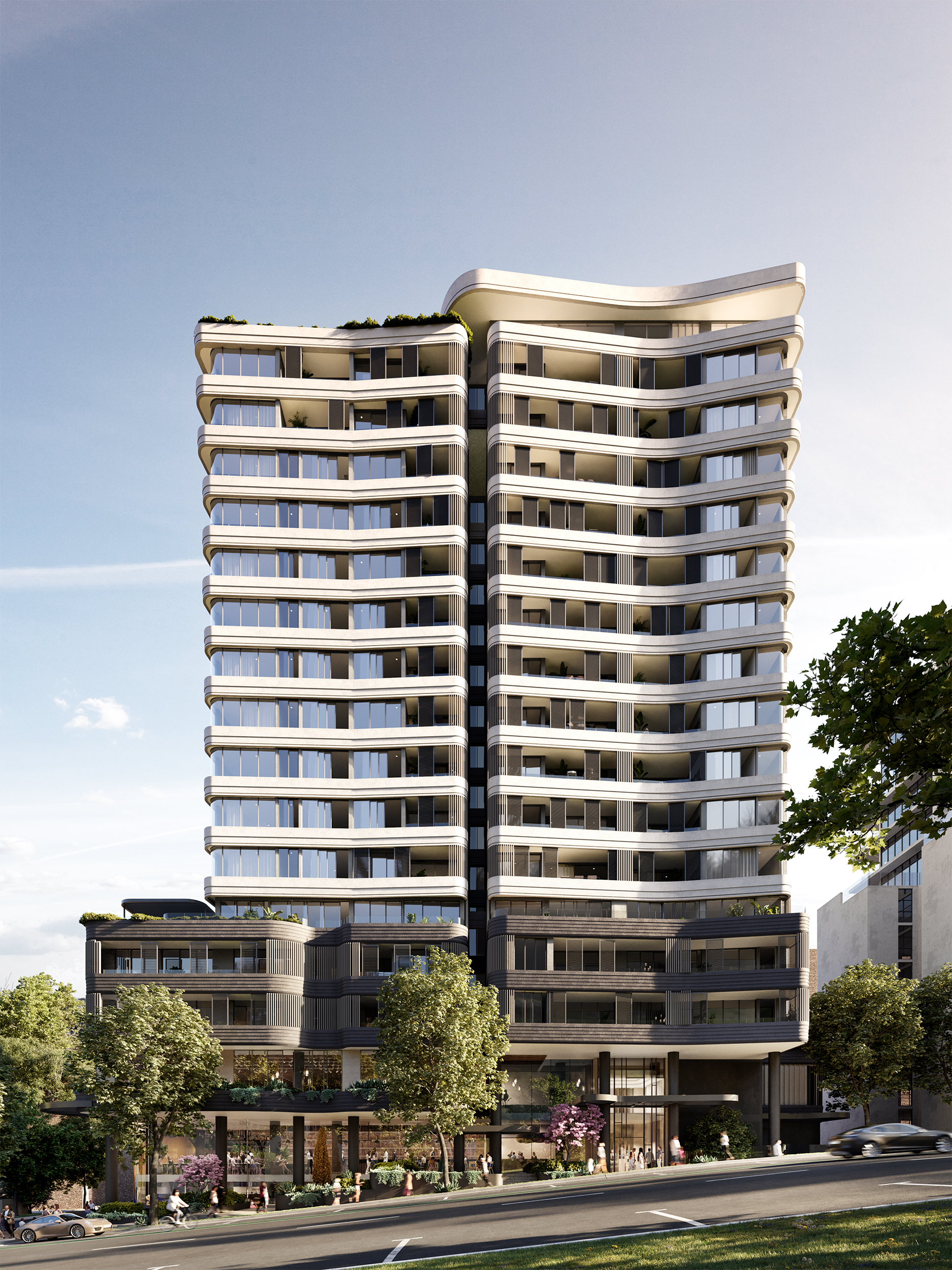
Bjorn Farrugia was named for Björn Borg, the ice-cool Swede who once ruled Wimbledon’s Centre Court, and for a long stretch of his young life the name felt like a mandate
3 min
A tennis scholarship took him to America two decades ago with no return ticket in mind. Today the Melbourne-born, Beverly Hills-based agent is one of the most decorated names in Los Angeles luxury real estate — and still calls himself an Australian first.
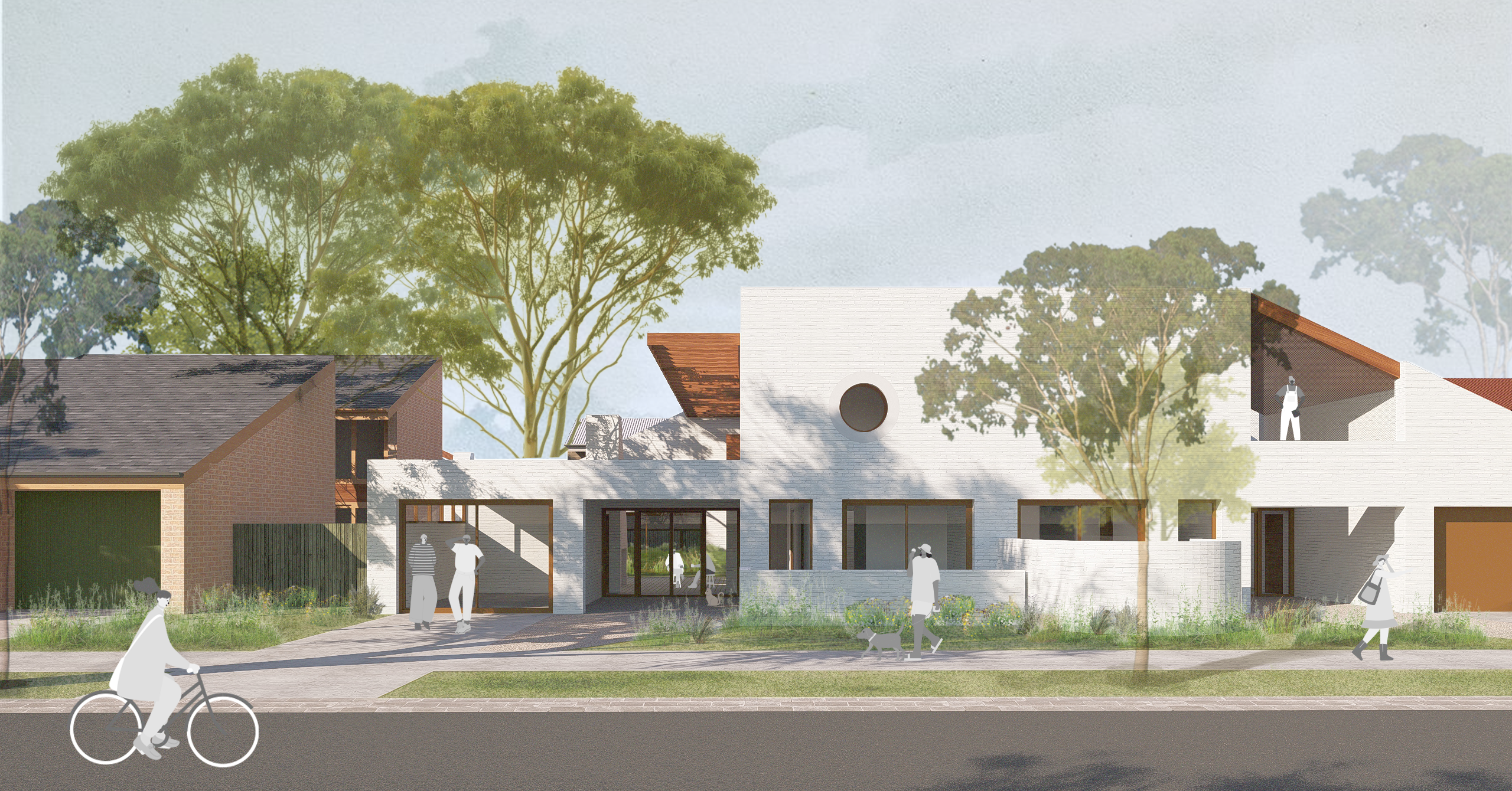
Brickworks has enlisted acclaimed architecture studio Kennedy Nolan to explore how homes could become more adaptable, energy-efficient and connected to community.

In the lead-up to the country’s biggest dog show, a third-generation handler prepares a gaggle of premier canines vying for the top prize.