


The east coast capital now setting the pace in the Australian real estate market
Property prices are tipped to hit a $1 million median as the city attracts a skilled workforce from other states
 3 min
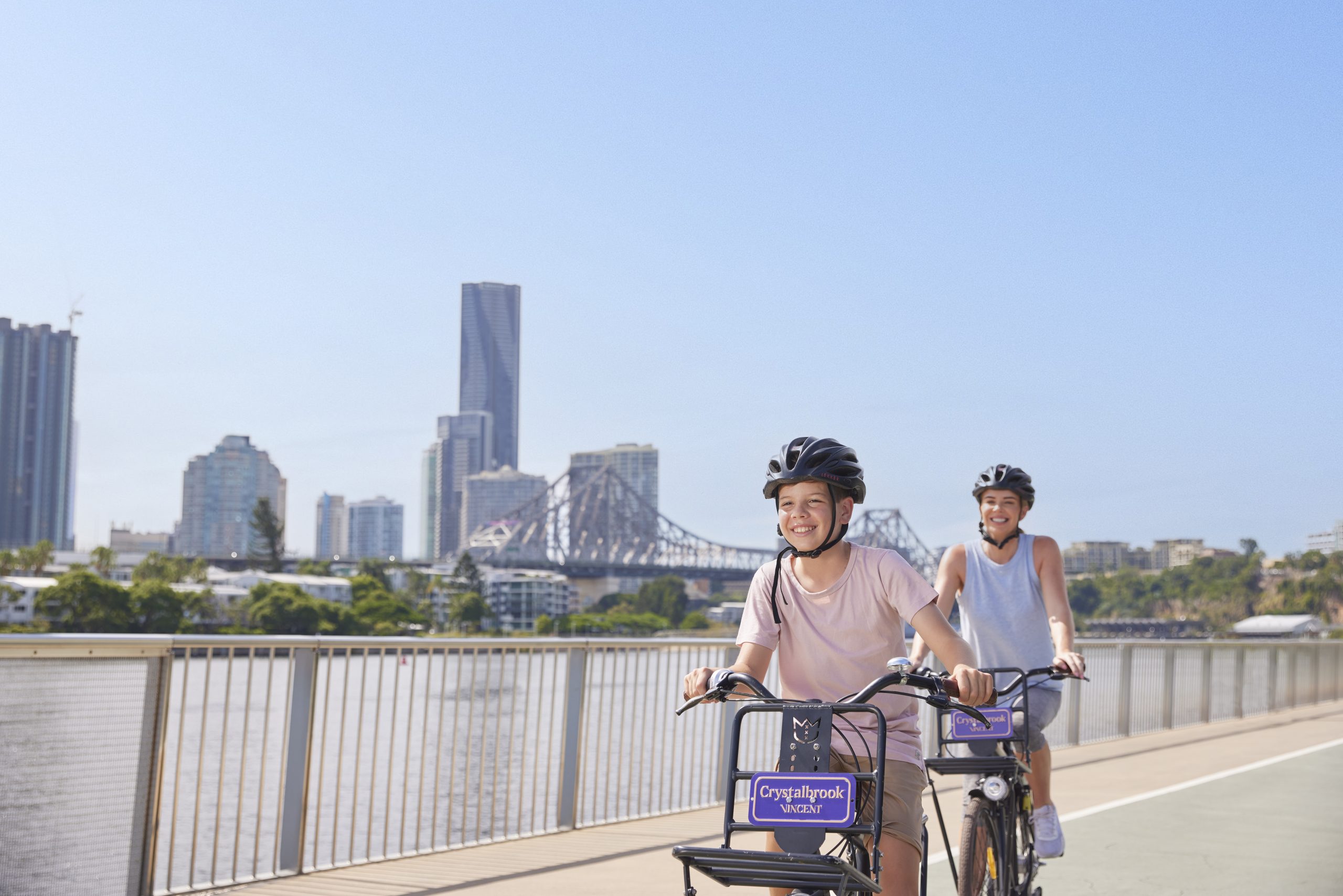
Australia has a new urban destination for those seeking a high quality of life — and it’s not Melbourne or Sydney.
A new report released by Deloitte Access Economics has revealed Brisbane as the best ‘city swap’ location to live and work. It follows on from the east coast capital being named as one of the 50 best places in the world by Time Magazine, the only Australian capital to make the list.
The State of the Cities Report by Deloitte Access Economics reported the city offers significant advantages to businesses and workers alike, with a $25 billion infrastructure pipeline in play to support the city’s rapid population growth as well as a track record of processing development applications 38 percent faster than other cities. Commercial rents are also appealing compared with the southern cities, averaging $450sqm less than similar centres in Australia and internationally.
For workers, commute times are minimised with less congestion on the roads and trains more likely to run on time compared with other Australian cities.
The report also found that Brisbane’s economy is set to grow by 68 percent to $275 billion in the 20 years to 2041.
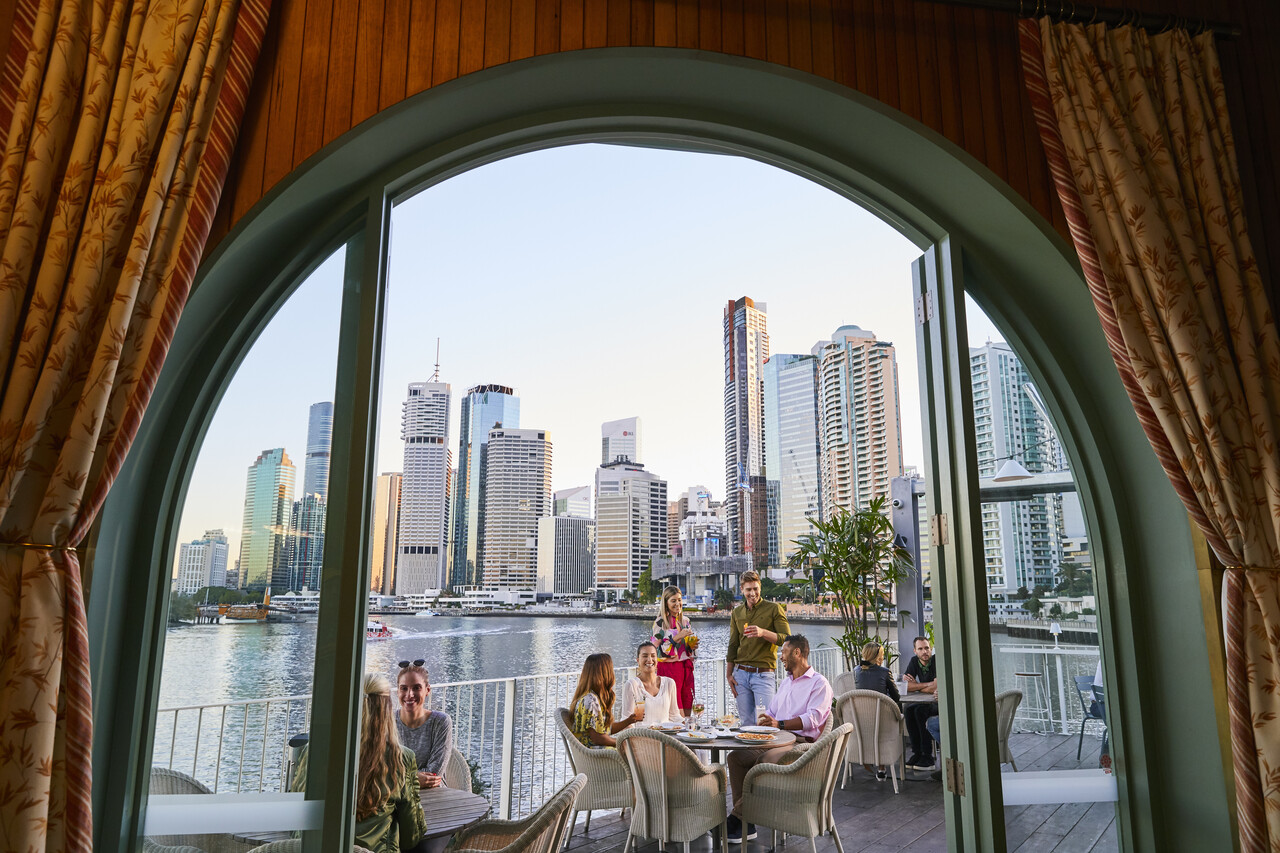
Clearly, it is not news to those seeking to enter the Brisbane market, with CoreLogic data released this week showing the Queensland capital is now the second most expensive residential real estate market in the country, second only to Sydney. Prices rose by 1.4 percent during May, bringing the median property price to $843,231. Only Adelaide experienced a higher growth rate in home prices in May at 1.8 percent.
Those price increases look set to continue as Brisbane experiences the fastest growing working age population among Australia’s major centres, growing 7.7 percent compared to an average of 4 percent across major cities. The Domain House Price Report released earlier this year predicted the median house price Queensland capital would hit $1 million in the next 12 months.
While demand for housing in the city is strong, it would appear the workforce is there to support it.

Lead Partner at Deloitte Access Economics, Pradeep Philip, said Brisbane offered significant growth opportunities for businesses, innovators, and investors.
“Brisbane is the definition of a growth stock, with clear opportunities for innovators, investors and businesses across Australia and internationally in the years to come,” Mr Philip said.
“This is evident in Brisbane’s talent market, where it has the fastest growing working age population among Australia’s major centres, with 7.7 percent growth against an average of 4 percent across major cities.
“This, combined with Australia’s highest ranked university, a 32 percent increase in university graduates in the past five years, and the highest state-wide rates of technical and trades education attainment in the country, positions Brisbane with a highly competitive, skilled, and growing workforce.
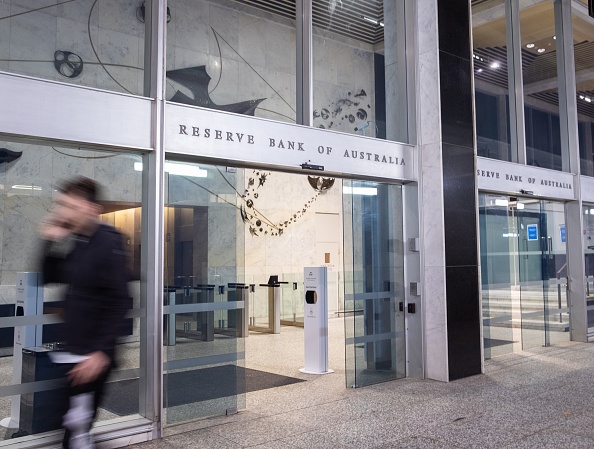
Unemployment hit 4.9% in October, but with inflation at 4.3% the big four aren’t tipping a February RBA cut. Here’s what CBA, Westpac and NAB say.

Dutch studio Vripack took cues from a Shirley Temple song for Lollipop, a 37.4-metre Moonen superyacht built for long-range cruising.
Unemployment hit 4.9% in October, but with inflation at 4.3% the big four aren’t tipping a February RBA cut. Here’s what CBA, Westpac and NAB say.
3 minUnemployment is at a five-year high and the talk has turned from hikes to cuts. But with inflation still well above target, the big banks aren’t ready to promise relief by February.
Three weeks ago the Reserve Bank lifted the cash rate for the fifth time this year. The conversation has now flipped.
Last Thursday the Australian Bureau of Statistics reported that the seasonally adjusted unemployment rate rose to 4.9 per cent in October, up from 4.7 per cent. That is the highest reading since October 2021. Economists had expected about 25,000 new jobs and an unchanged jobless rate.
“In October, there were 44,000 less employed people and 18,000 more unemployed people,” said Sean Crick, the ABS head of labour statistics. Youth unemployment rose to 11.3 per cent. October was also the second straight monthly fall in employment, following a drop of more than 36,000 in September.
Ahead of the RBA’s forecasts
The timing is awkward for the RBA. On 3 November its Monetary Policy Board raised the cash rate by 25 basis points to 4.85 per cent, the highest level since 2008. The vote was 6–3, with three members preferring to hold at 4.60 per cent.
The November Statement on Monetary Policy had forecast unemployment averaging 4.7 per cent in the December quarter, and reaching 4.9 per cent only at the end of 2027. October’s figure got there more than a year early.
Unemployment is also now above the RBA’s own estimate of full employment. Westpac economist Ryan Wells said in the bank’s labour force note that “slower hiring is now being compounded by more firing.” Westpac now expects unemployment to peak at 5.2 per cent by mid-2027, up from its earlier forecast of 4.8 per cent.
Markets moved quickly. Before the data, interest rate swaps had priced a 28 per cent chance of a rate rise by February. Afterwards they implied a roughly 20 per cent chance of a cut by March, with one cut fully priced by November 2027.
The inflation problem
So why isn’t anyone calling a February cut? Inflation hasn’t eased.
Headline CPI rose 4.3 per cent in the year to September, up from 4.0 per cent in August. Housing was the biggest contributor, up 5.2 per cent. Trimmed mean inflation, the RBA’s preferred underlying measure, was 3.6 per cent.
The RBA expects headline inflation to peak at 4.5 per cent this quarter. It sees both headline and underlying inflation staying above 3 per cent until the end of 2027, and not returning to the 2.5 per cent midpoint until mid-2028. The Board also flagged “the increasing risk that higher inflation expectations will become embedded.”
Wages add to the caution. The Wage Price Index rose 1.1 per cent in the September quarter, the strongest quarterly gain since late 2023, taking annual growth to 3.5 per cent. That is still below inflation, so real wages are falling, but the quarterly pace is not what a central bank trying to cool prices wants to see.
Where the banks stand
None of the big four is forecasting a cut at the February meeting. What has changed is the consensus that hikes are over.
- NAB: “We think the RBA are done,” chief economist Sally Auld said on 9 November. She pointed to weaker growth in the first half of 2026, business conditions below their long-run average and fading momentum in household spending. After the jobs data, NAB senior economist Taylor Nugent said unemployment was already well above where the RBA expected it to be this year, which supports the view that the tightening cycle is finished.
- CommBank: in its 2 November forecast update, CBA warned of a “sharper, longer slowdown”. It now expects GDP growth to fall to 1 per cent by mid-2027 and unemployment to peak at 5.1 per cent at the end of 2027. It still has two cuts pencilled in for August and November 2027, though it says the timing is uncertain.
- Westpac: sees November’s increase as the peak of the cycle and expects the Board to pause in December. It said a February move could not be ruled out but looked increasingly unlikely. That comment referred to a further hike, not a cut.
What it means for property
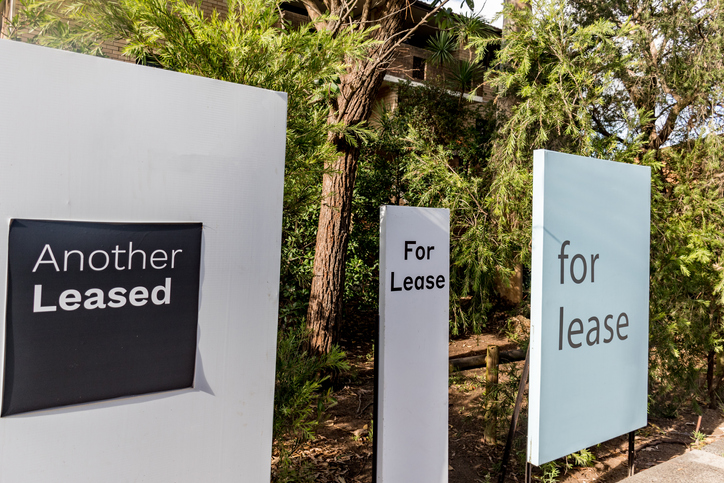
For borrowers, the change is that a sixth hike now looks unlikely. Relief, though, still looks like a story for the second half of 2027.
The housing market is already feeling the strain. NAB’s November Housing Monitor shows combined capital city dwelling prices fell 1.4 per cent in October, the seventh straight monthly fall. Prices are now 8.1 per cent below their March 2026 peak. Westpac cited a deeper-than-expected housing downturn as one reason it lifted its unemployment forecast.
What to watch
October CPI is released on Wednesday 25 November, and November jobs figures follow on 17 December. Both land before or around the RBA’s final meeting of the year next month. The December-quarter inflation figures in late January will then set up the February decision.
If unemployment keeps rising and underlying inflation falls faster than the RBA expects, February could become a real possibility. For now, the banks expect the RBA to hold rates where they are.

Parts for iPhones to cost more owing to surging demand from AI companies.
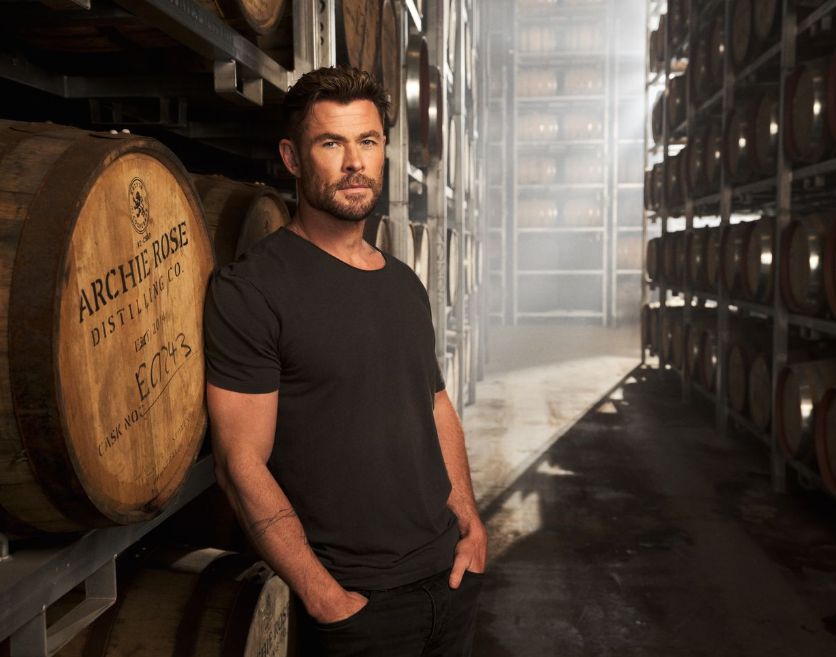
Australian actor Chris Hemsworth has joined Archie Rose Distilling Co. as co-owner and strategic business partner as the Sydney spirits company prepares to enter the United States. The partnership brings Hemsworth together with Archie Rose founder Will Edwards, with the pair aiming to build greater international recognition for Australian whisky. Founded in Sydney in 2014, …
Continue reading “Chris Hemsworth Joins Archie Rose as Co-Owner Ahead of Global Expansion”