Freddie Mercury’s London Home Selling for the First Time Since He Lived There
Garden Lodge, in the capital’s posh Kensington, was Mercury’s much-loved home from 1980 until his death in 1991

 3 min
3 min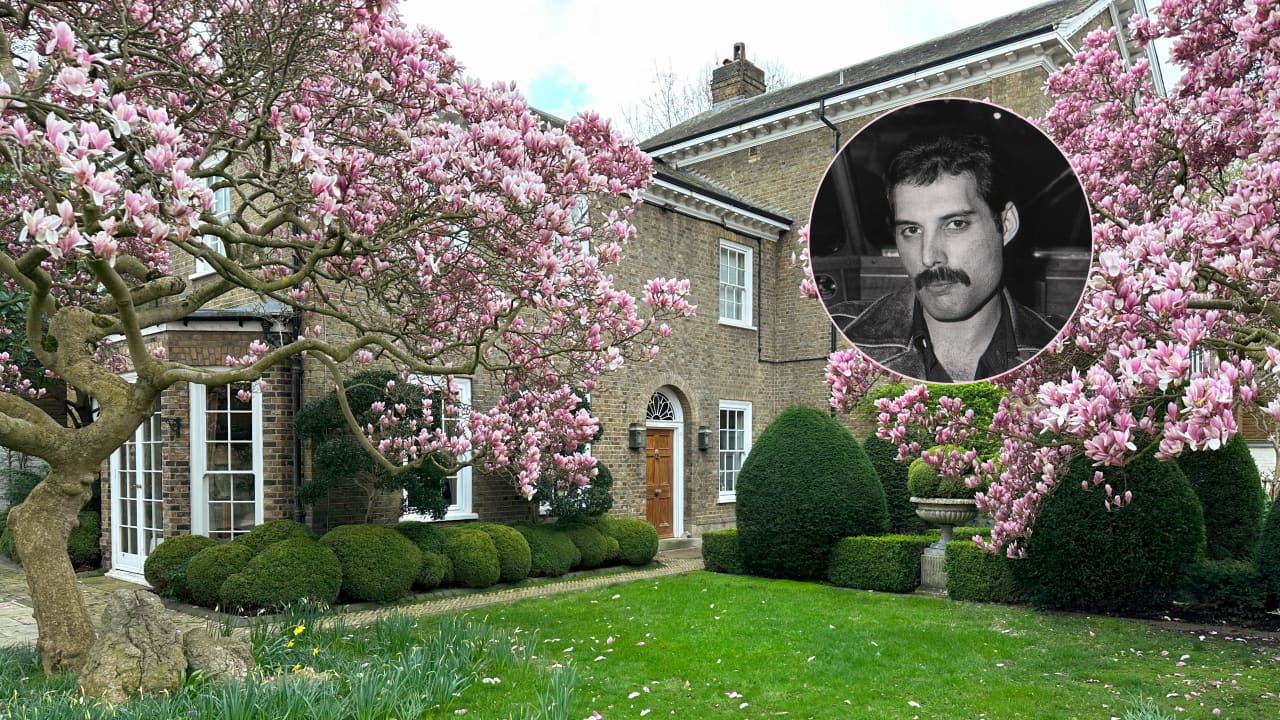
The eclectic London home that Freddie Mercury designed to fit his eccentric lifestyle has hit the market for offers over £30 million (US$38 million).
Garden Lodge, in the capital’s posh Kensington, was Mercury’s much-loved home from 1980—when on a first viewing he decided to buy the property on the spot—until his death in 1991, at which point the Queen frontman’s residence and everything in it was bequeathed to his one-time fianceé and close friend, Mary Austin.
In the 30 years since, Austin has taken “meticulous” care of the home, according to Knight Frank, which listed the walled and private property on Monday.
“This house has been the most glorious memory box, because it has such love and warmth in every room,” Austin, 72, said in a statement. “It has been a joy to live in, and I have many wonderful memories here. Now that it is empty, I’m transported back to the first time we viewed it.”
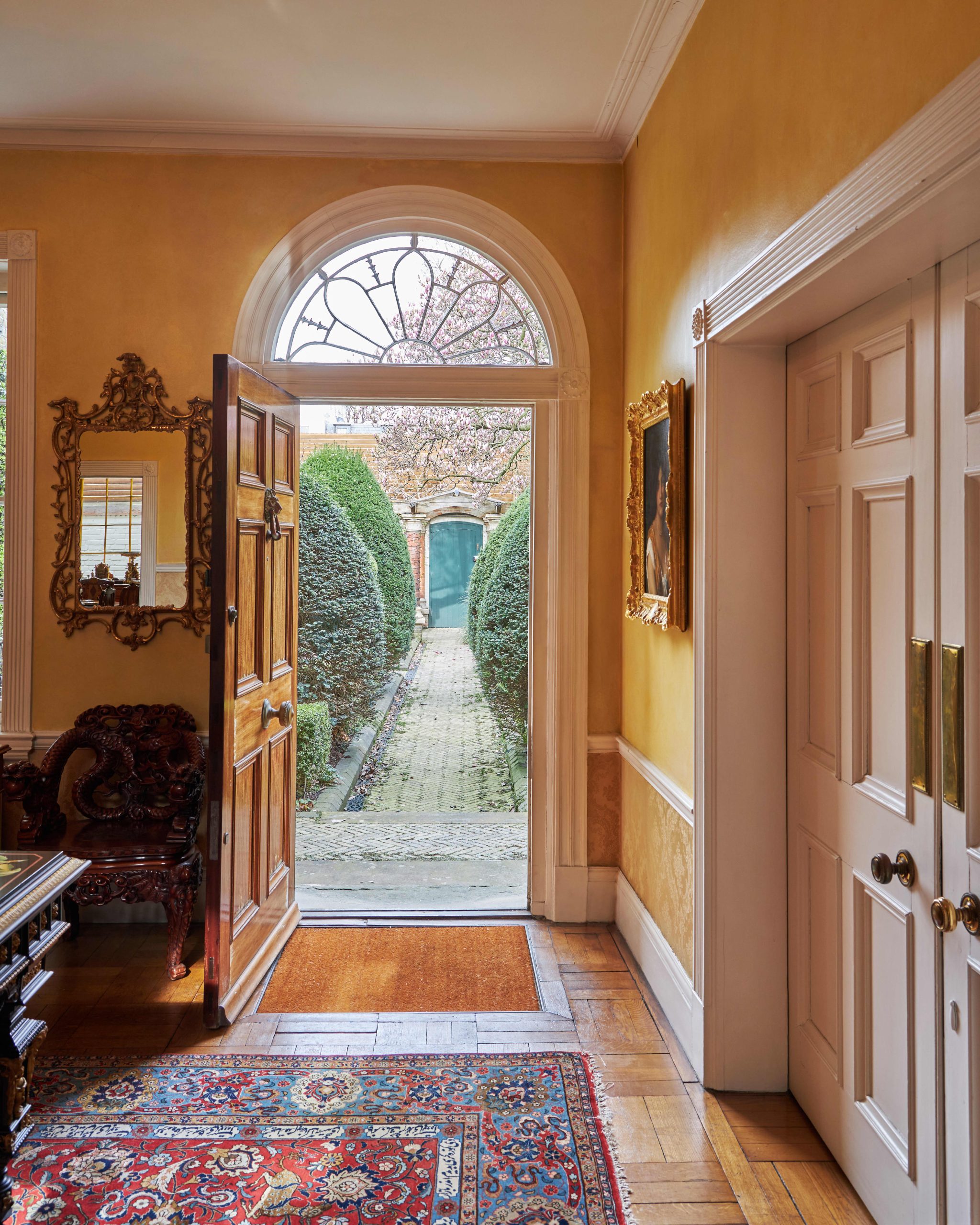
“Ever since Freddie and I stepped through the fabled green door, it has been a place of peace, a true artist’s house, and now is the time to entrust that sense of peace to the next person,” she said.
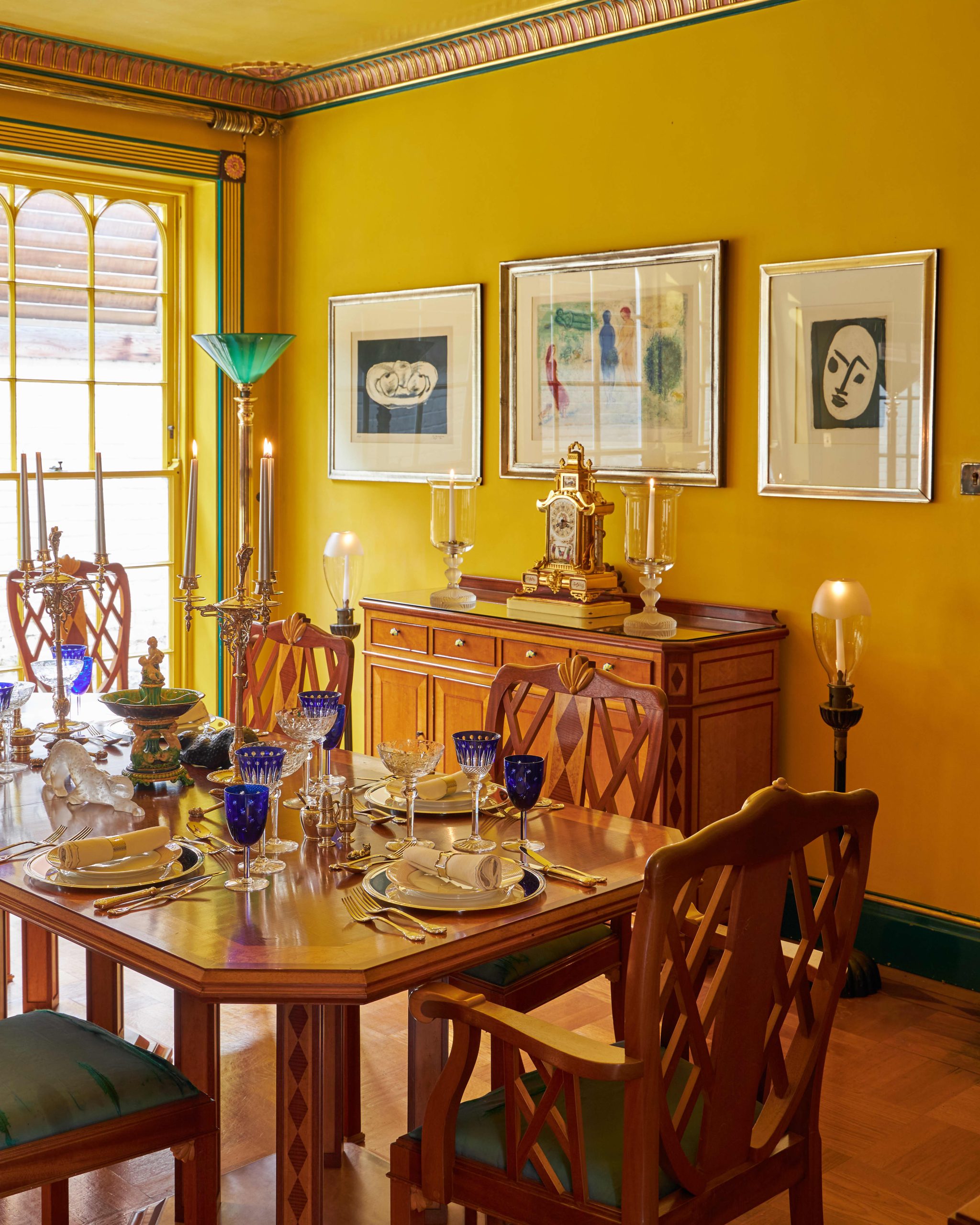
Mercury designed the house to be a memorable, inviting place that reflected his personality, case in point, the dining room, which he painted bright yellow—his favourite colour.
It also served as a place to showcase his collection of beautiful objects and art from around the world— much of which was sold at auction last year .
The home’s most “spectacular” space is the double-height drawing room, complete with a wraparound gallery that serves as a library and bar overlooking the room and Mercury’s grand piano, below.
There’s also the Japanese room, a sitting room that leads out to the home’s Japanese-style garden, which Mercury helped to create, complete with magnolia trees, topiary and water features.
The primary bedroom suite, meanwhile, is lined with floor-to-ceiling mirrored doors, behind which Mercury stored his clothes and stage costumes.
“The sale of Garden Lodge presents a once-in-a-lifetime opportunity to own a significant property combined with a piece of cultural history, the beloved home of an icon,” said Paddy Dring, Knight Frank’s global head of prime sales and joint head of its private office.
“Having been carefully preserved with love and respect over the last three decades, we expect that the exceptional provenance of the property will be incredibly alluring to buyers across the world,” he said. “Notwithstanding the legacy of the house, it is very rare that unmodernised homes of this scale, set in such beautiful mature gardens come to market, so it is certainly an exciting prospect for any future purchaser.”
Mercury, born Farrokh Bulsara, formed Queen, one of the best-selling bands of all time, in 1970. Diagnosed with AIDS in 1987, Mercury died from complications from the disease at the age of 45, the day after publicly announcing his diagnosis.
 Copyright 2020, Dow Jones & Company, Inc. All Rights Reserved Worldwide. LEARN MORE




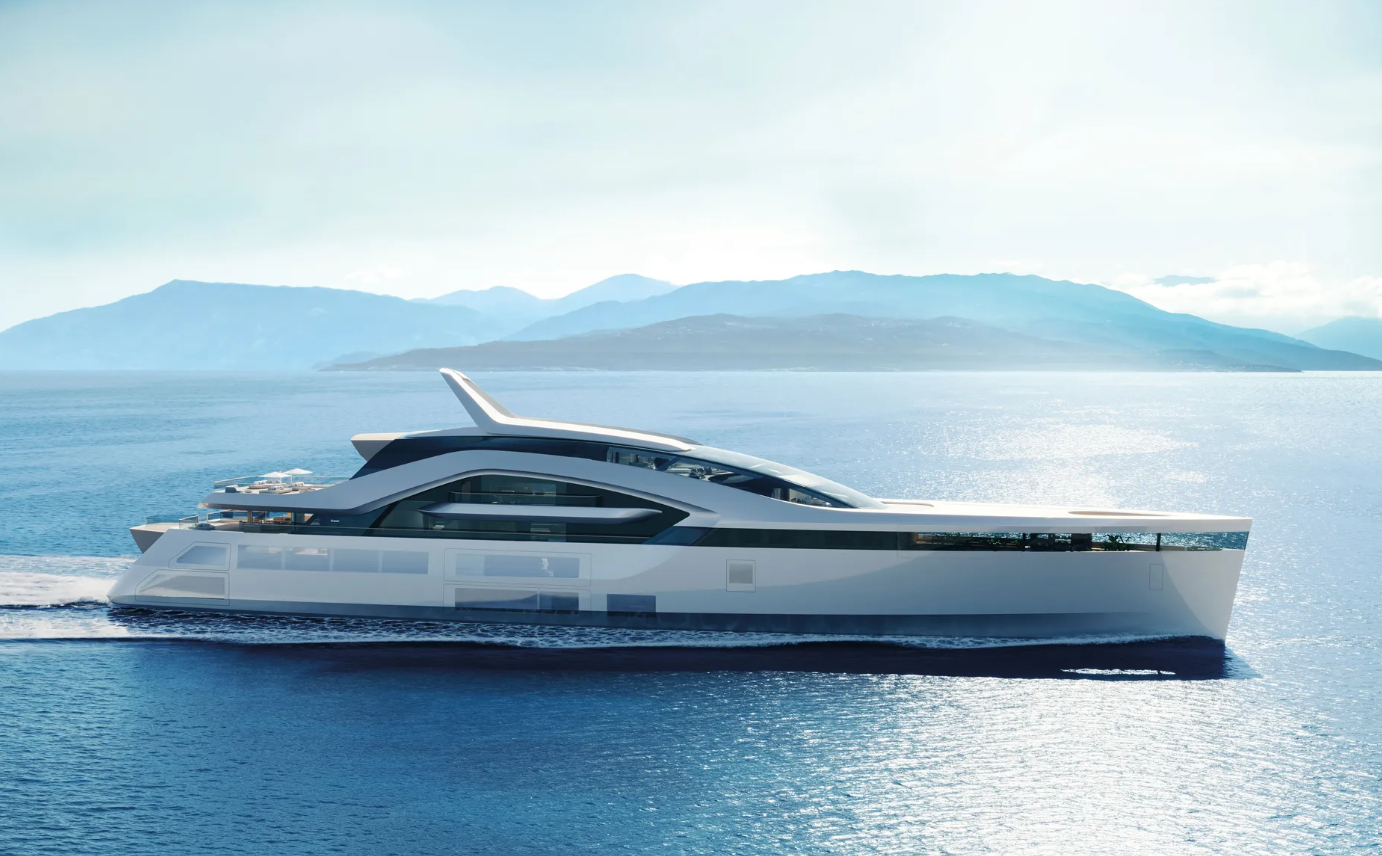
On the owner’s deck, a 20-metre swimming pool incorporates Feadship’s patented ContraWave technology and extends indoors as a suspended, glass-bottomed infinity pool.

Automobili Lamborghini is turning its attention to something considerably more difficult to define: what makes Italian excellence uniquely Italian?
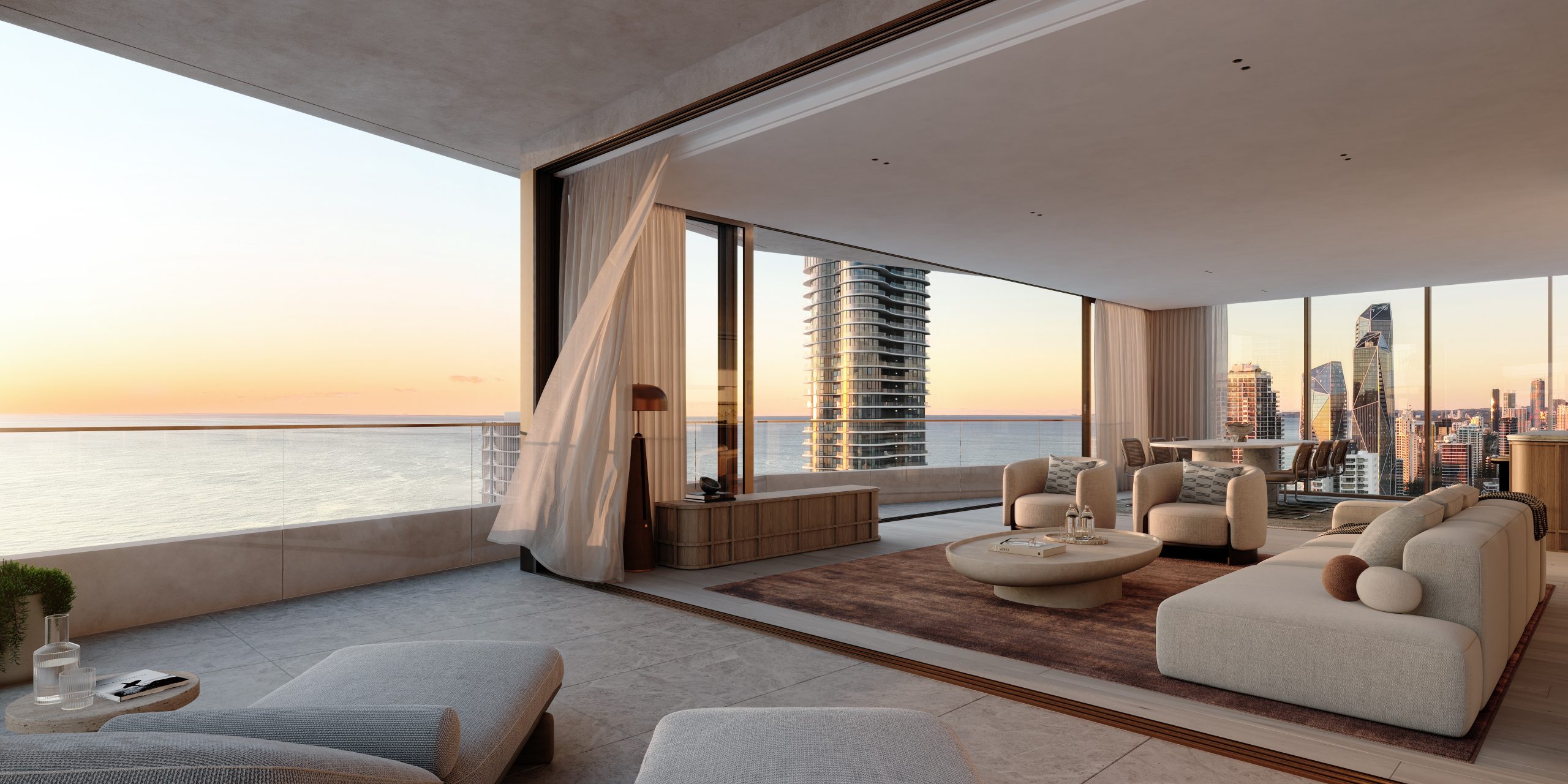
Mirvac’s 45-level Trielle has topped out at Yarra’s Edge, pairing riverfront apartments with wellness facilities, private dining and resident services.
3 min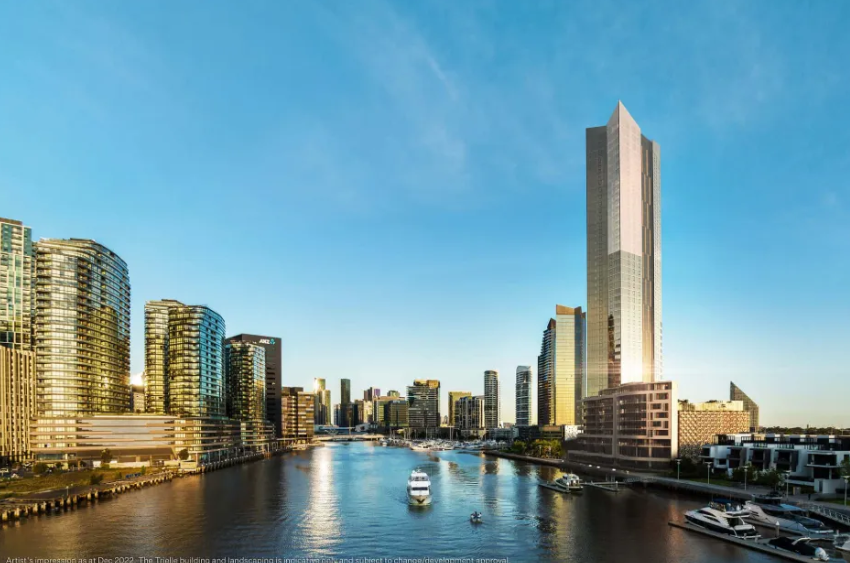
Mirvac has topped out Trielle at Melbourne’s Yarra’s Edge, with more than 70 per cent of the riverfront development sold and approximately 80 per cent of purchasers intending to make their apartment a home.
The figures, released on September 22, point to an owner-occupier audience for one of the precinct’s final residential towers. Mirvac began developing Yarra’s Edge in 2003, and its latest addition occupies one of the remaining absolute riverfront sites.
Mirvac CEO of Development Stuart Penklis said existing residents were among those moving up within the neighbourhood.
“Many purchasers already have a connection to Yarra’s Edge,” Mr Penklis said, describing buyers whose changing needs were encouraging an upgrade within the precinct.
“As one of the final residential towers within Yarra’s Edge, Trielle represents the culmination of more than two decades of creating one of Melbourne’s most established and sought-after waterfront communities,” Penklis said.
“Positioned on the Collins Street axis with absolute river frontage, Trielle offers residents a rare opportunity to enjoy sweeping views across the Yarra River, Melbourne skyline and Port Phillip Bay, while remaining seamlessly connected to the CBD. With Trielle now more than 70 per cent sold, we’re continuing to see strong demand from buyers seeking quality homes in established locations.”
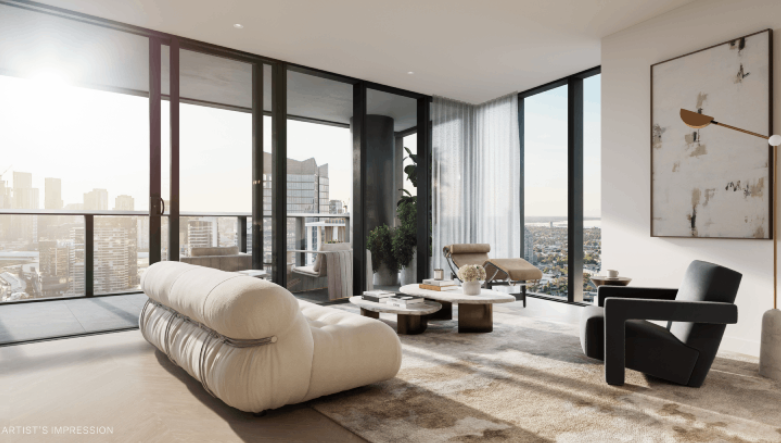
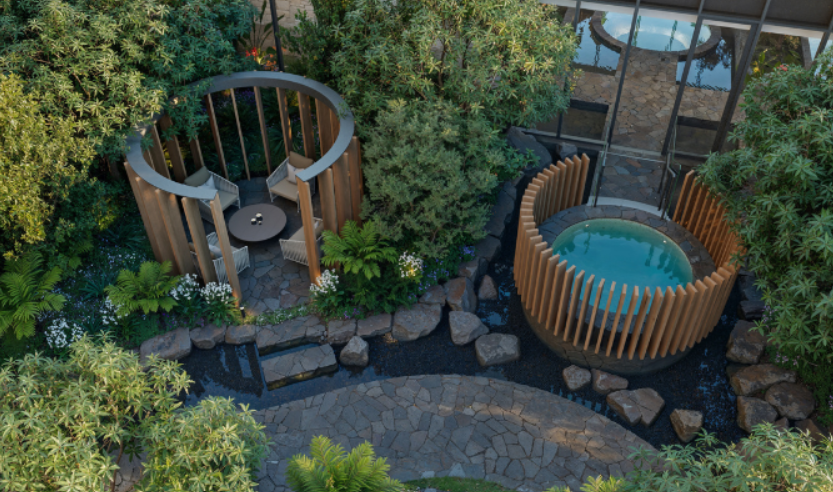
The developer also flagged a penthouse and sub-penthouse collection with larger layouts, premium finishes and broad outlooks. The planned wellness centrepiece, The Oasis, encompasses a 900-square-metre elevated urban rainforest.
Mirvac General Manager Residential Development Victoria Elysa Anderson said Trielle had resonated strongly with buyers seeking a rare lifestyle offering in Melbourne.
“Opportunities to secure a new luxury residence on a riverfront site of this calibre are incredibly rare, particularly within a community like Yarra’s Edge,” Anderson said.
“What makes Trielle unique is the combination of exceptional views, world-class residential facilities and the lifestyle that already exists around it. Residents are buying into a mature waterfront community with parks, promenades, dining, wellness and strong community connections already in place.”
The 45-level tower brings a substantial new presence to that waterfront. Its residential offering spans one-, two-, three- and four-bedroom apartments, with Signature, Prestige and Sub-Penthouse collections accommodating different household sizes. The north-facing position connects the apartments visually to the river and city beyond.
Seven storeys above the promenade, the planned Oasis combines planting and a running stream with a Scandinavian-inspired wellness club developed with spa specialist Naomi Gregory. Facilities include a 25-metre lap pool, hot magnesium pool, sauna, hydrotherapy, a gym, yoga and Pilates room, and treatment spaces.
The amenity extends beyond exercise. Residents will have access to The Biblioteca library and workspaces, ground-floor work pods, and The Salone piano lounge. A private Chef’s Table dining room offers a setting for larger gatherings, while a cinema, games room and sports lounge broaden the entertaining options. Concierge services and a dog-wash area support everyday routines.
Trielle comprises a collection of one, two, three and four-bedroom residences. Reflecting strong demand from owner occupiers, approximately 80 per cent of purchasers to date intend to live in their homes, highlighting the project’s appeal to those seeking a long-term waterfront lifestyle.
Mirvac has recently delivered The Albertine, a premium apartment development on the edge of Melbourne’s CBD, and is nearing completion of Prince & Parade in Brunswick, further strengthening its portfolio of thoughtfully designed apartment communities in some of Melbourne’s most sought-after urban locations.
From mud baths to herbal massages, Fiji’s heat rituals turned one winter escape into a soul-deep reset.

Paine Schwartz joins BERO as a new investor as the year-old company seeks to triple sales.