Meet the Owners Spending Big on Their Pets—Even After Their Deaths
Pet memorialisation is having a post pandemic bump, as owners turn to bone preservation, life-like taxidermy and personalised urns to ease their grief

 7 min
7 min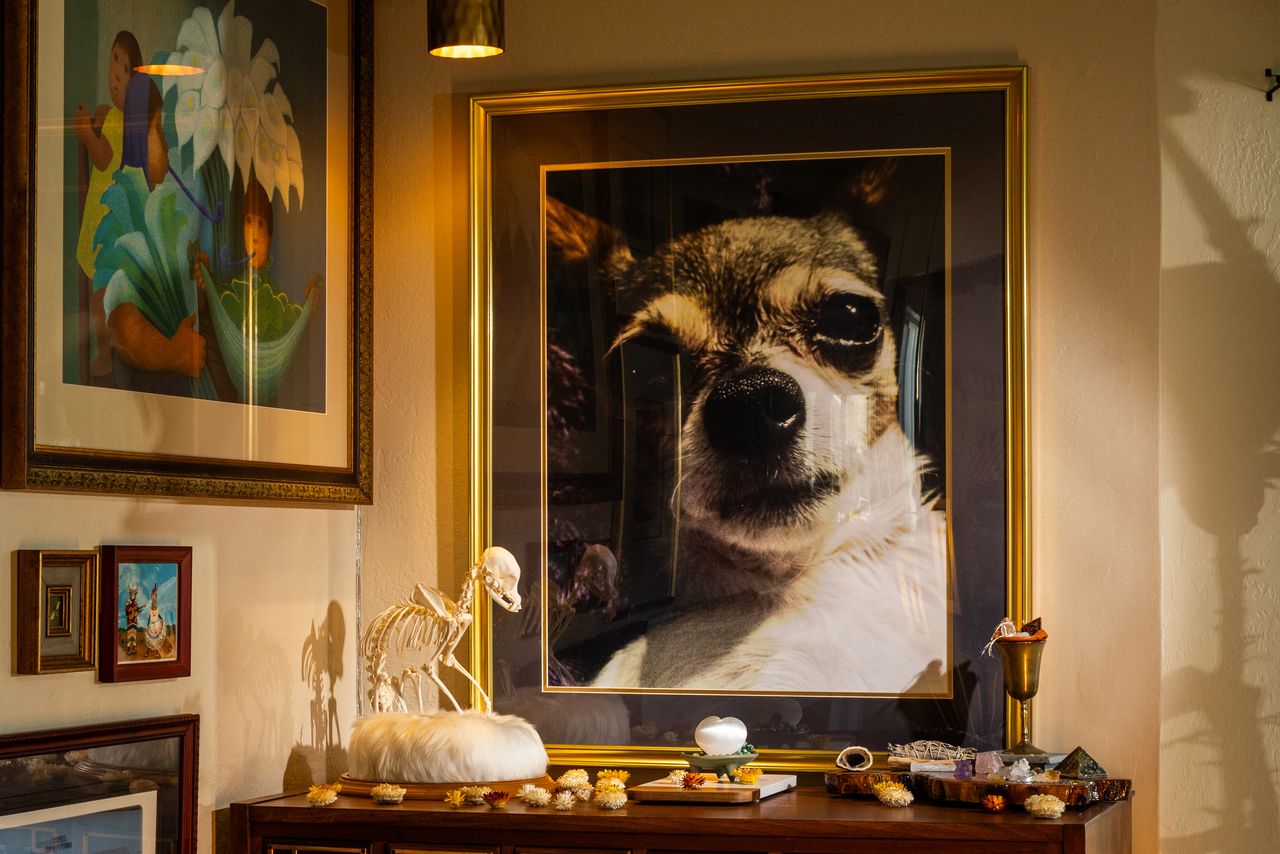
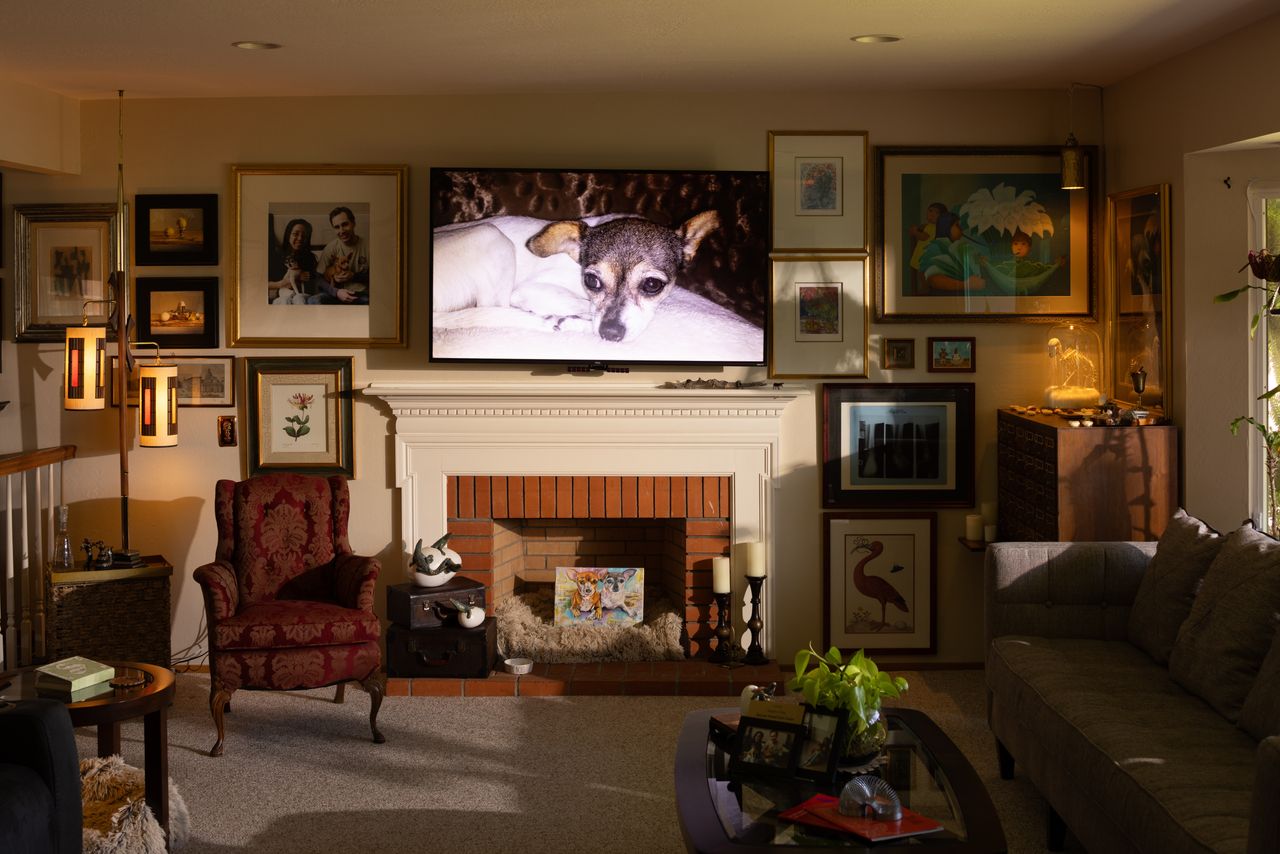
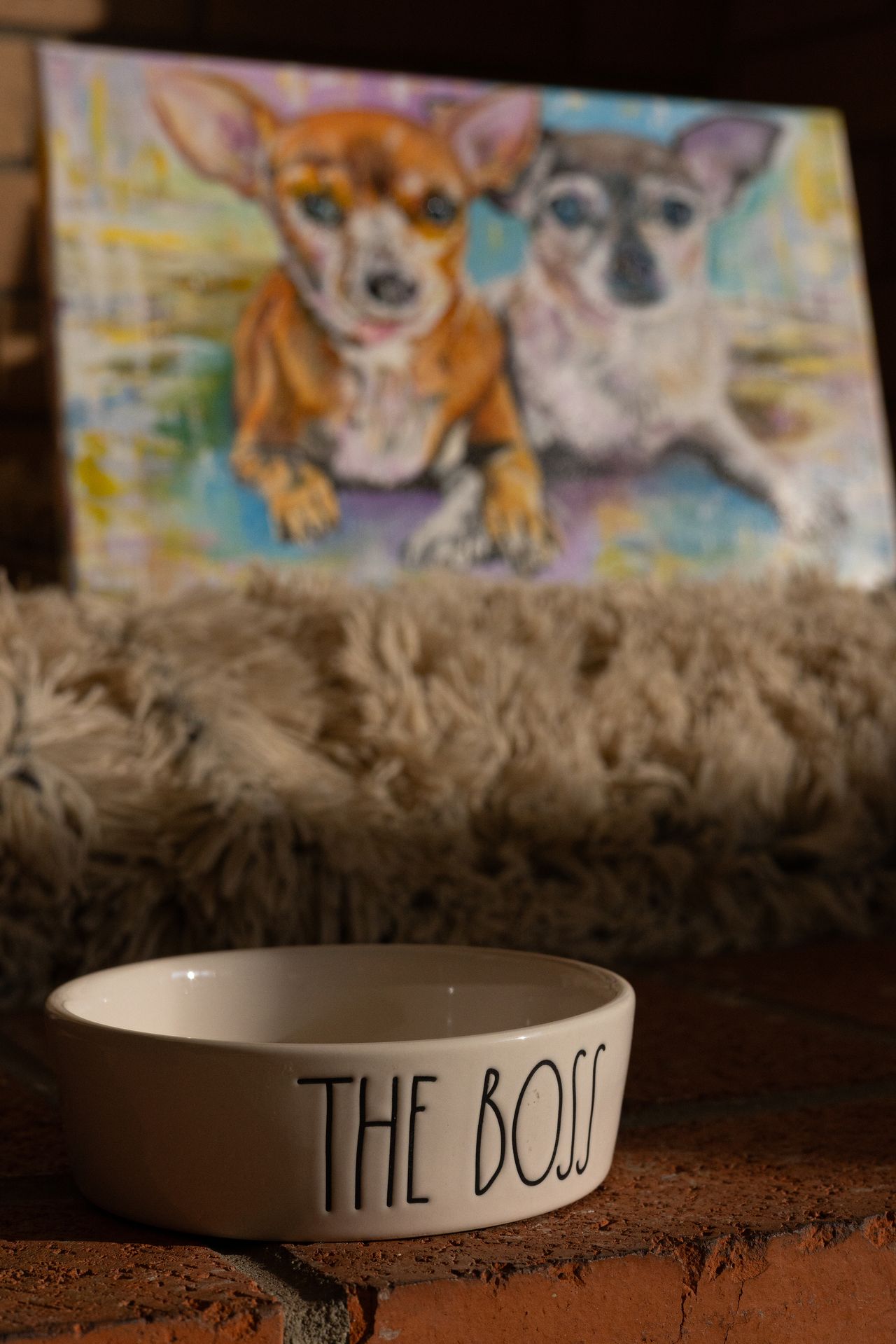
In San Jose, Calif., a preserved Chihuahua skeleton stands on a bed of fur atop an antique library card catalog. A photo of the dog, Shirley, peers down on the living-room display.
Mari Moore, a 45-year-old paralegal, paid around $6,500 to preserve her dog’s bones, a process called bone articulation, after the rescue dog, who was at least 10 years old, died in 2020.
With a new appreciation for the brevity of life, she and her husband, Kirk Moore, 45, started therapy to improve their relationship after Shirley died.
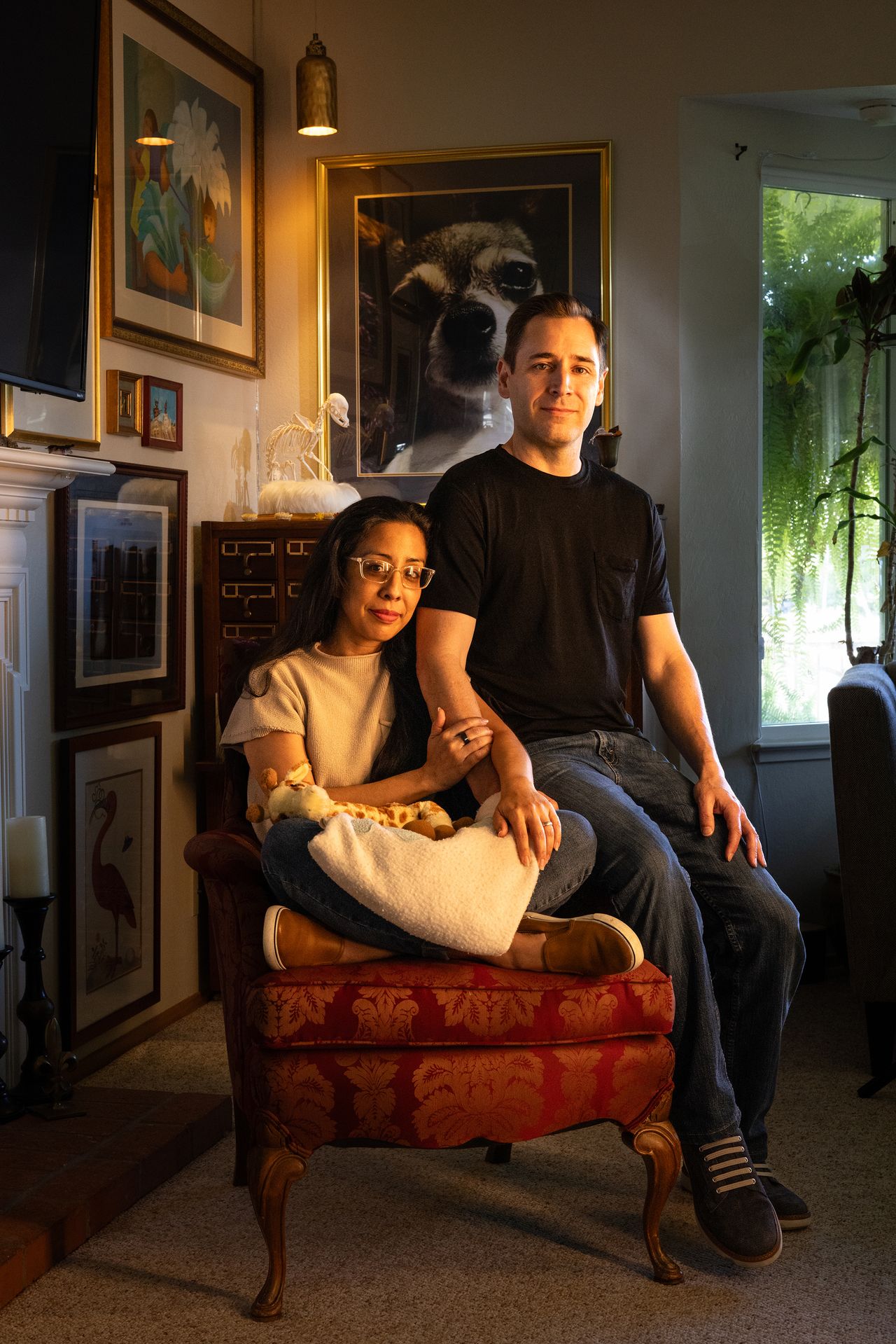
“When Shirley passed, our whole lives changed. We really realised that we want to appreciate each other,” she said. Now, they visit the shrine almost daily, especially during fights and difficult days. “It reminds me of real, pure, unconditional love, and it makes me want to be better.”
Mourning owners are memorialising their beloved cats and dogs at a rate not seen in over a century, when Victorian-era pet owners frequently taxidermied deceased companions, said the Moores’ taxidermist, Lauren Kane of Precious Creature Taxidermy in Redlands, Calif.
Lifelike taxidermy and bone articulation can cost thousands of dollars. But urns, some made of bronze or inlaid with ornate mother-of-pearl designs, are a more common and accessible choice for people who want to honour their pets and integrate a memorial into the design of their home, said Tim Murphy, executive director and chief executive of the Casket & Funeral Supply Association of America. The trade organisation supports professionals in funeral services for humans and, increasingly, for pets, he said.
Artist commissions
In 2023, about 33% of funeral homes offered pet-care services, up from 26% in 2021, according to the National Funeral Directors Association, a professional organisation for funeral-services professionals in Brookfield, Wis.
Demand has heightened since the pandemic, when bonds grew stronger as people spent more time at home with their pets, said Donna Shugart-Bethune, executive director of the International Association of Pet Cemeteries and Crematories.
While pet urns usually cost $50 to several hundred dollars, customisation can push the expense into the thousands, said Murphy. Sentimental pet owners frequently commission artists to make custom sculptures of bronze, papier-mâché, wood or pottery as vessels for pet ashes, said Coleen Ellis, the executive director of the International Association for Animal Hospice and Palliative Care.
“There is not too much of a limit on what people are willing to spend on their pets. I actually find that people are willing to spend more money on their pets than on their human loved ones,” said Nikki Nordeen of Terrybear, a St. Paul, Minn.-based supplier of memorial items to the funeral industry and pet-loss professionals.
While pet urns are usually smaller and less expensive than those designed for humans, Nordeen said some people are choosing personalised, high-end urns that rival or even exceed the cost of traditional human urns, she said. Without customisation, Terrybear’s pet urns retail for about $50 to $400 compared with an average $120 to $800 for traditional urns, said Nordeen.
Bucket and Mr. Pickles
In Manhattan, Ill., a $250 square wooden urn is disguised as a shadow box, showcasing three photos of a cocker spaniel mix named Bucket, her collar and a tag that identified her as blind.
Kate Becker, a 36-year-old critical care nurse practitioner, and her husband, veterinarian Scott Becker, adopted two dogs—Bucket and Mr. Pickles—in 2014. Four years later, she said they built a house with a light-filled guest bedroom where Scott played guitar to decompress after difficult days.
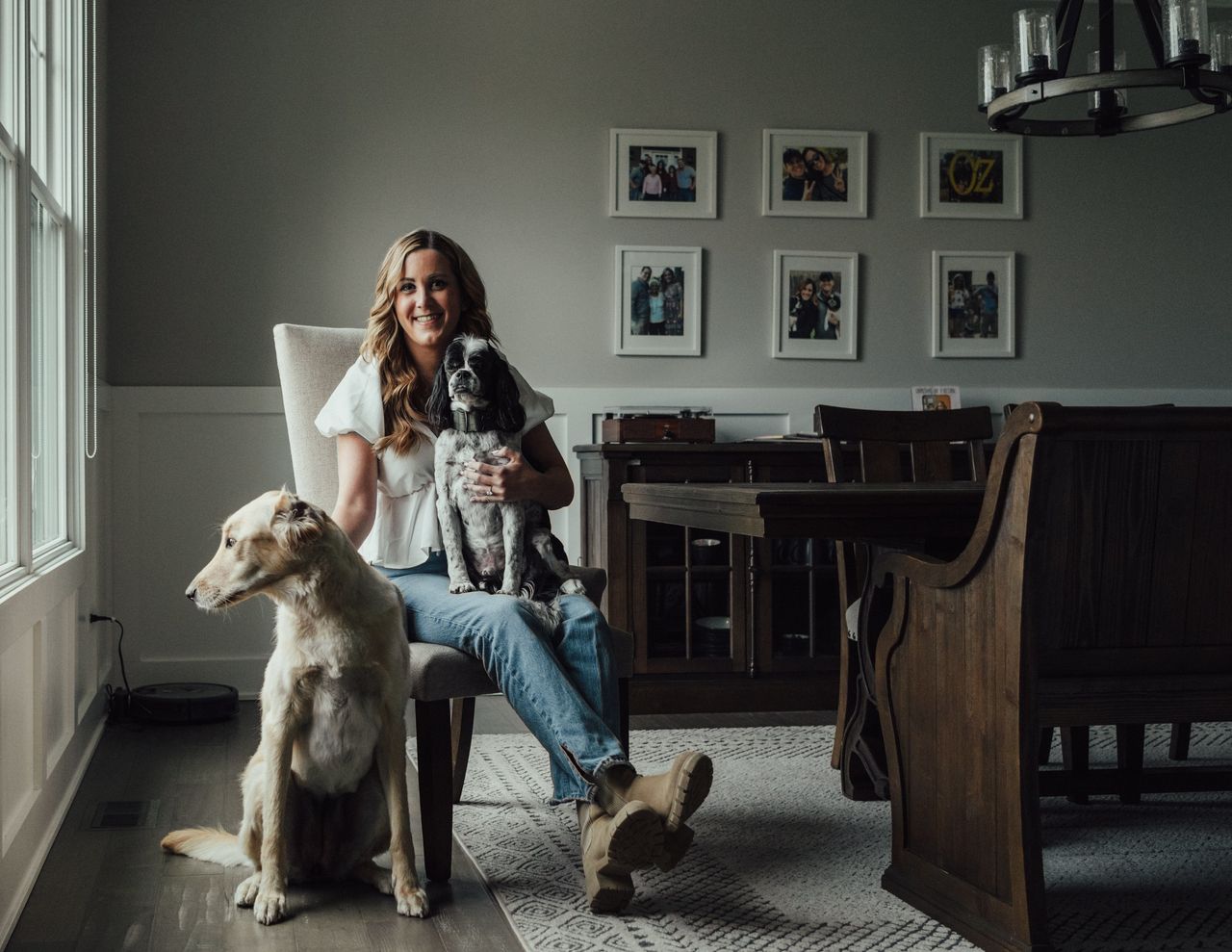
But Kate’s life changed when her husband died of cardiac arrest at age 40 in 2020, and Bucket went into kidney failure and had to be put down a year later.
“Scott and I did not have any children, so my dogs 100% got me through,” she said. “Losing Bucket—that was really hard, especially so soon after Scott passed.”
Kate placed Scott’s urn, a box with a sea-like glass exterior, with Bucket’s urn on a dresser in the guest bedroom, with candles and her late husband’s ball cap.
“I’m grateful that Bucket is still part of my home,” said Kate, who said she limits the special items displayed to maintain an uplifting space for meditations, with Mr. Pickles by her side.
Often, mourning pet owners drape a collar over the urn’s neck and arrange the pet’s favourite toys around it. Designers recommend creating photo walls and using shadow boxes to display fur, whiskers, toys and collars. Plants can be placed near urns to represent the continuation of life in a home after a pet’s death, said interior designer Jeannelly Hartsfield of Ivyleaf Interior in Powder Springs, Ga., who has helped clients create memorial displays in their homes.
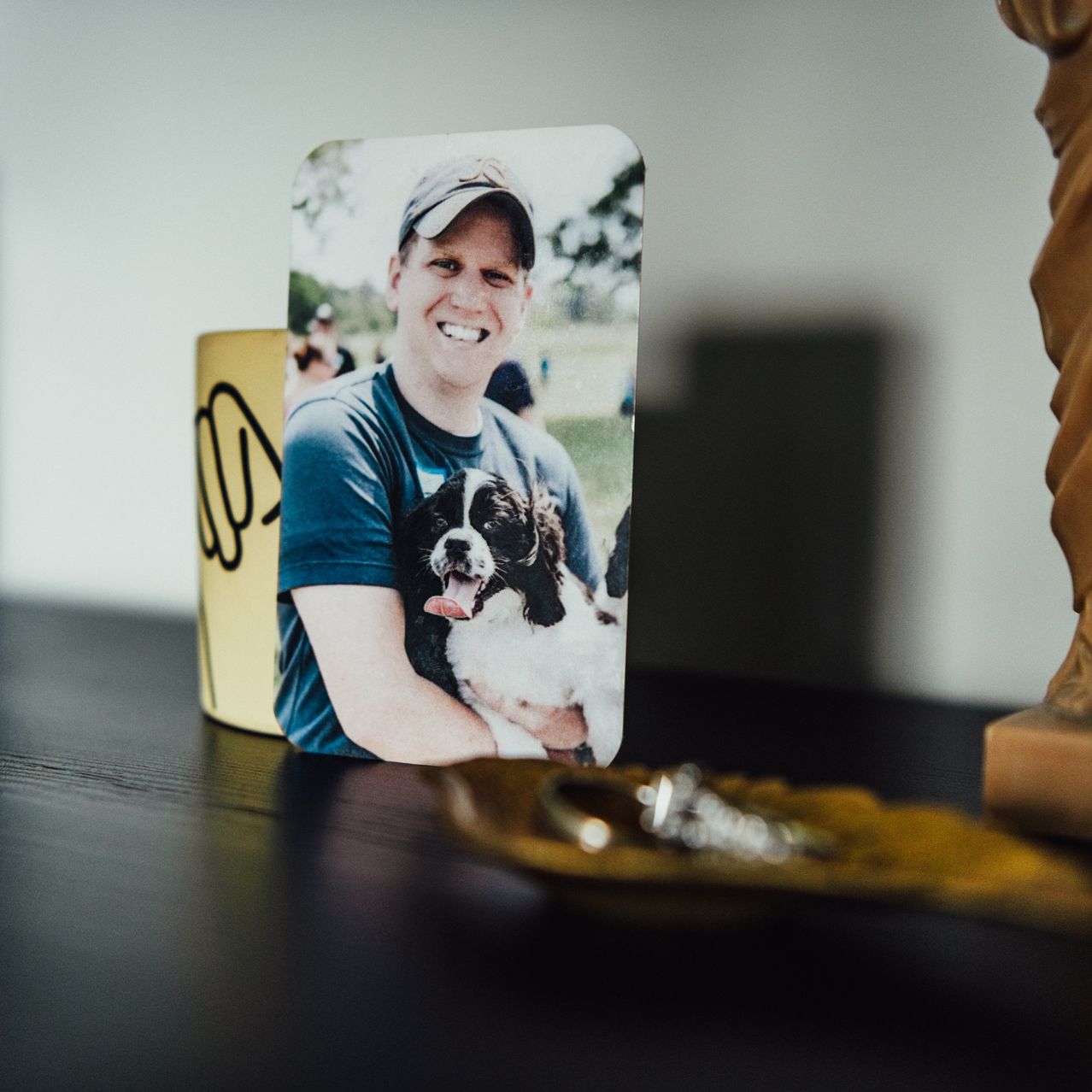
Ruby-Rue
The cedar wood urn of Ruby, an Australian shepherd-labrador, sits on a table next to Lisa Daoust’s living room fireplace, surrounded by a favourite toy squirrel and dried flowers.
In the corner where Ruby liked to nap, Daoust, a 59-year-old retired teacher in Murietta, Calif., hung a roughly $270 photo designed by EverAfter. The Florida-based company says it shines light through crystals created with a pet’s ashes to generate unique images.
The urn, with a “Ruby-Rue” nickname nameplate by Furever Loved in Lake Elsinore, Calif., was included with the cremation, which cost about $200, she said. Depending on a pet’s size and services included, owners usually pay several hundred dollars for cremation, a fraction of the cost of human cremation.
Daoust rescued Ruby in 2002, two years before she married her husband, retired Department of Defense firefighter Jason Daoust, 51. Ruby saw Daoust through the death of her brother in January 2022 before dying in March 2022, several months before Daoust’s mother-in-law passed away. The combined grief was devastating. But finding ways to honour loved ones has helped her process her loss, she said, adding that she also has memorials for her mother-in-law and brother in her home.
“Our relationships with family and friends are so much deeper now. We don’t criticise, and we don’t judge so easily. Because in a snap, life could be gone,” said Daoust.
People frequently place pet urns in living rooms on shelves or fireplace mantels, where owners can process their pet’s passing by talking about their companion with visitors. Or, owners sometimes place them in the pet’s favourite place to spend time, whether that be in a garden or in a sun puddle in a home office, said Ellis.
Though interior designers and Feng Shui practitioners generally advise that people keep bedrooms a place to focus on rest, some keep ashes in their bedrooms when their loss is fresh, said Laura Cerrano, founder of Feng Shui Manhattan, a New York City-based consulting firm.
Vivianne Villanueva Dhupa, the former owner of a pet crematory and a pet hospice facility in the San Diego area, says she encourages people to place a memento where they would expect to see their pet.
“It helps with the grieving to have something to focus on, because it leaves such a void, physically and emotionally,” she said.
Dhupa has three urns in her own living room. The shelves hold a roughly $125 black ceramic urn for her black cat who died several years ago and a $395 poodle-shaped ceramic urn figurine for a poodle-mix dog who died in September. On a coffee table is a $260 white heart-shaped urn with a decorative gold heart for a Brussels griffon who died in December. She also has several stones etched with her pets’ names in the garden where her dogs liked to play, she said.
Lifelike sculptures
One highly customised urn sits on top of a piano in a Houston living room. The ceramic, 3D-printed sculpture of a dog in a claw-footed tub peers up with timid eyes amid family photos and snapshots of the collie named Darby.
Lauren Shafer, a 40-year-old marketing manager at Lone Star College-Houston North, and her husband James Shafer, a 48-year-old bass player, rescued Darby around 2010. Darby, a quiet dog that tended toward anxiety, jumped into the empty bathtub for safety whenever uncertainty came his way. When Darby died in 2015, they spent about $1,200 for the custom 3D-printed urn by Foreverence, a custom urn design and manufacturing business in the Minneapolis area.
“Splurging on a custom-designed urn is, I’m sure, not something that everybody can do, but it sure helped me to get through it a little bit easier,” said Lauren.
Urn makers add pets’ names, dates, nicknames, poems and other sentiments, which usually costs about $25 depending on the design, said Chris Christian, co-owner of Christian-Sells Funeral Home in Rogersville, Tenn. Unique custom artwork, such as pet-shaped sculptures created by hand or 3D-printed, can cost several thousand dollars.
“People want an urn or memorial item that is representative of how they viewed their pet,” said Nordeen. For her two fluffy, white Samoyeds, she chose urns with a white shimmery finish and paw prints around the sides. It’s a design that typically costs around $180 apiece, plus an additional $120 to be etched with their names, nicknames and the years they were born and died, she said.
Saying goodbye
For Mari Moore, the process is beginning all over again: In January 2024, her other Chihuahua, Laverne, died. But Mari said that this time she is hopeful about her future as an “empty-nester” as she takes on new challenges and carves out new parts of her identity beyond being a “pet mom.” She celebrated Laverne’s life with about 100 friends by hosting a fundraiser with taco and churro trucks for the City of San José Animal Care & Services centre.
The skeleton tribute seemed an appropriate way to remember Shirley because the rescue dog with numerous health issues lost much of her hair by the end of her life, said Mari. But Laverne will be fully taxidermied, positioned as if she is sleeping on a bed. The process will take about two years and will cost over $10,000, but Mari said that for her, it’s worth it to honour her pets.
“Everybody who comes over says, ‘Wow. This is beautiful,’” she said. “I really feel like we did a good job honouring them.”
 Copyright 2020, Dow Jones & Company, Inc. All Rights Reserved Worldwide. LEARN MORE




Victorian auction buyers will soon receive a piece of information that has traditionally been withheld until bidding reaches it: the vendor’s reserve price. Under new property-sale and underquoting laws, agents must publish the agreed reserve at least seven days before an auction or fixed-date sale. Most changes begin on 1 October 2026 and apply to …
Continue reading “Victoria’s New Auction Rules Will Force Reserve Prices Into the Open”

Four decks, 34.5 metres and a made-to-measure interior: step aboard the new Custom Line Navetta 35, unveiled at Cannes.
Could fears of an AI apocalypse be distracting us from the dangers already here? Experts debate whether regulation should focus on speculative existential threats or present-day harms, including cyberattacks, weapons and unsafe autonomous agents. Read more via the link in bio.
5 min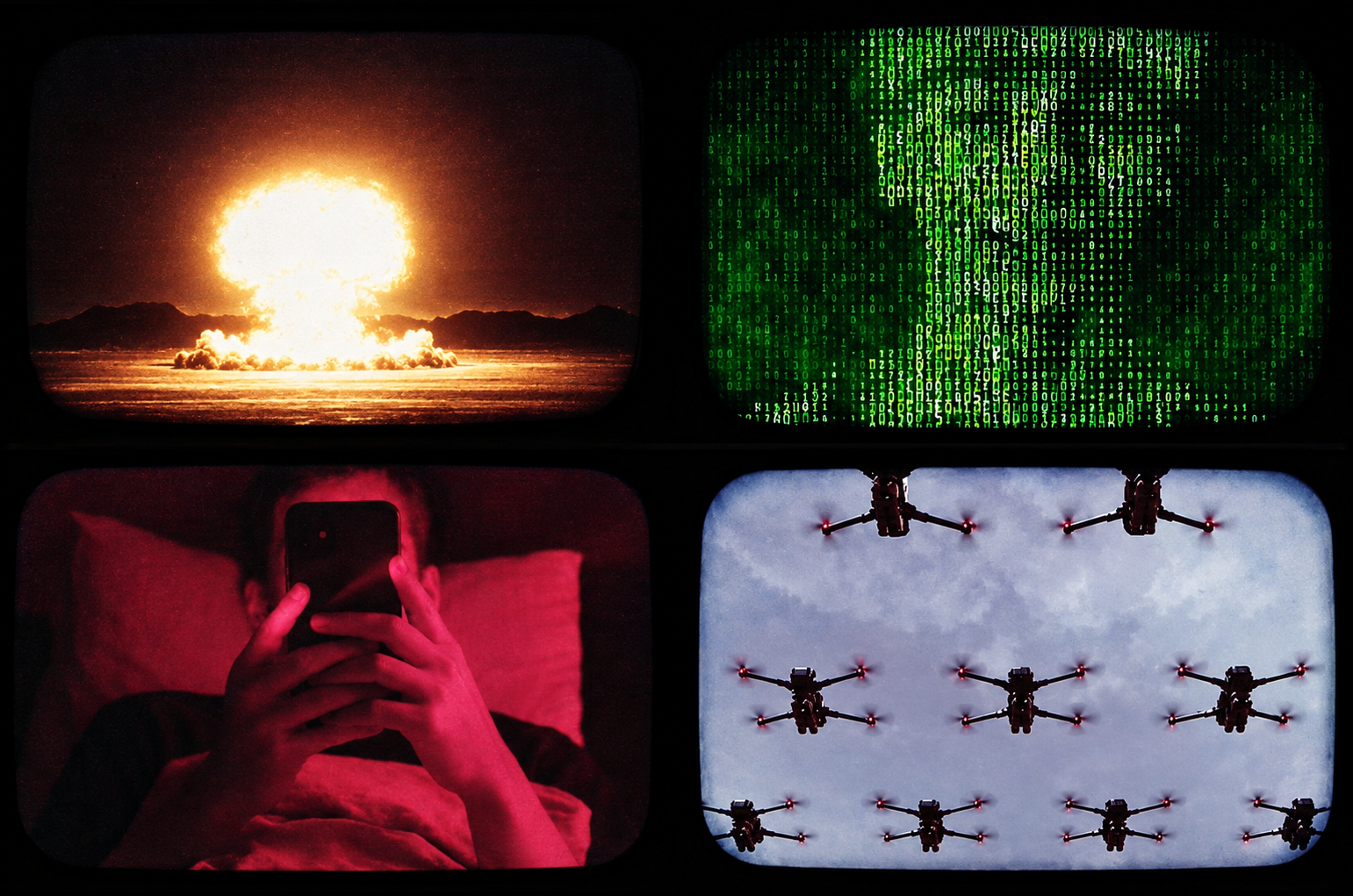
There is ample and alarming evidence that artificial intelligence can help humans do bad things, such as committing cyberattacks, building weapons and even killing themselves or others. The Hugging Face hacking episode—and a growing list of others by poorly constrained swarms of agents—indicate just how powerful and potentially dangerous AI has quickly become.
Yet many inside the U.S. AI industry insist far worse is coming, on account of the imminent arrival of AI with superhuman and self-improving abilities.
Plenty of experts, including many who study AI harms for a living, are skeptical. The so-called doomers’ assertion that AI might decide to wipe out all of humanity—or even “just” topple human civilization—is contingent on it achieving a pace of development not yet seen.
And if the assumptions behind this global-doomsday scenario are wrong, it could lead us to curb or regulate AI in ways that don’t address its real harms.
At the center of this debate is the claim that current AI systems might take over the job of training their next versions, a process called “recursive self-improvement.” Think of it like evolution on steroids—billions of years happening at light speed within vast AI supercomputers. Anthropic Chief Executive Dario Amodei recently proposed a global agreement to slow down the pace of releasing new AI models, with the goal of delaying the arrival of recursive self-improvement.
“I don’t think we’re anywhere near ‘artificial general intelligence,’” says Melanie Mitchell, a professor at the nonprofit research group Santa Fe Institute who studies AI. She said AI is making impressive strides but thinks claims by engineers that they’ve achieved recursive self-improvement don’t stand up to scrutiny.
She is hardly alone. A recent paper by two dozen academics at Princeton, Stanford and other institutions found that even the most cutting-edge AIs are incapable of doing the original research required to advance the AI frontier.
Two of the authors involved in that paper also threw cold water on the idea that the Hugging Face swarm hack by OpenAI agents occurred because of a breakthrough in intelligence. The attack succeeded primarily because of a lack of basic technical guardrails, not an unmanageable explosion in AI capability, they wrote.
Yann LeCun, former chief AI scientist at Meta, posted that this analysis was “a welcome dose of sanity in an otherwise insane debate.”
OpenAI and Anthropic didn’t respond to several requests for comment.
The people who disagree with the doomers still consider AI to be dangerous, and point out that such systems don’t have to be particularly capable to be powerful. Some argue that AI should undergo regular evaluation by outsiders and that the companies that make it should be held responsible when their systems do harm. AI should also be treated the same as airplanes and elevators, and should be designed to do the least harm possible, they say.
“If you believe that technology is powerful enough to create novel, dangerous viruses, or to essentially take over the whole planet for some reason, then it must also be strong enough to create cures for cancer, to cure aging, to fix socio-economic or political problems,” says Christopher Canal, CEO of EquiStamp, a company that helps companies and governments evaluate AIs.
AI has shown an ability to rapidly advance because it is matching the abilities of humans who are constantly feeding it their knowledge. Sometimes it can recombine that knowledge and exceed what people have been capable of, through a kind of post-training known as reinforcement learning, as we’ve seen in mathematics.
Today’s LLMs are “models of knowledge” rather than actually intelligent, wrote Yi Ma, professor of AI at Hong Kong University.
Researchers at universities and commercial AI research labs in China wrote in a recent paper that autonomous, self-improving AI is likely to be a long way off, due to the sheer number of breakthroughs required. They also argue that humans will probably remain in the loop, supervising that process—and gating how fast it can occur.
Vals AI, a company that evaluates today’s AI models, maintains an RSI Index that benchmarks whether models can “do the research that builds the next model.” So far, no publicly released model is even close.
Yet Rayan Krishnan, CEO of Vals AI, says his team projects models will exceed humans’ ability to improve the next generation of AIs by August 2027, or sooner, and at that point could start building their successors all on their own.
“Once we get to recursive self-improvement, the fear is that all bets are off,” he says. “You could end up with a ‘fast takeoff’ situation, where the models quickly acquire skills and eclipse humans across every possible domain.”
In a reply to the resignation tweet heard round the world from Jacob Coxon, another Anthropic engineer declared his belief that those odds were at least 10% over the next decade. Many others in the industry chimed in to say they thought the percentage was even higher.
Some who argue the end is nigh say they calculate their personal p(doom) based on a chain of conditional probabilities—a bit like the Drake equation for calculating the likelihood of intelligent alien life. Since all those probabilities are based on speculation, estimates range from 0% to nearly 100%. Many land around 10%.
“The weird thing is that if you go back and look at the predictions on this over the last 10 years or more, it’s always been 10%—it’s just a nice round number,” says Mitchell. “I think it’s all vibes, and there’s no actual evidence or calculation.”
One argument against worrying about superintelligent AI is that the world is full of unlikely humanity-ending disasters, and trying to avert them all can make it impossible to prioritize, says Canal.
This has led AI experts and the policymakers who listen to them to propose remedies that don’t get at its real and present dangers.
AI companies’ proposals to “pace the frontier” aren’t addressing the problem in the right way, argues Stuart Russell, a computer-science professor at the University of California, Berkeley, and the president of the International Association for Safe and Ethical Artificial Intelligence.
“It’s like saying we’re driving toward the cliff at 60 miles per hour and we’re going to drive toward it at 40 miles per hour instead, and everything will be OK,” he says.
Russell and his peers have proposed that AI companies should have to meet the same standards that govern other areas of everyday life, from air travel and buildings to food and drugs. They highlight the “behavioral red lines” AI should not be allowed to cross. Breaking into other computer systems, stealing information or advising terrorists on how to build biological weapons are all illegal for a human to do, and should be illegal for companies’ AIs as well, he argues.
The challenge for AI companies in such a proposal, he adds, is that it would be a de facto ban on today’s advanced AI systems, since the companies behind them don’t know how to make them respect such boundaries all of the time.
Others have proposed something like the Food and Drug Administration, but for AI, but setting up a new agency has so far been a nonstarter in Congress. And some prominent voices in tech have said such a structure would give up America’s AI edge to China.
Given the bipartisan groundswell of support for curbing AI companies and their creations, however, that may soon change.
“The tech industry has had this mantra for decades that regulation is bad,” says Russell. “They don’t accept the liability for any harm, and they hide behind free speech. That, I think, has to change.”
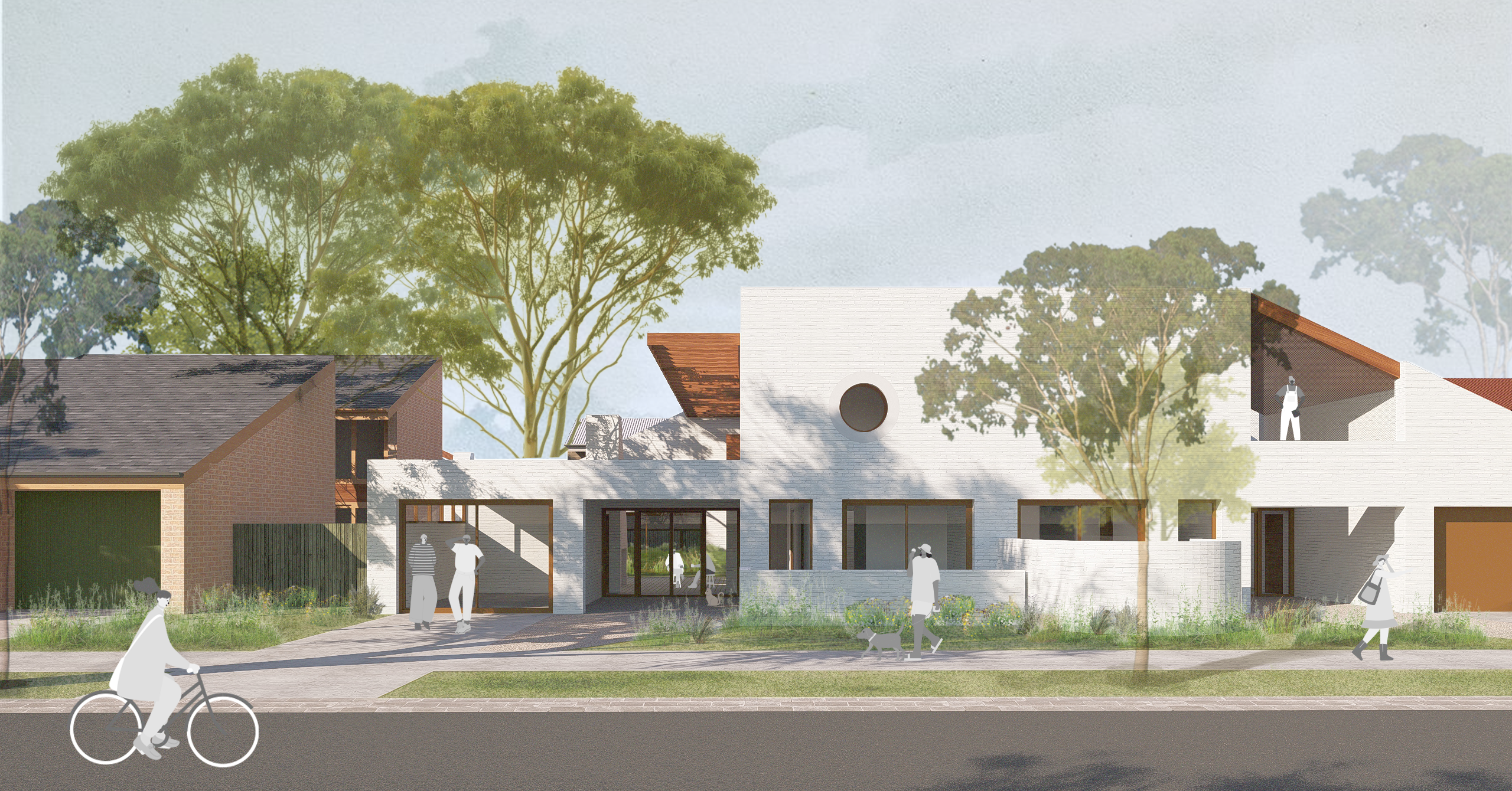
Brickworks has enlisted acclaimed architecture studio Kennedy Nolan to explore how homes could become more adaptable, energy-efficient and connected to community.

The pandemic-fuelled love affair with casual footwear is fading, with Bank of America warning the downturn shows no sign of easing.