At Restaurants, Phones Are Becoming the New Cigarettes
Restaurants are pushing back against phone-filled dining with lockable pouches, screen-free policies and playful challenges—helping guests put down their devices and reconnect over a meal.

 4 min
4 min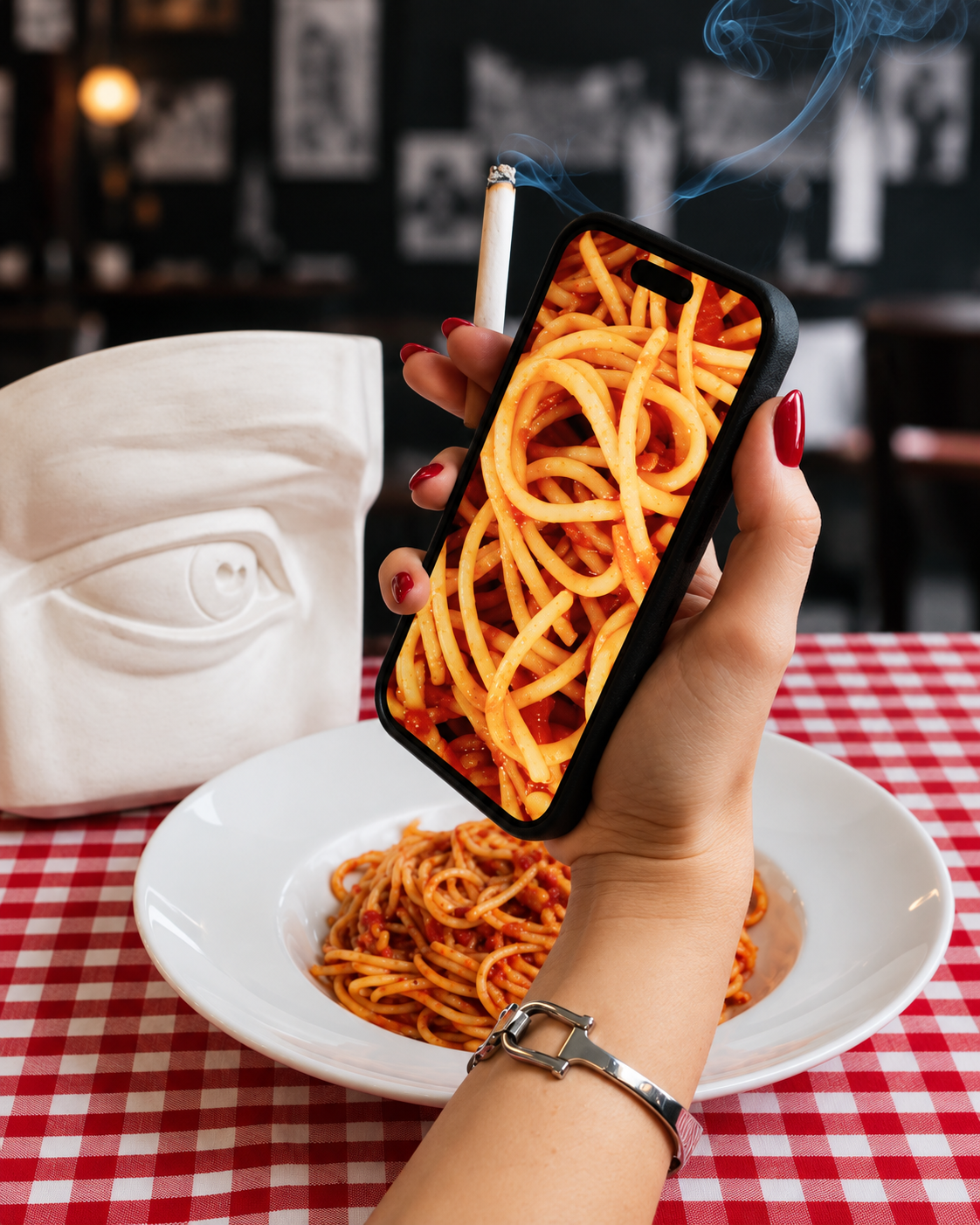
It wasn’t all that long ago that restaurants and bars around the country were dappled in the glow of cigarettes. Those days are over, but diners haven’t stopped lighting up—now it’s just with the blinding OLED gleam from their phones.
My seven-year run as a bartender started in the BlackBerry era and ended a few years after the birth of the iPhone. Back then, phone interruptions were mostly relegated to a few stray pings. If someone picked up a phone, it was usually only to say “Can I call you back?”
Today, phones are as common in a table-setting as napkins and silverware. If diners themselves aren’t pulling them out to check messages and social media, they’re likely in the background as others record Instagram videos or make FaceTime calls.
Many restaurants and patrons alike are pushing back against the shift that has turned collegial, communal spaces into places to watch TikTok while you eat. Here’s what some are doing—and what we can learn from them.
The phone lockup
Antagonist, a cocktail bar in Charlotte, N.C., is pretty antagonistic about phones. Upon entry, each customer receives a lockable Yondr pouch—the same bag some schools use to store students’ phones—that can only be opened by the staff.
“The main goal of our whole concept here really isn’t to burden anybody or take away their property,” Adam Horner, Antagonist’s general manager, said. “It’s essentially just to bring back a little slice of human connection that we all feel has been lost with technology.”
Even if your dinner destination doesn’t have the same rules, you can still borrow the basic idea. Keep your phone somewhere inconvenient or even mildly inaccessible: in your coat pocket, for instance, or your purse.
While Horner admits some patrons have arched an eyebrow at Antagonist’s policy, the benefit of having a place where people can be part of an organic social scene has far outweighed the potential loss of customers, he said. “I strongly encourage people to give it a chance, and sometimes they don’t and they go somewhere else.”
The airplane approach
The Edge, a local spot in Manhattan’s Harlem neighborhood, is a bit less rigid about phones. There’s no ban on them, but the restaurant doesn’t offer internet access. A sign at its bar reads: “No Wi-Fi. No Screens. Connect With Each Other.”
The directive is meant to encourage “stepping away from the digital and being present in the moment,” said Justine Masters, who owns The Edge with her sister Juliet.
Another way anyone with a smartphone can separate themselves from the internet: turn on Airplane mode. It may sound obvious, but it’s a simple and effective way to minimize phone-induced distractions while dining out.
The screen-free competition
For those wanting to break the grip of a bad habit, one tactic is to replace it with another better-for-you thrill. That’s the strategy behind the fast-food chain Chick-fil-A’s “cellphone coops.”
At a number of locations, diners can request a coop—a cardboard box—where they can put their phones while they eat. The goal is get groups to make it through an entire meal without checking their phones, with free ice cream as a reward. The coops even feature conversation prompts for the table.
You don’t need a cardboard coop to emulate the competition elsewhere—and if ice cream isn’t enough of a draw, treat the person who goes longest without using their phone to a free drink. Or make the loser pay the tip.
The point is to create rituals that result in discipline and, slowly, new habits.
What we gain from no-phone dining
The ubiquity of phones has not only eroded our manners, but also lessened the joys of bar and dining culture. One of Chris Hall’s favorite watering holes is The Saloon in Washington, D.C., a community-orientated beer bar with no televisions and a blanket ban on all phone use.
For him, it’s a bulwark against a bar culture that has become “very insular and not very fun.” He added that, over the years, he’s made at least a dozen friends at The Saloon. “You can talk to strangers in this place.”
Tina Vaughn and Chip Smith, the husband-and-wife owners of Eulalie, an upscale cloth-napkin bistro in Tribeca, also forbid phone use at their restaurant.
The policy is spelled out on a sign in the entryway and on the restaurant’s handwritten menus. Vaughn sees it as a way to help patrons combat the pressure to always be available.
“People want an excuse. They’re dying for someone to say, ‘You can get off that. It’s OK,’ ” she said. “The phone has become less a tool and more of a stress bomb, I feel, for so many.”
 Copyright 2020, Dow Jones & Company, Inc. All Rights Reserved Worldwide. LEARN MORE




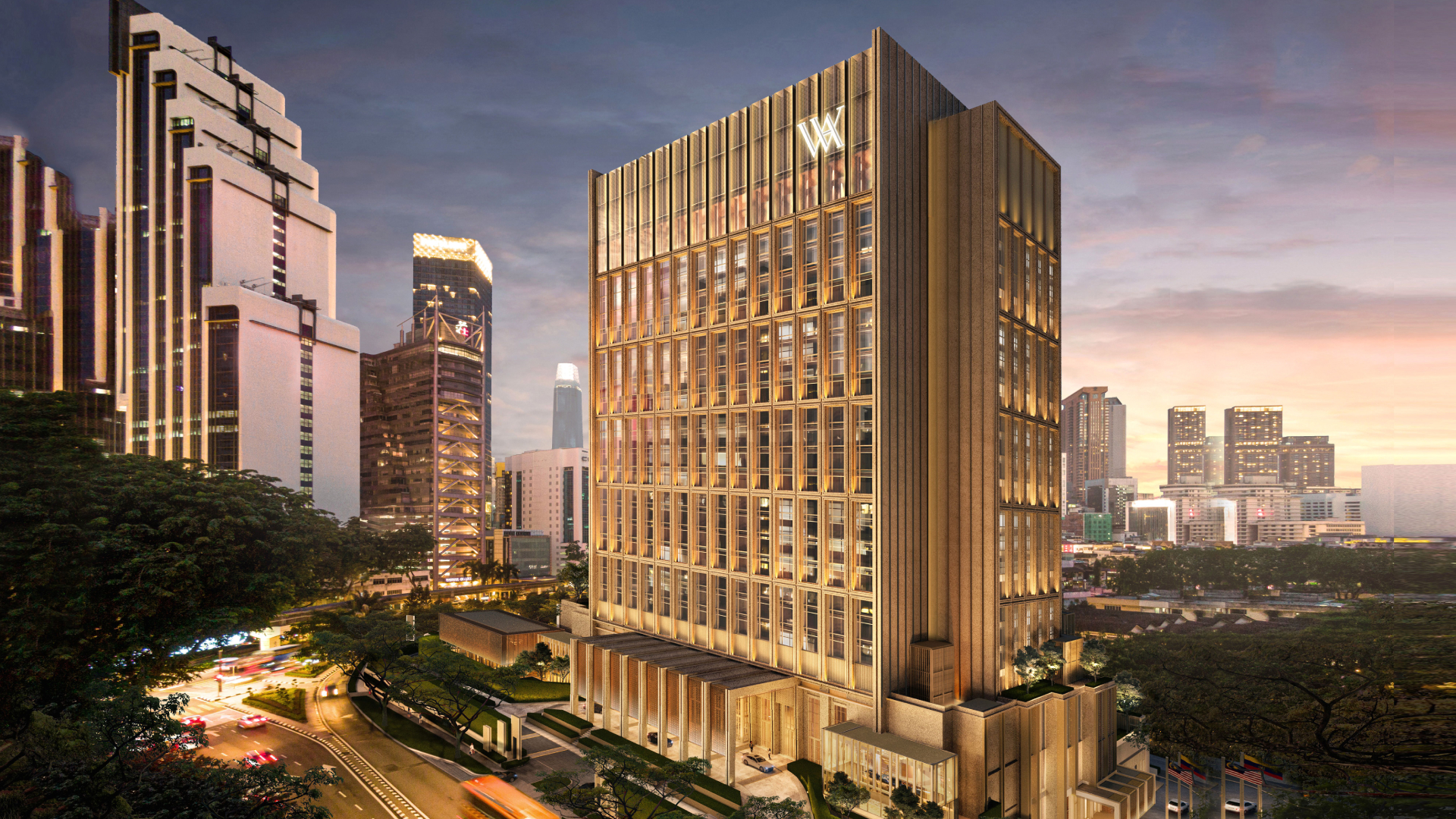
Waldorf Astoria Kuala Lumpur is scheduled to open on 30 October, introducing the Hilton luxury brand to Malaysia with an all-suite hotel in the city’s Golden Triangle.

Located steps from Crows Nest Metro, the near-complete development brings luxury living to Sydney’s Lower North Shore.
3 min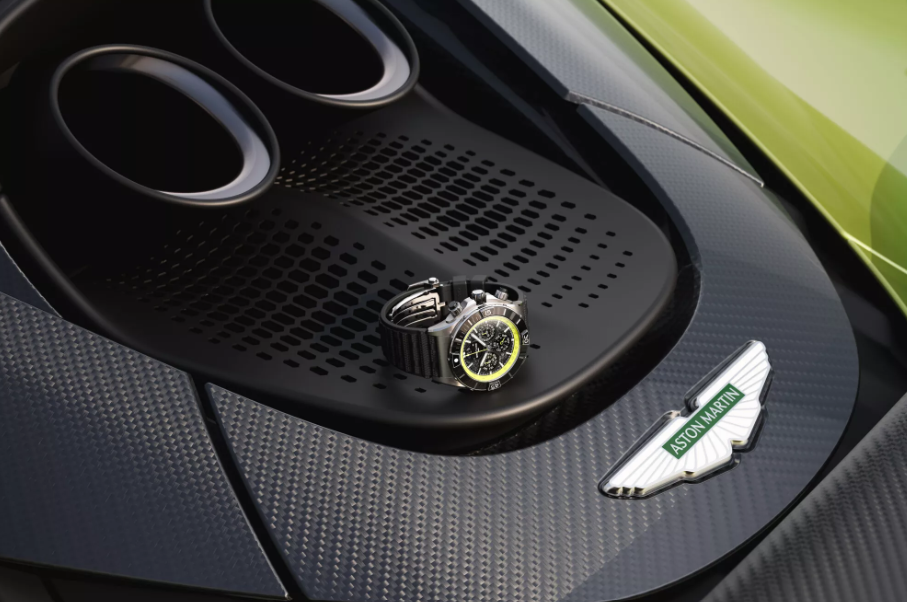
Buyers of Aston Martin’s 1,079PS Valhalla can commission one of two bespoke Breitling Super Chronomat watches, with colours and personalised details inspired by their individual car.
The relationship between cars and watches has produced countless branded chronographs, racing editions and logo-bearing collaborations. Breitling and Aston Martin are taking a more personal route with a new watch program reserved exclusively for owners of the Valhalla supercar.
Rather than offering every customer the same limited-edition watch, Breitling is opening part of its Super Chronomat design process to Valhalla owners. A dedicated configurator will allow each buyer to commission a timepiece inspired by the specification of their car and their individual tastes.
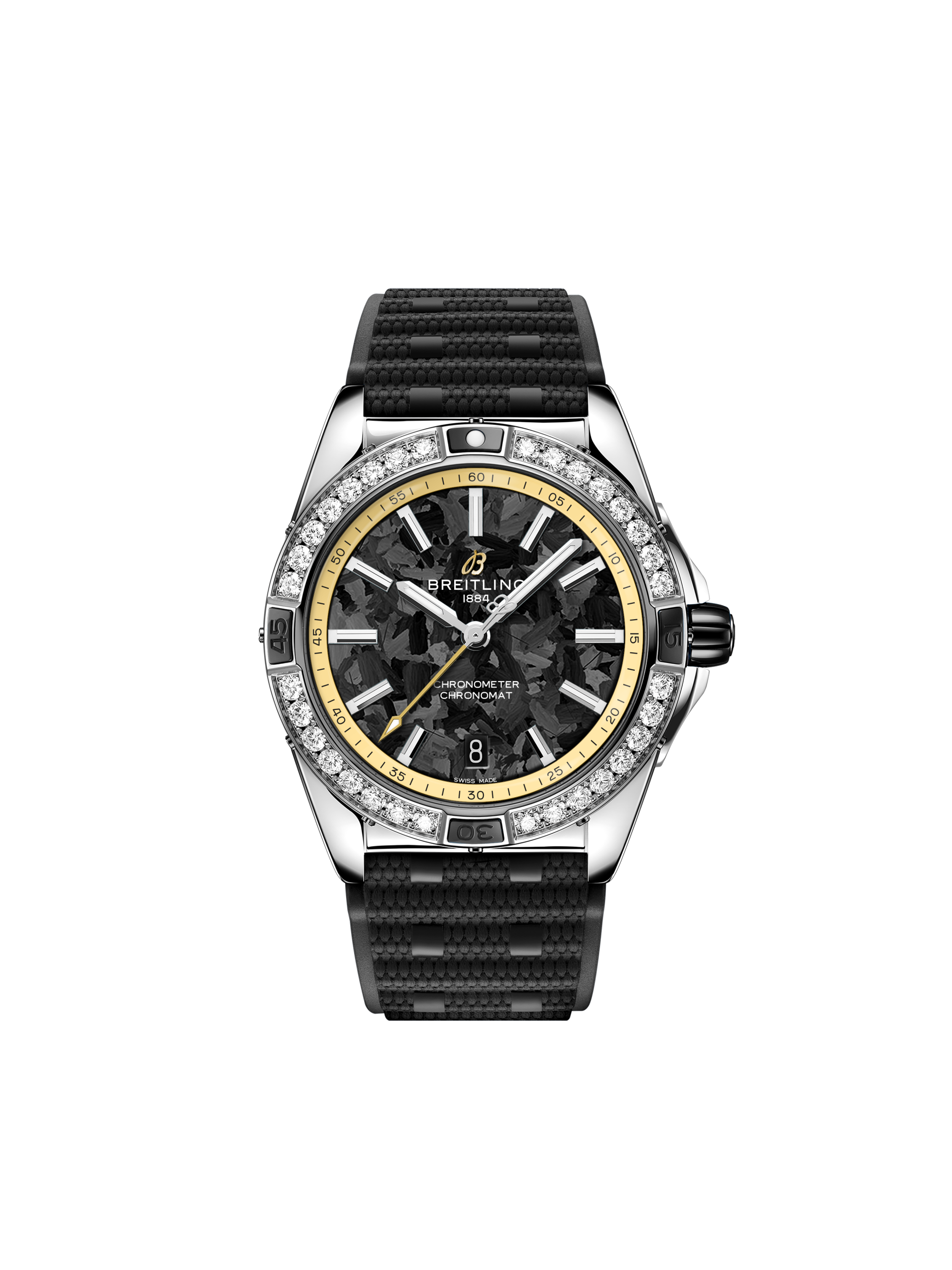
Two Super Chronomat models are available: a technically ambitious 44mm perpetual-calendar chronograph and a more compact 38mm automatic watch.
The flagship is the Super Chronomat B19 44 Perpetual Calendar Chronograph. Presented in a 44mm titanium case with Breitling’s distinctive Rouleaux bracelet, it combines a carbon-fibre dial with one of mechanical watchmaking’s most sophisticated complications.
Its automatic perpetual calendar accounts for months of different lengths, leap years and the phases of the moon. Provided it continues running, the calendar will not require manual correction until 2100—the next centurial year that will not be recognised as a leap year.
The B19 movement also provides a 96-hour power reserve, allowing the watch to be left unworn for four days without stopping. A display caseback exposes the movement and black rotor.
Valhalla owners can customise the colour of the inner bezel, seconds hand and chronograph counter hands. The rotor can also be engraved, creating a more permanent connection between the watch and its owner.
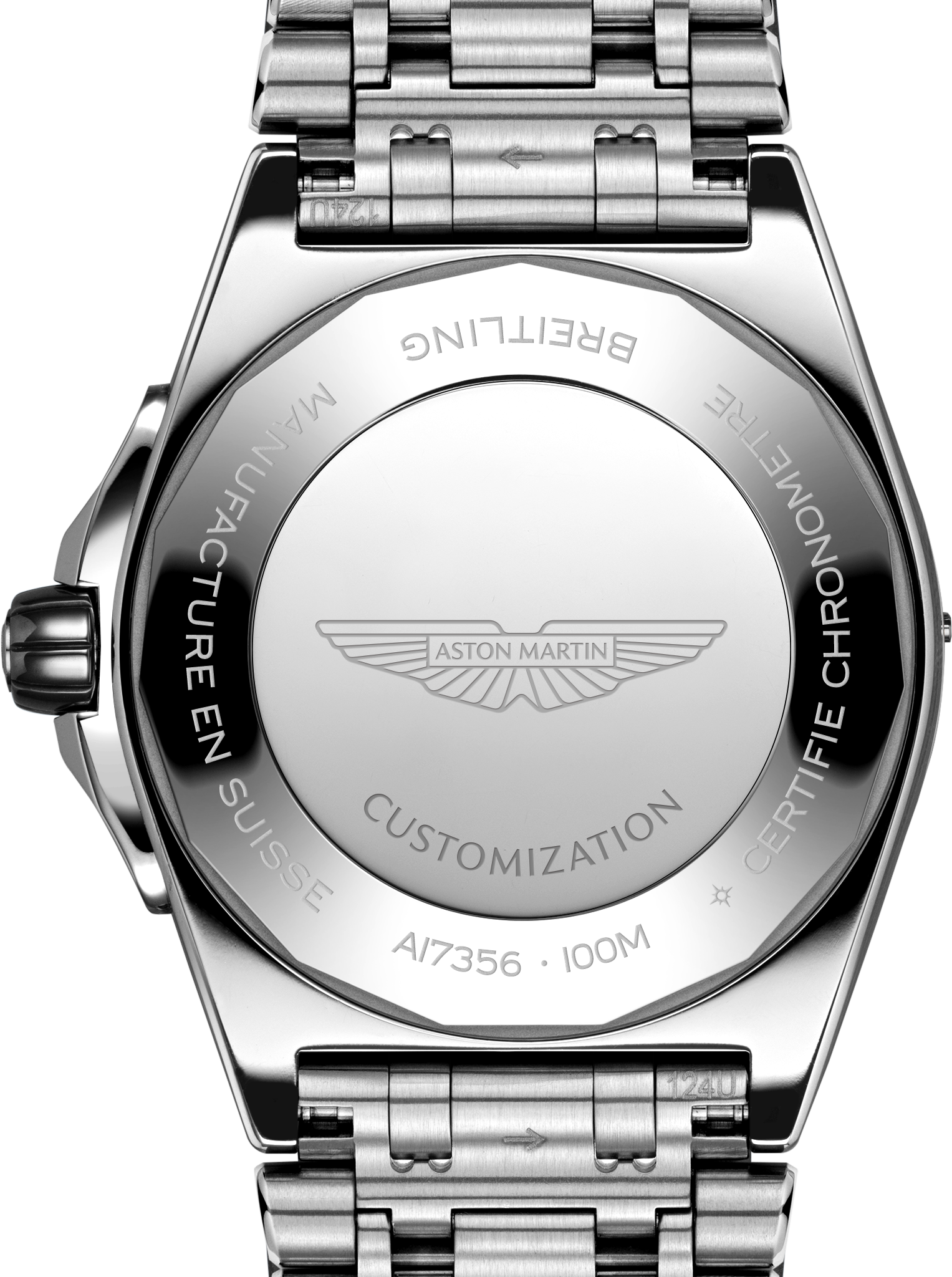
The second option, the Super Chronomat Automatic 38, offers a less complicated and more restrained interpretation.
Its 38mm stainless-steel case is paired with a textured carbon-fibre dial, a titanium crown and a diamond-set bezel. The automatic three-hand display incorporates a date window at six o’clock, while customisation extends to the colours used for the inner bezel and hands, together with a personalised caseback engraving.
The combination of carbon fibre and diamonds might appear contradictory, but it captures the dual character of the Valhalla: a car built around highly technical performance that remains unmistakably positioned as a luxury object.
The watch program draws directly from Aston Martin’s first series-production, mid-engined plug-in hybrid supercar.
Valhalla combines a 4.0-litre twin-turbocharged V8 with three electric motors to produce 1,079PS. Aston Martin claims it can accelerate from zero to 62mph—approximately 100km/h—in 2.5 seconds and reach 217mph, or about 349km/h.

Production is limited to 999 examples worldwide.
Formula One-derived technology and aerodynamic development have played central roles in the car’s engineering, but customisation is equally important to its ownership proposition. Breitling’s configurator extends that process from the Aston Martin specification studio to the wrist.
Each car will be produced at Aston Martin’s headquarters in Gaydon, England, while the watches will be made at Breitling’s Chronometrie in La Chaux-de-Fonds, Switzerland.
The program also reflects a broader change in the luxury market. Exclusivity is increasingly being defined by access rather than the simple production of another numbered edition. These watches cannot be purchased merely by joining a waiting list or paying a premium on the secondary market; the commission begins with ownership of the corresponding car.
That restriction gives the project greater authenticity than a conventional co-branded release. The strongest configurations should be those that use colour and engraving to create a subtle relationship with a particular Valhalla, rather than attempting to reproduce the car too literally.
For Valhalla buyers, the choice ultimately comes down to two very different expressions of the same idea. The 44mm B19 is the serious collector’s proposition, built around a rare combination of perpetual calendar and chronograph. The Automatic 38 is simpler, smaller and likely more versatile as an everyday watch.
Both turn the usual automotive-watch collaboration into something more individual: a timepiece configured alongside one of Aston Martin’s most significant new cars.
Watch summary
Program: Bespoke Breitling Super Chronomat watches for Aston Martin Valhalla owners
Available models: Super Chronomat B19 44 Perpetual Calendar Chronograph and Super Chronomat Automatic 38
B19 case: 44mm titanium
B19 power reserve: Approximately 96 hours
B19 complication: Automatic perpetual calendar chronograph
Automatic 38 case: 38mm stainless steel
Shared design element: Textured carbon-fibre dial
Customisation: Selected colours and personalised engraving
Availability: Exclusively for Aston Martin Valhalla owners
Valhalla production: Limited to 999 cars worldwide

A 30-metre masterpiece unveiled in Monaco brings Lamborghini’s supercar drama to the high seas, powered by 7,600 horsepower and unmistakable Italian design.

Australian shares fell on Thursday as Wall Street weakness, rising oil and persistent rate concerns weighed on most of the market. The S&P/ASX 200 declined 0.72 per cent to 8,702. The All Ordinaries lost 0.66 per cent to finish at 8,897. Mining stocks were hit particularly hard, while real estate also dragged on the index. …
Continue reading “ASX falls 0.7 per cent as miners and property stocks retreat”