





Bold by Design at Cape Schanck
A visionary statement by architectural firm Denton Corker Marshall, the award-winning Emery Residence is the ultimate juxtaposition of contemporary design surrounded by a raw rural landscape.
 2 min
2 min


Just listed with Kay & Burton Flinders agents Sasha Romensky and Tom Barr Smith, the unique coastal retreat at the southernmost tip of the Mornington Peninsula has a price guide of between $5.5 million and $6 million.
Winner of the prestigious Robin Boyd Award in 2000, this bold architectural landmark was created for prominent graphic designer Garry Emery, founder of Melbourne-based EmeryStudio, which shut in 2016.
Unsurprisingly, the Peninsula weekender of a prominent creative mind cuts a striking asymmetrical figure within its soft bush setting inside the gated National Estate surrounded by the Cape Schanck Golf Course.
Crafted from concrete, glass, and stainless steel, the designer home starkly contrasts its natural environment and the rolling fairways of the golfing green.
Known for their highly contemporary creations, Denton Corker Marshall have been behind an eclectic collection of commercial projects including the Stonehenge Exhibition and Visitor Centre in the UK, the Australian Pavilion in Venice as well as the Anzac Hall and Australian War Memorial in Canberra.
The four-bedroom two-storey house is essentially two rectangular boxes, one perched atop the other, with the upper level rising above the tree tops.
As essentially one free-flowing space, the upper floor hosts the combined living and dining room with a suspended steel hearth wood-burning fireplace.
At its heart, a sleek modern kitchen features a long freestanding island bench, stainless steel surfaces and hidden appliances behind contrasting warm timber cabinetry to promote a sense of minimalism.
The main bedroom on the same level has an ensuite, a walk-in wardrobe plus an elevated centre stage position overlooking the land and out to the ocean.
Downstairs, via a glass-encased, polished concrete staircase, two more bedrooms feature strategically placed angled windows capturing water views.
These rooms with built-ins share a full bathroom and laundry while a separate self-contained studio space with a bathroom and kitchenette, built-in cabinetry, workstations, and a communal meeting area, making it an inspired home office or a guest suite.
Enveloped by more than 4000sq m of lush landscape, the property’s low maintenance grounds feature established native trees and low lying shrubs allowing for the panoramic ocean and gold course views.
Fingal and Gunnamatta beaches are close by, and the 100km Mornington Peninsula Walk or the shorter Two Bays Walking Track or Coastal Walk, offer locals an alternative way to witness the wild ocean coastline and Cape Schanck Lighthouse.
The house is about 72km from Melbourne’s CBD and about 15kms from the townships of St Andrews Beach and Flinders.
Emery Residence at Cape Schanck is listed with a price guide of $5.5 million to $6 million through Kay & Burton Flinders agents Sasha Romensky and Tom Barr Smith.

From making unpopular decisions to learning when to listen, leaders from five businesses reveal what nobody prepared them for — and how running a company has challenged their expectations.

Technology and semiconductor shares fell sharply as investors questioned the debt financing the AI infrastructure boom and confronted higher rates and Chinese competition.

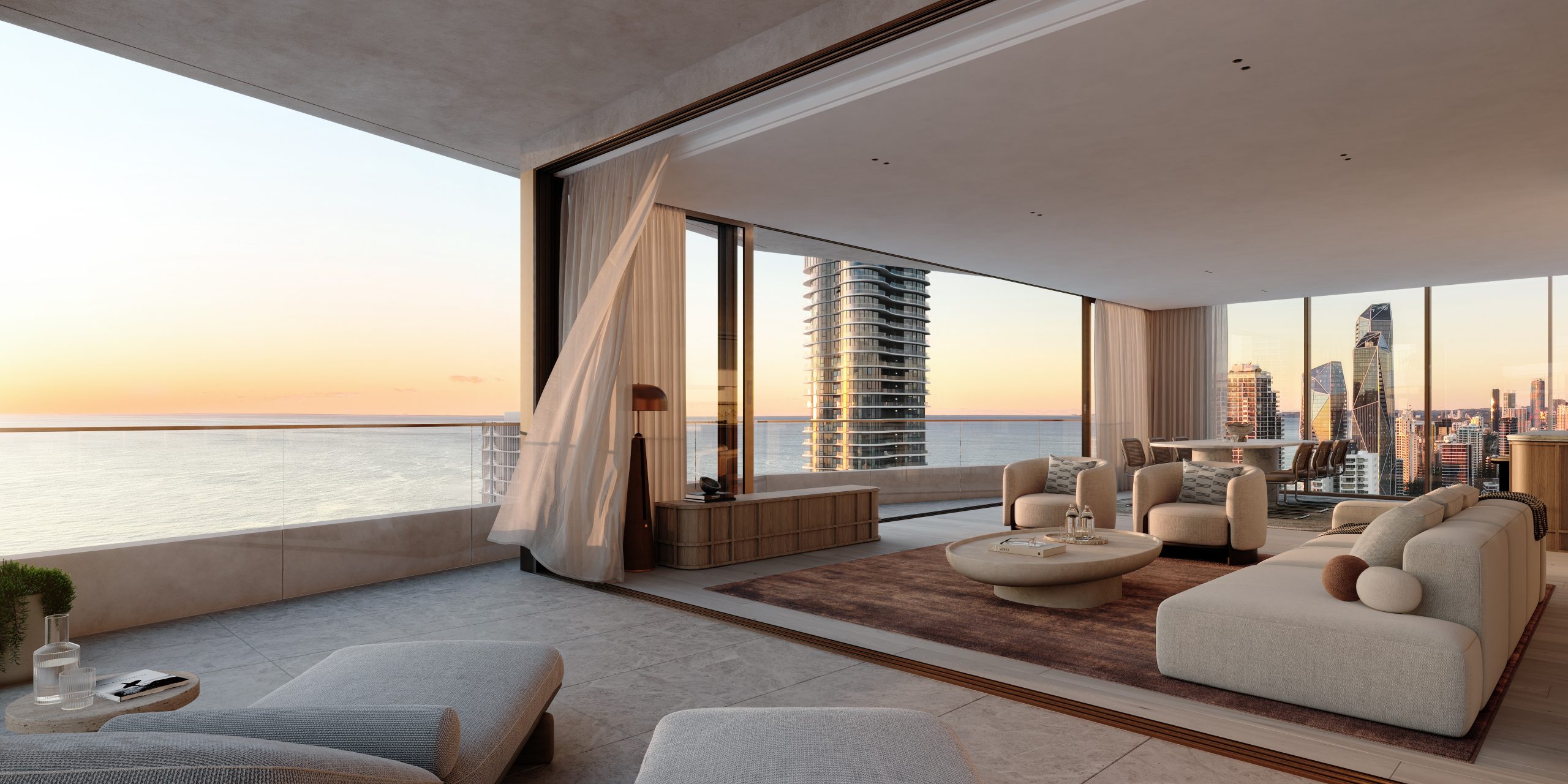
Mirvac’s 45-level Trielle has topped out at Yarra’s Edge, pairing riverfront apartments with wellness facilities, private dining and resident services.
3 min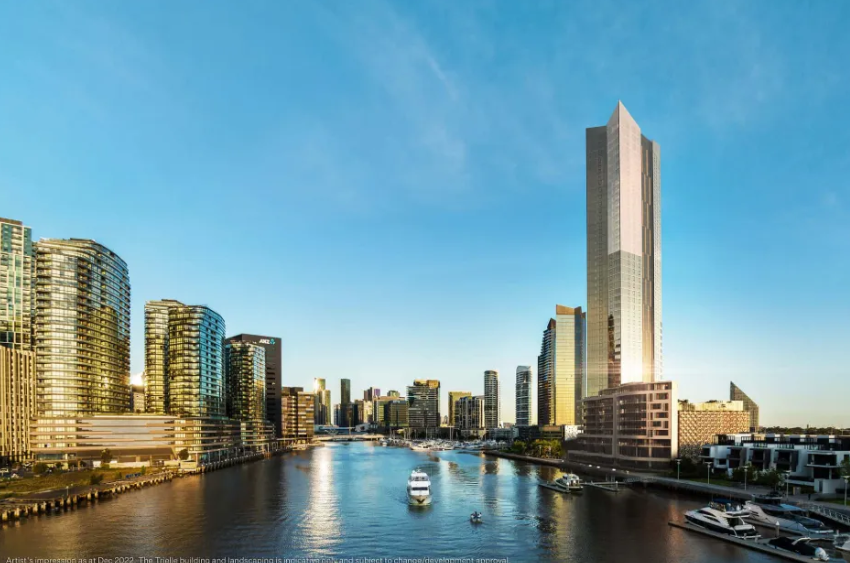
Mirvac has topped out Trielle at Melbourne’s Yarra’s Edge, with more than 70 per cent of the riverfront development sold and approximately 80 per cent of purchasers intending to make their apartment a home.
The figures, released on September 22, point to an owner-occupier audience for one of the precinct’s final residential towers. Mirvac began developing Yarra’s Edge in 2003, and its latest addition occupies one of the remaining absolute riverfront sites.
Mirvac CEO of Development Stuart Penklis said existing residents were among those moving up within the neighbourhood.
“Many purchasers already have a connection to Yarra’s Edge,” Mr Penklis said, describing buyers whose changing needs were encouraging an upgrade within the precinct.
“As one of the final residential towers within Yarra’s Edge, Trielle represents the culmination of more than two decades of creating one of Melbourne’s most established and sought-after waterfront communities,” Penklis said.
“Positioned on the Collins Street axis with absolute river frontage, Trielle offers residents a rare opportunity to enjoy sweeping views across the Yarra River, Melbourne skyline and Port Phillip Bay, while remaining seamlessly connected to the CBD. With Trielle now more than 70 per cent sold, we’re continuing to see strong demand from buyers seeking quality homes in established locations.”
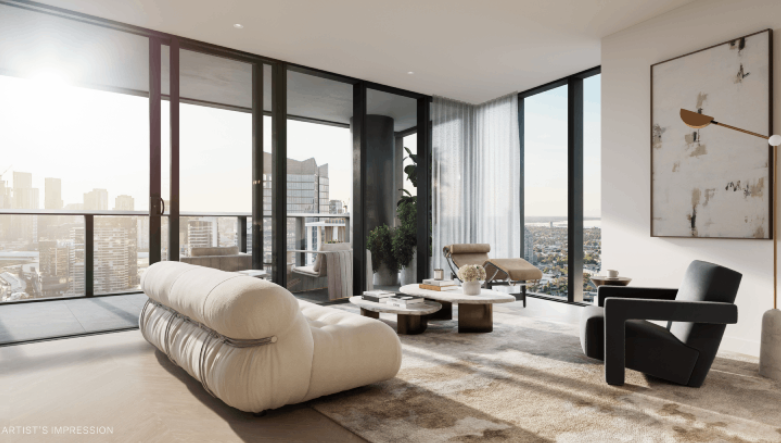
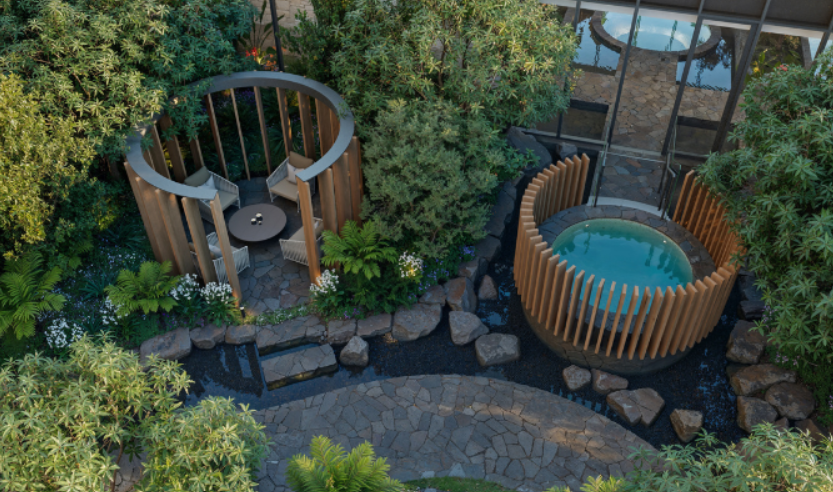
The developer also flagged a penthouse and sub-penthouse collection with larger layouts, premium finishes and broad outlooks. The planned wellness centrepiece, The Oasis, encompasses a 900-square-metre elevated urban rainforest.
Mirvac General Manager Residential Development Victoria Elysa Anderson said Trielle had resonated strongly with buyers seeking a rare lifestyle offering in Melbourne.
“Opportunities to secure a new luxury residence on a riverfront site of this calibre are incredibly rare, particularly within a community like Yarra’s Edge,” Anderson said.
“What makes Trielle unique is the combination of exceptional views, world-class residential facilities and the lifestyle that already exists around it. Residents are buying into a mature waterfront community with parks, promenades, dining, wellness and strong community connections already in place.”
The 45-level tower brings a substantial new presence to that waterfront. Its residential offering spans one-, two-, three- and four-bedroom apartments, with Signature, Prestige and Sub-Penthouse collections accommodating different household sizes. The north-facing position connects the apartments visually to the river and city beyond.
Seven storeys above the promenade, the planned Oasis combines planting and a running stream with a Scandinavian-inspired wellness club developed with spa specialist Naomi Gregory. Facilities include a 25-metre lap pool, hot magnesium pool, sauna, hydrotherapy, a gym, yoga and Pilates room, and treatment spaces.
The amenity extends beyond exercise. Residents will have access to The Biblioteca library and workspaces, ground-floor work pods, and The Salone piano lounge. A private Chef’s Table dining room offers a setting for larger gatherings, while a cinema, games room and sports lounge broaden the entertaining options. Concierge services and a dog-wash area support everyday routines.
Trielle comprises a collection of one, two, three and four-bedroom residences. Reflecting strong demand from owner occupiers, approximately 80 per cent of purchasers to date intend to live in their homes, highlighting the project’s appeal to those seeking a long-term waterfront lifestyle.
Mirvac has recently delivered The Albertine, a premium apartment development on the edge of Melbourne’s CBD, and is nearing completion of Prince & Parade in Brunswick, further strengthening its portfolio of thoughtfully designed apartment communities in some of Melbourne’s most sought-after urban locations.
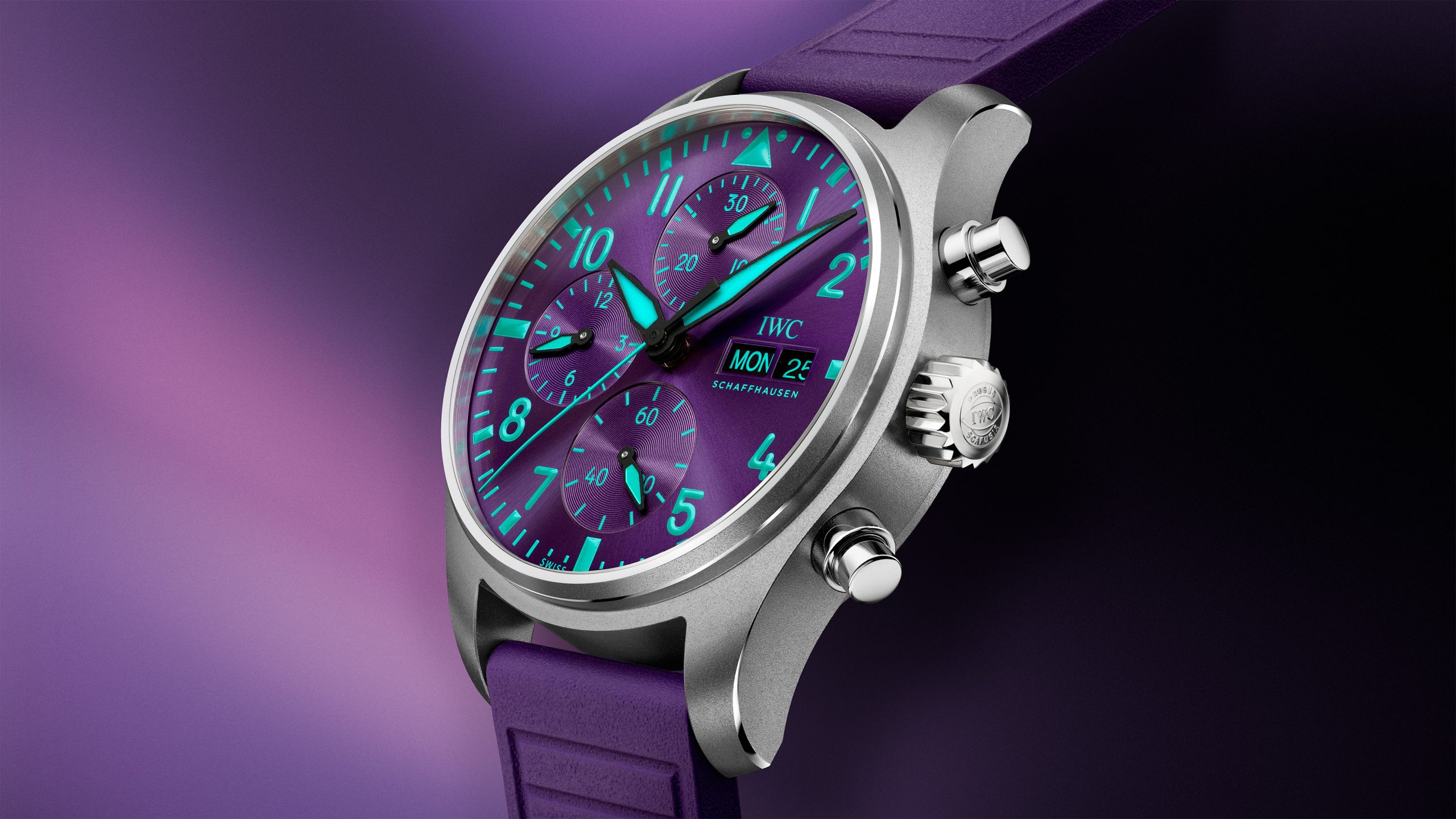
Singapore’s Formula 1 weekend has always looked different. Held beneath floodlights on the Marina Bay Street Circuit, the race transforms the city into a nocturnal spectacle of speed, heat and saturated colour. It is this distinctive atmosphere — and one of Singapore’s most important natural symbols — that has shaped IWC Schaffhausen’s latest motorsport-inspired watch. …
Continue reading “IWC’s purple Formula 1 chronograph pays tribute to Singapore after dark”
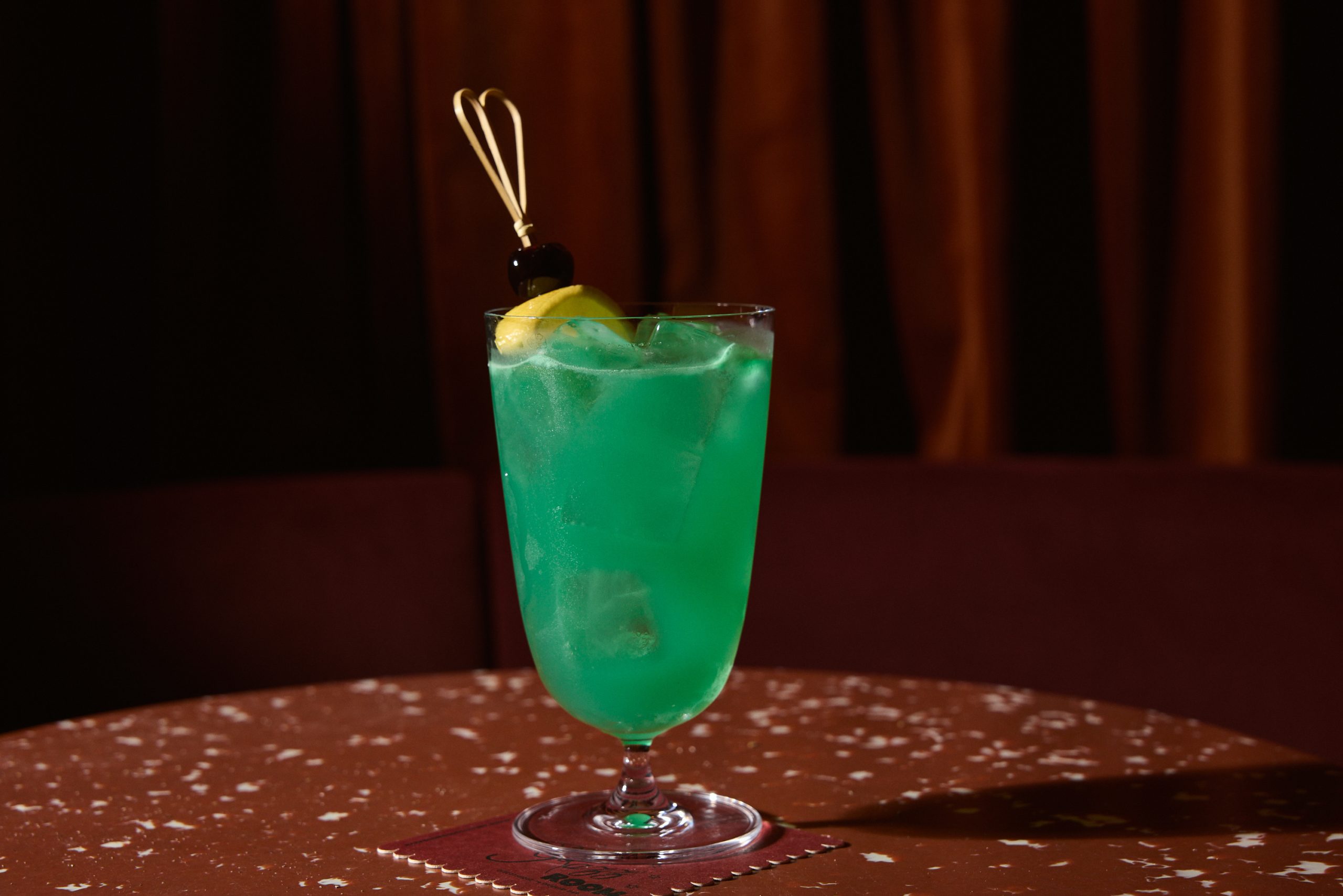
Odd Culture Group brings a new kind of after-dark energy to the CBD, where daiquiris, disco and design collide beneath the city streets.


