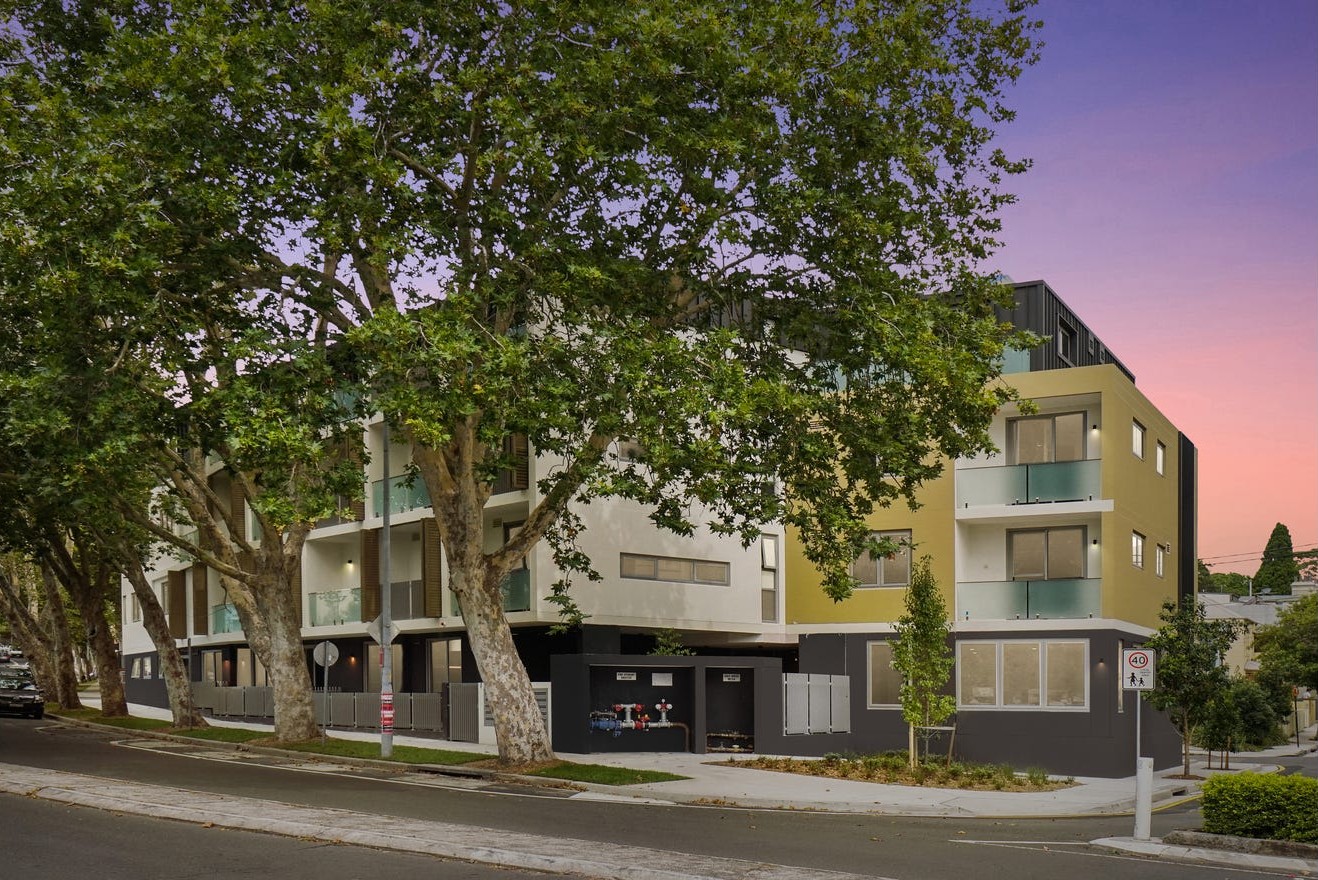
INVESTORS FLIP THE SCRIPT TO HELP FIRST HOME BUYERS
Investors are registering to help first home buyers own sooner while strengthening their own portfolios.
 3 min
3 min
For years, first-time home buyers have blamed investors for locking them out of the market, snapping up properties, and driving prices sky-high.
But a groundbreaking Rent-to-Sell scheme is flipping the script—turning investors into key allies, helping renters break free from the cycle and step onto the property ladder.
New data from PublicSquare reveals that 500 investors per month indicate their willingness to volunteer their properties, offering a much-needed lifeline to aspiring homeowners struggling to save for a deposit in NSW and QLD.
This groundbreaking model is helping first-time home buyers break free from the rental cycle by turning typical investment properties into a structured pathway to ownership.
Investors, who often face criticism for driving housing demand, are now making homeownership possible—while securing a 50% boost in rental returns and a guaranteed future sale price.
“There’s always been this battle between first home buyers and investors, but this model is proving they can work together,” said Dean Arnold, CEO of PublicSquare.
“We’re seeing investors who were once viewed as the enemy now giving renters the best shot they’ve ever had at owning their own home.
“It’s a win-win—investors get higher returns and a secure exit strategy, while first home buyers get a genuine pathway to ownership without needing a massive deposit upfront.”
With demand skyrocketing, there is now a three-month waitlist for investors eager to participate in the program, which is exclusive to NSW and Queensland. Meanwhile, thousands of pre-approved homebuyers are waiting for their chance to move in and begin their journey toward homeownership.
Making Homeownership Achievable
PublicSquare’s Rent-to-Buy model is proving to be a game-changer in a housing market where many Australians feel locked out.
First home buyers can move into a property with just 1.1% of the valuation upfront—a fraction of a traditional deposit. Instead of struggling to save while renting, tenants pay an additional 50% in rent each week, which goes directly toward their deposit.
Over time, this structured approach helps renters build savings while locking in a pre-set purchase price range, shielding them from future property price hikes.
The program ensures that only financially capable applicants are approved.
In New South Wales, only 41% of applicants meet the eligibility criteria, meaning they can afford both market rent and the additional deposit-building rent premium.
In Queensland, just 28% of applicants qualify, highlighting the program’s commitment to responsible homeownership.
The Investor Shift
With 30% of Australians now owning an investment property and the ATO reporting that 60% of these properties don’t generate enough rent to cover mortgage repayments and upkeep costs, the Rent-to-Buy model is changing the way property investment works. Investors who take part in the program benefit from:
- 50% higher rental income, providing immediate financial relief while helping first home buyers.
- Guaranteed future sale price range, giving certainty for both investors and buyers.
- Long-term, committed tenants, as renters are future homeowners who treat the property as their own.
- Portfolio growth opportunities, using increased rental income to secure more investments.
Arnold says the overwhelming demand shows the model is working.
“We’ve got over 45,000 eager homebuyers ready to take their first step toward ownership. Investors are recognising they don’t have to be seen as the bad guys—they can be the ones giving renters a real shot at owning their home, while securing their own financial future,” he said.
A New Era
Instead of waiting years to save a deposit while paying ever-rising rent, first home buyers now have an opportunity to move in and gradually secure their home while avoiding skyrocketing property prices. Meanwhile, investors have a sustainable way to expand their portfolios and ensure steady, reliable rental income.
“This is about flipping the narrative,” Arnold said. “For once, investors and first home buyers aren’t on opposite sides—they’re working together. Rent-to-Buy is proving that investors don’t have to be the villains of the housing market; they can be the reason renters finally become homeowners.”

Australian shares fell on Thursday as Wall Street weakness, rising oil and persistent rate concerns weighed on most of the market. The S&P/ASX 200 declined 0.72 per cent to 8,702. The All Ordinaries lost 0.66 per cent to finish at 8,897. Mining stocks were hit particularly hard, while real estate also dragged on the index. …
Continue reading “ASX falls 0.7 per cent as miners and property stocks retreat”

Borrowers cannot control the Reserve Bank, but they can control how exposed their household budget is to its next decision. The RBA meets on 29 September with inflation concerns still elevated and major-bank economists increasingly bringing forward their rate-rise calls. Fixed mortgage rates have also been moving, reducing the value of waiting for perfect certainty. …
Continue reading “What mortgage holders should do before the next RBA decision”

A five-bedroom Palo Alto home designed by Steven Ehrlich is listed for $44 million, making it the city’s most expensive listing. Built around a dramatic concrete spine, the home features four courtyards and a pool.
3 min
For years, tech entrepreneur Asher Waldfogel and his wife, Helyn MacLean, dreamed of building a modern house in Palo Alto, Calif.
The couple, however, worried about clashing with the Mediterranean-style architecture typically associated with their neighborhood of Old Palo Alto.
So they tapped architect Steven Ehrlich to create a design that paid homage to its surroundings with stucco, mahogany and titanium zinc cladding. They spent $20 million over several years building the house, completed in 2005.
Now looking to be closer to their adult daughter on the East Coast, they are putting the five-bedroom home on the market for $44 million—the most expensive listing in Palo Alto.
Waldfogel is an angel investor who co-founded Redback Networks, a telecommunications-equipment company. MacLean previously had a career in fundraising.
The couple purchased the roughly 0.4-acre site for $7.1 million in 2000 and demolished a circa-1930s Spanish Colonial home. The house they built pinwheels around a central staircase. It has 7,900 square feet of livable space, with four distinct courtyards and a pool.
A key feature of the home is a cast-in-place concrete wall, or spine, that is two stories high and about 80 feet long. “There’s a little bit of controlled chaos in what comes out of the form,” unlike a perfectly uniform surface, Waldfogel said. “If you want that, you do it in plastic.”
Waldfogel said he and his wife are thinking about the next phase of life now that their daughter is grown, although they have not decided where they will move. They also have a home in Sun Valley, Idaho.
“Right now we’re just trying to emotionally let go and decide what to do next,” he said.
Palo Alto, an epicenter of venture capital and tech startups in Silicon Valley, is home to some of the country’s biggest tech titans. Sales volume and prices are rising, with a median sale price of $3.5 million for the three months ending in August, up 5.8% year-over-year, according to real-estate brokerage Redfin.
Arthur Sharif of Sotheby’s International Realty—San Francisco Brokerage has the listing.

The Swiss watchmaker’s first collaboration with Atlassian Williams F1 Team produces two sporting Laureato models inspired by the team’s 2026 racing car.

Singapore’s Formula 1 weekend has always looked different. Held beneath floodlights on the Marina Bay Street Circuit, the race transforms the city into a nocturnal spectacle of speed, heat and saturated colour. It is this distinctive atmosphere — and one of Singapore’s most important natural symbols — that has shaped IWC Schaffhausen’s latest motorsport-inspired watch. …
Continue reading “IWC’s purple Formula 1 chronograph pays tribute to Singapore after dark”