A Serious Tree-Changer’s Prize In A Millionaire’s Playground
A heritage homestead with manicured gardens, private lake and income-earning guest cottage, Pepper Tree Creek near Robertson offers a rare blend of rural grandeur and lifestyle appeal in the Southern Highlands.
 2 min
2 min
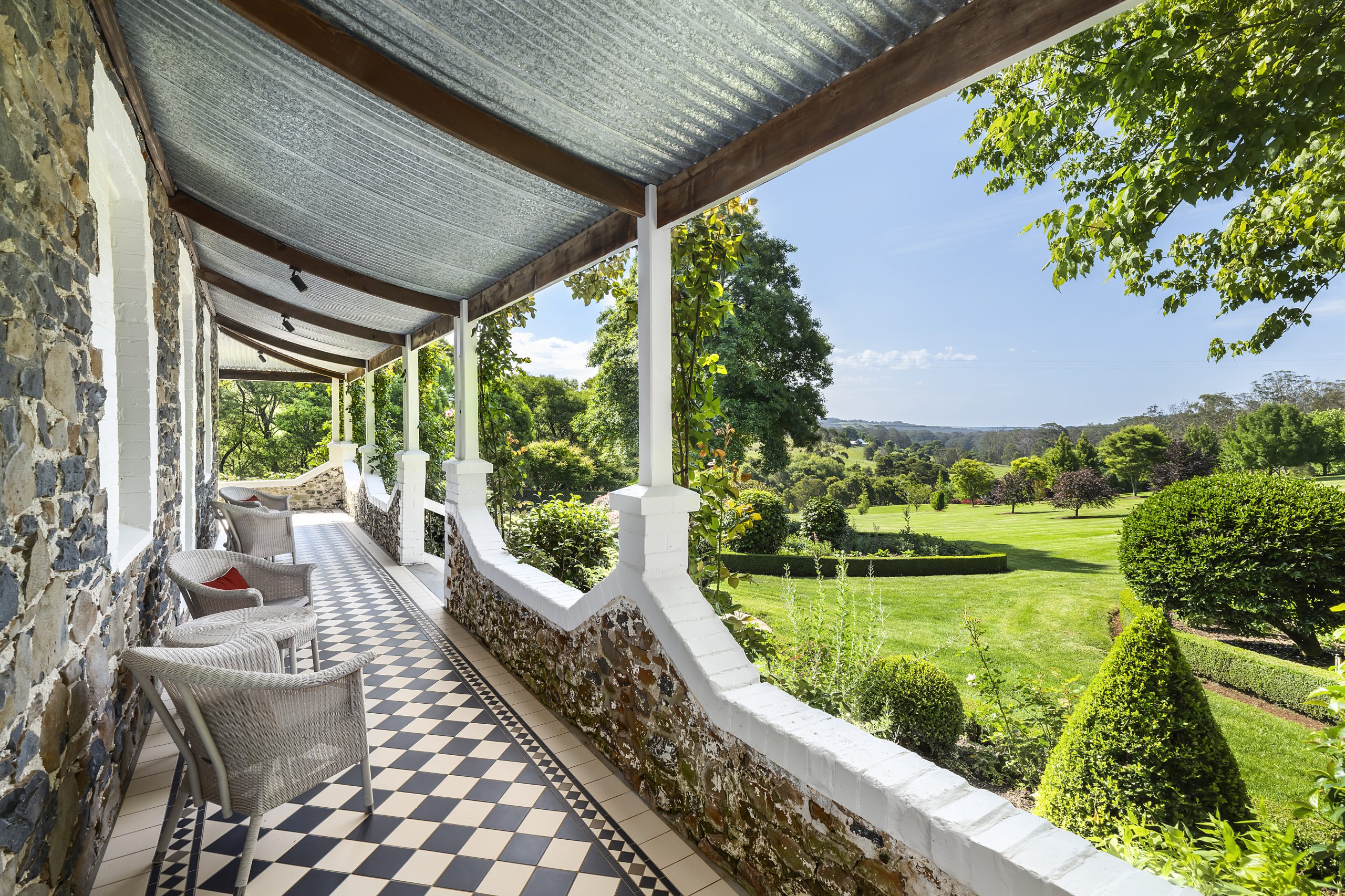
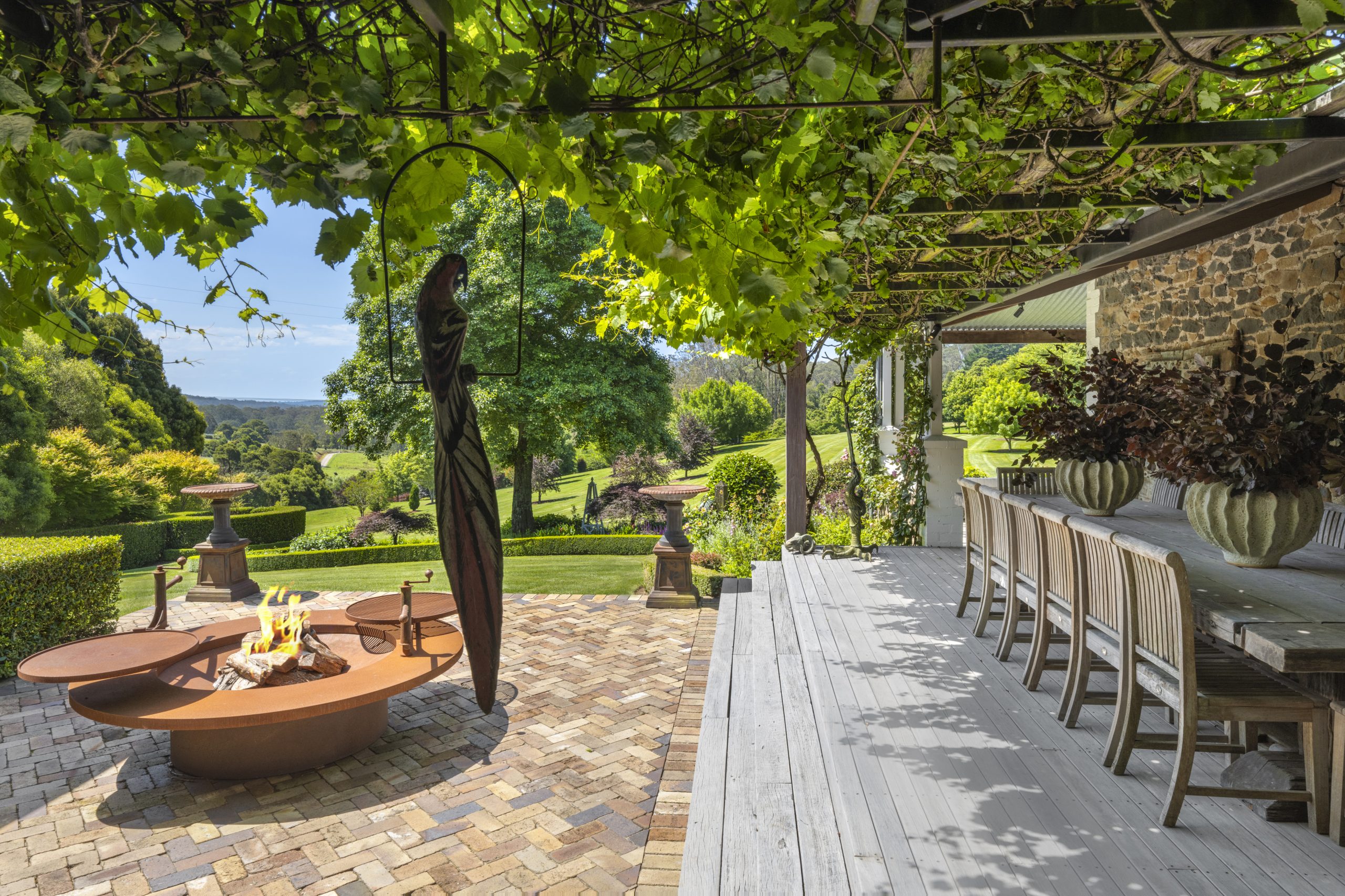
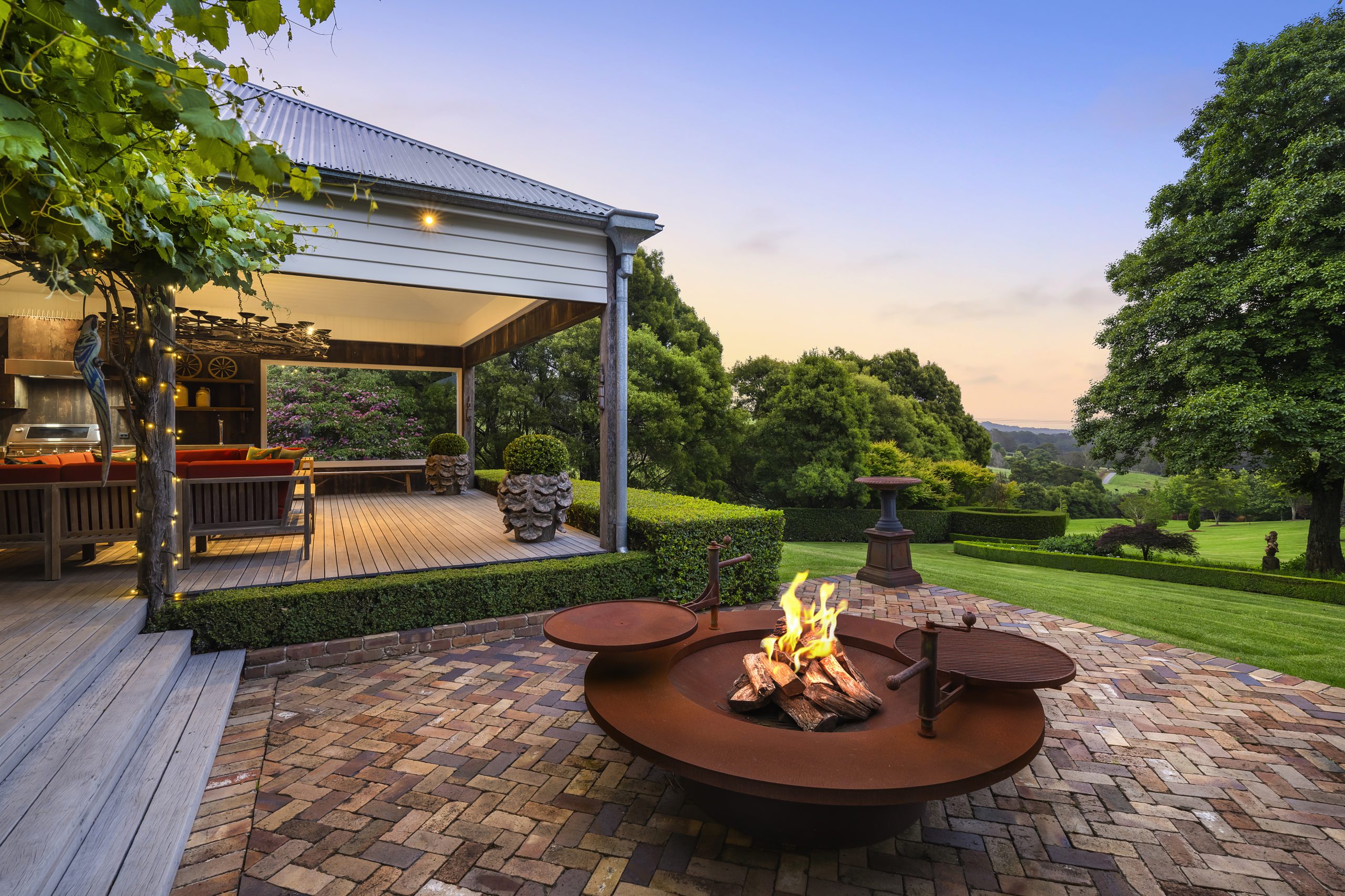
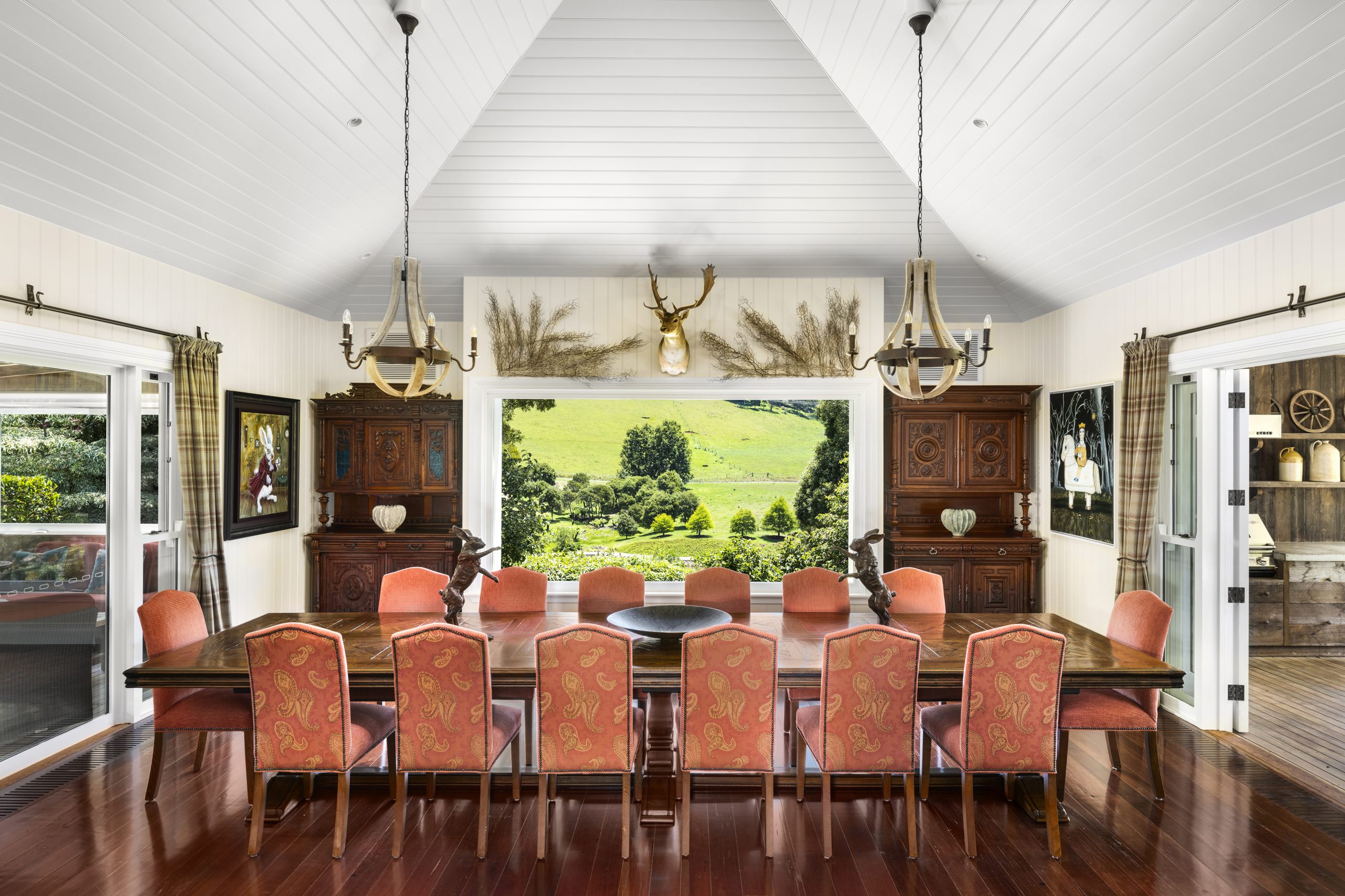
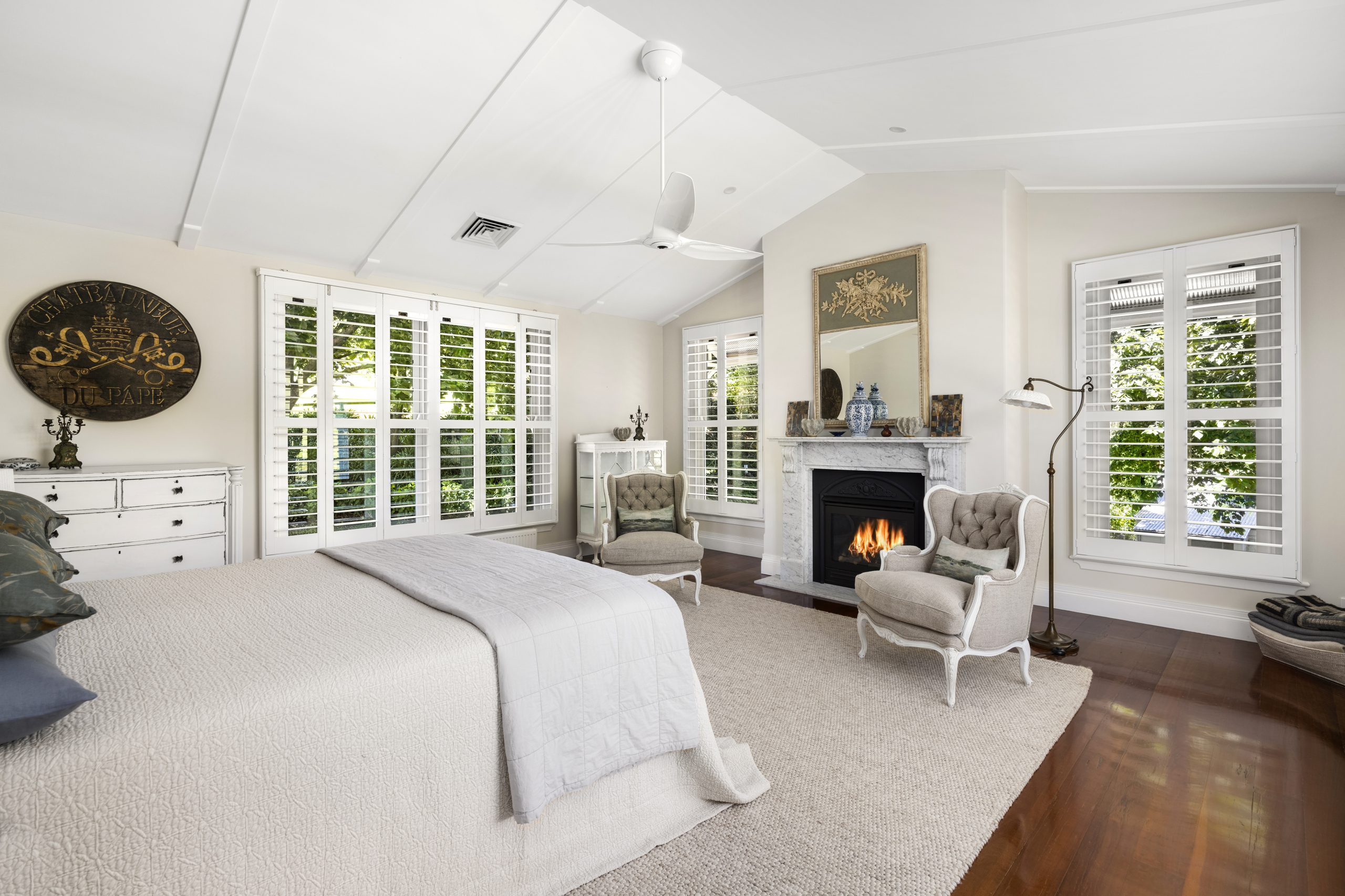
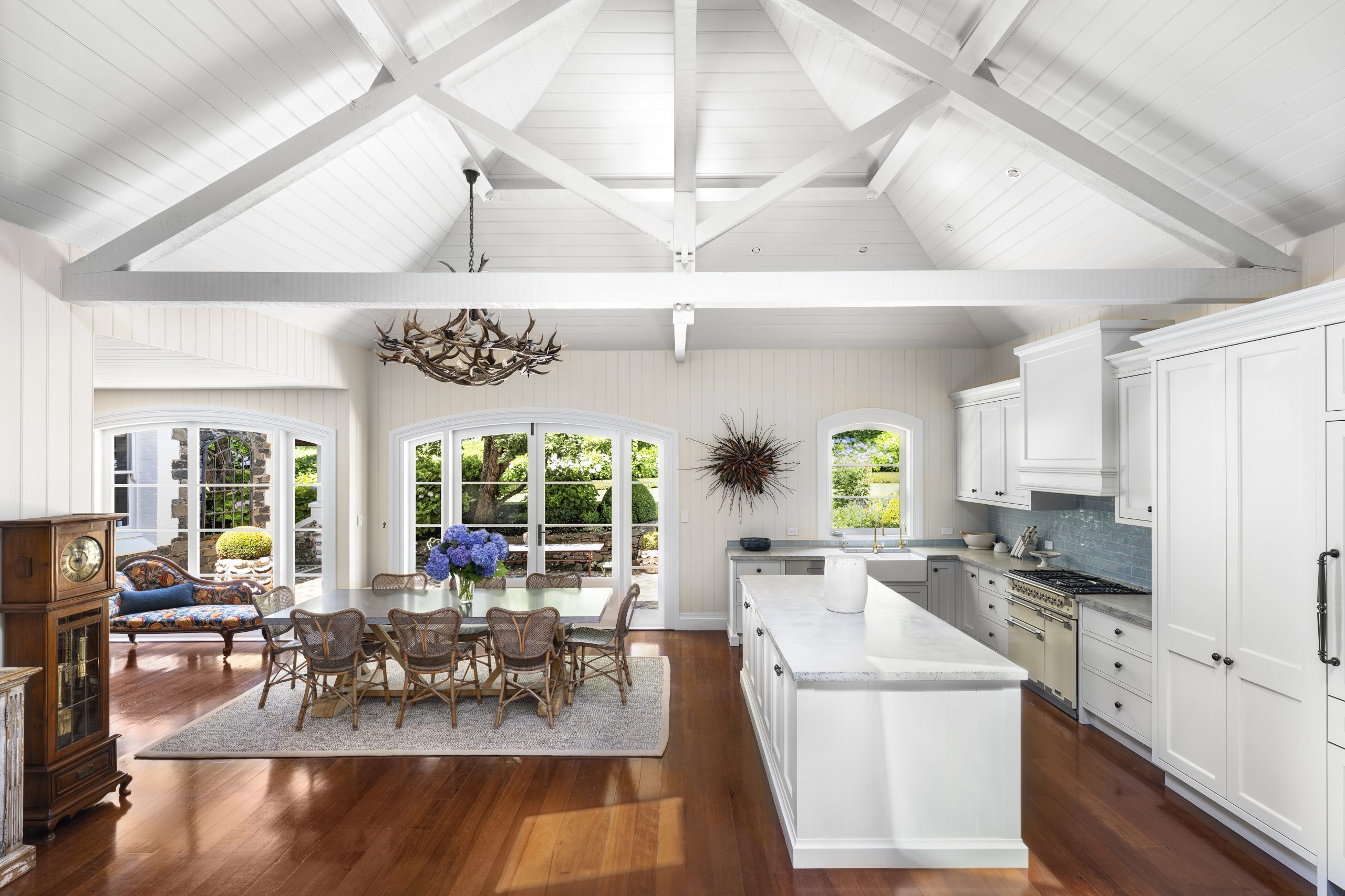
An ideal property for serious tree changers seeking a lucrative landing, Pepper Tree Creek estate just outside of Robertson in NSW ticks just about every box for house hunters in the millionaire’s playground of the Southern Highlands.
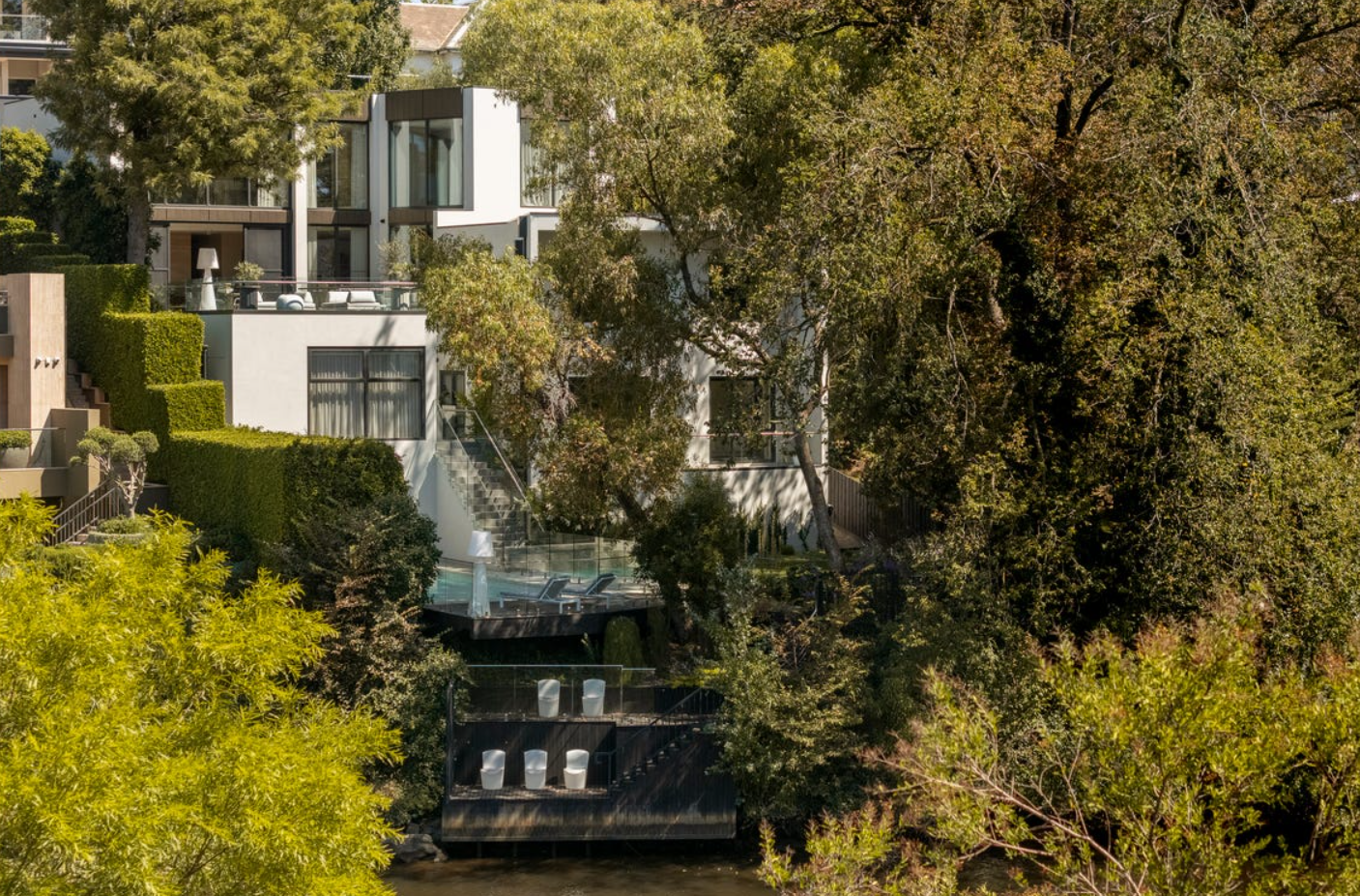
On more than 30ha of rolling green pastures, with a private lake and plenty of period charm, the expansive property features a converted dairy reinvented as a holiday cottage, fertile paddocks, and close to 2ha of fairytale manicured gardens.
On the market with a price guide of $14.5m to $15.5m, Pepper Tree Creek is listed with Michael Coombs and Sarah Burke of Atlas Southern Highlands. According to title records, the property last changed hands in 2019, before its latest upgrade, including a pool, when it sold for $6.7m.
Dating back to 1862, the original primary residence is a heritage stone cottage that has been sympathetically expanded and restored using stone quarried on site.
The vast floor plan has multiple entertaining zones, including formal areas such as a dining room with skylit cathedral ceilings and a piano room. These stately rooms flow through to the Wolgan Valley room – a closed in veranda with a pizza oven and French doors opening to spacious deck.
There are also everyday casual living areas from the contemporary country kitchen. The culinary space is home to a central island bench, a farmhouse sink, a grand gas cooker, a combined scullery and laundry.
An additional mud room connects the main floor plan to the four-car garage via a large breezeway, offering plenty of hidden storage for gum boots and dog toys.
Up on the first floor, the main retreat houses a separate bedroom with a fireplace, a luxury bath ensuite, a walk-in wardrobe, a sitting area with a study and another fireplace.
Back on the main level, there are three more bedrooms, a whole family bathroom, and a reading room with yet another fireplace.
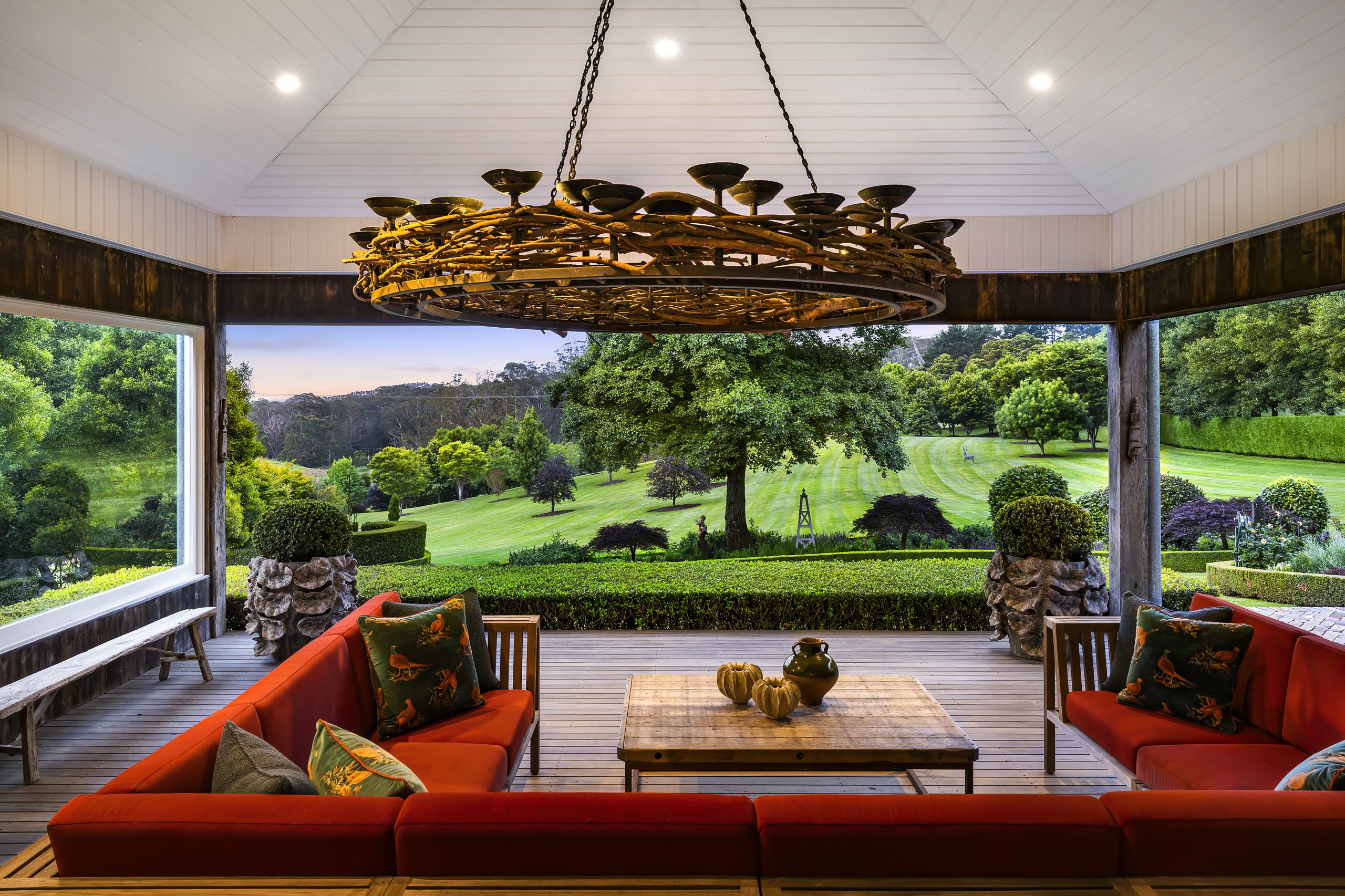
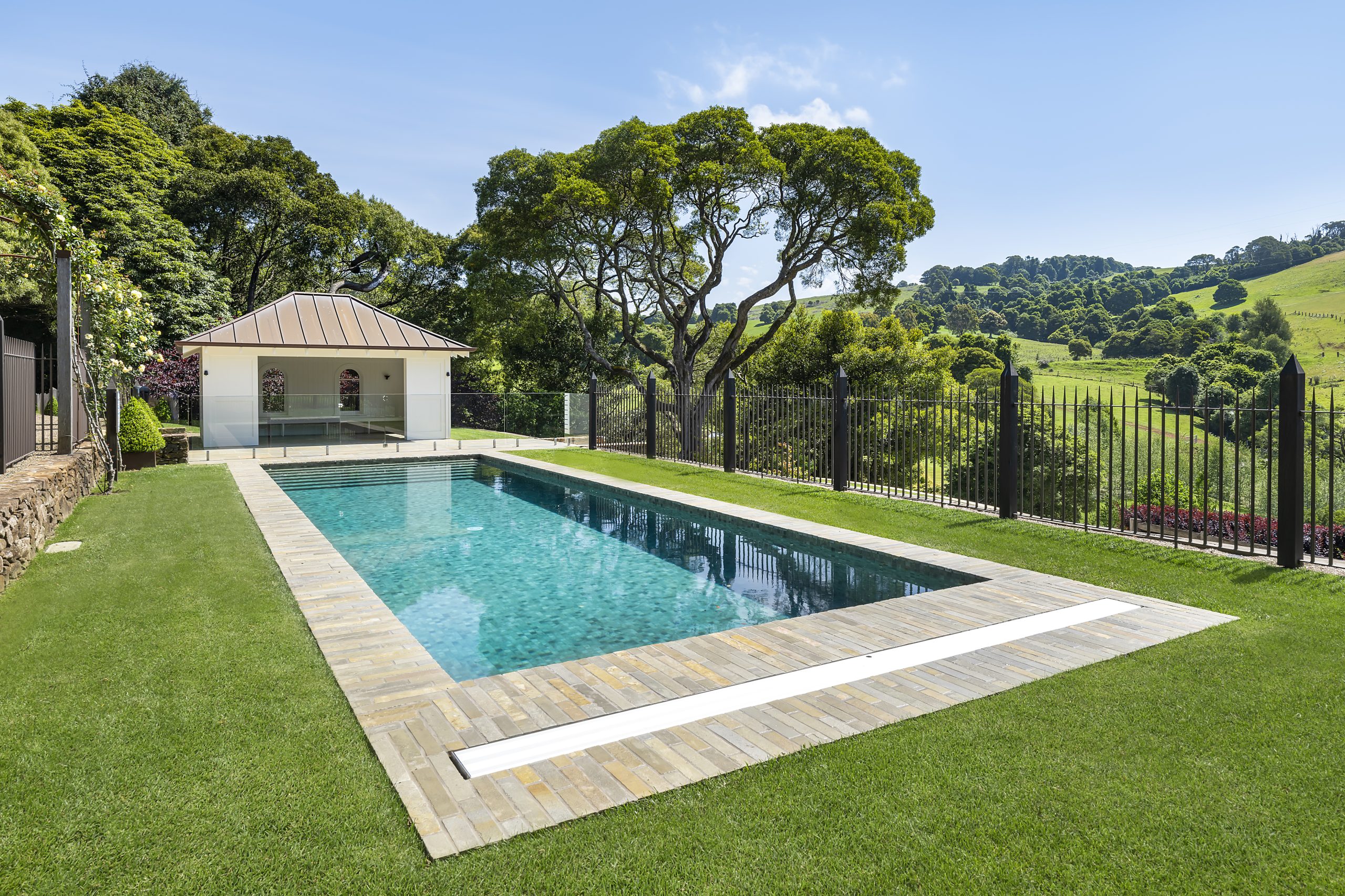
For entertaining in the great outdoors, surrounded by a picturesque backdrop, there is a spacious covered terrace with a barbecue area, a fire pit, a vine-covered veranda, a mosaic pool, plus a poolside cabana.
Guest accommodation at the Old Dairy consists of a self-contained one-bedroom cottage with a full kitchen, bathroom and full-width veranda.
While the historic homestead and cottage paint a pretty picture, the impressive landscaping sets the estate apart from its neighbours.
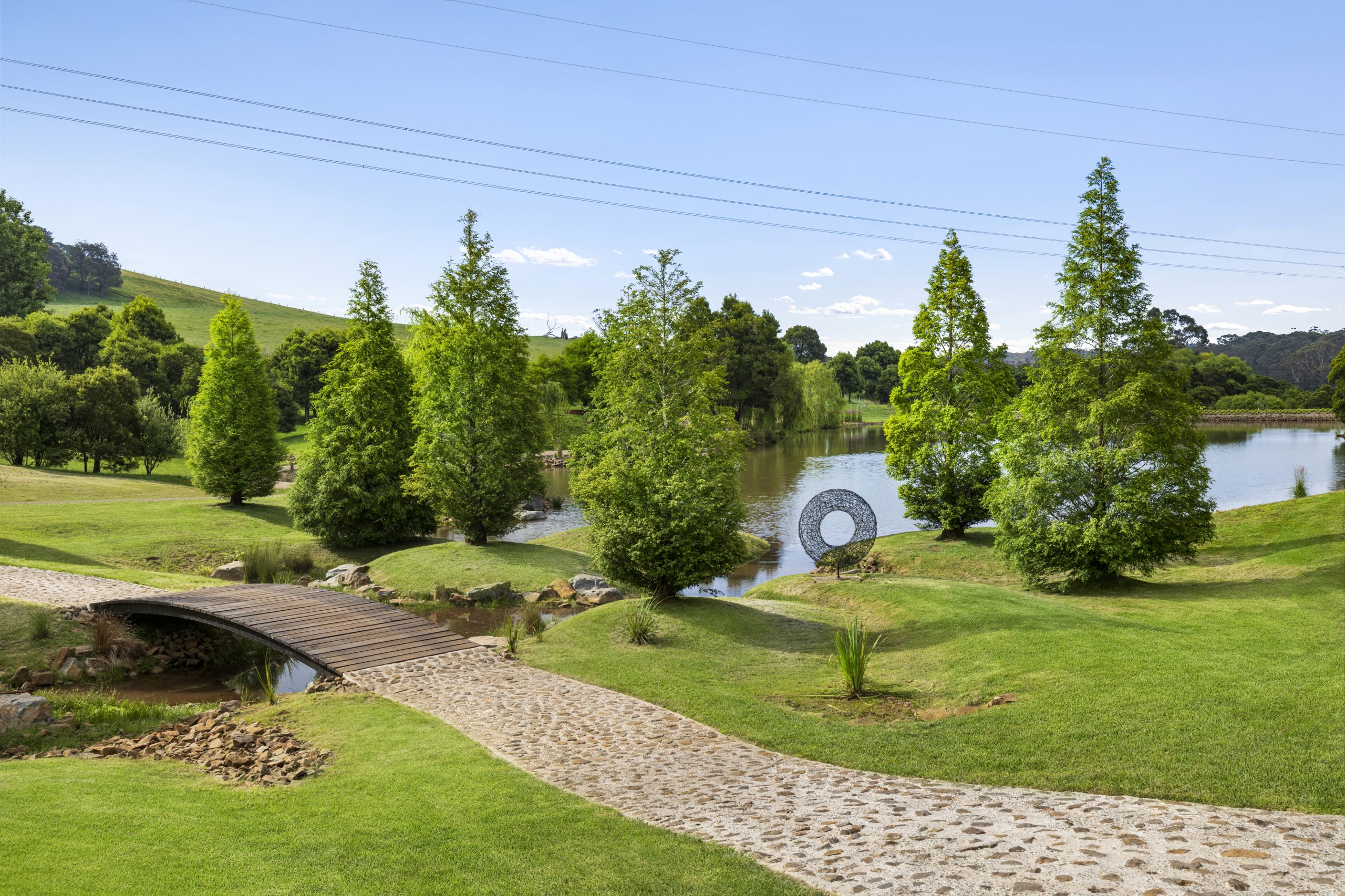
Beyond the meticulously sculptured gardens, complete with topiary hedges, terraced sandstone vegetable gardens and a traditional greenhouse, there are 4ha of landscaped parklands. The grounds feature a remnant rainforest, local artists’ sculptures, a 1.2ha spring-fed lake with its own island and wooden bridge, as well as an elaborate chicken hutch affectionately known as Cluckingham Palace.
Although Pepper Tree Creek is connected to town water, the estate’s gardens are irrigated via timer systems tapping into the local spring water. All the paddocks have gravity-fed and spring-fed troughs for sustainable and efficient water management.
Other sustainability elements include substantial solar power infrastructure, offering the possibility for off-grid living.
Pepper Tree Creek is listed via private treaty with a price guide of $14.5 million to $15.5 million through Atlas Southern Highlands agents Michael Coombs and Sarah Burke.
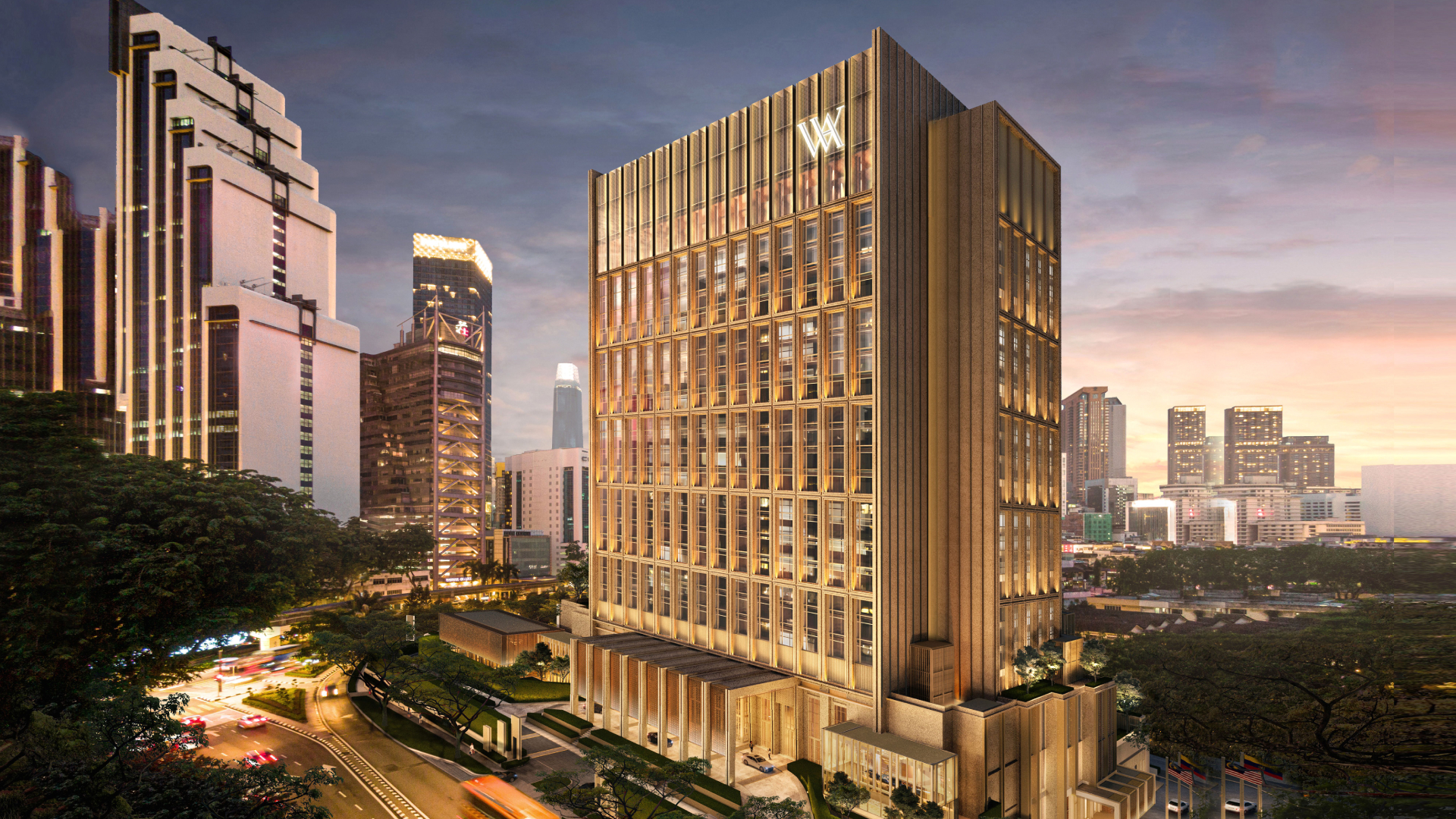
Waldorf Astoria Kuala Lumpur is scheduled to open on 30 October, introducing the Hilton luxury brand to Malaysia with an all-suite hotel in the city’s Golden Triangle.
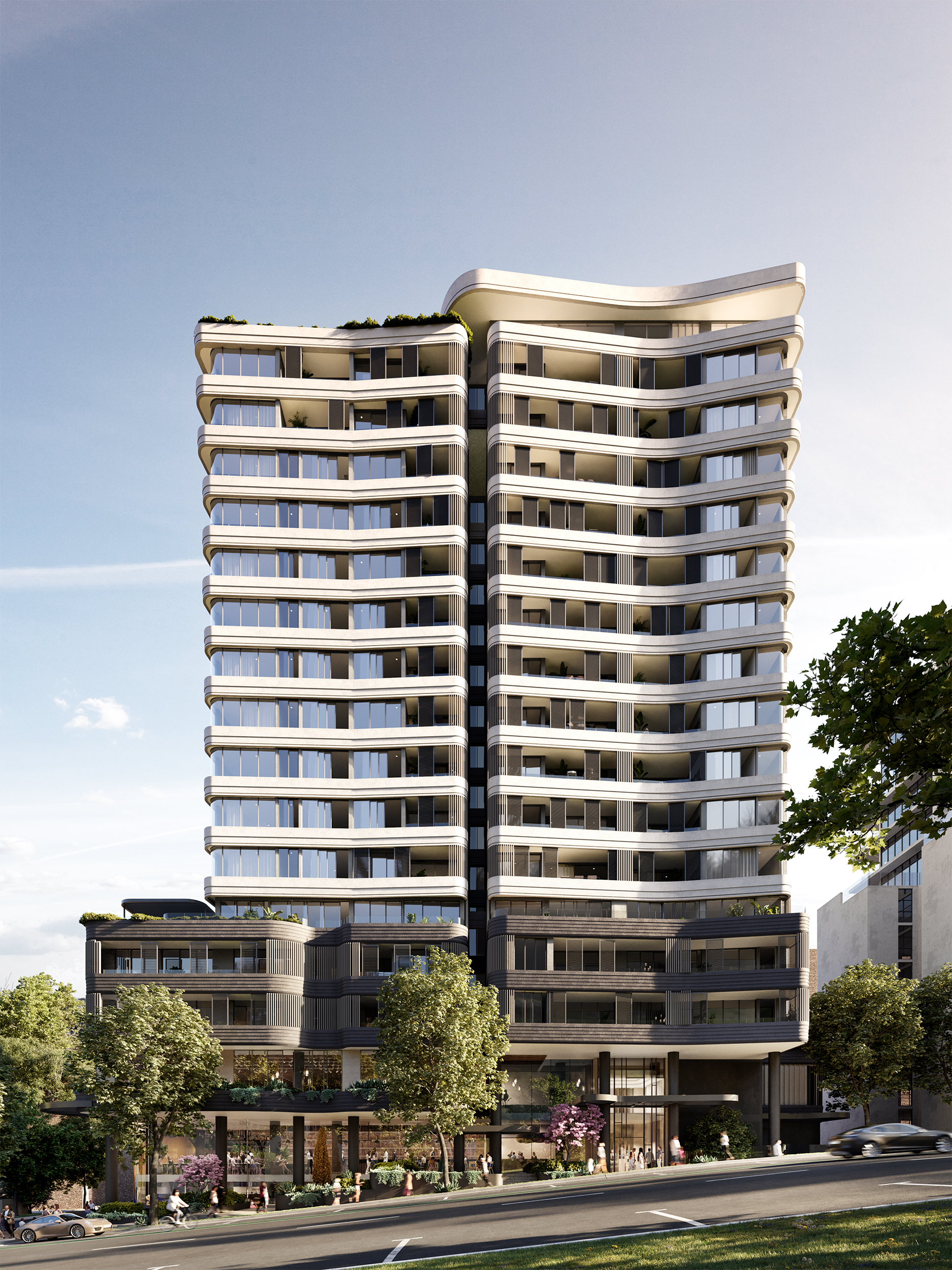
Located steps from Crows Nest Metro, the near-complete development brings luxury living to Sydney’s Lower North Shore.
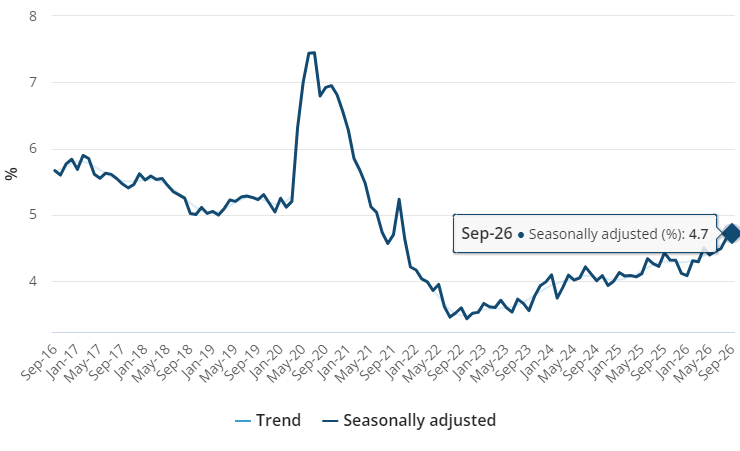
Employment fell by 39,300 and unemployment held at a revised 4.7 per cent, giving the RBA more room to pause in November.
2 min
Australia’s labour market weakened in September, reducing—but not eliminating—the case for another Reserve Bank rate rise in November.
The seasonally adjusted unemployment rate was 4.7 per cent, according to the Australian Bureau of Statistics. August was revised to the same level, while September employment fell by 39,300 people. The number of unemployed Australians increased by 8,900 to 732,000.
The weakness extended beyond the headline rate. The employment-to-population ratio fell 0.3 percentage points to 63.6 per cent, participation declined 0.2 points to 66.8 per cent and underemployment edged up to 6.3 per cent. Part-time employment fell by 73,700, partly offset by a 34,400 increase in full-time work.
For the RBA, this is a clearer sign that restrictive monetary policy is cooling demand. Higher unemployment and falling employment reduce wage pressure over time and increase the risk that another rate rise would push the economy harder than necessary.
That makes a November increase less certain. It does not make a hold inevitable. The RBA must balance labour-market softness against inflation, and the September-quarter consumer price index due later in October will carry more direct weight in the decision.
For mortgage holders and property investors, the practical conclusion is not to trade one data release. Borrowers should continue testing repayments at higher rates, preserve liquidity and avoid basing a purchase on an assumed near-term reversal. Refinancing decisions should be assessed against total cost, not simply the advertised rate.
Property markets may initially welcome a reduced probability of another increase because borrowing capacity and sentiment are highly rate-sensitive. But a weakening labour market is not unambiguously positive for housing: job security supports mortgage serviceability, rental demand and buyer confidence.
The September numbers have given the RBA a credible reason to wait. Inflation will determine whether it can use it.
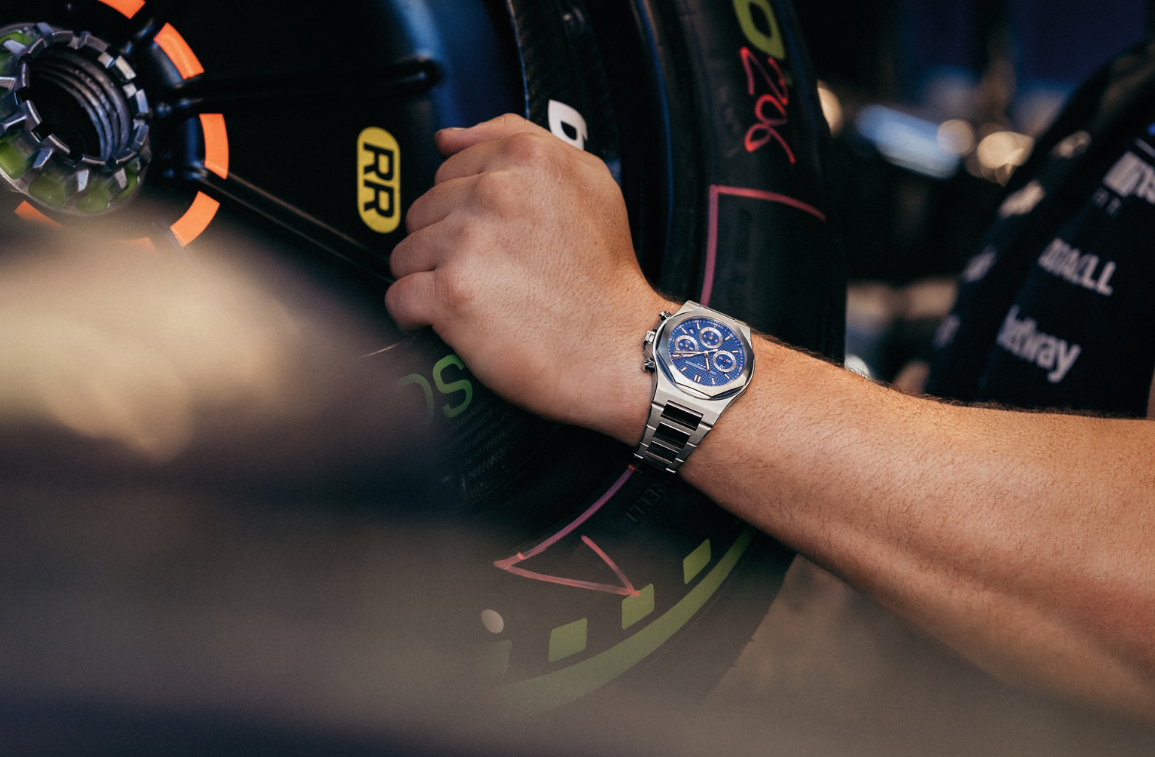
The Swiss watchmaker’s first collaboration with Atlassian Williams F1 Team produces two sporting Laureato models inspired by the team’s 2026 racing car.

Porsche has revealed a one-off 911 GT2 RS that brings the extraordinary silhouette of its 935/78 “Moby Dick” racing car onto the road. Created by Porsche Sonderwunsch with Manthey, the commission began with a near-new GT2 RS. The owner requested greater performance, a Slantnose profile and a rear wing influenced by the limited 911 GT3 …
Continue reading “Porsche Builds a Road-Going “Moby Dick” From a 911 GT2 RS”