Investor demand drives $155m in Sydney apartment block and townhouse sales
Strong rental fundamentals and tight supply have driven more than $155 million in Sydney apartment block and residential investment sales over the past year.
 2 min
2 min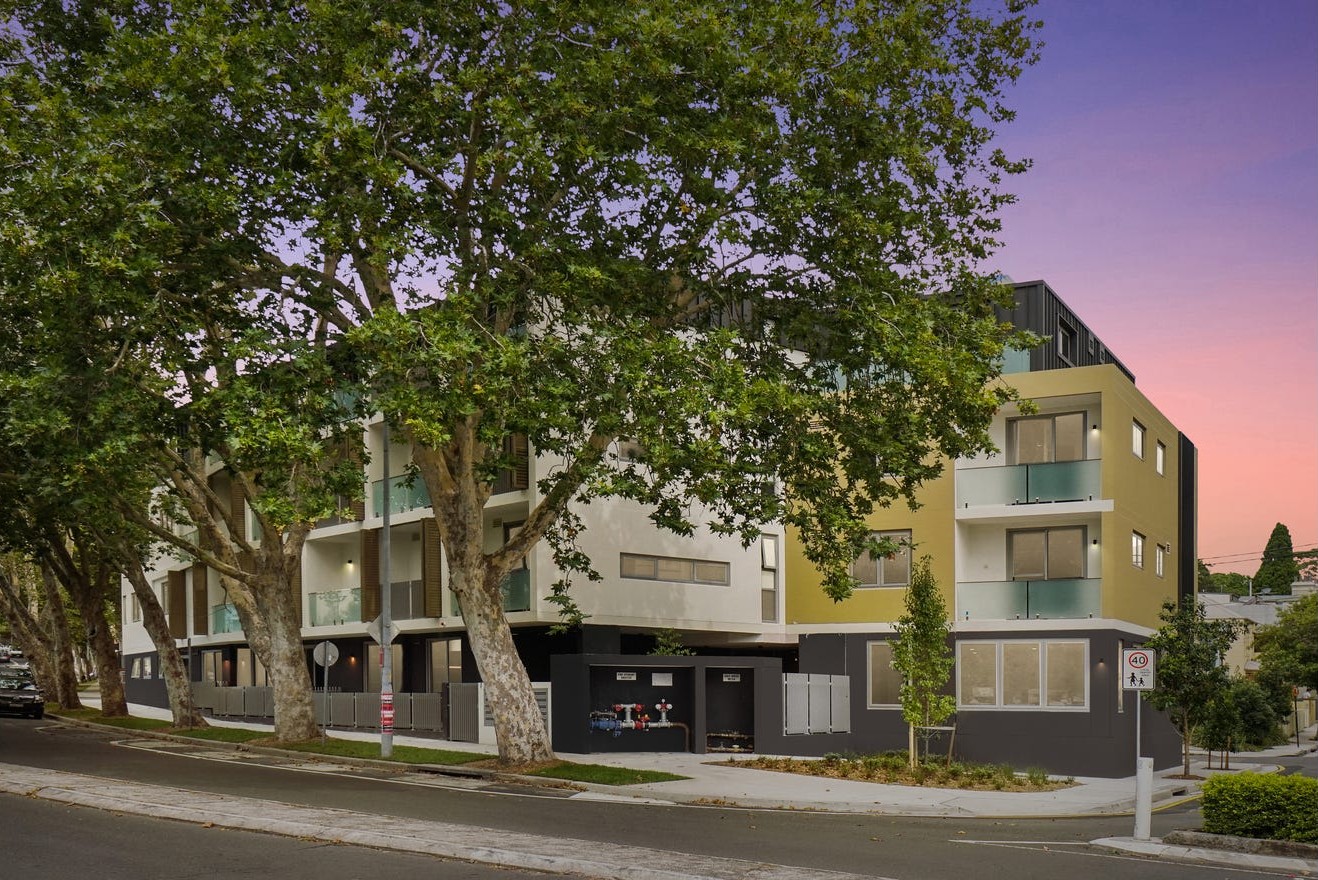
Sydney’s residential investment market has recorded $155 million in apartment block and townhouse sales over 2025, underscoring continued investor confidence in rental-led assets despite broader economic uncertainty.
The transactions were completed by Knight Frank’s Investment Sales agents James Masselos and Adam Droubi, who negotiated 19 sales across Sydney during the year.
Residential investments accounted for 75 per cent of their total sales activity, supported by more than 4,200 active purchaser enquiries.
Co-living deal sets national benchmark
Among the standout transactions was the off-market sale of 142 Carillon Avenue in Newtown, a 37-studio co-living apartment block located close to the University of Sydney and Royal Prince Alfred Hospital.
The property sold for $21.5 million, setting a new benchmark for the living sectors market nationally.
The deal achieved approximately $581,000 per bedroom, believed to be one of the highest per-bedroom results recorded for a co-living asset in Australia.
Inner-city assets trade in one line
Other notable sales included a group of 12 townhouses at 108 Illawarra Road in Marrickville, sold in one line for $14 million, and a block of 20 studio apartments at 171 Rowntree Street in Birchgrove, which changed hands for $6.7 million.
Both transactions reflected strong buyer competition for well-located residential assets with established income streams.
Supply constraints underpin momentum
Mr Masselos said Sydney’s apartment block market continued to benefit from tight supply and strong rental conditions.
“Apartment blocks and broader residential investments remain a robust asset class, underpinned by strong rental growth, record low vacancy levels and scarcity of stock,” he said.
He added that more than $25 million worth of residential investment opportunities are expected to come to market in 2026, with buyer enquiry remaining elevated.
Mr Droubi said competitive sales campaigns had become a feature of the market as investors sought secure income and long-term value.
“Supply constraints and ongoing population growth underpin market strength,” he said. “New approvals and completions lag demand, keeping stock tight and boosting both rents and prices.”
Vacancy rates keep pressure on rents
According to Knight Frank, rental demand across Sydney remains intense, with vacancy rates well below typical “healthy” levels.
Many middle and outer-ring suburbs are recording vacancies of around 1.5 per cent or lower, maintaining upward pressure on rents and reinforcing the appeal of residential investment assets.
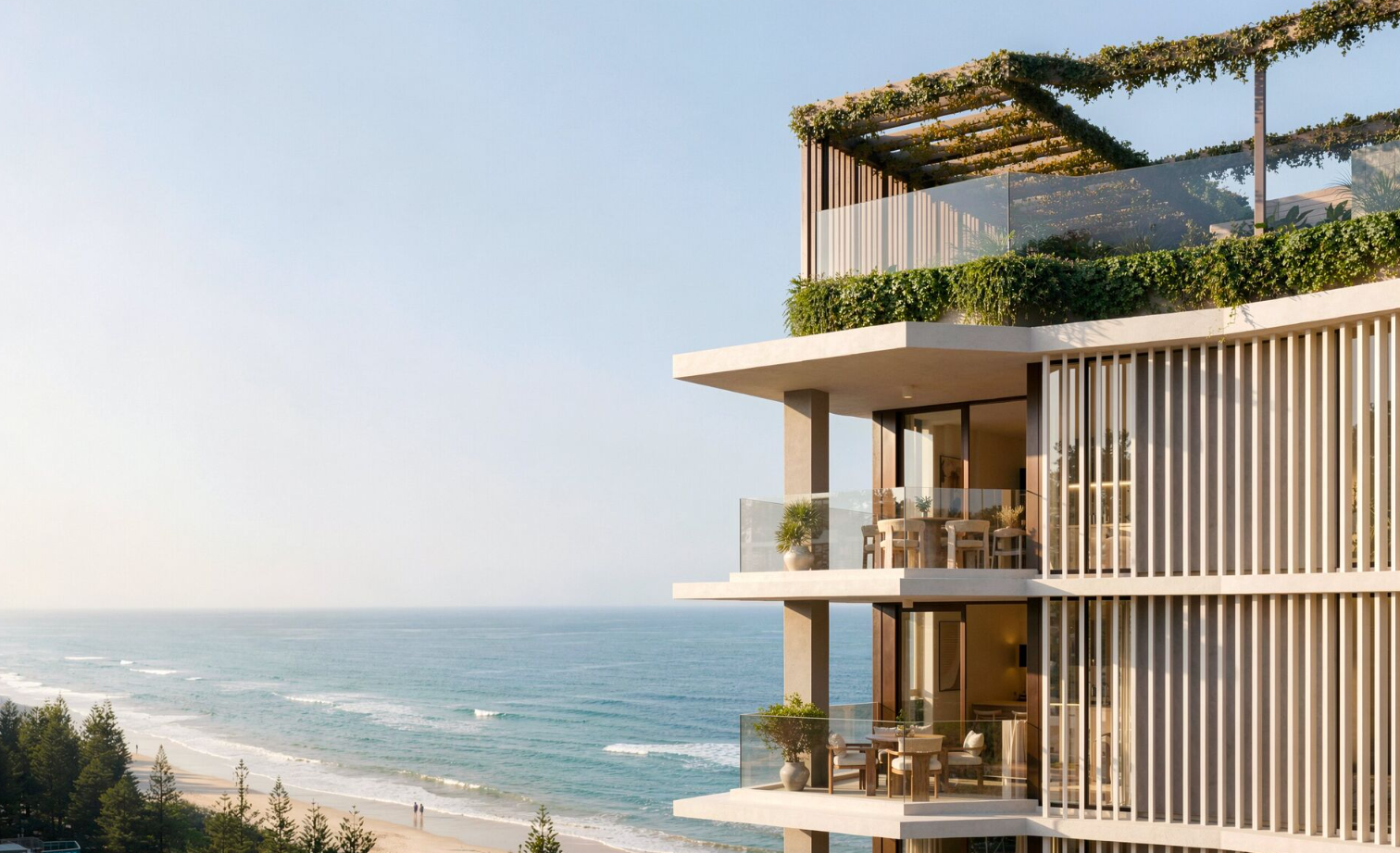
Studio apartments have almost disappeared from new Australian developments. Lura is bringing them back to Burleigh Heads from $495,000.

Porsche’s Cayenne Turbo Electric produces up to 1,156PS and reaches 100km/h in a claimed 2.5 seconds.
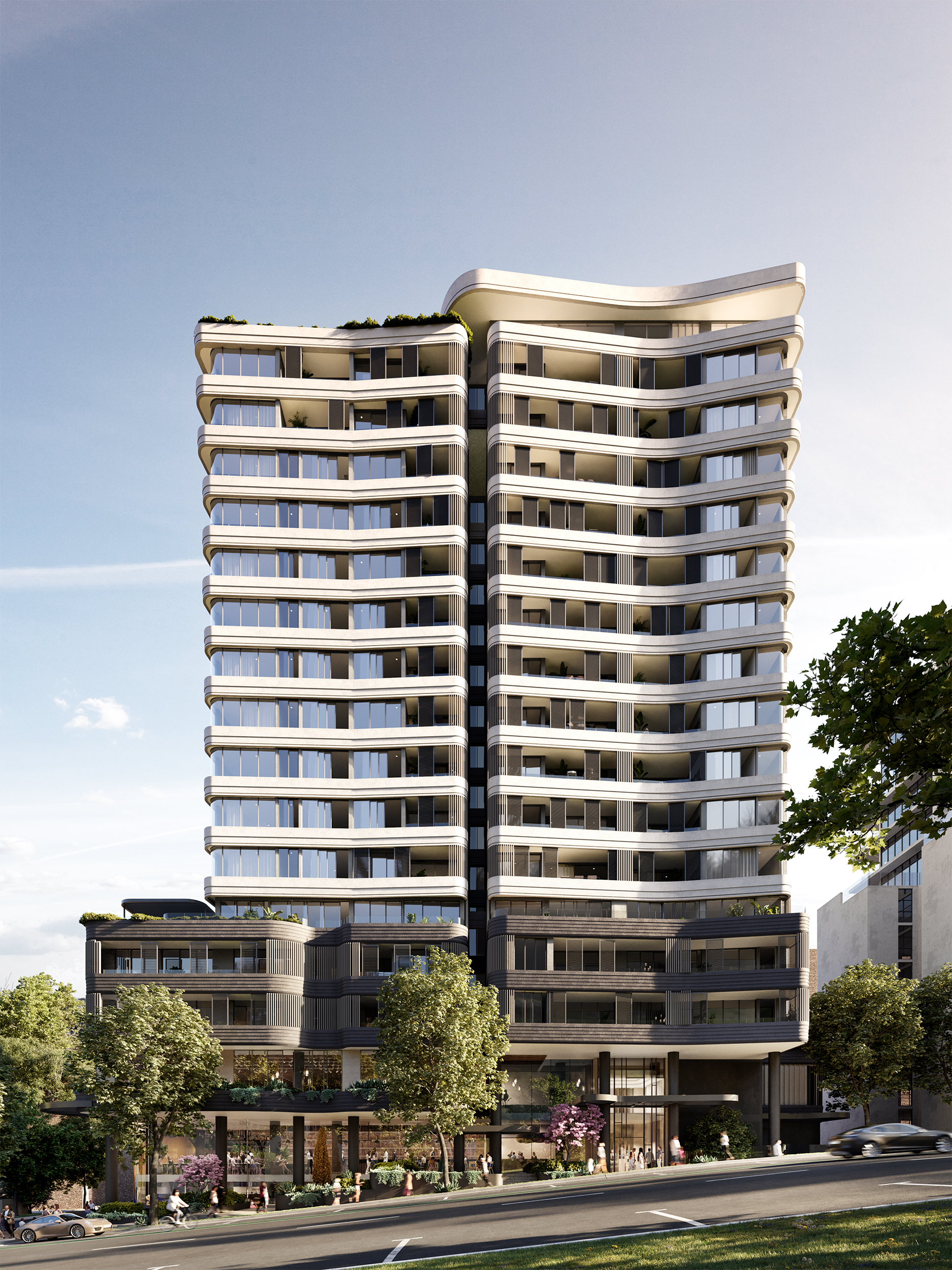

Located steps from Crows Nest Metro, the near-complete development brings luxury living to Sydney’s Lower North Shore.
3 min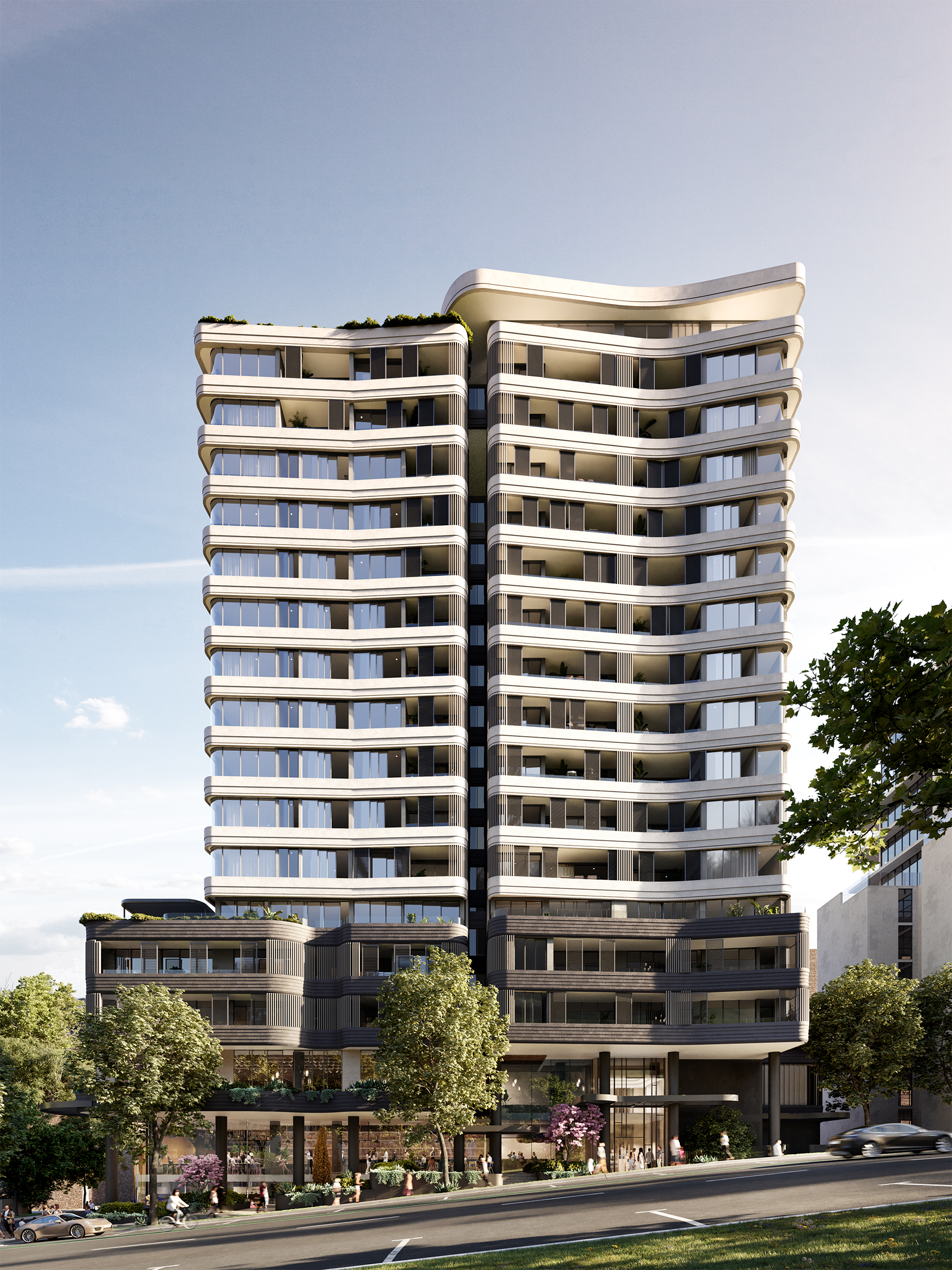
For new home purchasers seeking village life, exceptional transport and everyday amenity on Sydney’s Lower North Shore, The Collective Atchison makes a compelling case for putting location first.
Developed by TWT Property Group, The Collective Atchison is the first stage of The Collective, an ambitious new precinct bringing residences, workplaces, retail and creative spaces together at the meeting point of Crows Nest and St Leonards.
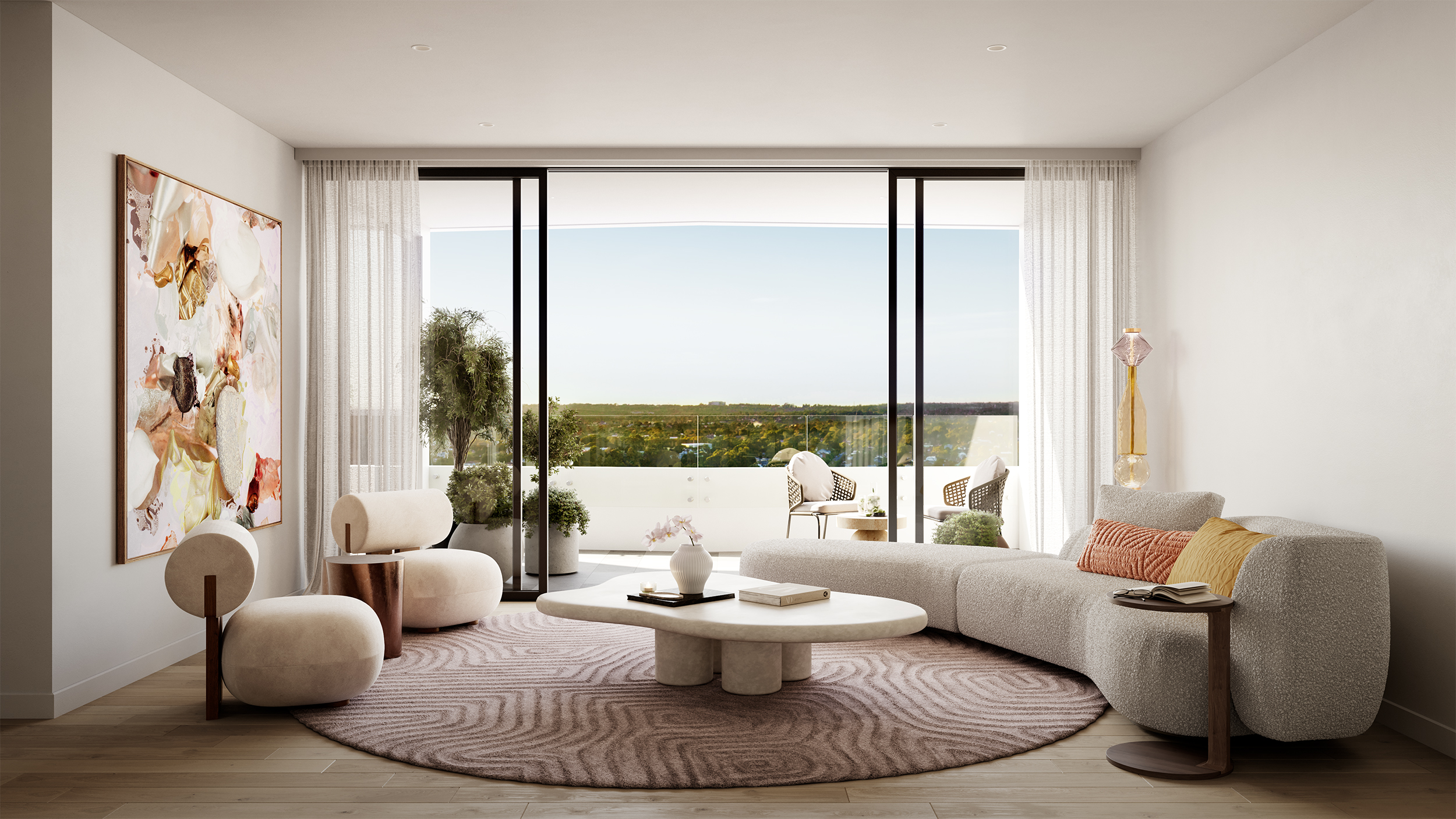
The 16-level building, currently near completion and expected to welcome its residents by the end of the year, comprises 93 one, two, three and four-bedroom residences. The one and two-bedroom apartments have proven particularly popular with a mix of first home buyers, DINKS (double-income-earners with no kids), and downsizers with budgets under $2.5 million.
While the architecture is now visible from its Atchison Street address, a public artwork installed by Mel O’Callaghan and the interiors by the team at DBI showcasing high-end finishes like natural stone benchtops and Miele or Gaggenau appliances, it is the location that proves The Atchison’s greatest luxury.
Crows Nest’s celebrated village is on the doorstep, placing cafés, restaurants, wine bars, fresh food, everyday shopping and an extensive choice of fitness and wellbeing facilities within an easy walk. It is a neighbourhood that works just as well for a spontaneous midweek dinner as it does for a quiet morning coffee or a weekend spent close to home.
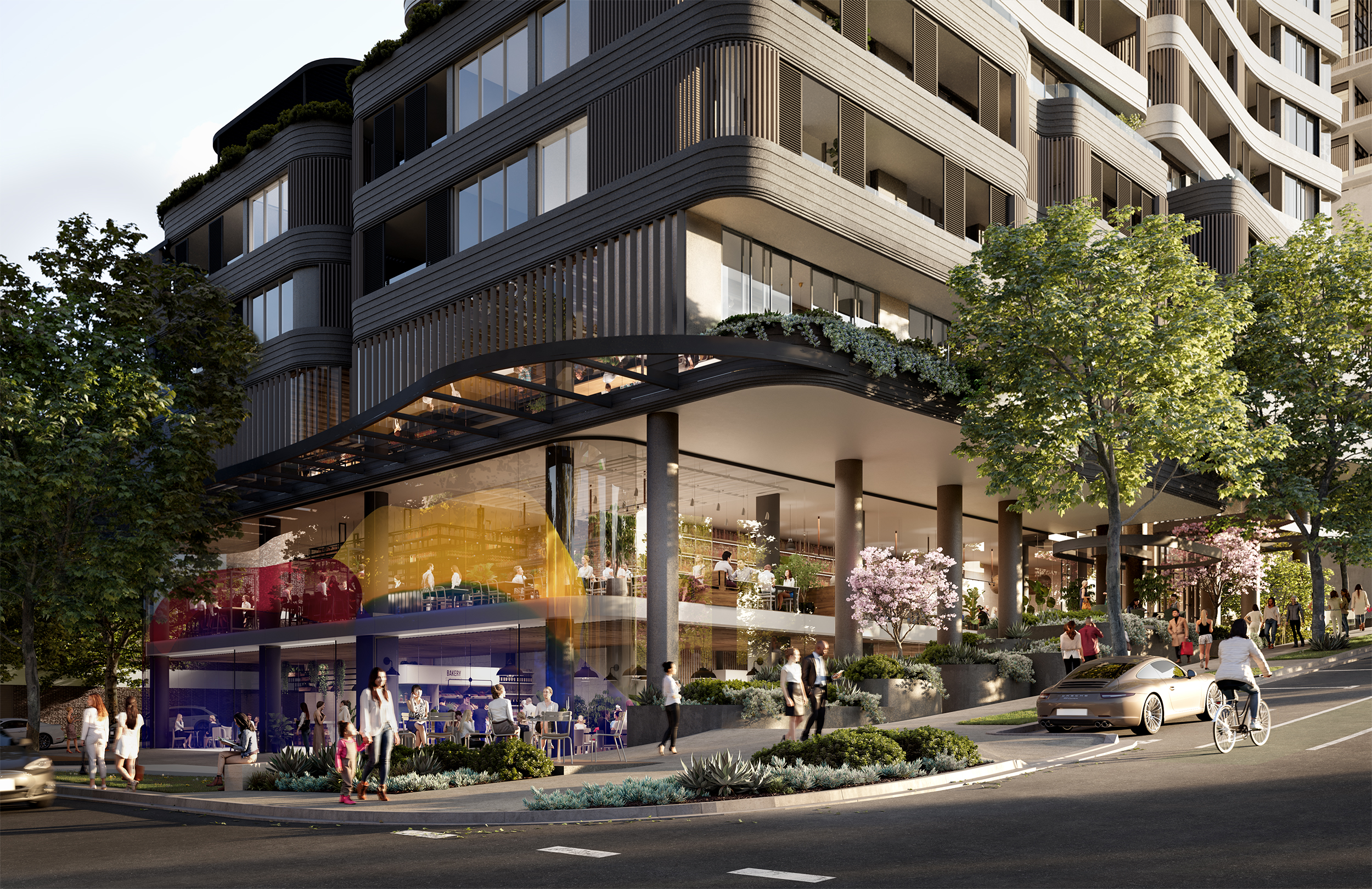
That walkable lifestyle is more than a sales promise. Crows Nest has a Walk Score of 92 out of 100, earning it “Walker’s Paradise” status and ranking it among Sydney’s most walkable neighbourhoods.
Connectivity is equally impressive. The Collective Atchison is approximately 300 metres from Crows Nest Metro Station and around a four-minute walk from St Leonards railway station. Metro services place Barangaroo about five minutes away and Martin Place just seven minutes away, transforming the daily journey to the CBD. Heavy rail, buses and nearby arterial roads add further flexibility for travel across Sydney.
The broader precinct also offers access to one of Sydney’s most important health, research and education clusters. Royal North Shore Hospital anchors the Sydney North HealthCARE Innovation Precinct, alongside North Shore Private Hospital, The Kolling Institute and links to the University of Sydney. Local educational options include TAFE NSW St Leonards and a concentration of respected public and independent schools across the Lower North Shore.
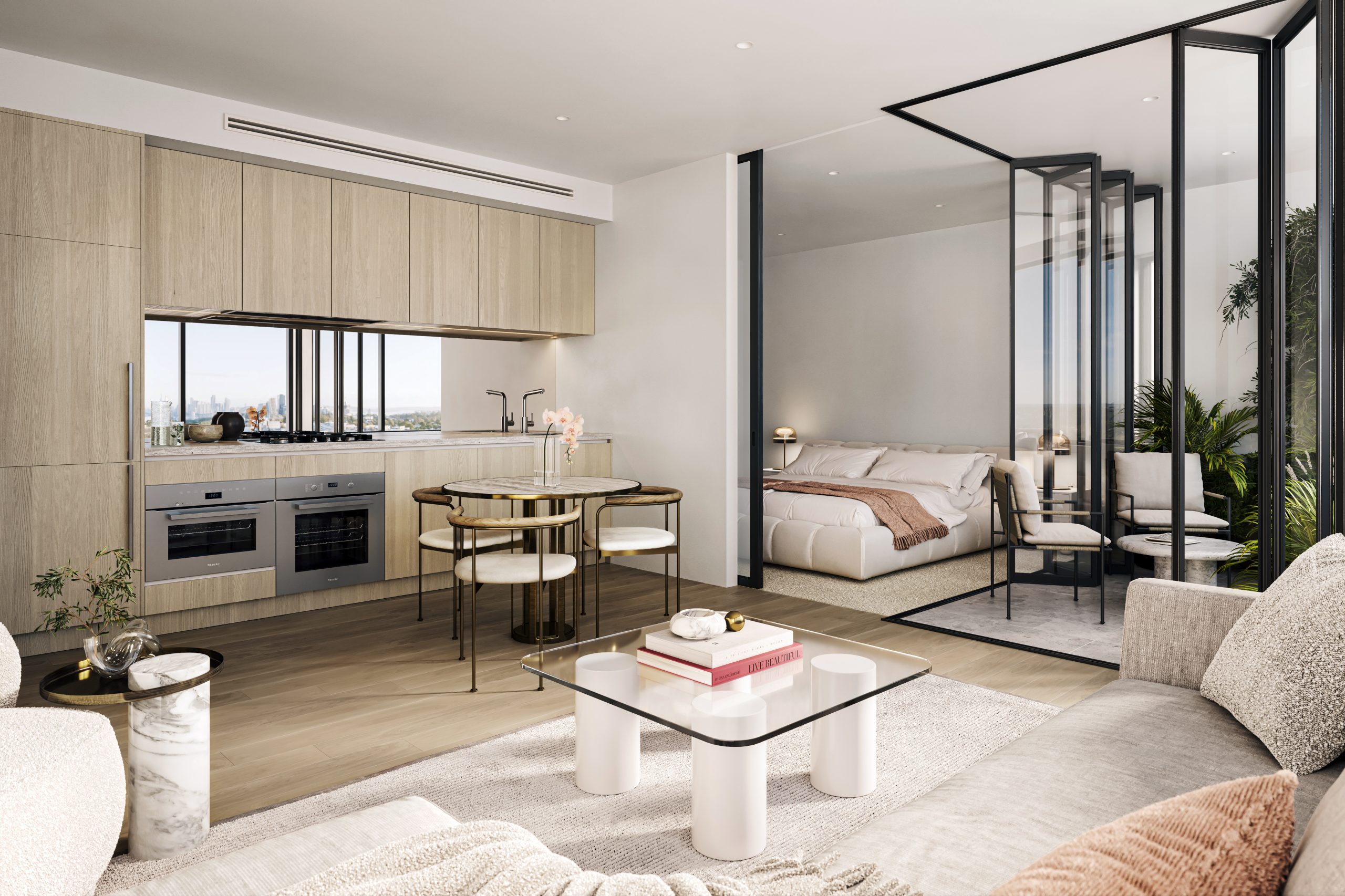
This combination gives The Collective Atchison unusually broad appeal. Downsizers can exchange maintenance for convenience without surrendering an established neighbourhood. DINKS and professionals gain rapid access to major employment centres. First-home buyers can secure a foothold in a premium location, while investors benefit from the depth of tenant demand generated by nearby health, education and commercial hubs.
TWT Property Group Head of Sales and Marketing, Johnson Yap, says buyers are responding to precisely this convergence of lifestyle and connectivity.
“The Collective Atchison brings together the best of both worlds, a premium residential offering surrounded by the lifestyle, amenity and connectivity of Crows Nest and St Leonards,” Wood says.
“It’s a rare opportunity to secure a high-quality home in one of Sydney’s most established and connected lifestyle precincts.
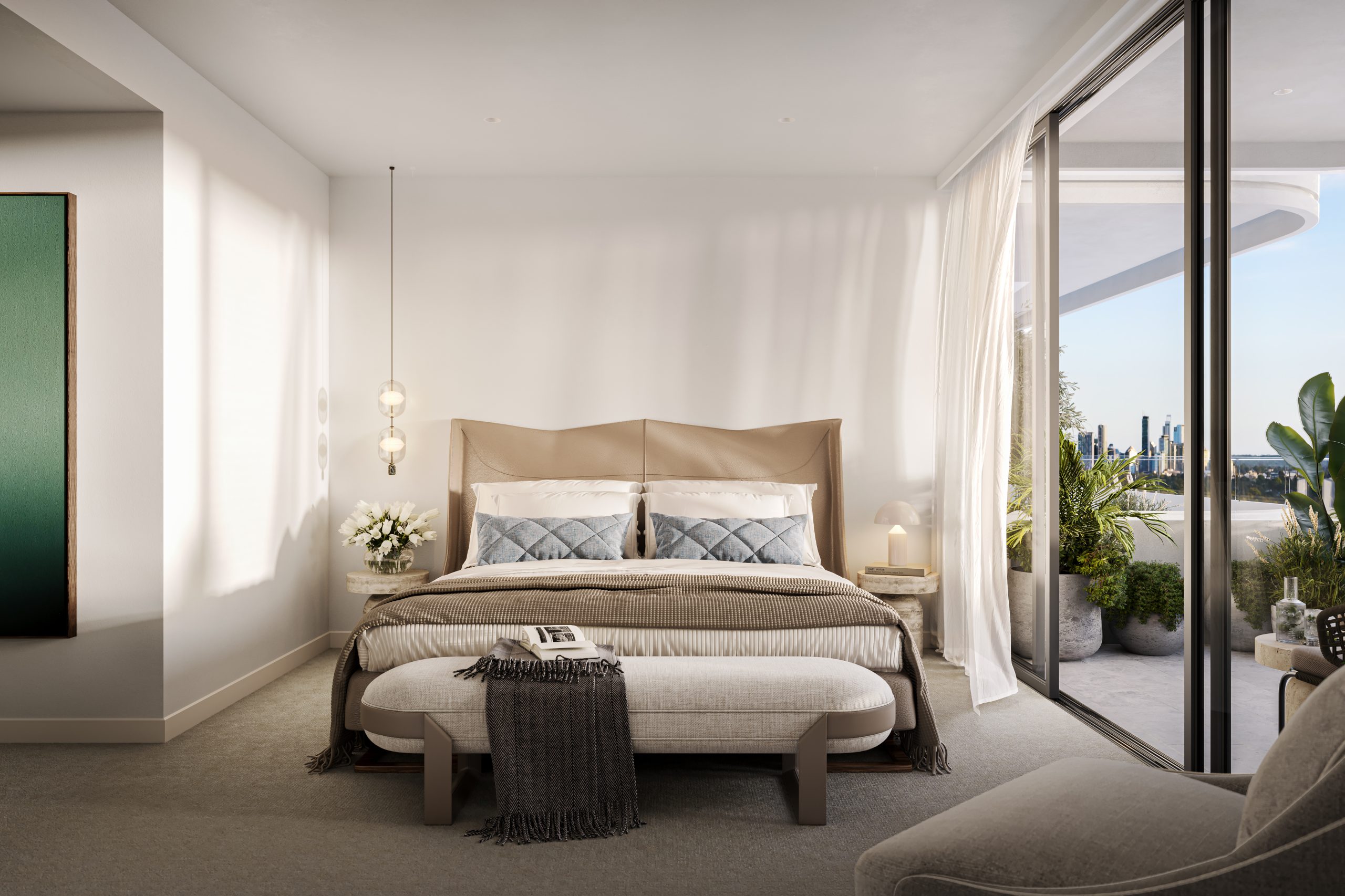
“The Collective is a reflection of how buyers want to live today, with premium residences, exceptional amenity and the convenience of having everything within easy reach.”
With its village atmosphere, dual rail access and essential amenities close at hand, The Collective Atchison offers something increasingly valuable: a home that makes Sydney feel easier.
With the building approaching completion and off the plan apartment purchasers moving in soon after, the remaining apartments aren’t expected to last long. Click here to find out more.
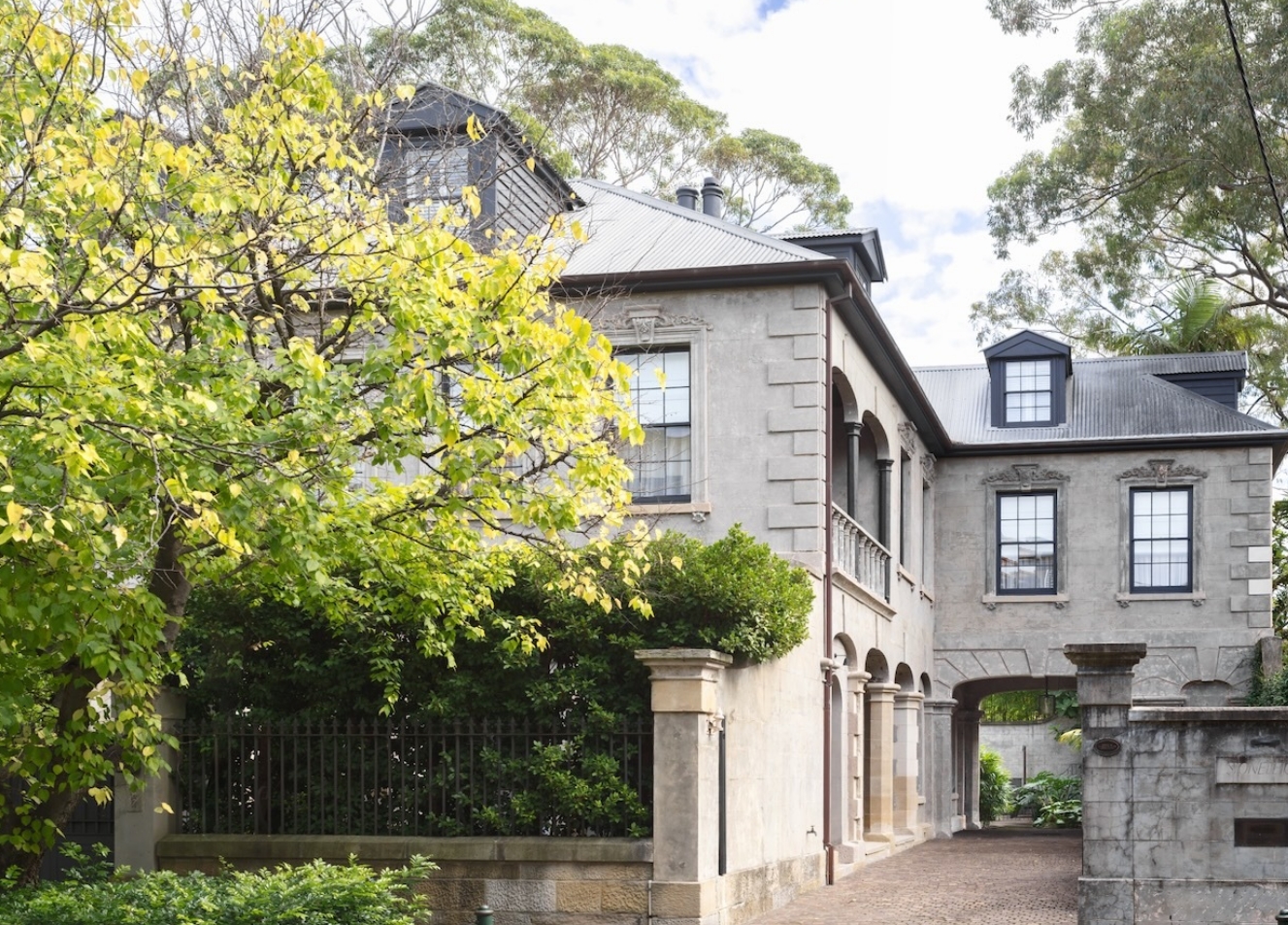
The 1860s Darlinghurst mansion Stoneleigh could become Sydney’s most expensive home ever sold under the hammer when it goes to auction. Clint Ballard is giving buyers a $28 million guide for the heritage-listed mansion on Darley Street, opposite Iona, the former home of Hollywood royalty Baz Luhrmann. Stoneleigh is being offered for sale for the …

From gorilla encounters in Uganda to a reimagined Okavango retreat, Abercrombie & Kent elevates its African journeys with two spectacular lodge transformations.