CELEBRITY BUILDER GRAYA UNVEILS PADDINGTON MASTERPIECE
A striking new build in Paddington, Skyline pairs Graya’s trademark craftsmanship with Joe Adsett’s award-winning design.
 2 min
2 min
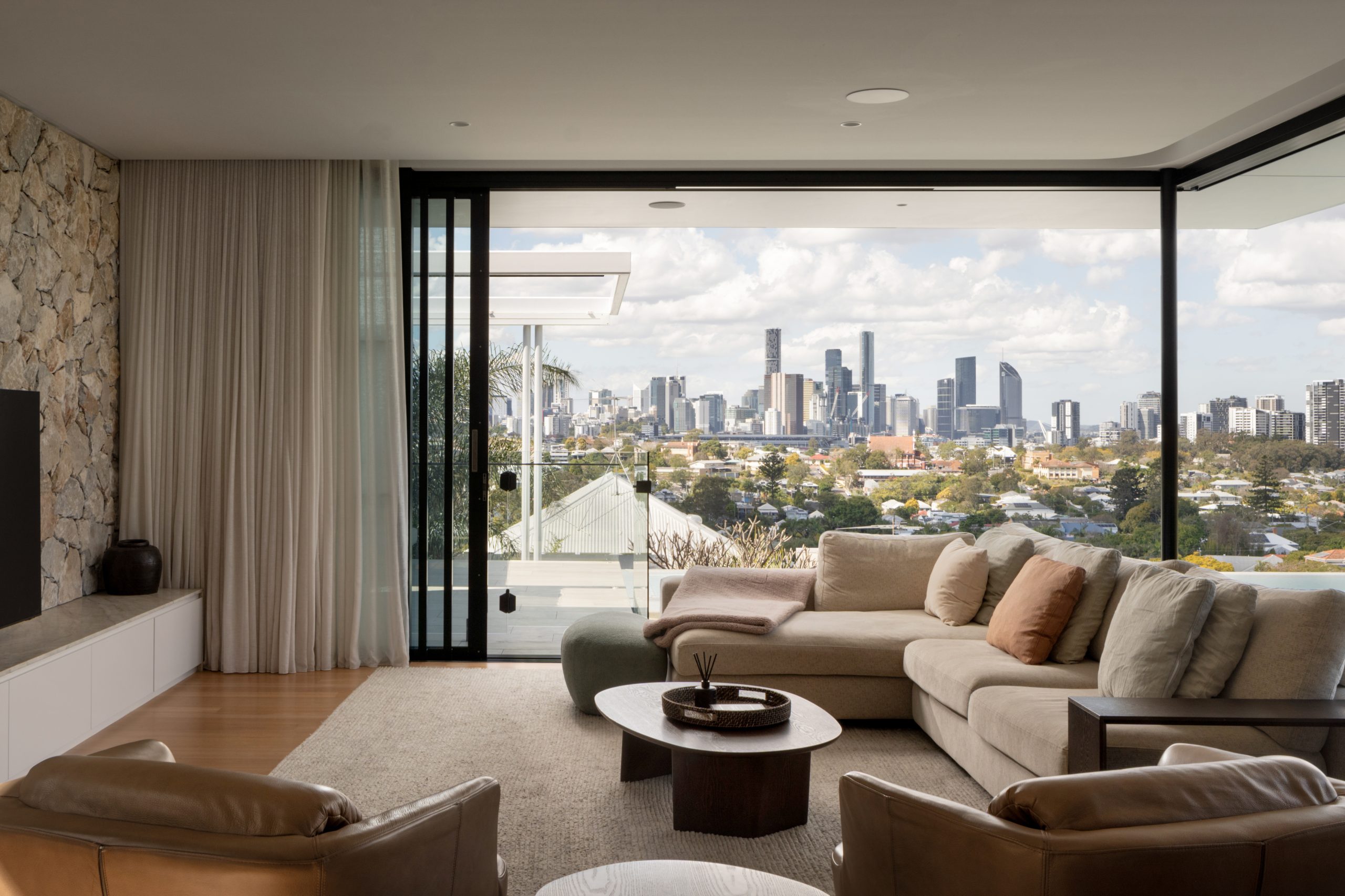
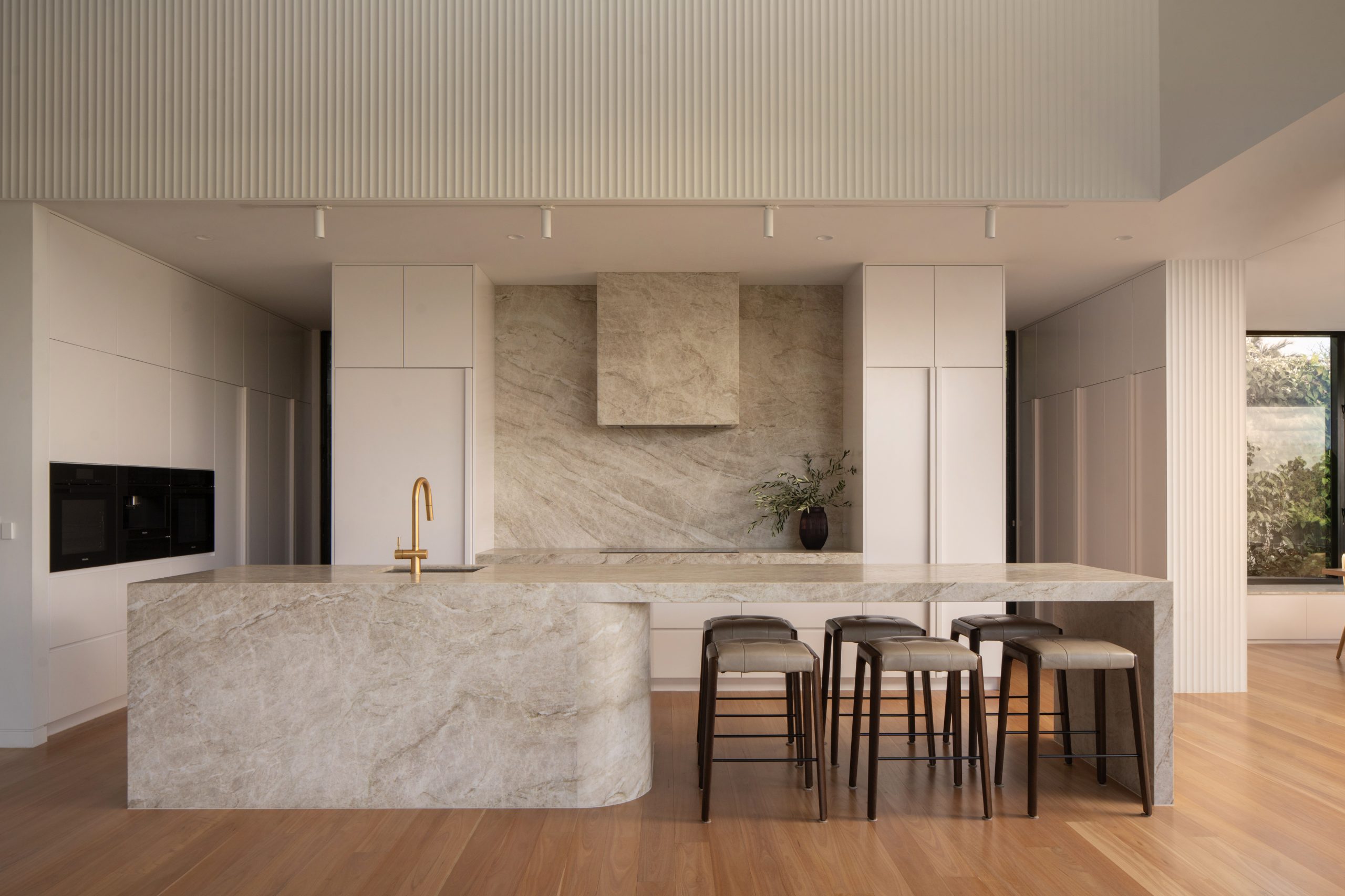
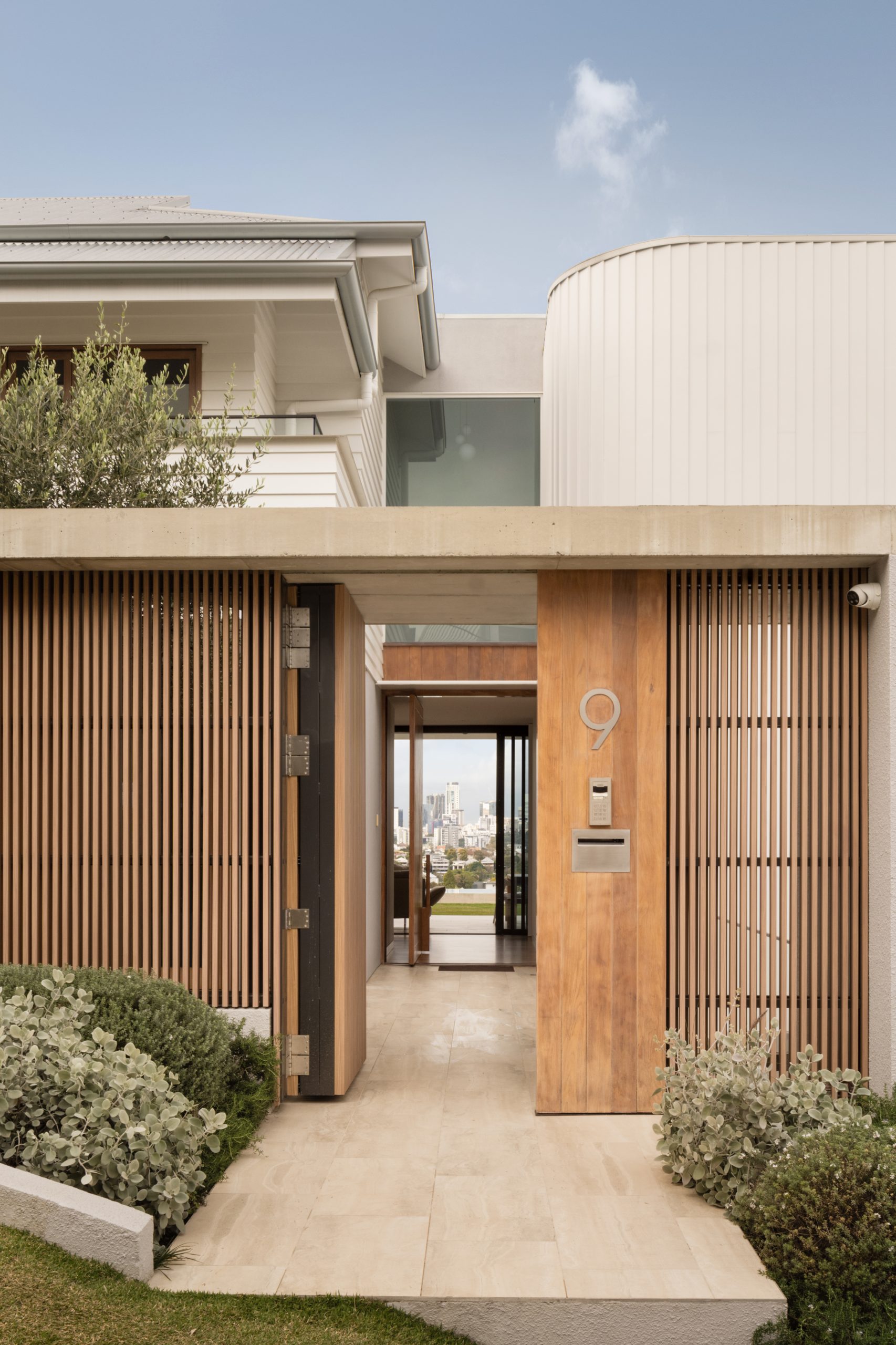
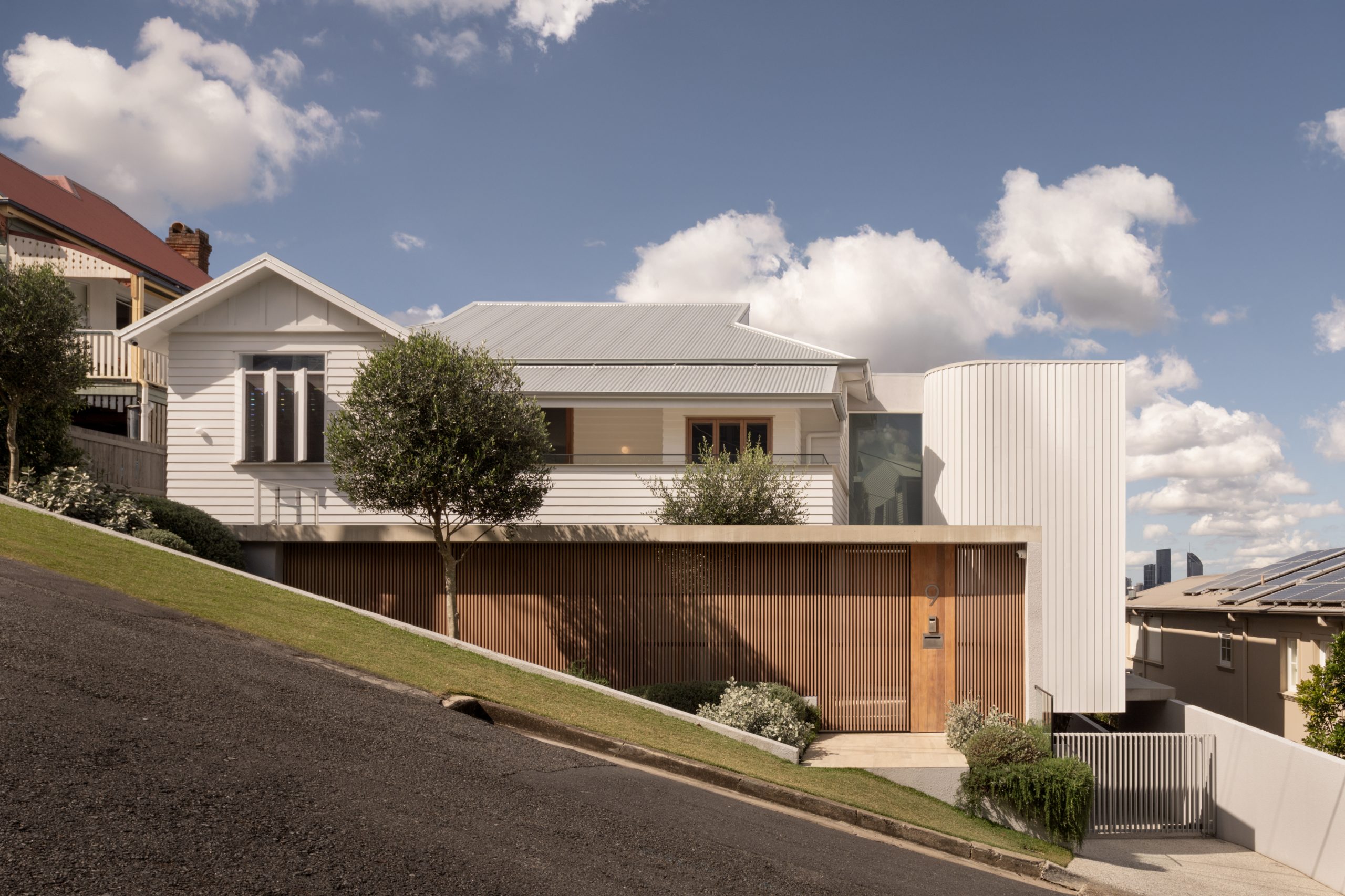
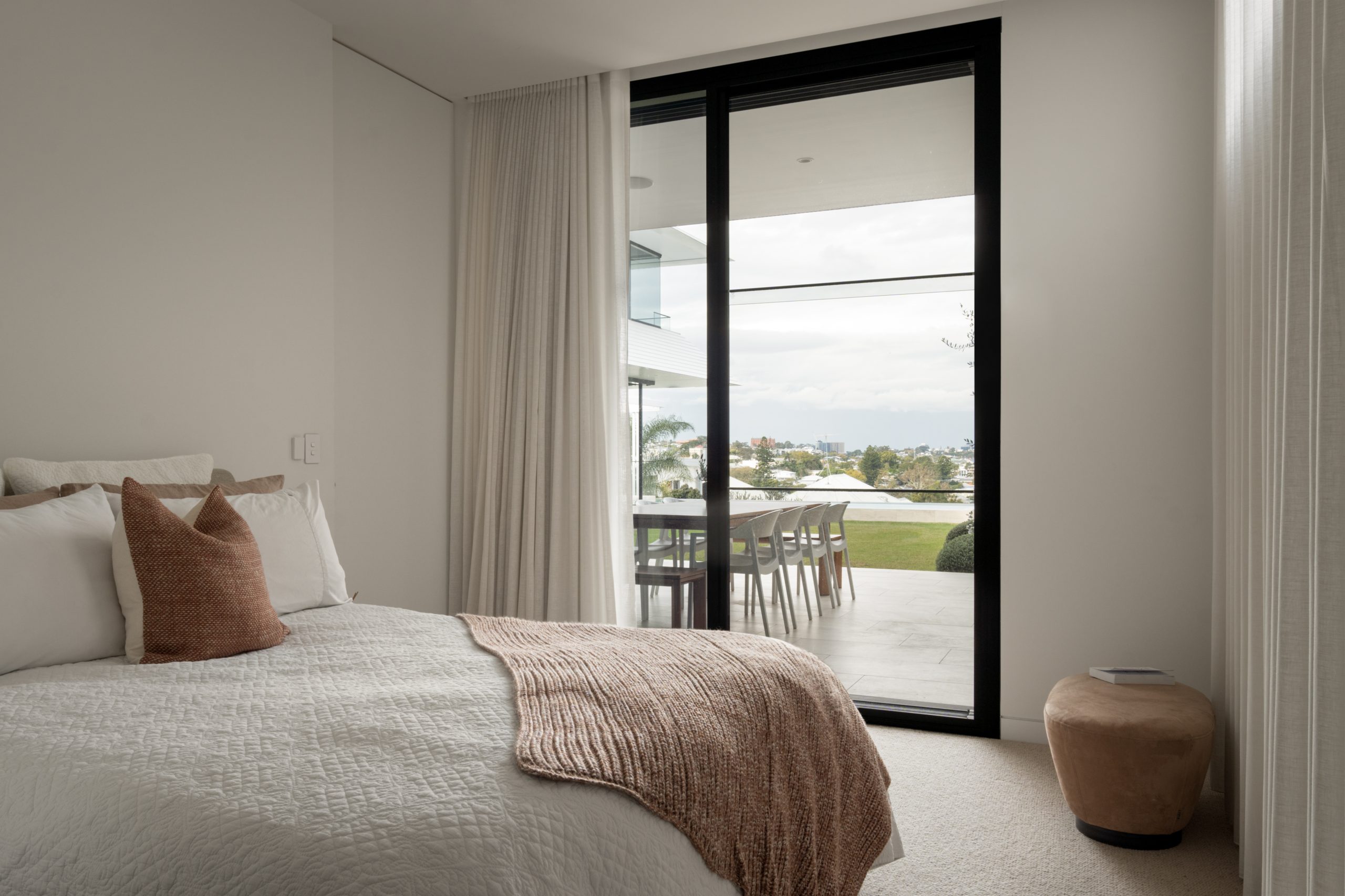
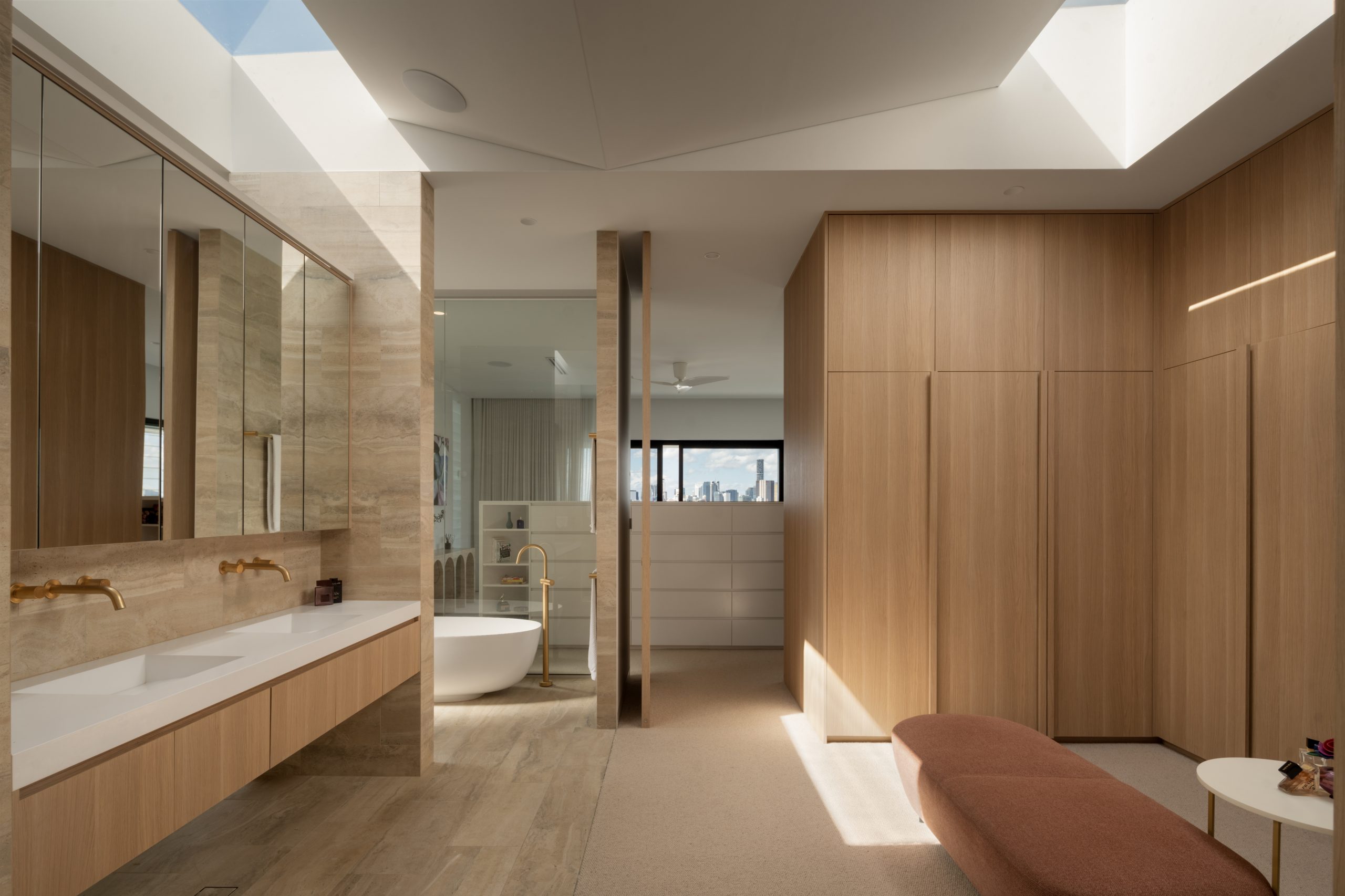
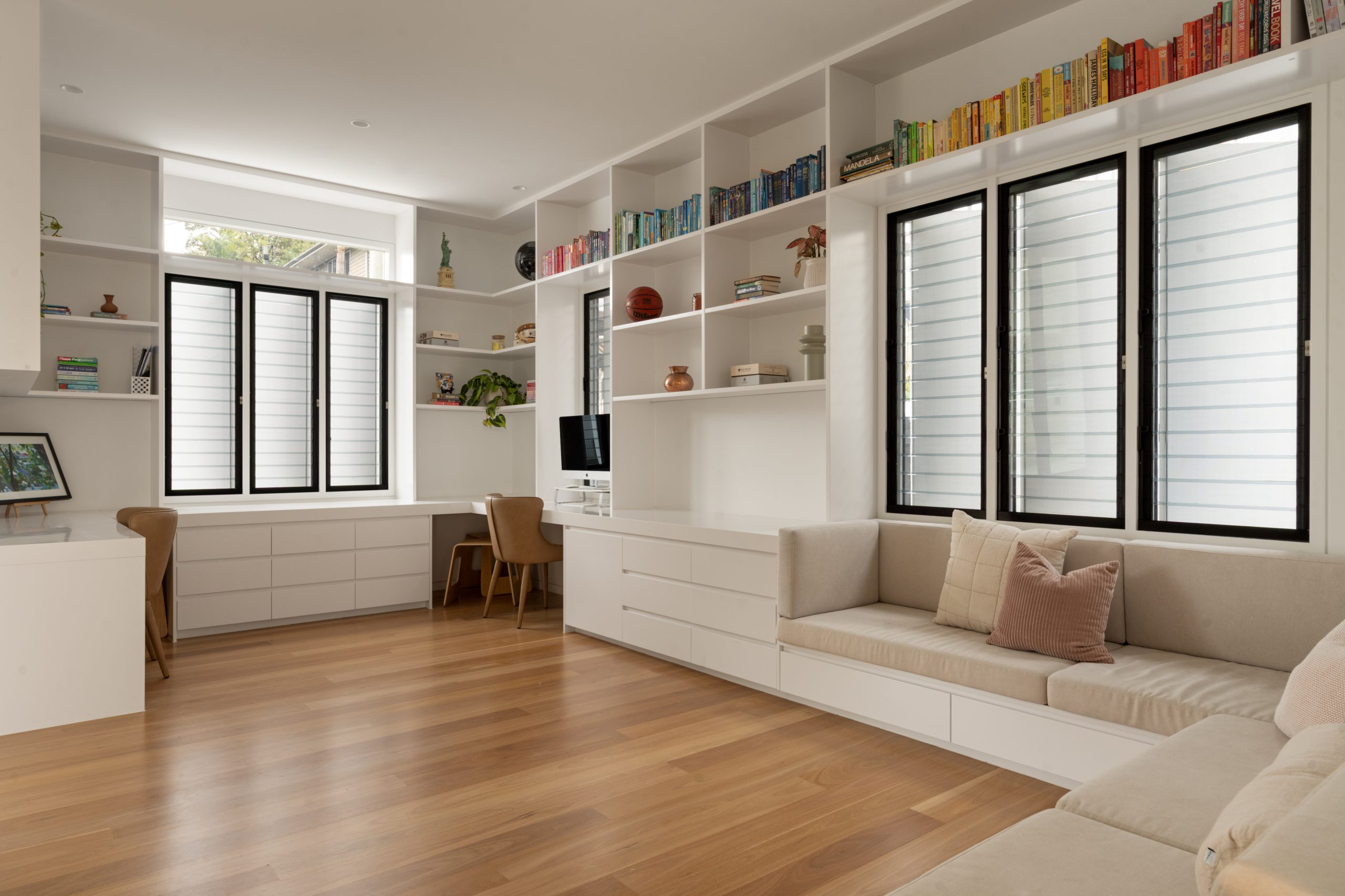
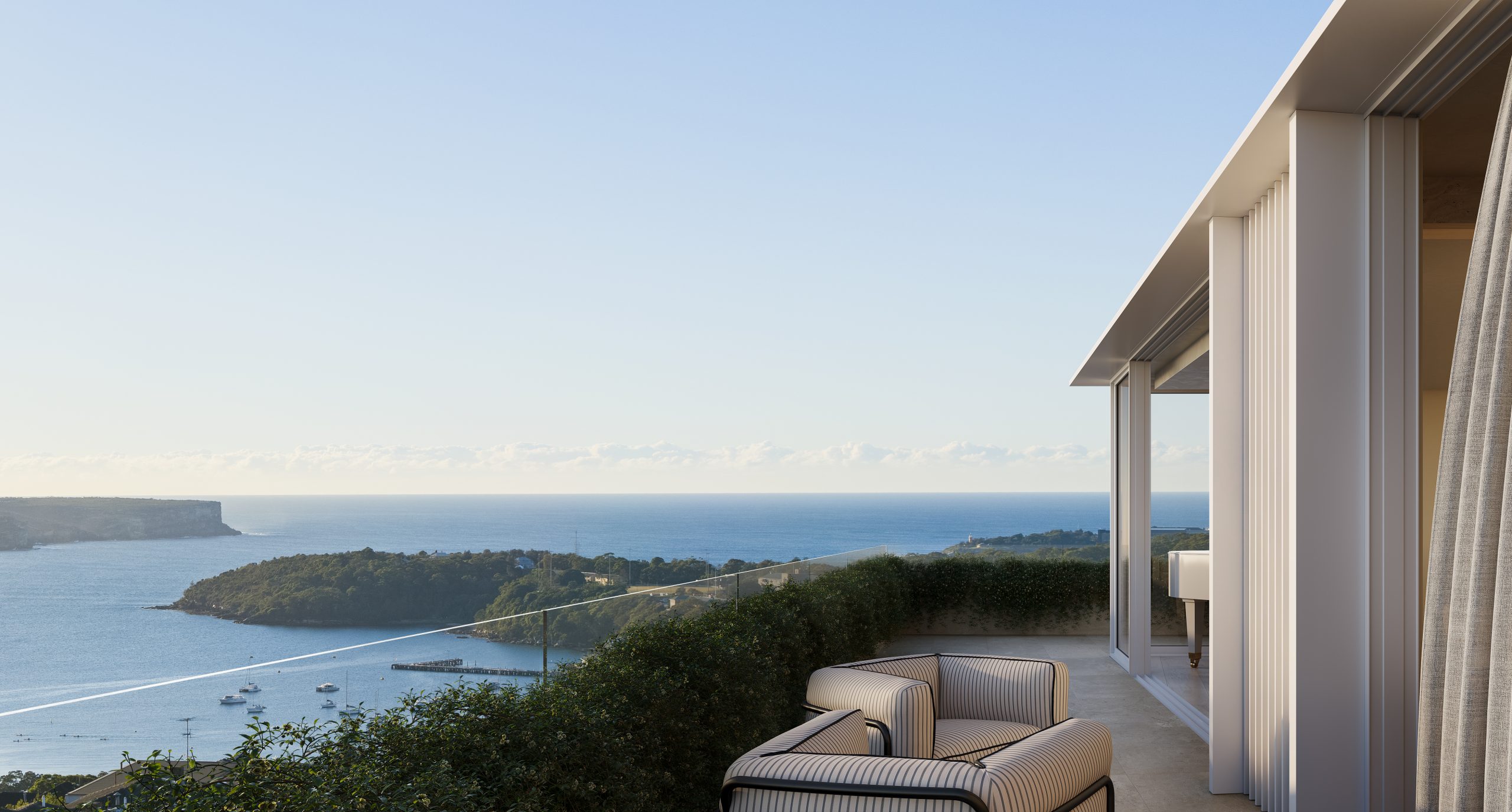
Paddington’s skyline has a new star. A collaboration between celebrity builder Graya and award-winning architect Joe Adsett, this recently completed luxury residence is turning heads with its commanding city views, sculptural design and extensive list of high-end features.
Now on the market with Ray White New Farm agents Matt Lancashire and Josh Brown, the five-bedroom home is one of only a handful of private commissions by Graya, better known for creating showpiece addresses for Brisbane’s sporting and social elite.
The two-storey residence with iconic city views has no official price guide, given Queensland’s restrictions on pricing, but the latest sale on Reading Street, Paddington, was made in April when a four-bedroom house on 562 sq m sold for $4.38 million.
Sitting on a much larger 810sq m block, Skyline is one of the rare private residences by Graya among a handful of homes built for Brisbane’s most famous residents.
The high-profile firm is known for creating show-stopping houses for VIP clients, including footballer Darius Boyd and his wife Kayla, Wallaby Israel Folau, basketballer Aron Baynes and model Erin McNaught and her husband, rapper Example.
Brothers Andrew and Rob Gray, the celebrity builders behind Graya Constructions, have also just wrapped on the landmark project Kloud at Palm Beach. The Gold Coast development includes an apartment bought off the plan by globetrotting tennis legend Ash Barty and a palatial penthouse that just fetched $9.1 million after only 15 on the market.
Graya-built homes have been making headlines for their impressive resale value during a Brisbane housing boom. In June, a Mediterranean-inspired Hamilton home built by the brothers turned a $4 million profit in just 12 months when it sold for $12.5 million.
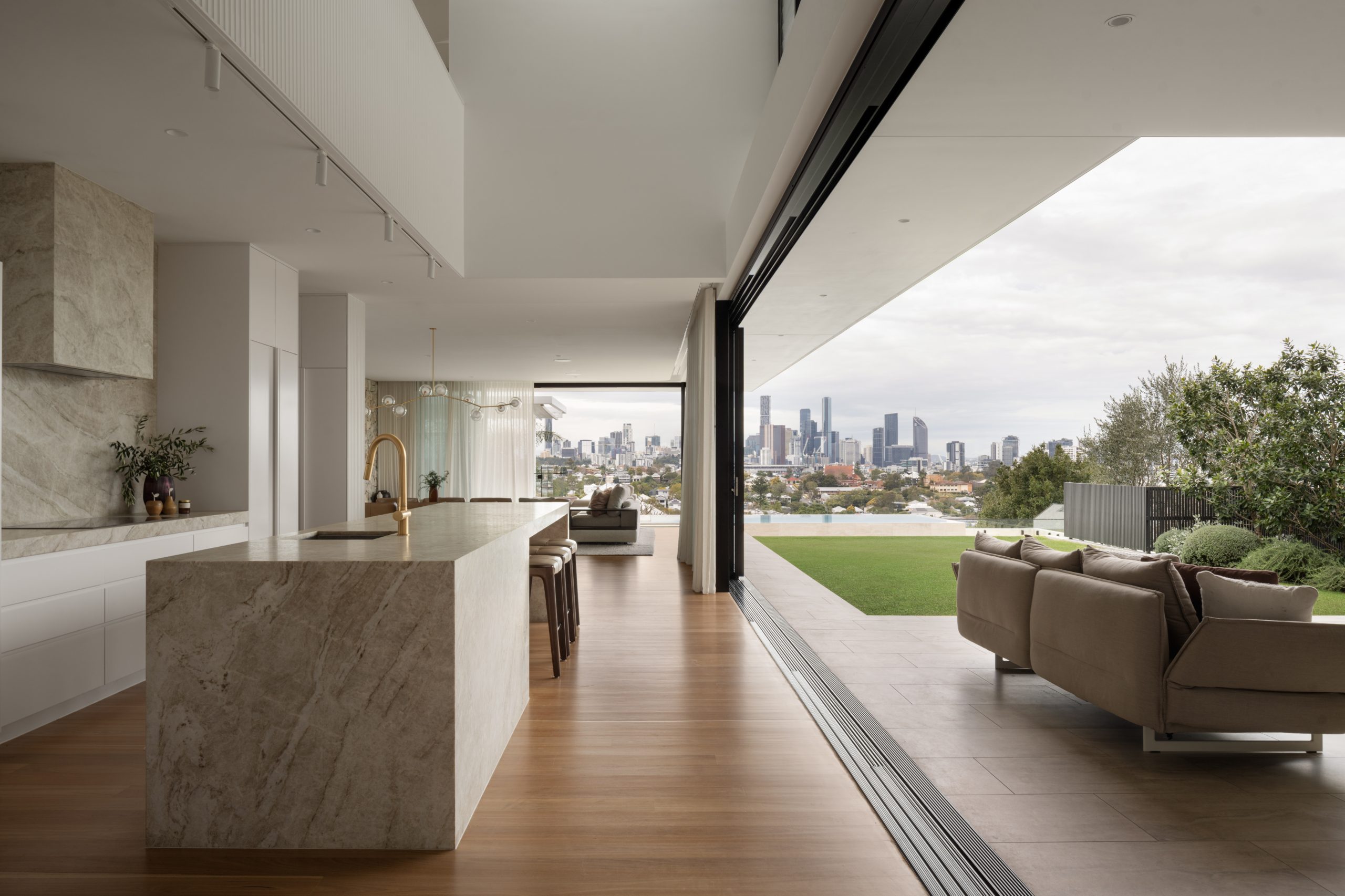
Skyline’s 20m frontage cuts an impressive figure and, thanks to the sloping block, captures a sweeping panorama of the city.
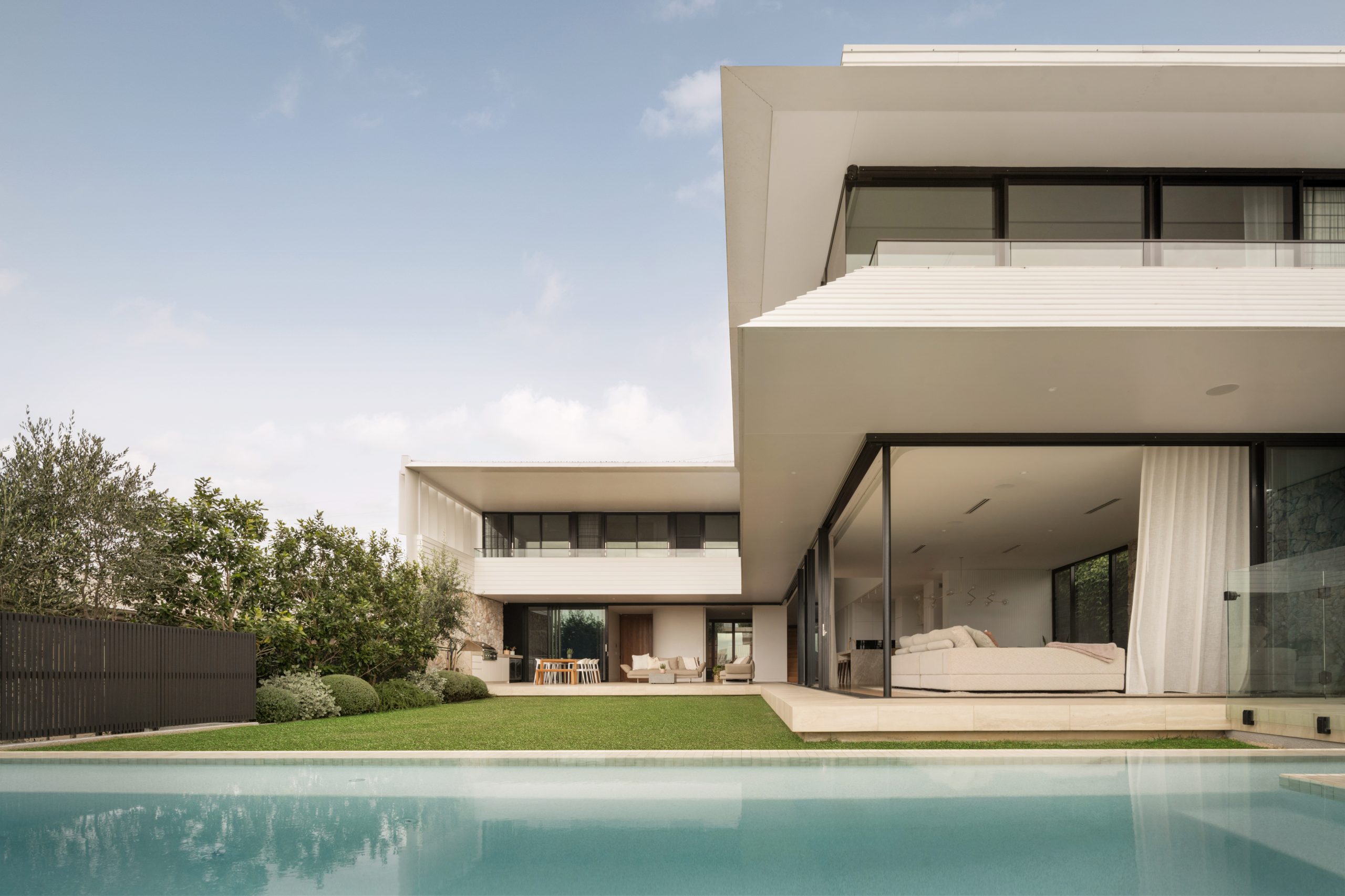
Crafted using a palette of stone and timber, the house has a long list of luxury fittings and finishes throughout as well as grand walls of glass to frame the views and draw in loads of natural light.
The L-shaped footprint features an open plan living and dining zone off the gourmet kitchen, which houses Miele appliances, a vast eat-at island bench, and a butler’s pantry.
This everyday space flows seamlessly into an outdoor kitchen on the covered terrace, a large, level lawn, and a unique heated infinity pool and spa, designed by Jack Boyd and recognised as a Master Builders Award finalist.
Upstairs, the accommodation level is home to a spacious main bedroom suite with a private balcony, a dual shower en-suite with a freestanding tub, plus a walk-in wardrobe with a skylight.
A gallery-style mezzanine walkway creates a double-height void below and leads to three more bedrooms, two with en-suites. There is also a home office with built-in desks, a gym space with storage and another balcony.
Additional features of the Paddington house include an entry-level guest room with an ensuite and built-ins, a separate media room, a mud room, laundry with a chute and drying court, a four-car lock-up garage, an outdoor shower, a fire pit, a Control4 smart home system, extensive security, irrigation, and solar.
Skyline is close to cafes, restaurants, boutiques and galleries, as well as multiple sought-after schools.
Skyline at 9 Reading St, Paddington is listed via an expressions of interest campaign closing on September 12 at 5pm.

From making unpopular decisions to learning when to listen, leaders from five businesses reveal what nobody prepared them for — and how running a company has challenged their expectations.

Technology and semiconductor shares fell sharply as investors questioned the debt financing the AI infrastructure boom and confronted higher rates and Chinese competition.

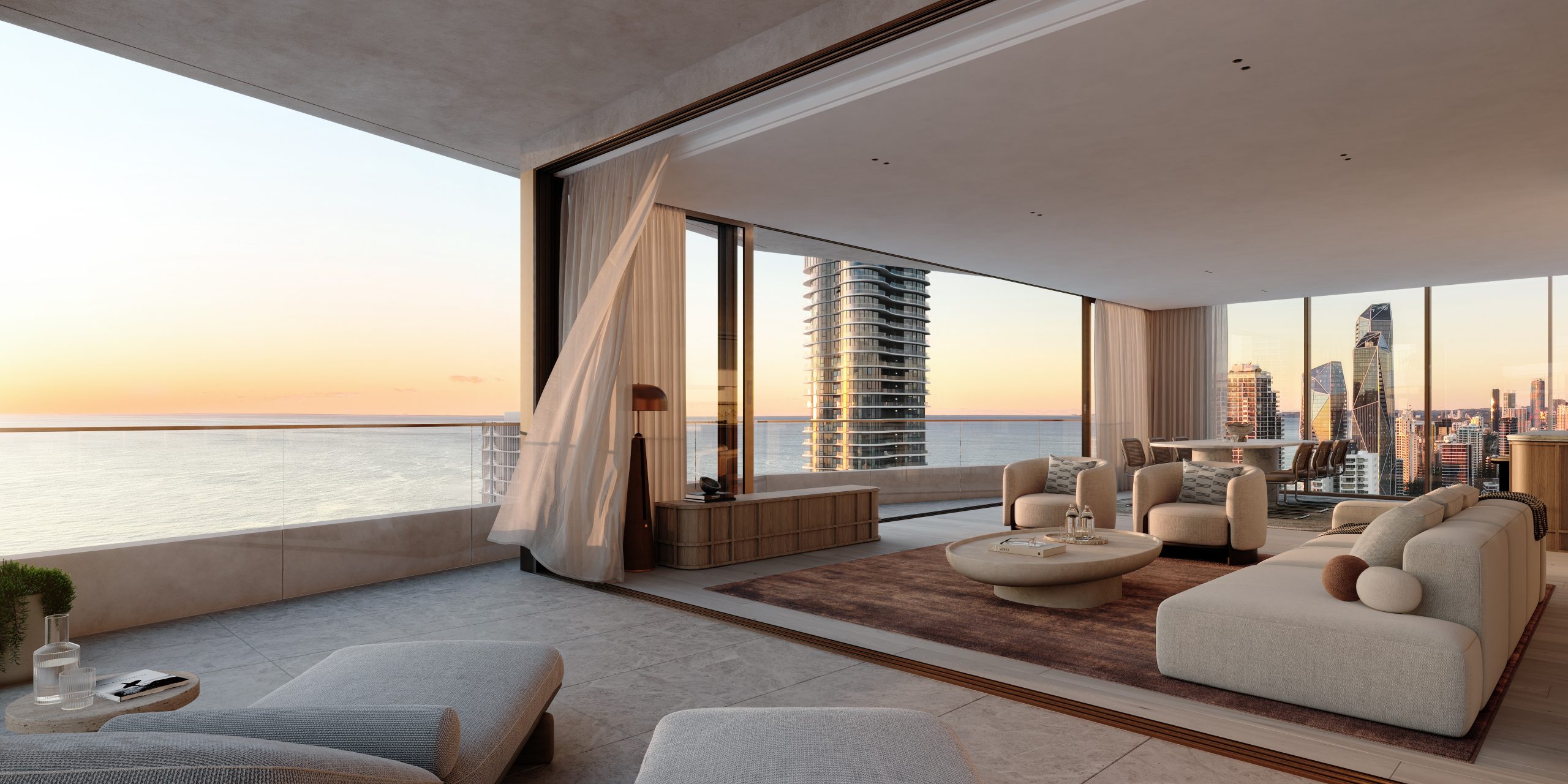
Mirvac’s 45-level Trielle has topped out at Yarra’s Edge, pairing riverfront apartments with wellness facilities, private dining and resident services.
3 min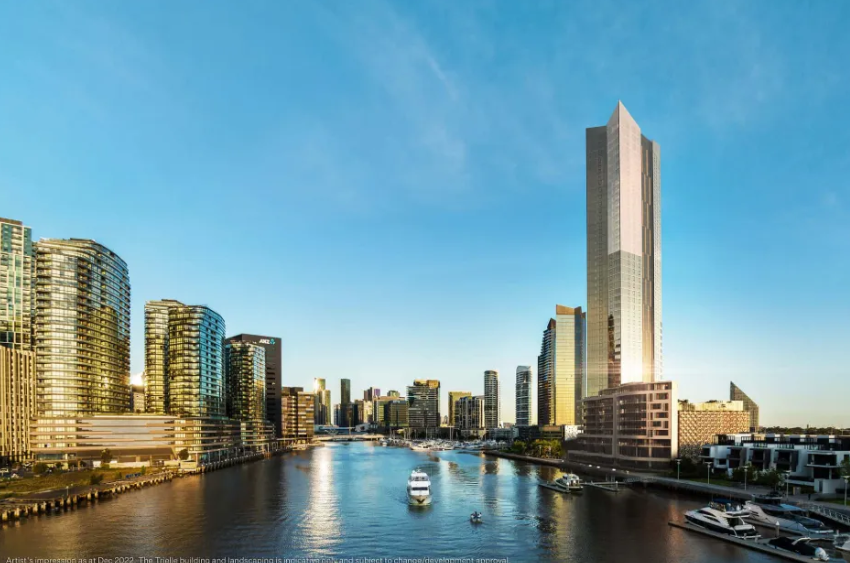
Mirvac has topped out Trielle at Melbourne’s Yarra’s Edge, with more than 70 per cent of the riverfront development sold and approximately 80 per cent of purchasers intending to make their apartment a home.
The figures, released on September 22, point to an owner-occupier audience for one of the precinct’s final residential towers. Mirvac began developing Yarra’s Edge in 2003, and its latest addition occupies one of the remaining absolute riverfront sites.
Mirvac CEO of Development Stuart Penklis said existing residents were among those moving up within the neighbourhood.
“Many purchasers already have a connection to Yarra’s Edge,” Mr Penklis said, describing buyers whose changing needs were encouraging an upgrade within the precinct.
“As one of the final residential towers within Yarra’s Edge, Trielle represents the culmination of more than two decades of creating one of Melbourne’s most established and sought-after waterfront communities,” Penklis said.
“Positioned on the Collins Street axis with absolute river frontage, Trielle offers residents a rare opportunity to enjoy sweeping views across the Yarra River, Melbourne skyline and Port Phillip Bay, while remaining seamlessly connected to the CBD. With Trielle now more than 70 per cent sold, we’re continuing to see strong demand from buyers seeking quality homes in established locations.”
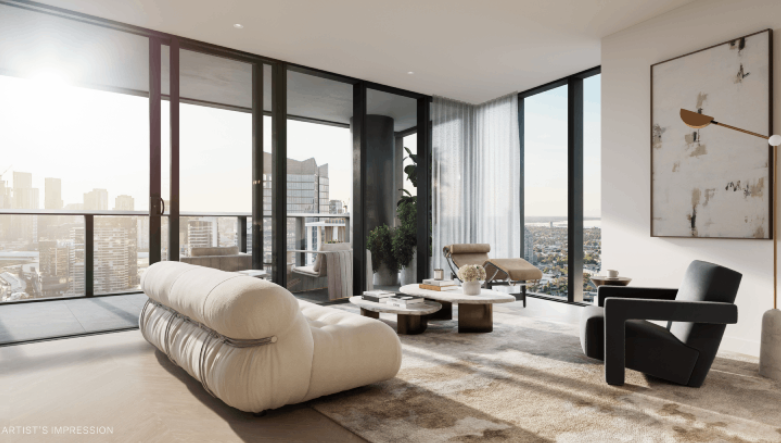
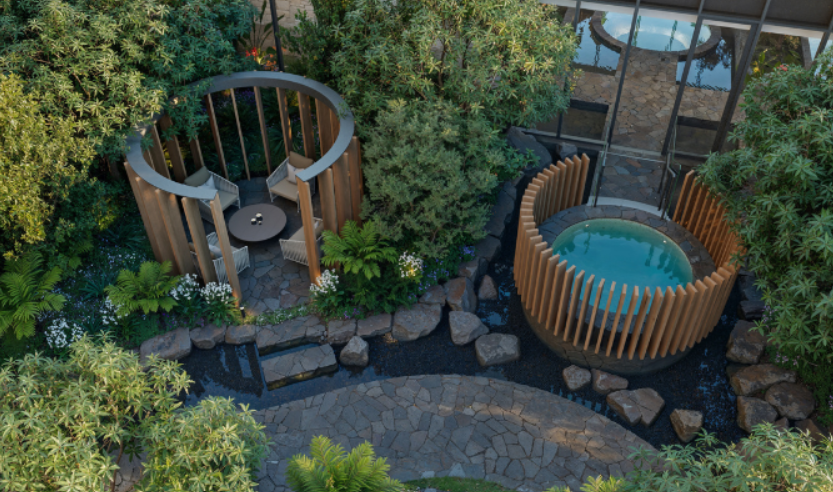
The developer also flagged a penthouse and sub-penthouse collection with larger layouts, premium finishes and broad outlooks. The planned wellness centrepiece, The Oasis, encompasses a 900-square-metre elevated urban rainforest.
Mirvac General Manager Residential Development Victoria Elysa Anderson said Trielle had resonated strongly with buyers seeking a rare lifestyle offering in Melbourne.
“Opportunities to secure a new luxury residence on a riverfront site of this calibre are incredibly rare, particularly within a community like Yarra’s Edge,” Anderson said.
“What makes Trielle unique is the combination of exceptional views, world-class residential facilities and the lifestyle that already exists around it. Residents are buying into a mature waterfront community with parks, promenades, dining, wellness and strong community connections already in place.”
The 45-level tower brings a substantial new presence to that waterfront. Its residential offering spans one-, two-, three- and four-bedroom apartments, with Signature, Prestige and Sub-Penthouse collections accommodating different household sizes. The north-facing position connects the apartments visually to the river and city beyond.
Seven storeys above the promenade, the planned Oasis combines planting and a running stream with a Scandinavian-inspired wellness club developed with spa specialist Naomi Gregory. Facilities include a 25-metre lap pool, hot magnesium pool, sauna, hydrotherapy, a gym, yoga and Pilates room, and treatment spaces.
The amenity extends beyond exercise. Residents will have access to The Biblioteca library and workspaces, ground-floor work pods, and The Salone piano lounge. A private Chef’s Table dining room offers a setting for larger gatherings, while a cinema, games room and sports lounge broaden the entertaining options. Concierge services and a dog-wash area support everyday routines.
Trielle comprises a collection of one, two, three and four-bedroom residences. Reflecting strong demand from owner occupiers, approximately 80 per cent of purchasers to date intend to live in their homes, highlighting the project’s appeal to those seeking a long-term waterfront lifestyle.
Mirvac has recently delivered The Albertine, a premium apartment development on the edge of Melbourne’s CBD, and is nearing completion of Prince & Parade in Brunswick, further strengthening its portfolio of thoughtfully designed apartment communities in some of Melbourne’s most sought-after urban locations.
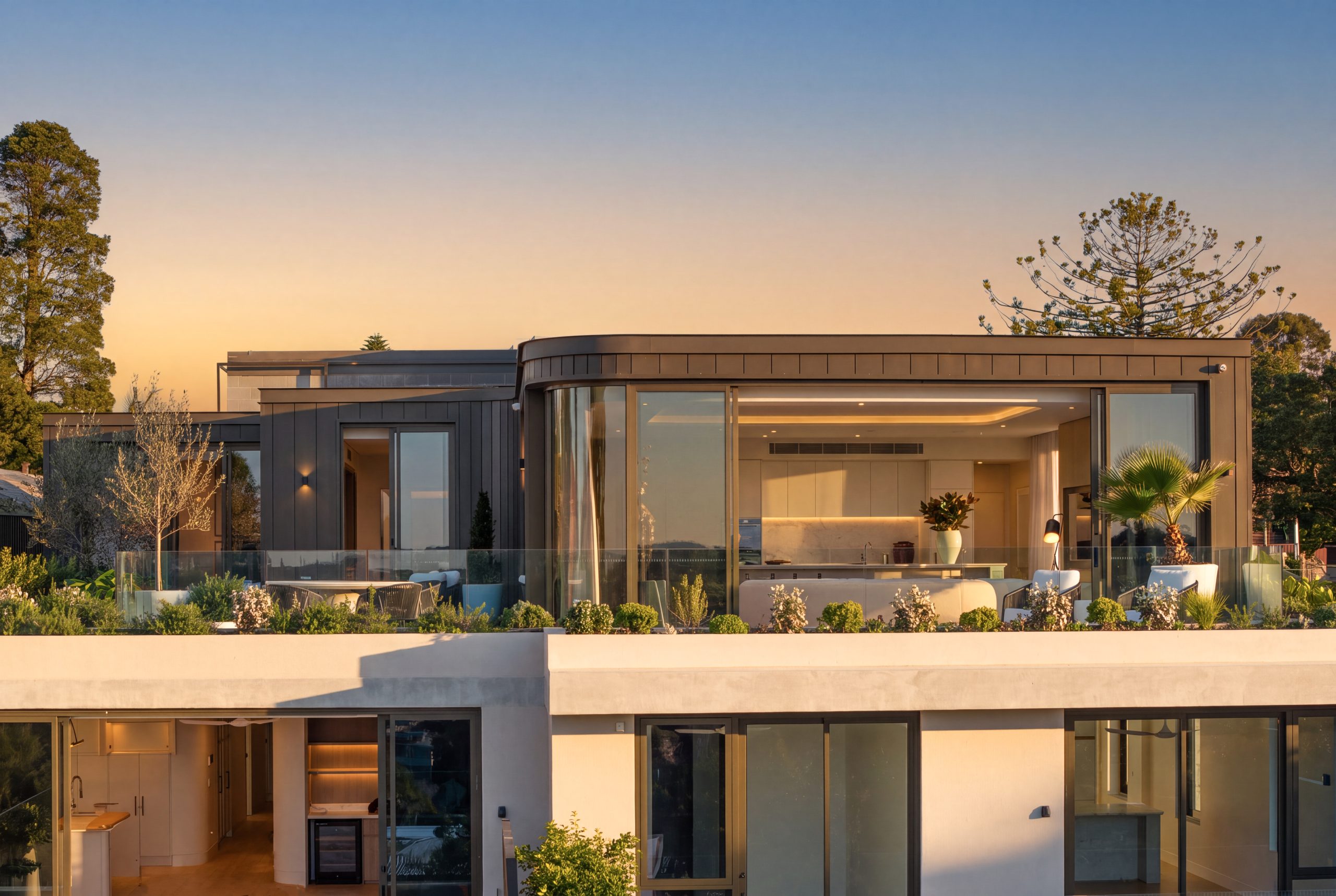
The completed penthouse at Park Residences showcases a considered approach to luxury apartment living, combining northern light, curated interiors and the privacy of a whole-floor residence.
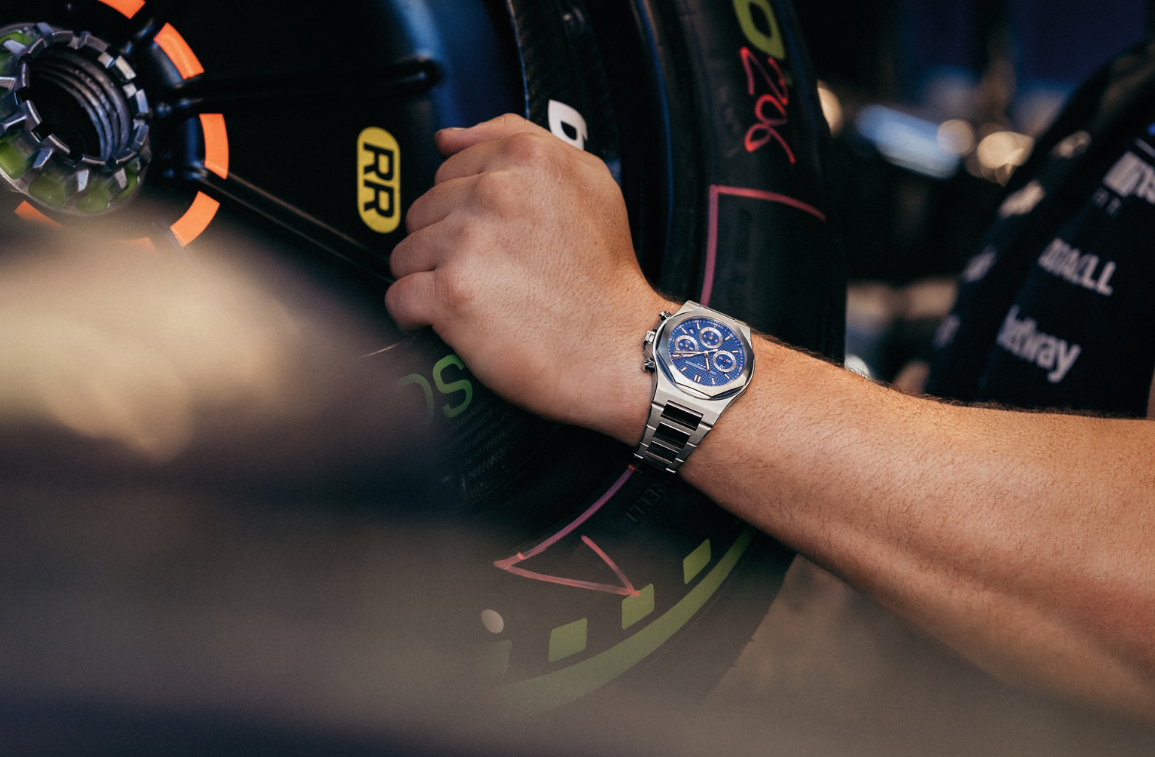
The Swiss watchmaker’s first collaboration with Atlassian Williams F1 Team produces two sporting Laureato models inspired by the team’s 2026 racing car.