Salute to a Randwick Icon
Randwick’s Swan Isle is a meticulously restored heritage estate. With a $14 million guide, the palatial residence blends Victorian grandeur with modern luxury.
 2 min
2 min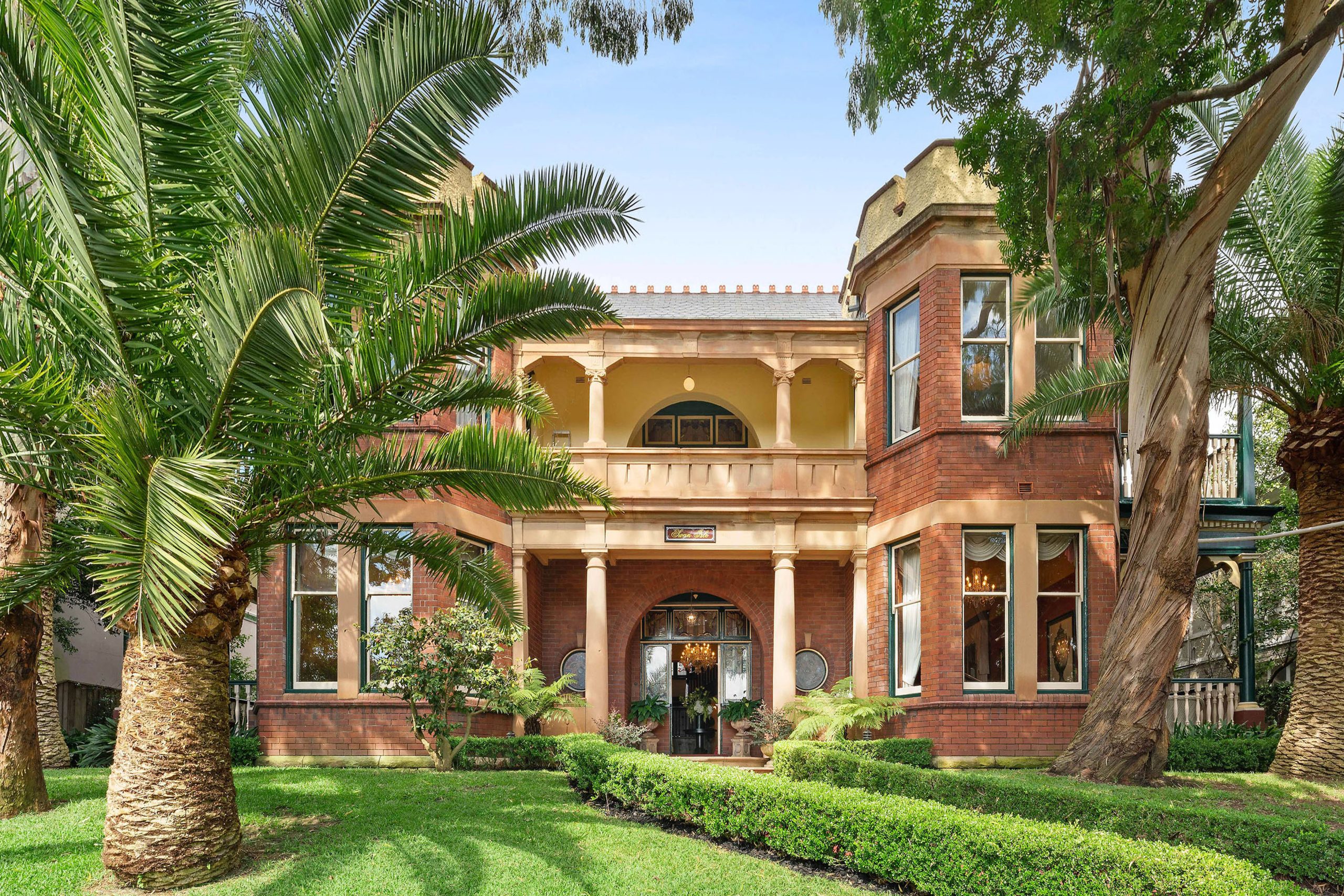
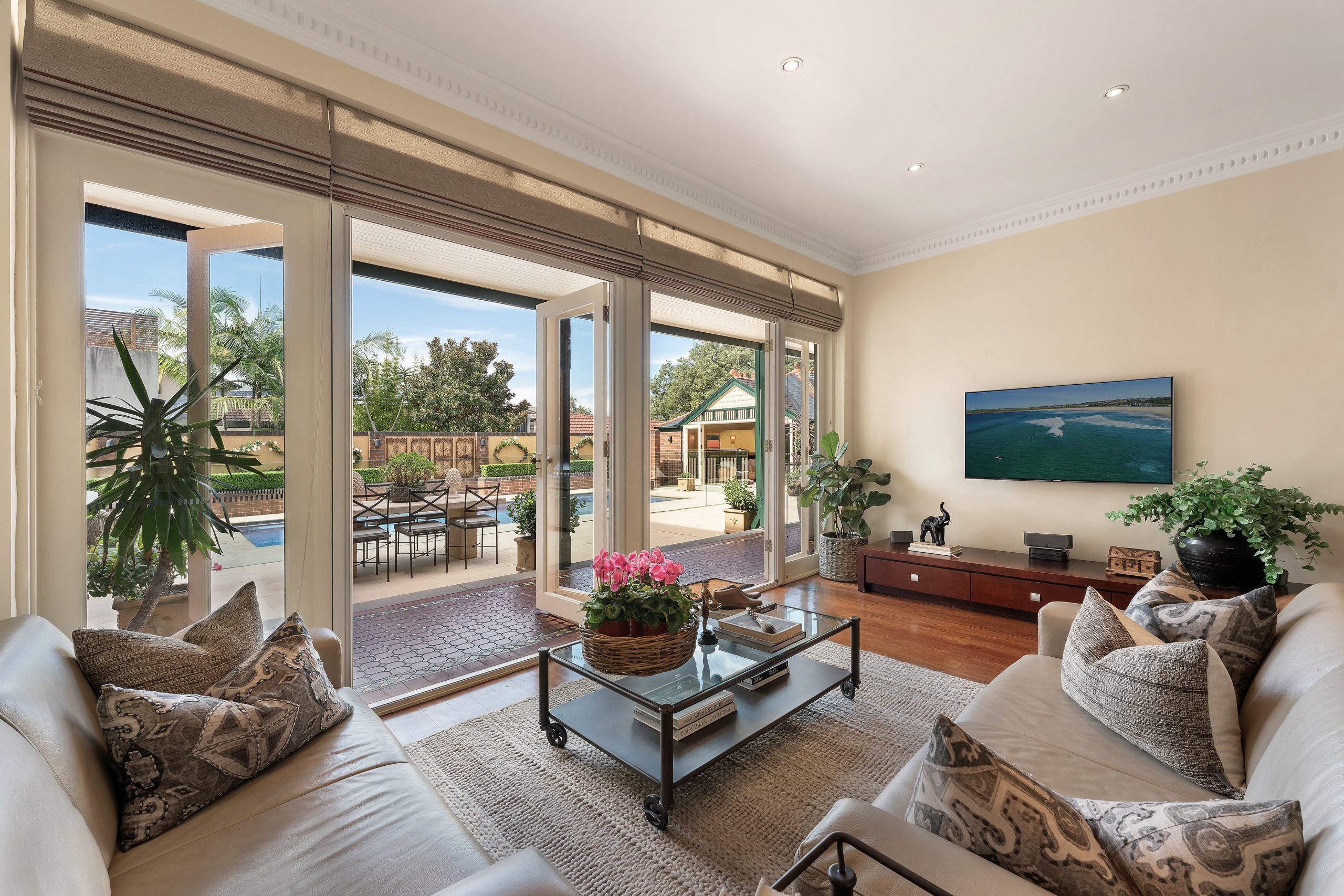
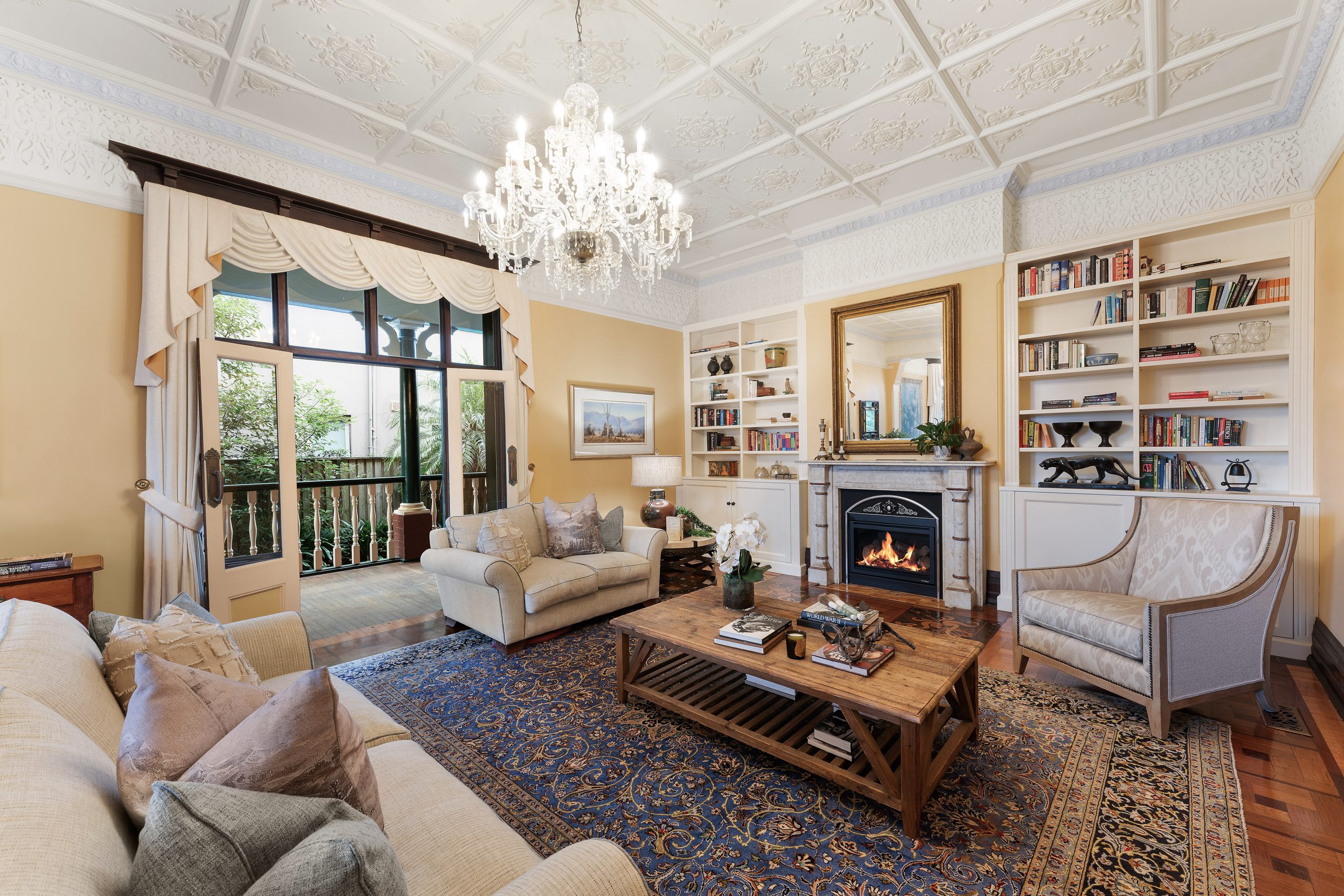
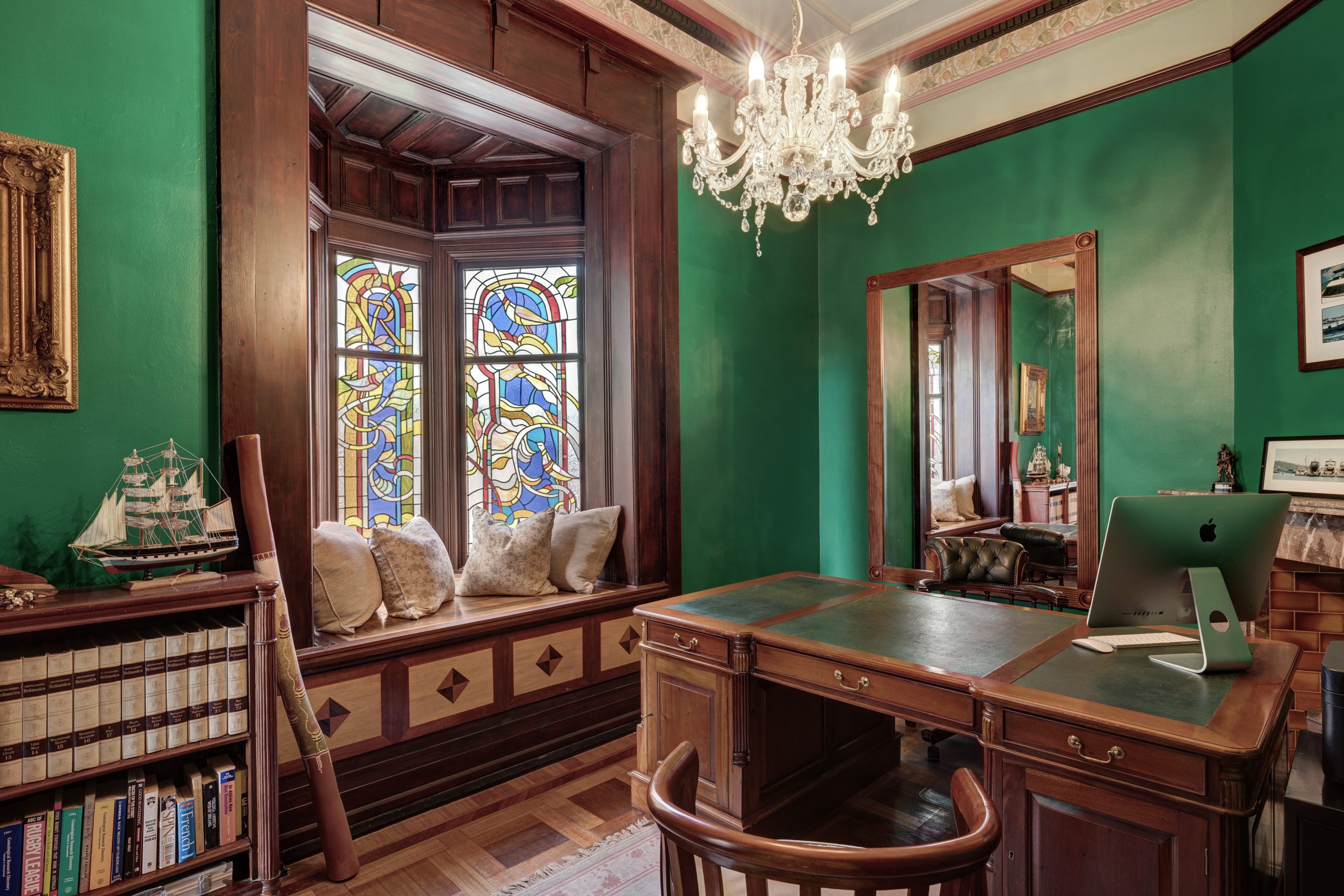
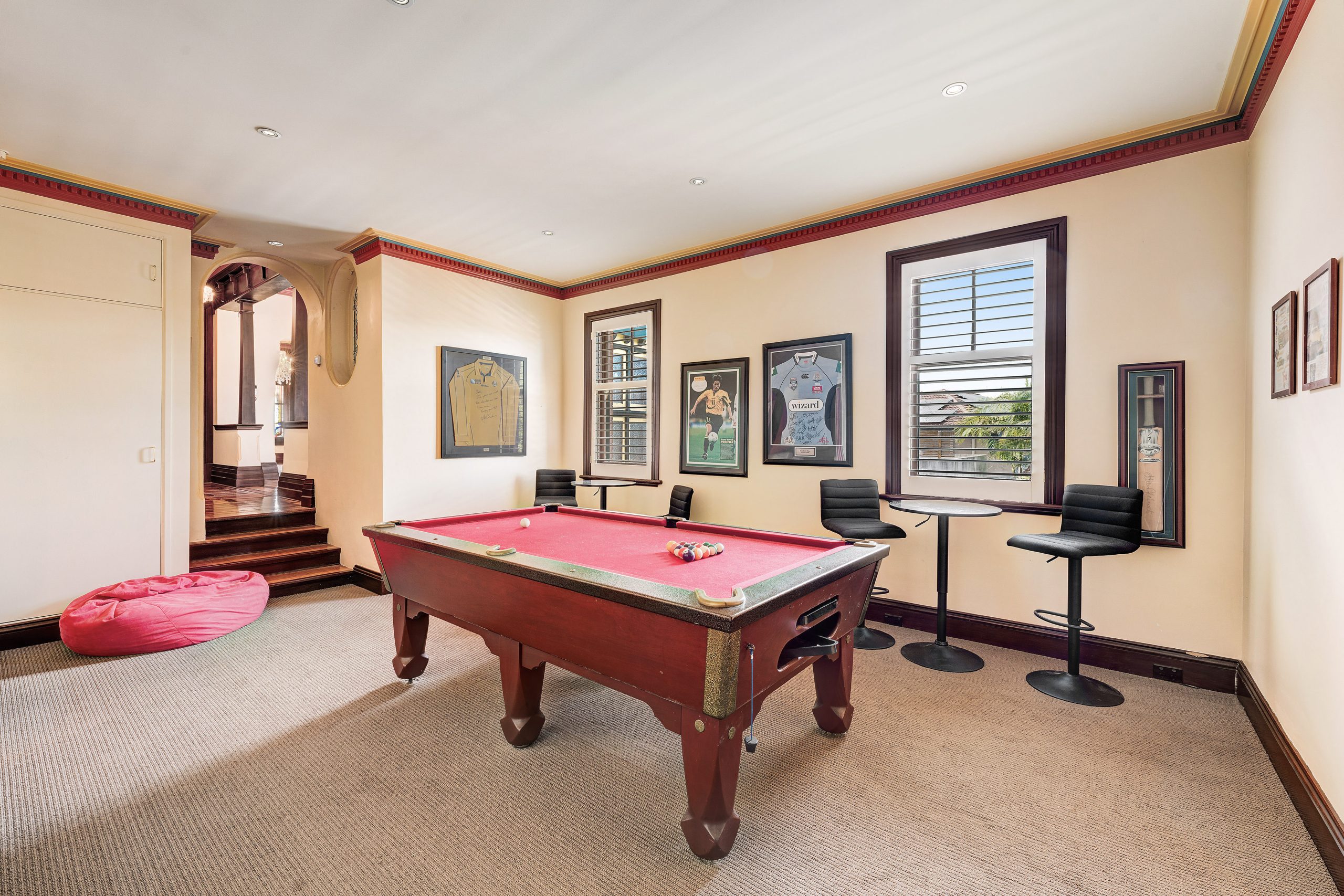

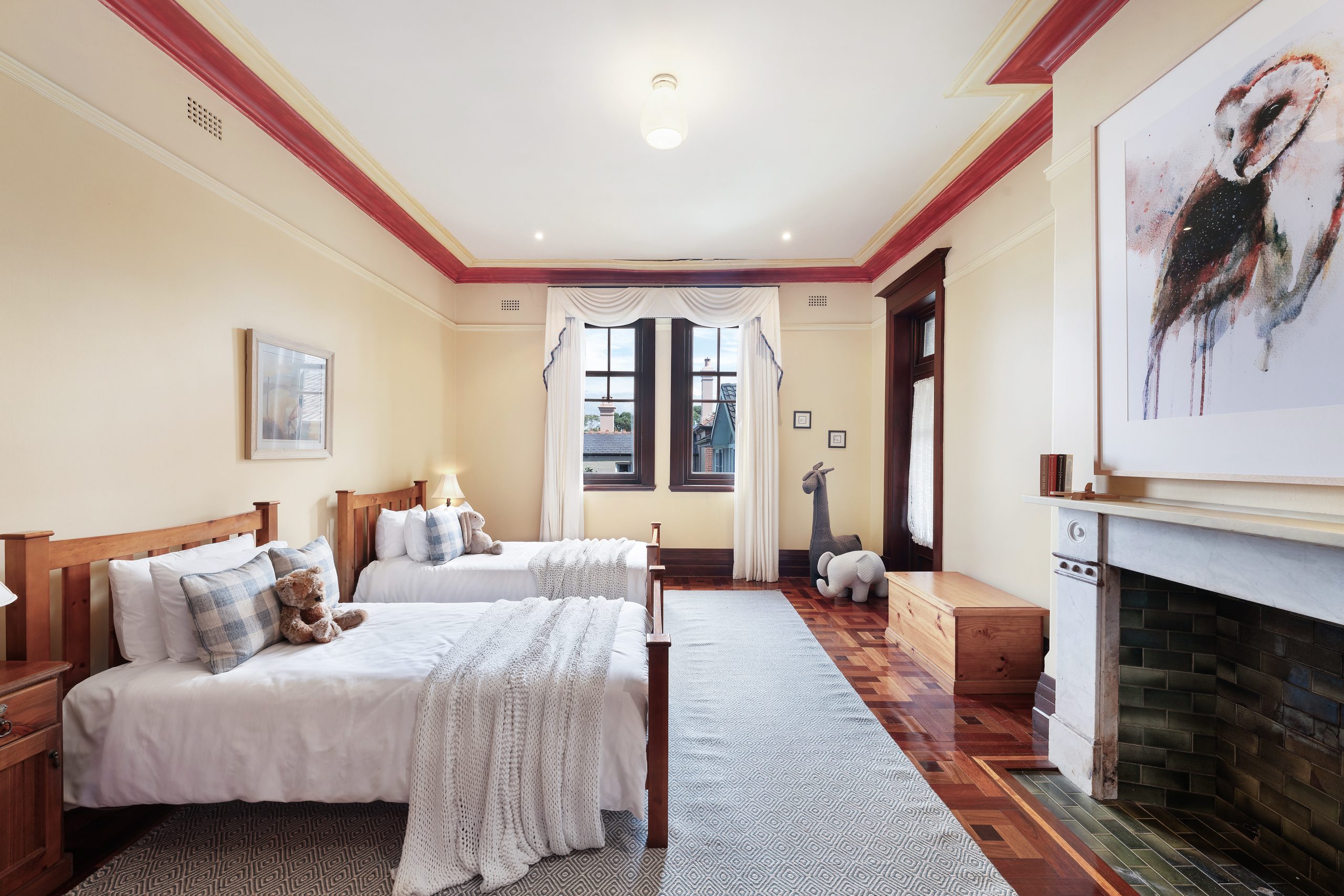
As local legend has it, retired Colonel William Farrell Commanding Officer of the first infantry regiment, stood on the balcony of his new Randwick residence back in 1906 and watched his soldiers parade by, saluting his honour.
Today, more than a century later, Swan Isle itself deserves a salute as it remains one of Sydney’s most meticulously maintained heritage addresses.
The 1349sq m estate in Randwick made an appearance on the market in early 2024, at the time asking $20m – a figure that would have eclipsed the suburb price record of $14.35 million set that same year.
Ray White Double Bay’s Kate Smith, and principal Elliott Placks, have brought the palatial seven-bedroom home back to market with a new campaign and an amended guide of $14 million.
The $6 million price correction may seem significant, but the eastern suburbs’ prestige property scene evidently sets its own pace.
Just last week the period residential estate Iona in Darlinghurst – once owned by Hollywood elite Baz Luhrman and Catherine Martin – sold for top dollar after an apparent $13 million “discount”.
That heritage estate had been marketed unsuccessfully in 2024 with a $40 million guide, was then slashed to $27 million at the start of this month, but sold in just 12 days for $37.5 million.
Since Swan Isle last sold in 2002 for $2.02 million, the two-storey home at 87 – 89 Darley Rd has been lovingly restored by the current owners and retired hoteliers, Robert and Mary Lou Richards.
The Richards were the publicans of The Strand, in Darlinghurst in 1992 and the Rocksia in Rockdale between 2012 and 2020.
After Colonel Farrell and his wife Frances raised five children at the historic home, the property was later used by St Jude’s Anglican Church for monthly services.
By the mid-20th century it became a private hotel and was then returned to private hands in 1960.
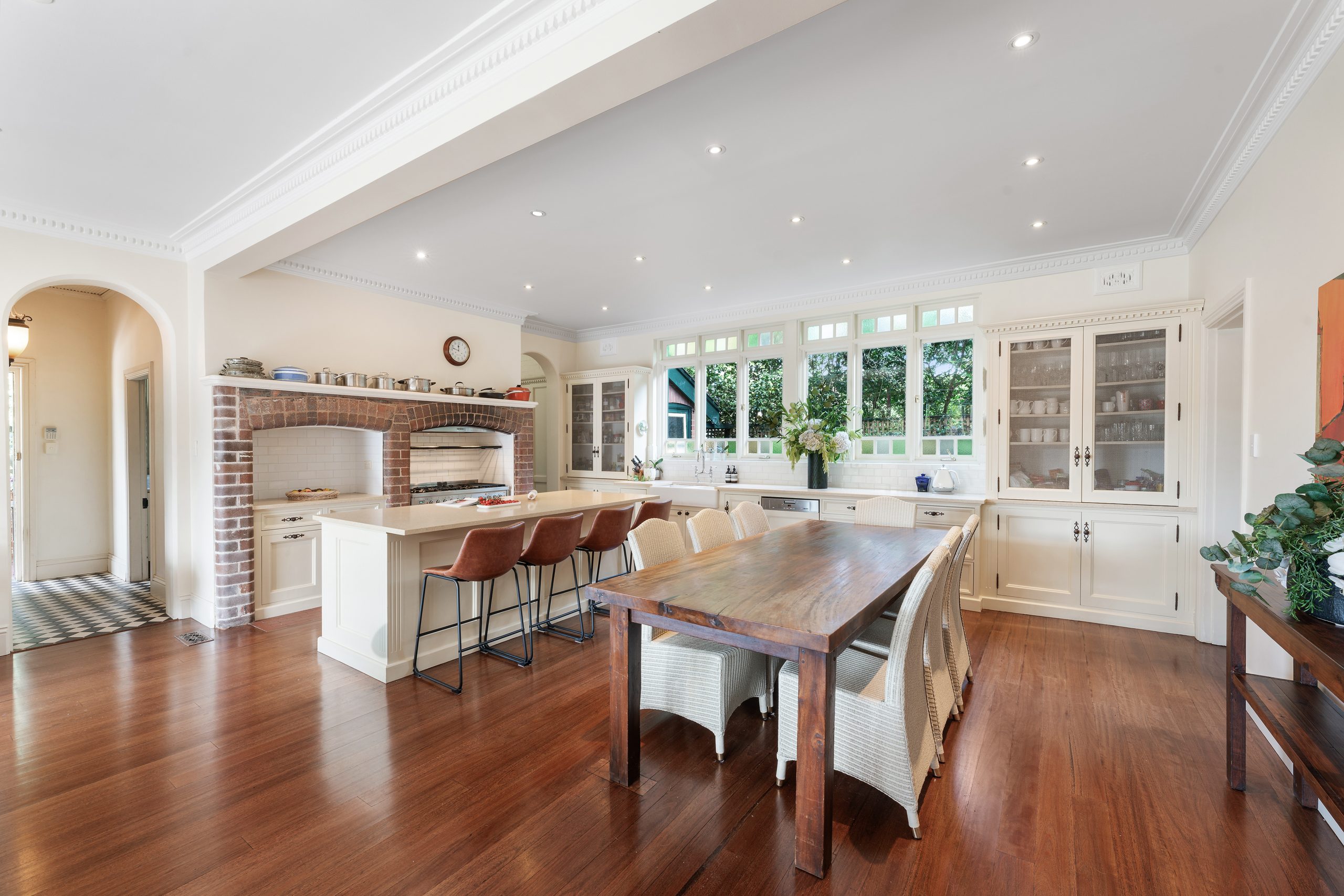
Inside, the stately residence expertly balances period charm and contemporary convenience with formal and casual living rooms featuring high ornate ceilings, chandeliers, polished timber floors and intricate lead light windows.
There are also original fireplaces and bespoke joinery that has been crafted to suit the home’s Victorian past, while modern upgrades include a modern kitchen with stone surfaces, Ilve and Miele dishwasher and a butler’s pantry.
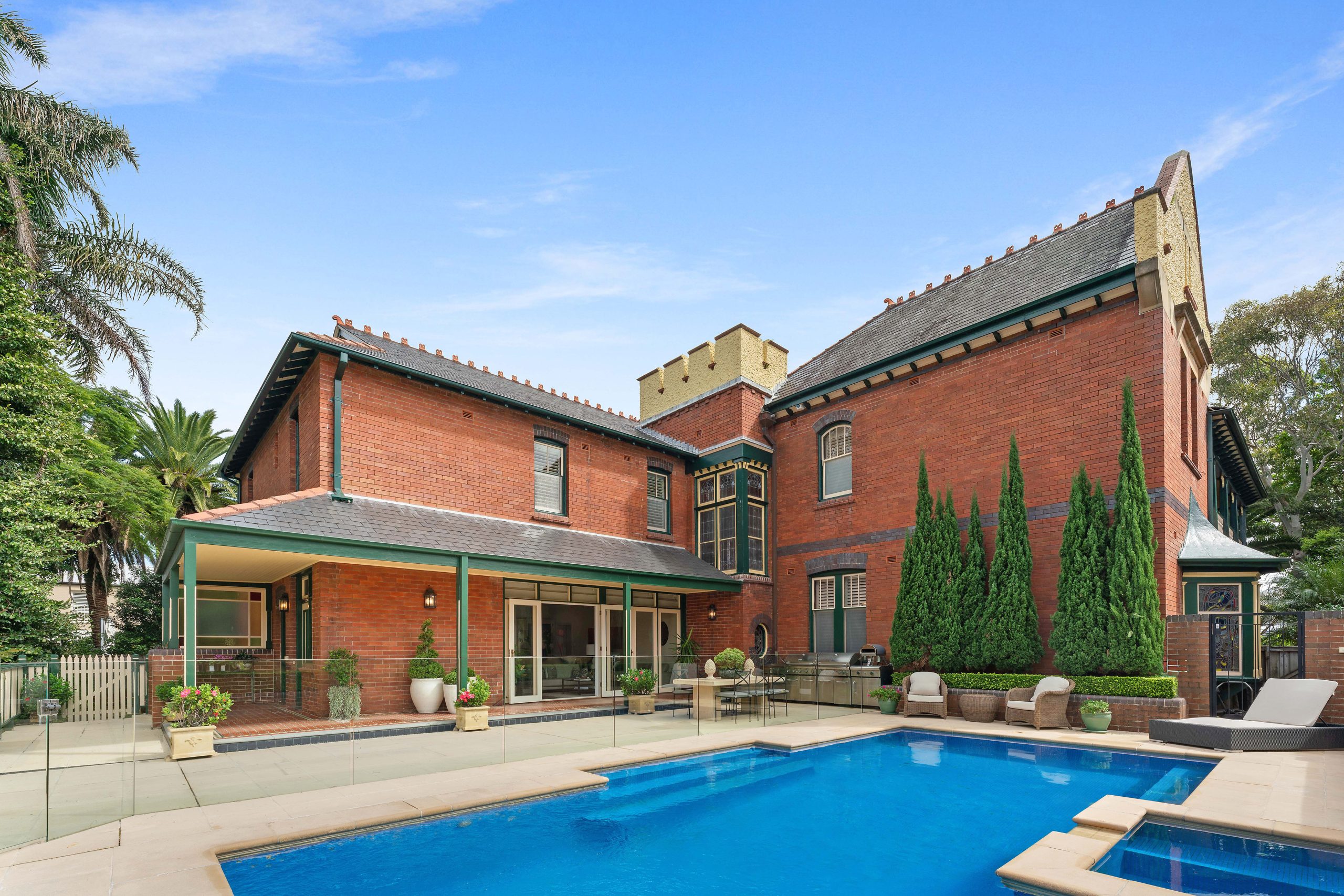
All seven bedrooms are spread across both levels, plus two of the four bathrooms have elegant freestanding tubs and dual vanities.
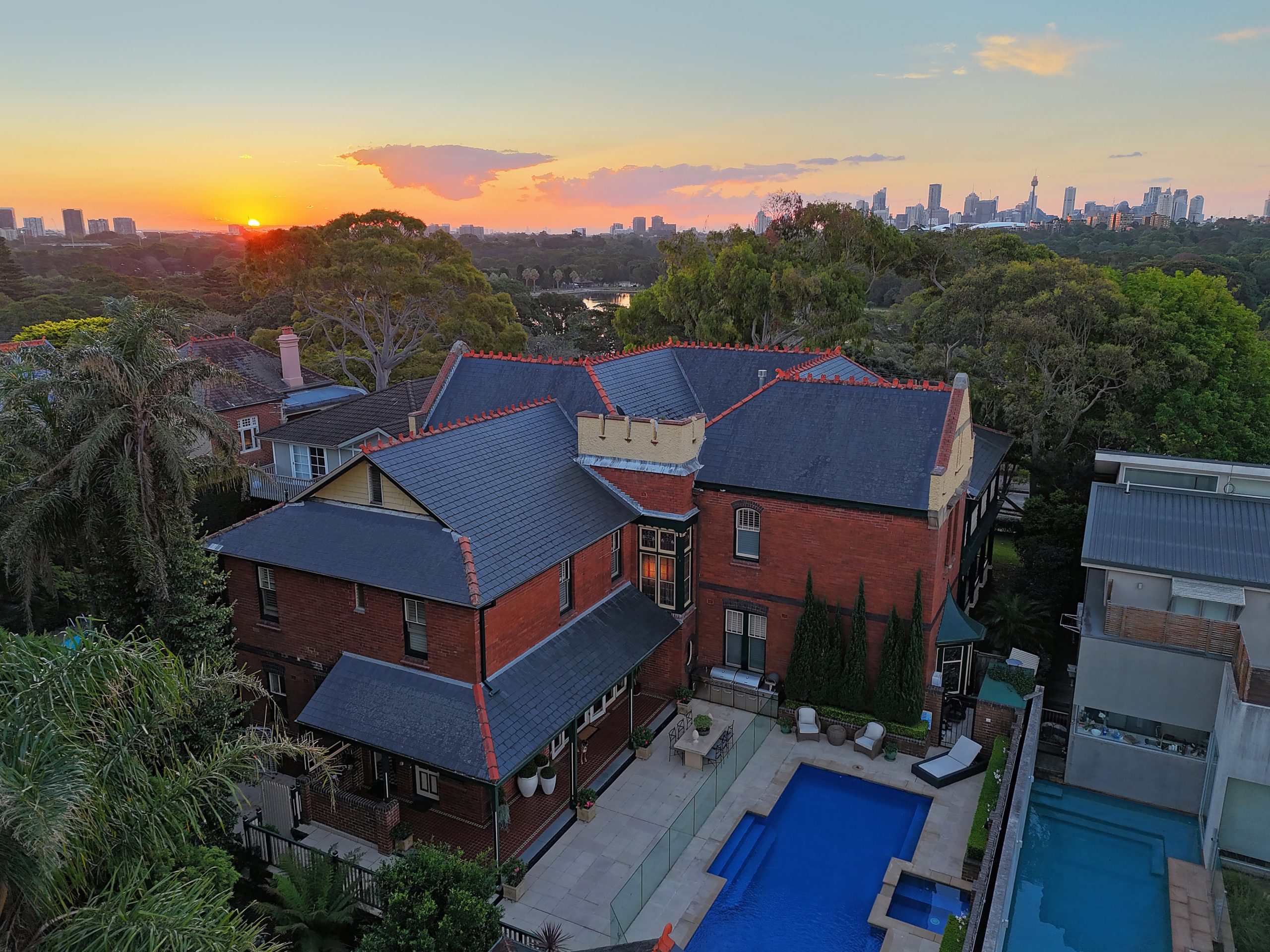
In addition to multiple entertainment spaces downstairs, the upper floor houses a study, media room, billiards room and several balconies capturing panoramic views of Centennial Parklands and the city skyline.
Outside, the expansive grounds are home to manicured gardens befitting the romantic era, and more 21st century inclusions such as a barbecue area, a heated swimming pool, and a self-contained pool house that doubles as a studio.
The block has dual street access with Huddart Lane and there is an automated four-car garage with ample storage.
Swan Isle is close to Royal Randwick Racecourse, Allianz Stadium, Moore Park Golf Course, the Entertainment Quarter and the SCG.
Swan Isle at 87-89 Darley Rd, Randwick is listed with Kate Smith and Elliott Placks of Ray White Double Bay. It is listed via private treaty with a $14 million price guide.

Porsche’s Cayenne Turbo Electric produces up to 1,156PS and reaches 100km/h in a claimed 2.5 seconds.
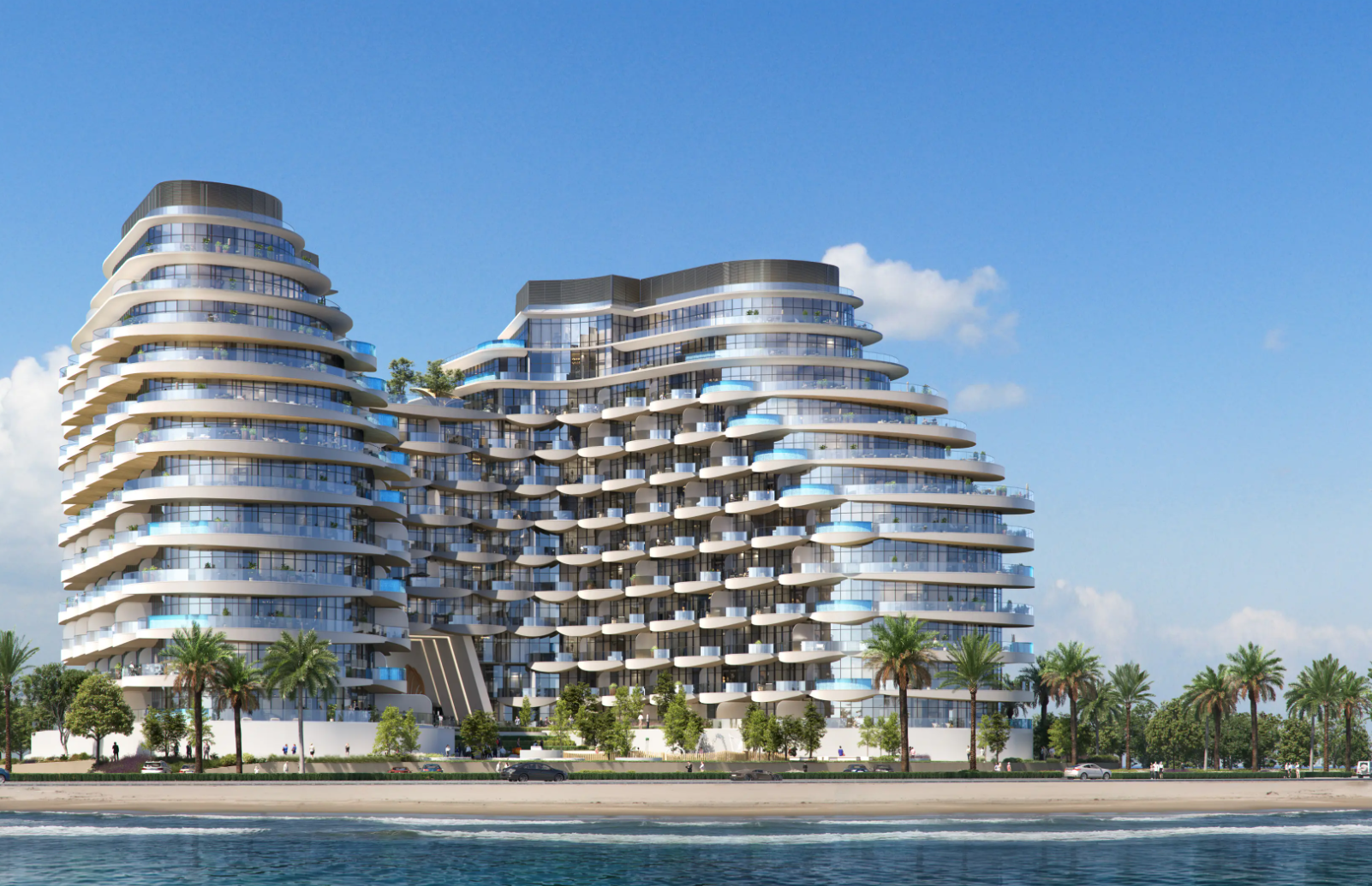
BNW Developments has established a Sydney presence, joining Arada and Sobha Realty among the growing number of UAE developers pursuing Australian buyers and development opportunities.

Rising Australian bond yields are putting pressure on listed property and the cost of capital. Here’s why A-REITs can signal changes in property valuations before the direct market moves.
4 min
Most property investors spend considerably more time watching interest rates than bond markets.
That makes sense. The Reserve Bank cash rate has an obvious relationship with mortgage repayments, borrowing capacity and investor sentiment, while government bonds can seem far removed from what someone will pay for an apartment in Sydney or an office building in Melbourne.
But the bond market can provide one of the earliest indications that the price investors are willing to pay for property is changing.
That became evident last Thursday, when Australian shares suffered their worst trading session in months. The S&P/ASX 200 fell almost two per cent, with property among the rate-sensitive sectors caught in the sell-off as government bond yields moved sharply higher.
Australia’s 10-year government bond yield pushed to around 5.4 per cent, close to its highest level in 15 years, against a backdrop of rising global yields and renewed concern about inflation and the direction of interest rates.
For property investors, that matters because the government bond yield is effectively one of the reference prices for money.
An investor buying an Australian government bond is receiving a return while taking comparatively little credit risk. Property comes with tenants, vacancies, maintenance, leasing costs, illiquidity and the possibility that the underlying asset falls in value, so investors generally expect to be compensated for accepting those additional risks.
A property yielding five per cent therefore looks considerably more attractive when a 10-year government bond yields three per cent than when that same bond is yielding more than five per cent.
That does not mean property values automatically fall every time bond yields increase. Rental growth, scarcity, lease structures and the quality of an asset can all outweigh movements in rates, but it changes the return investors require and therefore what they may be prepared to pay.
SG Hiscock & Company made that point in an ASX Investor Update, arguing that real, or inflation-adjusted, bond yields can be particularly relevant to property because real estate is fundamentally a long-duration investment whose value is derived from future income.
The first place investors can often see that repricing is the sharemarket.
A house or commercial building does not have a price that changes every few seconds. An Australian real estate investment trust does.
A-REITs can own billions of dollars of shopping centres, offices, warehouses and other property, but their securities trade continuously on the ASX. When expectations around interest rates and bond yields change, investors can immediately alter what they are willing to pay for those property earnings.
That can create a situation where the value attributed to a portfolio on the sharemarket falls even though the underlying buildings have not changed hands and their independent valuations remain unchanged.
The two markets simply move at different speeds.
Mark Ferguson, Head of Charter Hall Maxim Property Securities, has previously described direct property valuations as lagging the listed market. Writing for Charter Hall during an earlier period of rising interest rates and bond yields, Ferguson noted that listed property was already pricing increases in capitalisation rates and falls in underlying property values before those adjustments had fully emerged in direct-market valuations.
The effect can be substantial.
Consider a commercial property producing $1 million a year in net operating income. At a five per cent capitalisation rate, that income implies a value of $20 million.
If investors subsequently require a 5.5 per cent return while the property’s income remains unchanged, the implied value falls to around $18.18 million. At six per cent, it falls again to roughly $16.67 million.
Nothing necessarily happened to the building. It could have the same tenant paying the same rent under the same lease. What changed was the return required by the person buying it.
That is also why income growth becomes so important.
A well-located property with constrained supply and strong rental growth can increase its earnings quickly enough to absorb some of the pressure from higher required returns. An ageing office building facing vacancies, refurbishment costs and an approaching debt refinancing could instead be hit from several directions at once.
Debt adds another dimension because property is one of the economy’s most capital-intensive asset classes.
Higher market rates can increase the cost of financing an acquisition or refinancing existing debt while simultaneously increasing the return investors expect from the property itself. For developers, the consequences can be even more pronounced because higher construction finance costs can coincide with lower anticipated end values.
If that happens, a project can be squeezed from both directions: it becomes more expensive to deliver at precisely the time investors become less willing to pay yesterday’s price for the finished asset.
The direct property market generally takes longer to reveal that adjustment.
An A-REIT can lose five per cent of its market value in a trading session. An office building may not transact for another year. Owners can reject lower offers, transactions can be withdrawn and valuers must wait for comparable sales to establish new evidence.
That lag is one reason listed property can be useful even for investors who have no intention of buying a REIT.
The same principle eventually extends to residential property, although houses and apartments are generally valued using comparable sales rather than capitalisation rates.
Residential property is particularly sensitive to credit. Higher bond and swap rates can influence bank funding and fixed mortgage pricing, while higher borrowing costs reduce the amount households can service.
If prospective buyers can borrow less, the number of people capable of paying yesterday’s price can shrink. Vendors may initially resist that adjustment, resulting in fewer transactions rather than immediate price falls, before motivated sales eventually establish new comparable values.
For investors, rental growth can provide an important buffer. Rising rents can help offset higher financing costs, just as increasing commercial rents can compensate for some expansion in capitalisation rates. Investors relying primarily on capital growth while accepting a low rental yield have considerably less protection when the cost of money rises.
That is why movements in listed property and bond markets deserve attention beyond the trading floor.
They provide a constantly updating view of how investors are pricing interest rates, debt, future income and property risk, often months before those changes become obvious in direct transactions.
For an A-REIT investor, that means looking at gearing, debt maturity, hedging, interest cover and the discount or premium to net tangible assets rather than simply chasing the highest distribution yield.
For a commercial property investor, it means testing what happens to valuations if capitalisation rates move 25, 50 or 100 basis points higher.
For residential investors, it means understanding mortgage costs, borrowing capacity, realistic rental income and how much of the investment case relies on future capital growth.
The cash rate will continue to attract most of the attention in Australian property. But investors looking for an earlier indication of how the market is repricing risk should also be watching the bond market.
Property prices might take months to respond to a changing financial environment. The price of money moves considerably faster.

Now complete, Ophora at Tallawong offers luxury finishes, 10-year defect insurance and standout value from $475,000.

New research suggests that bonuses make employees feel more like a mere cog in a wheel.