


Nu Skin Beauty Mogul Puts Longtime Manhattan Pied-à-Terre up for Sale Asking $80 Million
The penthouse unit at 80 Columbus Circle in Manhattan spans 8,000 square feet and once set a price record for the city.

 2 min
Eight is definitely someone’s lucky number—especially when a few zeros are tacked on at the end.
The top-floor unit of the 80-storey 80 Columbus Circle in Manhattan is coming to market for the first time in more than 20 years and asking a nice round $80 million.
The full-floor unit spans over 8,000 square feet and is part of the Mandarin Oriental Residences above the hotel in the Deutsche Bank Center. It has eight rooms with eight ensuite baths, each with its own walk-in shower.
It last sold in 2005 for a hair under $30 million to cosmetics executive Sandie Tillotson, a founding member and senior vice president at the Utah-based Nu Skin Enterprises. She agreed to purchase the unit in 2001 while the complex was under development as the Time Warner Center.
Today, the six-bedroom apartment features spacious living areas and views from every room, including a close-up view of Central Park and panoramic 360-degree vistas stretching to the Mario M. Cuomo Bridge, according to listing agent Eva J. Mohr of Sotheby’s International Realty.
“There are windows all the way around,” Mohr said. “The views are spectacular and there are no obstacles in front of the windows.
The apartment comes with a library and cinema, a primary bedroom with its own lounge, an oversized kitchen, a corner breakfast area with two glass walls and a utility room with caterer-level equipment and two sinks—one for prepping flowers and the other for bathing pets.
The 80th-floor unit has never been resold and was rarely used by the seller, according to information provided by the listing agency. The corresponding top-level unit in the complex’s second tower just sold. That unit once belonged to Related Companies boss Stephen Ross and sold for $50.7 million in an off-market deal last week.
“The one that went for $55 (sic) million was completely redone with marble and it was beautiful, but you don’t have the views,” Mohr said.
When Tillotson bought the property, the $30 million contract was a record price for a condominium, according to the New York Times. In 2005, the apartment was delivered as “8,200 square feet of raw space” and Tillotson brought her own team to do the interiors, the Times reported.
Tillotson’s Nu Skin is a seller of anti-ageing and wellness products that was founded in the 1980s and is active in more than 50 international markets, particularly in China. The publicly traded company has also recently expanded into India. Nu Skin has several thousand permanent employees at its Provo, Utah, headquarters as well as tens of thousands of salespeople worldwide.
 Copyright 2020, Dow Jones & Company, Inc. All Rights Reserved Worldwide. LEARN MORE


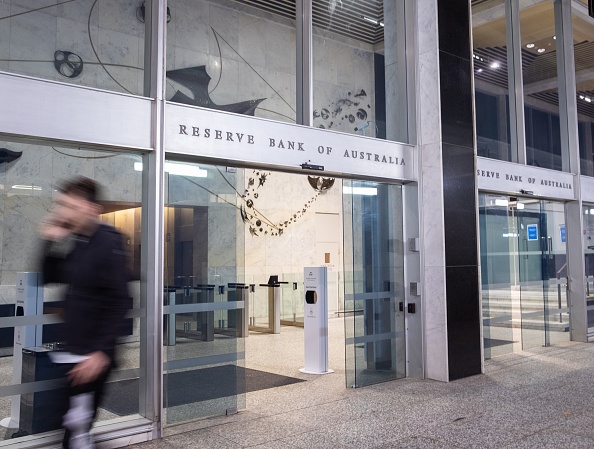
Unemployment hit 4.9% in October, but with inflation at 4.3% the big four aren’t tipping a February RBA cut. Here’s what CBA, Westpac and NAB say.

Dutch studio Vripack took cues from a Shirley Temple song for Lollipop, a 37.4-metre Moonen superyacht built for long-range cruising.
Unemployment hit 4.9% in October, but with inflation at 4.3% the big four aren’t tipping a February RBA cut. Here’s what CBA, Westpac and NAB say.
3 minUnemployment is at a five-year high and the talk has turned from hikes to cuts. But with inflation still well above target, the big banks aren’t ready to promise relief by February.
Three weeks ago the Reserve Bank lifted the cash rate for the fifth time this year. The conversation has now flipped.
Last Thursday the Australian Bureau of Statistics reported that the seasonally adjusted unemployment rate rose to 4.9 per cent in October, up from 4.7 per cent. That is the highest reading since October 2021. Economists had expected about 25,000 new jobs and an unchanged jobless rate.
“In October, there were 44,000 less employed people and 18,000 more unemployed people,” said Sean Crick, the ABS head of labour statistics. Youth unemployment rose to 11.3 per cent. October was also the second straight monthly fall in employment, following a drop of more than 36,000 in September.
Ahead of the RBA’s forecasts
The timing is awkward for the RBA. On 3 November its Monetary Policy Board raised the cash rate by 25 basis points to 4.85 per cent, the highest level since 2008. The vote was 6–3, with three members preferring to hold at 4.60 per cent.
The November Statement on Monetary Policy had forecast unemployment averaging 4.7 per cent in the December quarter, and reaching 4.9 per cent only at the end of 2027. October’s figure got there more than a year early.
Unemployment is also now above the RBA’s own estimate of full employment. Westpac economist Ryan Wells said in the bank’s labour force note that “slower hiring is now being compounded by more firing.” Westpac now expects unemployment to peak at 5.2 per cent by mid-2027, up from its earlier forecast of 4.8 per cent.
Markets moved quickly. Before the data, interest rate swaps had priced a 28 per cent chance of a rate rise by February. Afterwards they implied a roughly 20 per cent chance of a cut by March, with one cut fully priced by November 2027.
The inflation problem
So why isn’t anyone calling a February cut? Inflation hasn’t eased.
Headline CPI rose 4.3 per cent in the year to September, up from 4.0 per cent in August. Housing was the biggest contributor, up 5.2 per cent. Trimmed mean inflation, the RBA’s preferred underlying measure, was 3.6 per cent.
The RBA expects headline inflation to peak at 4.5 per cent this quarter. It sees both headline and underlying inflation staying above 3 per cent until the end of 2027, and not returning to the 2.5 per cent midpoint until mid-2028. The Board also flagged “the increasing risk that higher inflation expectations will become embedded.”
Wages add to the caution. The Wage Price Index rose 1.1 per cent in the September quarter, the strongest quarterly gain since late 2023, taking annual growth to 3.5 per cent. That is still below inflation, so real wages are falling, but the quarterly pace is not what a central bank trying to cool prices wants to see.
Where the banks stand
None of the big four is forecasting a cut at the February meeting. What has changed is the consensus that hikes are over.
- NAB: “We think the RBA are done,” chief economist Sally Auld said on 9 November. She pointed to weaker growth in the first half of 2026, business conditions below their long-run average and fading momentum in household spending. After the jobs data, NAB senior economist Taylor Nugent said unemployment was already well above where the RBA expected it to be this year, which supports the view that the tightening cycle is finished.
- CommBank: in its 2 November forecast update, CBA warned of a “sharper, longer slowdown”. It now expects GDP growth to fall to 1 per cent by mid-2027 and unemployment to peak at 5.1 per cent at the end of 2027. It still has two cuts pencilled in for August and November 2027, though it says the timing is uncertain.
- Westpac: sees November’s increase as the peak of the cycle and expects the Board to pause in December. It said a February move could not be ruled out but looked increasingly unlikely. That comment referred to a further hike, not a cut.
What it means for property
For borrowers, the change is that a sixth hike now looks unlikely. Relief, though, still looks like a story for the second half of 2027.
The housing market is already feeling the strain. NAB’s November Housing Monitor shows combined capital city dwelling prices fell 1.4 per cent in October, the seventh straight monthly fall. Prices are now 8.1 per cent below their March 2026 peak. Westpac cited a deeper-than-expected housing downturn as one reason it lifted its unemployment forecast.
What to watch
October CPI is released on Wednesday 25 November, and November jobs figures follow on 17 December. Both land before or around the RBA’s final meeting of the year next month. The December-quarter inflation figures in late January will then set up the February decision.
If unemployment keeps rising and underlying inflation falls faster than the RBA expects, February could become a real possibility. For now, the banks expect the RBA to hold rates where they are.

High-end homeowners are choosing to upgrade rather than relocate, investing in bespoke design, premium finishes and long-term lifestyle value.
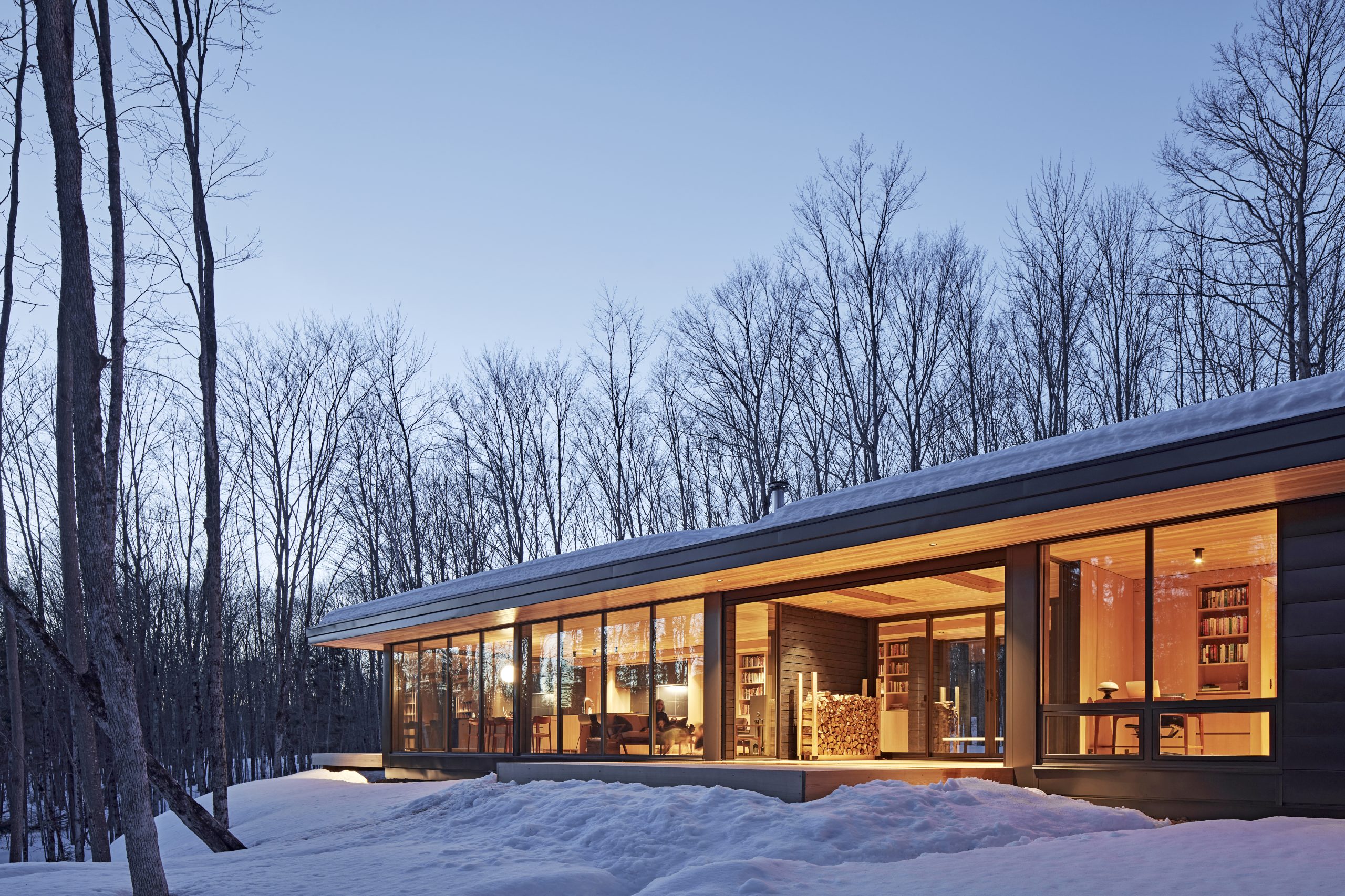
From reworked homes to remote retreats, designers are prioritising warmth and a deeper connection to landscape.