Hobart Trophy Home Targets $15m
A landmark Sandy Bay estate with deep history, riverfront position and resort-style grounds returns to market with record-breaking ambitions.
 2 min
2 min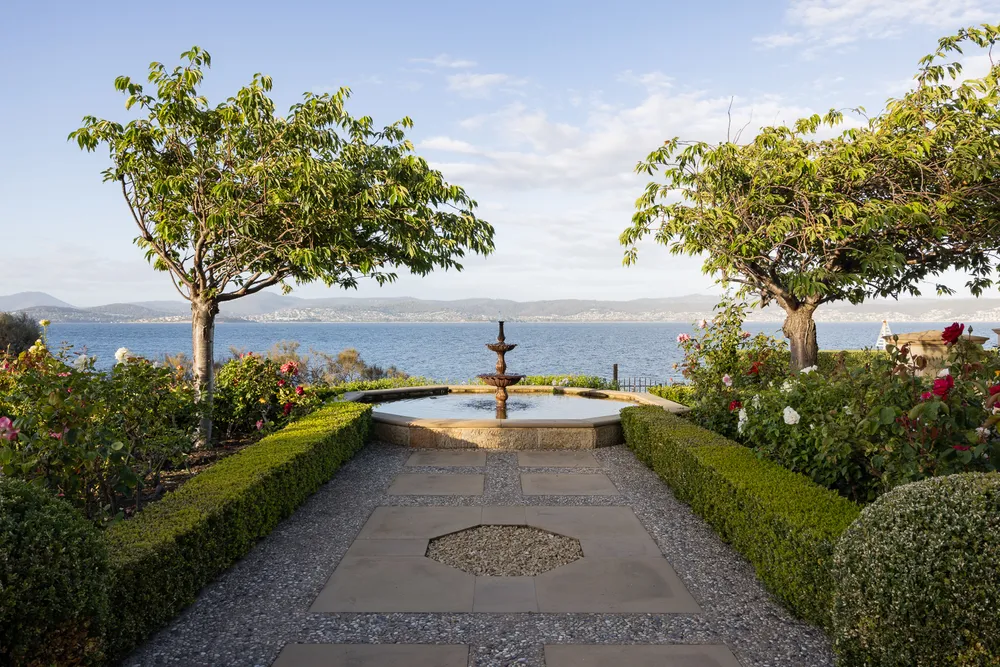
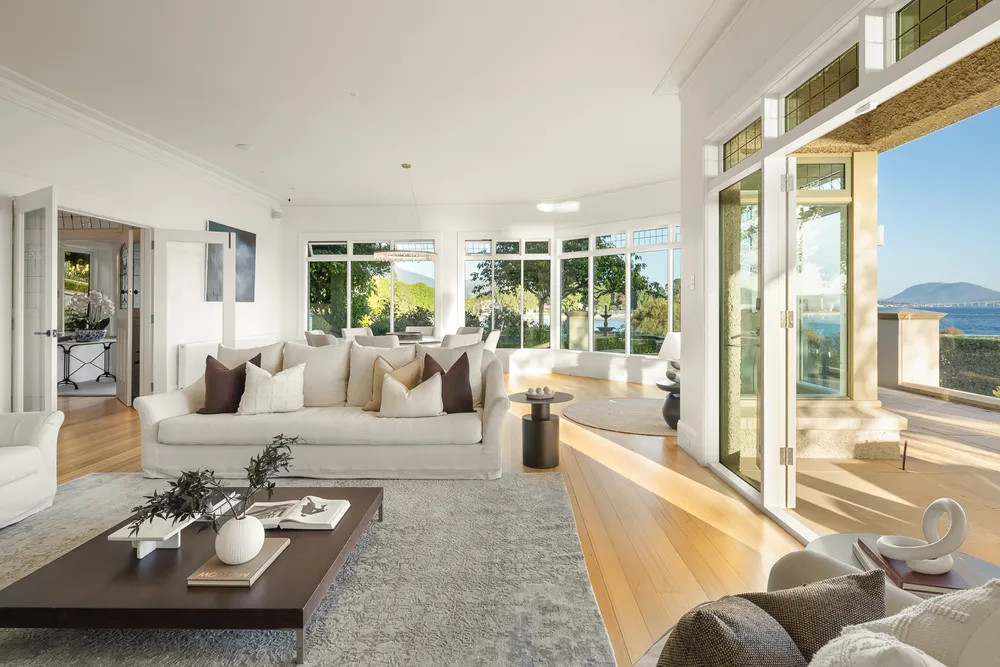
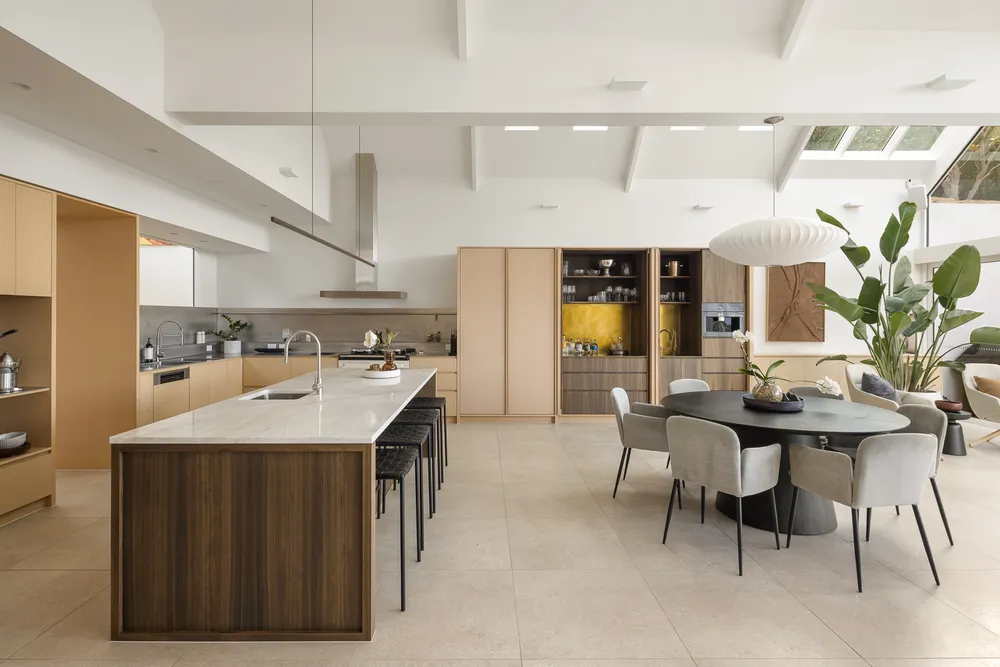
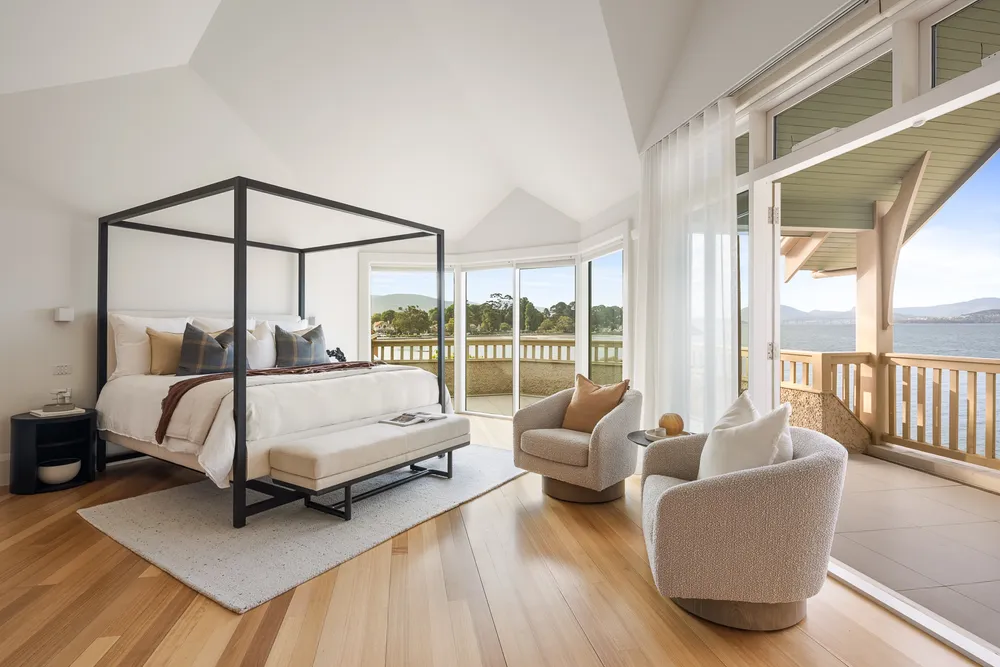
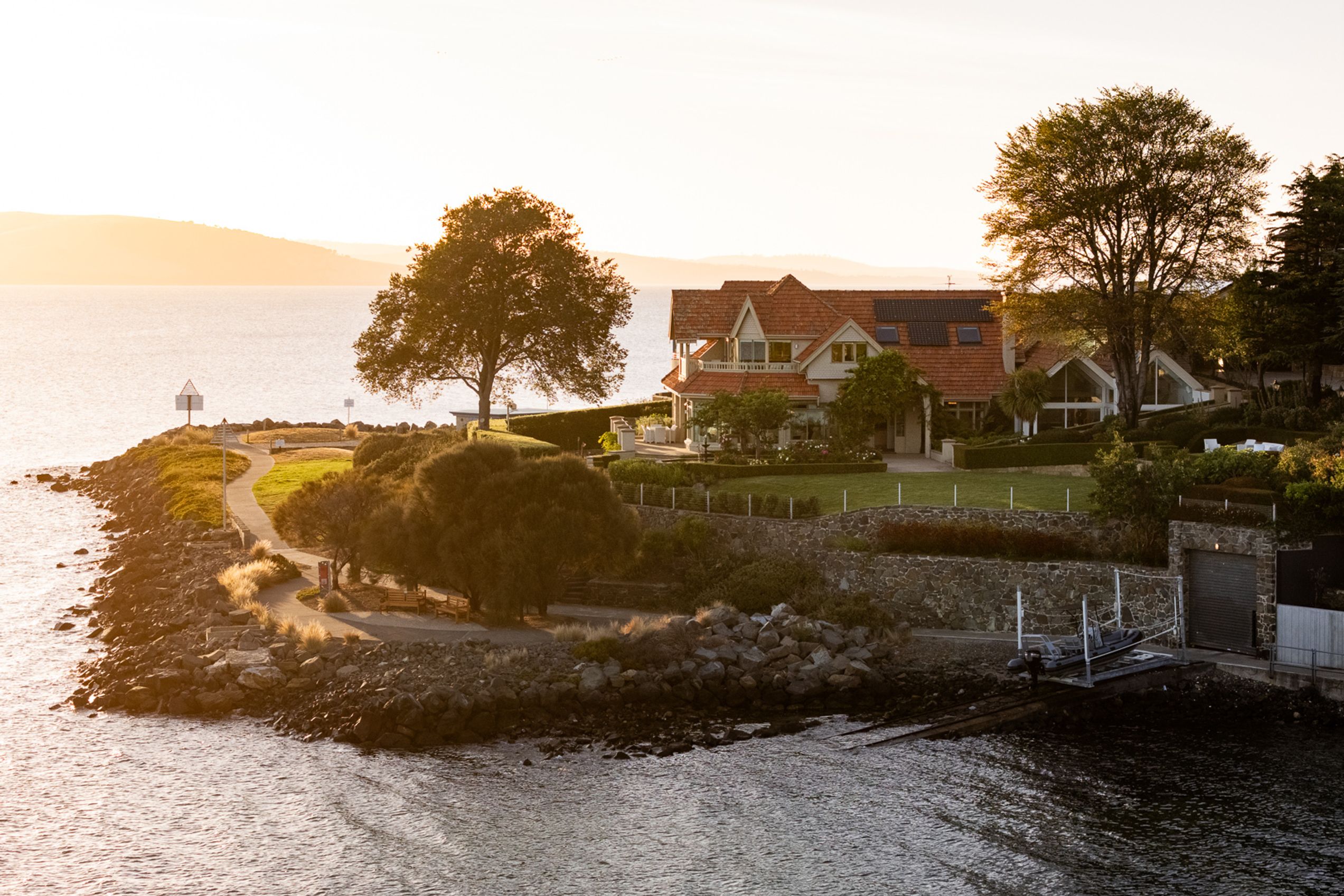
Sentosa in Hobart has already spent its time in the history books, but now the historic estate in Sandy Bay is set to shine again.
The period home, which sits on a large 2300 square metres riverfront block, made headlines in 2017 when the then century-old mansion sold for a Tasmanian record of $6.5 million.
Fast forward to 2026 and the 1917 trophy home is returning to the market with $15 million expectations – a figure that could set a brand new price benchmark for the Apple Isle.
Owned by Sydney investors, Piers Dawson-Damer and his partner Kim, Sentosa has been used as a Tassie holiday home for almost a decade. The pair bought the riverside residence from locals Wendy and Barry Turnbull, who had paid $815,000 for it in 1993.
The current sale is expected to easily eclipse Hobart’s record, which stands at $8.5 million. That benchmark was set when Point Piper-based Taswegian, financier Greg Woolley, bought historic Waimea House in 2011.
Interestingly, Woolley took the keys to Waimea House – also in Sandy Bay – from the Dawson-Damers, who themselves had paid a then-record of $6.06 million.
Co-agents, Forbes Global Properties directors Tracey Atkins and Robert Fletcher, are tasked with marketing Sentosa.
“Sentosa has been set up perfectly by its interstate owners to serve as a top-tier second home, with state-of-the-art automation, technology and security now in place that allow it to be run seamlessly from anywhere in the world,” Fletcher said, adding that the unique Hobart home has been turning heads since it landed online this week
“There is no question it merits attention locally and internationally – it is a true Tasmanian trophy.”
Taking its name from the Malay word for “peace and tranquility”, Sentosa is once of the city’s most iconic properties. Even early Australian aviator Charles Kingsford-Smith reportedly visited the estate when he honeymooned in Hobart with his second wife Mary in 1931.
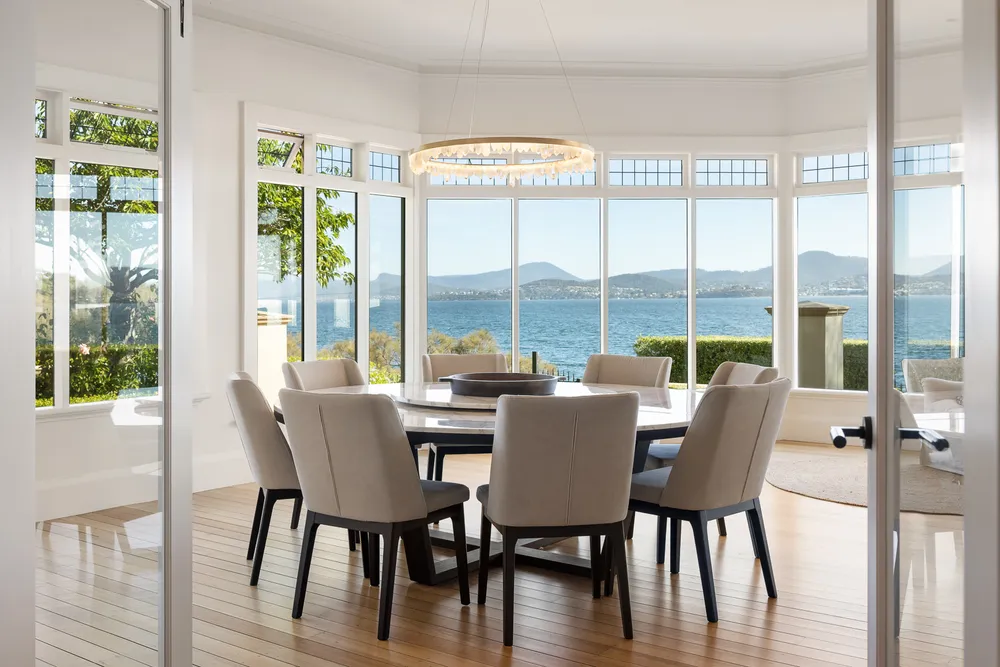
With 270-degree views of the Derwent River and mountain backdrop, the house on Blinking Billy Point has given its owners a front-row seat to the final sprints of the Sydney to Hobart Yacht Race.
Now fully renovated, the arts and crafts era house has been restored to its former glory.
Fletcher said the Dawson-Damers wanted to respect the home’s heritage while updating the five-bedroom house for modern living.
The result is a blend of classic craftsmanship and modern luxury, all with a strong connection to the water.
There are many restored original details, like ornate cornices, lead-light windows, fireplaces, and intricate fretwork.
The renovation has also added several modern touches, including a new central staircase, updated joinery, sleek bathrooms, and an entertainer’s kitchen. Other modern features of the Sandy Bay home include advanced home automation and CCTV security.
Living areas include both formal and casual spaces, plus there is a grand main bedroom suite, all designed to capture uninterrupted views of the river and ranges.
Outside, the estate offers resort-style amenities, including landscaped gardens by award-winning designer Paul Bangay, with European-inspired green spaces, a statement water fountain, level lawns, and sandstone terraces.
Additionally, there is a fully equipped boat shed with a slipway right on the water’s edge.
Sentosa is close to beaches, popular schools, large parks, and Hobart’s CBD.
Sentosa at 650 Sandy Bay Rd, Sandy Bay is listed with price hopes of $15 million through an expressions of interest campaign with Forbes Global Properties agents Robert Fletcher and Tracey Atkins.
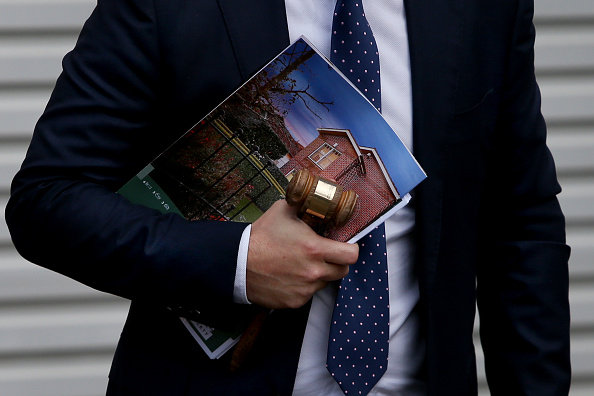
Victorian auction buyers will soon receive a piece of information that has traditionally been withheld until bidding reaches it: the vendor’s reserve price. Under new property-sale and underquoting laws, agents must publish the agreed reserve at least seven days before an auction or fixed-date sale. Most changes begin on 1 October 2026 and apply to …
Continue reading “Victoria’s New Auction Rules Will Force Reserve Prices Into the Open”
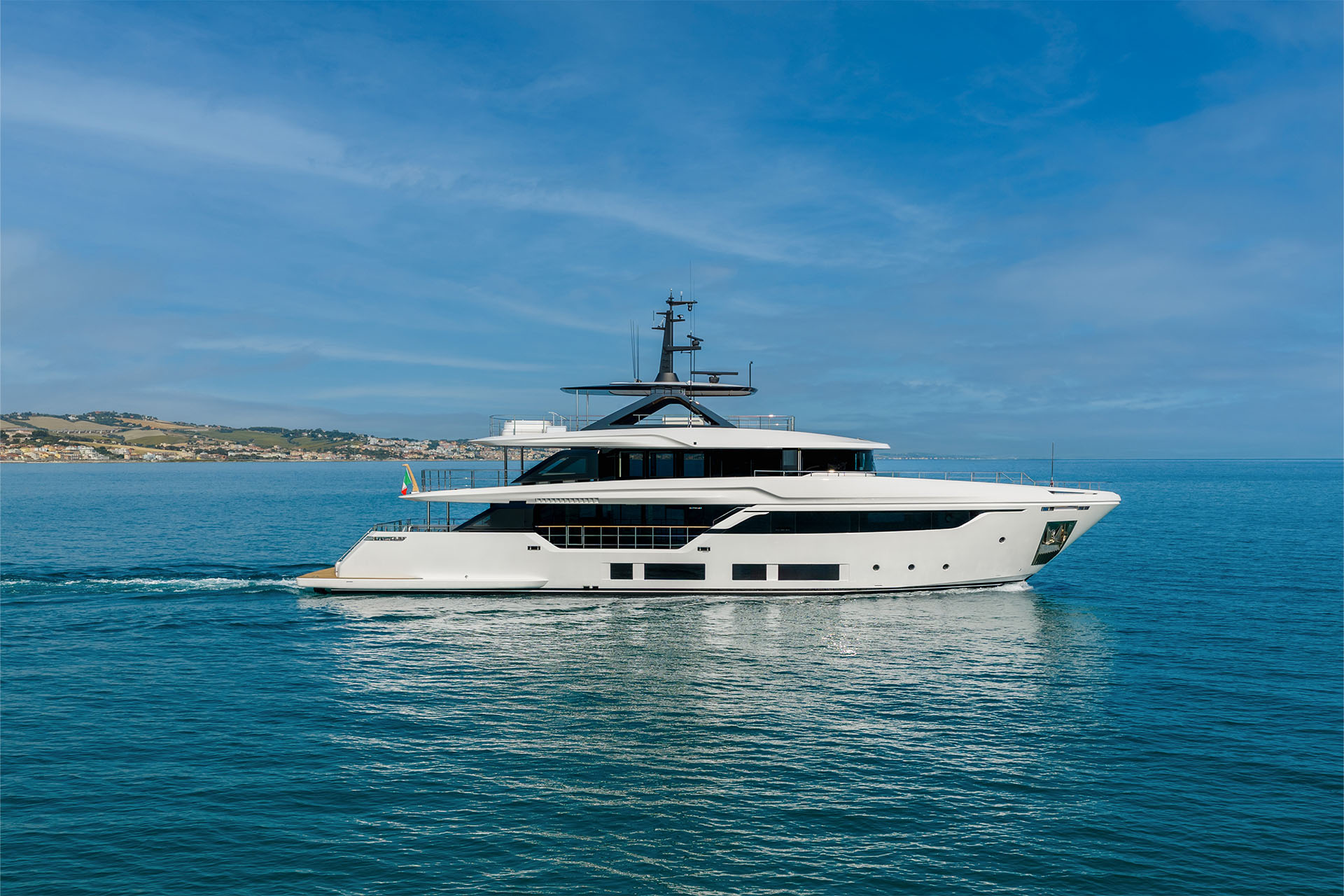
Four decks, 34.5 metres and a made-to-measure interior: step aboard the new Custom Line Navetta 35, unveiled at Cannes.
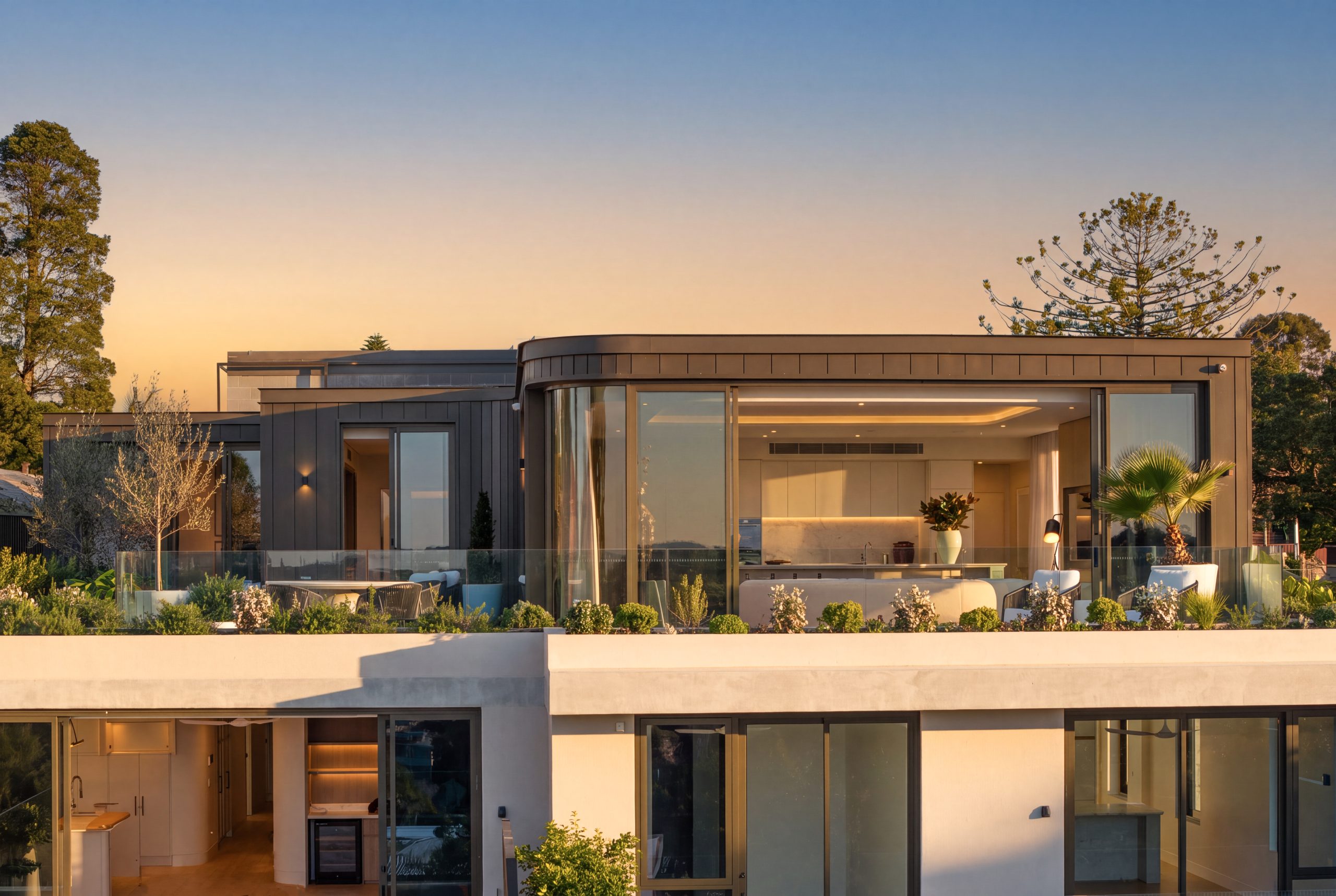
New detached-home sales fell 10% nationally in August, led by a 27% decline in Victoria, raising concerns about construction starts in 2027.
2 min
Australia’s hoped-for recovery in housing construction is losing momentum before it has had time to close the national supply gap.
Sales of new detached homes fell 10 per cent nationally in August, according to the Housing Industry Association’s survey of major volume builders across the five largest mainland states. It was the fourth consecutive monthly decline.
The fall was broad rather than isolated. Victoria recorded the largest retreat, down 27 per cent, followed by Queensland at 20.2 per cent, New South Wales at 17.5 per cent, South Australia at 10.8 per cent and Western Australia at 8.2 per cent.
Across the three months to August, sales were 19.3 per cent below the preceding three-month period and 7.7 per cent lower than the equivalent period a year earlier.
New-home sales matter beyond the immediate fortunes of volume builders. They are an early indicator of future starts: buyers sign contracts, finance is finalised, approvals are secured and construction follows months later. A sustained sales decline during the middle of 2026 is therefore likely to weaken commencements during 2027.
The slowdown reflects the collision of several pressures. Households have absorbed multiple interest-rate rises, reducing borrowing capacity and increasing the repayment cost attached to a new build. Established-home prices have softened in some markets, weakening the relative appeal of waiting through a construction period. Builders continue to face elevated labour and material costs.
The Reserve Bank’s August analysis showed new-dwelling construction prices increased 1.8 per cent during the June quarter and 5.3 per cent over the year. It attributed part of the pressure to oil-derived building products and other conflict-related costs.
Policy uncertainty can also cause buyers and investors to defer large commitments. But the precise contribution of any single tax or regulatory change is difficult to isolate from rates, confidence, land prices and construction costs. The HIA survey should be read as an indicator from large builders rather than a complete count of every dwelling sale.
The figures complicate progress towards the Housing Accord target of 1.2 million homes. The National Housing Supply and Affordability Council reported 308,000 completions since the Accord began and 244,000 dwellings under construction in the March quarter. Approvals and commencements had improved, but falling sales risk undermining the next wave.
For developers and governments, the warning is that planning approvals alone do not create homes. Projects need finance, viable construction pricing and buyers able to settle. If one part fails, approved supply can remain on paper.
Data box
National August new-home sales: Down 10 per cent
Three months to August: Down 19.3 per cent from the preceding three months
Year-on-year three-month comparison: Down 7.7 per cent
Victoria: Down 27 per cent
Queensland: Down 20.2 per cent
New South Wales: Down 17.5 per cent
South Australia: Down 10.8 per cent
Western Australia: Down 8.2 per cent
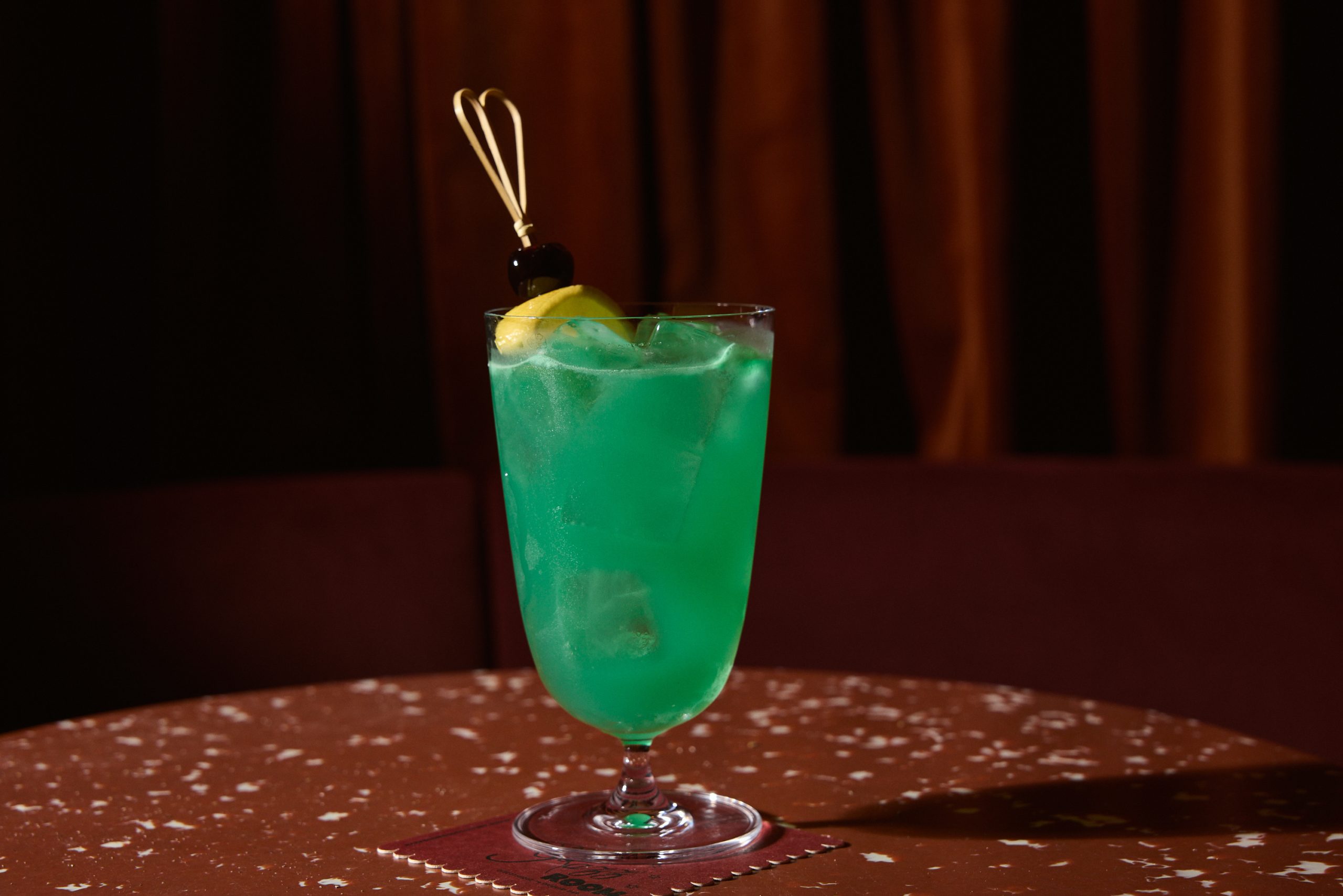
Odd Culture Group brings a new kind of after-dark energy to the CBD, where daiquiris, disco and design collide beneath the city streets.

On October 2, acclaimed chef Dan Arnold will host an exclusive evening, unveiling a Michelin-inspired menu in a rare masterclass of food, storytelling and flavour.