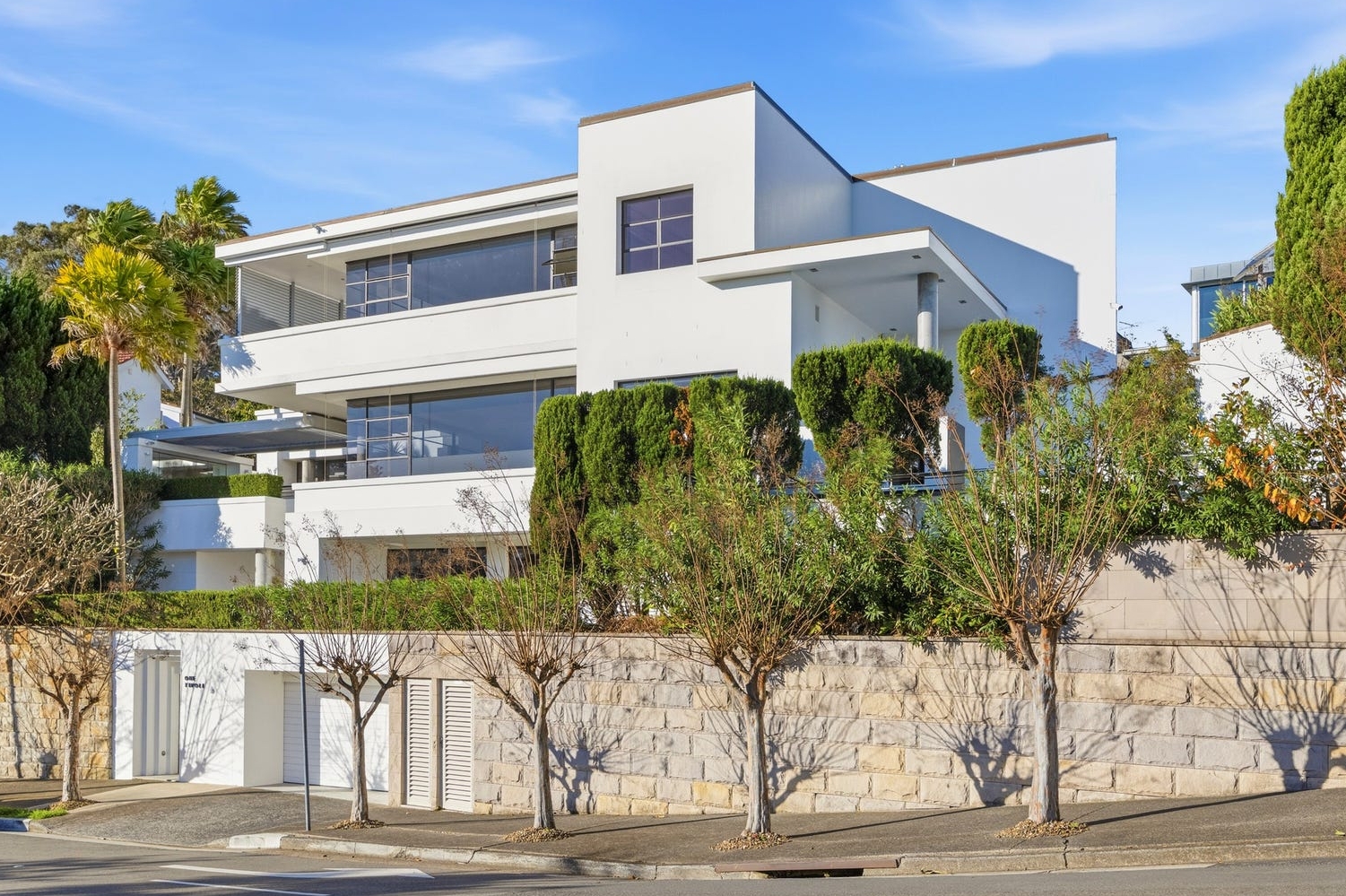
RETAIL PROPERTY BOOM FACES NEW RISKS AS GEOPOLITICS CLOUDS OUTLOOK
Strong consumer spending and tight supply have driven retail to the top of commercial property, but signs of pressure are starting to emerge.
 2 min
2 min
Australia’s retail property sector entered 2026 as the strongest performing commercial asset class, but rising geopolitical risks and cost pressures are beginning to test its resilience, according to new research from Knight Frank.
The latest Australian Retail Review shows the sector rode a wave of consumer spending and constrained supply through 2025, delivering total returns of 9.2 per cent and driving transaction volumes up 43 per cent year-on-year to $14.4 billion.
That momentum carried into early 2026, with around $3.6 billion in deals recorded in the first quarter alone.
“Retail clearly emerged as the standout commercial property performer in 2025,” said Knight Frank Senior Economist, Research & Consulting Alistair Read.
“Improving household spending, limited new supply and stronger leasing fundamentals combined to drive better income growth and renewed investor confidence in the sector.”
Spending rebound drives retail strength
A lift in household spending has been central to the sector’s performance. Consumer spending rose 4.6 per cent year-on-year to February 2026, supported by easing inflation and improving real incomes.
That shift flowed directly into retailer performance, with average EBIT margins across major retailers rising to 8.9 per cent in the first half of 2026, their strongest level in several years.
“Stronger consumer spending was critical in restoring momentum to the retail sector,” Mr Read said.
“Retailers have generally been better able to absorb costs, rebuild margins and support sustainable rental outcomes, particularly in higher-quality centres.”
Improved trading conditions also pushed leasing spreads up 4.2 per cent in 2025, reinforcing income growth and supporting capital values.
Geopolitical tensions begin to bite
But the outlook has become more complicated. The report warns that escalating conflict in the Middle East and its impact on fuel prices, supply chains and interest rates could weigh heavily on consumer spending.
“Higher fuel prices, flow-on cost pressures across supply chains, and recent interest rate increases are collectively squeezing household budgets, and early consumer sentiment data suggests confidence is already softening,” Mr Read said.
“While household balance sheets remain generally resilient, heightened uncertainty over future costs is likely to weigh on spending — particularly in discretionary categories — in the months ahead.”
The impact is already being felt in investment activity. While the year began strongly, transaction volumes slowed in March as investors paused amid the uncertainty.
“Early indicators suggest elevated uncertainty has already begun to affect the market. While retail investment enjoyed its strongest start to a year in a decade, with nearly $3 billion transacted by the end of February, activity stalled in March, as investors took a pause amid elevated uncertainty,” Mr Read said.
Solid foundations support medium-term outlook
Despite the near-term headwinds, Knight Frank maintains that the sector’s underlying fundamentals remain strong. Limited new supply, high construction costs and population growth are expected to continue supporting rental growth over the medium term.
“Retail has entered this period of uncertainty from a position of strength,” Mr Read said.
“Supply-side constraints, population growth and improving income fundamentals remain powerful structural supports for the sector.”
The report highlights several trends shaping the year ahead, including steady yields as interest rates rise, mounting pressure on tenant margins, continued outperformance of prime centres, the growing need for logistics integration, and risks linked to underinvestment in capital expenditure.
For now, retail remains a sector with momentum, but one increasingly at the mercy of forces far beyond the shopping centre.

Victorian auction buyers will soon receive a piece of information that has traditionally been withheld until bidding reaches it: the vendor’s reserve price. Under new property-sale and underquoting laws, agents must publish the agreed reserve at least seven days before an auction or fixed-date sale. Most changes begin on 1 October 2026 and apply to …
Continue reading “Victoria’s New Auction Rules Will Force Reserve Prices Into the Open”

Four decks, 34.5 metres and a made-to-measure interior: step aboard the new Custom Line Navetta 35, unveiled at Cannes.

New detached-home sales fell 10% nationally in August, led by a 27% decline in Victoria, raising concerns about construction starts in 2027.
2 min
Australia’s hoped-for recovery in housing construction is losing momentum before it has had time to close the national supply gap.
Sales of new detached homes fell 10 per cent nationally in August, according to the Housing Industry Association’s survey of major volume builders across the five largest mainland states. It was the fourth consecutive monthly decline.
The fall was broad rather than isolated. Victoria recorded the largest retreat, down 27 per cent, followed by Queensland at 20.2 per cent, New South Wales at 17.5 per cent, South Australia at 10.8 per cent and Western Australia at 8.2 per cent.
Across the three months to August, sales were 19.3 per cent below the preceding three-month period and 7.7 per cent lower than the equivalent period a year earlier.
New-home sales matter beyond the immediate fortunes of volume builders. They are an early indicator of future starts: buyers sign contracts, finance is finalised, approvals are secured and construction follows months later. A sustained sales decline during the middle of 2026 is therefore likely to weaken commencements during 2027.
The slowdown reflects the collision of several pressures. Households have absorbed multiple interest-rate rises, reducing borrowing capacity and increasing the repayment cost attached to a new build. Established-home prices have softened in some markets, weakening the relative appeal of waiting through a construction period. Builders continue to face elevated labour and material costs.
The Reserve Bank’s August analysis showed new-dwelling construction prices increased 1.8 per cent during the June quarter and 5.3 per cent over the year. It attributed part of the pressure to oil-derived building products and other conflict-related costs.
Policy uncertainty can also cause buyers and investors to defer large commitments. But the precise contribution of any single tax or regulatory change is difficult to isolate from rates, confidence, land prices and construction costs. The HIA survey should be read as an indicator from large builders rather than a complete count of every dwelling sale.
The figures complicate progress towards the Housing Accord target of 1.2 million homes. The National Housing Supply and Affordability Council reported 308,000 completions since the Accord began and 244,000 dwellings under construction in the March quarter. Approvals and commencements had improved, but falling sales risk undermining the next wave.
For developers and governments, the warning is that planning approvals alone do not create homes. Projects need finance, viable construction pricing and buyers able to settle. If one part fails, approved supply can remain on paper.
Data box
National August new-home sales: Down 10 per cent
Three months to August: Down 19.3 per cent from the preceding three months
Year-on-year three-month comparison: Down 7.7 per cent
Victoria: Down 27 per cent
Queensland: Down 20.2 per cent
New South Wales: Down 17.5 per cent
South Australia: Down 10.8 per cent
Western Australia: Down 8.2 per cent

Barnet, in North London, lays claim to two of the country’s most expensive roads to own a home.

When the Writers Festival was called off and the skies refused to clear, one weekend away turned into a rare lesson in slowing down, ice baths included.