Shaping Australia’s Next Generation of Luxury Developments
Abadeen Executive Chairman & Founder Justin Brown shares his insights on the resilience of Sydney’s ultra-luxury property market and the future of premium living.
 3 min
3 min
Sydney’s ultra-luxury property market continues to move to its own rhythm.
Scarcity, lifestyle appeal and a new generation of high-net-worth buyers are reshaping how prestige projects are designed, marketed and sold.
We asked Abadeen’s Executive Chairman and Founder Justin Brown to unpack what’s driving demand, where he sees opportunity and how the definition of luxury living is changing.
Q: Sydney’s ultra-luxury property market has remained remarkably resilient. Why?
Supply is structurally tight, and the best sites are almost impossible to replicate. Planning is slow, construction costs are high, and true blue-chip land rarely changes hands. That keeps premium stock scarce.
Much of the demand at this level is from owner-occupiers, and their numbers are increasing exponentially. With long horizons, they help stabilise values through cycles.
As a developer, we manage release strategies carefully. Private placements and staged launches absorb volatility and protect pricing integrity. Sydney’s quality of life, stability, and the international desire to live here do the rest.
Q: Off-market transactions are a hallmark of prestige property sales. What advantages do they offer buyers and sellers?
Both channels have a role. On market provides full exposure, public benchmarking and visible competitive tension. It’s useful when we want to set a new reference price or showcase a precinct at scale.
Off-market delivers privacy, precision and control. There is a smaller pool of qualified buyers who set the tempo and negotiate the terms that actually matter.
It protects residents’ privacy, reduces disruption on site, and keeps the brand experience consistent. Buyers gain early access to irreplaceable products and the ability to tailor outcomes quietly.
For true trophy assets and pre-release allocations, I prefer off-market. We are able to customise and personalise the outcome.
Q: Luxury buyers expect more than location. What must-have features and amenities drive demand?
Views and villages is simplistic but precise. Long, protected outlooks, correct orientation, and a connected neighbourhood that offers vibrancy seven days a week.
Then privacy and a sense of arrival. Generous indoor–outdoor living, a primary kitchen plus a catering space for real entertaining, serious wellness facilities, secure multi-car garaging with EV infrastructure, and building services that feel five-star without fuss.
Technology should disappear into the experience and be reliable. Acoustic and thermal performance matter as much as marble. Designing homes is our craft. We obsess over those details because they determine how a home actually lives and breathes.
Q: Beyond Sydney, are there emerging luxury markets in Australia that high-net-worth investors should watch?
We have further expanded in Melbourne, Perth and Queensland. That is where we see sustained depth for the premium owner-occupier product in the right areas, targeting similar demographics to the Sydney market.
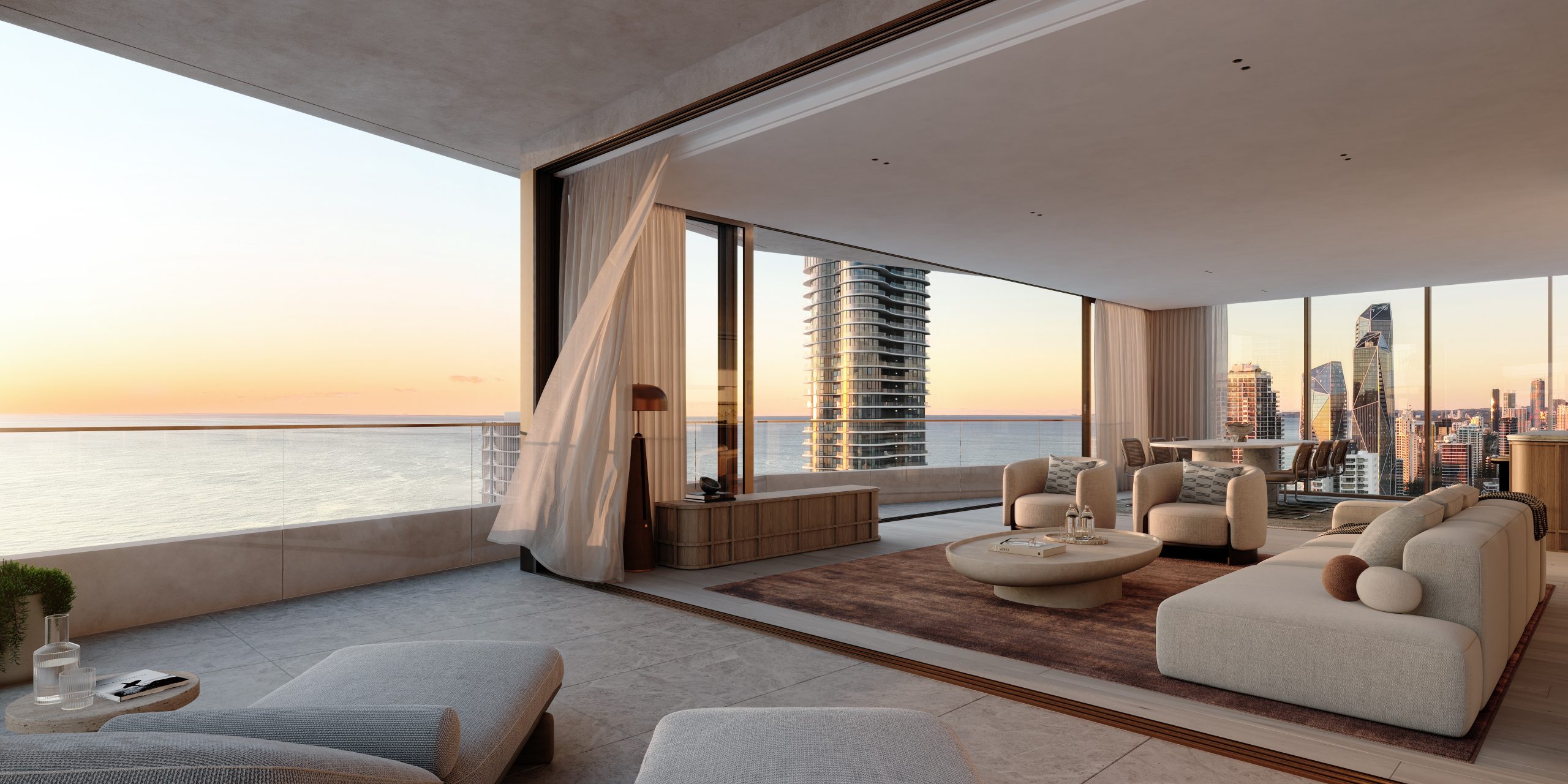
Think Melbourne’s inner bayside and east, Perth’s western suburbs and river precincts, and select Brisbane and Gold Coast locations where scarcity is real and community amenity is maturing.
Q: What has been your most remarkable sale, and what made it unique?
I have been fortunate over the last 30 years to be involved in Australia’s premium apartment revival from Bennelong, Hyde Park precinct and Barangaroo in Sydney, to HMAS in Melbourne, and the waterfront precincts of South-East Queensland and Perth, amounting to more than $200 million in property sales. We have also transacted a high proportion of development opportunities, up to $750 million.
Q: What is one piece of advice you always give high-net-worth buyers?
Choose the developer first. At this level, counterpart risk matters as much as postcode. Buy in the best village with the best views you can, but make your first filter the team delivering it: if you trust the people and the product, move early and buy with confidence.
This interview appeared in the Spring issue of Kanebridge Quarterly magazine. You can buy your copy here.

From making unpopular decisions to learning when to listen, leaders from five businesses reveal what nobody prepared them for — and how running a company has challenged their expectations.

Technology and semiconductor shares fell sharply as investors questioned the debt financing the AI infrastructure boom and confronted higher rates and Chinese competition.

Mirvac’s 45-level Trielle has topped out at Yarra’s Edge, pairing riverfront apartments with wellness facilities, private dining and resident services.
3 min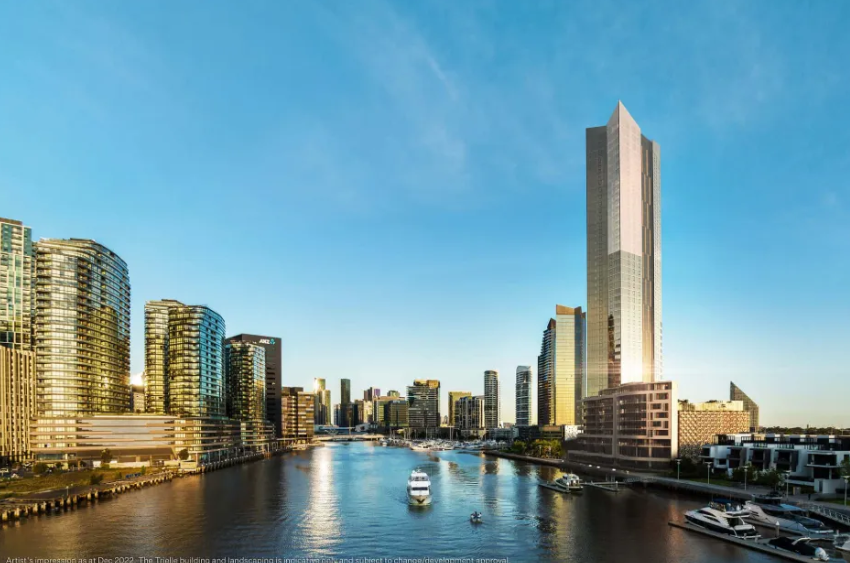
Mirvac has topped out Trielle at Melbourne’s Yarra’s Edge, with more than 70 per cent of the riverfront development sold and approximately 80 per cent of purchasers intending to make their apartment a home.
The figures, released on September 22, point to an owner-occupier audience for one of the precinct’s final residential towers. Mirvac began developing Yarra’s Edge in 2003, and its latest addition occupies one of the remaining absolute riverfront sites.
Mirvac CEO of Development Stuart Penklis said existing residents were among those moving up within the neighbourhood.
“Many purchasers already have a connection to Yarra’s Edge,” Mr Penklis said, describing buyers whose changing needs were encouraging an upgrade within the precinct.
“As one of the final residential towers within Yarra’s Edge, Trielle represents the culmination of more than two decades of creating one of Melbourne’s most established and sought-after waterfront communities,” Penklis said.
“Positioned on the Collins Street axis with absolute river frontage, Trielle offers residents a rare opportunity to enjoy sweeping views across the Yarra River, Melbourne skyline and Port Phillip Bay, while remaining seamlessly connected to the CBD. With Trielle now more than 70 per cent sold, we’re continuing to see strong demand from buyers seeking quality homes in established locations.”
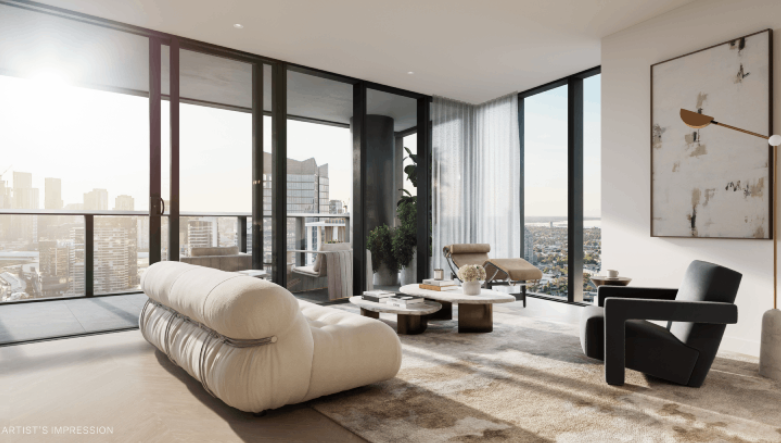
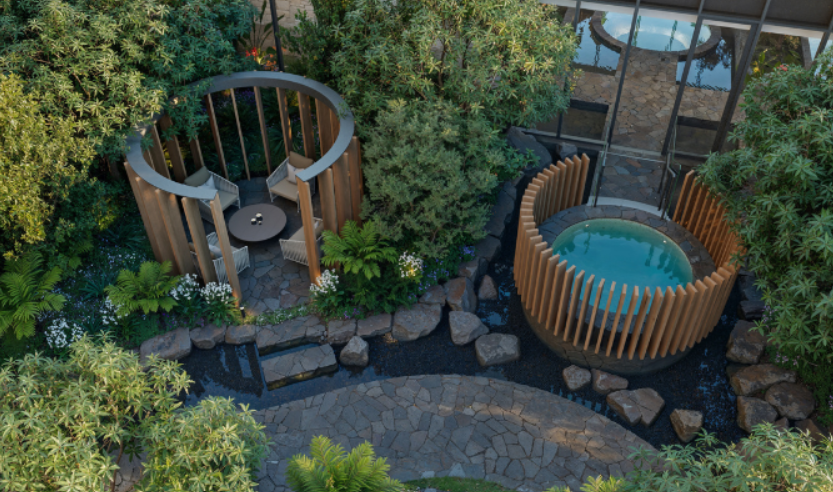
The developer also flagged a penthouse and sub-penthouse collection with larger layouts, premium finishes and broad outlooks. The planned wellness centrepiece, The Oasis, encompasses a 900-square-metre elevated urban rainforest.
Mirvac General Manager Residential Development Victoria Elysa Anderson said Trielle had resonated strongly with buyers seeking a rare lifestyle offering in Melbourne.
“Opportunities to secure a new luxury residence on a riverfront site of this calibre are incredibly rare, particularly within a community like Yarra’s Edge,” Anderson said.
“What makes Trielle unique is the combination of exceptional views, world-class residential facilities and the lifestyle that already exists around it. Residents are buying into a mature waterfront community with parks, promenades, dining, wellness and strong community connections already in place.”
The 45-level tower brings a substantial new presence to that waterfront. Its residential offering spans one-, two-, three- and four-bedroom apartments, with Signature, Prestige and Sub-Penthouse collections accommodating different household sizes. The north-facing position connects the apartments visually to the river and city beyond.
Seven storeys above the promenade, the planned Oasis combines planting and a running stream with a Scandinavian-inspired wellness club developed with spa specialist Naomi Gregory. Facilities include a 25-metre lap pool, hot magnesium pool, sauna, hydrotherapy, a gym, yoga and Pilates room, and treatment spaces.
The amenity extends beyond exercise. Residents will have access to The Biblioteca library and workspaces, ground-floor work pods, and The Salone piano lounge. A private Chef’s Table dining room offers a setting for larger gatherings, while a cinema, games room and sports lounge broaden the entertaining options. Concierge services and a dog-wash area support everyday routines.
Trielle comprises a collection of one, two, three and four-bedroom residences. Reflecting strong demand from owner occupiers, approximately 80 per cent of purchasers to date intend to live in their homes, highlighting the project’s appeal to those seeking a long-term waterfront lifestyle.
Mirvac has recently delivered The Albertine, a premium apartment development on the edge of Melbourne’s CBD, and is nearing completion of Prince & Parade in Brunswick, further strengthening its portfolio of thoughtfully designed apartment communities in some of Melbourne’s most sought-after urban locations.

French luxury-goods giant’s results are a sign that shoppers weren’t splurging on its collections of high-end garments in the run-up to the holiday season.
Technology and semiconductor shares fell sharply as investors questioned the debt financing the AI infrastructure boom and confronted higher rates and Chinese competition.