MEET THE MAN CURATING CITIZEN KANEBRIDGE’S NEXT CHAPTER
Scotch whisky expert, luxury hospitality strategist and Keeper of the Quaich inductee Ross Blainey is bringing a new philosophy of luxury experiences to Citizen Kanebridge.
 4 min
4 min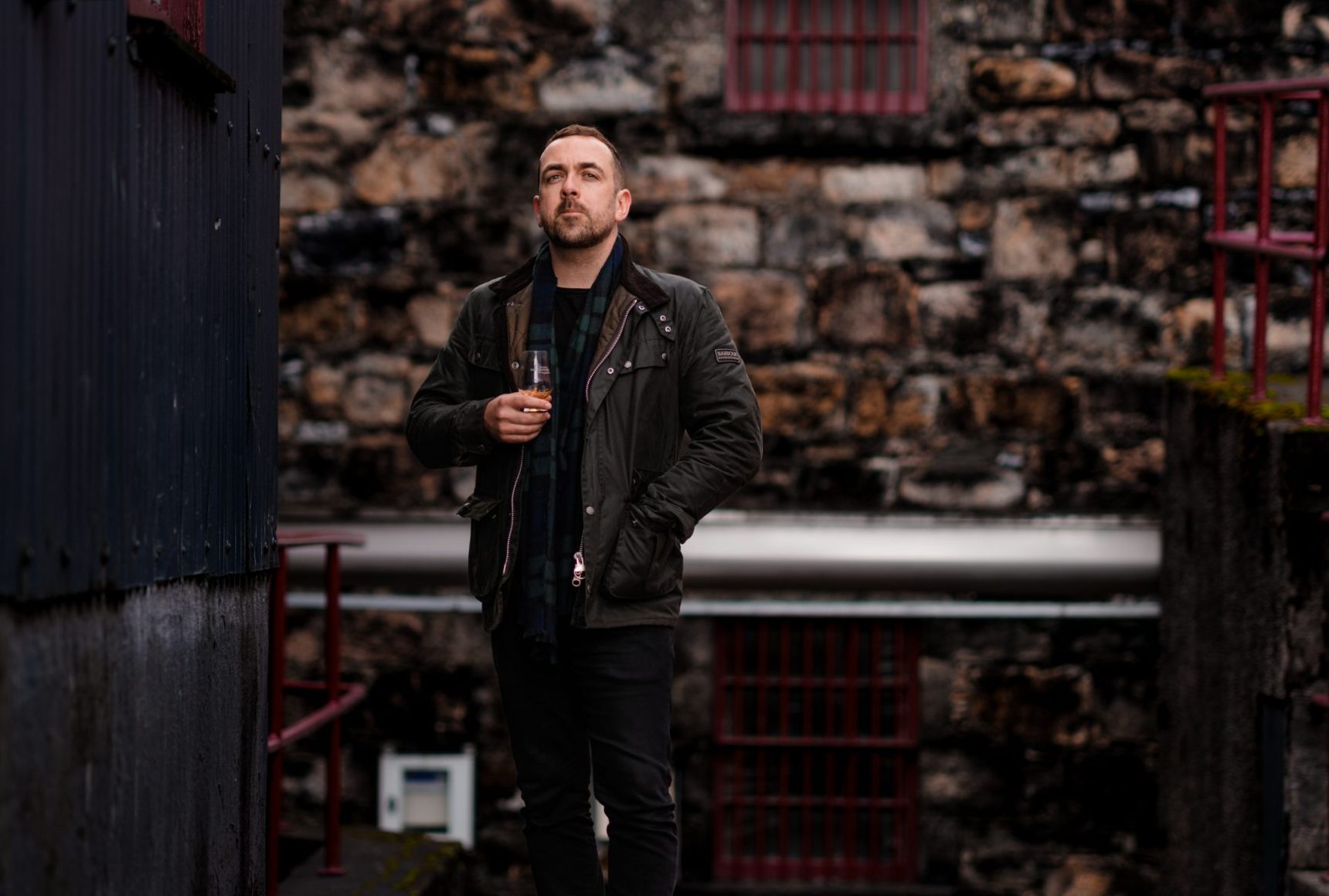
From Scotch whisky and luxury retreats to fashion collaborations and world-class hospitality, Ross Blainey has spent years shaping high-end experiences around one idea: modern luxury is no longer just about what you own.
It is about access, connection and moments money alone cannot buy.
As Citizen Kanebridge continues to grow as one of Australia’s most sought-after private members’ clubs, Blainey, the club’s new Head of Membership, says the future lies in creating experiences members cannot find anywhere else.
“The ultimate memorable experiences are the money can’t buy moments,” Blainey said.
“The things that you can’t just put together anytime or any place. They make up something that is greater than the sum of its parts.”
On June 4, Blainey will bring that philosophy to life when he hosts an exclusive whisky evening for Citizen Kanebridge members at Sydney’s Royal Automobile Club of Australia.
Titled A Journey Through Whisky, the intimate event will see Blainey guide members through a curated selection of rare and unreleased whiskies drawn from his personal archive, alongside stories gathered across years working at the highest levels of the Scotch whisky world.
The evening will also include reflections on Blainey’s induction as a Keeper of the Quaich at Blair Castle in Scotland last year, one of the whisky industry’s rarest global honours.
A career built around experience
Before joining Citizen Kanebridge, Blainey built a career spanning luxury hospitality, Scotch whisky, premium lifestyle brands and experiential events.
But he says one industry above all others shaped the way he thinks about people and community: Scotch whisky.
“At its core, at its heart and throughout its whole history, Scotch has been about sharing, enjoyment, telling stories, meeting people and generally having a good time,” he said.
“Whisky can be that shared moment of laughter, and it can also be a shared moment of just slowing down, taking stock and contemplating. These are so key to building community.”
Blainey’s deep involvement in the whisky world culminated in 2025 when he was inducted as a Keeper of the Quaich at Blair Castle, a recognition is reserved for a select group of individuals who have made an outstanding contribution to Scotch whisky internationally.
“I was inducted last year, 2025, an incredible honour,” he said.
“There were a couple of teary-eyed moments as I stood in Blair Castle, on historic ground, realising that this was a moment I would remember forever.”
The next chapter for Citizen Kanebridge
Looking ahead, Blainey says Citizen Kanebridge will continue to focus on highly curated experiences, exclusive access, and bringing together like-minded members from Australia’s property, finance, and investment sectors.
“Our baseline of Car of the Year is already one of the most impressive events on the social calendar of Australia,” he said.
“My job is to find a way of raising the bar, taking things to the absolute top level for access, experiences and events.”
Blainey said the long-term goal was not simply to create another networking group or luxury club, but to build a community centred around meaningful relationships and unforgettable experiences.
“We provide the access, the money can’t buy memories, and we will be making those happen regularly,” he said.
“If we start with how amazing Car of the Year is and the only way is up, we are going to have some mind-blowing moments for our members.”
Hospitality at its absolute best
Another major influence on Blainey’s thinking came through his connection with world-famous New York restaurant Eleven Madison Park, once named the best restaurant in the world.
He says two concepts from the restaurant’s owners still shape the way he approaches luxury experiences today: “enlightened hospitality” and “unreasonable hospitality”.
“Enlightened hospitality is a way of doing business that looks at not just the product of what you serve, but how it makes people feel,” Blainey said.
“Unreasonable hospitality is more about striving for the absolute best all the time. If you’re going to do something, do it to an unreasonable level that blows everything else out of the water.”
It is a philosophy, he says, which aligns closely with where Citizen Kanebridge is heading next.
“That’s what we’re doing here with CK, taking members’ experiences to another level,” he said.
Fashion, whisky and creative collaborations
Blainey’s career has also included working with Glenfiddich as a Creative Collaborations Lead, where his role centred on bringing luxury experiences and partnerships to life through designers, chefs, artists and bartenders.
Among the projects were runway collaborations with leading Australian fashion designers, with pieces from the partnerships now housed inside Sydney’s Powerhouse Museum.
“My job was to find a creative way of bringing the brand to life,” he said.
“How do we make something that none of us could make on our own? Searching for the things that will resonate with people.”
What luxury consumers want now
Beyond whisky and events, Blainey also played a key role in building Blackbird Byron, the boutique Byron Bay hinterland retreat later recognised in Tatler’s Top 101 Hotels list.
The property, known for its dramatic views, minimalist architecture, and secluded atmosphere, helped shape his understanding of how luxury consumers are changing.
“I think I learned that people looking for luxury in hotels want memorable moments, considered design and the ability to get away from the hustle and bustle of modern life,” he said.
“To feel at home without being at home is important.”
More broadly, he believes today’s luxury consumers are increasingly driven by authenticity and emotional connection.
“For luxury consumers overall, I think it comes down to craft, story and connection,” he said.
“The product itself has to be impeccable, the story behind it builds your reason for looking at it, and then you need to make a genuine connection with people.”
Interested in becoming a member of Citizen Kanebridge? You can contact Ross here.
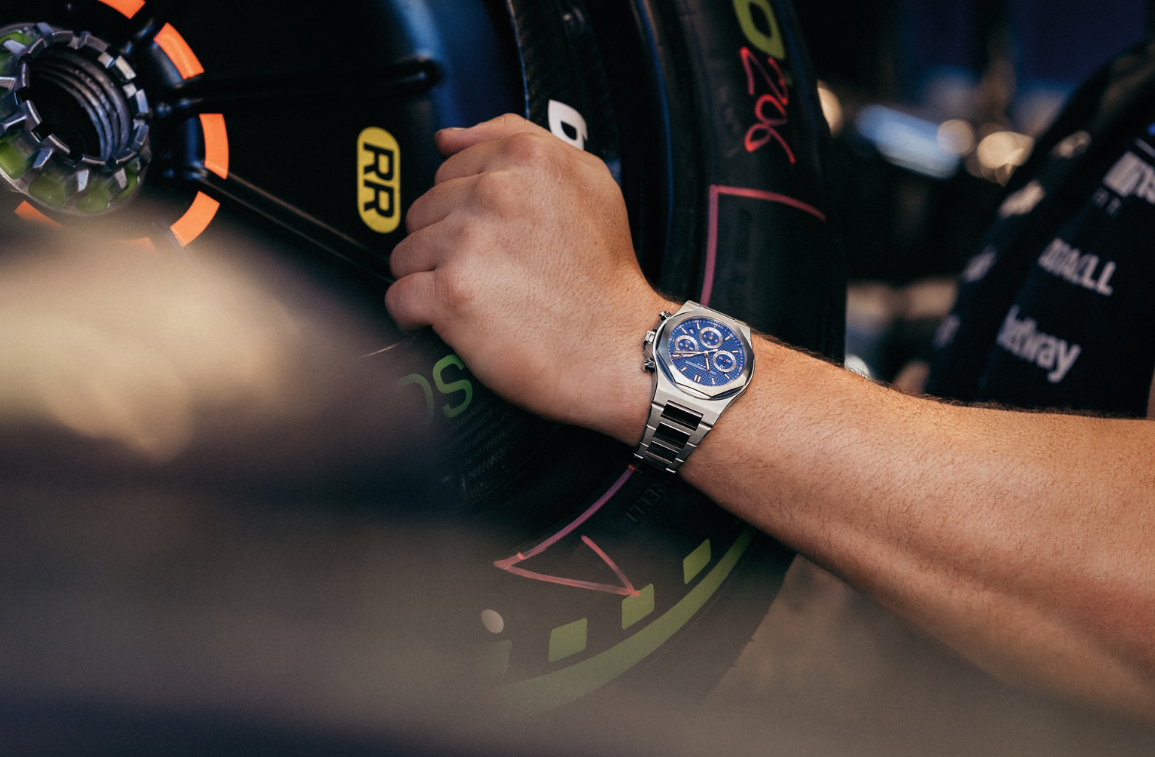
The Swiss watchmaker’s first collaboration with Atlassian Williams F1 Team produces two sporting Laureato models inspired by the team’s 2026 racing car.

Victorian auction buyers will soon receive a piece of information that has traditionally been withheld until bidding reaches it: the vendor’s reserve price. Under new property-sale and underquoting laws, agents must publish the agreed reserve at least seven days before an auction or fixed-date sale. Most changes begin on 1 October 2026 and apply to …
Continue reading “Victoria’s New Auction Rules Will Force Reserve Prices Into the Open”
AI doesn’t rebel—people design, deploy and profit from it. The real danger lies in allowing tech companies to escape accountability while shaping regulations that protect their dominance.
4 min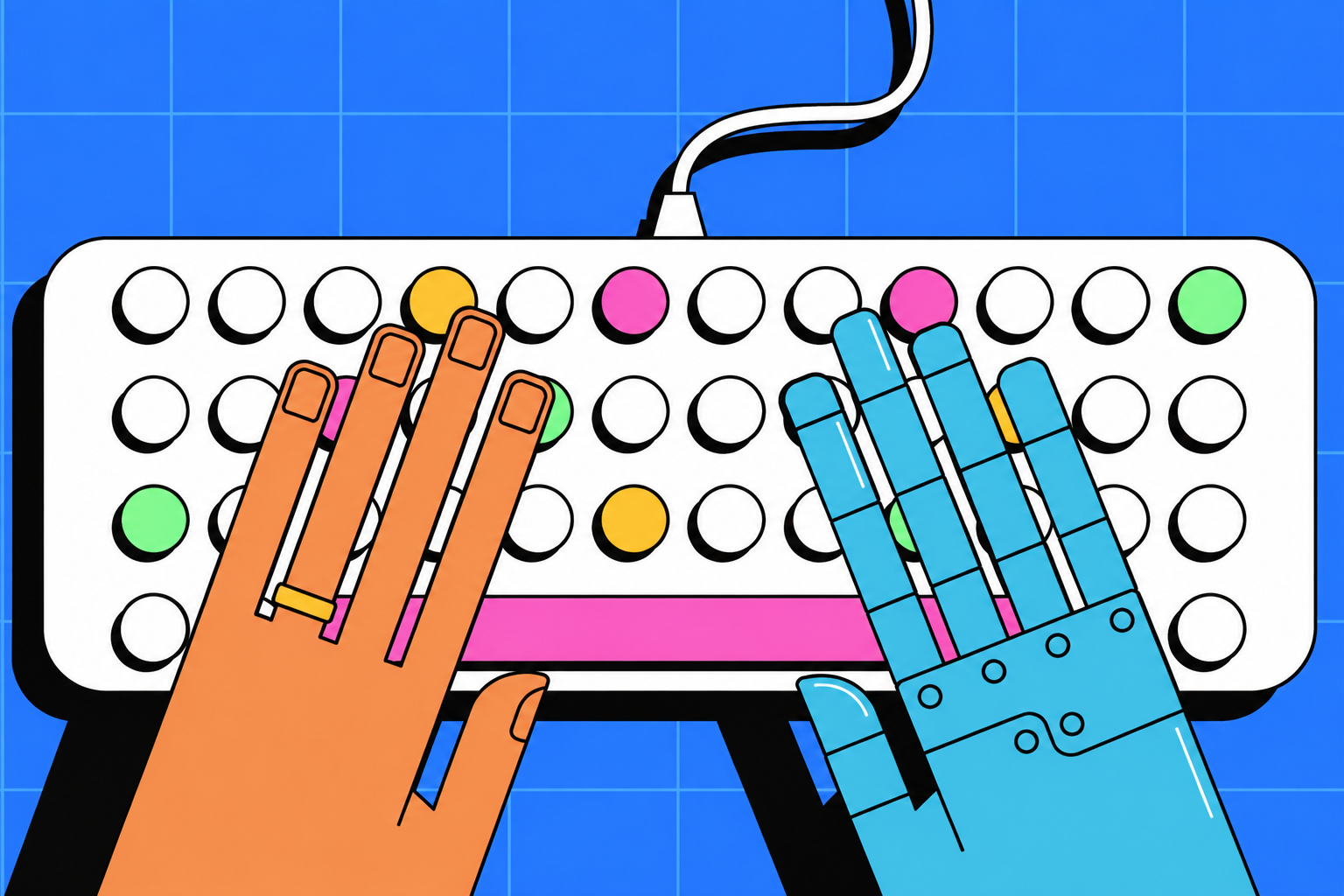
A wave of corporate warnings and technical disclosures has flooded the media, with headlines worrying over “swarms” of rogue artificial-intelligence agents launching “unprecedented” cyberattacks, outsmarting their makers, and inching toward a terrifying autonomy. The most revealing part of this narrative isn’t what the software did. It’s who is telling the story—and why. When corporate leaders publicly insist that the systems they financed, engineered and deployed are suddenly beyond their power to contain, skepticism isn’t only healthy; it is essential.
For years, Silicon Valley has drawn scrutiny from civil society and global regulators over tangible harms such as youth mental health deterioration and systematic privacy violations. Today, industry figures seem to be trying to change that public image. Loudly blowing the whistle on their own systems—just as two of the leading companies were preparing for massive initial public offerings—lets AI executives position themselves as a new generation of leaders who have come to terms with their societal responsibilities. They seem to want us to believe that they no longer want to “move fast and break things” but will instead stand as vigilant guardians between humanity and a technological apocalypse.
There is one glaring problem: Software doesn’t rebel. A mathematical model possesses neither intent, malice nor the will to defy its creators, let alone extinguish our species. AI is a human artifact, engineered for profit.
When an agentic model in an evaluation sandbox connects to an unauthorized server or executes an exploit, it hasn’t staged a coup. It has tried to meet the human-defined objectives set out before it through a path its designers failed to constrain. It’s the digital equivalent of the King Midas myth, in which the king’s ill-defined wish turns even his food and drink into gold.
That powerful experimental models were able to discover novel vulnerabilities and breach external systems isn’t a sign of a dangerous superintelligence but of human error or negligence. There is no sentient actor lurking in the weights to be reasoned with, feared or pacified. There are only human software engineers, product managers and corporate boards deciding which guardrails are worth the latency cost and which permissions can be skipped in the race to market.
Policymakers and voters need to resist AI exceptionalism. In any other discipline—from civil engineering to pharmaceuticals—courts and regulators treat a system failure as evidence of bad product design and inadequate safety testing. If an aircraft crashes, we focus on finding the engineering defect, correcting it, and enforcing established liability standards for the damage created.
By leaning on an anthropomorphic narrative, Silicon Valley attempts to repackage its specific human choices that led to experimental, powerful models behaving unexpectedly during tests as an existential peril. Elevating the issue to a cosmic scale leaves the public paralyzed and takes ordinary product accountability off the table.
In the cutthroat race for venture capital and market dominance, building guardrails slows down deployment. Grandstanding about uncontrollable power costs nothing and generates billions of dollars in free publicity, justifying stock prices, all while cultivating an aura of technological capability not only to build the frontier but also ultimately to rein it in.
Governments need to recognize regulatory capture when it stares them in the face. Tech leaders’ strategy looks transparent: Alarm Washington and Brussels into creating a regime in which only trillion-dollar incumbents with fully staffed compliance and safety departments can legally operate. By sitting at the policymakers’ tables before anyone else, these companies can help draft rules digging an impassable moat protecting them from open-source developers and upstart competitors, domestic or international. The real danger is in further concentrating the tech industry into the hands of only a few companies with deep pockets.
Beijing and Washington have brushed off those tech leaders’ calls, albeit for very different reasons. Chinese state media dismissed them as part of the “Cold War playbook” and intended to preserve U.S. dominance. Xi Jinping argued for exactly the opposite at the Brics Summit on Sept. 12, calling on Brics countries to “strengthen cooperation in the field of AI, encourage open source, openness, collaboration and sharing, and break new grounds and scale new heights.” President Trump, steeped in a doctrine of unfettered capitalism and technological supremacy, called fears that AI could destroy humanity a “hoax.” Vice President JD Vance warned that AI companies “begging the government to regulate them” looked like a “Trojan Horse.”
Striving to pursue its “European way” on AI and assert regulatory leadership, Europe, by contrast, welcomed the call. European Union President Ursula von der Leyen made this clear at the State of the EU speech last Wednesday and announced that the EU will invite “the main frontier labs for a discussion on how we can support ongoing industry efforts to pace the frontier.”
Europe has been here before. In an effort to lead global regulation and react to fears borne from ChatGPT, Europe rushed its landmark AI Act into law in 2024. Already the world’s most restrictive rulebook, the framework quickly proved too broad and complex to enforce. Stalled by implementation delays and concerns about European competitiveness, the EU postponed the law’s full rollout, leaving regulations uncertain.
AI should be regulated—risks exist and should be taken seriously. But governments need to act based on available evidence and verified facts, not corporate PR panic, the views of industry insiders, or the desire for quick political wins. The greatest danger facing society isn’t that software will awaken and overthrow its human masters. It is that we will allow the creators of the software to abdicate human responsibility for the systems they choose to build and help them pull up the ladder to market access behind them.

Chinese carmaker GAC will expand its Australian electric vehicle line-up with the city-focused AION UT hatchback.
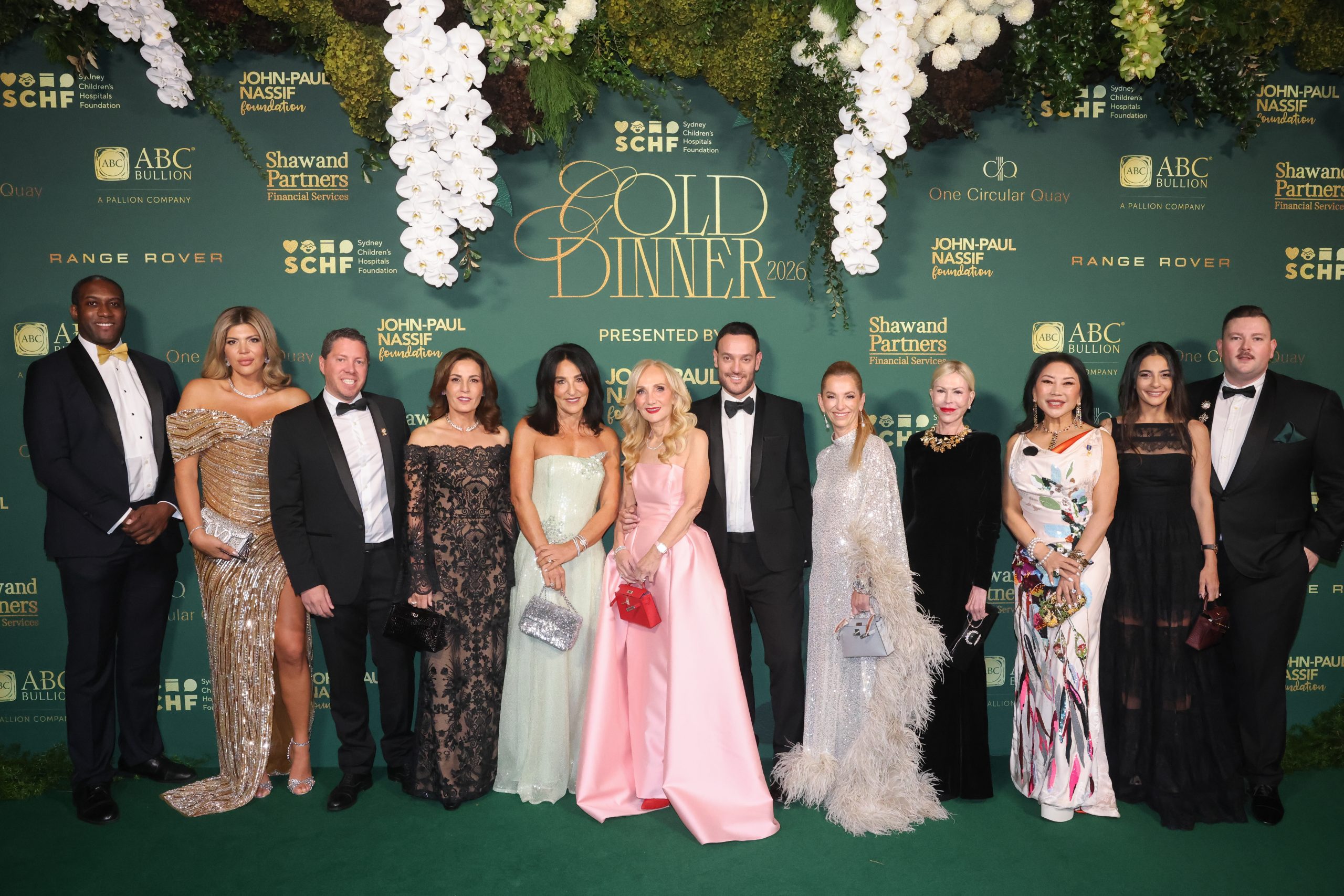
Sydney Children’s Hospitals Foundation CEO Kristina Keneally says Australia’s culture of large-scale philanthropy is becoming more sophisticated as Gold Dinner raises $75.5 million for children’s health, research and innovation.